WINTER GARDEN
TASKS
Taking care of a few winter tasks in the garden is important for plant health, pest prevention, and preparation for spring. Tasks such as pruning and mulching promote plant vigor and reduce the risk of disease, inspecting for pests and diseases allows for early intervention, and preparing tools and equipment ensures efficiency when gardening resumes. Additionally, providing food, water, and shelter for wildlife can be critical in supporting biodiversity. Here is a comprehensive list to consider for your garden in winter.
Clean Up & General Maintenance
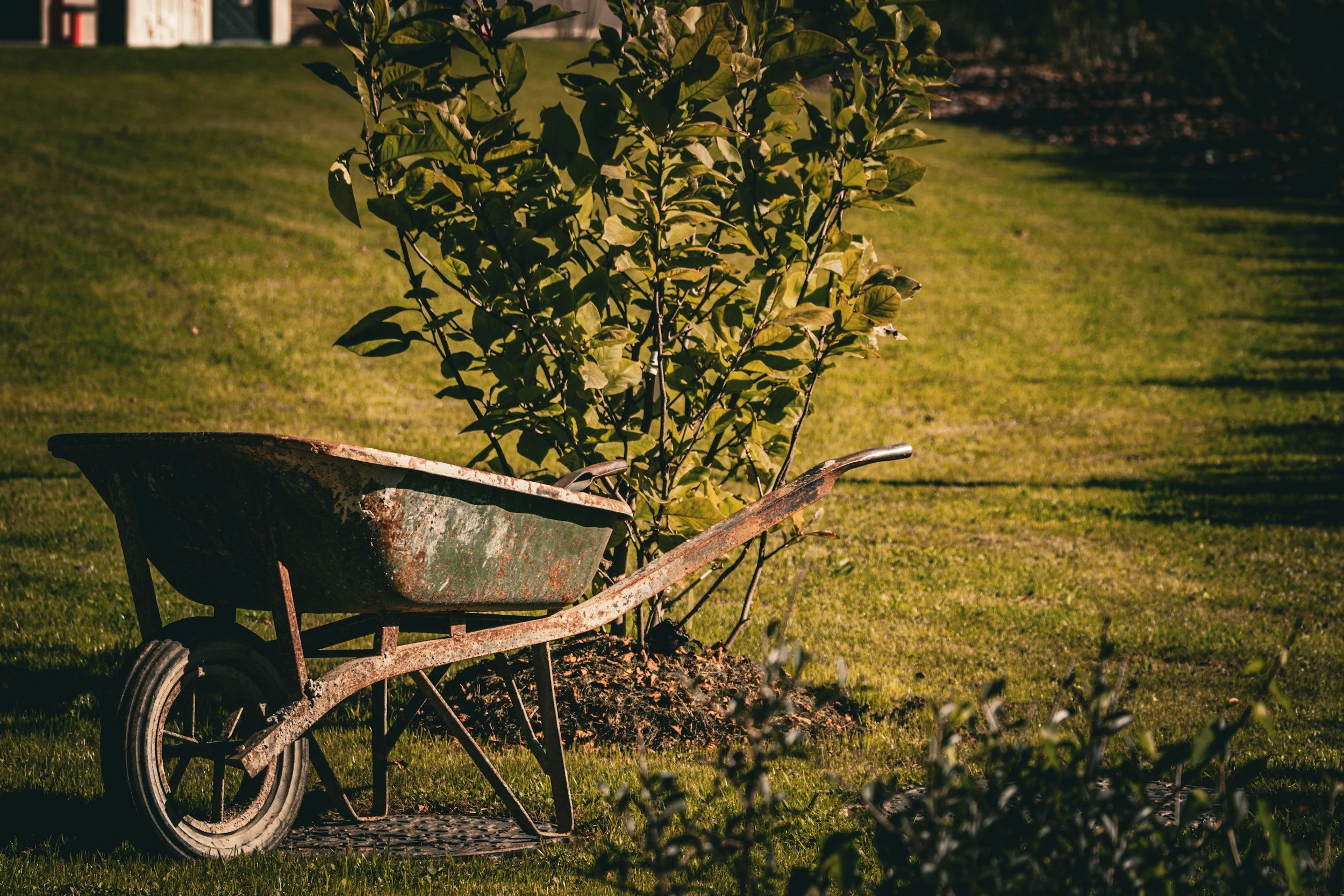
Winter cleanup creates a healthier garden by reducing the pests and diseases that thrive in cool, damp conditions. Light tidying keeps beds accessible and prepares the garden for early spring growth.
Remove fallen leaves and debris from pathways, patios, and beds to reduce pests and rot
Remove any annuals or vegetables that have fully died back
Tidy collapsed herbaceous perennials (keep stems with seedheads for wildlife if desired)
Cut back ornamental grasses if they’ve been flattened; otherwise wait until early spring
Pull winter weeds before they establish deep roots
Pick up storm debris, fallen branches, and broken stems after wind or snow events
Check drainage areas for blockages and clear standing water
Pruning & Cutting Back
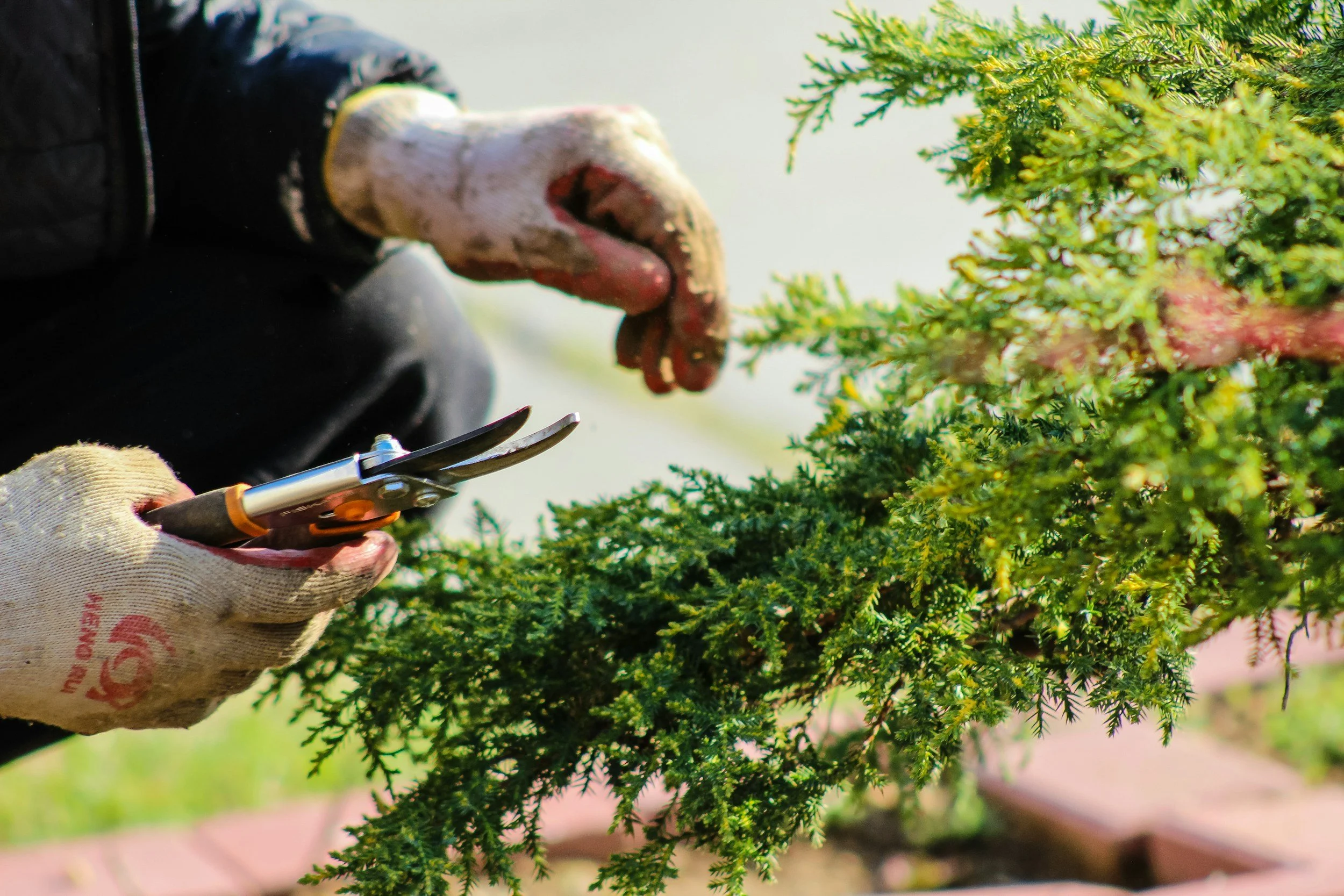
Dormant-season pruning helps shape plants, improve structure, and remove damaged or diseased wood. Winter is also the ideal time to prepare fruit trees and summer-blooming shrubs for vigorous spring growth.
Prune fruit trees (apple, pear, plum) while dormant
Prune roses lightly to reduce wind rock; structural pruning waits until late winter/early spring
Remove dead, damaged, or diseased wood from shrubs and trees
Prune summer-blooming shrubs (hydrangea paniculata, spirea, potentilla) in late winter
Do not prune spring-blooming shrubs (rhododendrons, lilacs, forsythia, camellias) until after they flower
Cut back deciduous ornamental grasses late winter
Trim back ferns only once new fiddleheads begin to emerge (late winter–early spring)
Protecting Plants From Cold
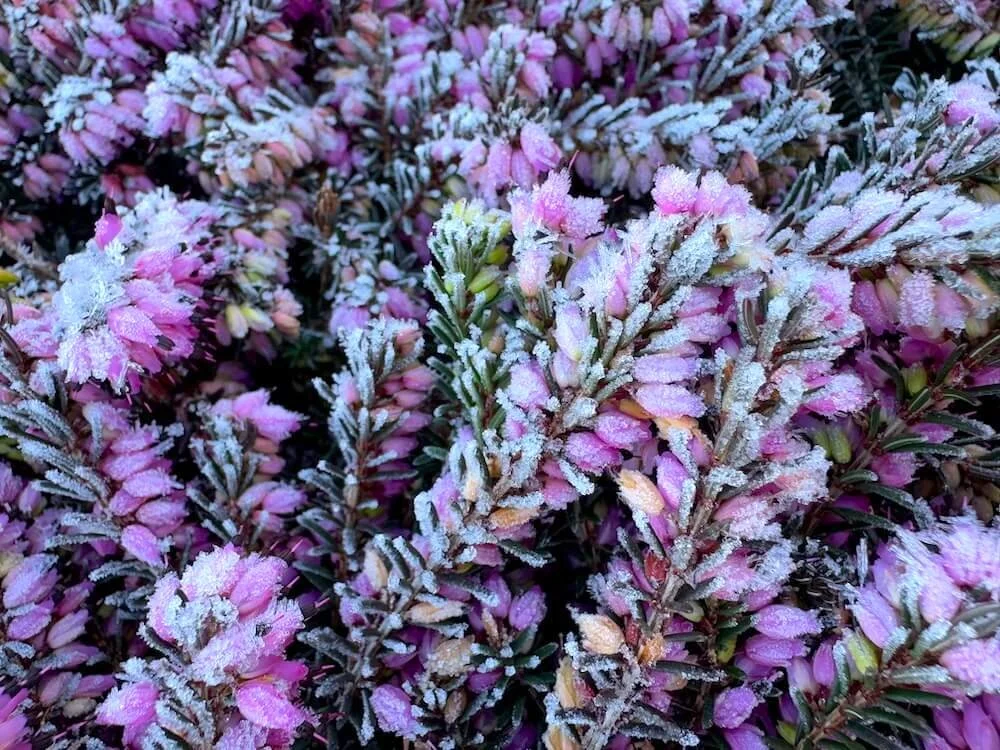
Cold protection helps plants tolerate freezing temperatures, harsh winds, and fluctuating winter conditions. Small steps such as mulching or sheltering containers can prevent winter injury.
Add mulch around the base of perennials and shrubs to insulate roots
Wrap sensitive shrubs (like young broadleaf evergreens) with burlap in exposed locations
Protect graft unions on roses with mulch
Move containers to sheltered areas or group them together for insulation
Water evergreen plants during dry winter spells when daytime temps are above freezing
Brush heavy snow off conifers and shrubs; avoid knocking ice off branches
Soil Care & Preparation
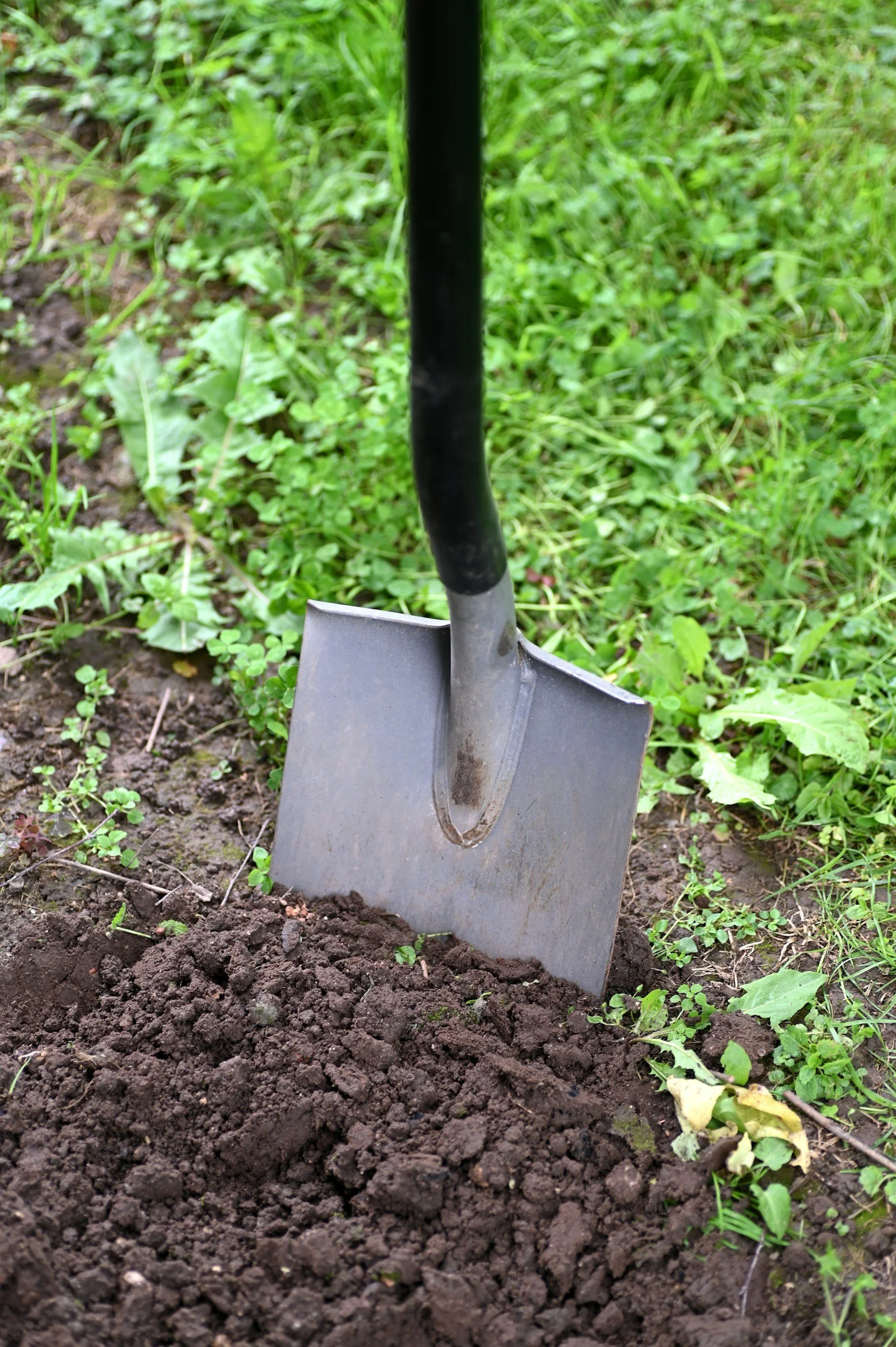
Winter is an excellent time to build soil health because natural freeze–thaw cycles help break down compost and amendments. Maintaining soil structure now sets the stage for strong spring planting.
Add compost to empty beds (freezing/thawing helps break it down)
Apply organic mulch to protect soil structure
Test soil pH and nutrients; plan amendments for early spring
Avoid walking on soggy beds to prevent compaction
Perennials, Shrubs & Trees
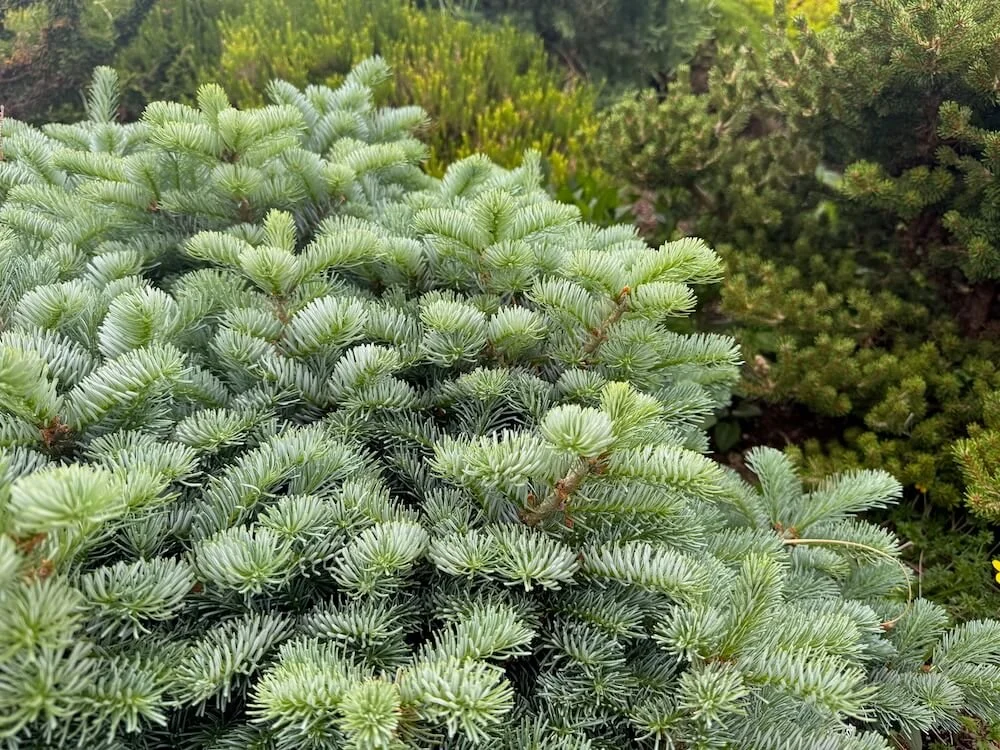
Winter offers a chance to monitor woody plants and emerging perennials for seasonal stress or damage. Simple tasks now help maintain plant health and support growth as temperatures warm.
Plant bare-root roses, shrubs, or fruit trees in mild winter periods
Check tree stakes and ties; loosen or remove as needed
Inspect trees for winter damage or structural issues
Monitor hellebores and remove old foliage to reveal emerging blooms (late winter)
Check evergreen shrubs for winter burn; water during dry spells
Vegetable & Cutting Garden
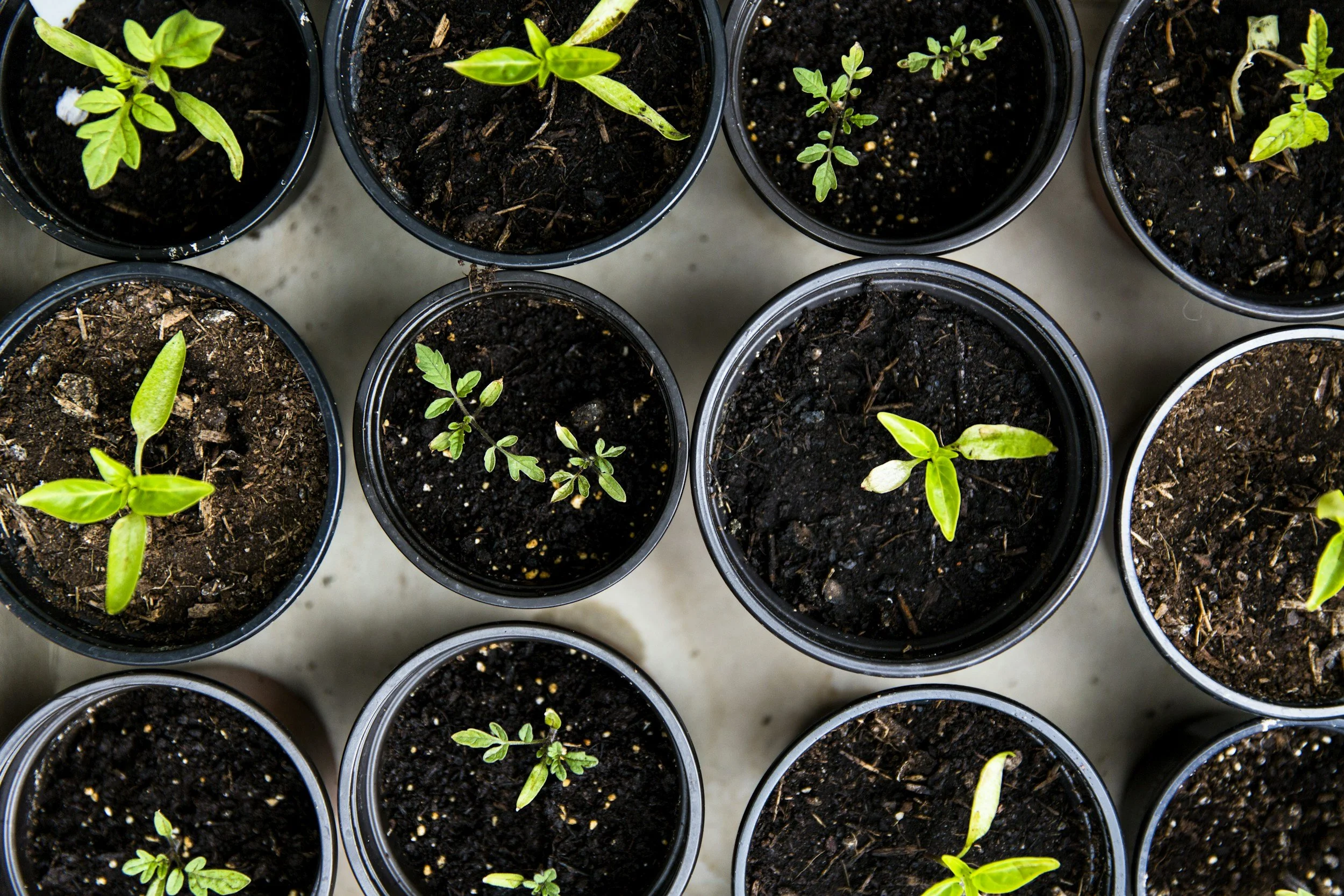
The quiet winter months are ideal for refreshing tools, organizing supplies, and planning next season’s crops. Early seed starting and bed preparation help ensure a smooth transition into spring.
Clean and sharpen pruners, loppers, shovels, and hori-hori knives
Sanitize pots, trays, and tools
Plan crop rotation and layout for spring vegetables
Start seeds indoors for slow growers (leeks, onions, artichokes)
Order seeds before popular varieties sell out
Add compost to vegetable beds and cover with mulch
Harvest winter crops such as kale, chard, leeks, carrots, parsnips
Wildlife & Pollinator Support
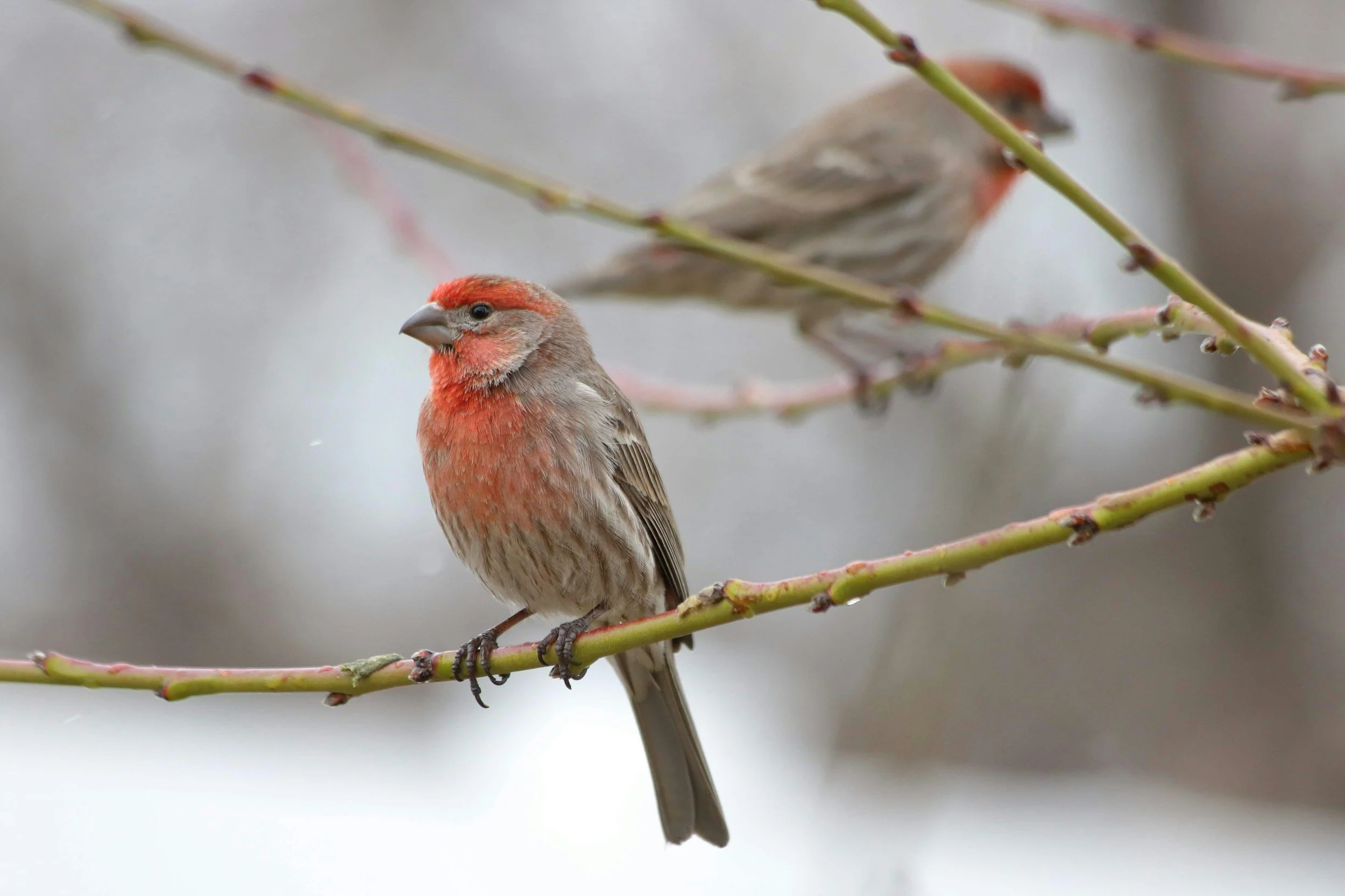
Supporting wildlife in winter provides vital resources during the season of scarcity. Maintaining habitat areas and keeping feeders clean helps birds and beneficial insects thrive.
Leave some seedheads for birds (coneflowers, rudbeckia, grasses)
Clean birdbaths and keep them ice-free
Refill suet and seed feeders regularly
Create brush piles for overwintering wildlife
Avoid heavy cleanup in areas used by native bees and beneficial insects
WINTER GARDEN TASKS
-

PRUNING
Winter is a great time to prune deciduous trees and shrubs while they are dormant. Remove any dead or diseased branches, as well as any crossing branches that may rub against each other.
-

MULCHING
Apply a layer of mulch to garden beds to help insulate plant roots and protect them from freezing temperatures. Mulch also helps retain moisture in the soil.
-

WINTER SOWING
Start cold-hardy vegetables and flowers indoors for transplanting later in the spring. Some vegetables, like kale and spinach, actually benefit from exposure to frost.
-

PROTECT PLANTS
Use frost blankets, cloches, or other protective coverings to shield tender plants from freezing temperatures. Move potted plants indoors or to a sheltered location if necessary.
-

INSPECT FOR PESTS & DISEASES
Take advantage of the dormant season to inspect plants for signs of pests or diseases. Remove any affected plant material to prevent the spread of problems.
-

MAINTAIN TOOLS
Winter is a good time to clean and sharpen gardening tools. Properly maintained tools will make spring gardening tasks easier and more efficient.
-
PLAN & ORDER SEEDS
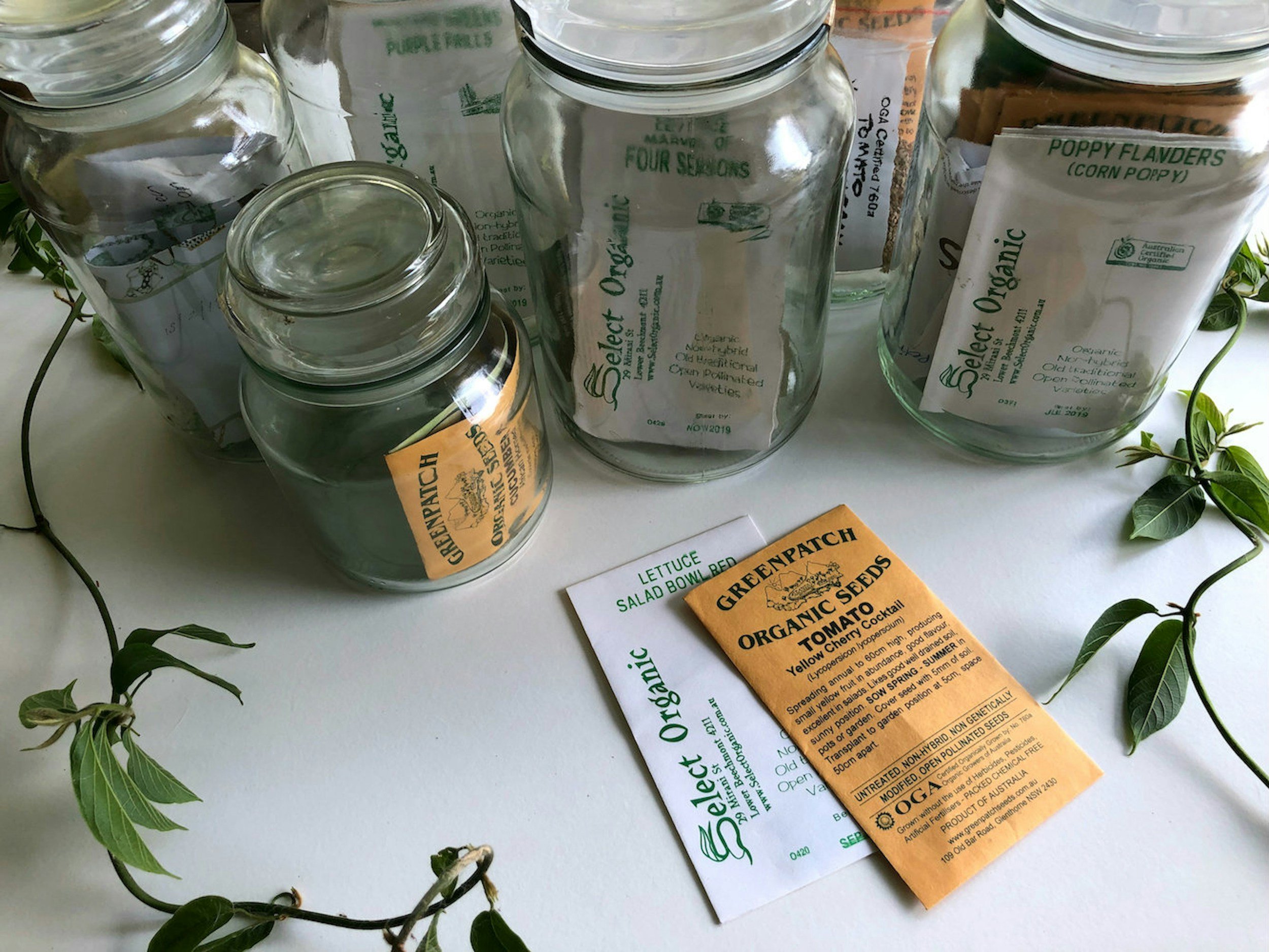
Use the winter months to plan your garden layout for the upcoming growing season. Order seeds and supplies early to ensure you have everything you need when spring arrives.
-

FEED BIRDS
Provide food, water, and shelter for birds during the winter months. Hang bird feeders and birdhouses to attract and support local bird populations. Foods can include suet, seeds, and peanuts.
-

GARDEN MAINTENANCE
Check and repair garden structures such as fences, trellises, and raised beds. Make any necessary repairs or improvements while the garden is dormant.