FALL GARDEN
TASKS
Fall plants begin to slow their growth, making this an important season to prepare the garden for colder months ahead. Cleaning up beds and removing spent growth helps reduce pests and disease, while mulching protects soil and roots. Planting bulbs and perennials allows roots to establish before winter. Supporting wildlife with food and shelter maintains garden balance. Here is a comprehensive list to consider for your garden in fall.
Seasonal Clean Up

Fall cleanup prepares the garden for winter by reducing disease pressure, limiting pest overwintering, and creating orderly beds while preserving beneficial habitat for wildlife and soil organisms.
Remove spent annuals and frost-damaged vegetables from beds
Rake leaves from lawns while leaving some in garden beds for insulation
Cut back foliage only on plants that benefit from fall trimming
Remove diseased plant material and dispose of it away from compost
Clear gutters, downspouts, and drainage channels before heavy rain
Tidy paths and borders to prevent slippery conditions
Clean and store garden tools to prevent rust and extend their lifespan
Soil Care & Mulching

Fall soil care restores nutrients depleted during the growing season and protects soil structure through winter, helping beds emerge healthier, richer, and easier to work in spring.
Add compost to beds to replenish nutrients through winter
Apply mulch to moderate soil temperature, reduce erosion, and protect exposed soil surfaces
Incorporate leaf mold to increase organic matter and improve moisture retention in planting beds
Avoid deep digging that disrupts beneficial organisms preparing for winter dormancy
Water amended beds lightly to help materials settle and integrate before cold weather and reduce air pockets around roots and soil particles gently
Use coarse organic mulch such as bark or straw in exposed areas to prevent soil compaction from heavy winter rains
Planting & Transplanting
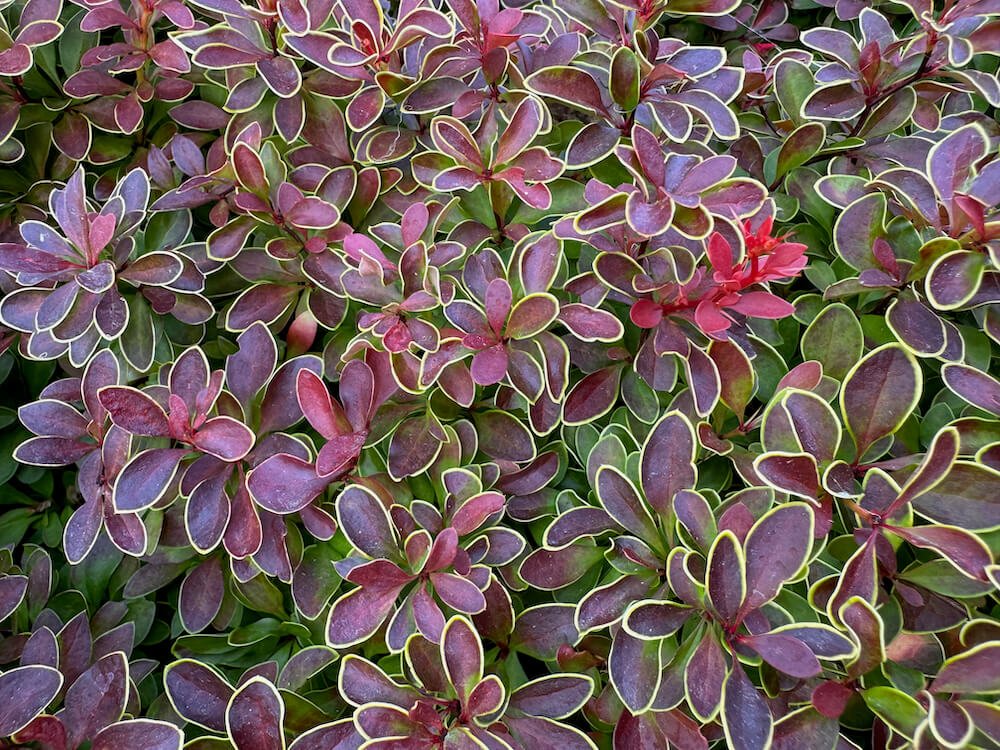
Cool fall temperatures encourage strong root development, making this an ideal season to plant, relocate, and establish trees, shrubs, and perennials before winter dormancy.
Plant trees, shrubs, and perennials so roots establish before freezing soil
Transplant struggling plants to better light, drainage, or spacing
Add spring-blooming bulbs for early seasonal color next year
Water new plantings deeply to encourage deep root growth
Mulch newly planted areas to insulate roots and retain moisture
Label plantings clearly before foliage dies back
Loosen surrounding soil gently when planting to help roots expand into native soil
Lawn Preparation

Fall lawn care strengthens roots and improves resilience, allowing turf to recover from summer stress and enter winter healthier, better prepared for spring growth, and more resistant to weeds and disease.
Aerate compacted areas to improve drainage and root penetration
Overseed thin patches to thicken turf before winter dormancy
Apply a fall-balanced fertilizer to support root development
Continue mowing until growth slows, lowering height slightly at season’s end
Remove heavy leaf buildup to prevent smothering grass
Top-dress with a thin layer of compost to improve soil structure and microbial activity
Water newly seeded areas consistently until established to ensure good germination
Pruning & Cutting Back

Selective fall pruning supports plant health without stimulating tender growth, helping gardens enter winter tidy while preserving structure, buds, and wildlife resources where appropriate.
Remove dead, damaged, or diseased branches from trees and shrubs
Cut back herbaceous perennials that benefit from fall trimming
Leave seedheads that provide winter interest or valuable bird food
Avoid heavy pruning of shrubs that bloom on old wood
Remove crossing or rubbing branches to improve airflow and reduce disease risk
Schedule structural pruning for late winter to correct shape and size once plants are fully dormant before spring resumes
Vegetable Garden Shutdown
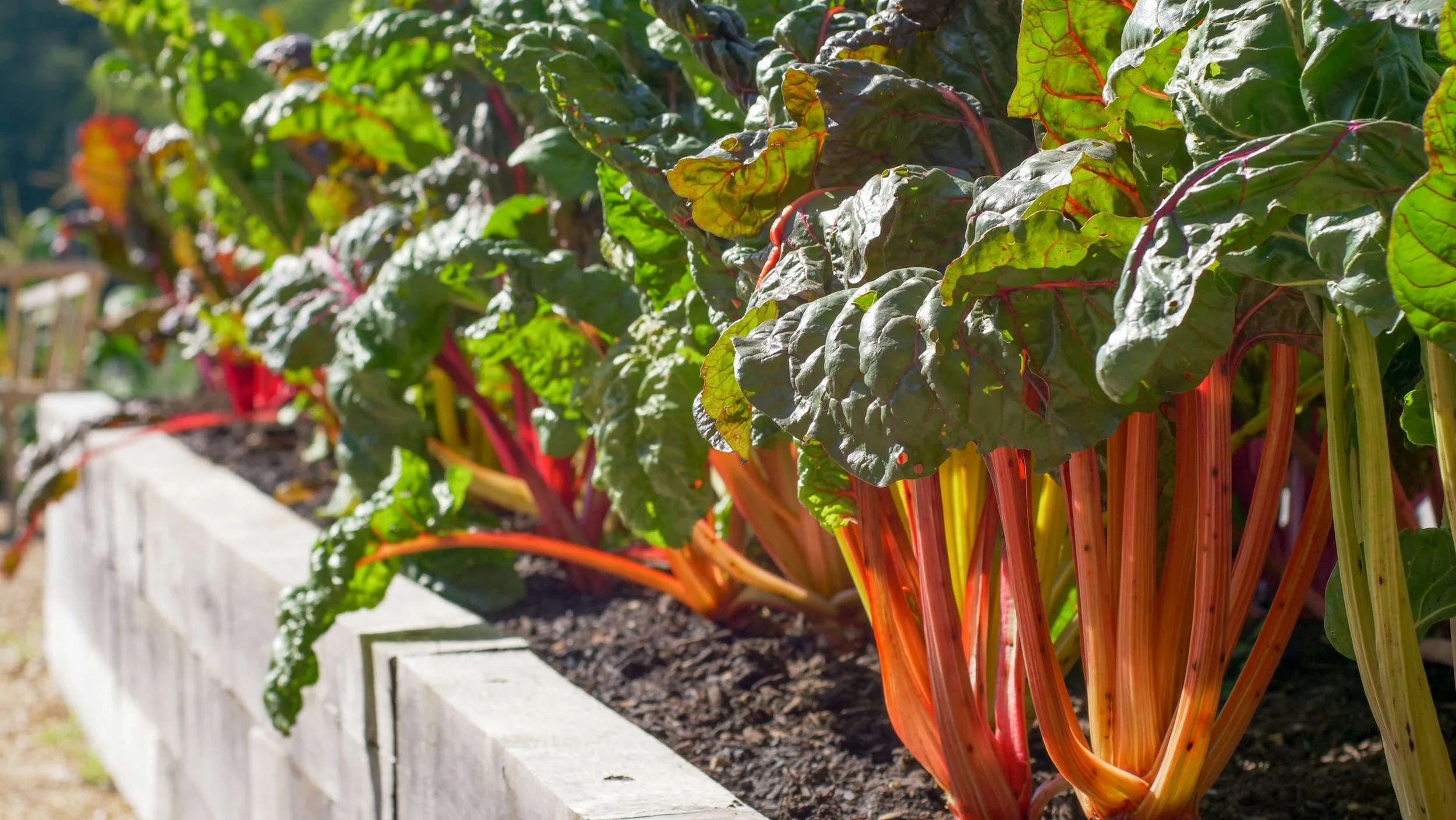
Closing down the vegetable garden properly protects soil health, reduces disease carryover, and simplifies planting when the next growing season begins.
Remove spent crops and compost only healthy debris
Pull remaining weeds before they set seed
Add a layer of compost or aged manure to replenish soil nutrients
Harvest remaining hardy vegetables before hard frost
Protect tender crops temporarily with row covers if needed
Clean and store stakes, cages, and supports
Drain and store irrigation lines or hoses to prevent freeze damage
Add a layer of compost or mulch to bare beds to protect soil over winter
Irrigation & Water Management
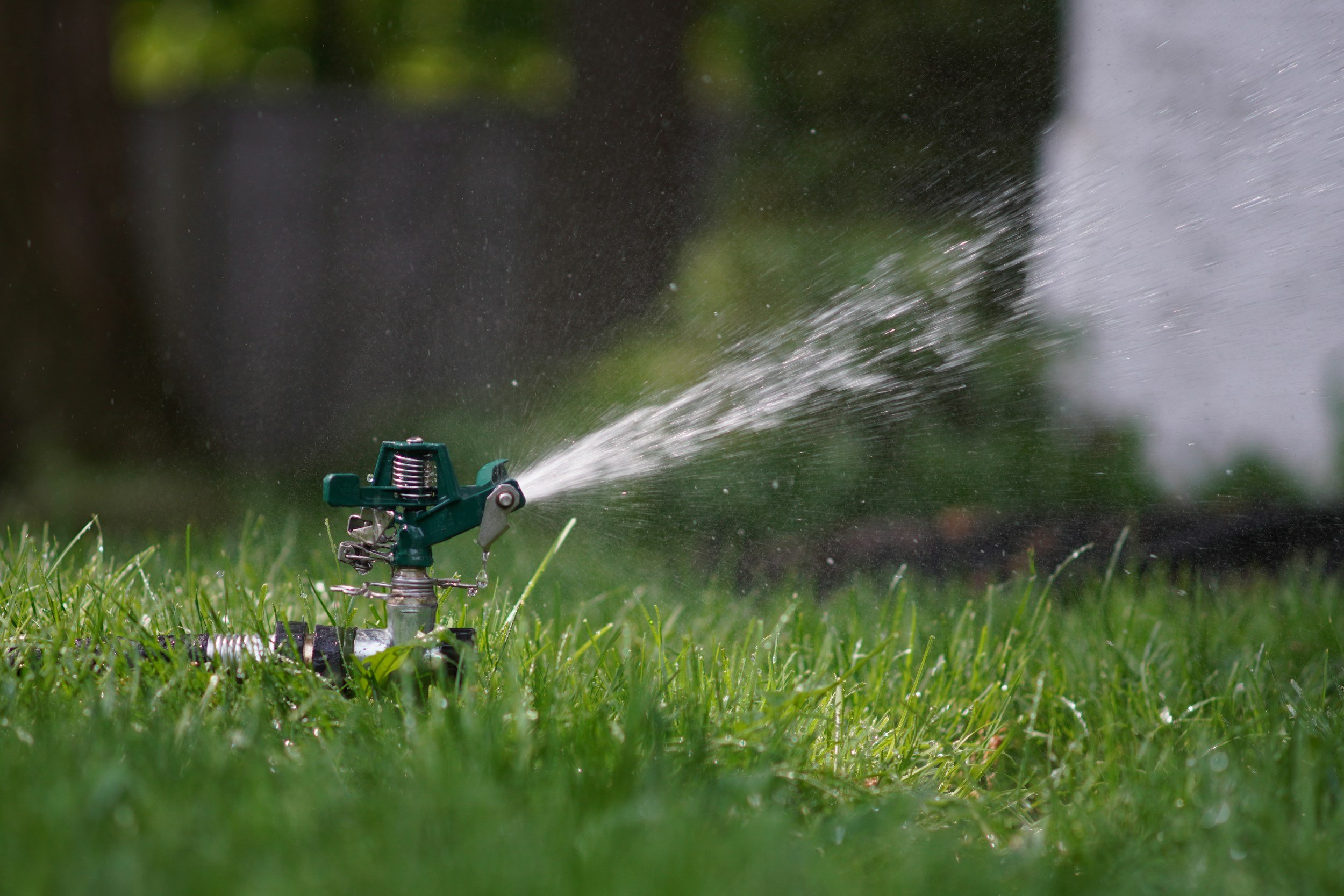
Preparing irrigation systems for freezing temperatures prevents damage and ensures everything is ready for efficient use when spring arrives.
Disconnect hoses, drain them fully, and store them indoors to avoid freeze damage
Blow out irrigation systems if recommended for your climate, especially in areas with hard freezes or prolonged cold
Check drainage areas around beds, paths, and foundations and correct pooling water before winter rains intensify
Adjust watering schedules as temperatures cool, gradually reducing frequency while ensuring newly planted trees and shrubs stay hydrated
Shut off exterior water valves and install faucet covers to protect outdoor spigots from freezing
Clear debris from irrigation emitters and sprinkler heads to ensure proper function next season
Wildlife & Habitat Care
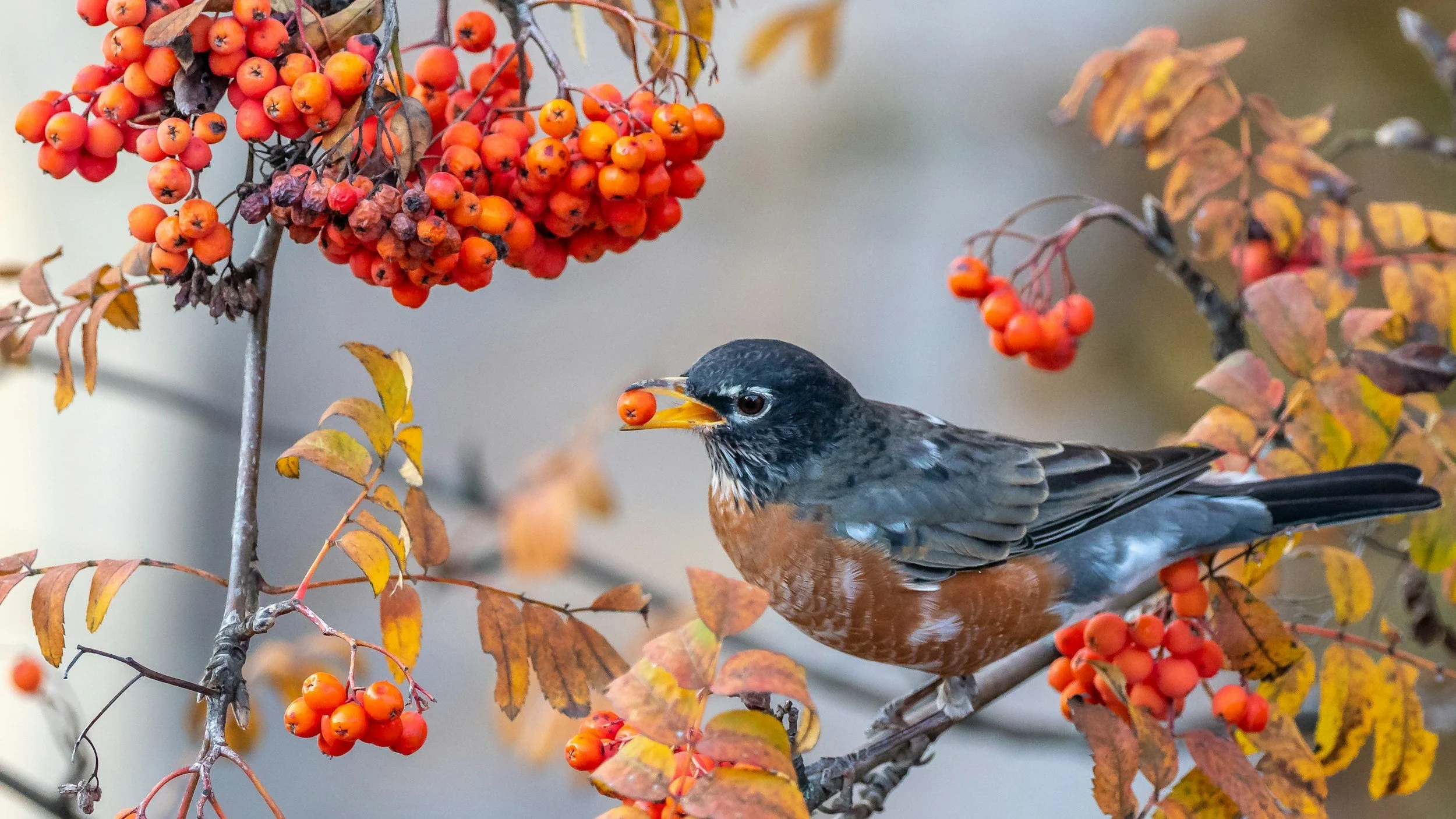
Fall is a critical transition season for wildlife, and thoughtful garden choices help insects, birds, and small animals find food and shelter as temperatures drop.
Keep birdbaths clean and filled as natural water sources decline in fall weather locally
Preserve seed-bearing plants to feed migrating and resident birds through winter months naturally
Avoid pesticide use during migration and hibernation periods to protect wildlife health overall
Maintain brush piles or fallen branches to provide cover for small mammals safely seasonally
Allow spent perennials to stand for winter shelter and nesting habitat opportunities
Add suet or high-energy foods to feeders as temperatures drop to support birds through colder months
Planning & Review
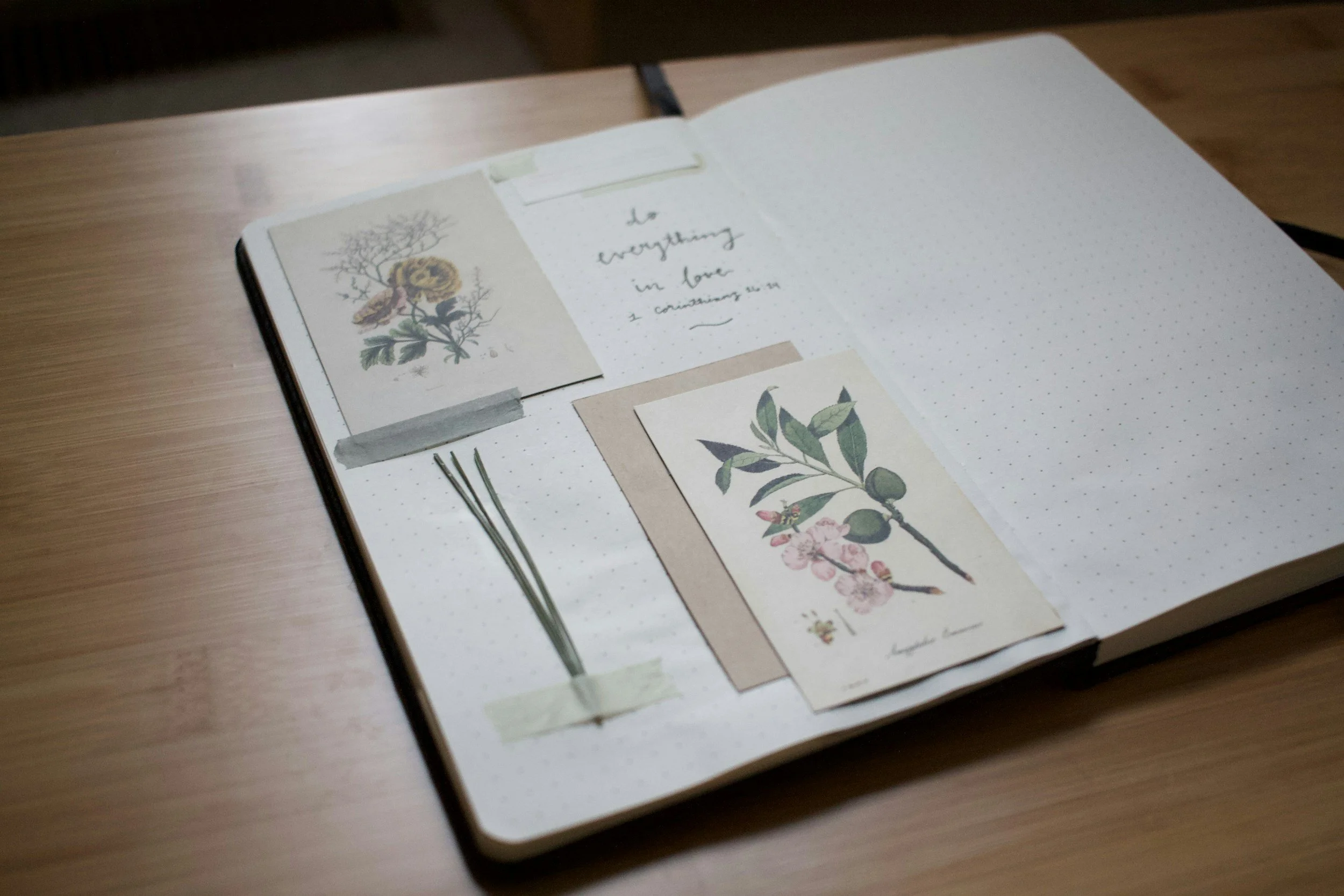
Fall reflection helps capture lessons from the growing season while plant performance is still fresh, making future planning more informed and intentional.
Note which plants performed well and which struggled, considering light, moisture, and placement
Record bloom times, fall color, and pest issues that affected growth or flowering
Sketch ideas for bed redesigns, or plant replacements while the season is fresh
Evaluate gaps in seasonal interest, structure, or color that could be improved next year
Assess tools, irrigation parts, soil amendments, and supplies to repair, replace, or restock over winter
Create a short priority list for spring projects so planning feels organized rather than overwhelming

BOOK RECOMMENDATIONS