
COMPLETE GUIDE
TO HELLEBORES
Hellebores bring color and elegance to the garden during the quiet months of late winter and early spring, producing long-lasting blooms in shades of white, cream, pink, burgundy, purple, and green when little else is flowering. Their nodding flowers and handsome evergreen foliage provide interest well beyond the bloom season, making them valuable additions to woodland gardens, shaded borders, and mixed plantings. With their ability to thrive in sheltered locations and their wide range of flower colors and forms, hellebores add texture, depth, and a welcome sense of renewal to the landscape as the gardening season begins.

CHOOSING & DESIGNING WITH HELLEBORES
Flower colors and forms:
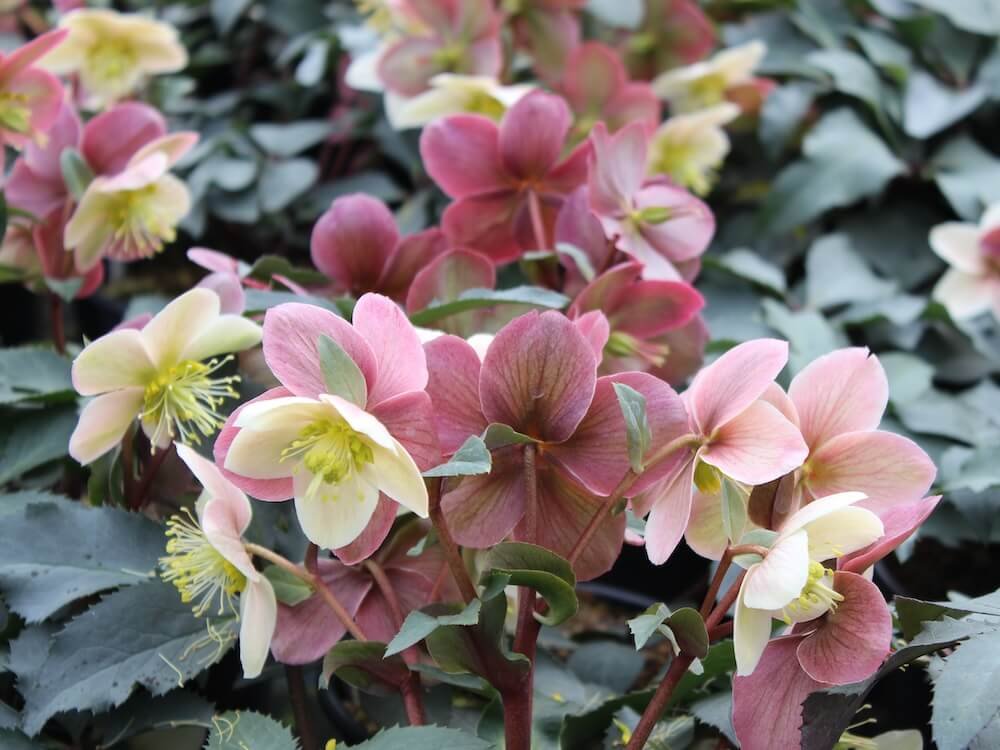
Hellebores offer remarkable diversity in both flower color and form. Blooms may be single, double, or anemone-centered and often feature picotee edges, speckling, veining, or contrasting centers. Colors range from pure white and soft blush tones to apricot, burgundy, and nearly black, providing endless opportunities for creating different moods and color combinations in the garden.
Seasonal interest:
One of the greatest strengths of hellebores is their ability to bring color to the garden when little else is in bloom. Flowers appear from winter into early spring, while their evergreen foliage provides year-round texture and structure. Their long-lasting blooms help bridge the transition between winter and spring and extend the gardening season.
Light requirements:
Most hellebores perform best in partial shade, particularly beneath deciduous trees where they receive winter sunlight and summer protection. In cooler climates, they often tolerate more sun provided adequate moisture is available, while warmer regions generally benefit from filtered light or protection from intense afternoon heat.
Companion plants:
Hellebores combine beautifully with snowdrops, cyclamen, epimediums, ferns, pulmonarias, heucheras, brunneras, hostas, and spring-flowering bulbs. Their early blooms complement other woodland plants while their evergreen foliage provides an attractive backdrop throughout the year.
Garden uses:
Hellebores are versatile plants suited to woodland gardens, mixed borders, shaded pathways, slopes, and containers. Their tidy clumps and long-lasting flowers make them valuable near entryways and outdoor living spaces where their winter blooms can be appreciated up close. Over time, mature plants help create naturalistic drifts and layered plantings.
Foliage and year-round structure:
Even after flowering has finished, hellebores continue contributing to the garden through their handsome foliage. Many varieties retain attractive evergreen leaves throughout the year, providing texture and structure during the quieter months and helping anchor surrounding plantings.
Light-Colored Hellebores
-
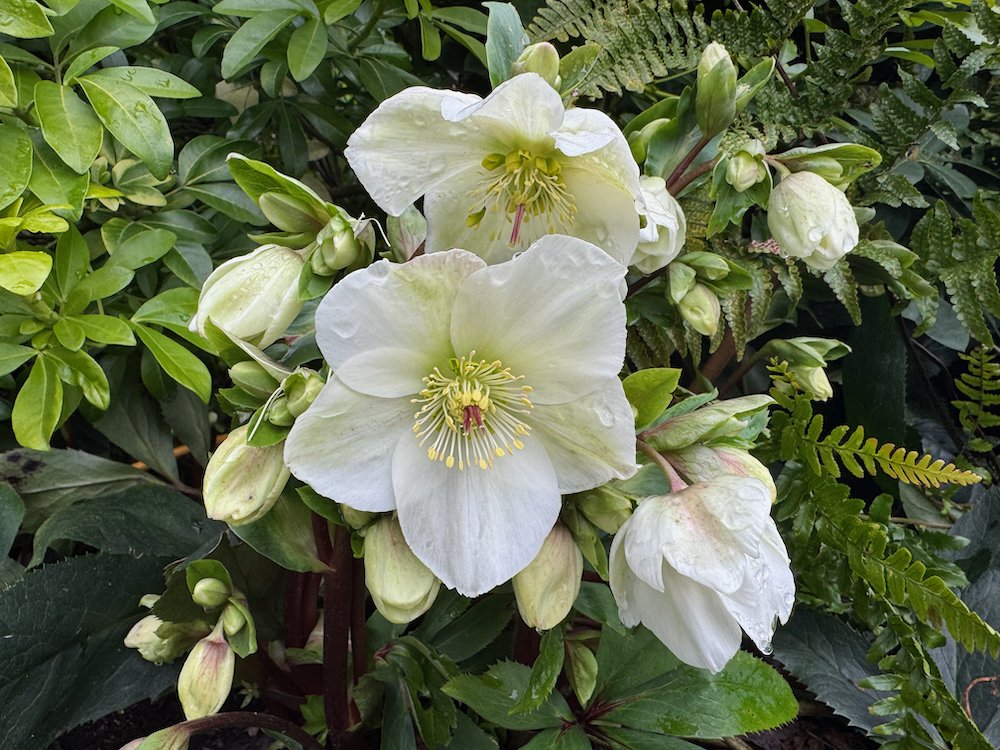
Helleborus niger HGC 'Jacob'
Jacob Christmas Rose
-
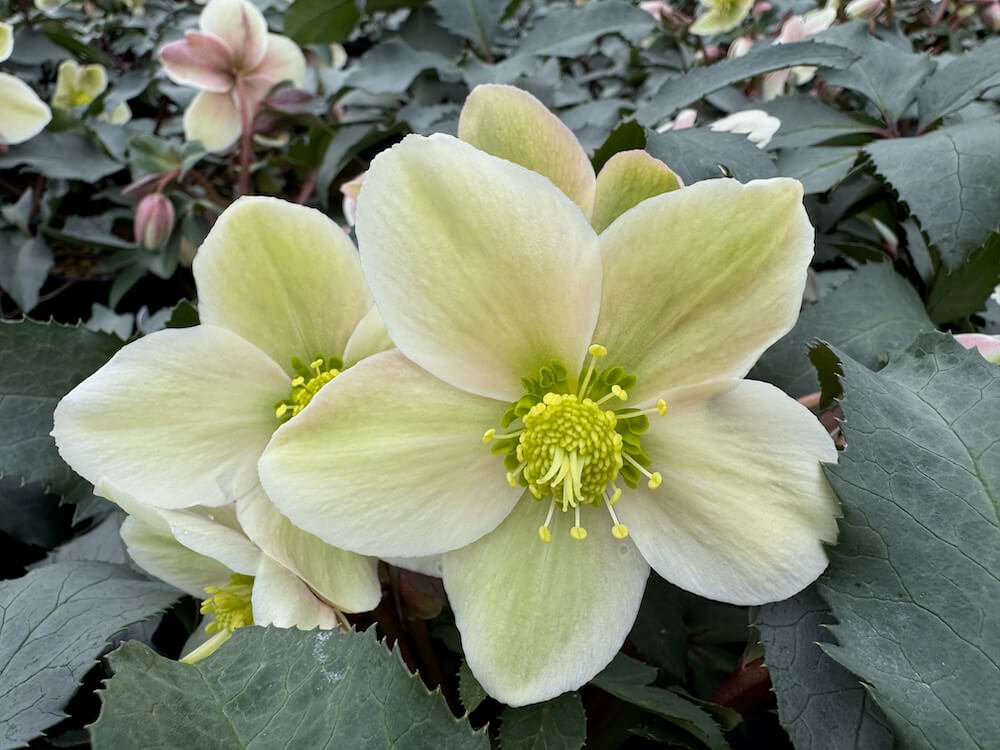
Helleborus x e. HGC 'Monte Christo'
Monte Christo Lenten Rose
-
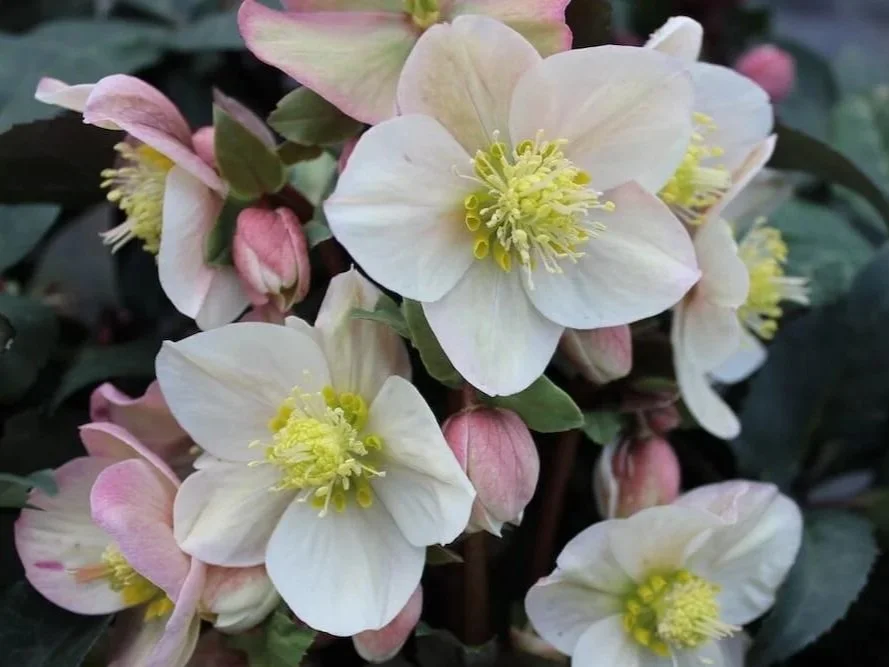
Helleborus x e. HGC 'Shooting Star'
Shooting Star Lenten Rose
-
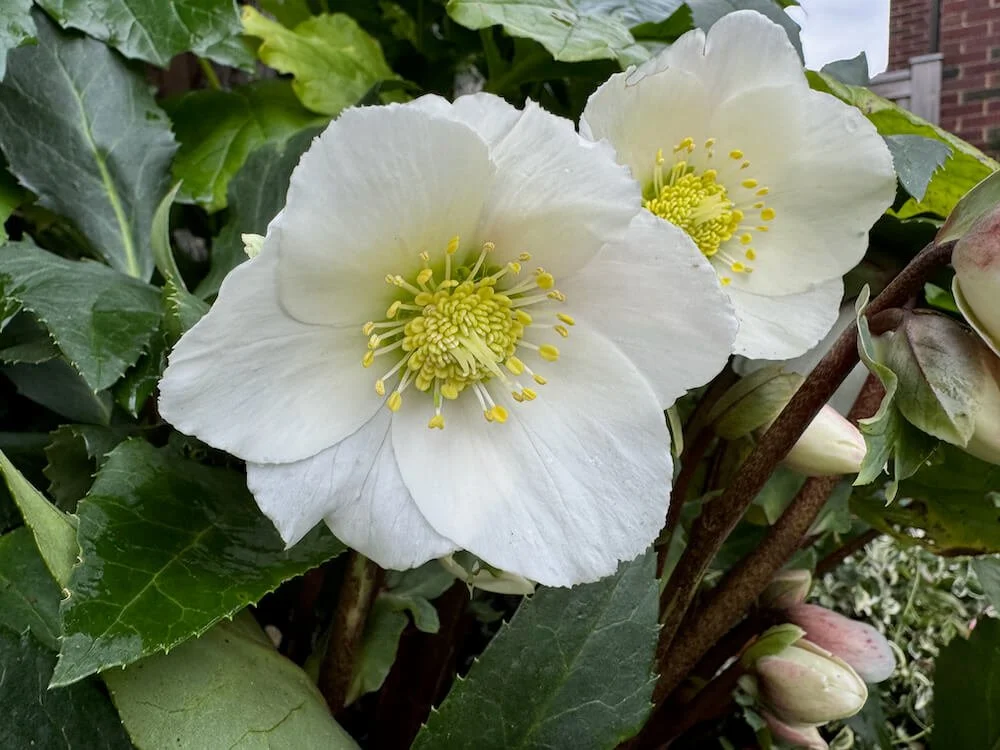
Helleborus x e. HGC 'Frosty'
Frosty Lenten Rose
-

Helleborus x g. HGC 'Ice N' Roses White'
Ice N’ Roses White Lenten Rose
-
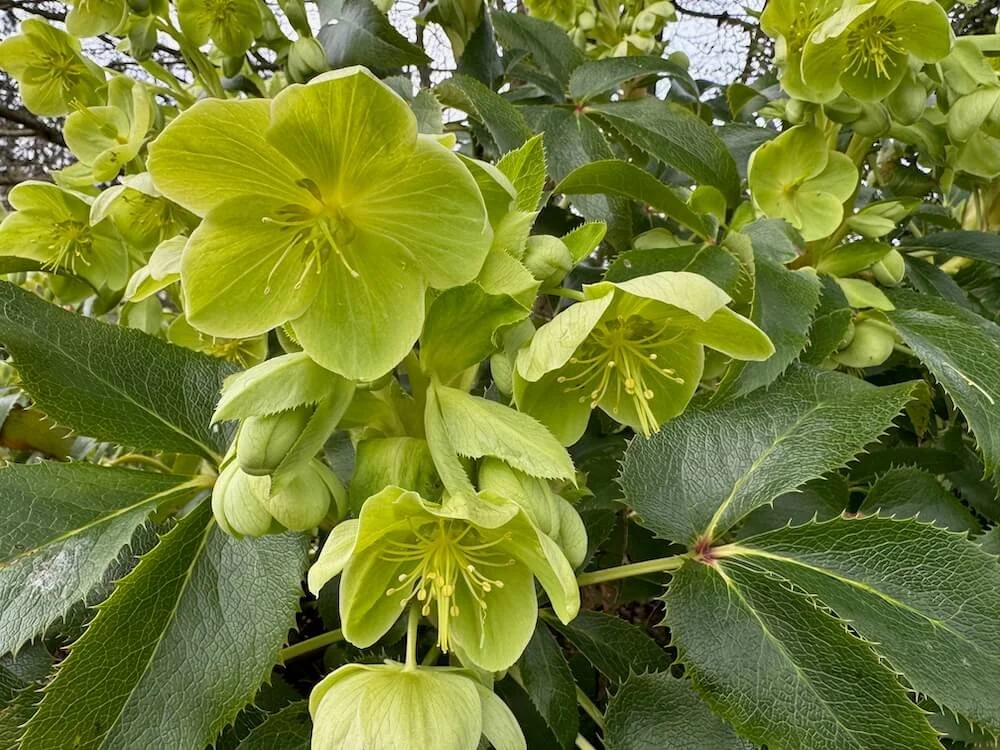
Helleborus argutifolius
Corsican Hellebore
-
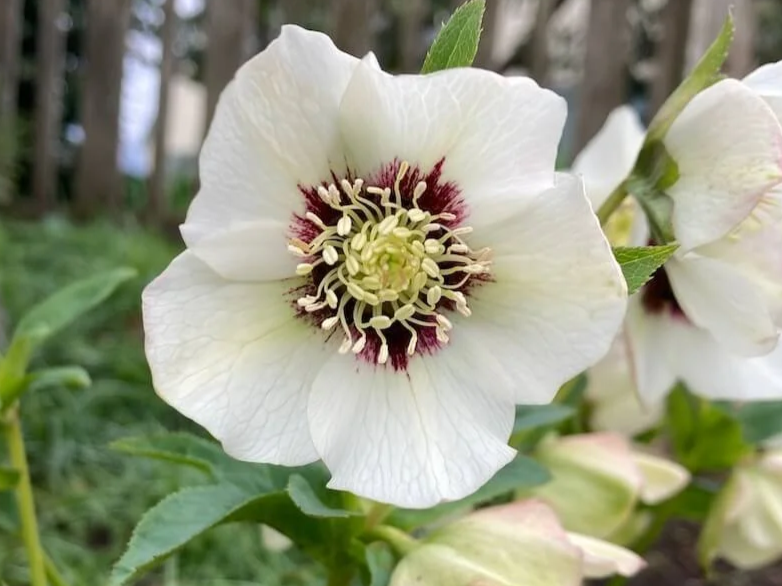
Helleborus x hybridus 'Enchantment'
Enchantment Lenten Rose
-
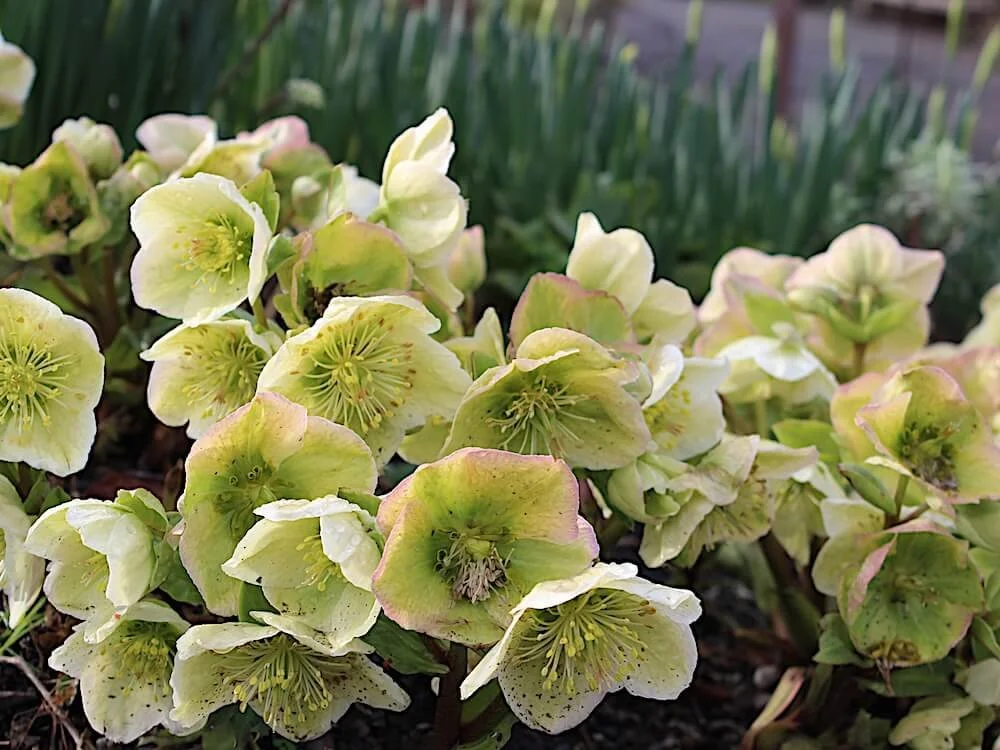
Helleborus x n. HGC 'Green Corsican'
Green Corsican Christmas Rose
PLANTING HELLEBORES
When to plant:
Hellebores can be planted in spring or fall, with March through May and September through October often providing the most favorable conditions for root development. Soil temperatures between about 45°F and 65°F encourage active root growth while avoiding the stresses associated with summer heat and frozen ground. Planting during cooler weather allows roots to establish before periods of summer heat or winter cold, helping plants become better established and more resilient over time.
Where to plant:
Choose a location with partial shade or filtered light and protection from intense afternoon sun. Most hellebores perform best with approximately 3 to 5 hours of direct morning sun or bright filtered light throughout the day. Sites beneath deciduous trees often provide ideal conditions by allowing winter sunlight to reach plants while providing shade during the warmer months. In cooler climates, many varieties tolerate additional sunlight provided soil moisture remains consistent, while warmer regions benefit from protection from hot afternoon exposure. Sheltered locations with good air circulation help maintain healthy foliage and reduce disease problems.
How to plant:
Prepare the planting area by loosening the soil and incorporating compost, leaf mold, or other organic matter to improve drainage and soil structure. Most hellebores are sold in one-gallon containers, and planting holes should typically be about 10 to 12 inches wide and 8 to 10 inches deep, or slightly wider than the root ball but no deeper. Position the plant so the crown sits at the same depth it was growing in the container or slightly above the surrounding soil level. Planting too deeply can reduce vigor and increase the risk of crown rot. Backfill gently without excessive compaction and water thoroughly to help settle the soil and eliminate air pockets. Continue regular watering during the first growing season while roots establish into the surrounding soil.
Soil:
Hellebores perform best in fertile, organically rich soil with good drainage and a slightly alkaline to neutral pH between about 6.5 and 7.5. Incorporating compost, leaf mold, or aged manure before planting helps improve soil structure, moisture retention, and long-term fertility. Heavy clay soils benefit from amendments such as compost and fine bark to improve drainage, while sandy soils often require additional organic matter to retain moisture and nutrients. A light application of a balanced slow-release fertilizer such as 10-10-10 or 14-14-14 mixed into the planting area according to label directions can help support early root establishment and healthy growth. After planting, apply a 2 to 3 inch layer of shredded bark, leaf mold, compost, or pine fines around the root zone, keeping mulch several inches away from the crown to promote good air circulation and discourage rot. Maintaining healthy soil conditions supports stronger growth, improved flowering, and healthier evergreen foliage.
Watering:
Regular watering during establishment helps encourage strong root development. Newly planted hellebores generally benefit from about 1 inch of water per week, applied once or twice weekly depending on rainfall and soil conditions. Once established, hellebores prefer evenly moist soil but tolerate short periods of dryness better than prolonged drought. During extended periods of heat, established plants benefit from occasional deep watering every 7 to 10 days to help maintain healthy foliage and overall vigor. Good drainage remains essential to prevent root and crown problems, as hellebores dislike consistently wet soil, particularly during winter
Growing hellebores in containers:
Hellebores adapt well to container culture provided pots have excellent drainage and are large enough to accommodate their root systems. Use a high-quality potting mix composed primarily of peat moss or aged bark, supplemented with compost and a coarse material such as perlite or pumice to improve drainage and aeration. A typical blend of two parts premium potting mix, one part compost, and one part perlite or fine pine bark works well for long-term growth. Because containers dry out more quickly than garden beds, monitor moisture more closely and water as needed to maintain evenly moist conditions. Containers may require additional protection during severe winter weather, particularly in colder climates.
Pink-Toned Hellebores
-

Helleborus x Frostkiss 'Pippa's Purple'
Pippa’s Purple Lenten Rose
-

Helleborus x ballardiae HGC ‘Pink Frost’
Pink Frost Lenten Rose
-

Helleborus x lemperii HGC Winter Ballet 'Leona'
Leona Christmas Rose
-

Helleborus x glandorfensis 'Ice N' Roses Early Rose'
Ice N’ Roses Early Rose Lenten Rose
-

Helleborus x glandorfensis HGC 'Ice N' Roses Mary Marble'
Ice N’ Roses Mary Marble Lenten Rose
-

Helleborus x hybridus 'Scarletta'
Scarletta Lenten Rose
-

Helleborus x ballardiae HGC 'Merlin'
Merlin Lenten Rose
-

Helleborus x glandorfensis HGC 'Ice N' Roses Rosetta'
Ice N’ Roses Rosetta Lenten Rose
CARING FOR HELLEBORES
Fertilizing and mulching:
Hellebores are relatively light feeders and benefit from annual applications of compost or a balanced slow-release fertilizer in early spring. A layer of organic mulch helps conserve moisture, suppress weeds, moderate soil temperatures, and gradually improve soil quality as it breaks down. Keep mulch several inches away from the crown to maintain good air circulation and reduce the risk of rot.
Pruning old foliage:
Removing older leaves in late winter before flower stems emerge helps showcase the blooms and improve overall appearance. Cleaning away damaged or diseased foliage also improves air circulation and may help reduce the spread of fungal diseases. Fresh growth quickly replaces the previous season's foliage as flowering begins.
Dividing and transplanting:
Unlike many perennials, hellebores rarely require division and often perform best when left undisturbed. Established plants can be divided or moved if necessary, though they may take time to recover and re-establish. Early fall and spring are generally the best times for transplanting, allowing roots to settle in before periods of summer heat or winter cold.
Seedlings and self-sowing:
Many hellebores gradually produce seedlings around mature plants. These volunteer seedlings can be left in place to create natural drifts or transplanted to other areas of the garden while young. Seed-grown plants may vary slightly from the parent plant, occasionally producing interesting new flower colors and patterns.
Winter care:
Hellebores are generally very hardy and require little winter protection once established. Applying mulch after the ground has cooled helps moderate temperature fluctuations and protect roots. Flower buds and blooms are usually tolerant of frost, though severe weather may temporarily damage open flowers. New growth in spring quickly restores the plant's appearance.
Pests and diseases:
Hellebores are generally trouble-free but may occasionally be affected by aphids, slugs, black spot, or crown rot. Good drainage, proper spacing, and prompt removal of damaged foliage help minimize most problems. Maintaining healthy growing conditions encourages vigorous plants that are better able to resist pests and diseases.
Unique & Specialty Hellebores
-

Helleborus x hybridus 'Garnet Frills'
Garnet Frils Lenten Rose
-
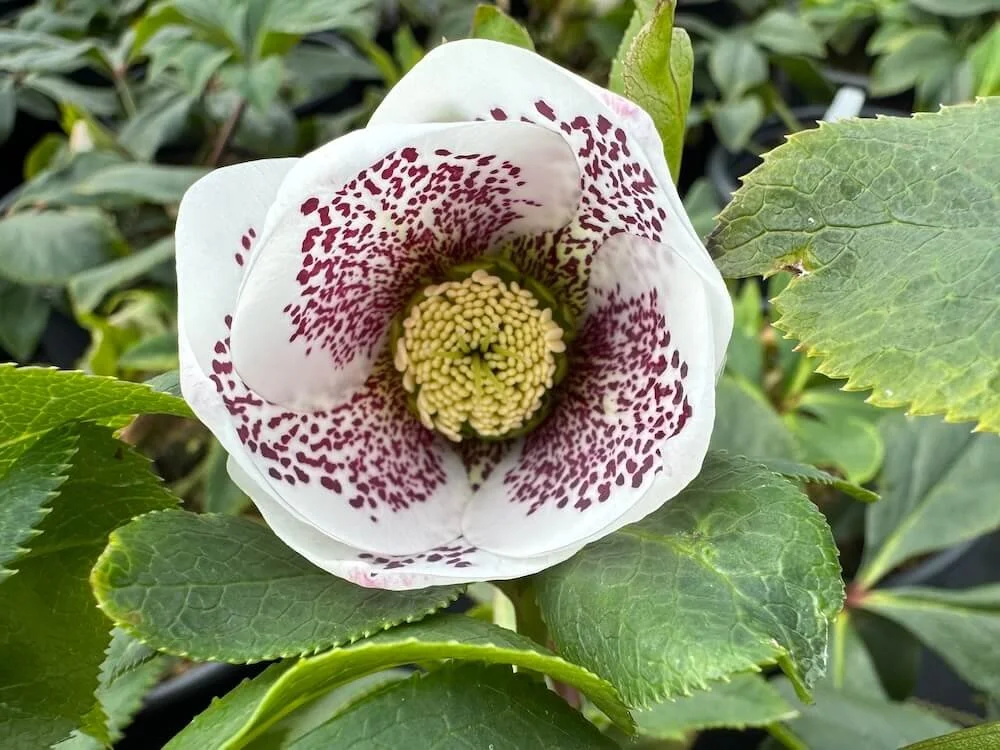
Helleborus x hybridus HGC 'SP Conny'
SP Conny Lenten Rose
-
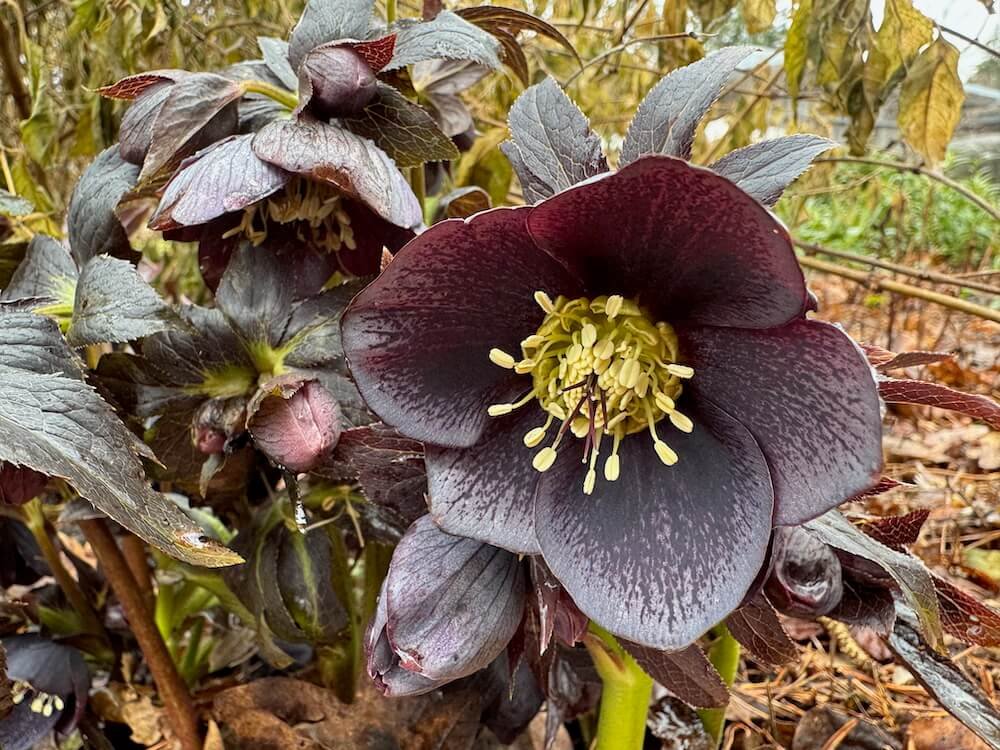
Helleborus x hybridus Winter Jewels 'Blue Diamond'
Blue Diamond Lenten Rose
-
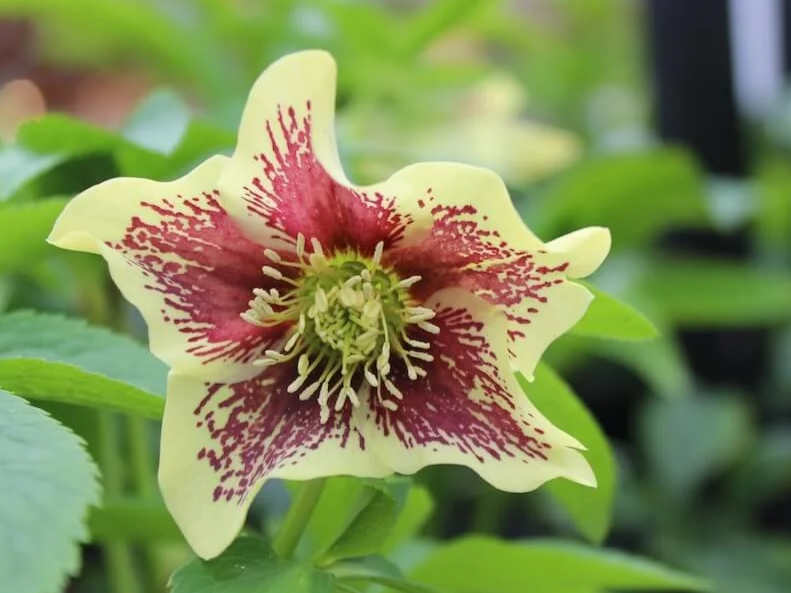
Helleborus x Honeymoon 'Rio Carnival'
Rio Carnival Lenten Rose
-

Helleborus x iburgensis HGC 'Ice N' Roses Carlotta'
Ice N’ Roses Carlotta Lenten Rose
-
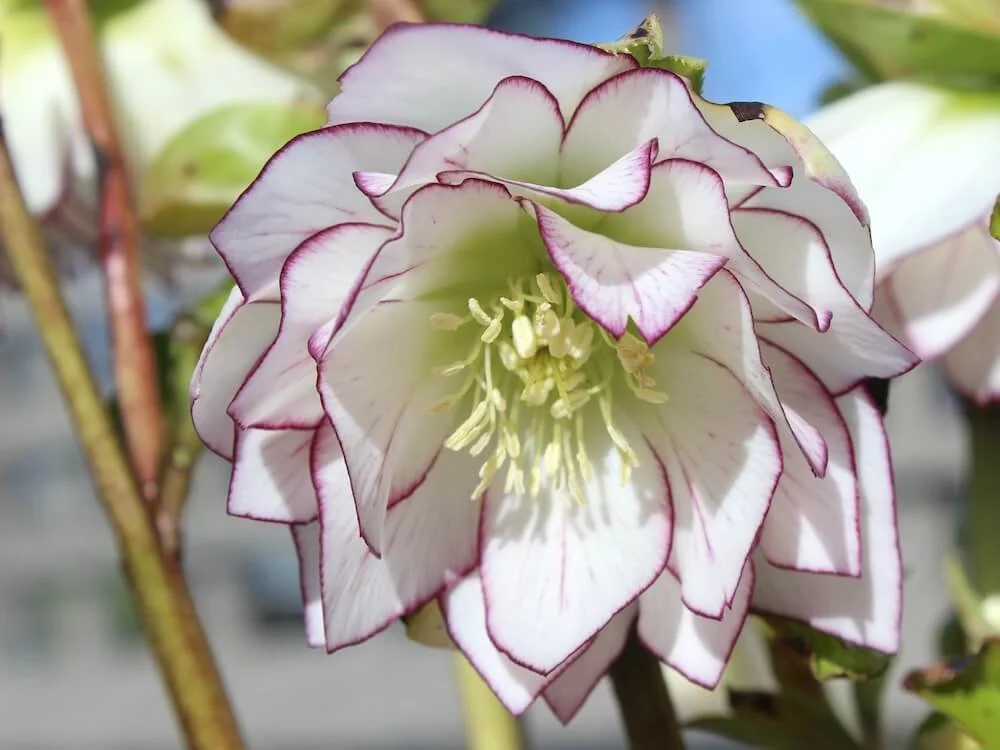
Helleborus x hybridus 'Fire and Ice'
Fire and Ice Lenten Rose
-
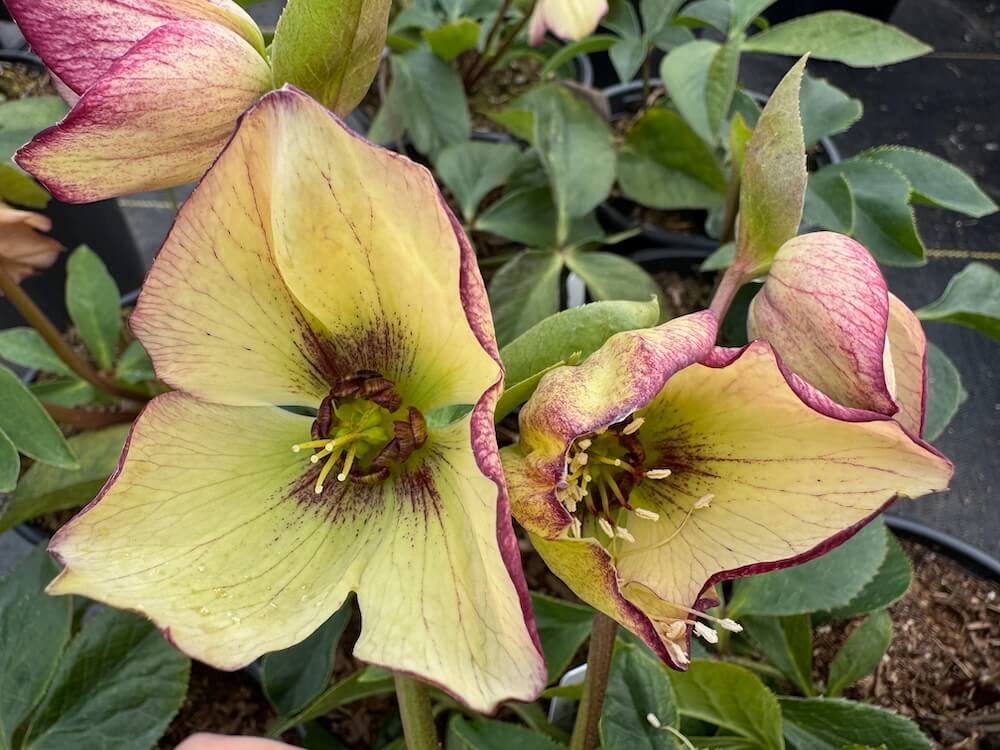
Helleborus x hybridus 'SP Anja Oudolf'
SP Anja Oudolf Lenten Rose
-

Helleborus x hybridus 'Double White Spotted Mardi Gras'
Double White Spotted Lenten Rose