
Best Perennials
for
Pollinators
Pollinator-friendly perennials provide a dependable source of pollen while bringing months of color and seasonal interest to the garden. By combining varieties with different bloom times, gardeners can support pollinators from spring through fall. Beyond their value to wildlife, these plants add texture, movement, and diversity to borders and garden beds, creating a landscape that feels vibrant and connected to the natural world.

WHY POLLINATORS MATTER IN THE GARDEN
Supporting a diversity of pollinators:
Pollinator-friendly perennials attract a wide range of beneficial insects, including native bees, bumble bees, butterflies, hoverflies, and beetles. Different flower shapes, sizes, and bloom times help support a greater variety of species throughout the growing season.
Reliable food sources:
Unlike annuals that must be replanted each year, perennials return season after season, providing dependable sources of nectar and pollen. Established plantings become increasingly valuable as mature plants produce larger displays of flowers.
Early-season resources:
Many pollinators emerge before the garden reaches peak bloom. Early-flowering perennials help provide nectar and pollen when food sources are limited, supporting beneficial insects as they become active in spring.
Creating a balanced ecosystem:
Pollinator gardens do more than support bees and butterflies. Increased pollinator activity helps attract other beneficial insects and contributes to a healthier, more diverse garden environment.
Long-term garden value:
Perennials combine wildlife benefits with lasting beauty. As plantings mature, they provide years of color, texture, and ecological value with relatively little ongoing maintenance.

Early Season Pollinator Perennials

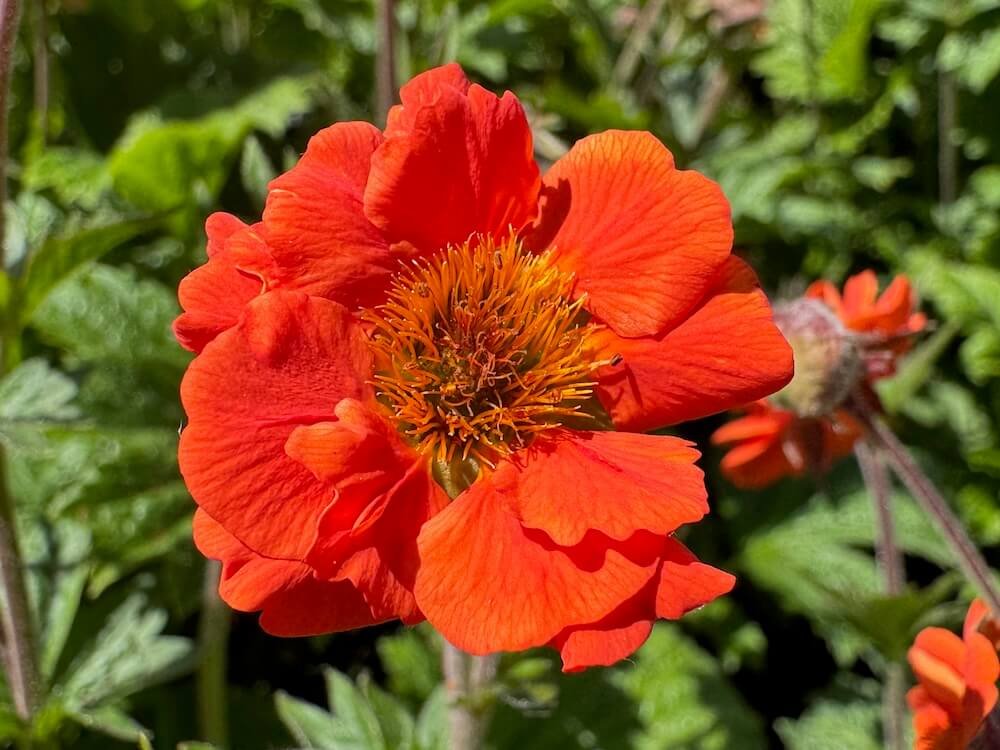
Geum 'Rustico Orange'
Deciduous perennial with deep green foliage and bright orange blooms in spring. Grows 12 to 18 inches tall. Ideal for borders, cottage gardens, and pollinator plantings. Zones: 5 to 9.
Helleborus x lemperii HGC 'Leona'
Evergreen perennial with large burgundy pink blooms. Grows 12 to 18 inches tall. Ideal for woodland borders, shade gardens, and early season pollinator plantings. Zones: 5 to 9.

Astrantia m. 'Sparkling Stars Pink'
Deciduous perennial with pincushion like soft pink flower clusters Grows 20 to 24 inches tall. Ideal for borders, cottage gardens, and pollinator plantings. Zones: 4 to 7.
Other Notable Early Season Pollinator Perennials
Allium 'Purple Rain': Large violet purple flower spheres provide abundant pollen for bees and other pollinators
Geranium phaeum var. phaeum ‘Samobor’: Nodding deep maroon purple flowers offer accessible pollen
Primula japonica: Tiered whorls of vibrant magenta pink flowers supply pollen for early season pollinators
Sisyrinchium striatum: Soft creamy yellow flowers with golden centers provide a valuable pollen source
Aquilegia caerulea 'Crystal Star': Elegant white flowers with prominent golden stamens offer pollen for bees
DESIGNING A POLLINATOR-FRIENDLY GARDEN
Planting in groups:
Grouping several plants of the same variety together makes flowers easier for pollinators to locate and forage efficiently. Larger drifts often attract more activity than scattered individual plants.
Providing flower diversity:
Different pollinators prefer different flower shapes and sizes. Combining daisy-like blooms, tubular flowers, spikes, and open clusters helps support a broader range of beneficial insects.
Reducing seasonal gaps:
Selecting perennials with staggered bloom times helps maintain a more consistent supply of nectar and pollen. Combining early-, mid-, and late-season bloomers increases food availability throughout the year.
Limiting pesticide use:
Many insecticides can harm pollinators directly or reduce the insects they depend upon. Encouraging natural balance within the garden helps create a safer environment for beneficial wildlife.
Combining plant layers:
Integrating perennials with shrubs, grasses, and trees creates a more diverse landscape. Layered plantings provide food, shelter, and habitat while adding visual interest to the garden.
Open Flowers for Pollen Collection

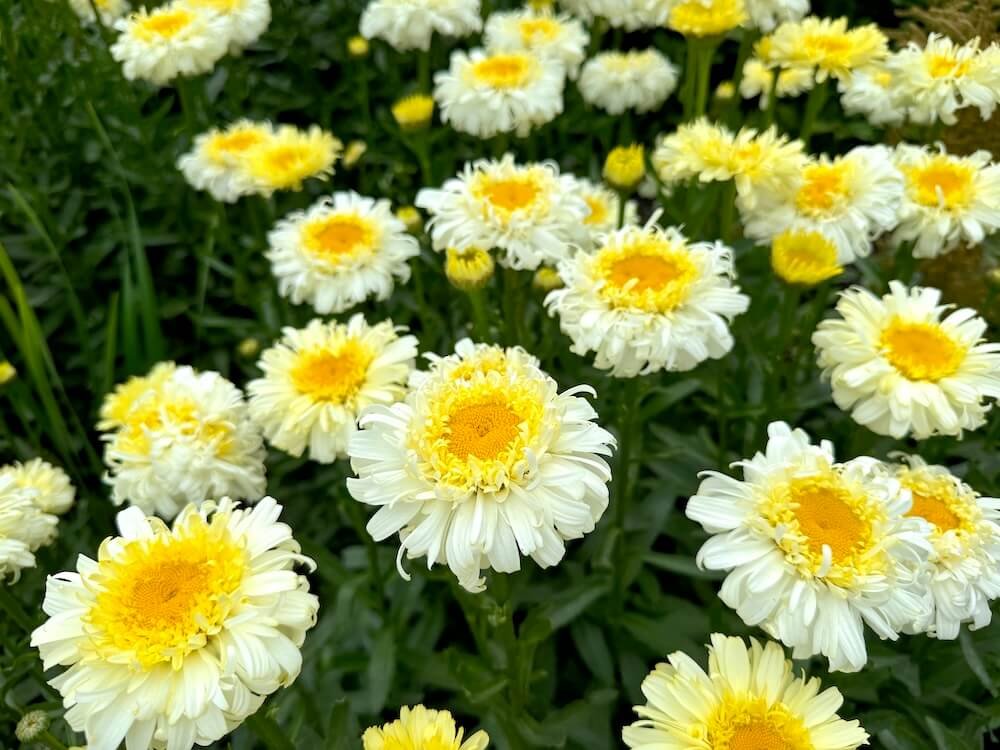
Leucanthemum x superbum 'Real Charmer'
Deciduous perennial with creamy yellow blooms aging to ivory white with frilled centers. Grows 18 to 24 inches tall. Ideal for borders, edging, and pollinator plantings. Zones: 5 to 9.

Echinacea purpurea 'Delicious Candy'
Deciduous perennial with rose pink blooms and large central cones. Grows 20 to 24 inches tall. Ideal for borders, cottage gardens, and pollinator plantings. Zones: 4 to 9.
Gaillardia aristata SpinTop 'Copper Sun'
Deciduous perennial with copper orange blooms with golden highlights. Grows 10 to 14 inches tall. Ideal for rock gardens, edging, containers, and drought tolerant plantings. Zones: 3 to 9.
Other Notable Open Flowers for Pollen Collection
Rudbeckia hirta 'Laura': Bright golden yellow flowers with dark centers provide abundant pollen
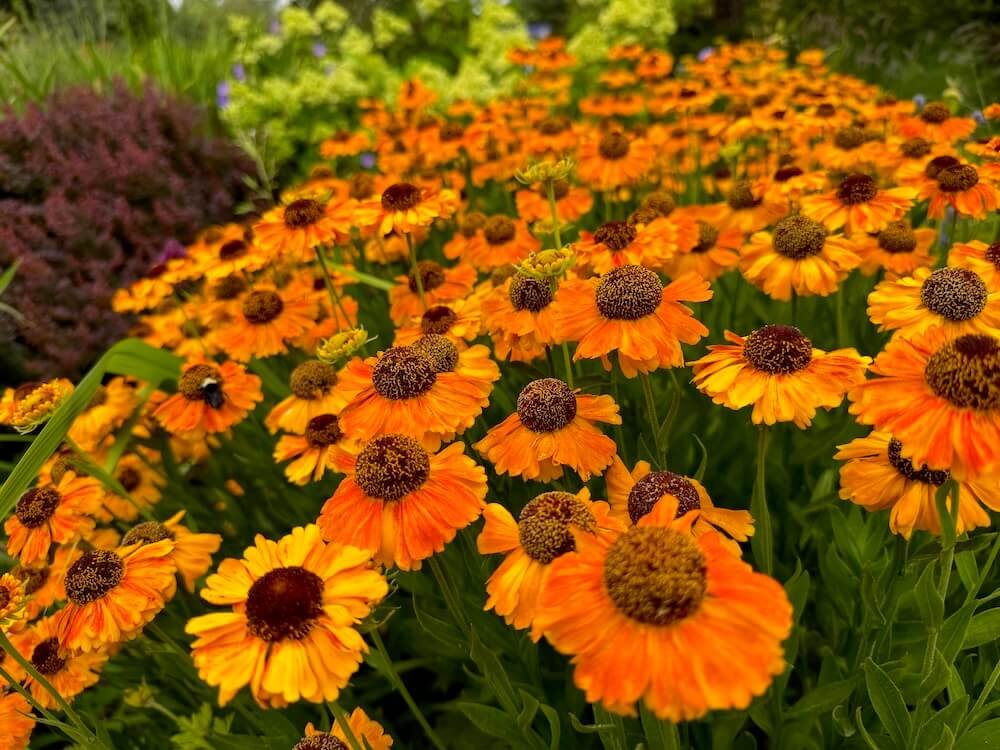
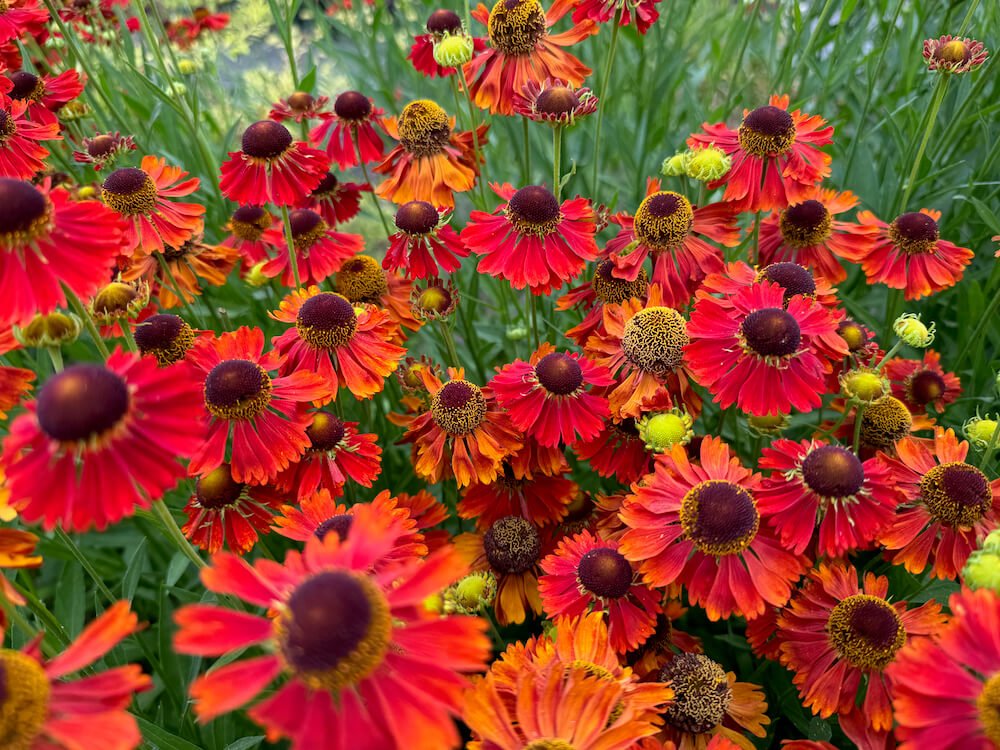
Helenium 'Moerheim Beauty': Rich mahogany red and copper orange flowers offer plentiful pollen for pollinators
Heliopsis helianthoides 'Summer Eclipse': Golden yellow flowers with deep red centers supply pollen for bees throughout summer
Achillea millefolium 'New Vintage Violet': Dense clusters of violet purple flowers provide easily accessible pollen
Centaurea montana 'Amethyst Dream': Fringed amethyst purple flowers with prominent pollen rich centers

SUPPORTING POLLINATORS THROUGH THE SEASONS
Bloom succession:
Pollinators benefit most when flowers are available over an extended period. Including plants that bloom from spring through fall helps support beneficial insects throughout their life cycles.
Late-season food sources:
As the growing season winds down, late-blooming perennials become increasingly important. These plants help sustain pollinators when many earlier flowers have finished blooming.
Leaving stems and seed heads:
Many beneficial insects use hollow stems, seed heads, and plant debris for shelter and overwintering. Delaying cleanup until spring can provide valuable habitat while also supporting birds and other wildlife.
Supporting future generations:
Pollinator gardens provide more than food for adult insects. Nectar and pollen support reproduction, while protected garden spaces offer opportunities for nesting and overwintering.
Year-round ecological benefits:
A well-planned pollinator garden remains valuable long after flowers fade. Seed heads, foliage, stems, and sheltering plant structures continue supporting wildlife throughout the changing seasons.
Late Season Pollinator Perennials
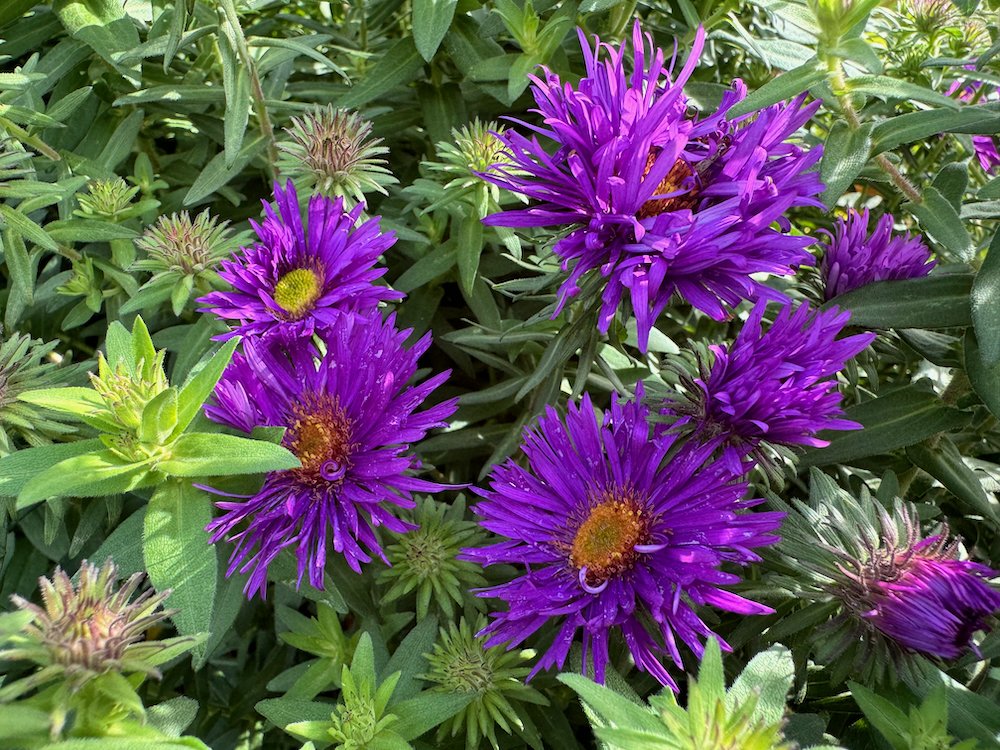
Symphyotrichum novae-angliae 'Purple Dome'
Deciduous perennial with masses of rich purple daisy like blooms. Grows 18 to 24 inches tall. Ideal for borders, pollinator gardens, and meadow plantings. Zones: 3 to 8.
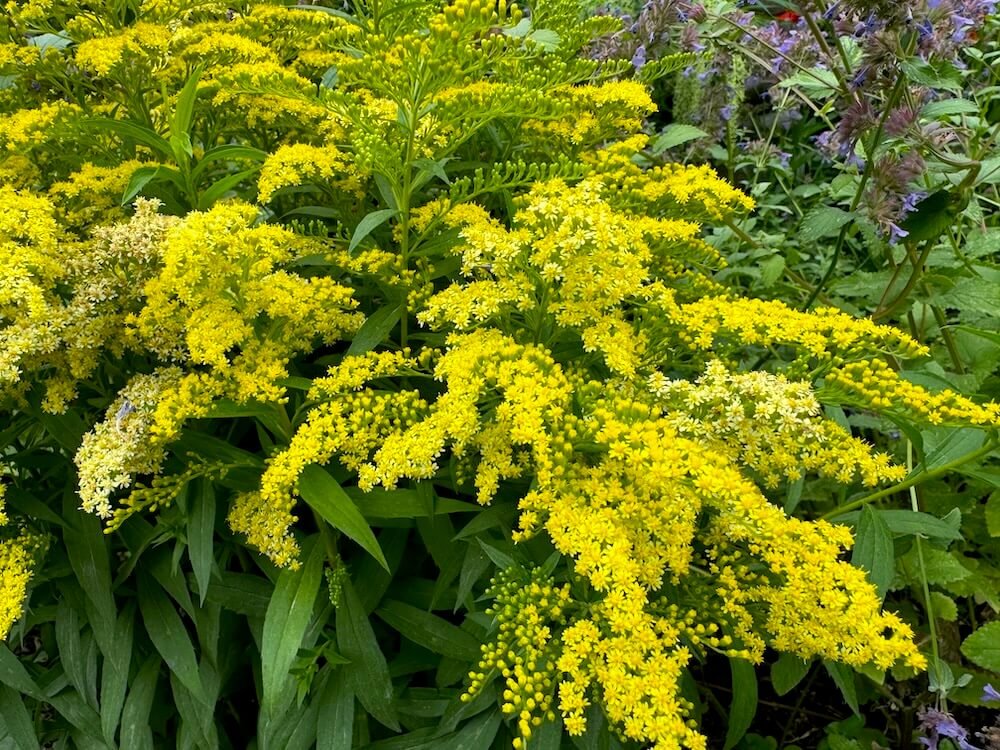
Solidago 'Goldkind'
Deciduous perennial with narrow green foliage and bright golden flower plumes supporting late season pollinators. Grows 18 to 24 inches tall. Ideal for borders, meadow plantings, and pollinator gardens. Zones: 4 to 8.
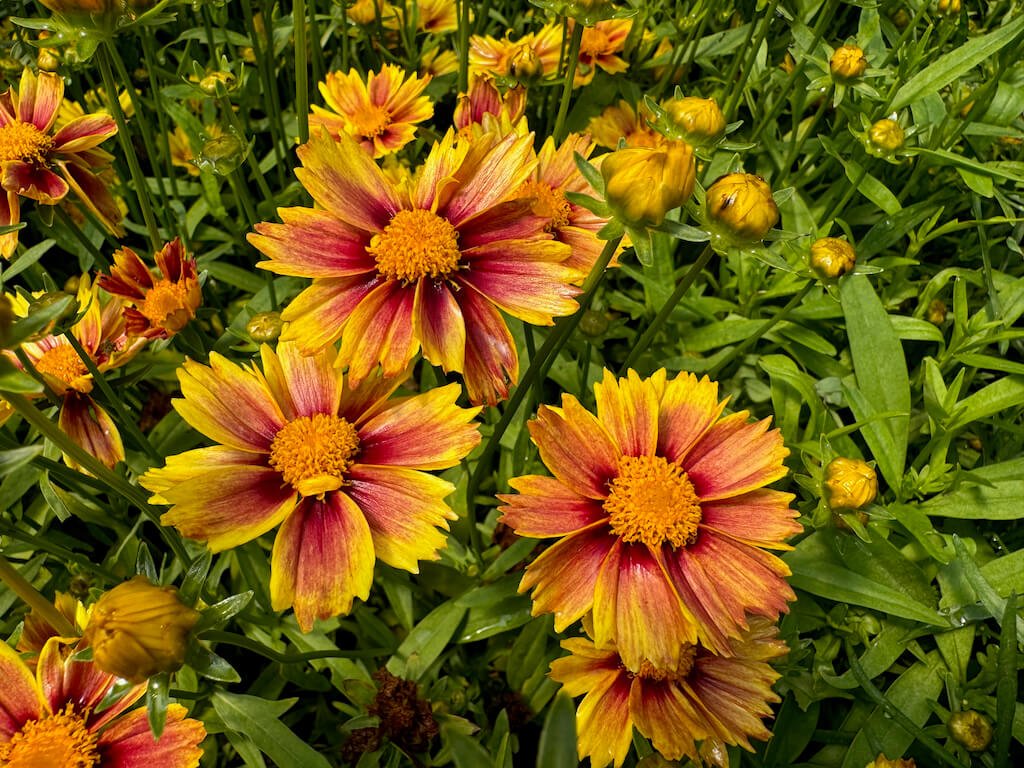
Coreopsis 'Enchanted Eve'
Deciduous perennial with deep green foliage and cheerful yellow blooms with burgundy centers. Grows 12 to 18 inches tall. Ideal for borders, containers, and pollinator gardens. Zones: 5 to 9.
Other Notable Late Season Pollinator Perennials
Aster x frikartii 'Monch': Masses of lavender blue daisylike flowers with golden yellow centers bring late season color
Echinops ritro 'Veitch's Blue': Steel blue globe shaped flowers add bold texture and provide a rich source of pollen through summer
Scabiosa caucasica 'Perfection Blue': Large lavender blue pincushion flowers feature prominent stamens
Liatris spicata: Upright spikes of rosy purple flowers create vertical interest and attract a variety of beneficial insects
Veronica longifolia 'Perfectly Picasso': Dense flower spikes open soft pink and mature to violet purple