

Seed Producing
Perennials
Perennials that produce seeds for birds continue to provide value long after their flowers have faded, developing seed heads that become an important food source for many species. Rather than cutting plants back immediately after blooming, seed heads can remain, adding seasonal interest to the landscape. These plants help support birds while bringing additional activity to the garden, offering opportunities to observe finches, chickadees, sparrows, and other visitors feeding among the stems.
LARGE SEED HEADS FOR BIRDS
Why Birds Feed on Seed Heads
Many birds continue visiting the garden long after flowers have faded, seeking the nutritious seeds that develop as blooms mature. Large seed heads provide an abundant and easily accessible food source that can remain available for weeks or even months. Finches, sparrows, chickadees, and other seed-eating birds often feed directly from the plants, creating activity in the garden well beyond the flowering season.
Plants That Hold Their Seeds the Longest
Not all seed-producing perennials provide food for the same length of time. Coneflowers, black-eyed Susans, sunflowers, and globe thistles are especially valuable because their sturdy seed heads remain intact well into fall and winter. These persistent structures allow birds to continue feeding after many other food sources have disappeared while also contributing texture and seasonal interest to the landscape.
Creating Winter Feeding Stations
Grouping seed-producing perennials together creates concentrated feeding areas that are easier for birds to locate and use. Placing these plantings near shrubs or small trees provides nearby shelter while birds feed. Allowing seed heads to remain standing through winter not only supports wildlife but also adds architectural form to the garden during the dormant season.

Large Seed Heads for Birds

Echinacea purpurea
Deciduous perennial with large purple pink daisy like blooms developing prominent seedheads that provide fall and winter interest. Grows 24 to 36 inches tall. Ideal for borders, prairie plantings, and bird friendly gardens. Zones: 3 to 9.
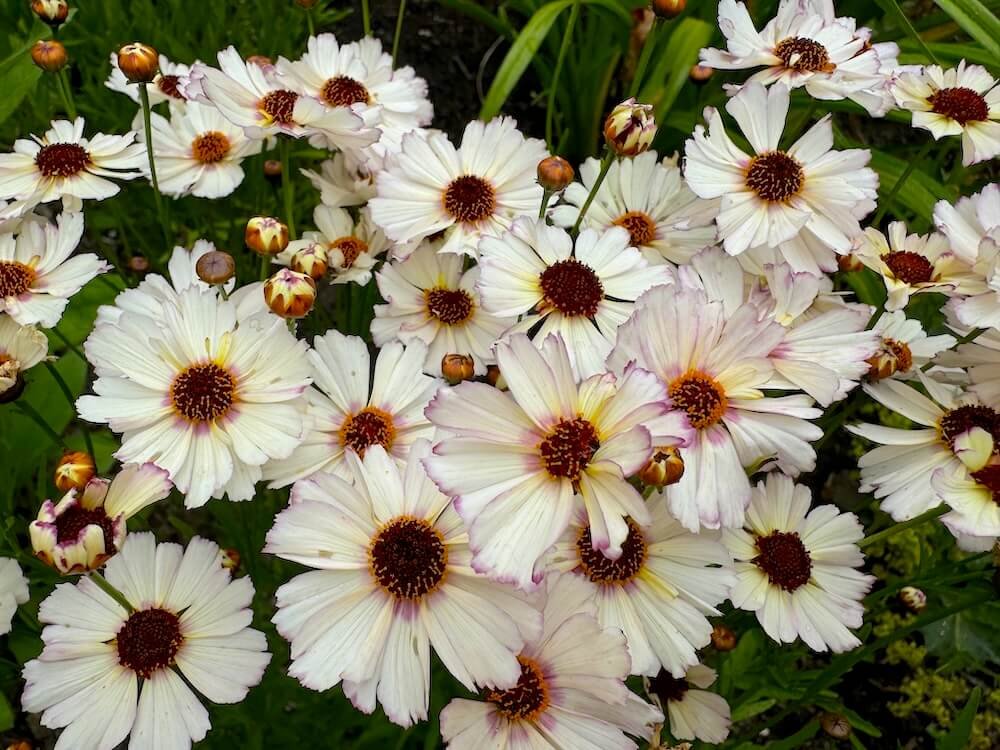
Coreopsis hybrid NOVA 'Opal'
Deciduous perennial with soft creamy blooms brushed with lavender pink and yellow. Grows 12 to 18 inches tall. Ideal for borders, containers, and cottage garden plantings. Zones: 5 to 9.
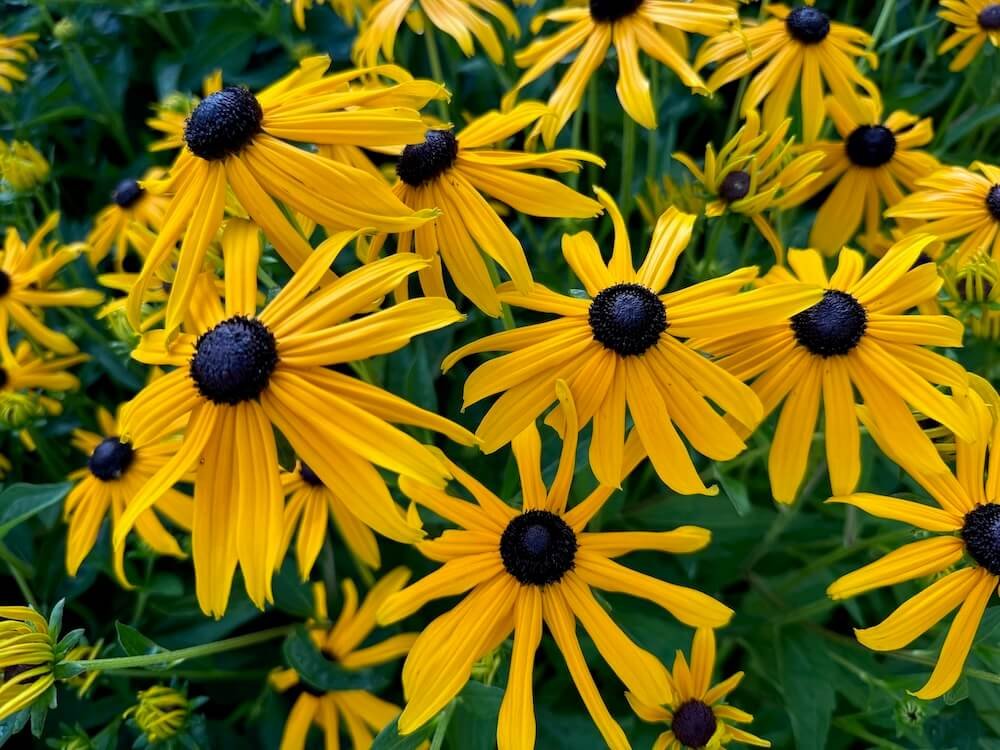
Rudbeckia fulgida var. sullivantii 'Goldsturm'
Deciduous perennial with golden yellow daisy like blooms developing dark persistent seedheads. Grows 24 to 36 inches tall. Ideal for borders, prairie plantings, and bird friendly gardens. Zones: 3 to 9.
Other Notable Large Seed Heads for Birds
Helianthus salicifolius 'Lemon Queen': Masses of soft lemon yellow daisylike flowers create a bright display
Echinops ritro 'Veitch's Blue': Steel blue globe shaped flowers provide bold color and texture
Eutrochium maculatum 'Gateway': Large mauve pink flower clusters rise above the foliage
Verbena bonariensis: Airy clusters of rich lavender purple flowers float above tall stems
Heliopsis helianthoides 'Summer Eclipse': Golden yellow daisylike flowers with deep burgundy centers
NATIVE GRASSES FOR BIRDS
Why grasses are important
Grasses provide both food and shelter, making them among the most valuable plants for supporting birds. Their abundant seed production attracts sparrows, juncos, towhees, and other seed-eating species, while dense foliage and upright stems offer cover from predators and harsh weather. Many grasses continue providing benefits long after flowering plants have finished for the season.
Best grasses for birds
Switch grass, big bluestem, blue grama grass, northern sea oats, and feather reed grass produce abundant seed while adding movement and texture to the landscape. Their seed heads mature at different times, helping extend food availability through fall and winter. Many birds also use dried grass stems and foliage as nesting materials.
Winter habitat
Unlike many perennials that disappear completely during winter, grasses maintain their structure for months. Persistent seed heads provide food during colder weather, while dense clumps create sheltered spaces where birds can rest and seek protection from wind and precipitation. This combination of food and cover makes grasses especially valuable in wildlife-friendly gardens.
Garden design
Plant grasses in drifts or repeated groupings to create larger areas of habitat. Combining grasses with flowering perennials adds diversity while increasing food sources and shelter opportunities. Taller grasses can also provide attractive backdrops that help frame other bird-friendly plantings.
Maintenance
Allow grasses to remain standing through winter whenever possible. Delaying cutback preserves seed availability, protects overwintering wildlife, and adds seasonal interest to the landscape. Most grasses can be cut back in late winter or early spring before new growth begins.
Native Grasses for Birds
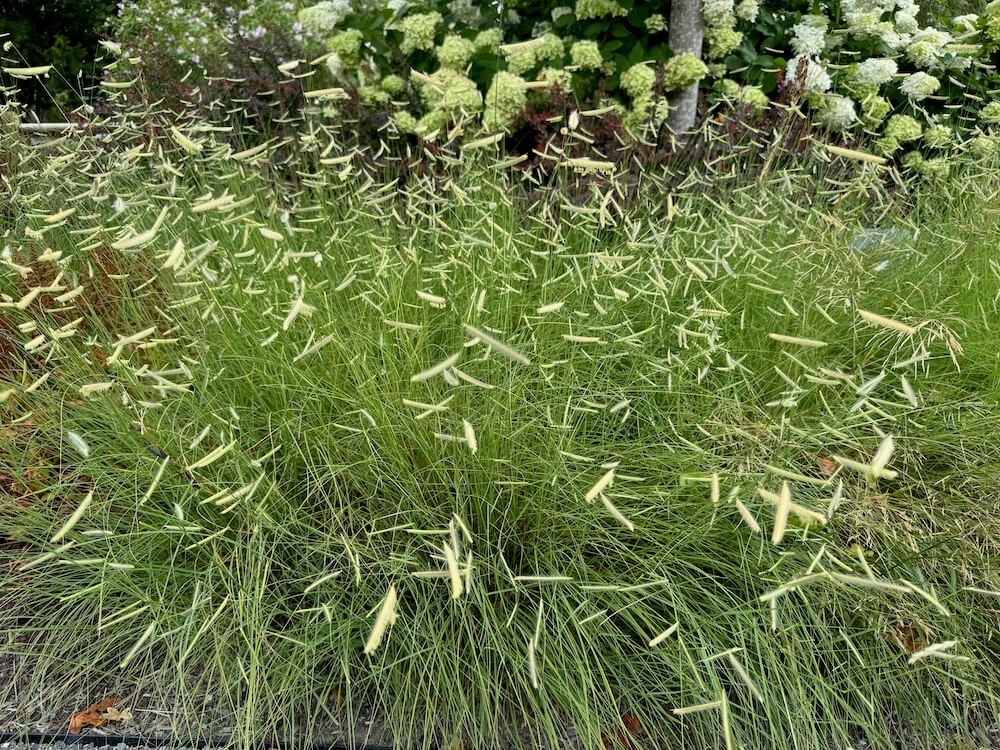
Bouteloua gracilis 'Blonde Ambition'
Deciduous ornamental grass with distinctive horizontal seedheads aging to blonde tones, Grows 24 to 36 inches tall. Ideal for borders, prairie plantings, and bird friendly gardens. Zones: 4 to 9.
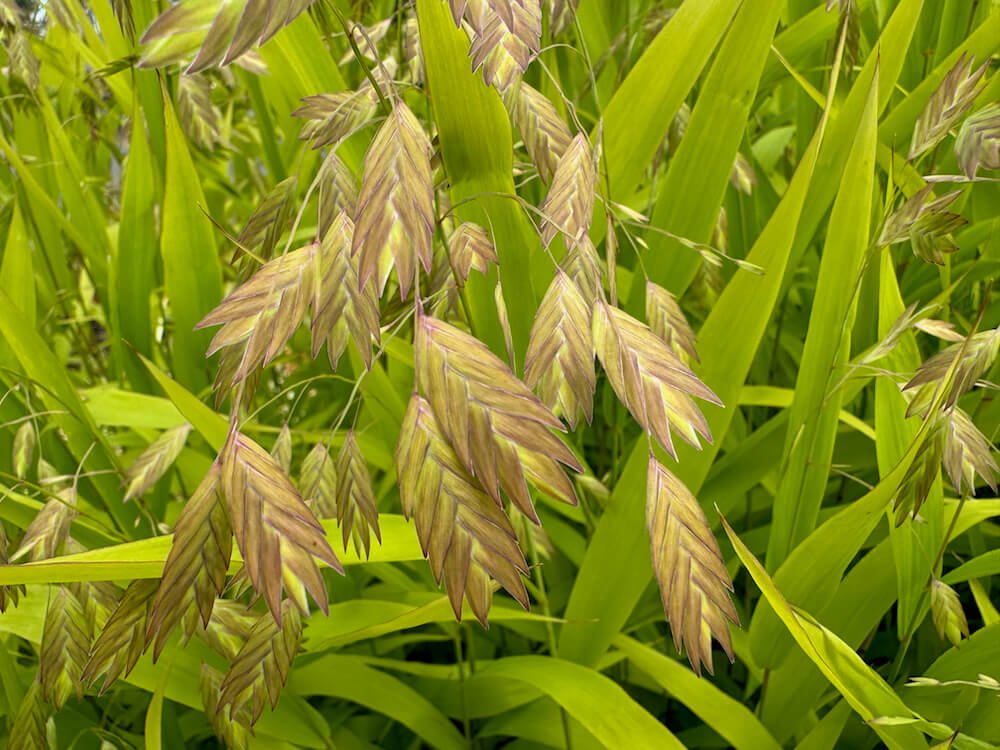
Chasmanthium latifolium
Deciduous ornamental grass with broad bamboo like foliage and dangling oat like seedheads turning bronze. Grows 2 to 4 feet tall. Ideal for borders, woodland gardens, and bird friendly plantings. Zones: 5 to 9.
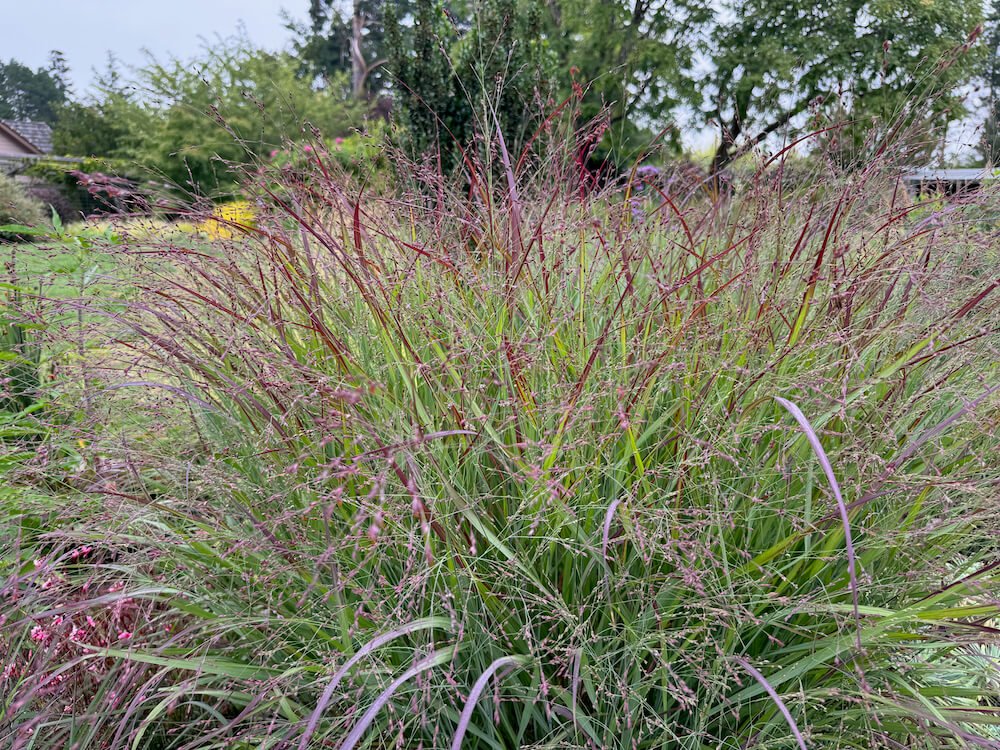
Panicum virgatum 'Rotstrahlbusch'
Deciduous ornamental grass with upright blue green foliage developing rich red tones and airy seedheads. Grows 4 to 5 feet tall. Ideal for borders, prairie plantings, and bird friendly gardens. Zones: 4 to 9.
Other Notable Native Grasses for Birds
Andropogon gerardii 'Red October': Airy reddish bronze flower plumes deepen to rich crimson red in fall
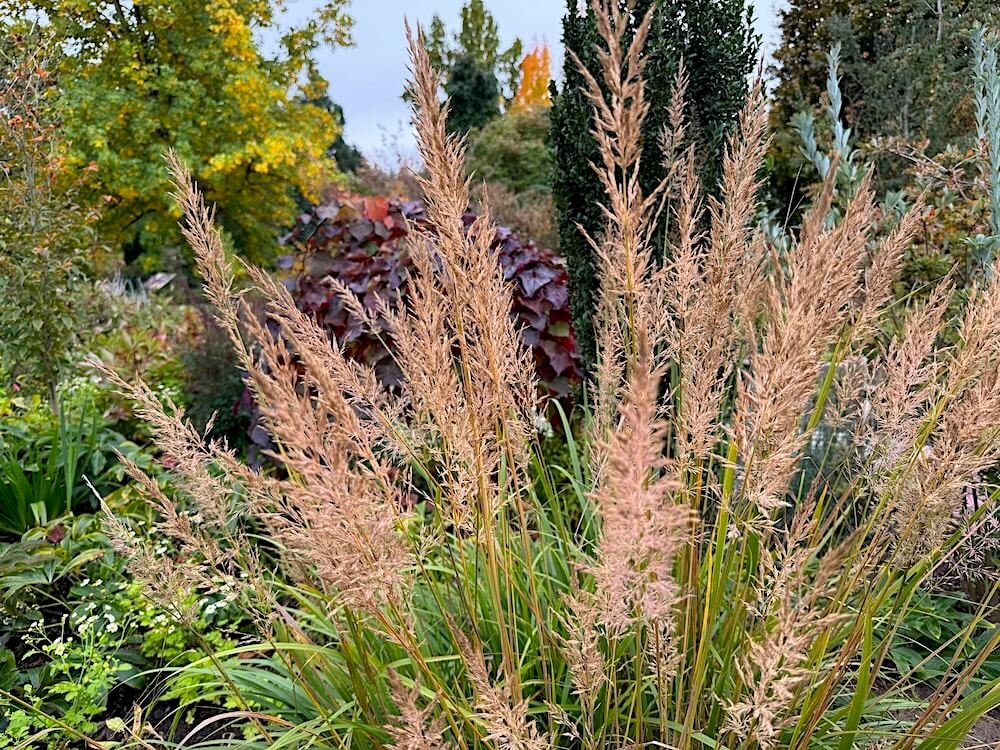
Calamagrostis brachytricha: Soft silvery pink flower plumes shimmer above the foliage
Deschampsia cespitosa 'Northern Lights': Delicate golden tan flower panicles float above variegated foliage
Pennisetum alopecuroides 'Red Head': Large smoky rose purple flower plumes mature to soft tan
Miscanthus sinensis 'Adagio': Feathery silvery pink flower plumes age to soft cream tones through fall

LATE SEASON PERENNIALS FOR BIRDS
Feeding Birds After Summer Ends
As summer flowers begin to fade, many birds shift their attention to ripening seeds. Late-season perennials help fill an important gap by providing food during autumn, when birds are preparing for migration or building energy reserves for winter. These plants extend the usefulness of the garden well beyond peak bloom season.
Extending the Season with Fall Bloomers
Goldenrods, asters, blazing stars, and bee balms contribute to the garden in two ways. Their flowers support pollinators during late summer and fall, while the seeds that follow provide valuable food for birds. By selecting plants that mature at different times, gardeners can maintain a more consistent supply of natural food throughout the changing seasons.
Building a Garden That Supports Birds Longer
A diverse planting that combines large seed heads, ornamental grasses, and late-season perennials creates a longer period of food availability. Birds benefit most when multiple seed sources are available at different times of the year. Leaving plants standing through winter allows seed heads to remain accessible while adding texture, movement, and seasonal character to the landscape.
Late Season Perennials for Birds
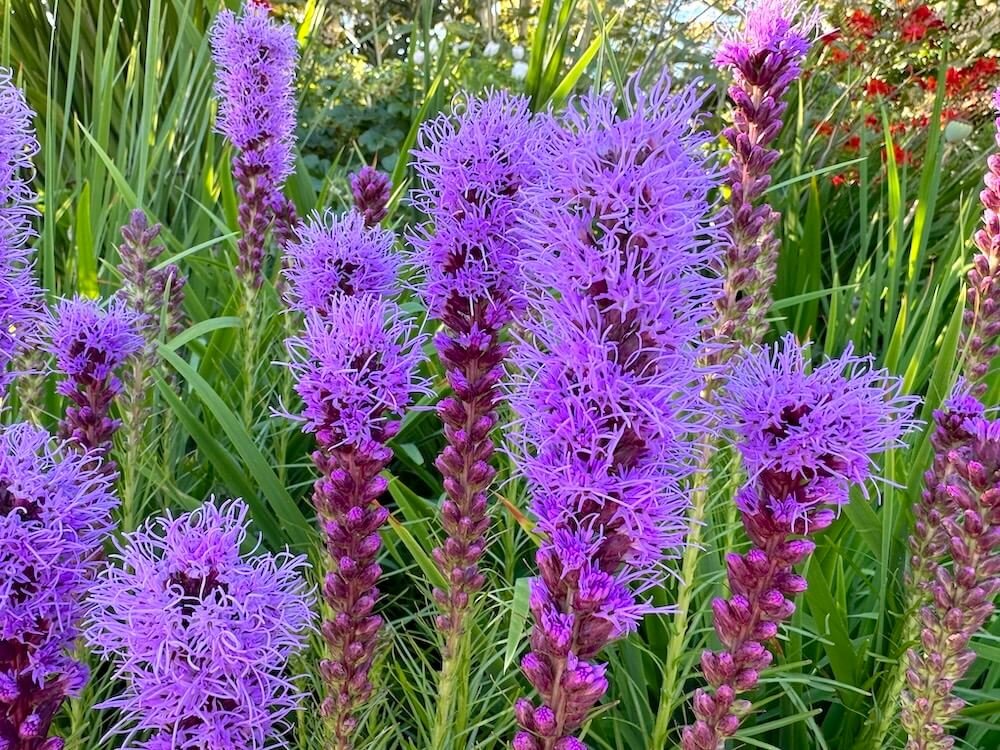
Liatris spicata
Deciduous perennial with tall purple flower spikes developing persistent seedheads through winter. Grows 2 to 4 feet tall. Ideal for borders, meadow plantings, and bird friendly gardens. Zones: 3 to 8.
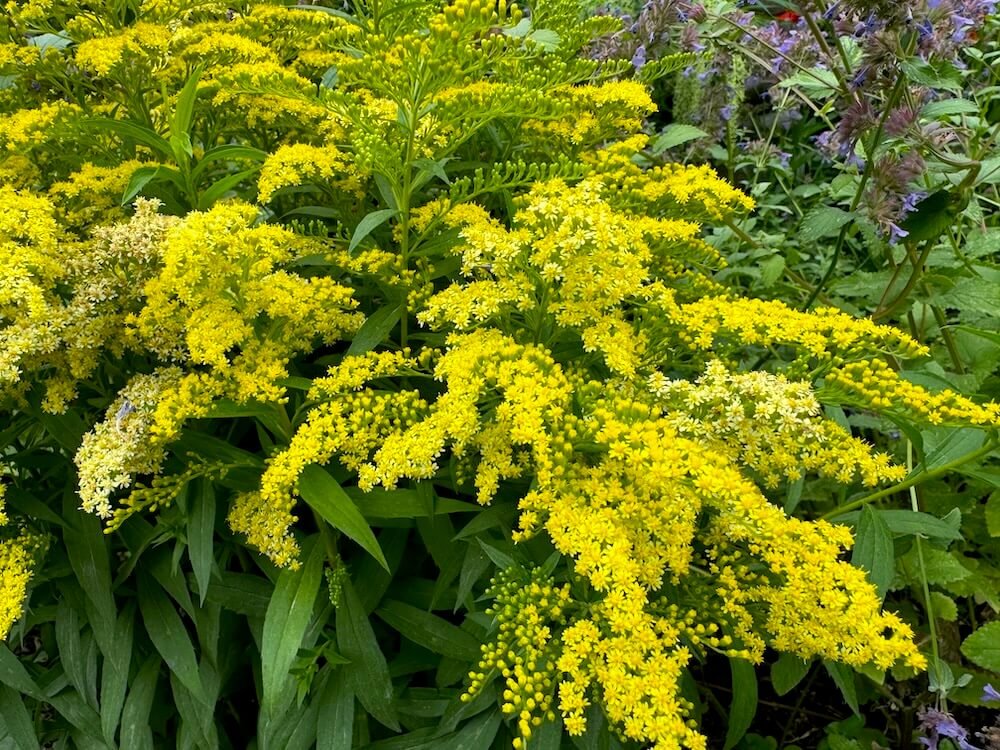
Solidago 'Goldkind'
Deciduous perennial with bright golden flower plumes developing persistent seedheads into winter. Grows 18 to 24 inches tall. Ideal for borders, meadow plantings, and bird friendly gardens. Zones: 4 to 8.
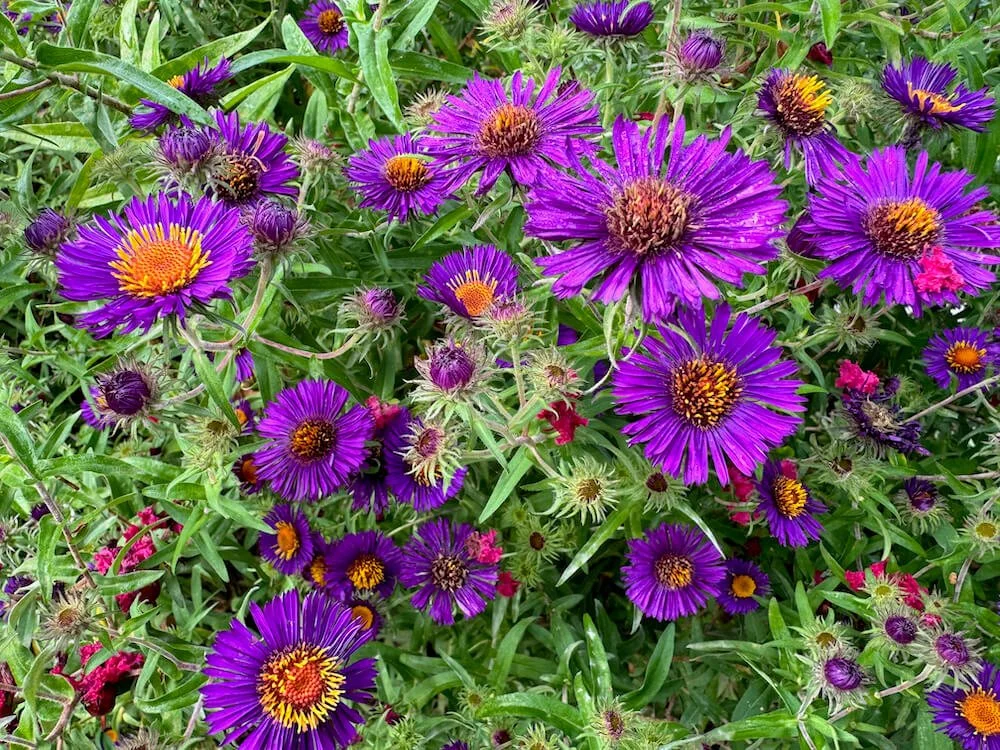
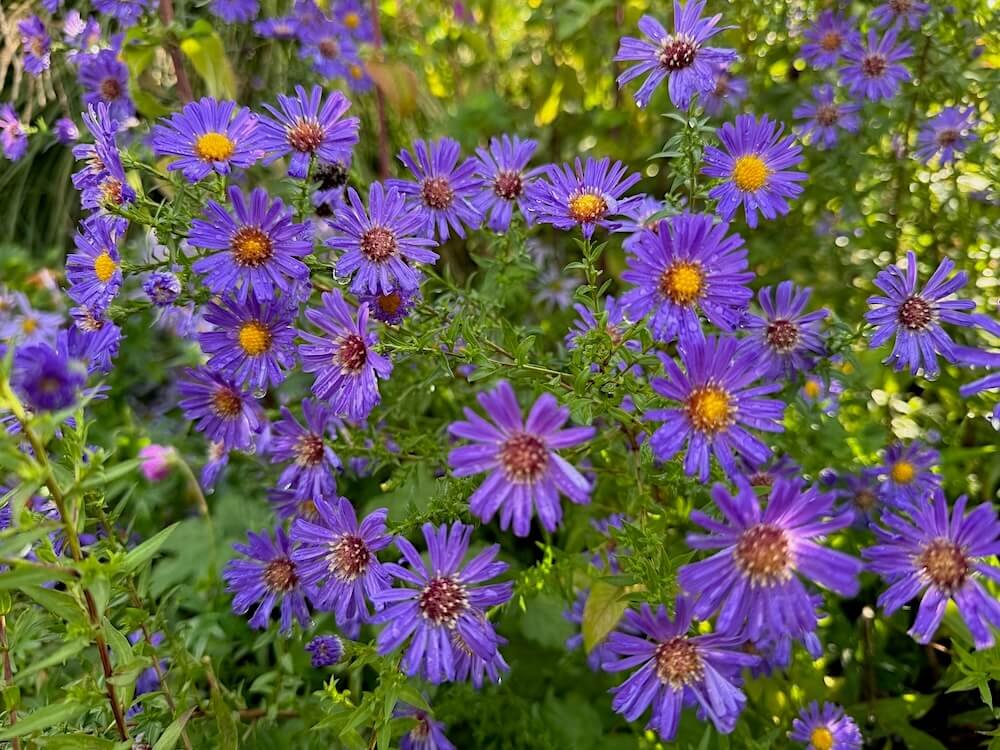
Symphyotrichum novae-angliae 'Violetta'
Deciduous perennial with violet purple daisy like blooms developing fluffy seedheads. Grows 4 to 5 feet tall. Ideal for borders, meadow plantings, and bird friendly gardens. Zones: 4 to 8.
Other Notable Late Season Perennials for Birds
Aster × frikartii 'Monch': Masses of lavender blue daisylike flowers with golden yellow centers
Helenium 'Waltraut': Warm copper orange petals brushed with gold surround prominent chocolate brown centers
Gaillardia aristata SpinTop 'Copper Sun': Rich copper orange flowers with golden highlights
Rudbeckia 'Summerina Orange': Large flowers blend shades of orange, amber, and gold around a dark central cone