SPRING GARDEN
TASKS
Spring plants bring renewed growth and energy to the garden, making this an ideal season to strengthen plant health and prepare for productive landscapes. Tidying beds and refreshing soil support strong root development, while pruning early bloomers and dividing perennials encourage vigorous growth. Inspecting for emerging pests allows timely action, and preparing irrigation and tools ensures a smooth shift into the active gardening months. Supporting pollinators enriches the ecosystem. Here is a comprehensive list for your garden in spring.
Inspection & Clean Up
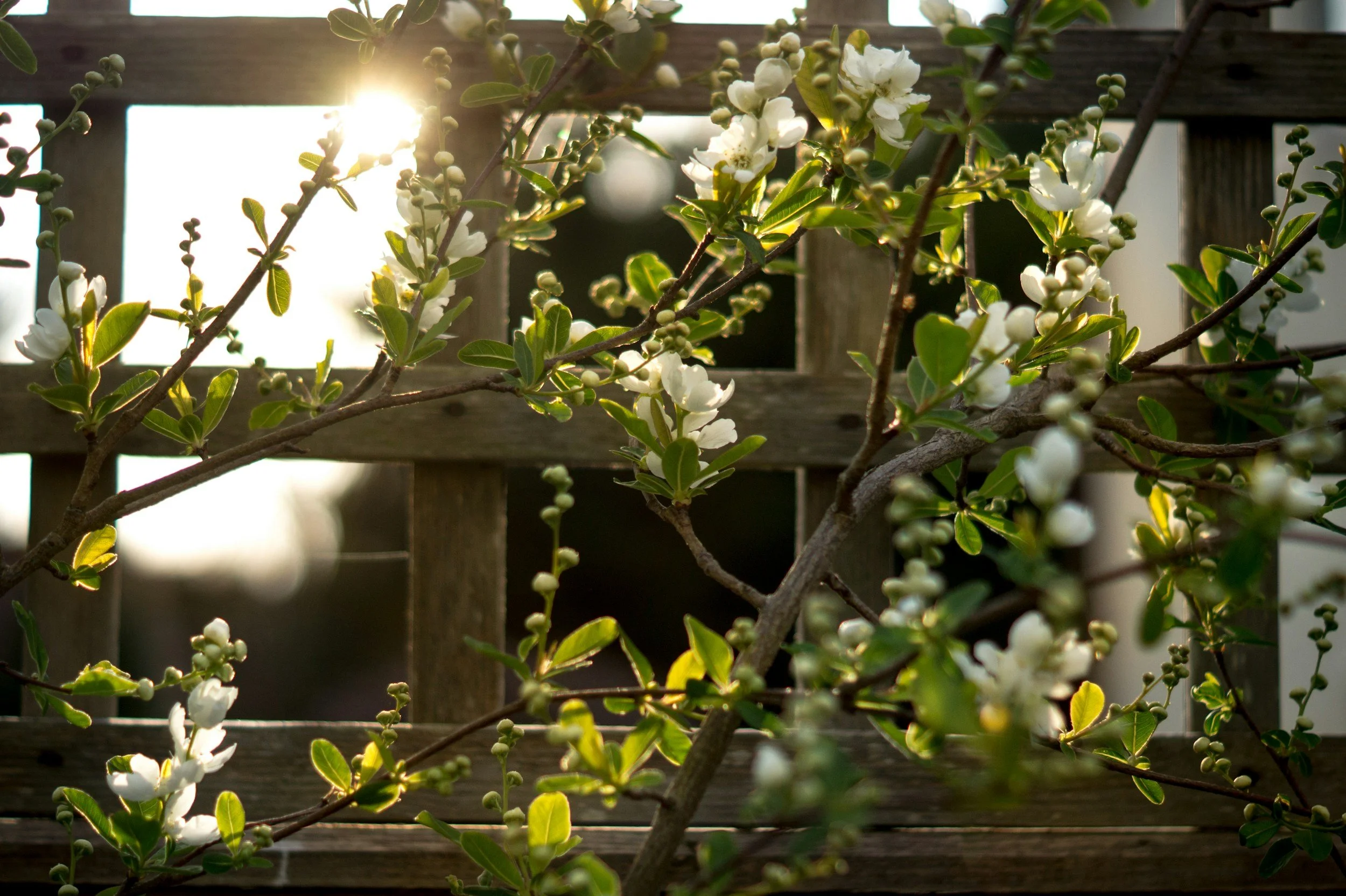
A spring walkthrough reveals winter damage, leftover debris, and areas needing attention before growth accelerates. Light cleanup helps prepare beds, structures, and pathways for the season ahead.
Remove fallen branches, leaves, and debris to open space for new shoots
Inspect trees, shrubs, and hardscape features for winter damage
Clean birdbaths, water features, pots, and containers
Rake leaf litter, keeping small wildlife-friendly patches
Check fences, edging, and raised beds for stability
Assess drainage and correct areas holding excess moisture
Look for early signs of disease, dieback, or frost injury
Soil Prep & Fertility Boost
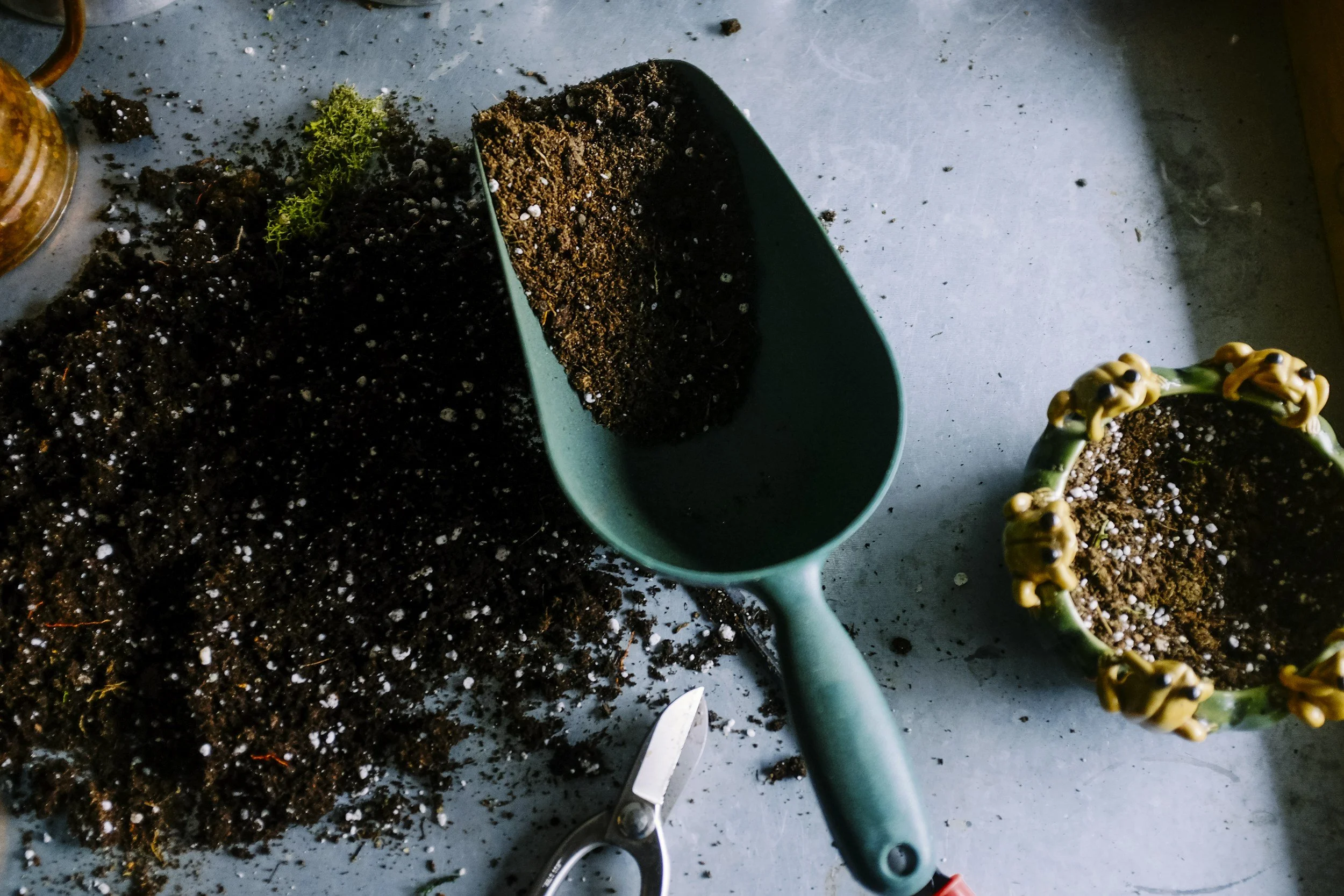
Spring soil care strengthens root development and supports active growth. Improving soil structure, drainage, and nutrients early helps plants establish well before summer heat arrives.
Test soil pH and nutrient levels and amend based on results
Add compost or aged manure to improve soil structure and beneficial activity
Refresh mulch once soil warms, promoting moisture retention and weed suppression
Lightly loosen compacted areas without deep tilling
Check drainage around beds to prevent early-season root stress
Division, Planting & Transplanting
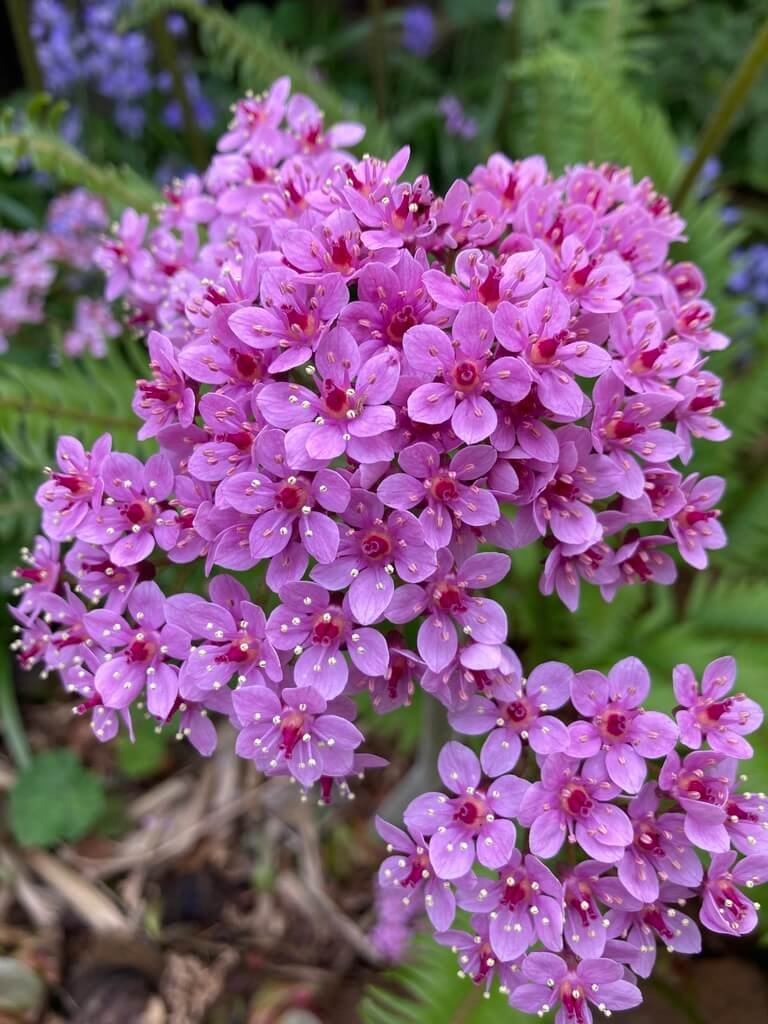
Spring provides ideal conditions for dividing mature perennials, adding new plants, and relocating those needing improved light, spacing, or soil. These tasks encourage healthier, more balanced growth.
Divide perennials that are overcrowded or flowering poorly
Plant new shrubs, trees, perennials, and bare-root roses
Direct-sow cool-season vegetables and hardy annuals
Harden off indoor-grown seedlings before planting outside
Move plants that struggled with light or spacing last season
Fill gaps in borders with early perennials or spring annuals
Replant divisions promptly to reduce stress and encourage rooting
Pruning & Trimming

Spring pruning encourages healthy growth and improves plant structure while removing winter damage. Careful timing helps protect flower buds and ensures plants start the season vigorously.
Prune dead or damaged limbs to prevent disease and encourage strong new growth around healthy wood
Shape non-spring-blooming shrubs to open crowded interiors and support balanced, attractive structure
Cut back old perennial stems to clear room for developing shoots and improve airflow
Trim winter-burned evergreen foliage to refresh appearance and stimulate healthy regrowth
Delay pruning spring-flowering shrubs to preserve buds formed during the previous season
Weed & Pest Prevention
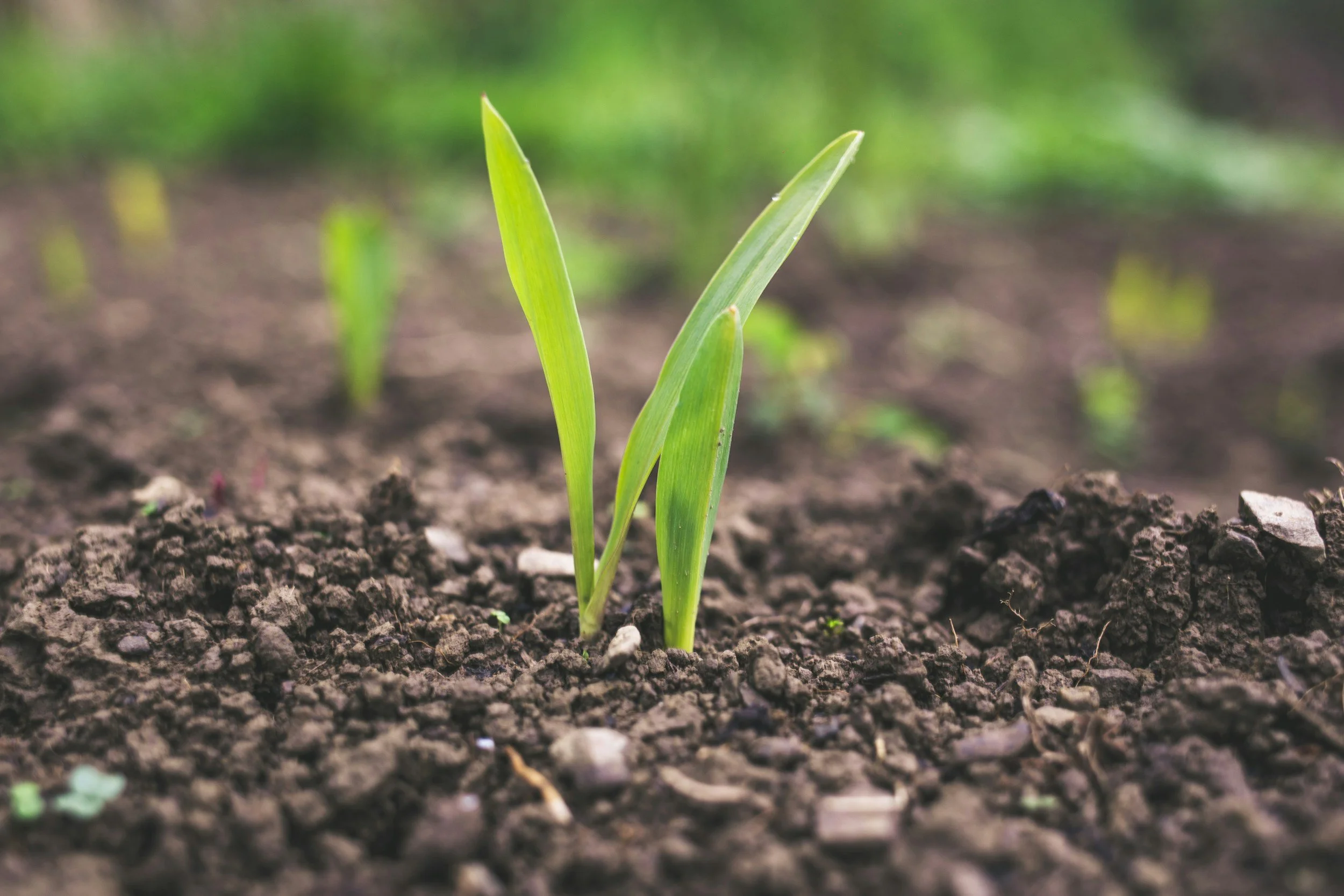
Early weed and pest management protects vulnerable new growth and reduces future maintenance. Addressing issues now allows plants to establish without competition or stress.
Pull early weeds while soil is moist to remove deep roots and prevent reseeding
Apply pre-emergent weed controls where appropriate, avoiding areas that will be seeded
Inspect soil surfaces, plant crowns, and mulch layers for overwintering pests or eggs
Monitor seedlings and tender new shoots for slug or snail activity as temperatures rise
Clean and sterilize containers, stakes, and tools to reduce disease spread before planting
Remove decaying plant debris that may shelter insects or fungal spores
Lawn & Turf Care

Lawns quickly revive in spring and benefit from early maintenance to support root growth, improve density, and enhance summer resilience. Targeted tasks improve long-term lawn health.
Rake up leaves, twigs, and winter thatch to open the lawn surface and improve airflow
Sharpen mower blades and service equipment to ensure clean cuts and healthy lawn growth
Overseed thinning patches once soil warms, pairing with light topdressing for seed-to-soil contact
Apply compost or a balanced fertilizer to stimulate root development and early greening
Repair uneven or compacted areas by loosening soil and reseeding where necessary
Aerate if needed to relieve compaction and enhance water penetration
Irrigation & Hardware Check
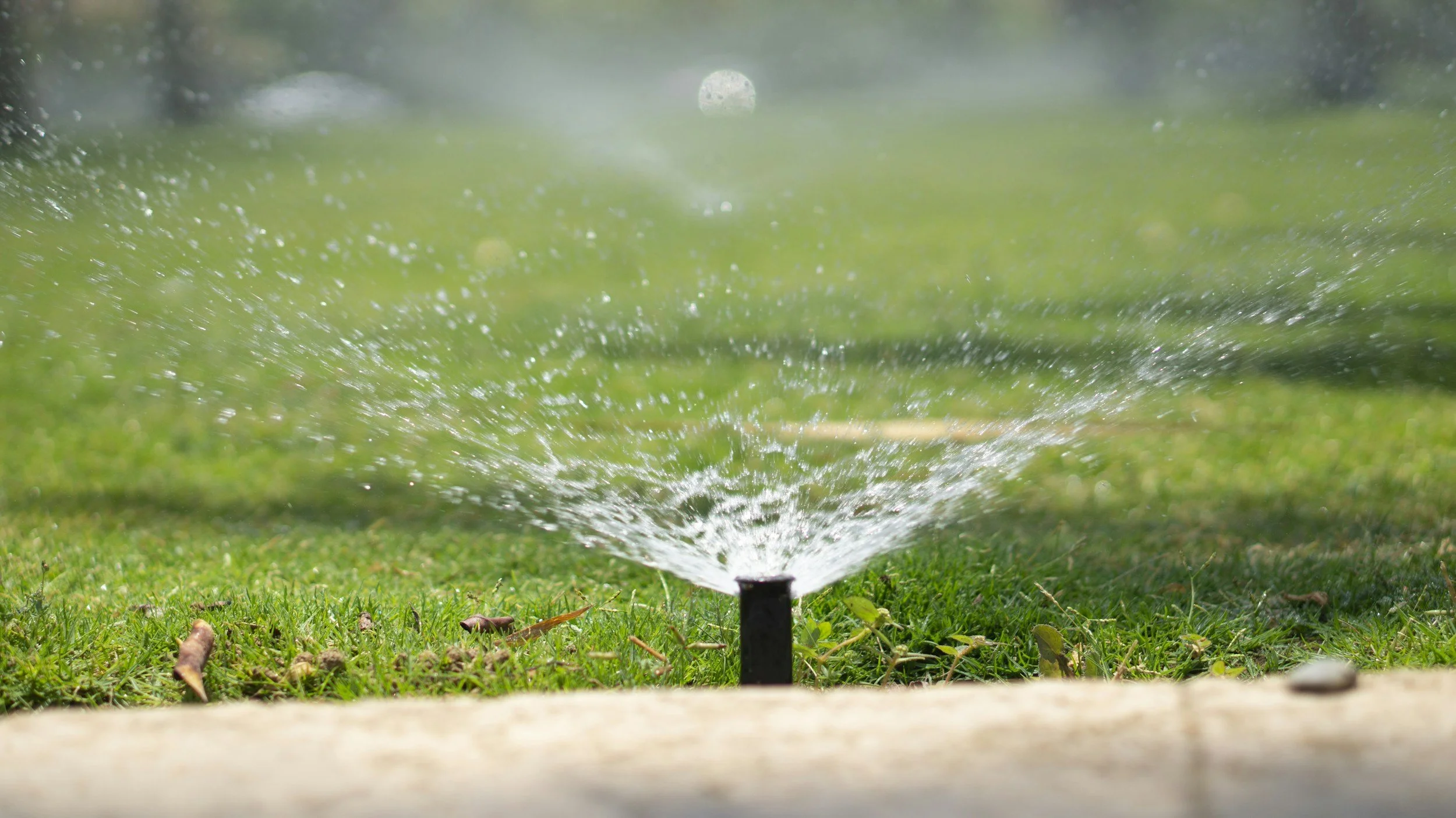
Before plants demand more water, spring is the perfect time to reactivate systems and ensure structural supports are secure. Addressing issues early prevents midsummer complications.
Inspect drip lines, hoses, and emitters for leaks or blockages, replacing damaged sections as needed
Flush irrigation systems thoroughly and adjust flow rates for young or newly planted material
Repair trellises, raised beds, edging, or fencing to ensure structural stability before growth increases
Clean cold frames, cloches, and protective covers to maximize spring light penetration
Confirm timers, valves, and connectors are functioning properly after winter shutdown
Test sprinkler zones or drip circuits to ensure consistent coverage
Wildlife & Pollinator Support
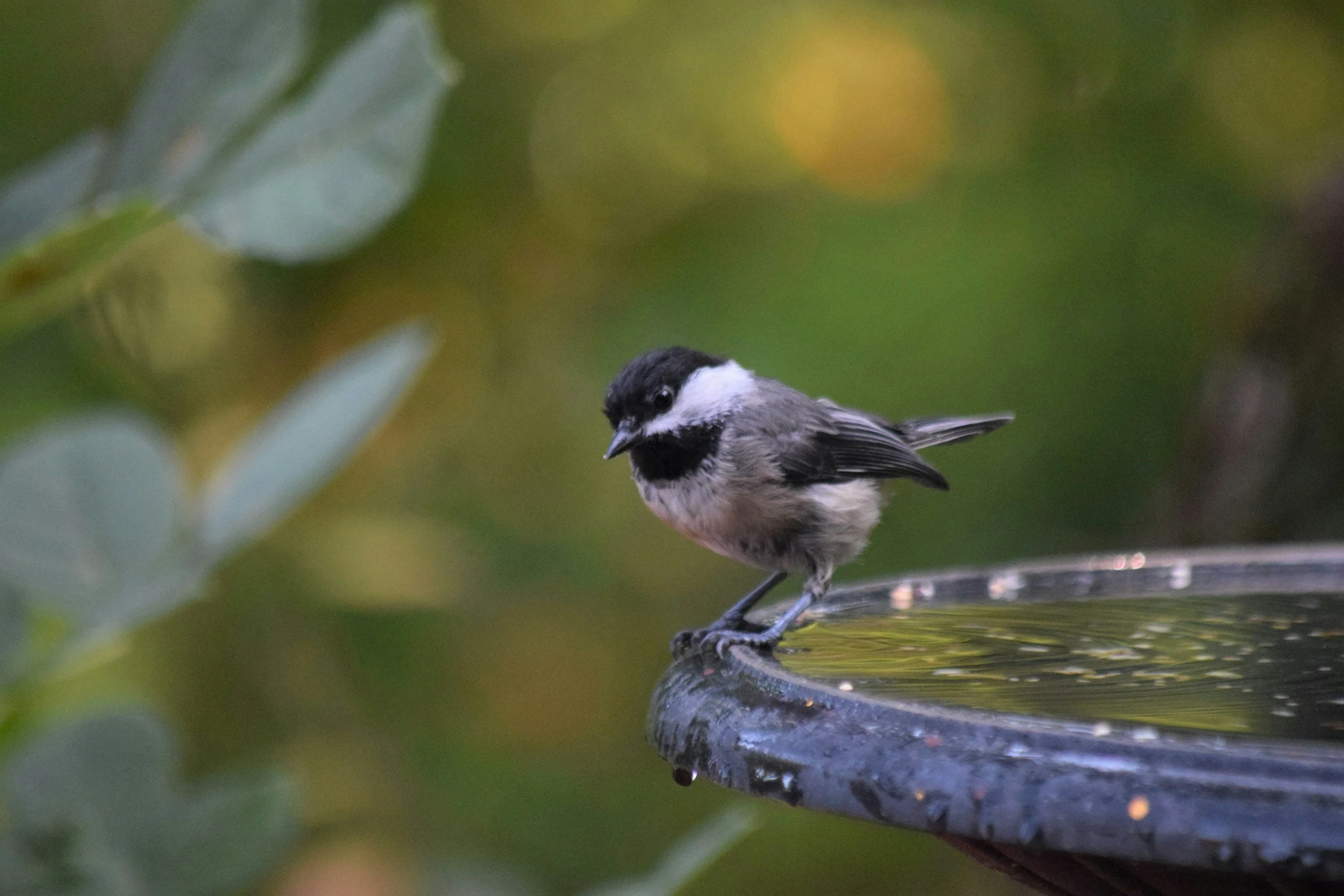
Spring activity increases quickly, making it important to offer clean water, early food sources, and gentle habitat transitions for pollinators and beneficial wildlife emerging from winter shelter.
Refresh birdbaths and feeders as wildlife becomes active
Delay heavy cleanup in certain areas to protect emerging insects
Plant early-blooming perennials and shrubs to supply nectar
Leave small brush piles or select stems for shelter
Add shallow water dishes with stones for pollinator access
Planning, Design & Organization

Spring invites renewed planning and thoughtful adjustments. A structured approach to supplies, design choices, and planting schedules helps reduce stress during the busy growing season ahead.
Review last year’s successes, challenges, and planting notes to better understand what needs improving going into the new season
Sketch updated planting layouts or redesigned beds to refine structure, plant flow, and seasonal interest
Inventory seeds, tools, fertilizers, and soil amendments, noting what should be replenished
Create a planting and maintenance schedule to stay organized during the busiest months
Organize potting supplies and clean storage areas for efficient workflow
Update or label garden maps to track plantings and future changes