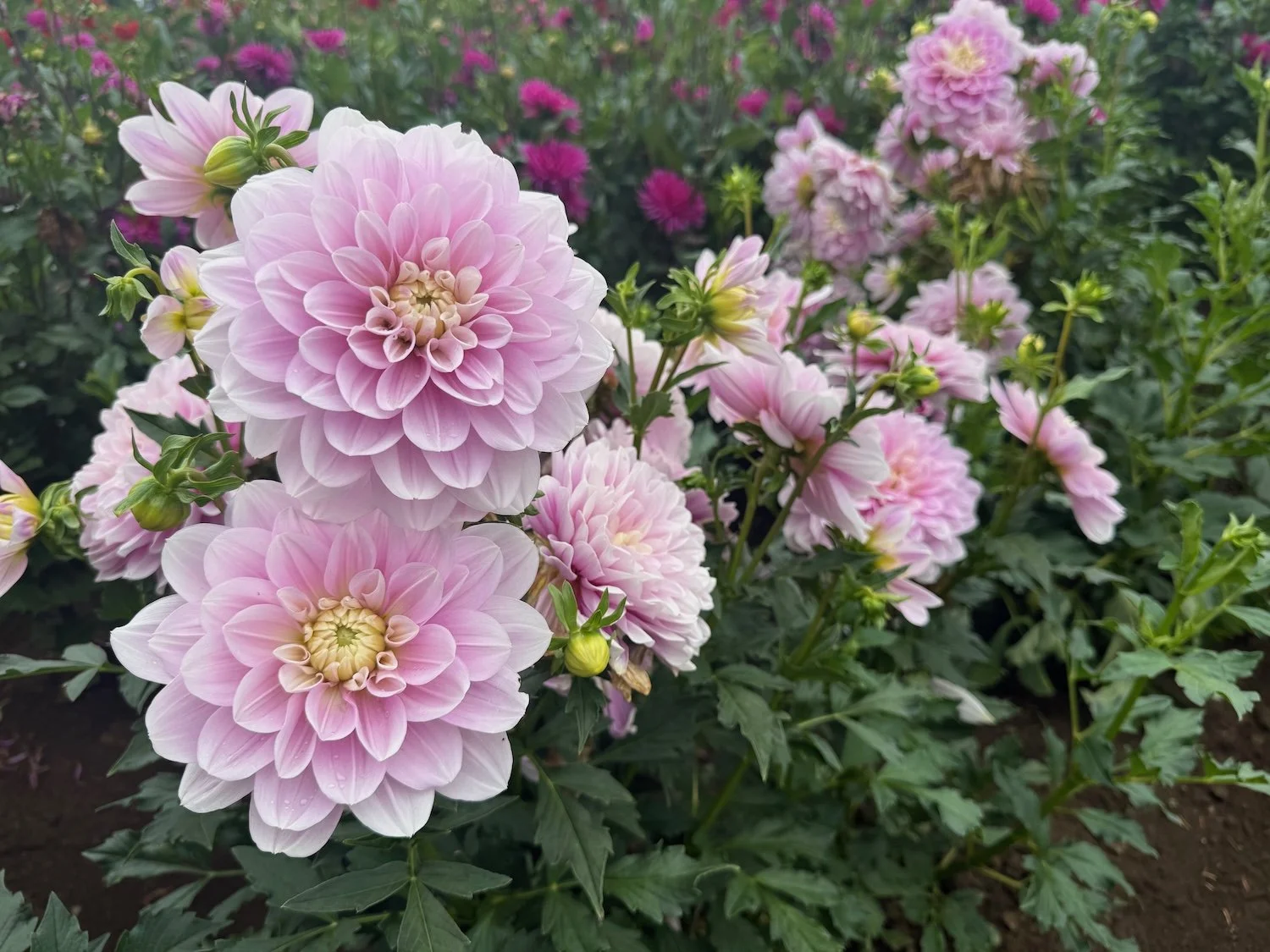
SUMMER GARDEN
TASKS
Summer plants reach their peak growth, making this a key season to maintain vigor and manage changing garden needs. Watering deeply and efficiently sustains roots through heat, while mulching helps conserve moisture. Monitoring pests and diseases enables quick response, and deadheading promotes continued bloom. Supporting pollinators and beneficial insects strengthens overall balance. Here is a comprehensive list for your garden in summer.
Watering & Moisture Management
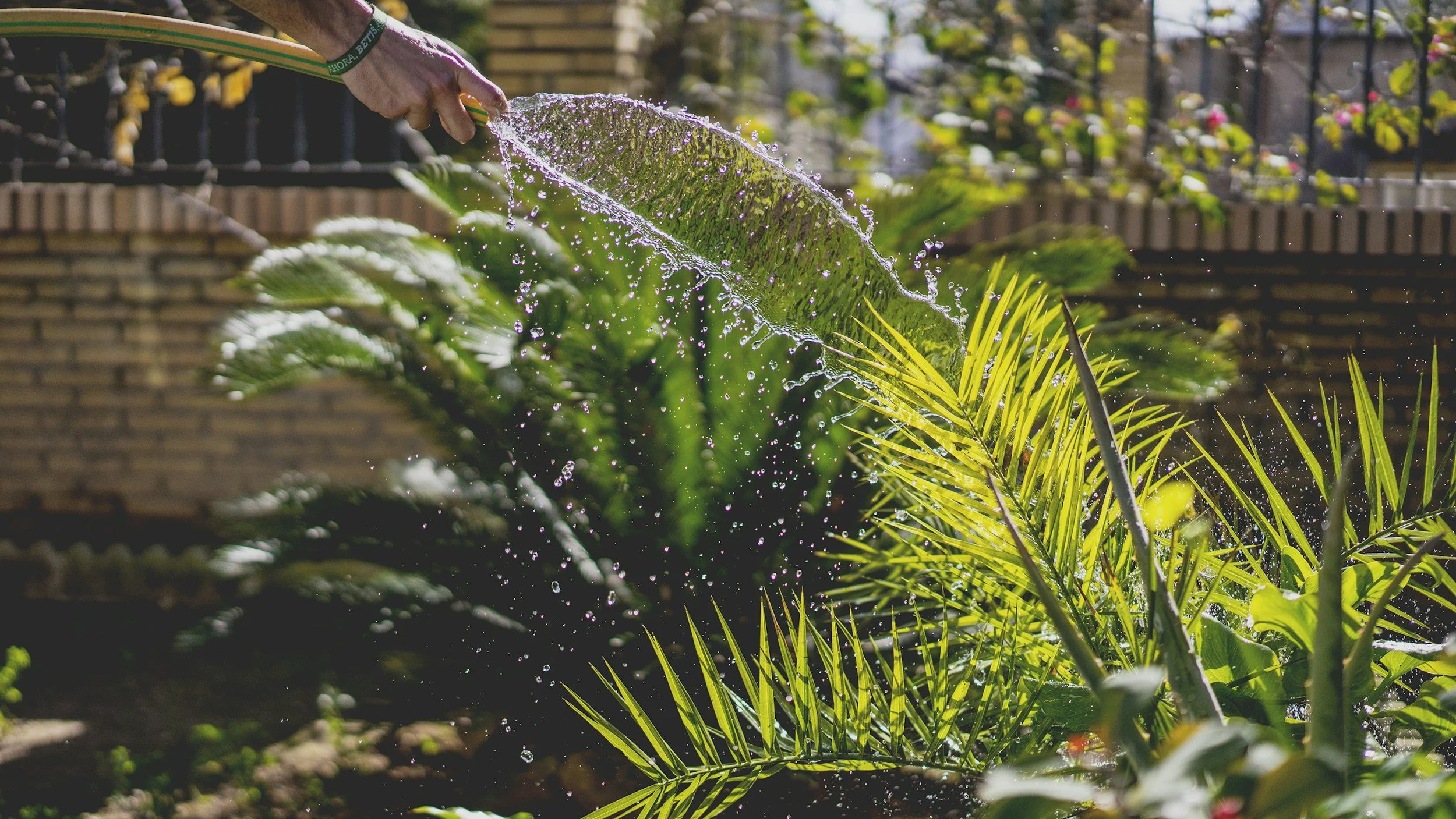
Hot, dry weather greatly increases water demand, so consistent moisture becomes essential. Thoughtful watering practices reduce stress, conserve resources, and keep gardens healthy through heat waves and windy spells.
Water deeply and less often so roots grow downward into cooler soil layers
Check soil a few inches below the surface before watering to avoid overdoing it
Mulch beds and containers to slow evaporation, moderate soil temperature, and discourage weeds
Adjust irrigation timers during heat waves, rainy spells, vacations, or new planting projects
Prioritize watering for newly planted trees, shrubs, and containers, which dry out quickly
Use saucers under pots only temporarily, emptying them afterward to prevent root rot
Deadheading & Flower Care
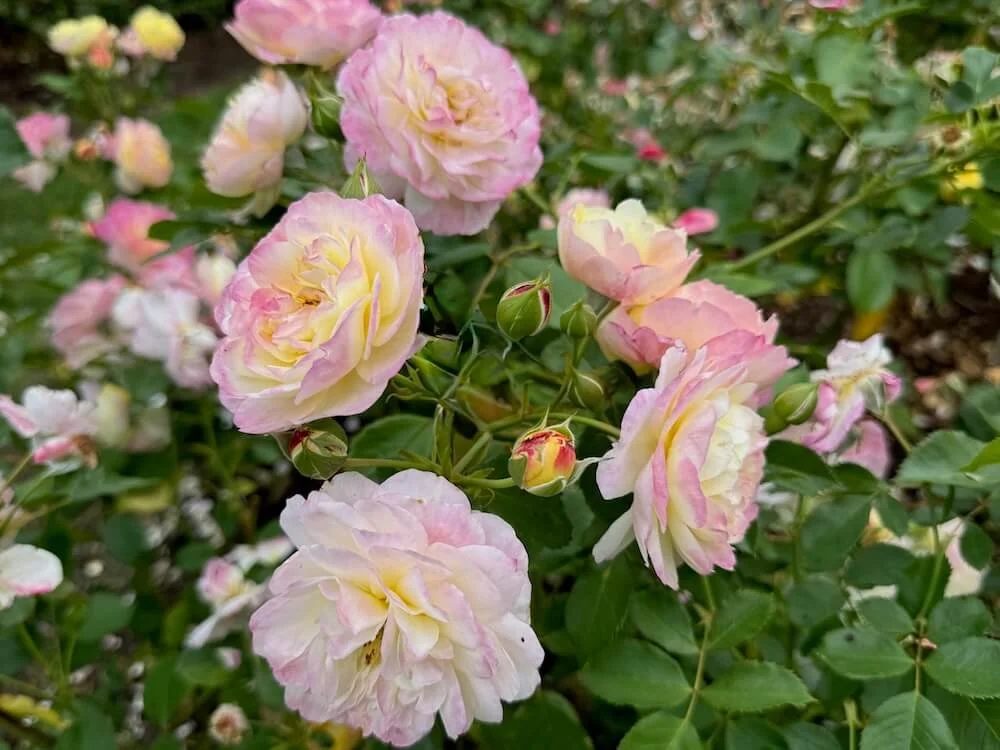
Removing spent blooms keeps plantings neat and can significantly extend flowering. Regular grooming redirects energy into fresh buds, stronger stems, and better rebloom on many perennials, annuals, and roses.
Deadhead perennials and annuals frequently, cutting just above a healthy leaf or side bud
Trim spent rose clusters to encourage repeat flowering while maintaining overall shape
Remove faded blooms on hydrangeas and other shrubs only when it fits their natural blooming pattern
Cut back floppy stems or storm-damaged flower spikes to tidy borders and reveal new growth beneath
Discard any diseased flower heads or foliage in the trash
Pest & Disease Monitoring
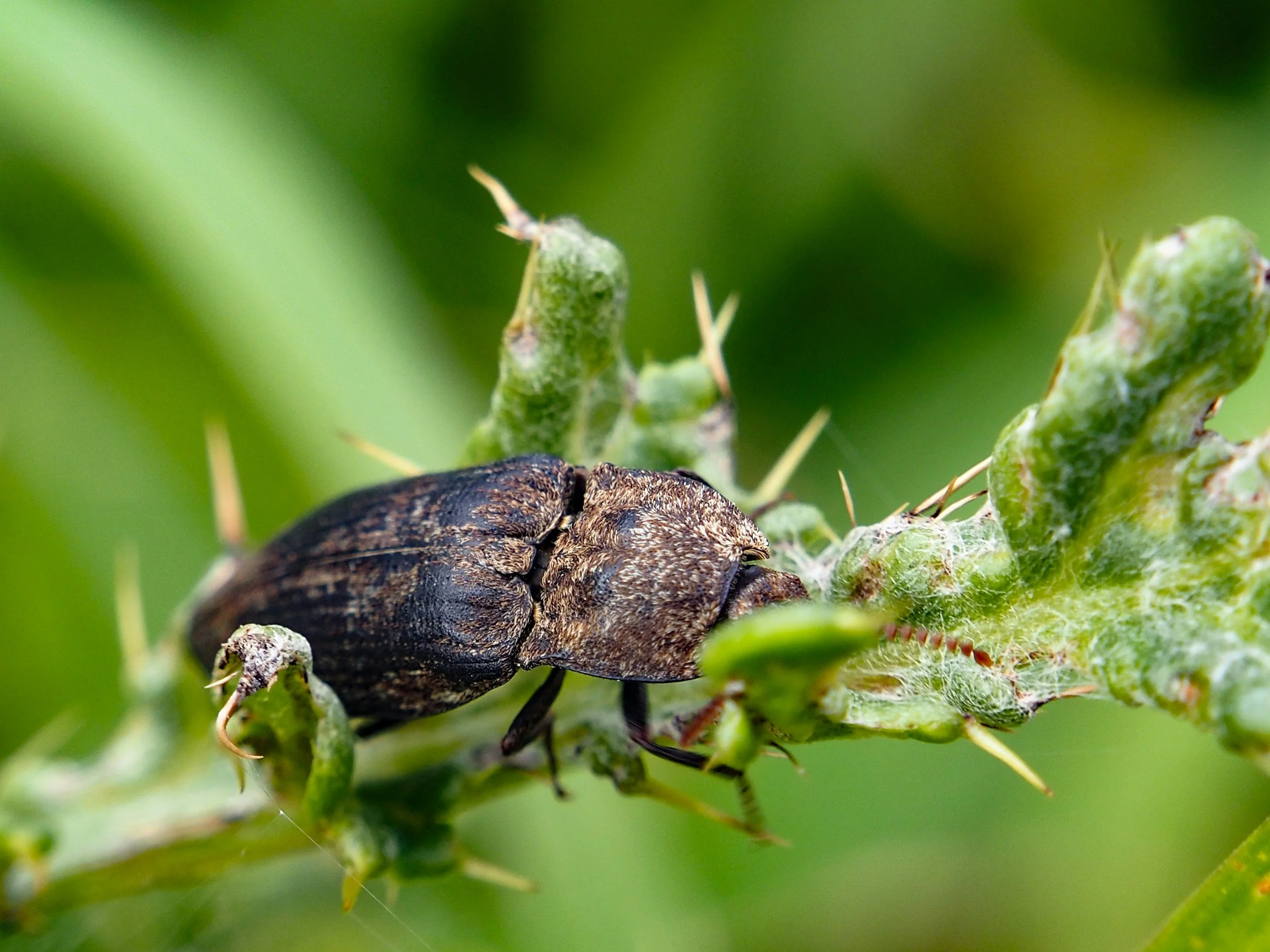
Summer warmth speeds up pest and disease cycles, so regular checks are essential. Early, targeted responses protect foliage, flowers, and harvests without relying on harsh, broad-spectrum treatments.
Inspect leaves, stems, and buds weekly for chewing damage, distortion, or webbing
Remove and discard affected leaves or stems to slow disease and insect spread
Use handpicking, targeted sprays, or traps instead of blanket treatments whenever possible
Encourage beneficial insects by planting diverse flowers and avoiding unnecessary insecticides and pesticides
Space or thin overcrowded plants so air circulates freely
Pruning & Size Control
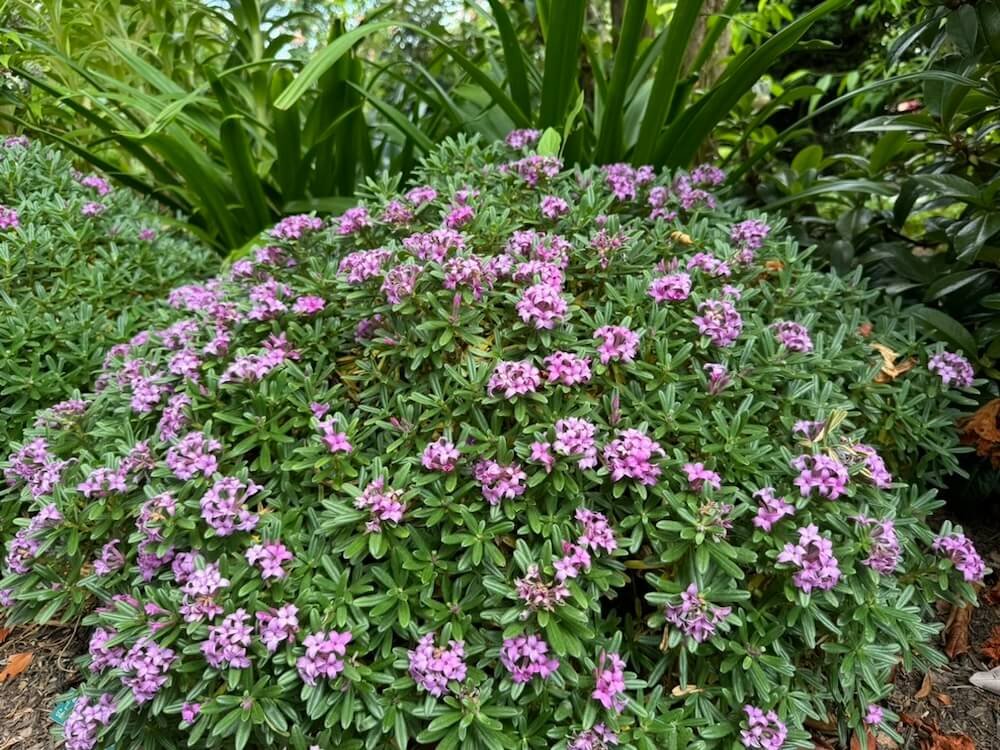
Midseason pruning keeps plants from overwhelming paths and beds. Light shaping during growth maintains structure, encourages new shoots, and prevents plants from becoming leggy or tangled.
Cut back overly vigorous perennials after a first flush of bloom to encourage fresh foliage
Prune shrubs that flower on new wood after blooming if they crowd paths or block views
Remove crossing, rubbing, or damaged branches from small trees so remaining growth has space and light
Lightly shear hedges and clipped shapes during active growth to maintain clean lines and dense foliage
Thin out water sprouts and suckers so energy supports stronger, better-placed branches and future flowering
Soil Health & Mulching
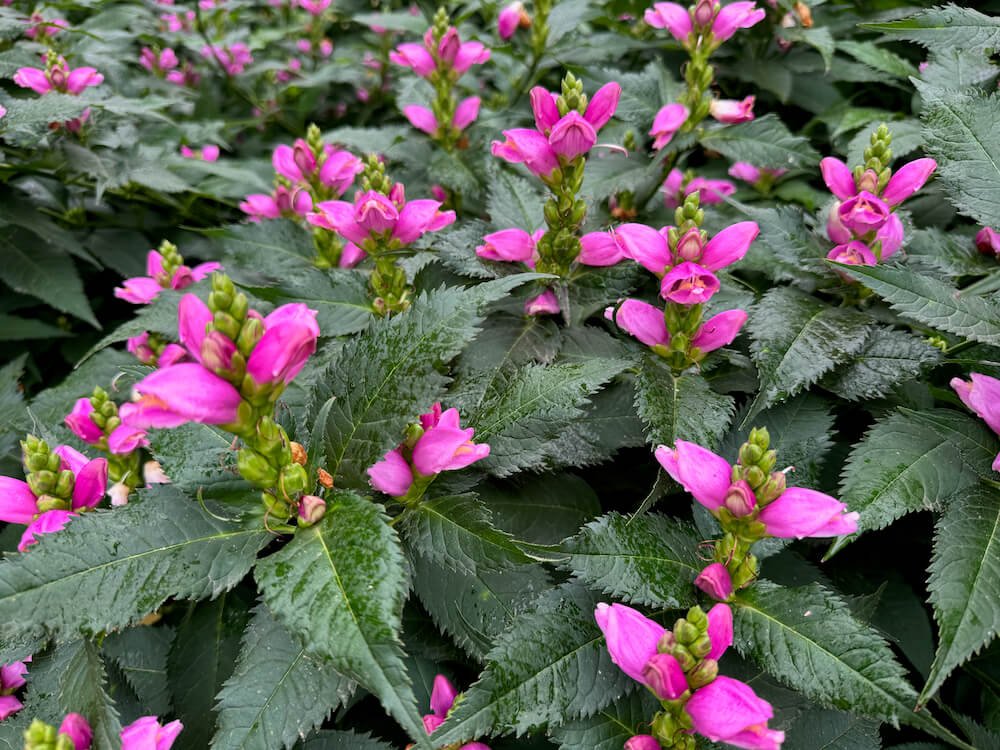
Summer soil care focuses on protecting moisture, feeding roots, and minimizing disturbance. Mulching and feeding keep plants vigorous and resilient through hot, drying conditions and active growth.
Replenish mulch where it has thinned, keeping it a few inches from stems and trunks
Add compost tea or organic liquid feeds to containers and hungry borders during peak growth
Top-dress tired containers with a thin layer of compost instead of fully repotting midseason
Check under existing mulch for slugs or other pests before adding any fresh material
Vegetable Garden Maintenance
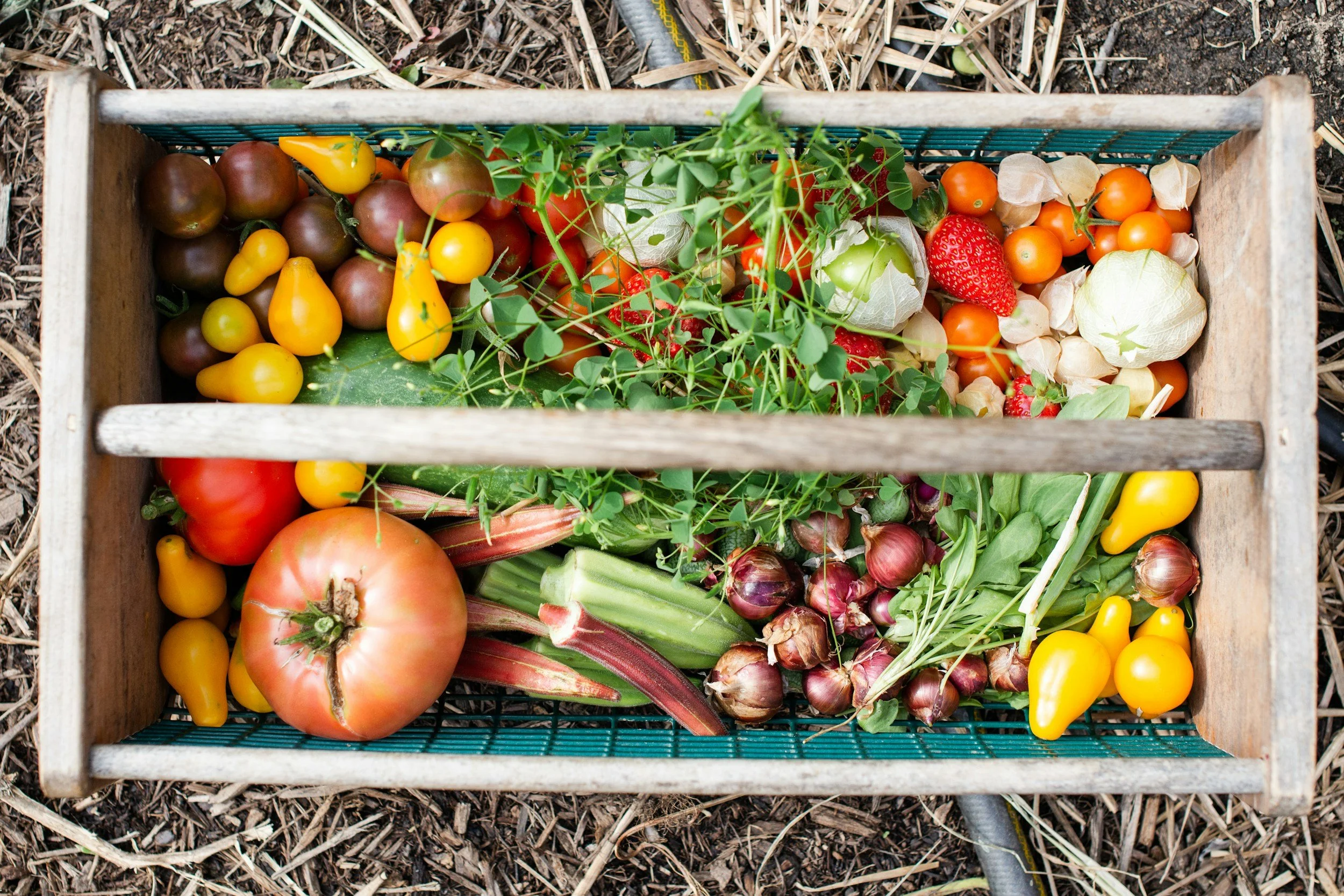
Warm-season vegetables respond to consistent care. Regular harvesting, support, and watering keep beds productive, reduce disease pressure, and make it easier to move through dense summer growth.
Harvest beans, cucumbers, squash, and other fast crops often to encourage continued production
Stake or tie in tomatoes, peppers, and vining crops before stems bend, split, or break
Remove yellowing, diseased, or insect-damaged leaves and dispose of them away from beds
Succession-sow quick crops like lettuce, radishes, and arugula wherever space opens up
Mulch paths and bed edges to suppress weeds and keep soil moisture more even
Pick regularly to avoid bolting
Lawn Care & Mowing

Summer lawn care focuses on reducing heat stress and preserving root health. Small adjustments in mowing, watering, and traffic help turf stay greener and recover quickly from dry spells.
Mow at a higher blade setting so grass shades the soil and roots below
Water lawns deeply but less often, allowing the surface to dry slightly between soakings
Leave short grass clippings on the lawn as natural mulch and a gentle nitrogen source
Spot-treat persistent weeds or pull them by hand, avoiding broad herbicide applications during heat
Reduce heavy play or equipment use on stressed, dry turf to prevent compaction and bare patches
Container & Patio Plant Care
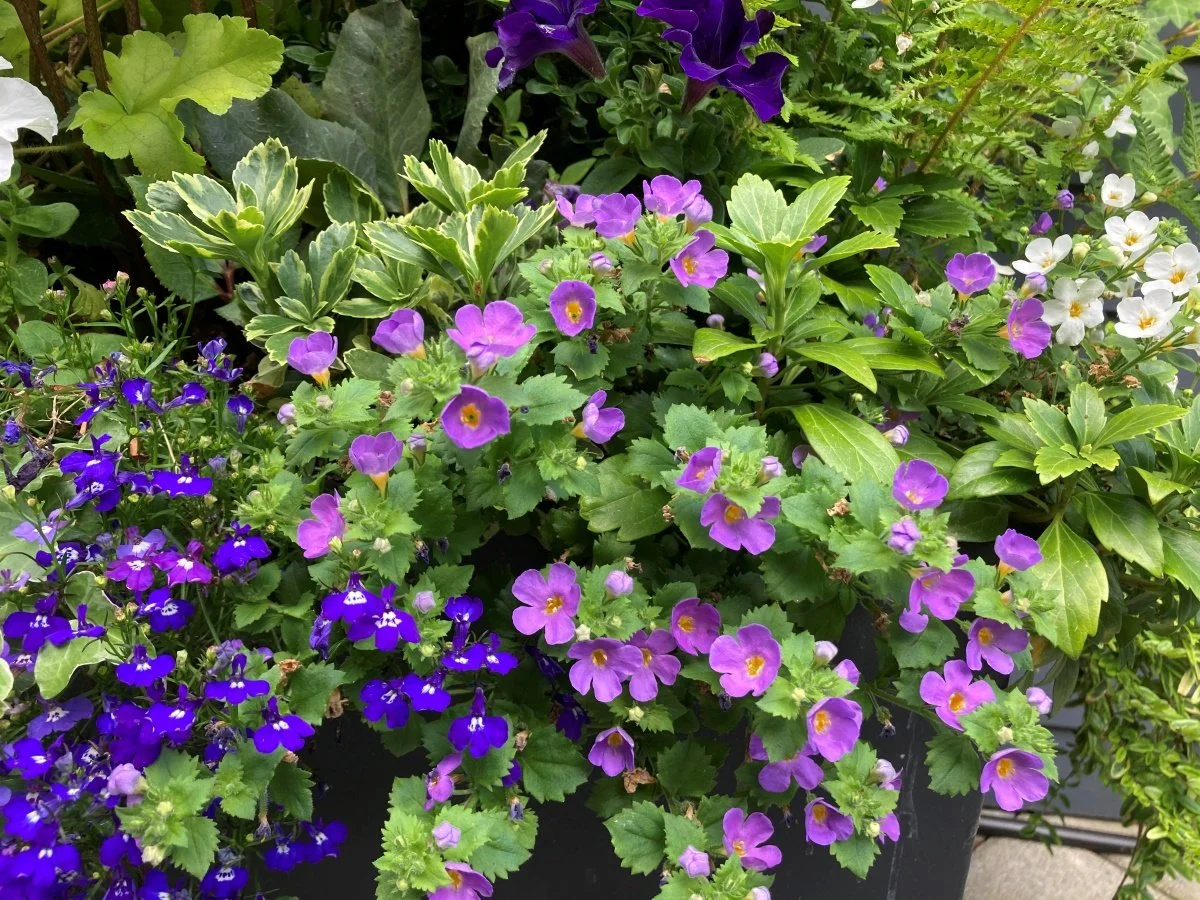
Containers dry quickly in summer sun and wind, so they benefit from extra attention. Regular watering, feeding, grooming, and rotation keep potted displays lush, colorful, and inviting near seating areas.
Water containers until moisture runs from drainage holes, then let the surface dry slightly
Fertilize regularly with a balanced feed to replace nutrients leached by frequent watering
Rotate pots every week or two so plants receive even sunlight and grow evenly
Pinch or shear leggy annuals and herbs to encourage bushier growth and fresh flowers
Refresh tired plantings by swapping in a few new plants rather than redoing entire containers
Garden Enjoyment & Observation

Summer invites you to slow down and experience the garden. Observing patterns in light, bloom, and growth now will guide better planting, design, and maintenance choices in future seasons.
Walk through the garden at different times of day to notice changing light and shadows
Take photos or quick notes on bloom times, color pairings, and combinations you particularly enjoy
Observe which plants cope gracefully with heat, drought, or wind and which repeatedly need extra care
Identify gaps in bloom sequence, foliage contrast, or height that you might fill next year
Experiment with small changes, like moving a container or chair, and notice how spaces feel different