
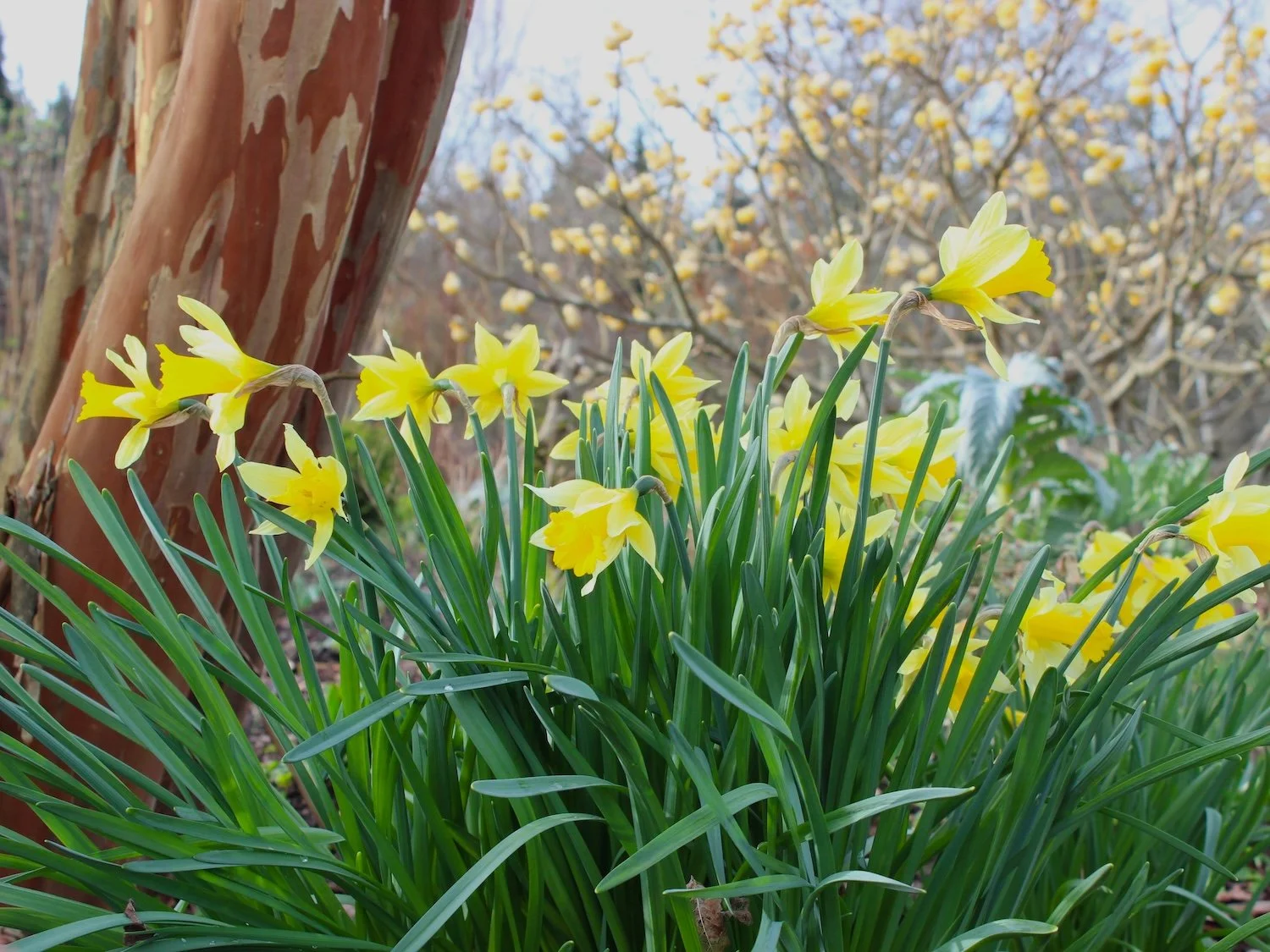
DAFFODIL
FLOWER FORMS
Daffodils display a wide variety of flower forms, ranging from familiar long-trumpeted blooms to delicate multi-flowered types and richly layered doubles. Variations in cup size, petal shape, and overall structure create distinct silhouettes, from upright and symmetrical to softly nodding forms. These differences are organized into recognized divisions that describe the relationship between the central cup and the surrounding petals. The following list highlights the distinct forms of daffodils, each presenting a different expression of this spring-flowering bulb.
-
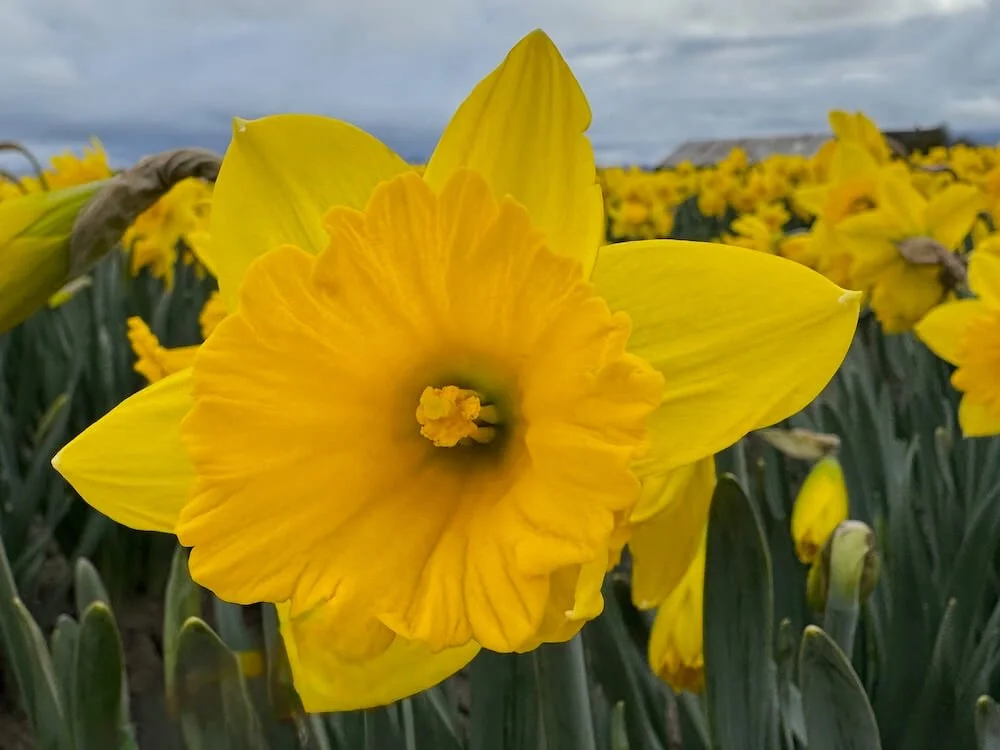
Trumpet
Large central trumpet equal to or longer than the surrounding petals on a single bloom.
-
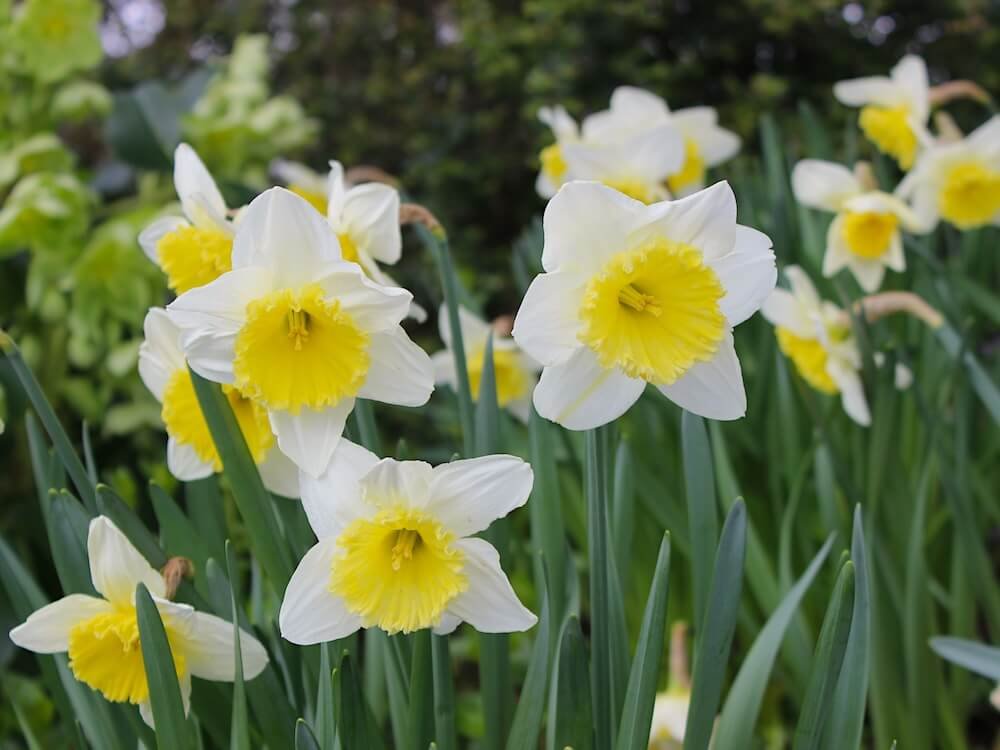
Large-Cupped
Prominent cup shorter than the petals but still clearly defined at the flower’s center.
-
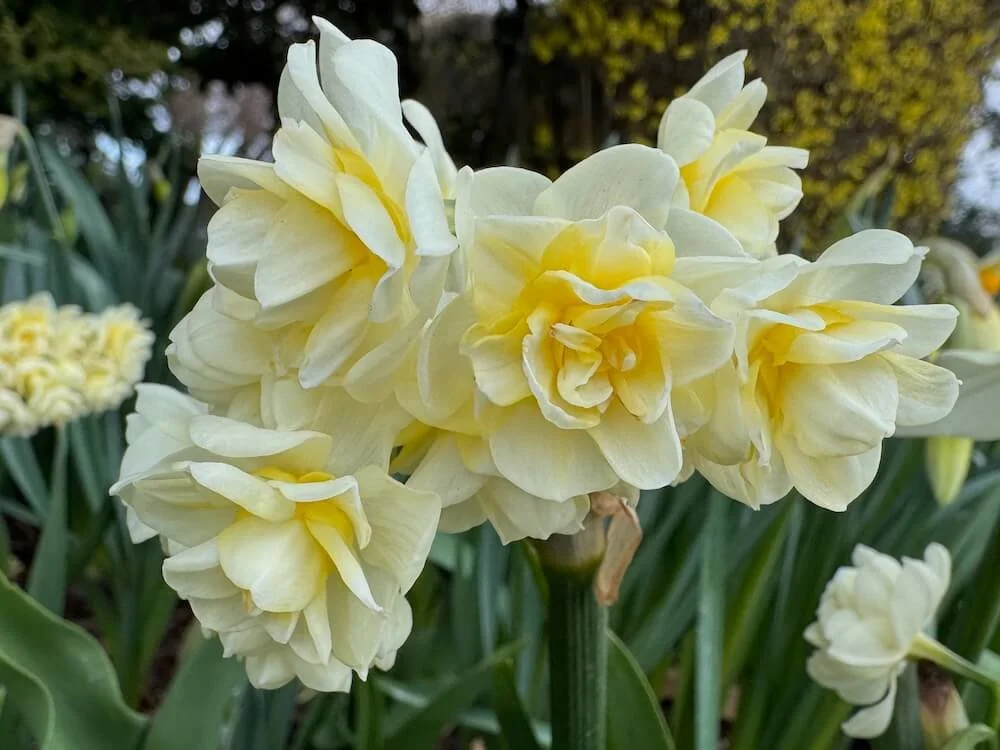
Double
Full flowers with extra petals or multiple cups creating a layered, ruffled appearance.
-
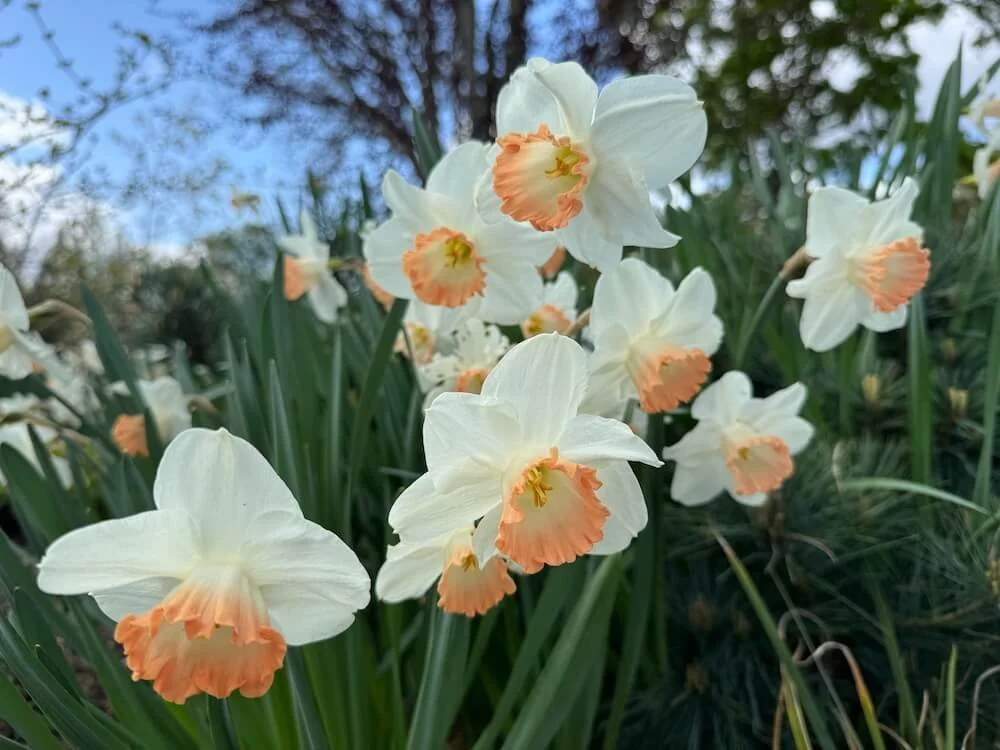
Triandrus
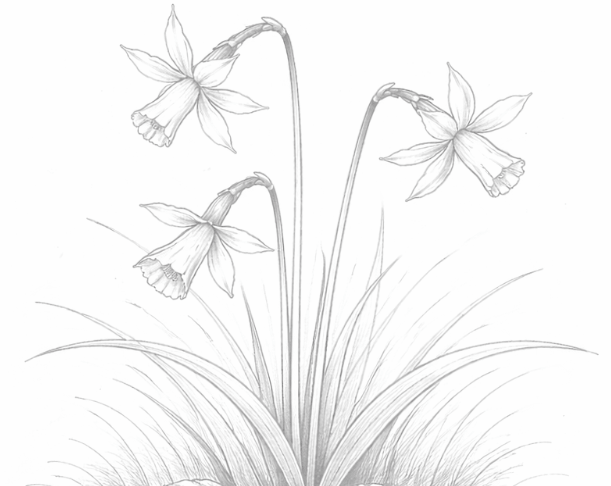
Graceful, nodding flowers with swept-back petals, often borne in small clusters on each stem.
-
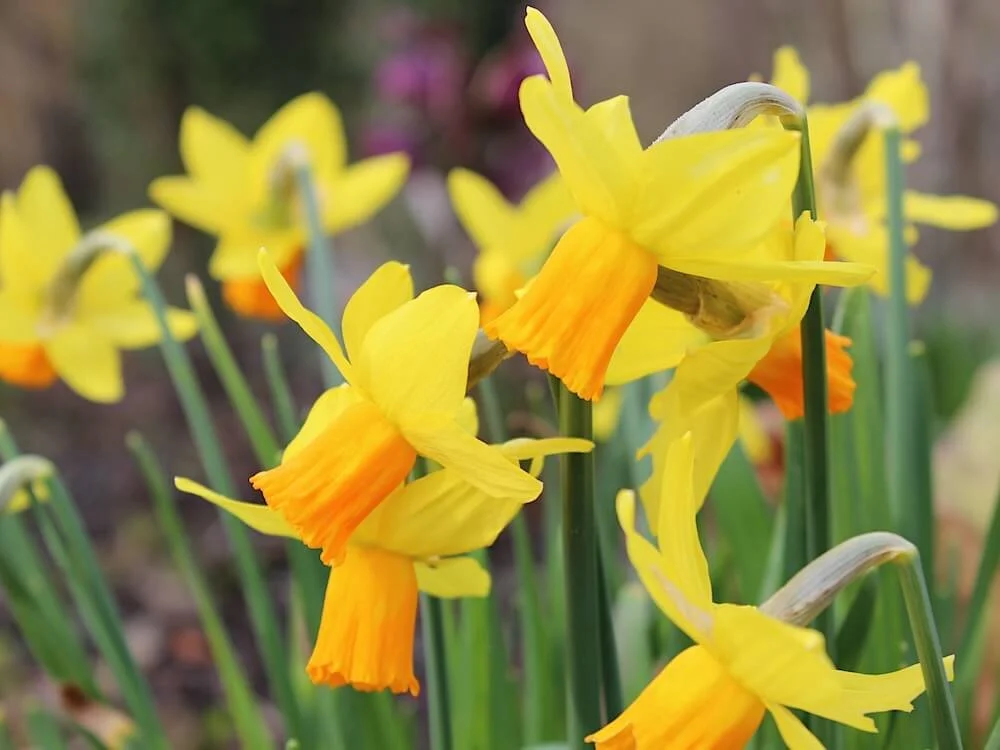
Cyclamineus
Strongly reflexed petals with a long, flared trumpet that gives a swept-back look.
-
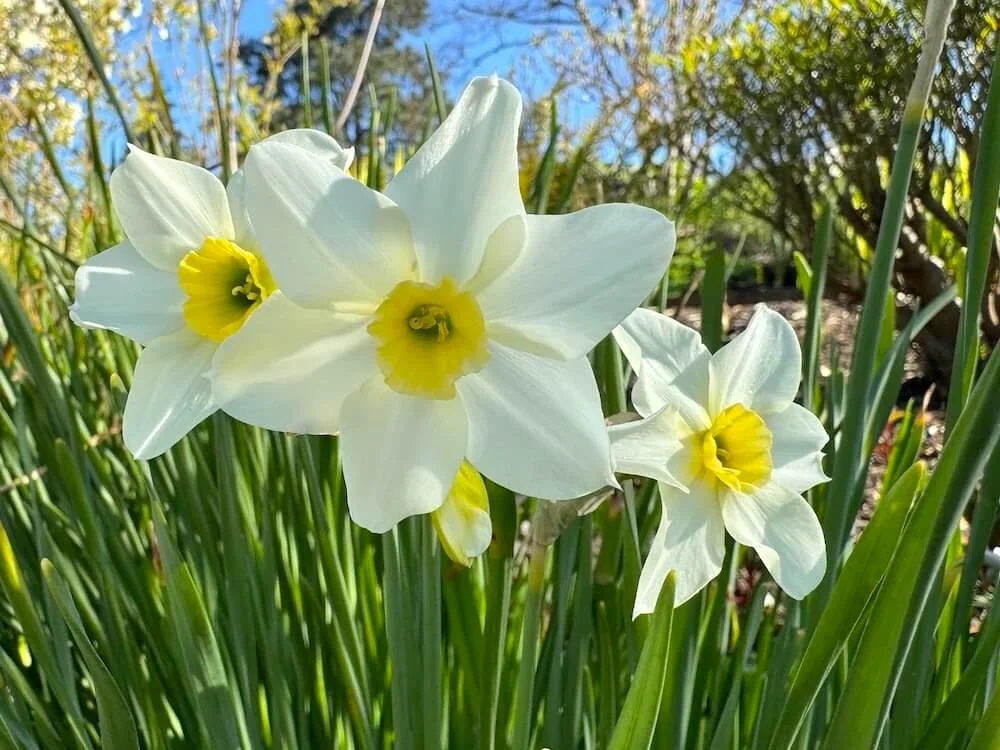
Jonquilla
Clusters of small, rounded flowers, usually fragrant, with a warm, informal garden style.
-
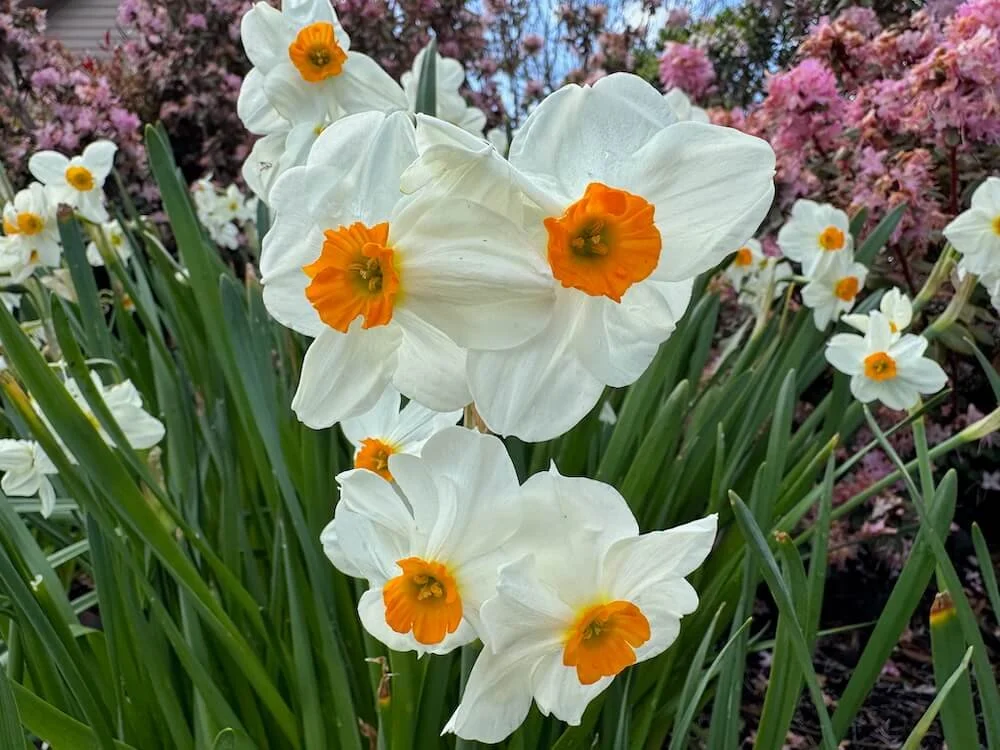
Tazetta
Multiple blooms per stem with short cups and strong fragrance, often used indoors too.
-
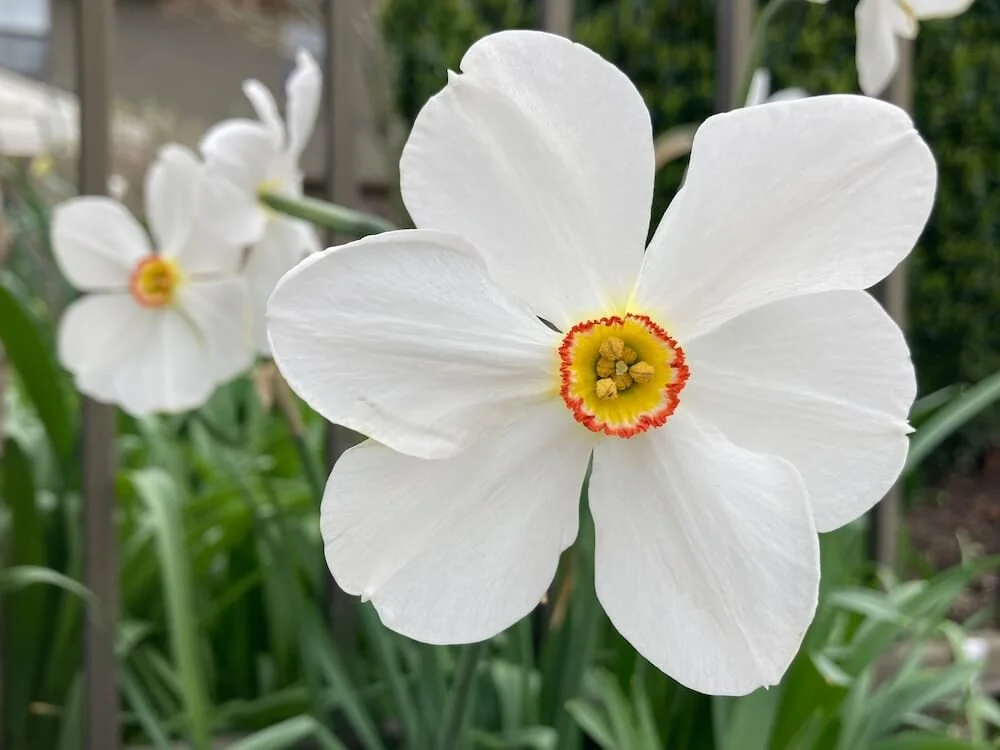
Poeticus
Pure white petals with a small, contrasting colored eye and a refined, late-spring look.
-
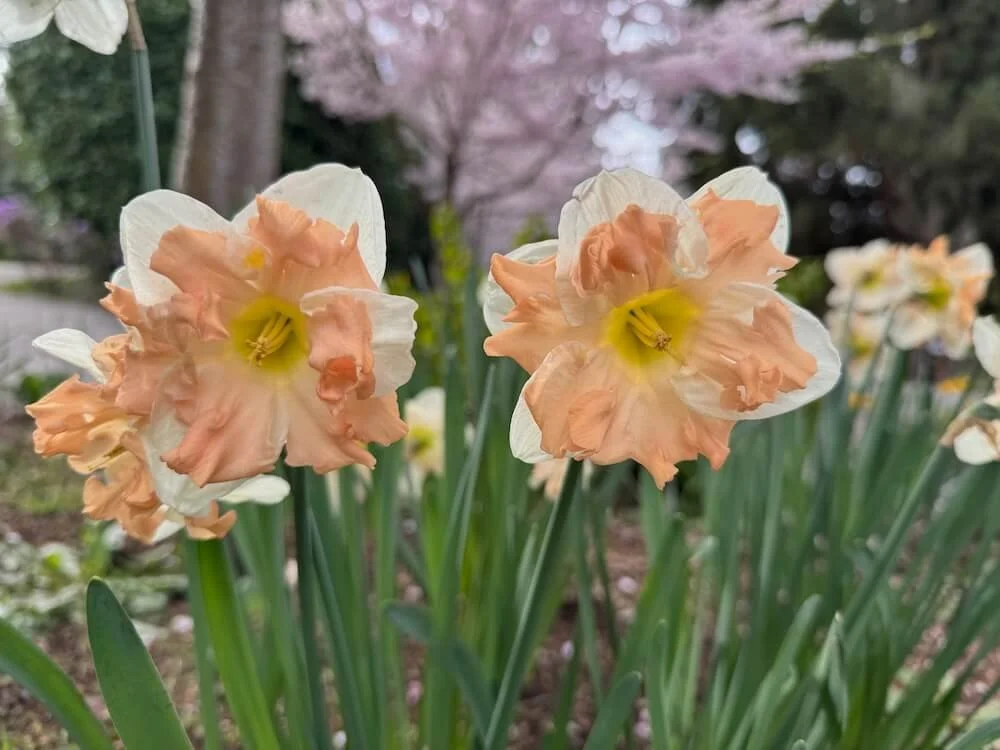
Split-Corona
Cup divided into segments that spread across the petals, creating an open, starry look.
-
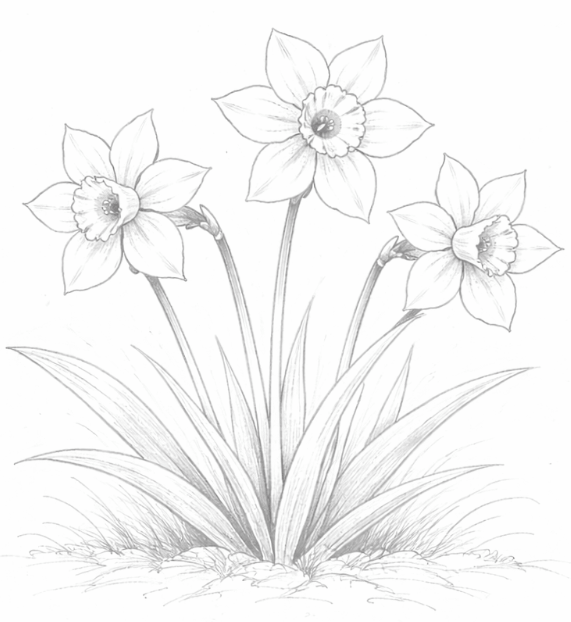
Small-Cupped
Short, shallow cup that sits close to the petals and looks more open and flat.
-
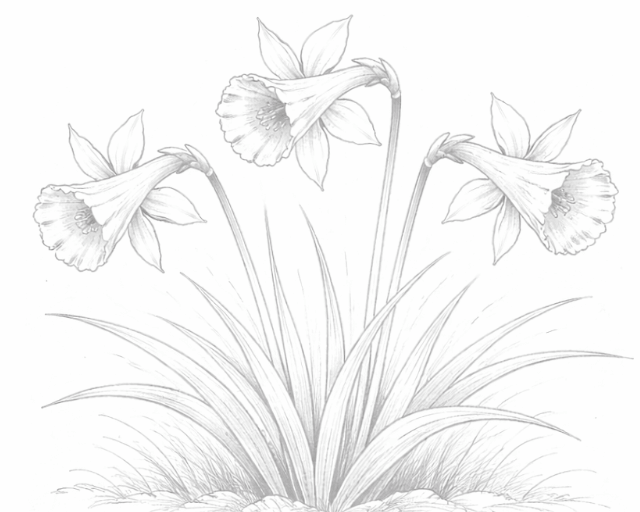
Bulbocodium
Large flared cup with very small or reduced petals, creating a tiny, bell-like bloom.
-
Species
Naturally occurring wild daffodils and their close hybrids, often smaller and earlier blooming.