PLANTING &
GROWING BULBS
Growing plants from bulbs is an easy way to enjoy seasonal color without a lot of effort. Once planted, they follow a natural growth cycle, with many returning year after year under the right conditions. Bulbs come in a wide range of flower forms and colors, have a predictable bloom timing, and an ability to naturalize or fill gaps in the garden when other plants are not in bloom. By understanding the basics, you can add bulbs to borders, containers, lawns, and naturalized settings.
PRE-PLANTING DECISIONS
Begin by confirming the bulb’s bloom season and appropriate planting window, as many bulbs are planted in fall for spring bloom, while tender types are planted in spring for summer bloom. Some bulbs require a period of cold exposure, either through natural winter conditions or pre-chilling, in order to flower properly. Choose a planting site that matches the plant’s light requirements, ensuring the location receives the appropriate amount of sun or shade. Good drainage is essential, particularly for bulbs prone to rot, so choose a planting area where water does not collect or amend the soil to improve drainage before planting.
Bulbs Planted in Spring
Lilies (true bulbs; many can also be fall planted)
Eucomis (Pineapple lily)
Caladiums (tuberous bulbs, commonly treated as bulbs horticulturally)
Bulbs Planted in Fall
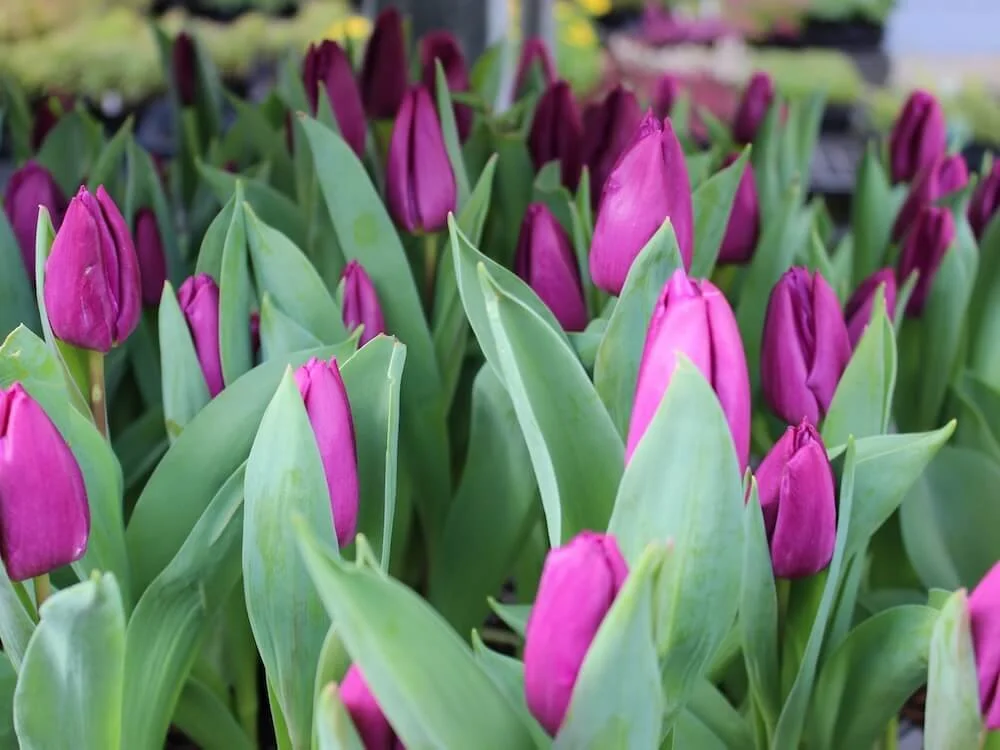
Tulips
Daffodils (Narcissus)
Hyacinths
Snowdrops (Galanthus)
Grape hyacinths (Muscari)
Alliums (ornamental onions)
Iris reticulata and other bulbous irises
Fritillaria
Camassia
Leucojum (Snowflake)
Scilla and Chionodoxa
Notes
Plant spring bulbs after danger of frost has passed. Soil warmth is important for good sprouting.
Fall bulbs need time to establish roots before winter; most need cold exposure to bloom well; many are fully winter-hardy and remain in the ground year-round

CHOOSE A PLANTING METHOD
There are several effective ways to plant bulbs, including individual holes, trench planting, containers, and bulb cages, and the right approach depends on how and where the bulbs will be grown. Individual holes work well for small groups, mixed borders, or situations requiring precise placement. Trenching, which involves removing soil across a broader area to a consistent depth, is often preferred for mass plantings because it is faster and produces more uniform results. The choice depends on the scale of planting and the desired visual effect.
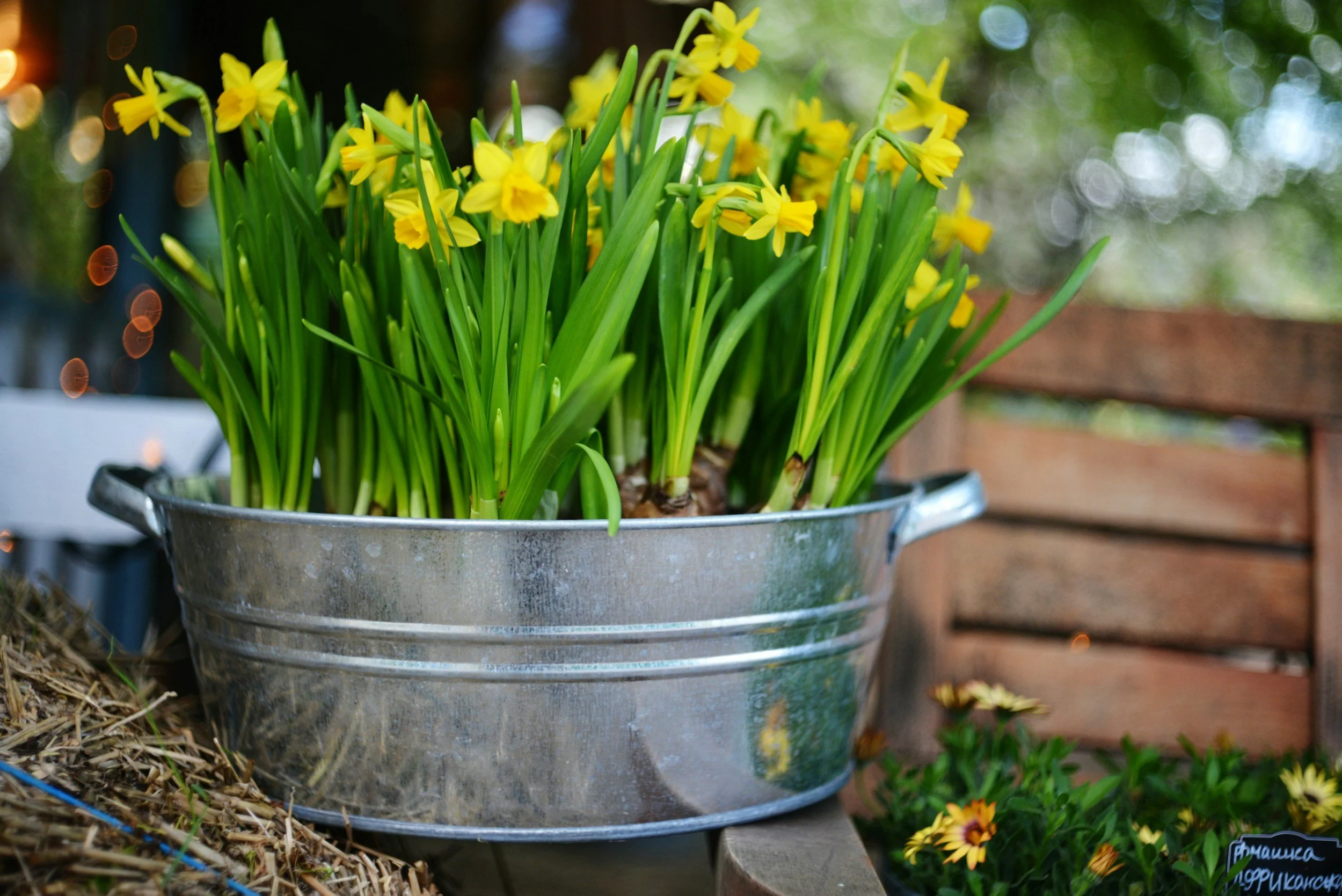
When planting bulbs in containers, always use pots with drainage holes and a free-draining potting mix rather than heavy garden soil. Maintain the same general depth guidelines used for in-ground planting, ensuring there is sufficient soil beneath the bulbs to support root growth. Containers are more susceptible to freezing solid in winter, so they may need insulation or relocation to a sheltered area in colder climates. Moisture levels should be monitored carefully, as containers dry out faster but should never remain soggy.
Bulb cages provide a practical solution for protecting vulnerable bulbs, especially tulips, which animals find particularly appealing. The cages prevent digging by squirrels and other pests while allowing foliage and flowers to grow through unobstructed. Bulb cages are available online through Breck’s.
PREPARE THE SOIL
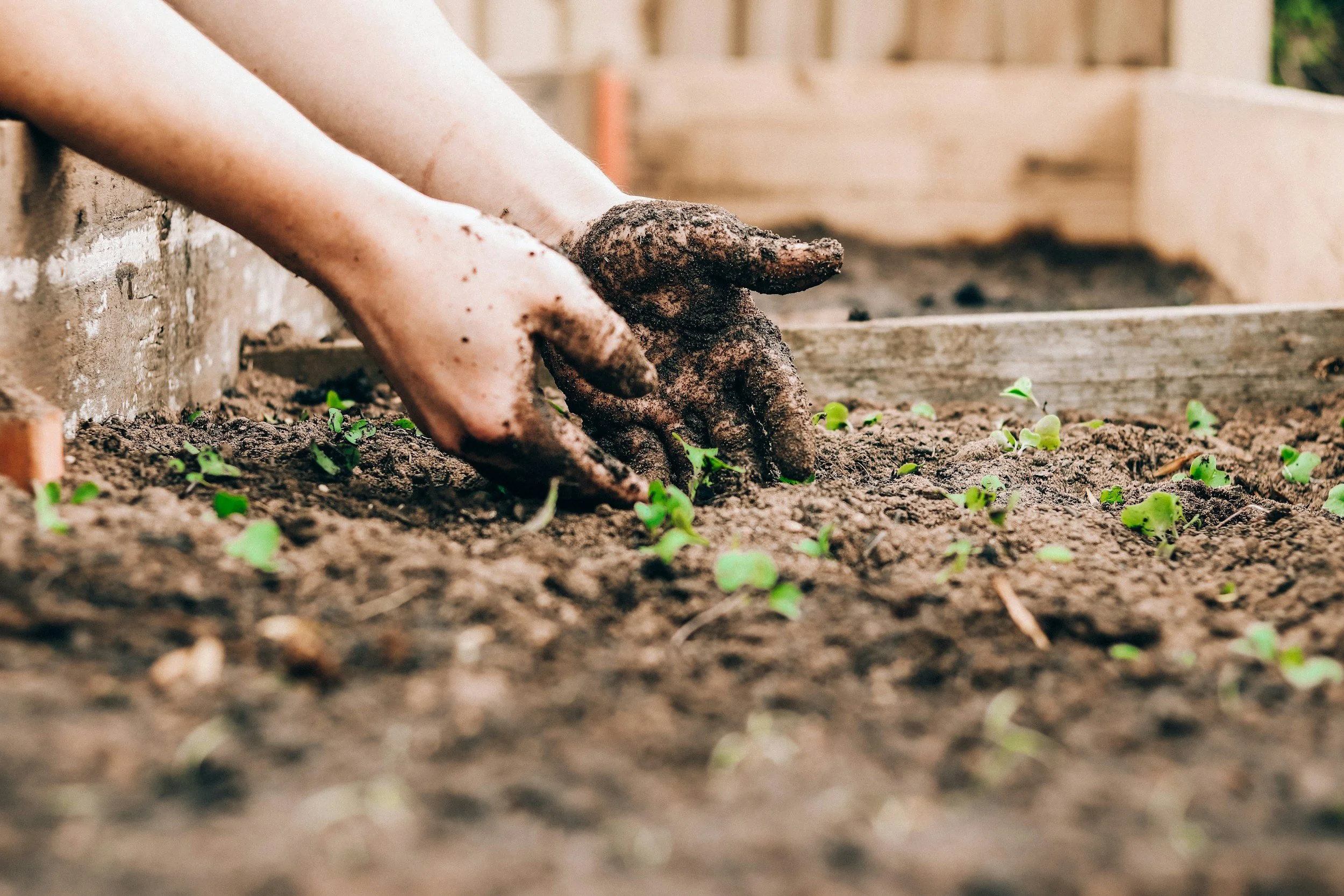
Proper soil preparation is one of the most important factors for long-term bulb success. Check drainage first, and if water tends to pool after rain or irrigation, improve drainage or consider raised beds or containers. Loosen the soil in the planting area to allow roots to establish easily. If the soil is extremely sandy or compacted, incorporate organic matter such as compost to improve structure. Fertilizer is optional, but if used, apply a bulb fertilizer or balanced slow-release product mixed into the soil rather than placed directly against the bulb. Some bulbs are sensitive to excess nitrogen, which can promote foliage growth at the expense of flowers, so feeding should remain moderate unless specific guidance suggests otherwise.
DETERMINE PLANTING DEPTH & SPACING
Planting depth is generally based on the bulb’s size, with a common guideline being to plant bulbs at a depth two to three times their height, measured from the top of the bulb to the soil surface. Planting slightly deeper is usually safer than planting too shallow, as it helps stabilize the bulb and reduce temperature fluctuations. In heavy or poorly drained soils, bulbs may be planted slightly shallower, while in sandy soils or colder climates, slightly deeper planting is often beneficial. Spacing is typically determined by bulb width, with bulbs placed one to three bulb widths apart depending on whether a dense display or room for multiplication is desired.
PLANT THE BULBS
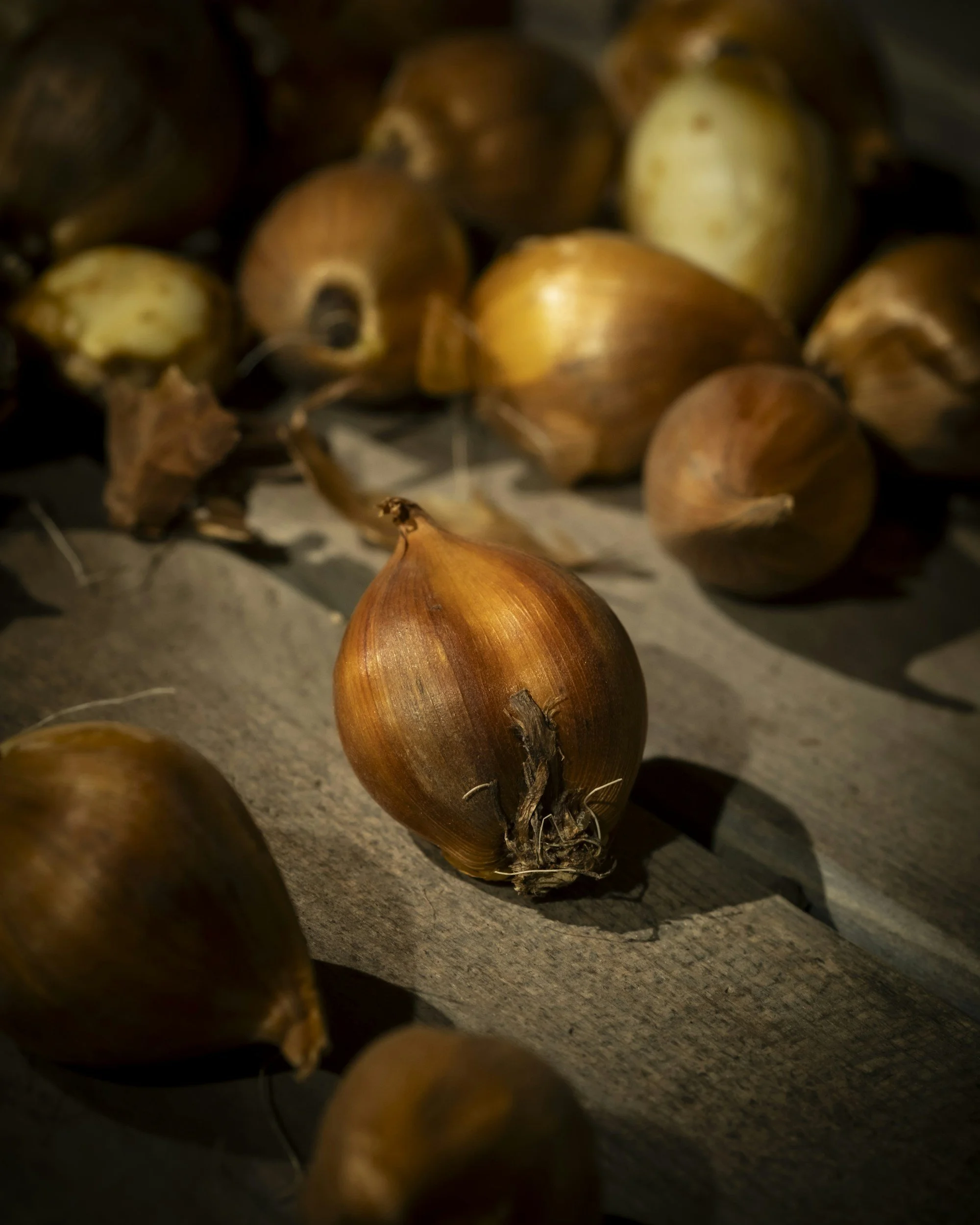
Place each bulb with the pointed end facing upward. If the bulb’s orientation is unclear, planting it on its side is acceptable, as most bulbs will naturally correct their position as they grow. Set bulbs on firm soil rather than loose fill to prevent settling that could alter planting depth. Backfill with soil, gently firming it to remove large air pockets, and label the planting area or keep a planting map, especially when mixing varieties or planning to add other plants later.
WATER AFTER PLANTING
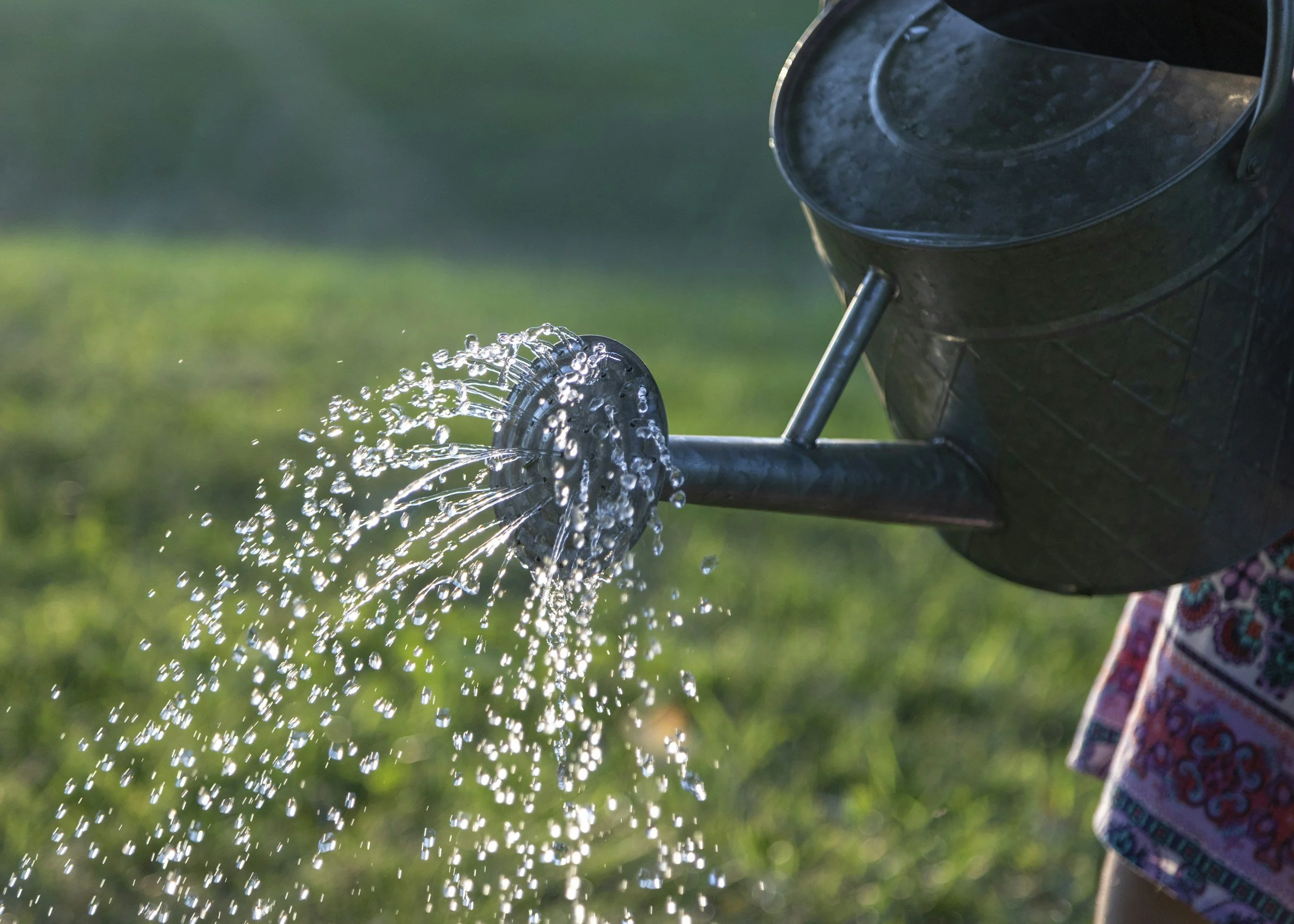
After planting, water the area thoroughly once to help settle the soil and initiate root development when conditions allow. Following this initial watering, adjust based on rainfall and soil conditions, keeping the soil lightly moist but never saturated. Bulbs that prefer drier conditions can rot if overwatered, while containers dry out more quickly and require closer monitoring.
MULCH & SURFACE PROTECTION
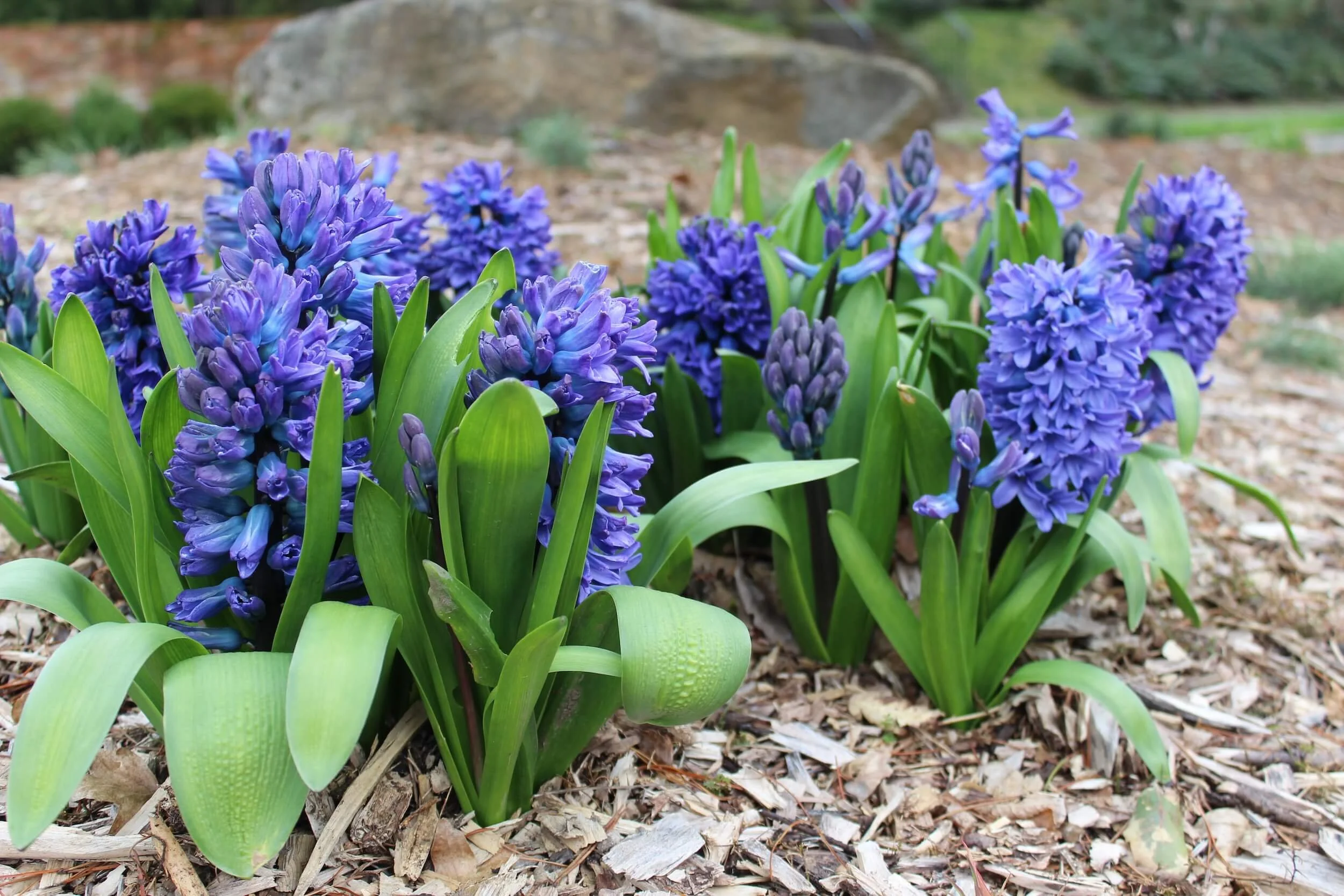
Applying mulch can help moderate soil temperatures and reduce frost heaving during winter. Mulch should be kept from piling directly over emerging shoots to avoid restricting growth. In areas with heavy rodent pressure, a thin layer of gravel over the planting area, the use of bulb cages, or temporary netting may help deter digging, particularly immediately after planting.
MONITOR & CARE
As bulbs emerge and begin active growth, remove weeds promptly, as bulbs do not compete well with dense weed growth. Water only when conditions are dry, providing consistent moisture without waterlogging. In exposed or windy locations, tall or top-heavy blooms may benefit from staking to prevent damage.
GARDEN TOURS • WASHINGTON

Skagit Valley
Tulip Festival
The Skagit Valley Tulip Festival showcases beautiful fields of colorful tulips set against the picturesque backdrop of Mount Baker, along with charming local towns, farm-to-table dining, and unique artisan shops.
Flower Forms
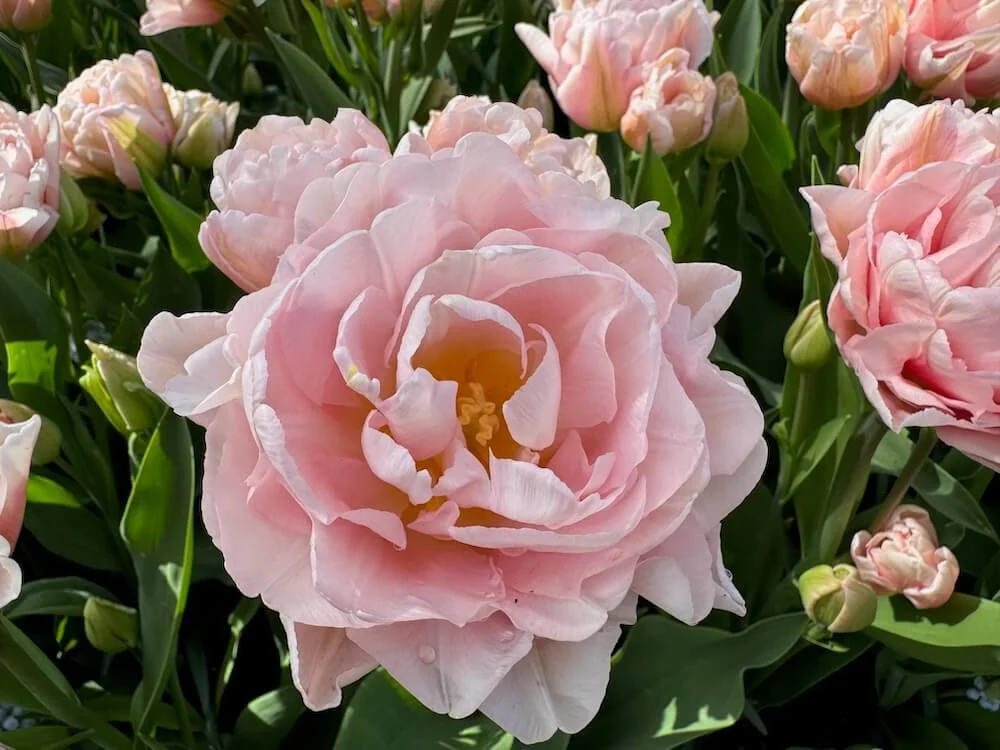
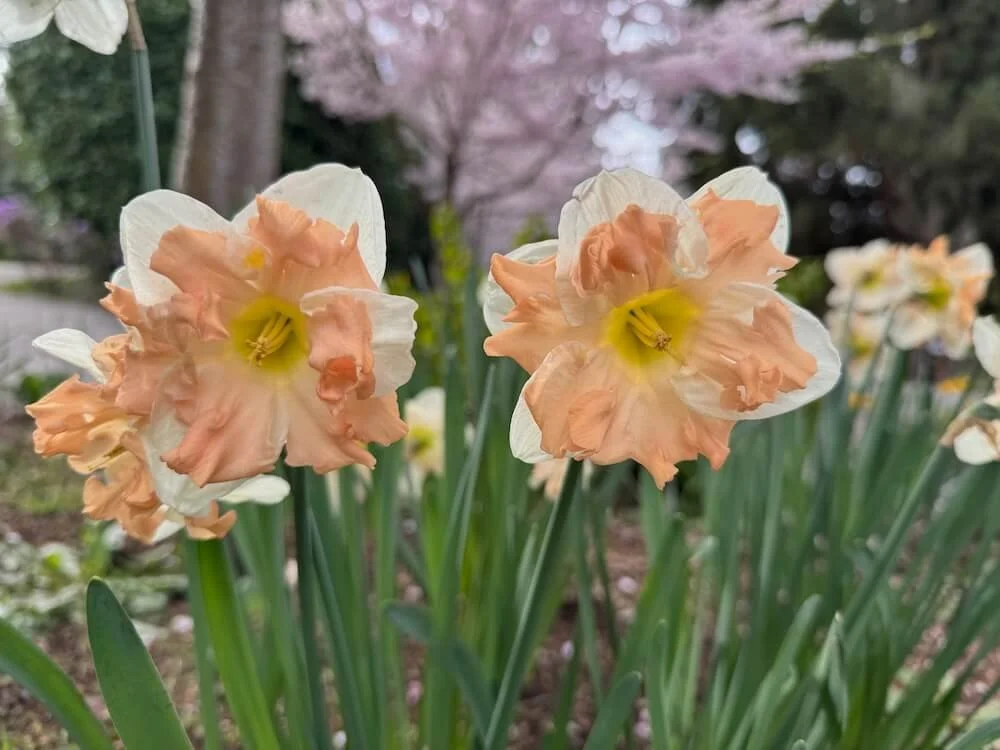
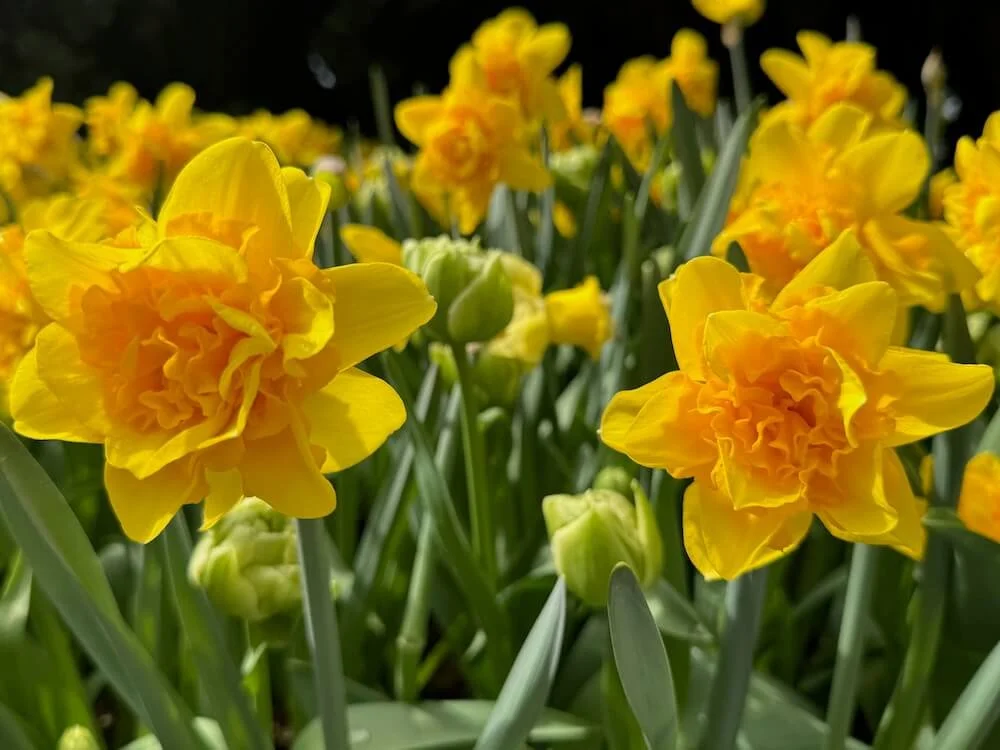
Flower form is one of the most defining features of tulips and daffodils, shaping how each flower appears in the garden. From simple, classic silhouettes to intricate doubles, these forms influence texture, structure, and overall visual impact. Learning the different blossom types helps in knowing what to expect as plants bloom, with each form offering its own character, bringing variety, and interest to spring displays.