
TULIP
FLOWER FORMS
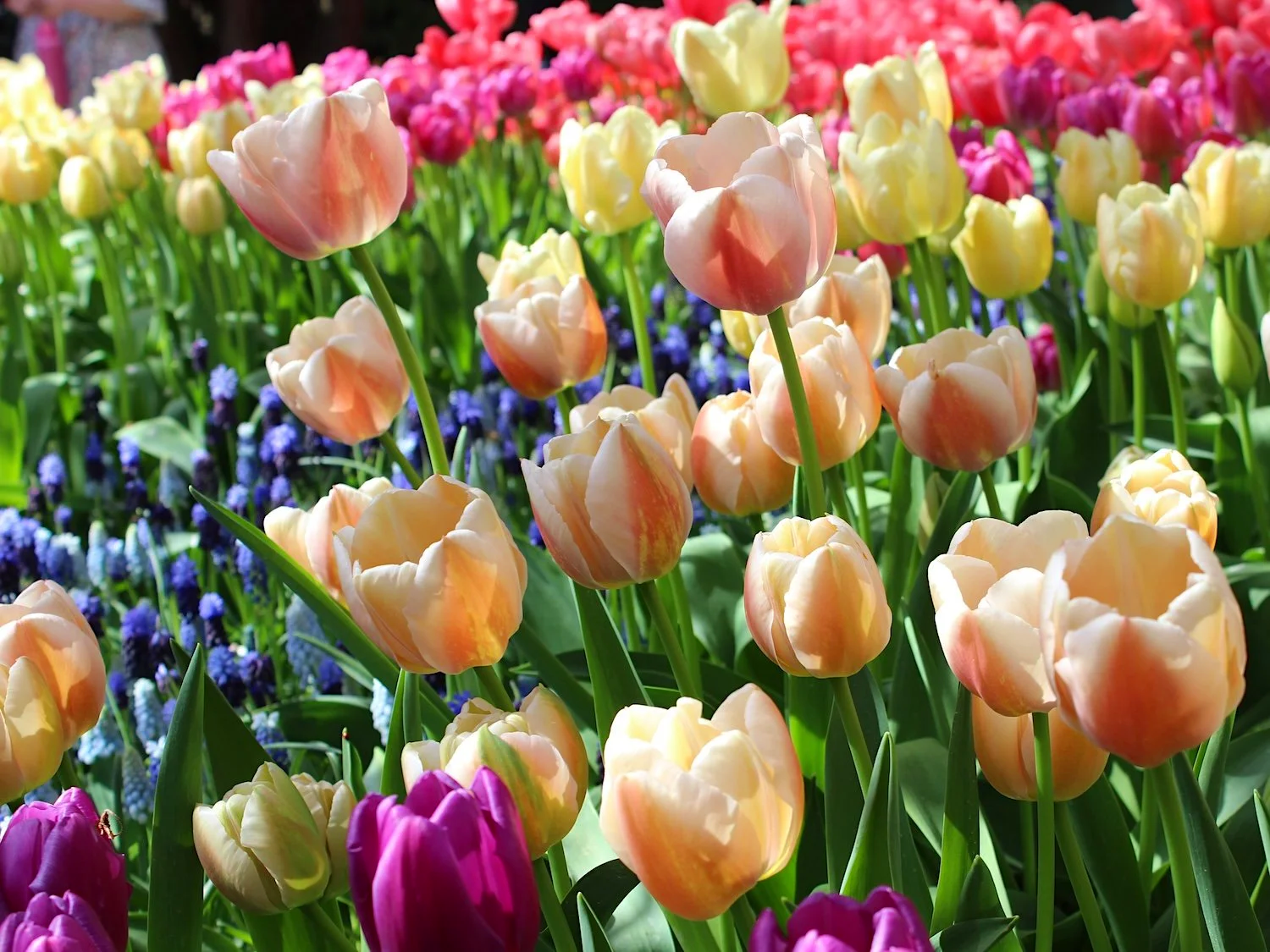
Tulips offer a wide range of flower forms, from classic cup-shaped blooms to elegant lily-flowered, fringed, ruffled, and fully double types. Variations in petal shape, layering, and opening style create distinctive looks, from clean and structured to soft and expressive. These forms help to highlight the wide diversity found within the genus Tulipa and the many visual expressions it brings to spring gardens. The following list highlights the distinct forms of tulips, each offering its own interpretation of this classic spring flower.
-
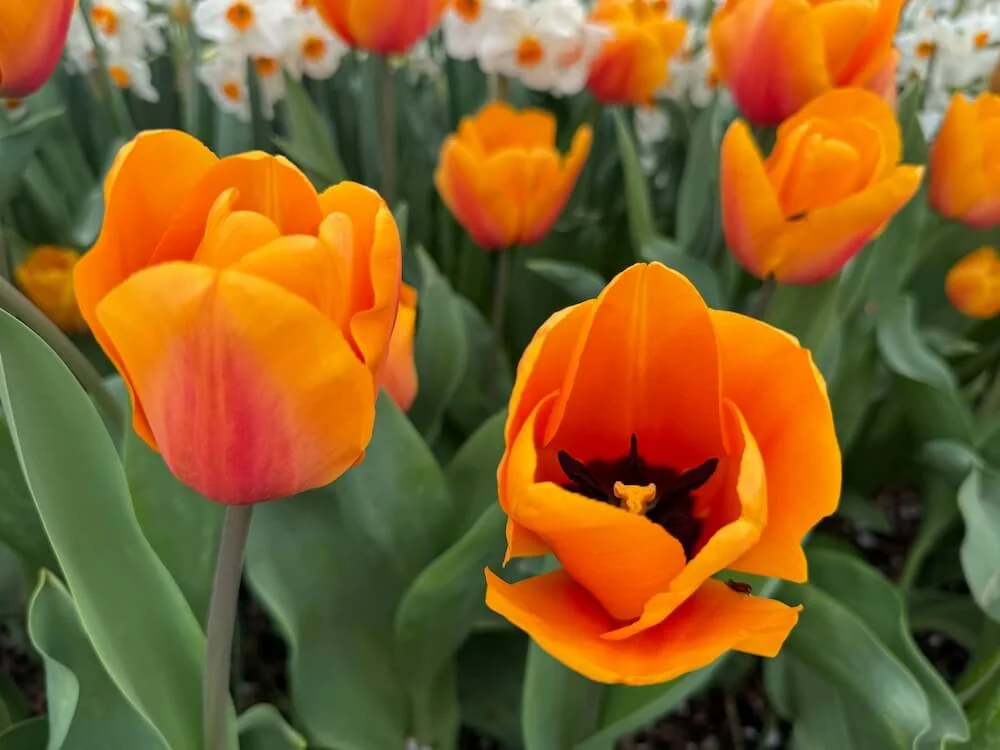
Single
Tulips with smooth, cup-shaped flowers that open cleanly to reveal their classic spring silhouette.
-
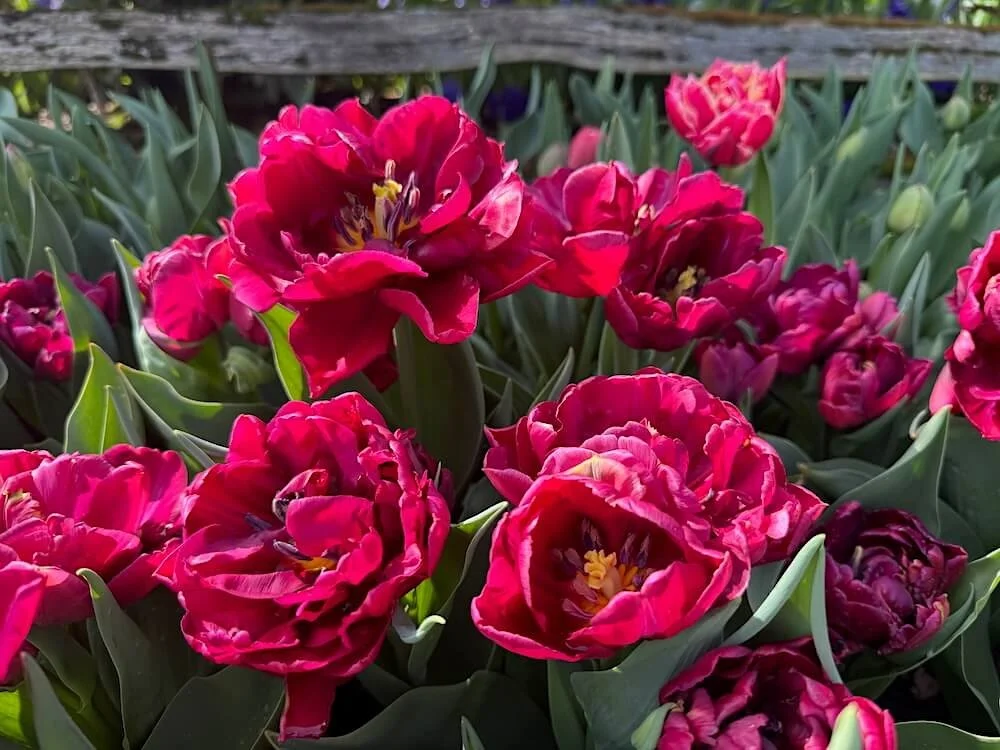
Double
Tulips with fully layered petals that form rounded, peony-like blooms with a dense, formal appearance.
-
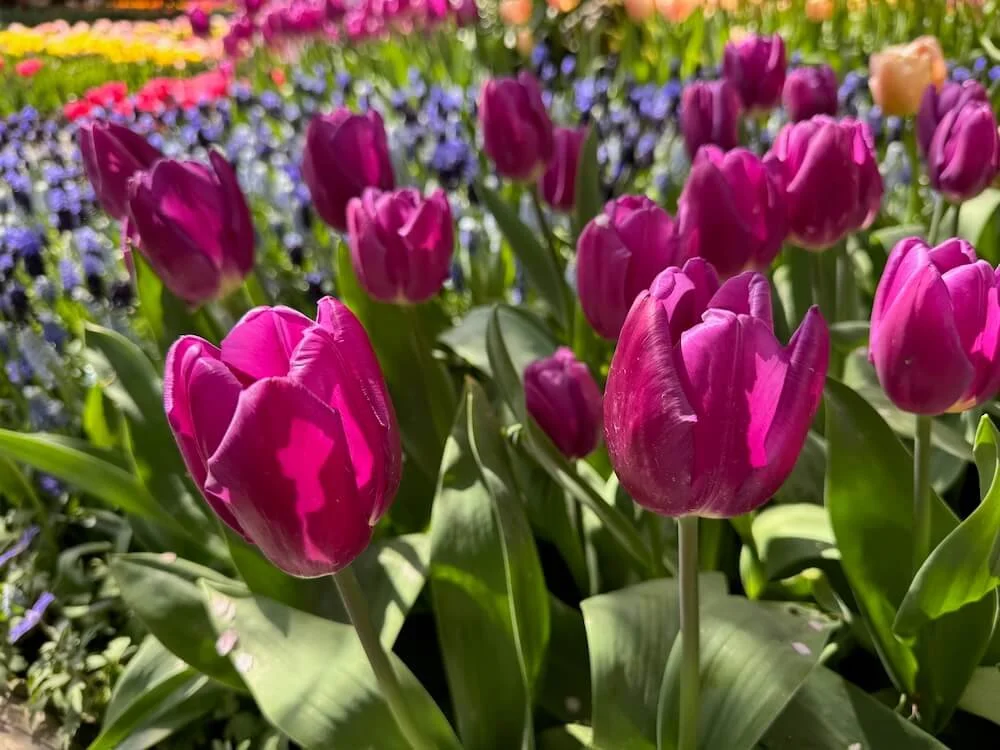
Triumph
Tulips with smooth, symmetrical cup-shaped blooms and clean lines that hold their form well.
-

Fringed
Tulips featuring finely cut petal edges that create a delicate, crystalline texture around each bloom.
-
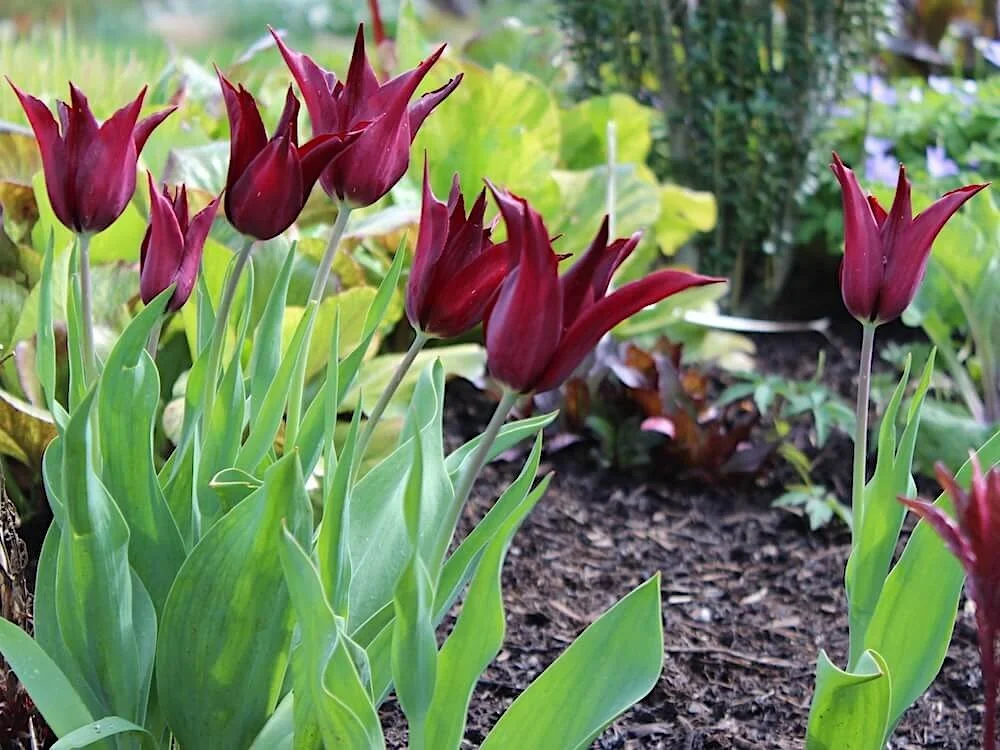
Lily-flowered
Tulips with slender, pointed petals that flare outward into an elegant, star-shaped bloom.
-
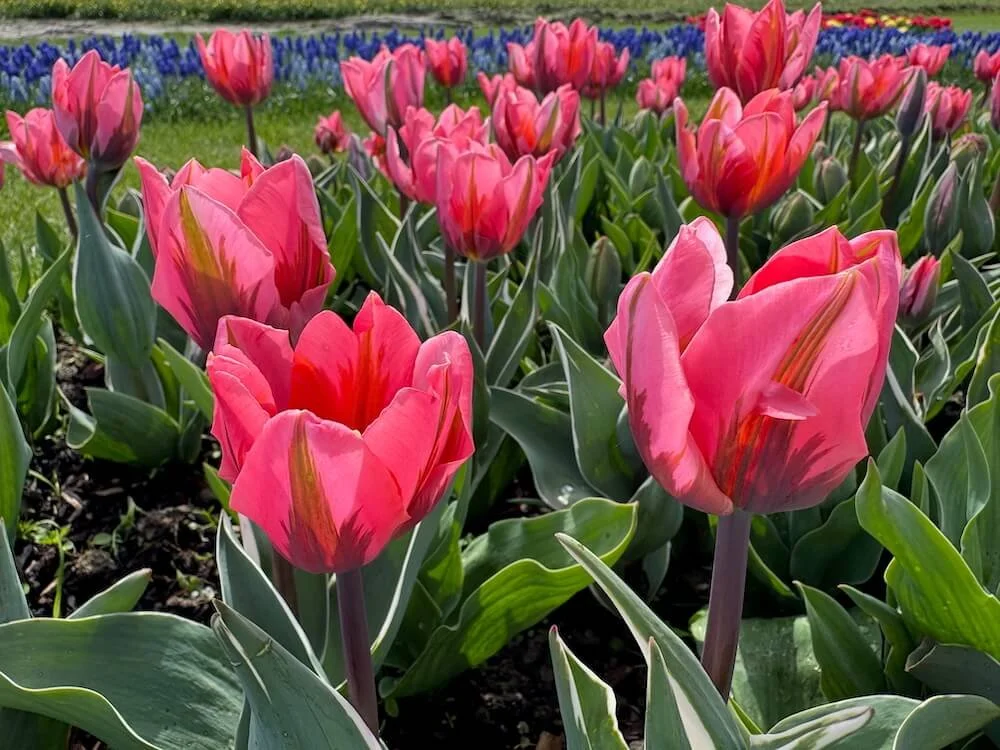
Rembrandt
Tulips marked with flame-like streaks and broken color patterns that give each bloom a painted appearance.
-
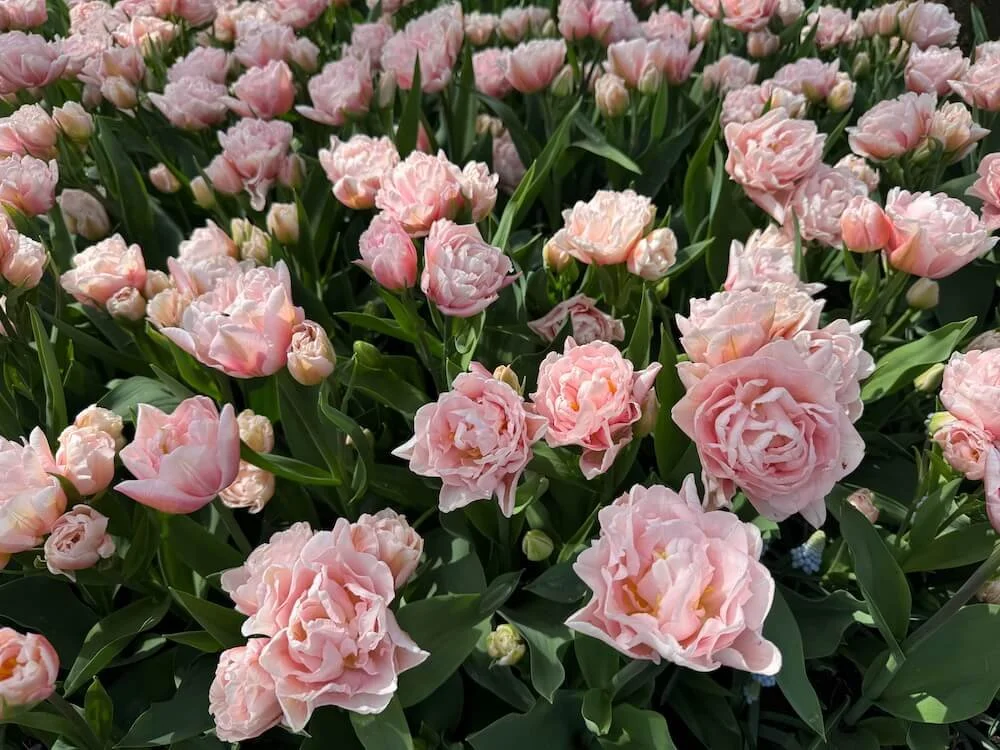
Multiflowering
Tulips producing several medium-sized blooms per stem, creating a clustered floral display.
-
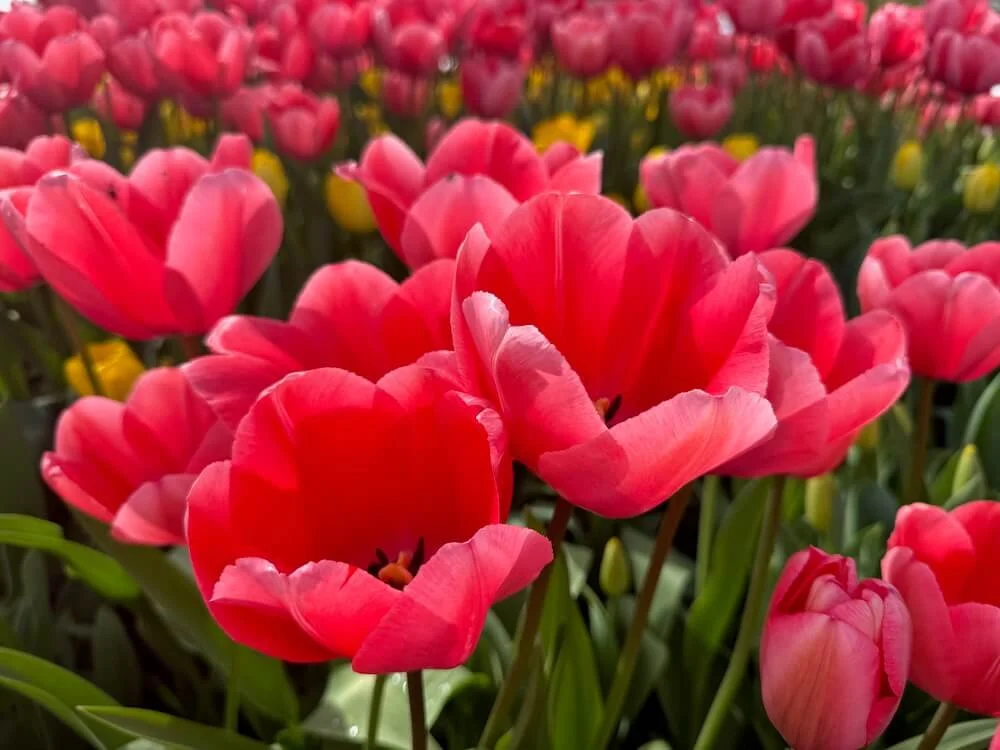
Darwin Hybrid
Tulips producing large, broad-cupped flowers with bold color and a classic spring outline.
-
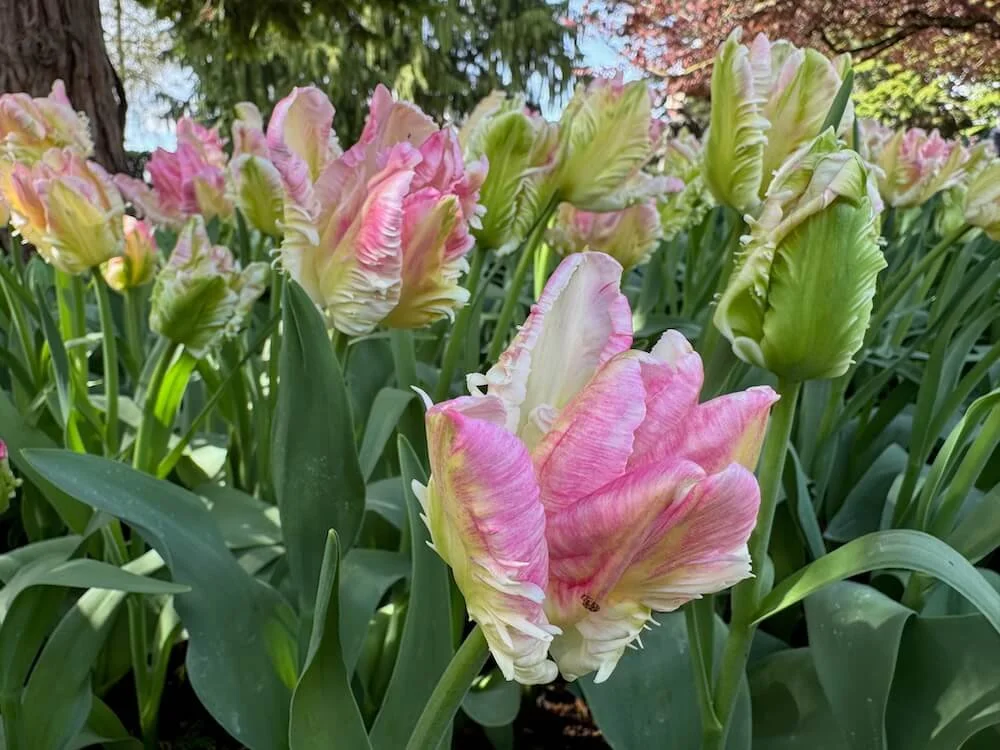
Parrot
Tulips with deeply twisted, feathered petals that unfurl into dramatic, irregularly shaped flowers.
-
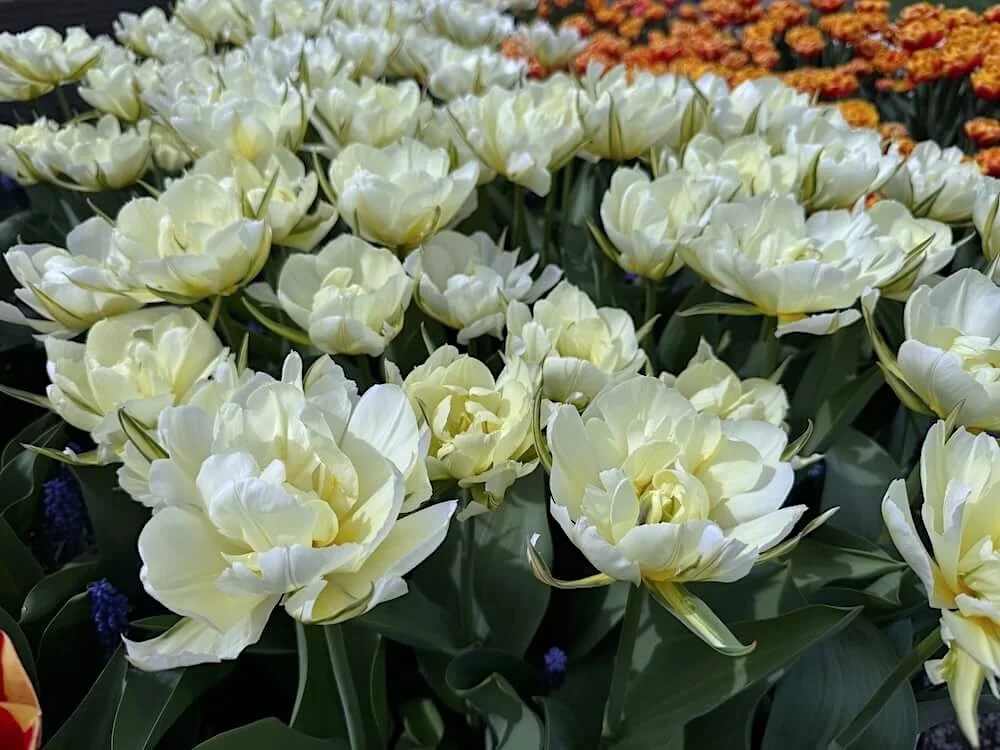
Fosteriana
Tulips bearing elongated flowers that open broadly, revealing a luminous interior.
-
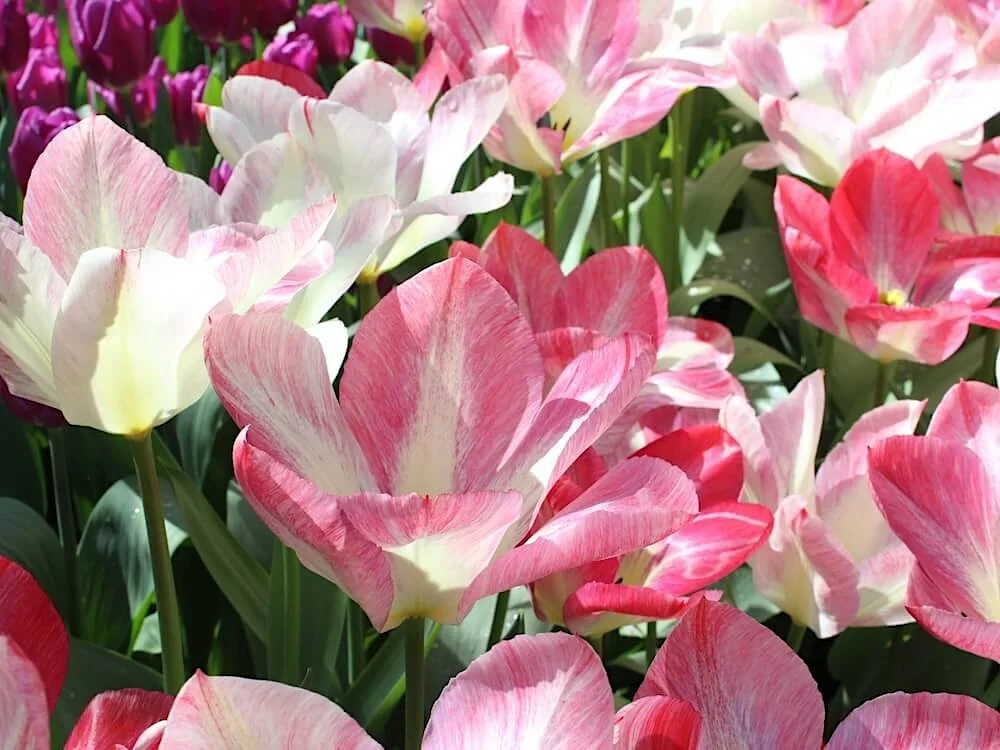
Viridiflora
Tulips displaying petals streaked or brushed with green, adding contrast and structure to the flower surface.
-
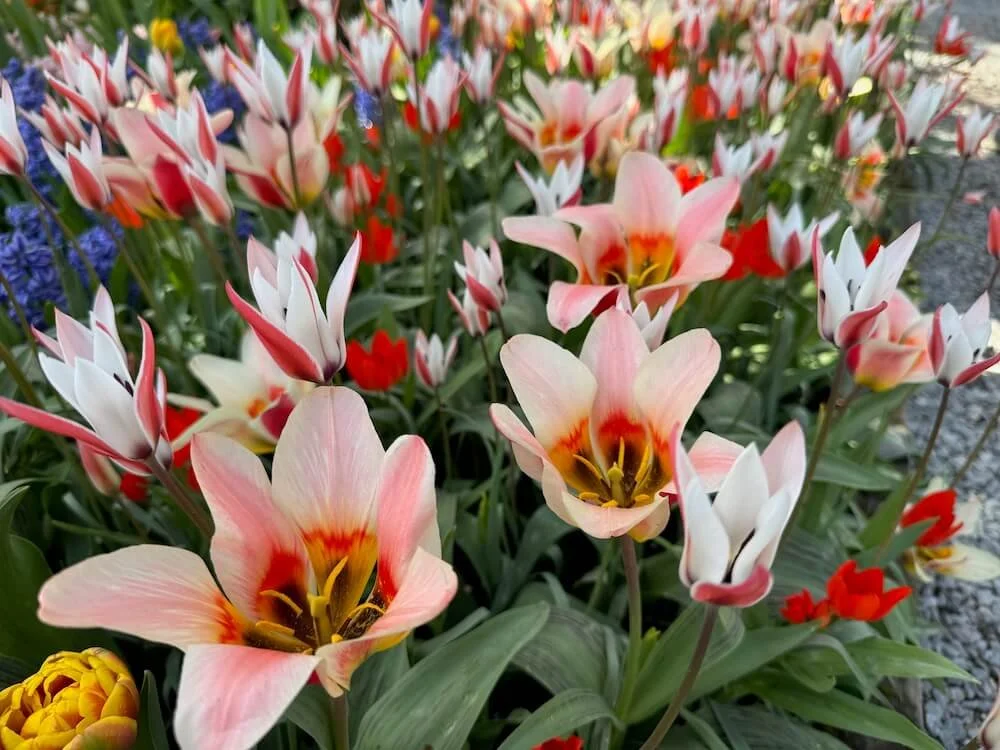
Species
Tulips with naturally shaped flowers that range from slender cups to wide, star-like blooms, reflecting their wild origins.
-
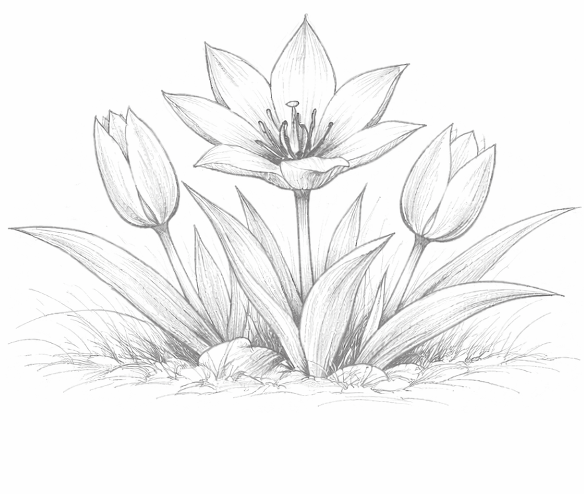
Kaufmanniana
Tulips with wide-opening blooms that flatten into star shapes, often accented with contrasting centers.
-
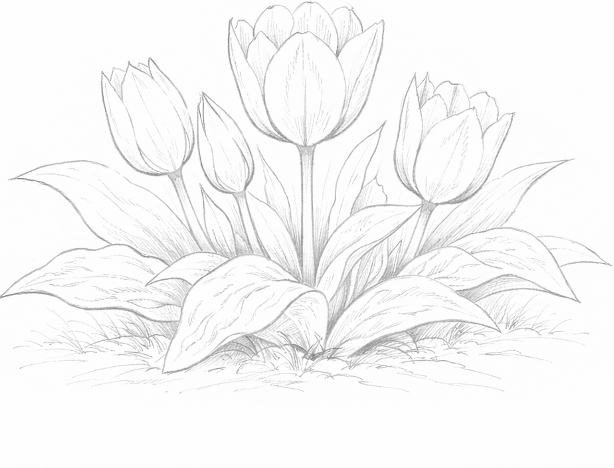
Greigii
Tulips with open, bowl-shaped blooms often highlighted by vivid basal markings.