Dicentra formosa | Pacific Bleeding Heart

$0.00

DESCRIPTION
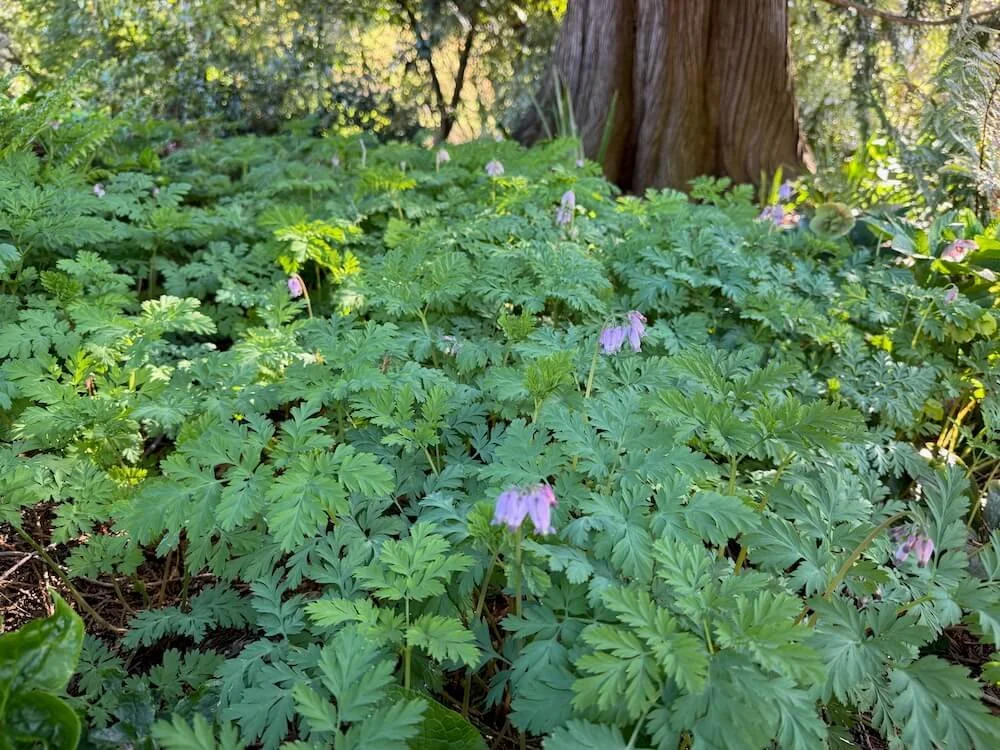
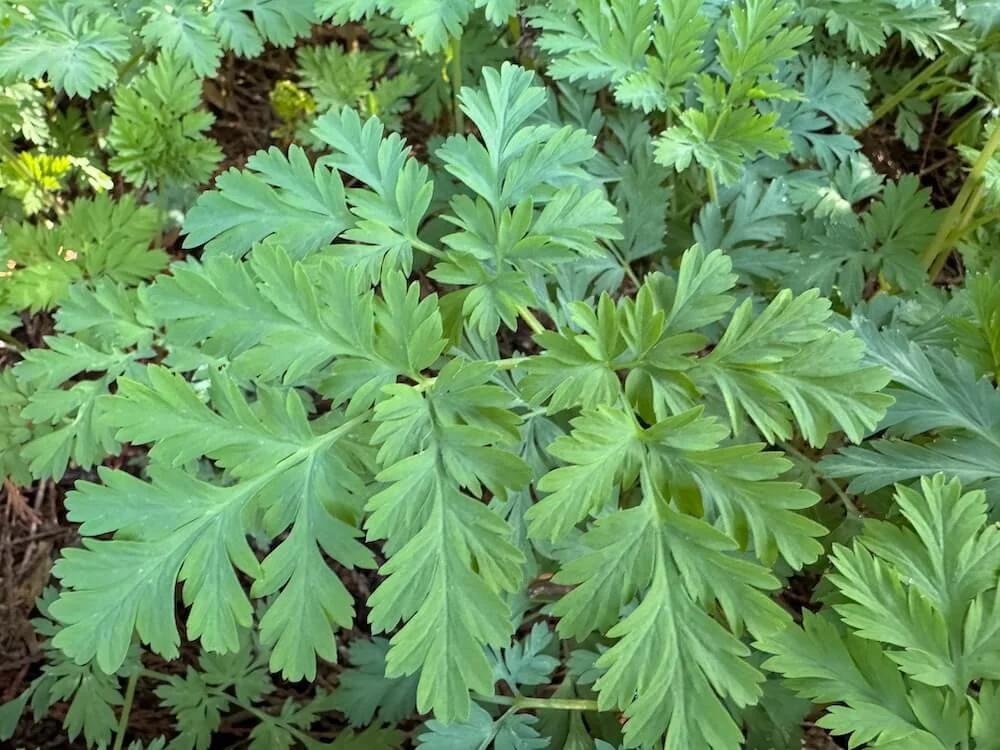
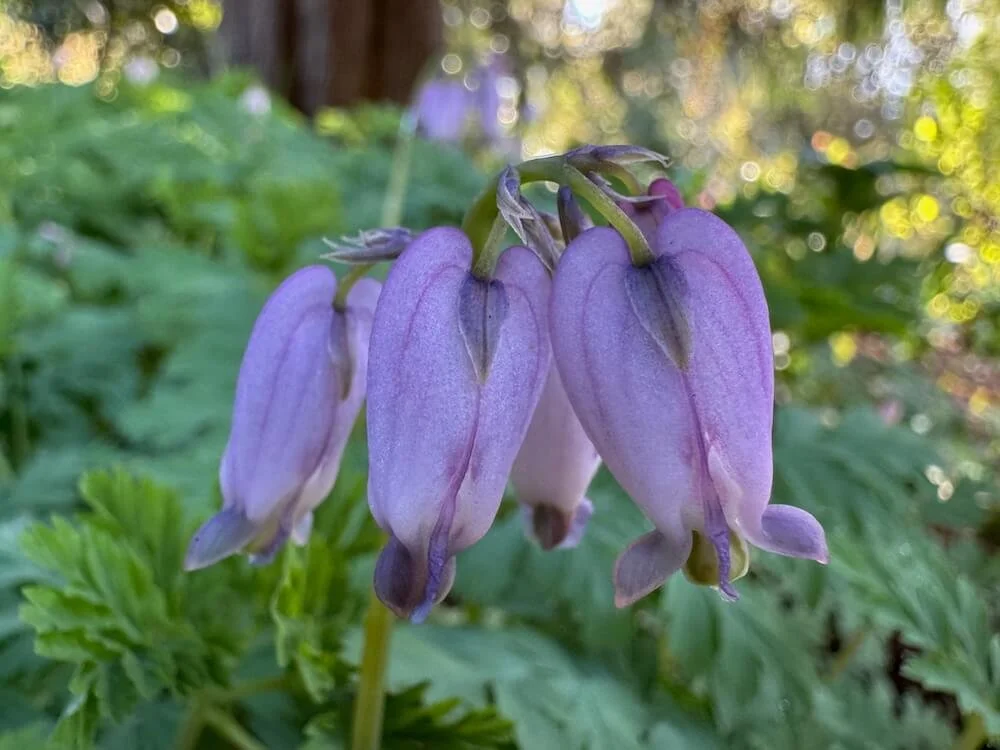
Dicentra formosa produces graceful sprays of heart-shaped flowers in shades of rosy pink to lavender pink, each dangling from gently arching stems. Finely divided, blue-green foliage forms soft mounds that remain attractive throughout the growing season, adding a delicate, fernlike texture to shaded spaces.

Blooming from mid-spring into early summer, this species is native to western North America. It is commonly used in woodland gardens, shade borders, and naturalized plantings, where its long flowering period blends easily with spring bulbs and native perennials. The airy habit allows it to weave naturally among companion plants, bringing extended seasonal color and softness to partially shaded landscapes.

DESCRIPTION
Dicentra formosa produces graceful sprays of heart-shaped flowers in shades of rosy pink to lavender pink, each dangling from gently arching stems. Finely divided, blue-green foliage forms soft mounds that remain attractive throughout the growing season, adding a delicate, fernlike texture to shaded spaces.

Blooming from mid-spring into early summer, this species is native to western North America. It is commonly used in woodland gardens, shade borders, and naturalized plantings, where its long flowering period blends easily with spring bulbs and native perennials. The airy habit allows it to weave naturally among companion plants, bringing extended seasonal color and softness to partially shaded landscapes.

 
  • Family: Papaveraceae
    Height: 12 to 18 in
    Width: 18 to 24 in
    Foliage color: Soft blue-green to gray-green, finely divided fernlike leaves
    Flower color: Rose pink to lavender pink with white inner tips
    Bloom time: Mid spring through early summer
    Light requirements: Partial shade to full shade
    Water requirements: Moderate moisture
    Maintenance: Low, remove spent flower stems to encourage continued blooming; cut back foliage if it declines in summer heat
    Growing zone: USDA zones 3 to 9
    Wildlife attractors: Bees, hummingbirds

    This plant can be seen at Heronswood Garden.
    Print Information

    Buy Plants