 Image 1 of 4
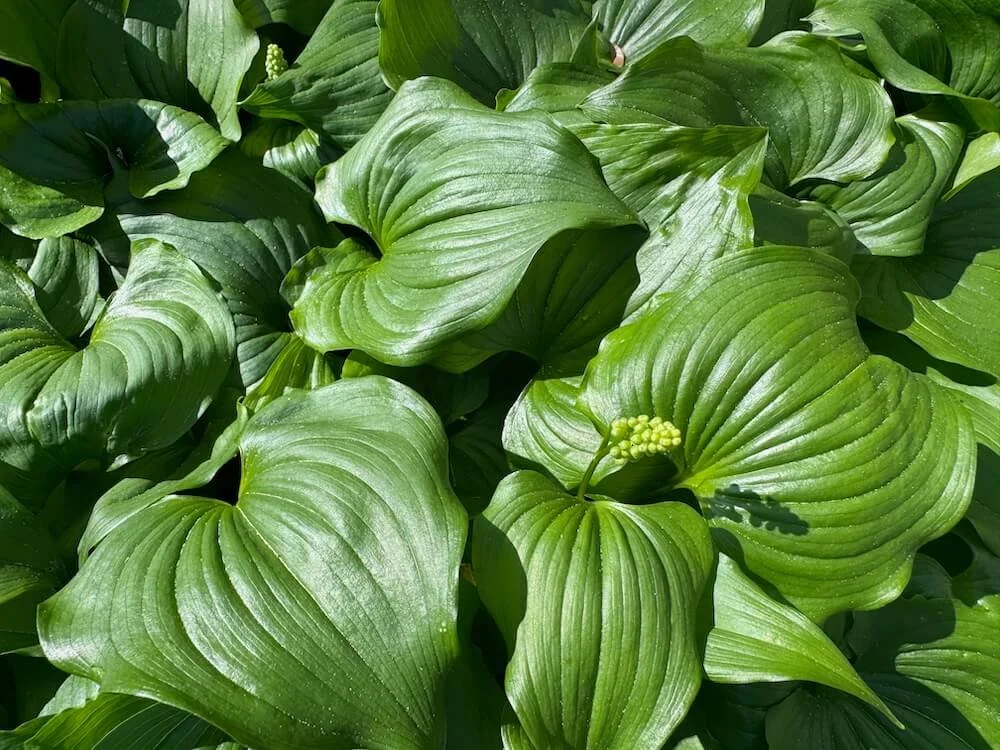 Image 2 of 4
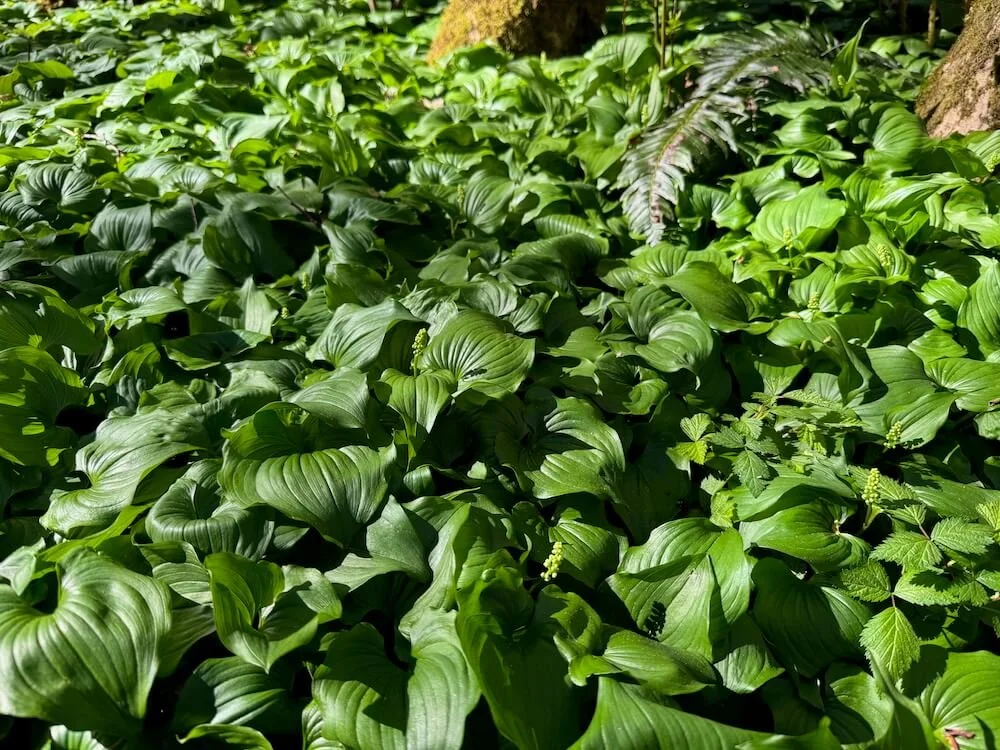 Image 3 of 4
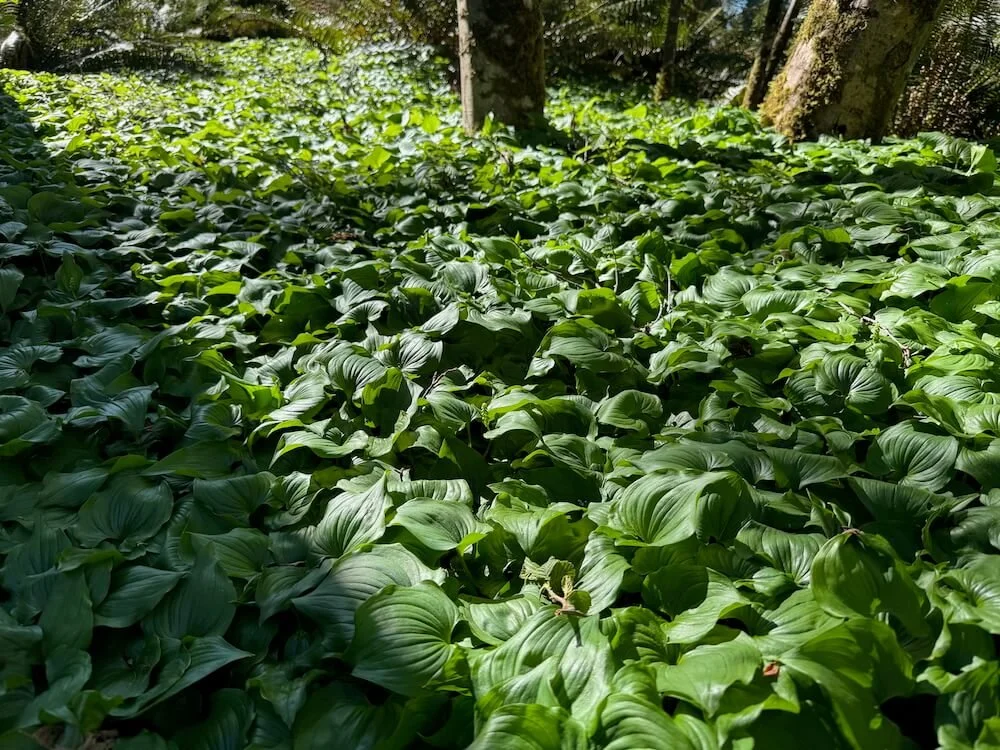 Image 4 of 4
-
Family: Asparagaceae
Height: 6 to 12 in
Width: 12 to 24 in
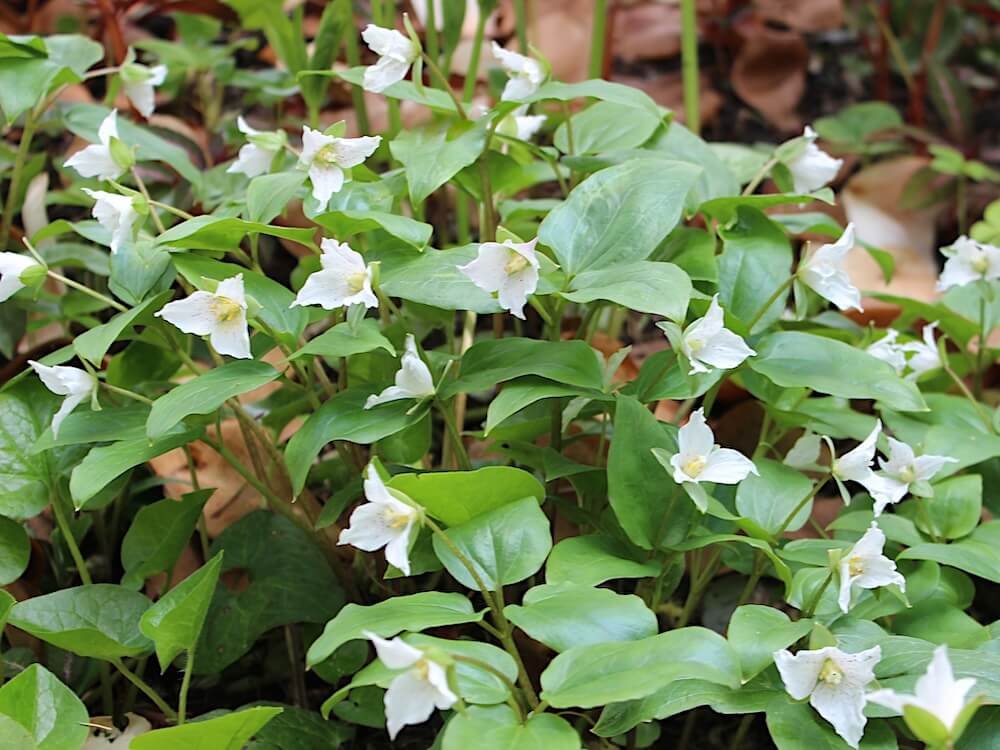
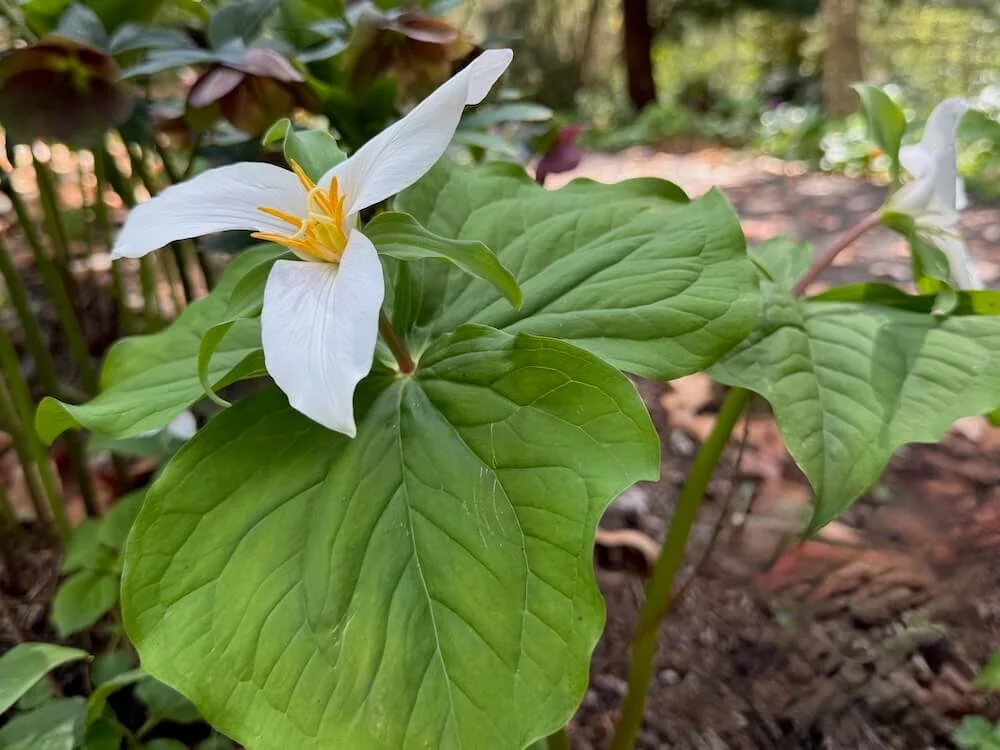
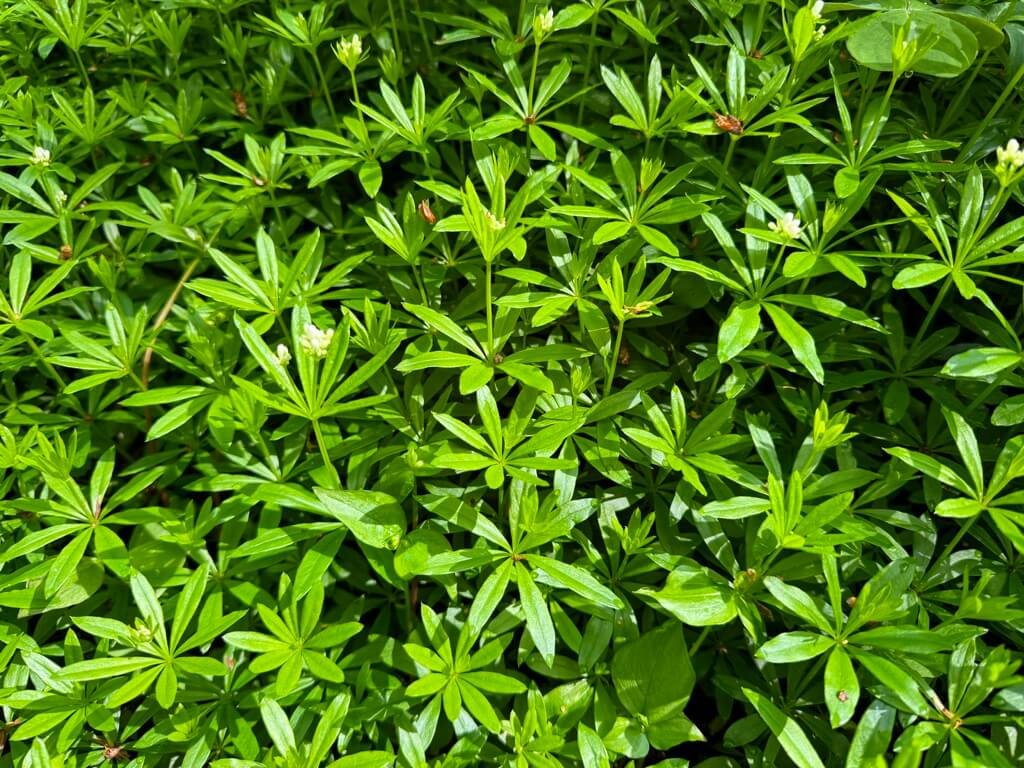
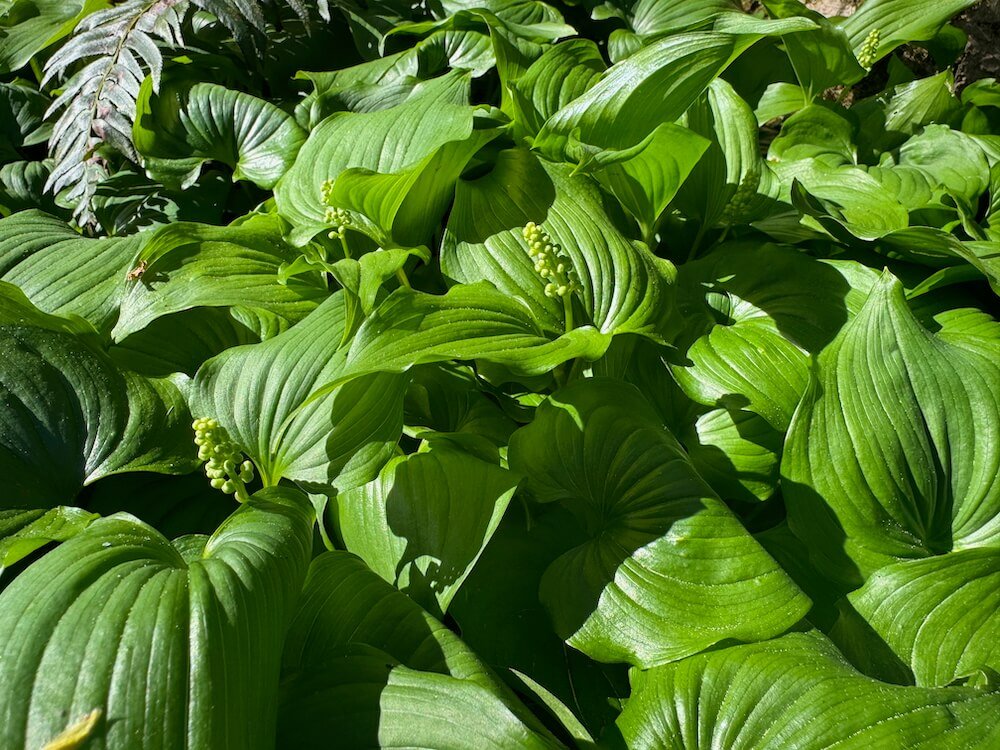
Foliage color: Glossy medium to deep green, broad heart-shaped leaves
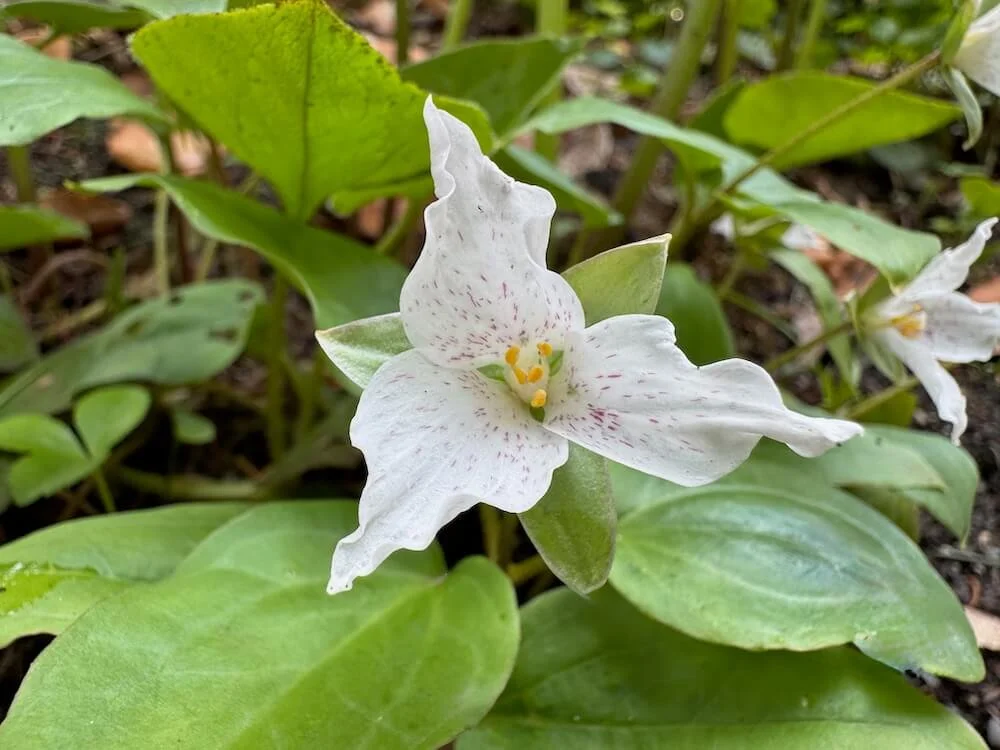
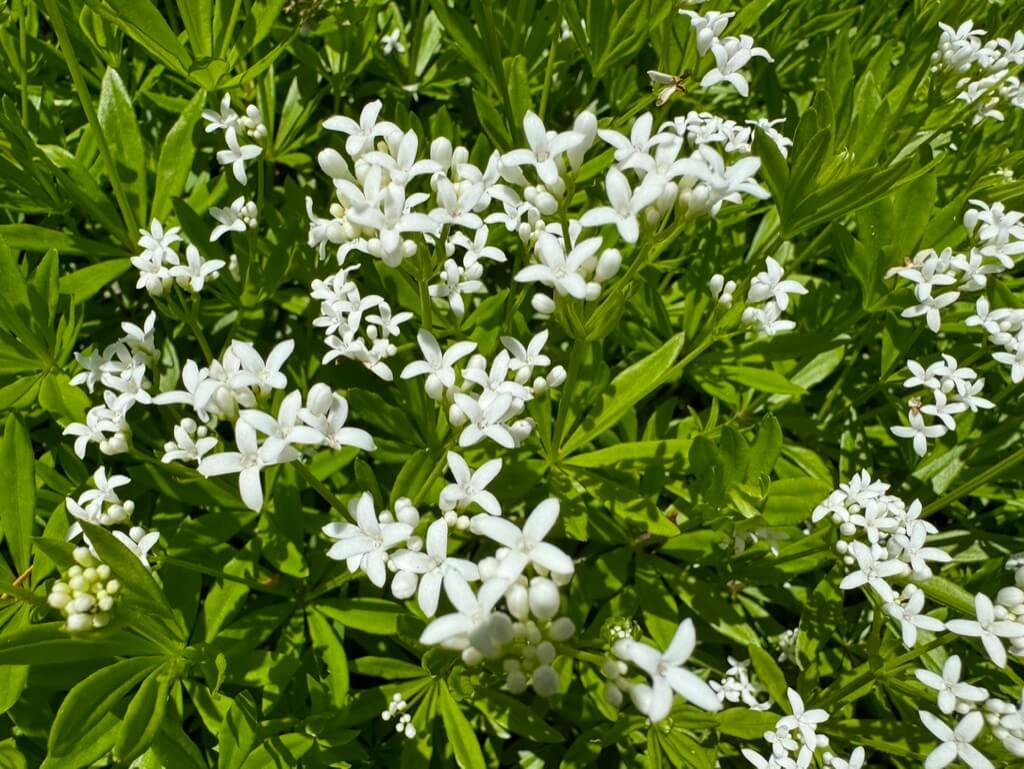
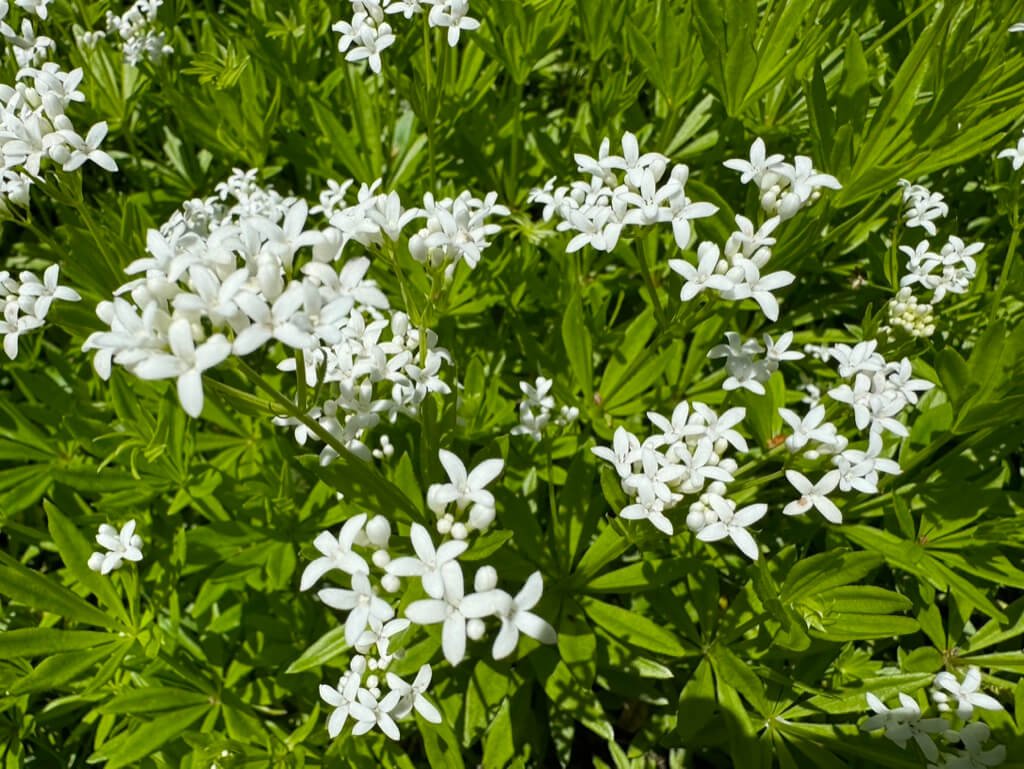
Flower color: White, fragrant star-shaped flower clusters
Bloom time: Late spring to early summer
Light requirements: Partial shade to full shade
Water requirements: Moderate to consistent moisture, prefers moist, humus-rich soils
Maintenance: Low, spreads slowly by rhizomes, thin colonies if needed to control spread
Growing zone: USDA zones 4 to 9
Wildlife attractors: Bees, pollinating insectsThis plant can be seen at Heronswood Garden.
-
Works Well In:
● Woodland Gardens
● Native Gardens
● Under Trees
● BordersCompanion Plants:
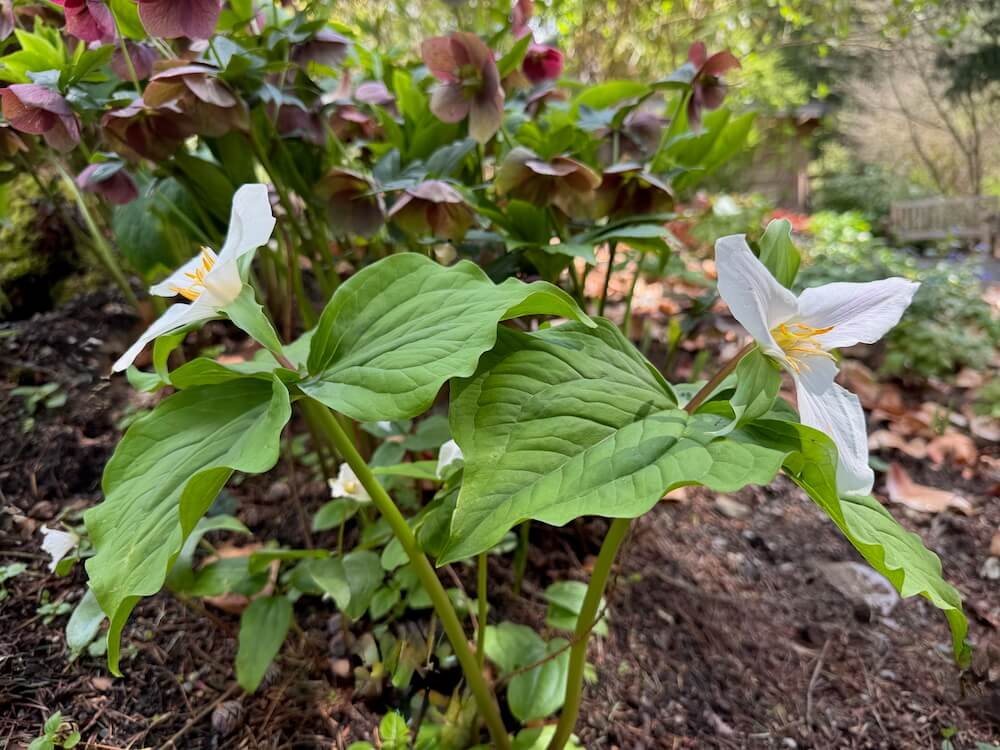
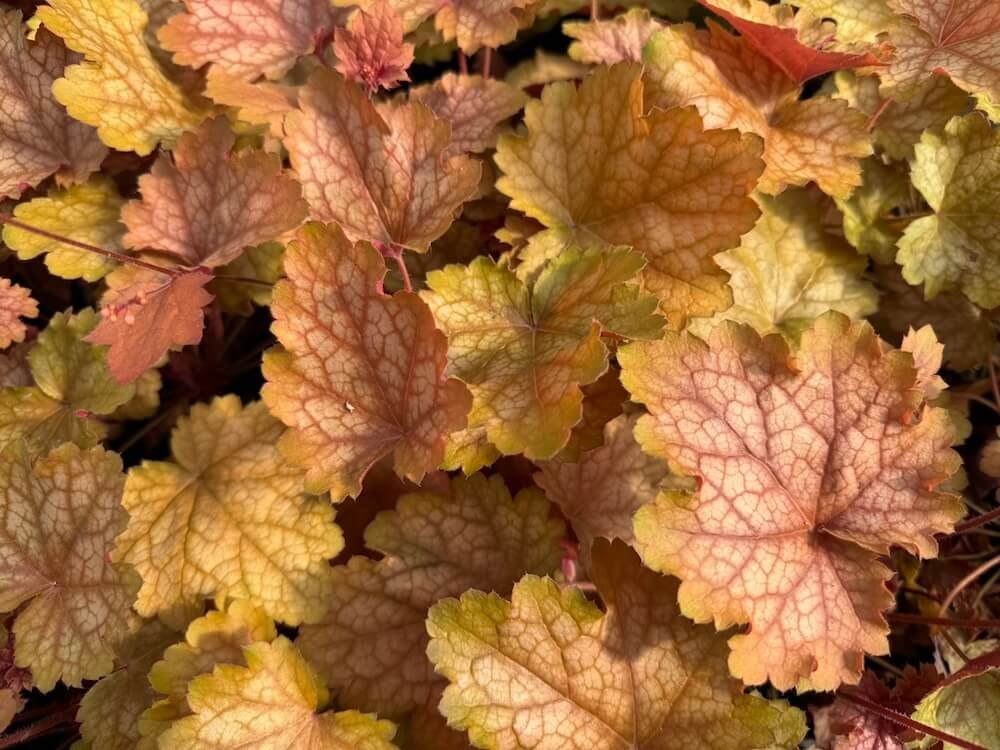
Trilliums Kalmias
Tiarellas Ferns
Oxalis RodgersiaDesign Tip:
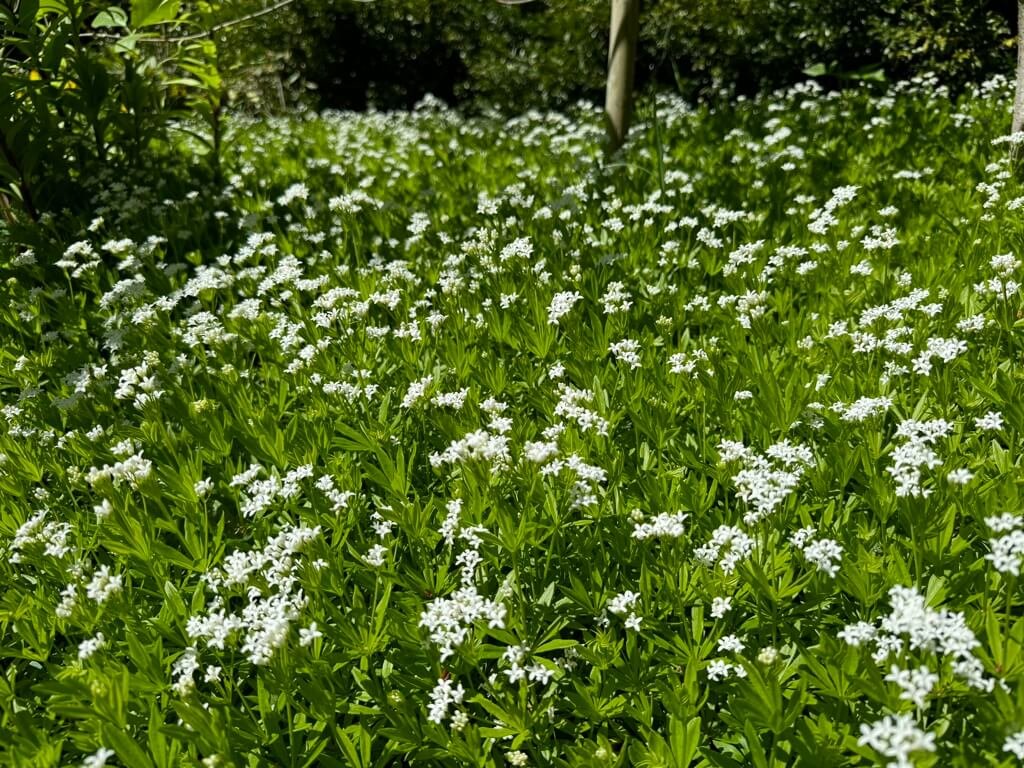
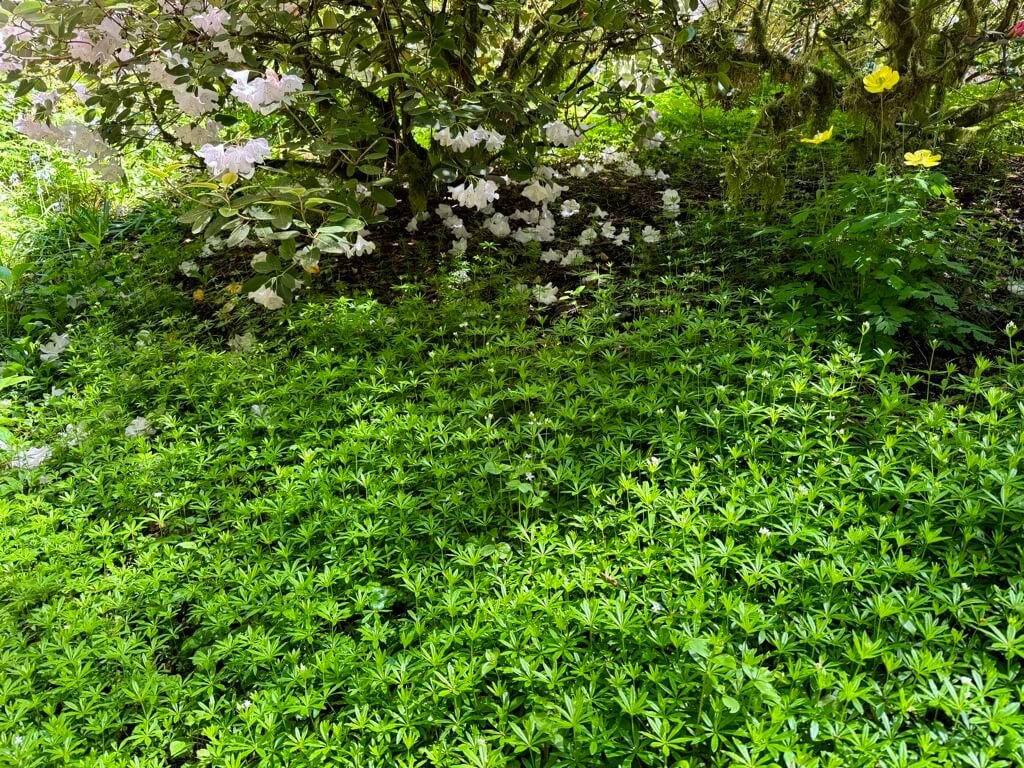
Allow this woodland native to spread into broad colonies beneath trees where its lush foliage creates a natural green carpet. Layer evergreen shrubs, bold ferns, and contrasting leaf shapes to develop a peaceful woodland composition with depth, rhythm, and seasonal texture.