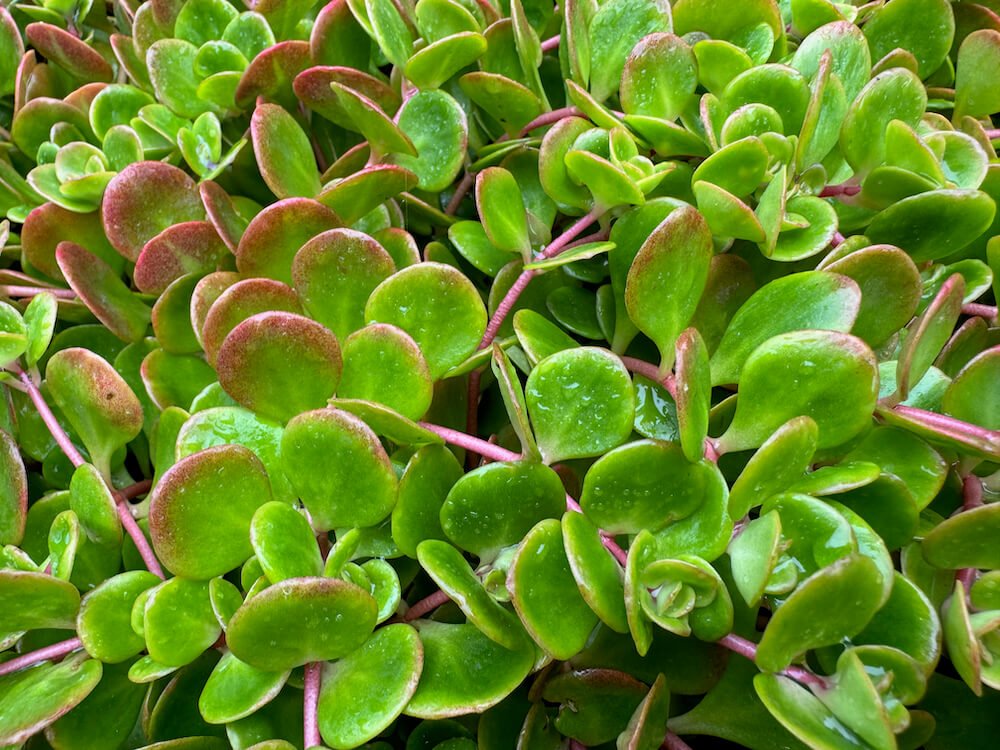
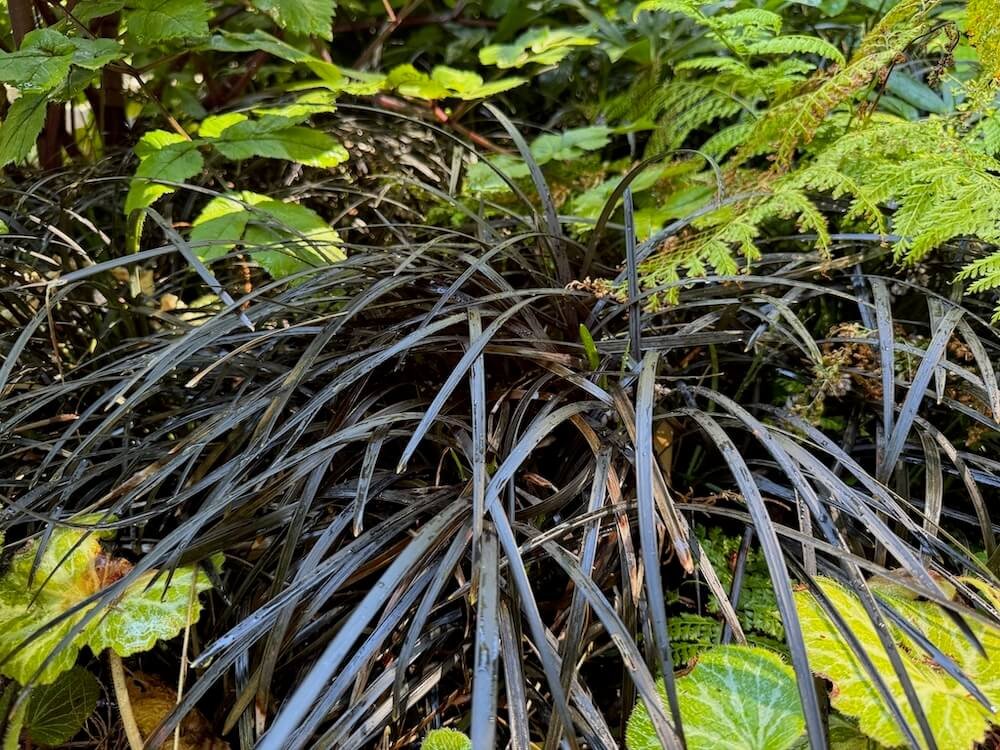
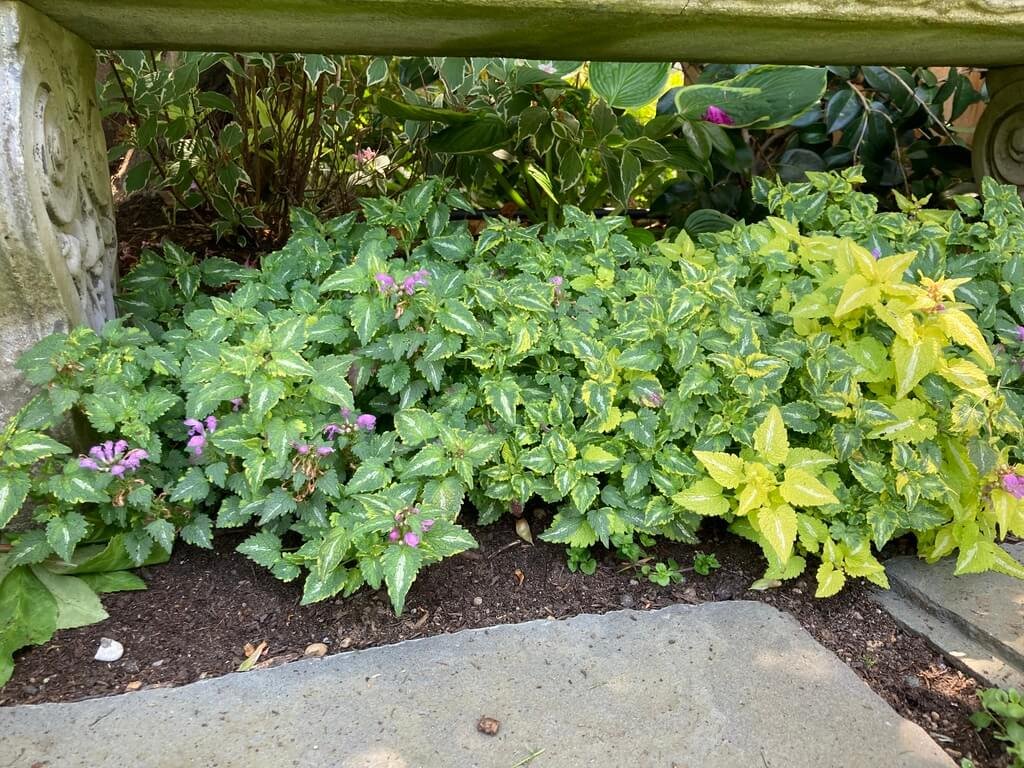
 Image 1 of 4
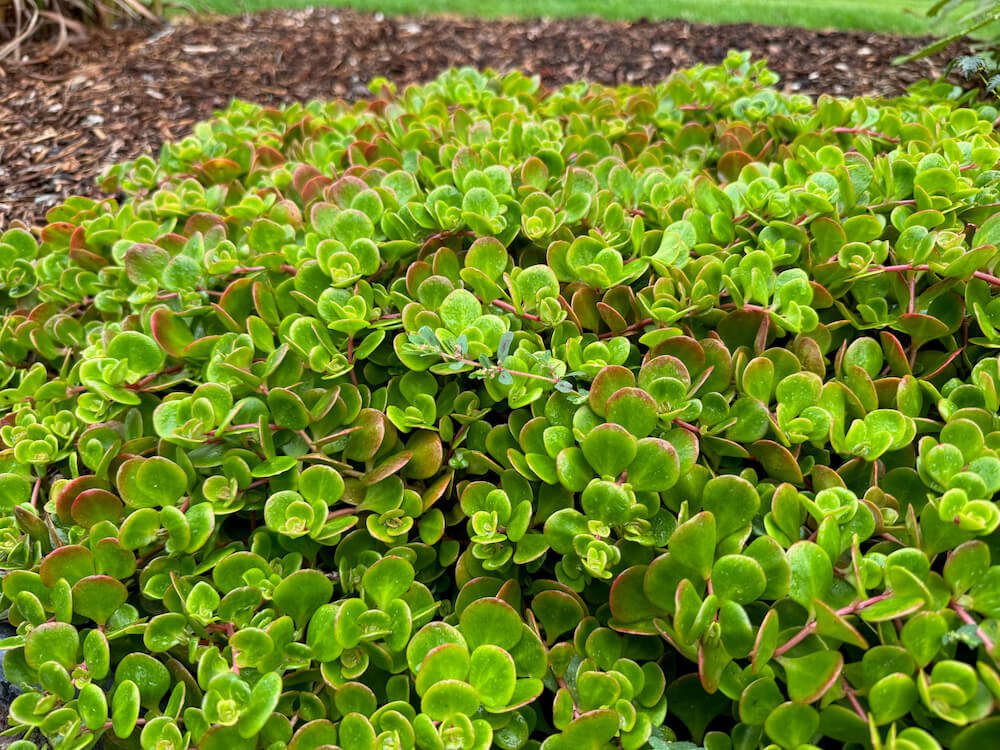
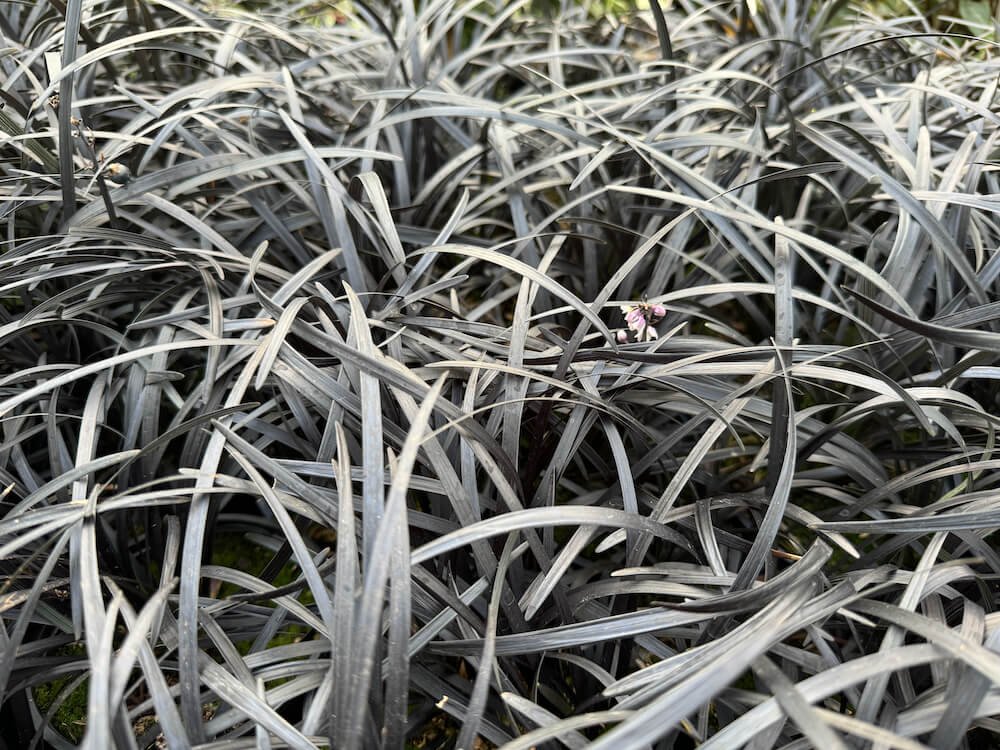
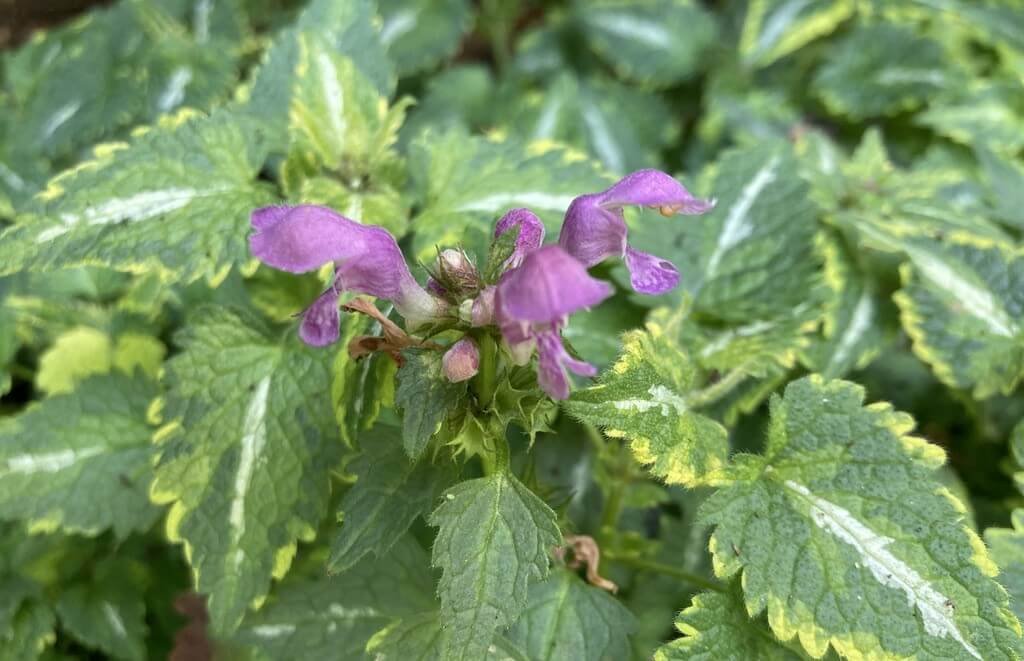
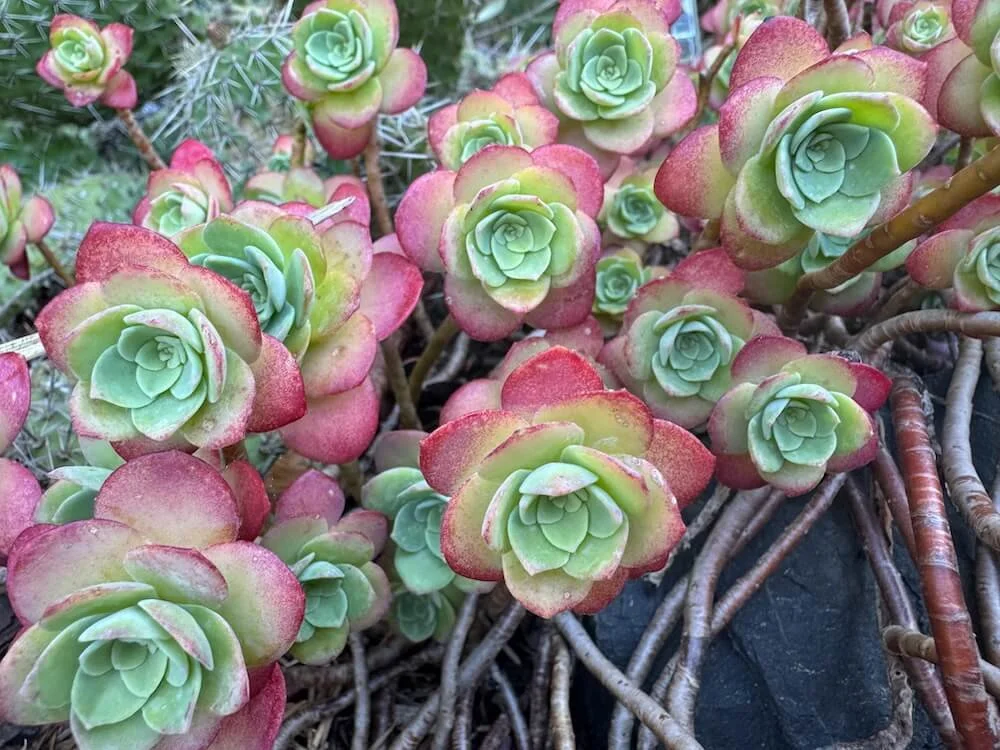 Image 2 of 4
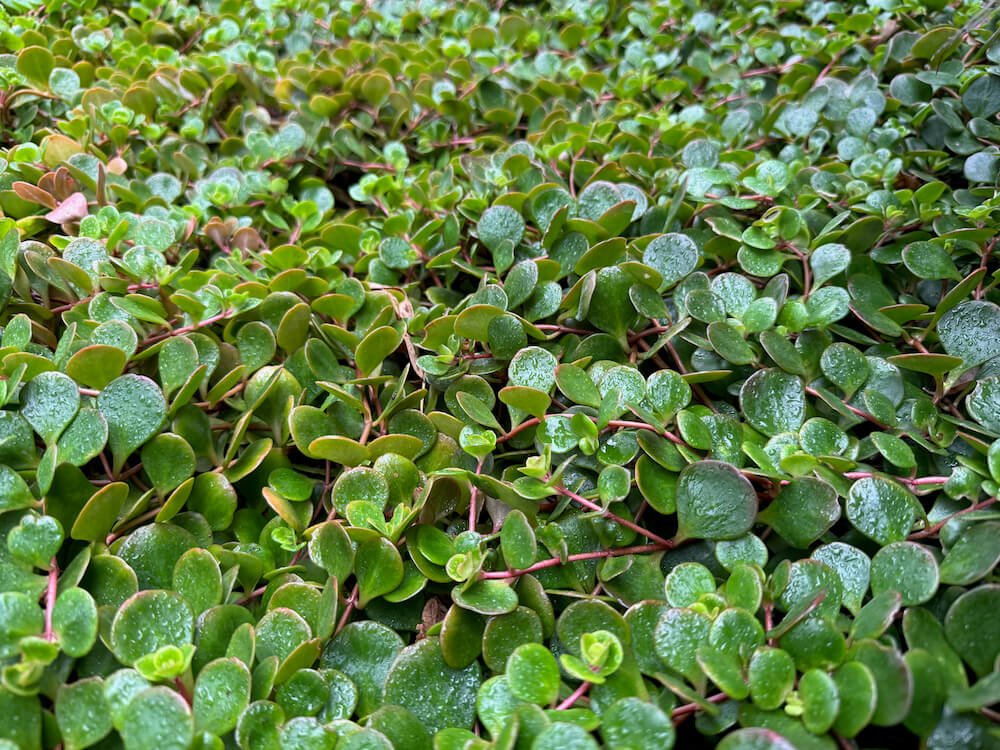
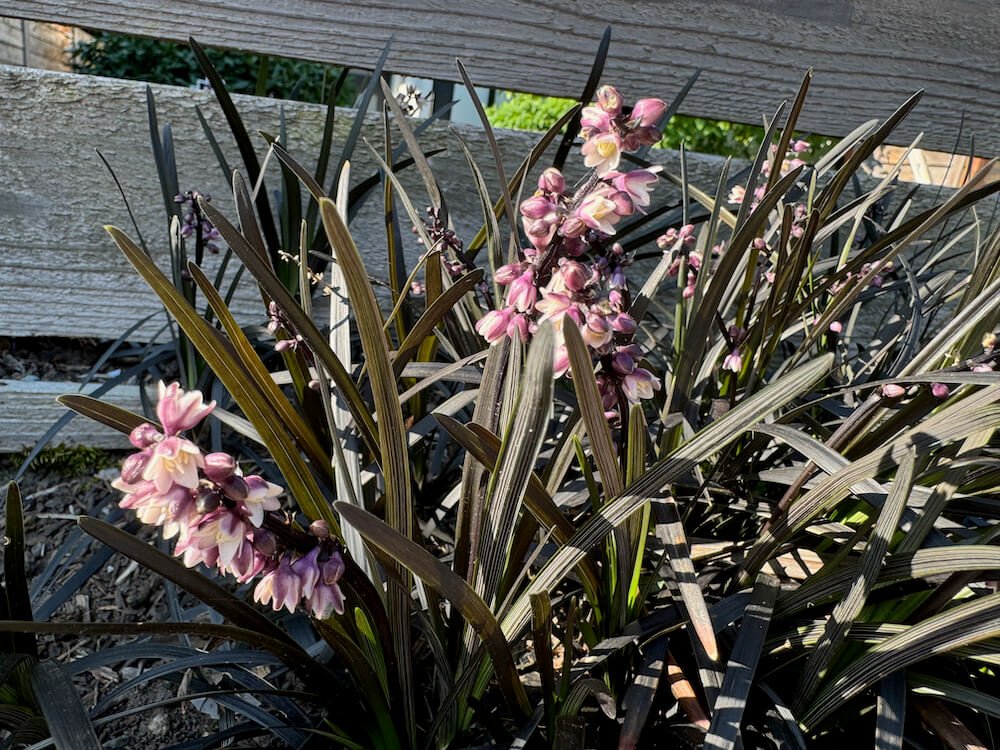
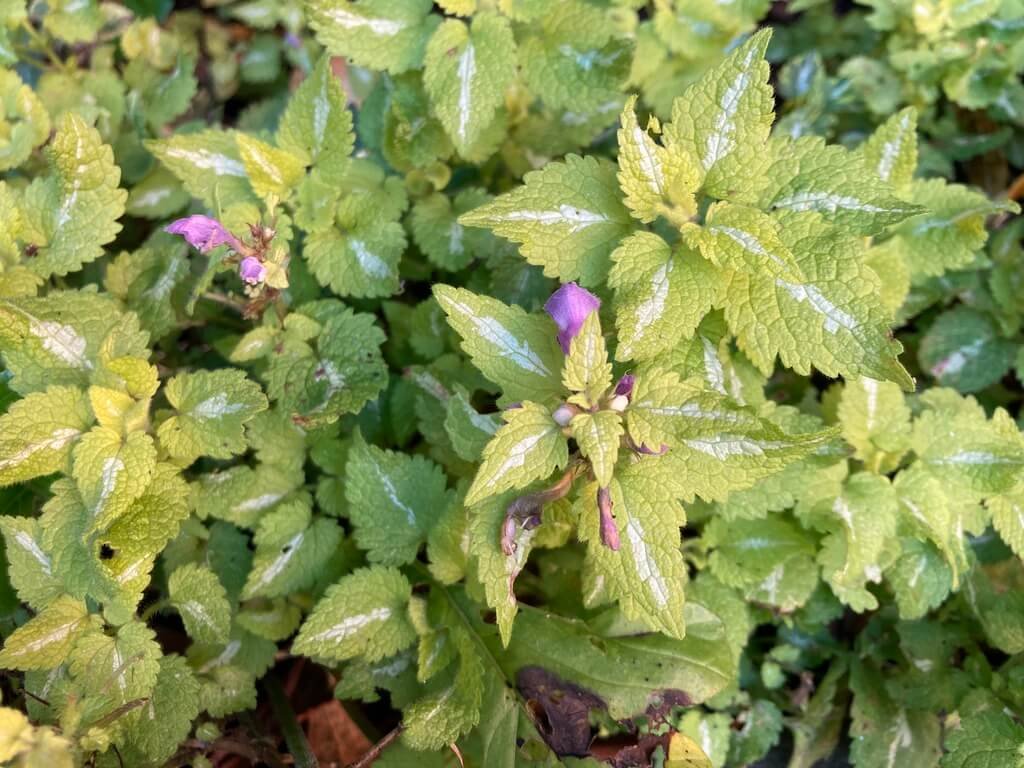
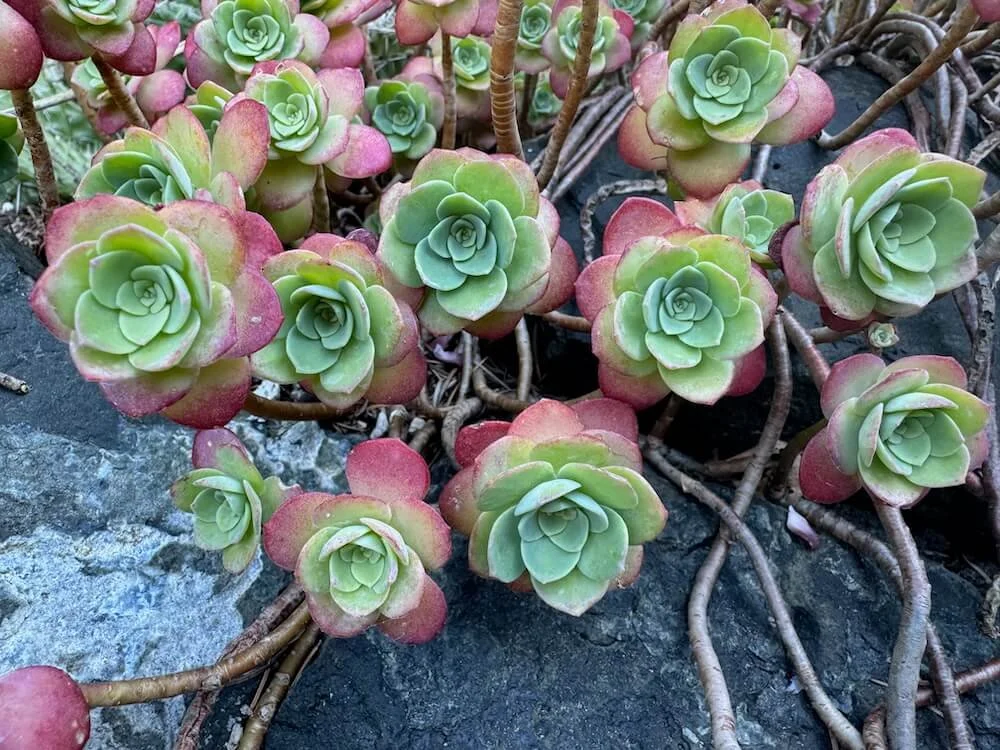 Image 3 of 4
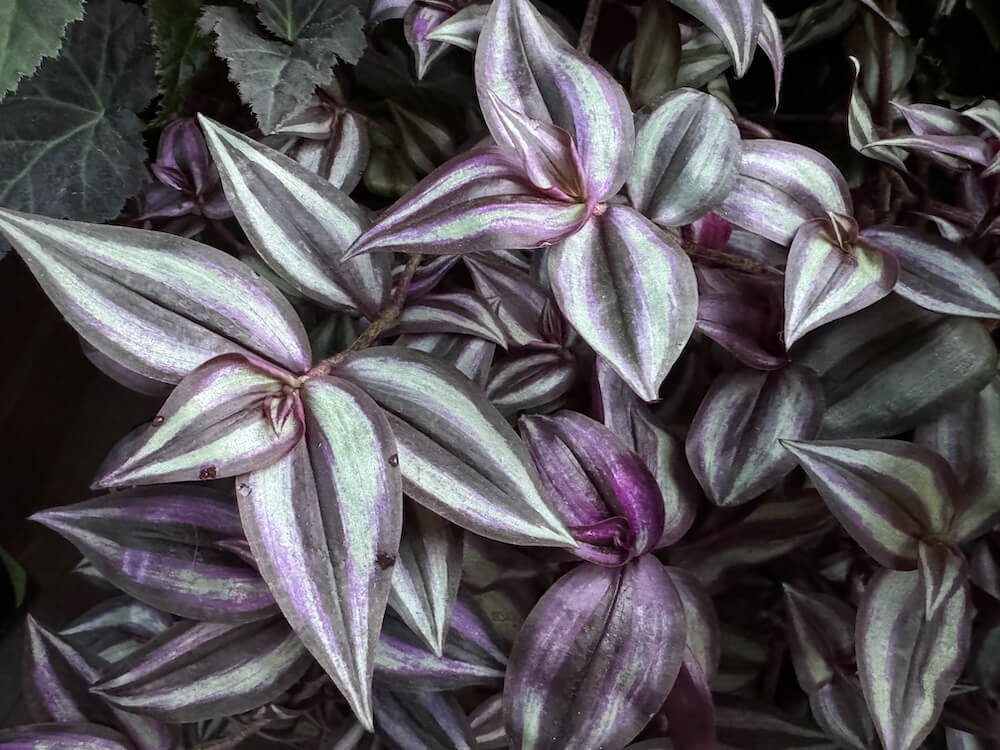
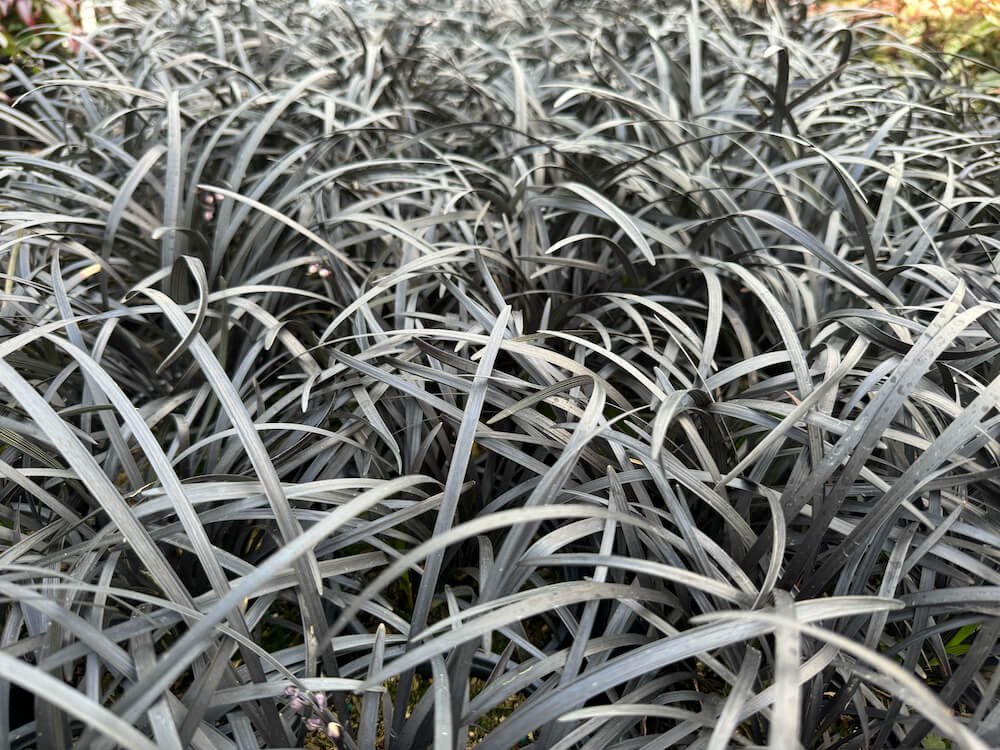
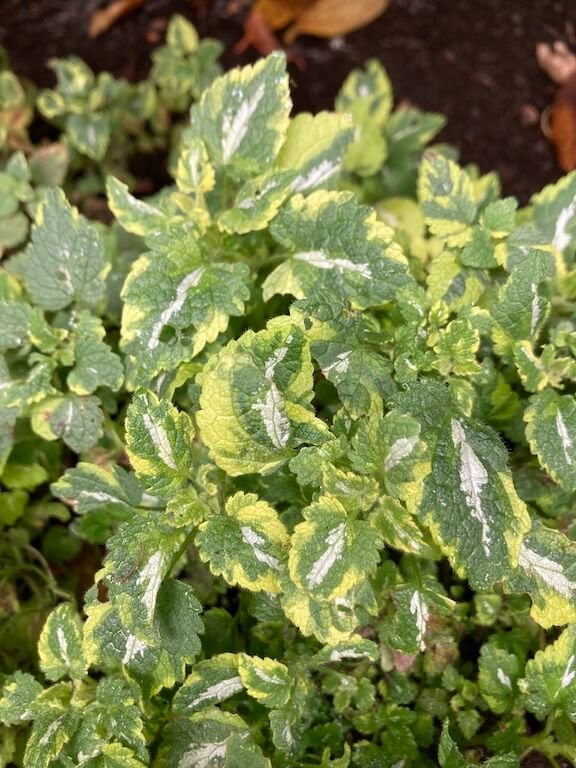
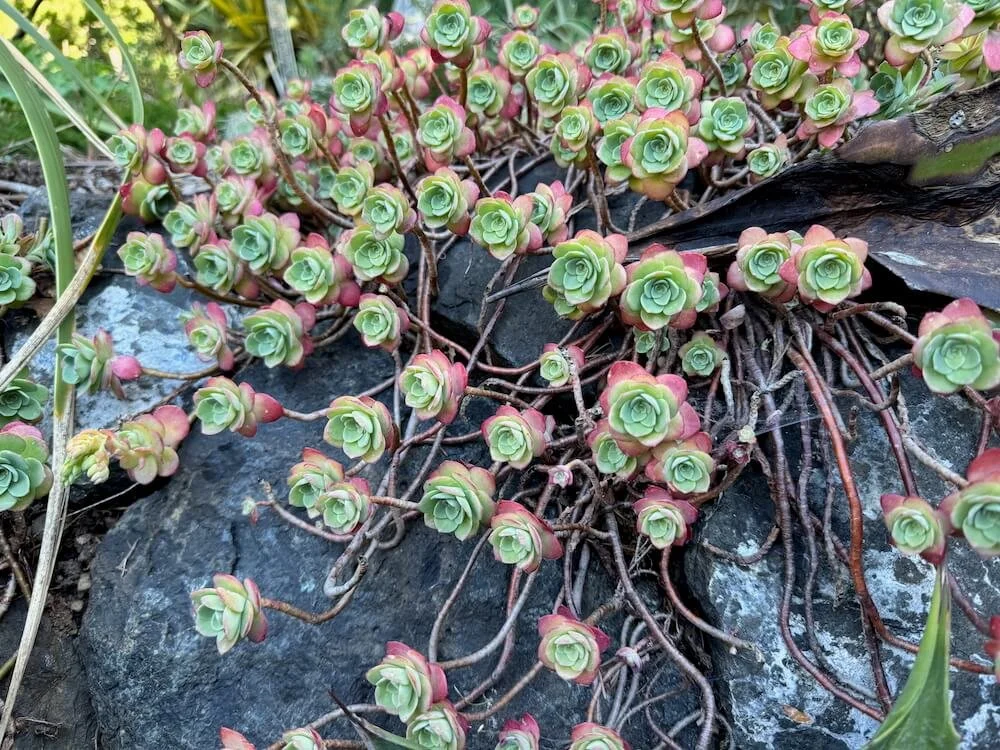 Image 4 of 4
-
Family: Crassulaceae
Height: 8 to 12 in
Width: 12 to 18 in
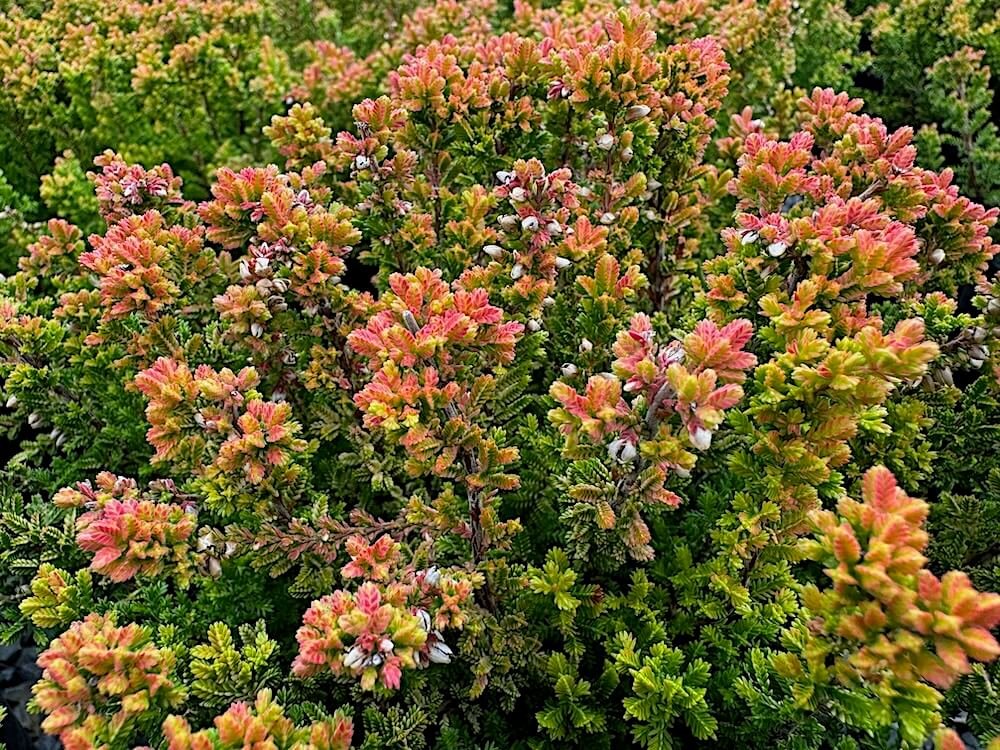
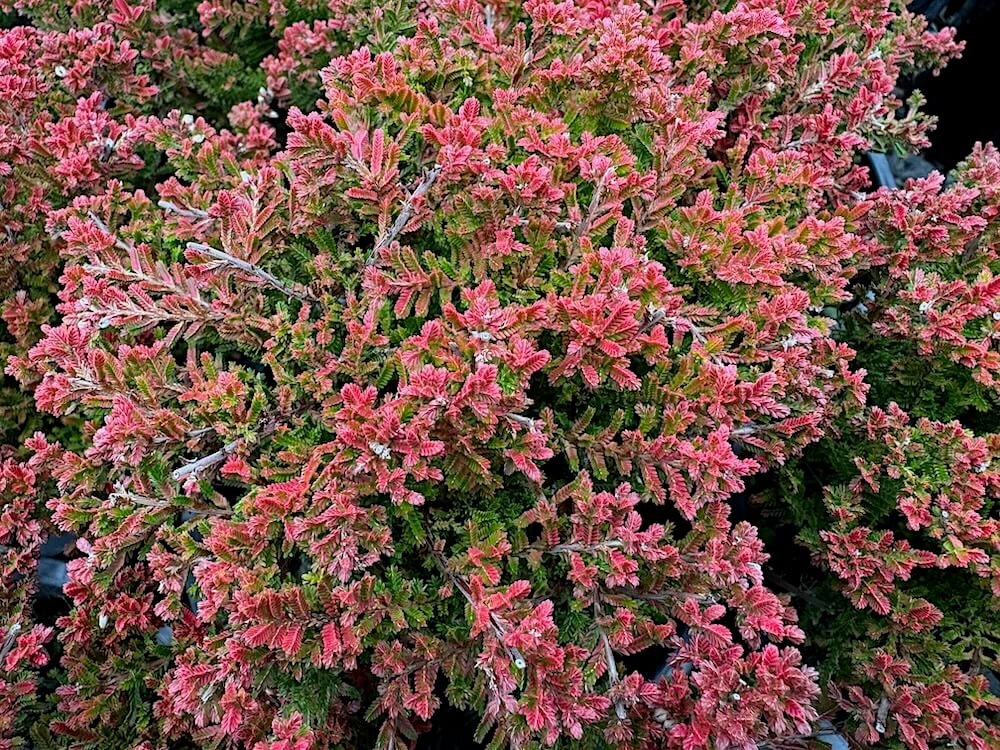
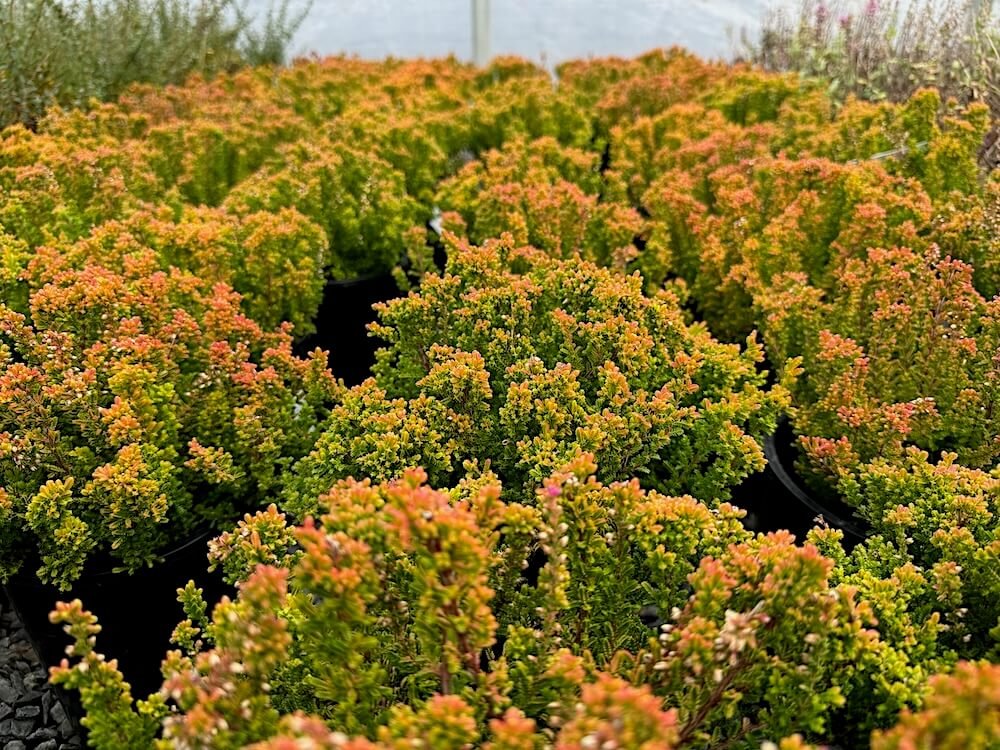
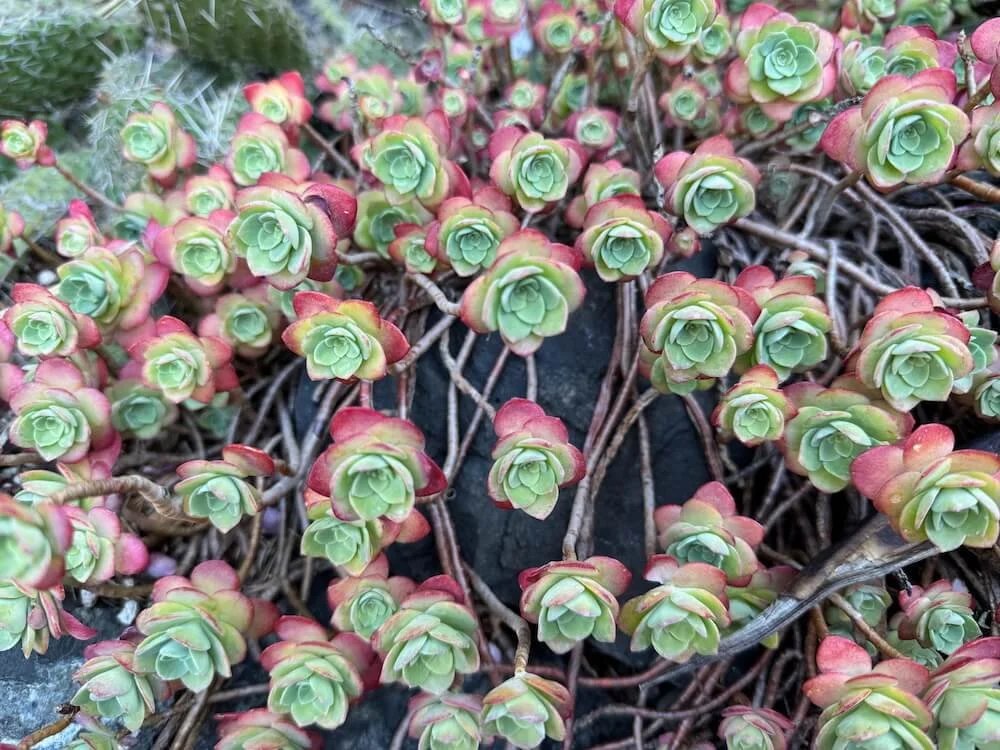
Foliage color: Bright green fleshy, spoon-shaped leaves arranged in loose rosettes
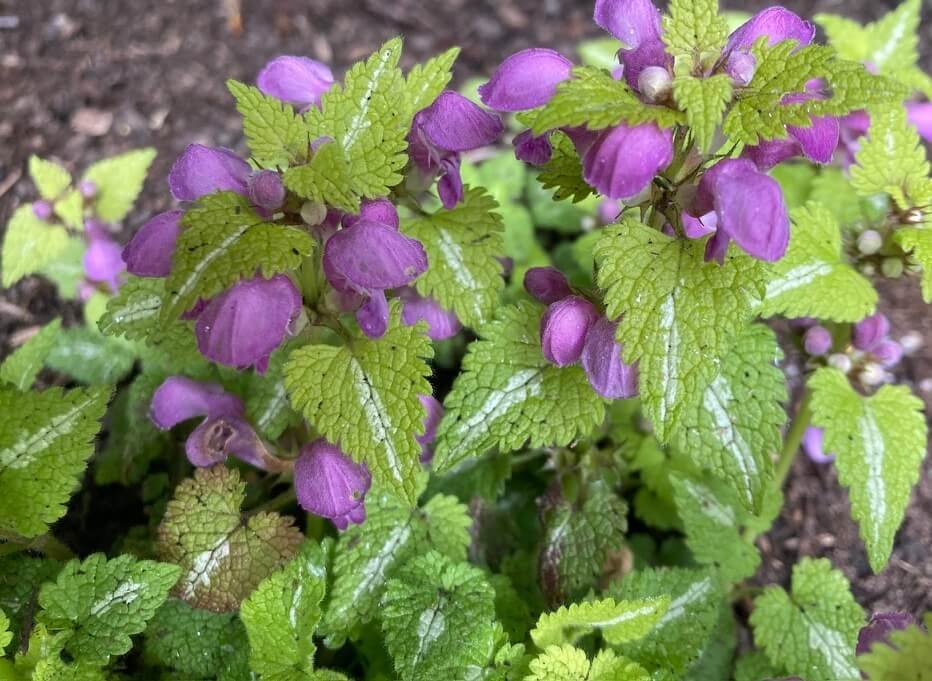
Flower color: Soft yellow to pale golden star-shaped flowers held in rounded clusters
Bloom time: Late winter to early spring
Light requirements: Full sun to partial shade
Water requirements: Low to moderate moisture
Maintenance: Very low, occasional trimming to maintain shape
Growing zone: USDA zones 7 to 10
Wildlife attractors: Bees, early-season pollinatorsThis plant can be seen at Heronswood Garden.
-
Works Well In:
● Rock Gardens
● Pathways & Walkways
● Slopes & Banks
● Pollinator GardensCompanion Plants:
Armeria Heathers
Dianthus Catmints
Blue oat grass CandytuftsDesign Tip:
Take advantage of the unusually early blooms to provide color and support for emerging pollinators before most perennials begin flowering. Combine evergreen rosettes with spring bulbs and contrasting foliage for a garden that offers interest from late winter onward.