Sempervivum 'Cobwebs' | Cobwebs Hens and Chicks

$0.00

DESCRIPTION
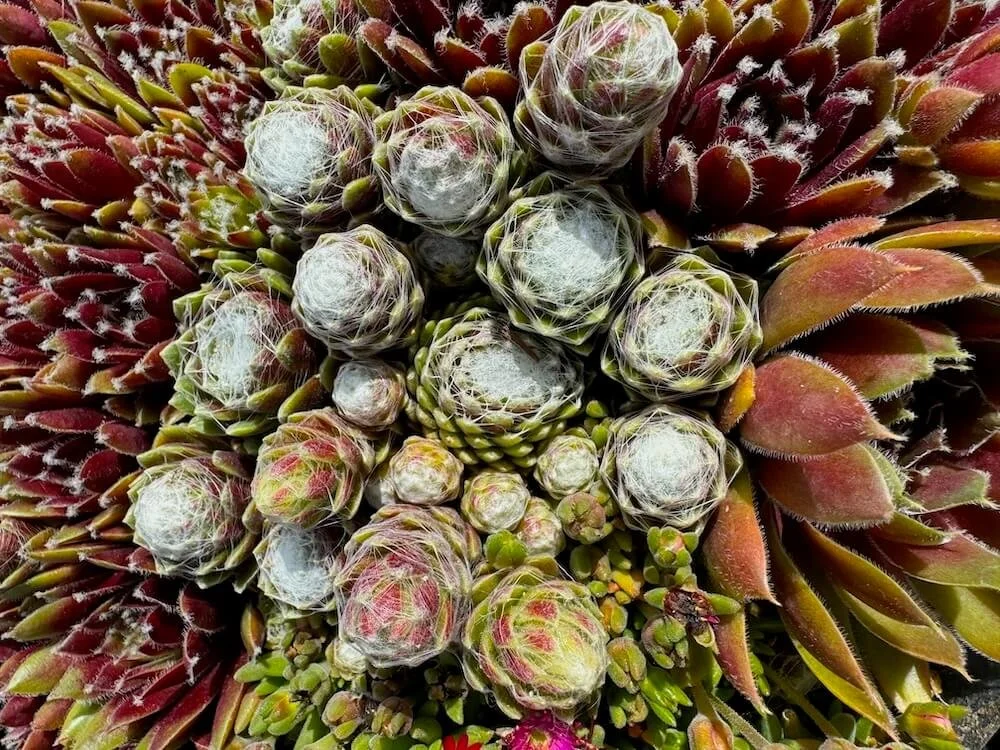
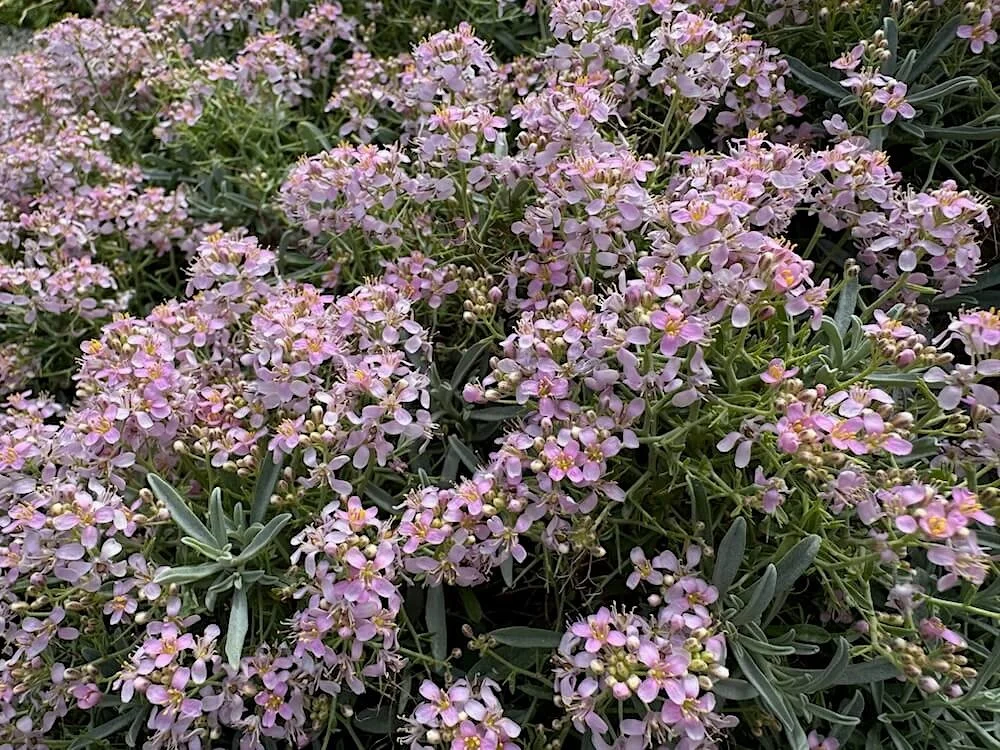
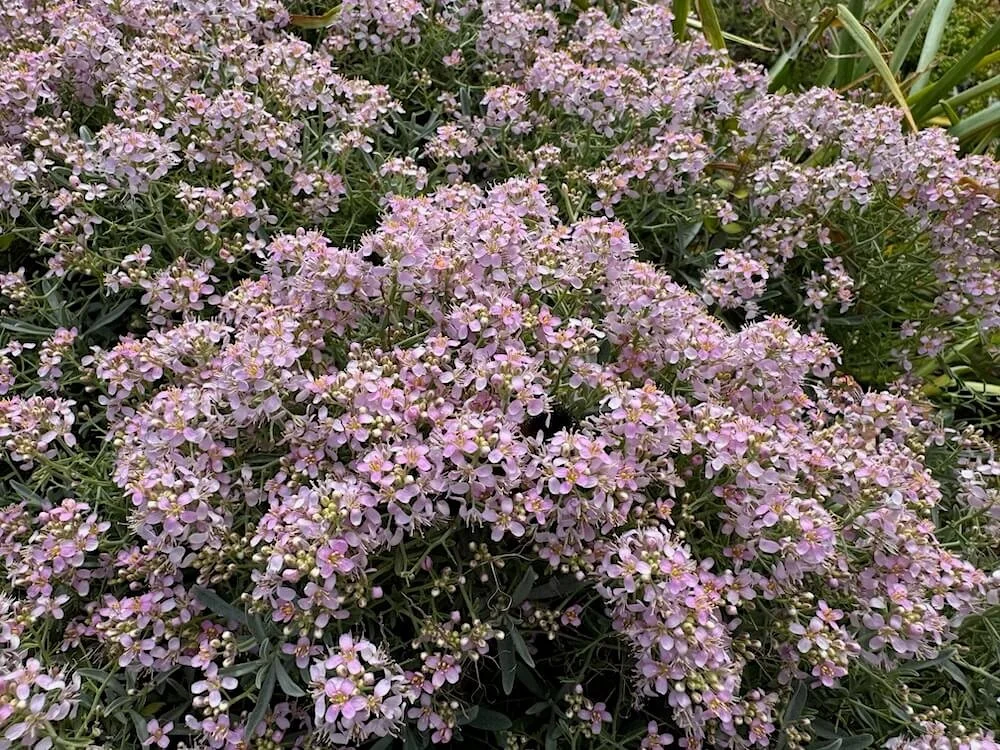
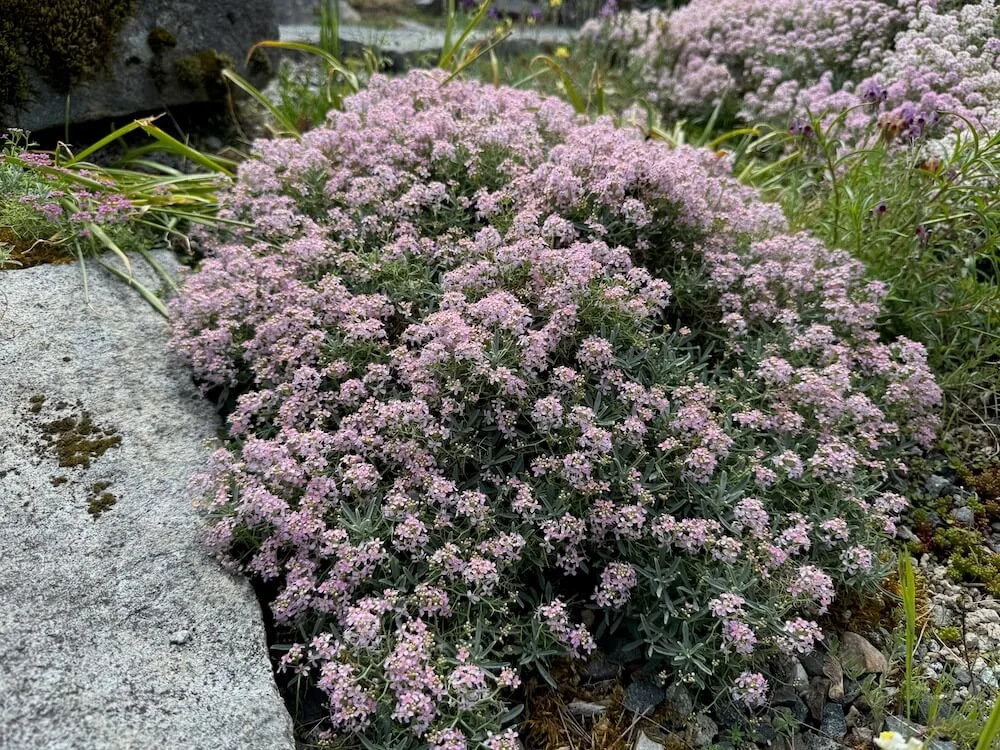
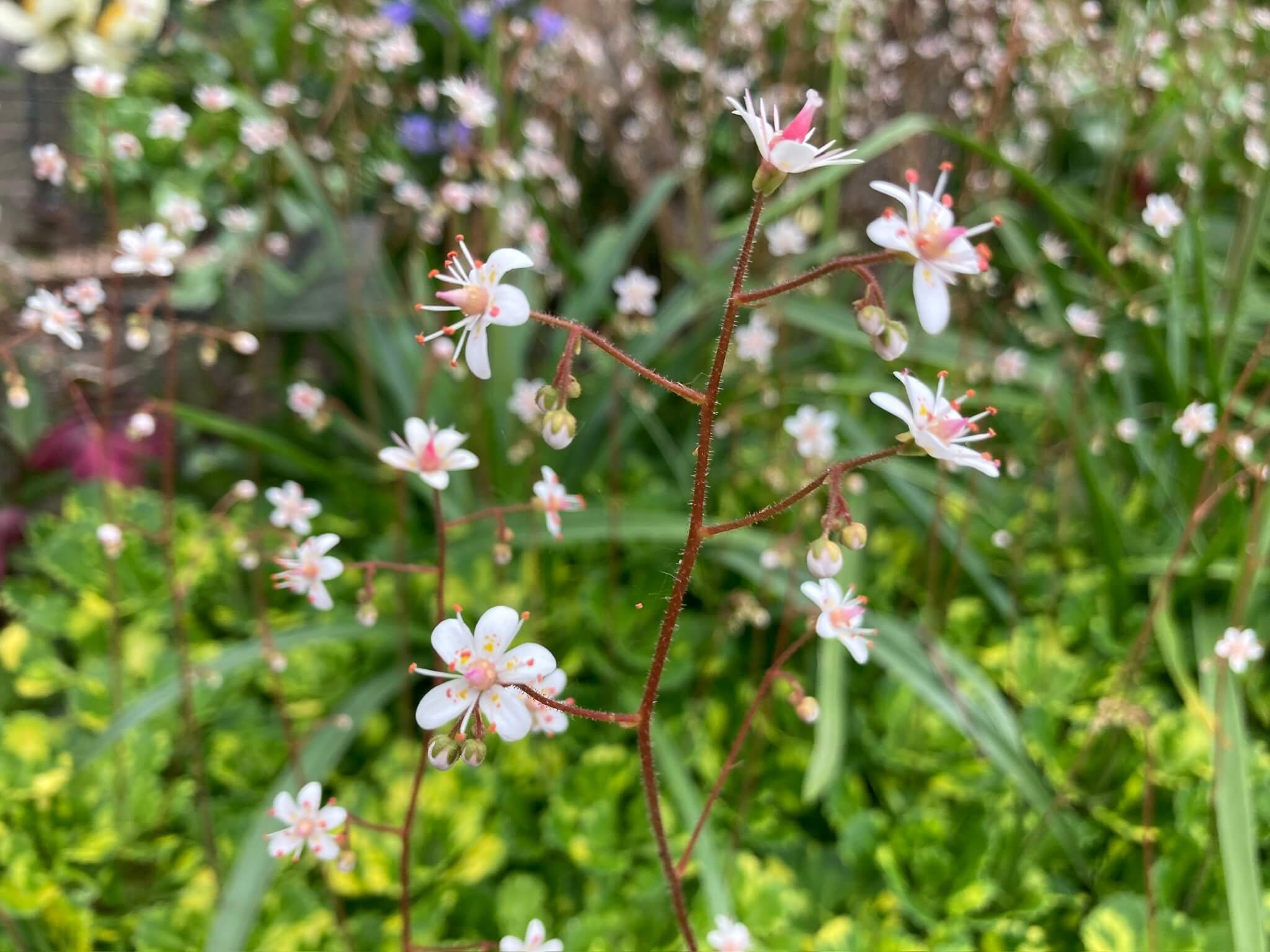
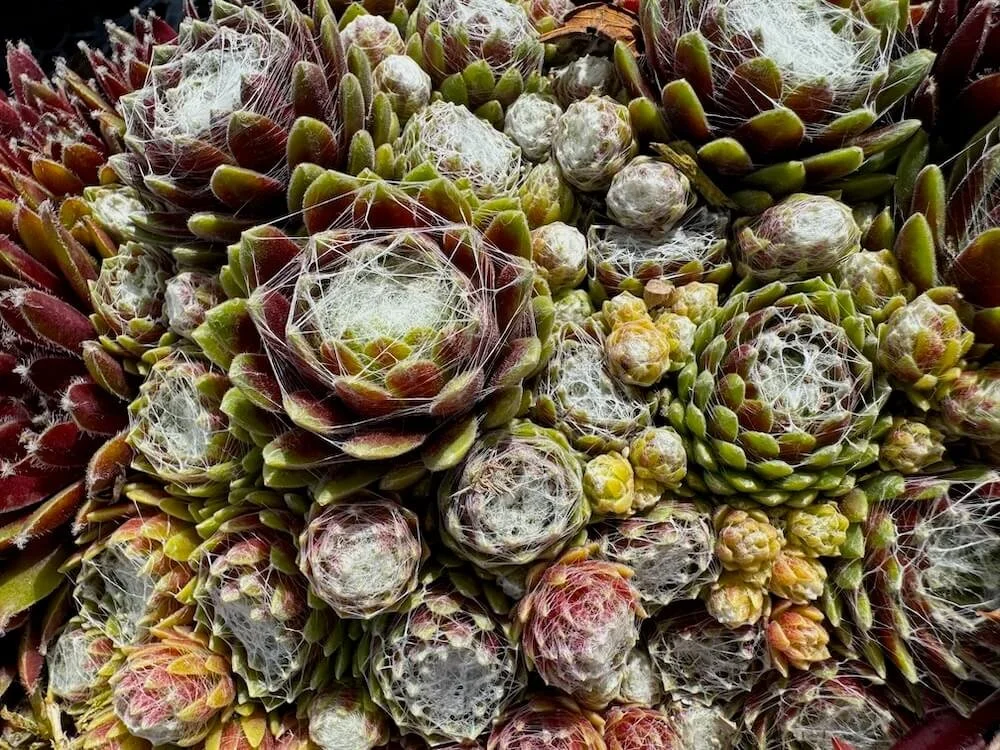
Sempervivum 'Cobwebs' produces star-shaped clusters of pink flowers in summer, rising above the foliage on upright stems and attracting bees and other pollinators. Thick, fleshy leaves are arranged in compact green rosettes covered with fine white filaments that stretch from tip to tip, creating a delicate web-like pattern across the surface. The evergreen foliage forms dense colonies of offsets that provide year-round texture.

Originating from hybrid breeding based on species native to the mountains of Europe, this cultivar reflects selection focused on ornamental foliage and year-round appeal. It is well suited to rock gardens, troughs, containers, and crevice plantings, where its distinctive rosettes and spreading habit contribute texture and visual interest.

DESCRIPTION
Sempervivum 'Cobwebs' produces star-shaped clusters of pink flowers in summer, rising above the foliage on upright stems and attracting bees and other pollinators. Thick, fleshy leaves are arranged in compact green rosettes covered with fine white filaments that stretch from tip to tip, creating a delicate web-like pattern across the surface. The evergreen foliage forms dense colonies of offsets that provide year-round texture.

Originating from hybrid breeding based on species native to the mountains of Europe, this cultivar reflects selection focused on ornamental foliage and year-round appeal. It is well suited to rock gardens, troughs, containers, and crevice plantings, where its distinctive rosettes and spreading habit contribute texture and visual interest.

 
  • Family: Crassulaceae
    Height: 2 in to 4 in
    Width: 6 in to 12 in
    Foliage color: Green rosettes covered with fine white web like hairs
    Flower color: Star shaped pink flowers borne on upright stems above rosettes
    Bloom time: Summer
    Light requirements: Full sun
    Water requirements: Low once established
    Maintenance: Low; remove spent rosettes after flowering and divide offsets as needed
    Growing zone: USDA zones 3 to 8
    Wildlife attractors: Bees, butterflies and pollinators attracted to nectar and pollen rich flowers

    Print Information

    Buy Plants