Nepeta racemosa 'Walker's Low' | Walker's Low Catmint

$0.00

DESCRIPTION
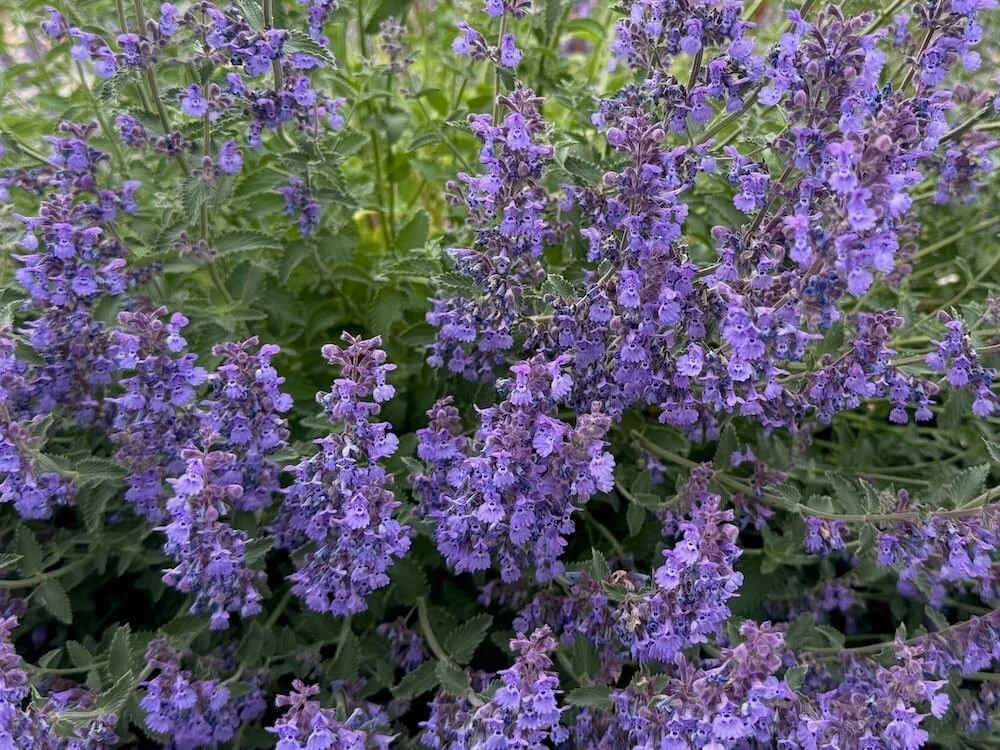
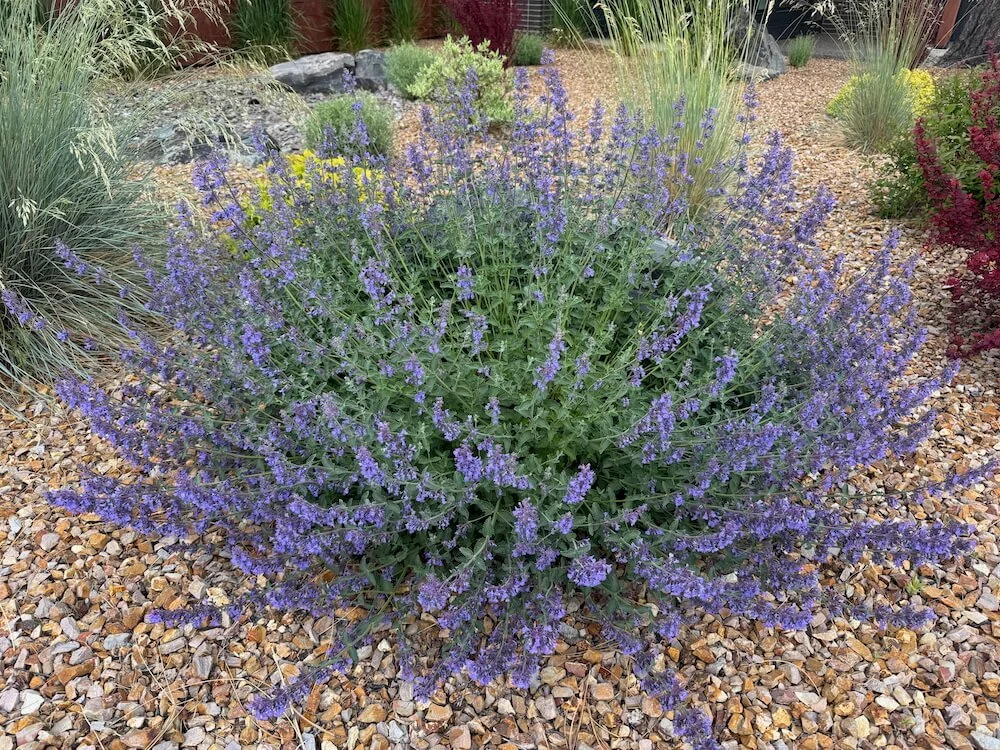
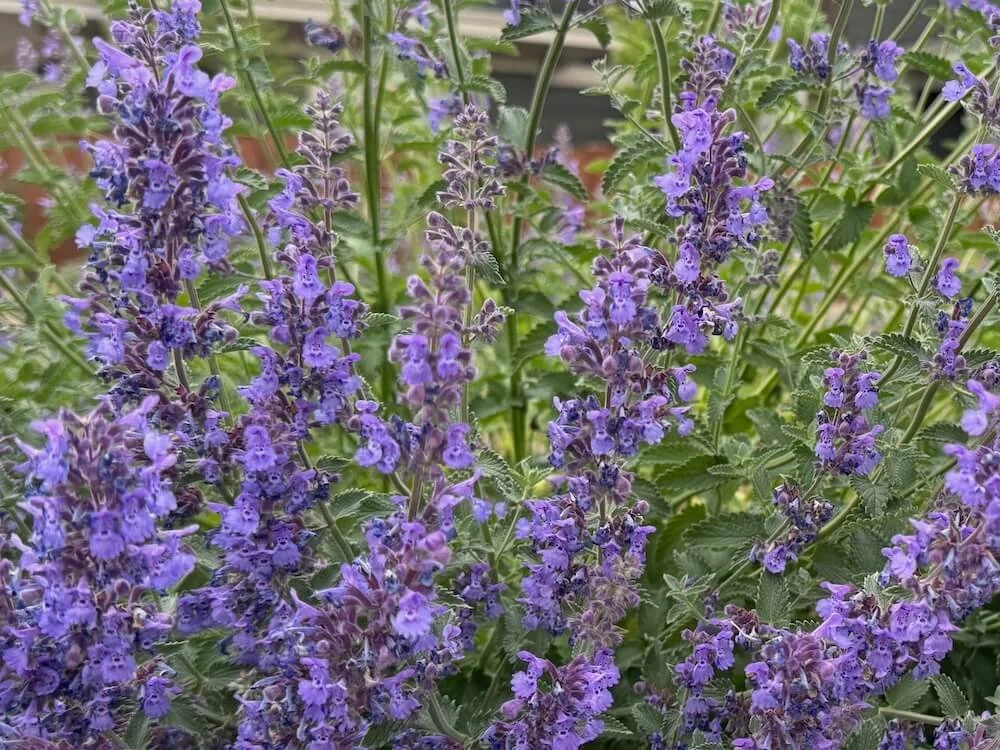
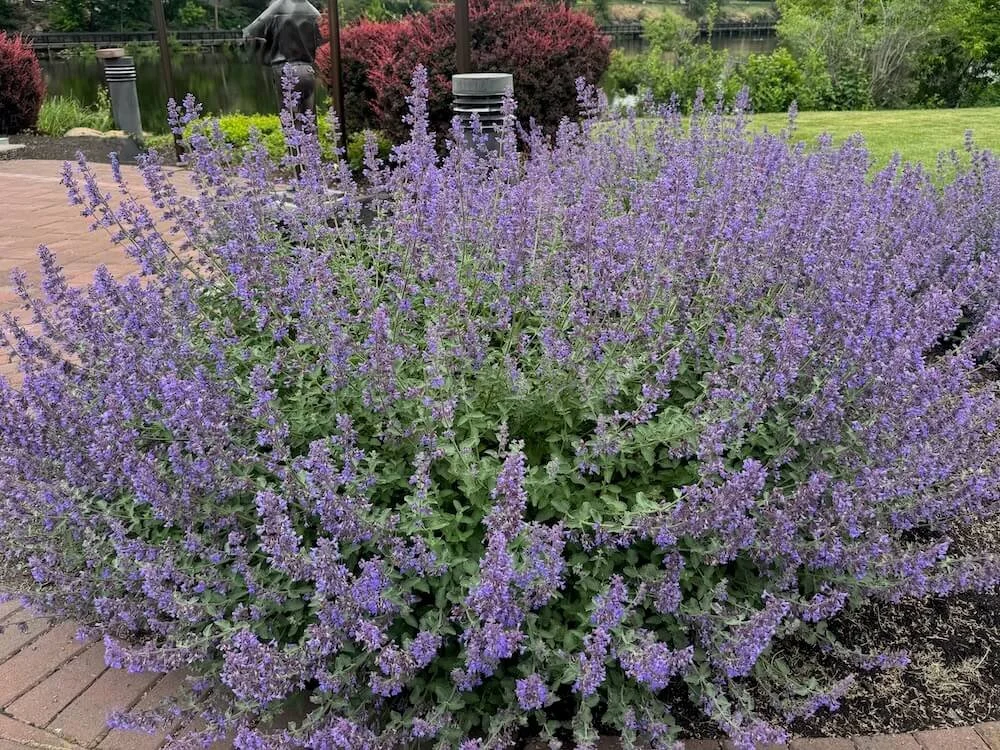
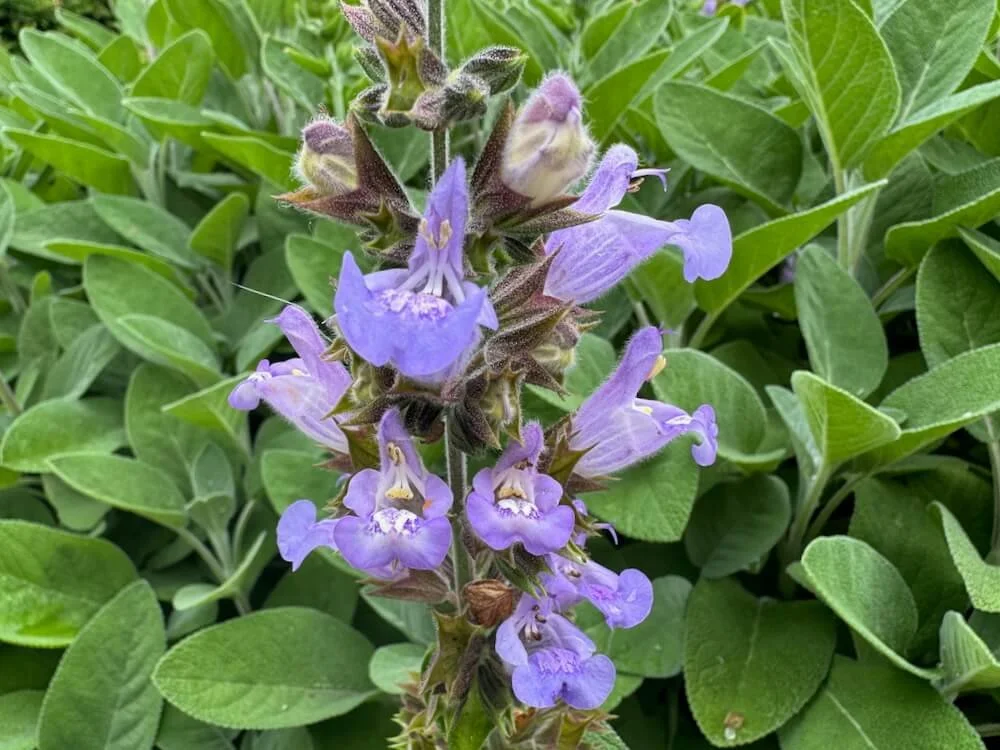
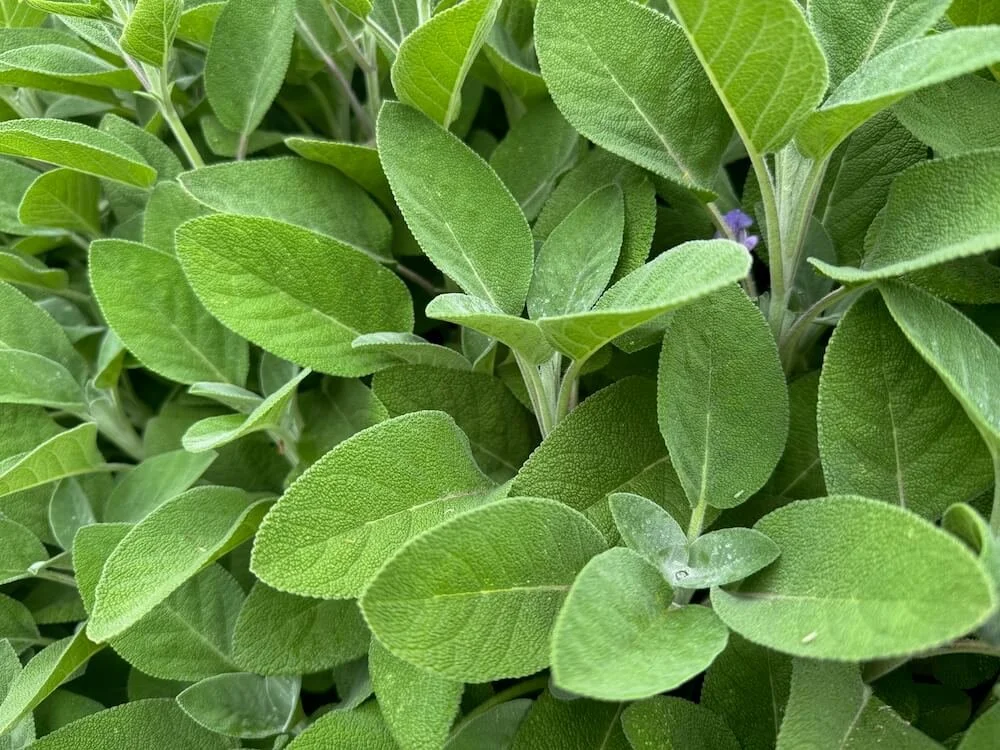
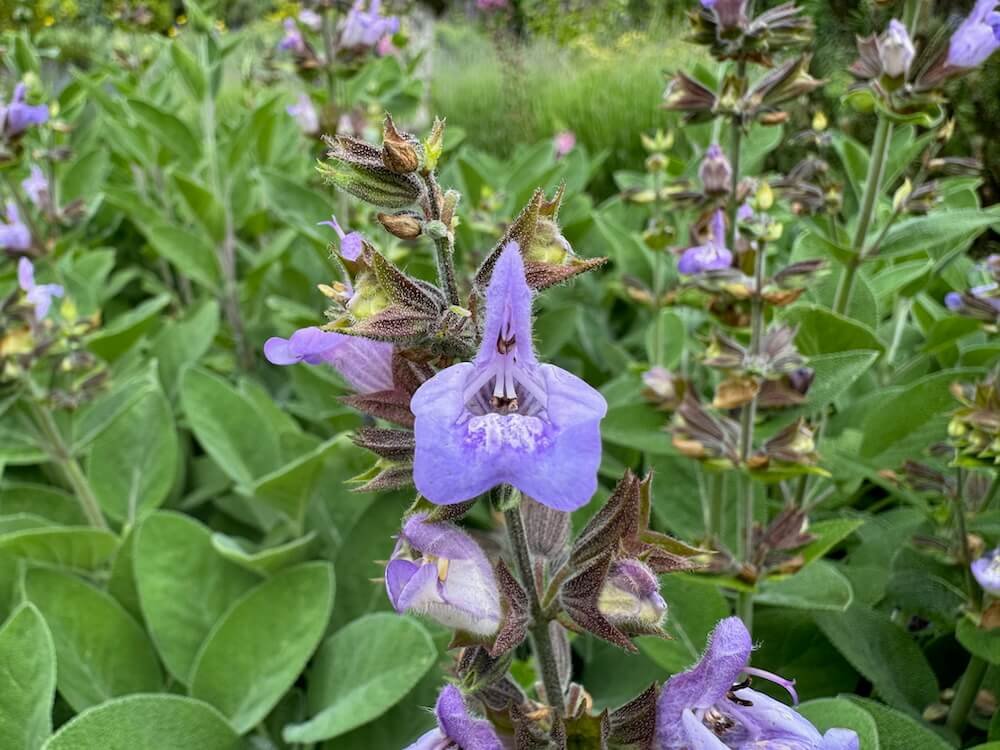
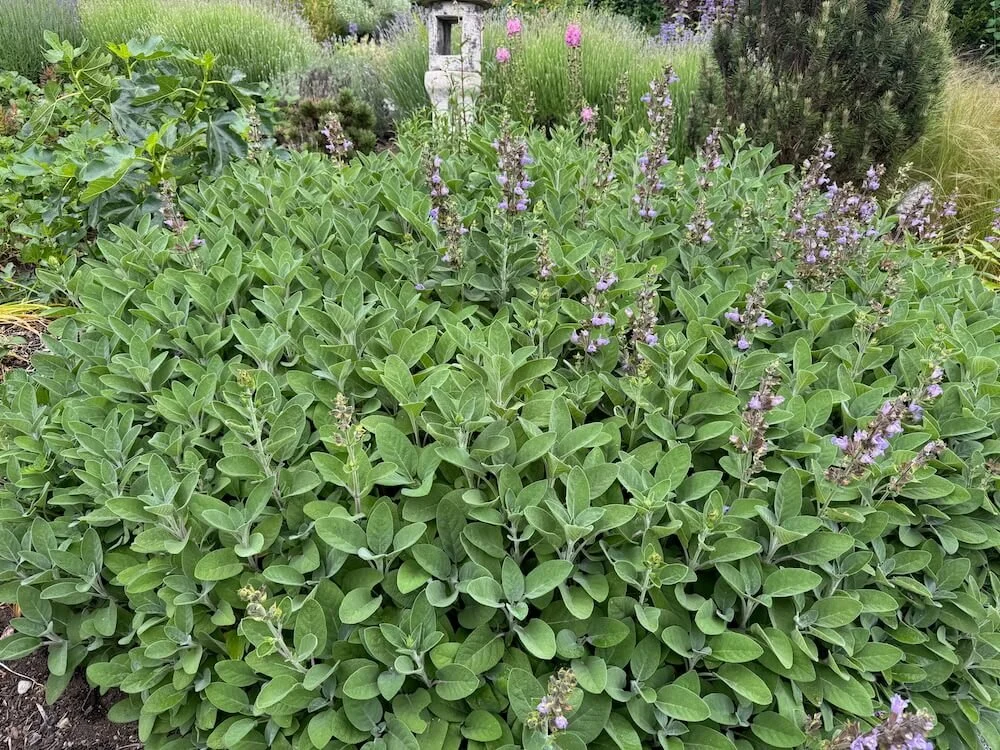
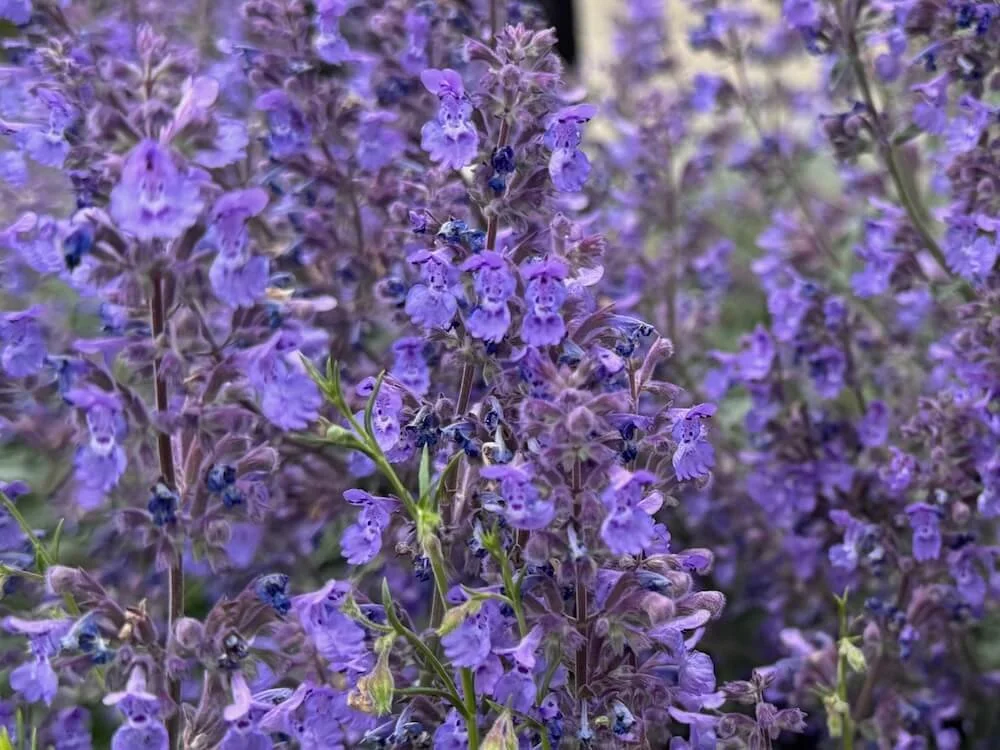
Nepeta racemosa 'Walker's Low' produces spikes of lavender-blue flowers from late spring into early fall, creating a long season of color that attracts bees, butterflies, and other pollinators. Small, aromatic leaves are gray-green with softly scalloped edges that remains attractive throughout the growing season. The foliage releases a pleasant herbal fragrance when brushed, while the flowers are held above the leaves on arching stems.

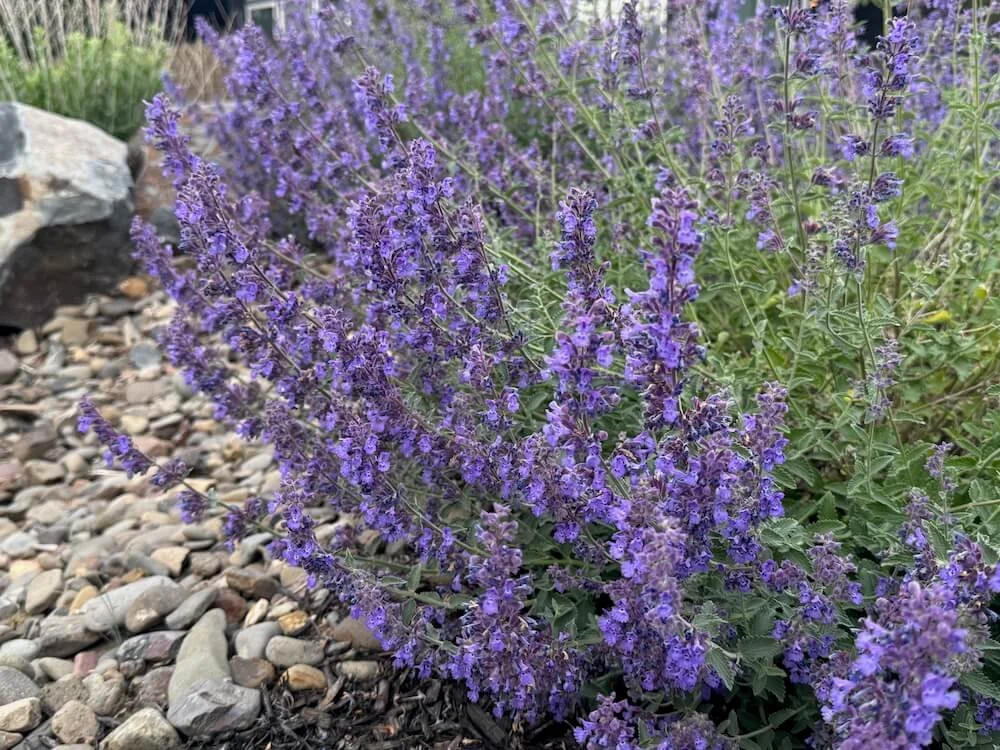
Originating from a species native to the Caucasus region and western Asia, this cultivar reflects garden selection focused on ornamental performance and extended bloom. It is well suited to borders, cottage gardens, pathways, and pollinator plantings, where its long flowering season and soft texture contribute lasting garden interest.

DESCRIPTION
Nepeta racemosa 'Walker's Low' produces spikes of lavender-blue flowers from late spring into early fall, creating a long season of color that attracts bees, butterflies, and other pollinators. Small, aromatic leaves are gray-green with softly scalloped edges that remains attractive throughout the growing season. The foliage releases a pleasant herbal fragrance when brushed, while the flowers are held above the leaves on arching stems.

Originating from a species native to the Caucasus region and western Asia, this cultivar reflects garden selection focused on ornamental performance and extended bloom. It is well suited to borders, cottage gardens, pathways, and pollinator plantings, where its long flowering season and soft texture contribute lasting garden interest.

 
  • Family: Lamiaceae
    Height: 2 ft to 3 ft
    Width: 2 ft to 3 ft
    Foliage color: Aromatic gray green leaves with a softly textured surface and mounding habit
    Flower color: Lavender blue flower spikes held above foliage with soft violet tones
    Bloom time: Late spring through early fall
    Light requirements: Full sun
    Water requirements: Low to moderate
    Maintenance: Low; shear after flowering flushes to encourage rebloom and maintain compact growth
    Growing zone: USDA zones 4 to 8
    Wildlife attractors: Bees, butterflies, hummingbirds and pollinators attracted to nectar rich flowers
    Print Information

    Buy Plants