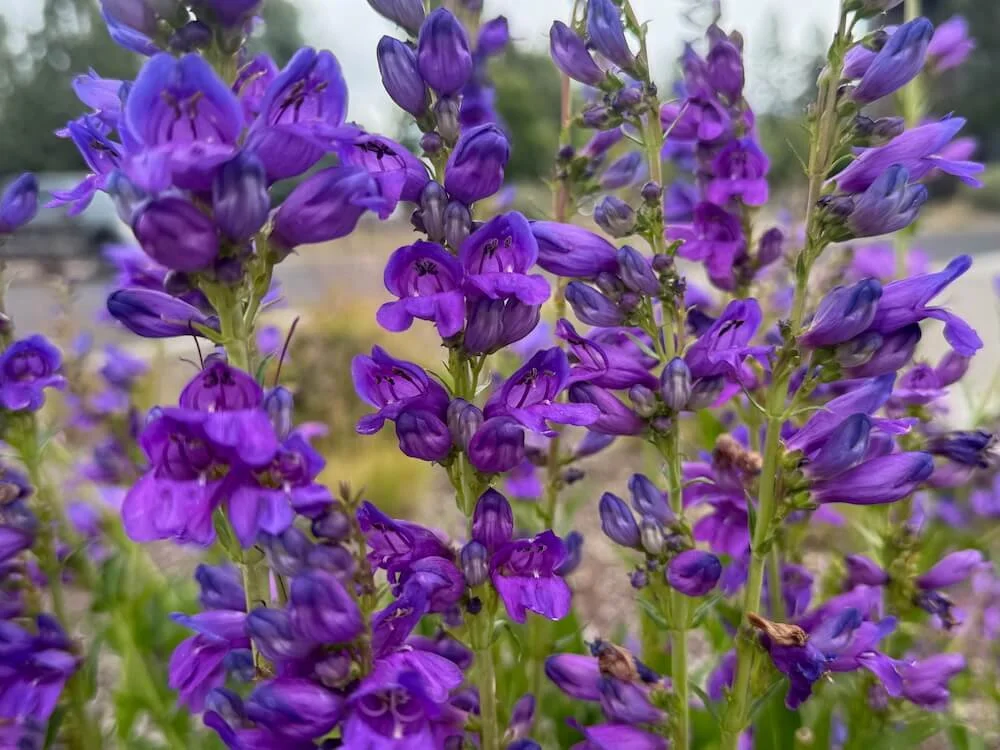
Penstemon strictus | Rocky Mountain Beardtongue

$0.00

DESCRIPTION
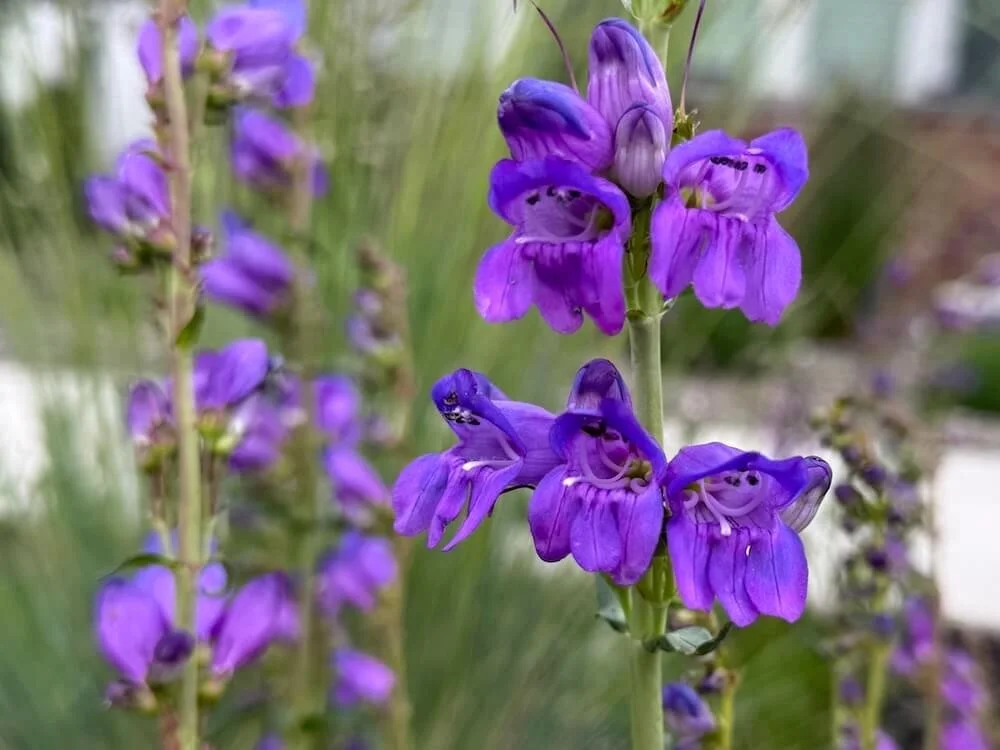
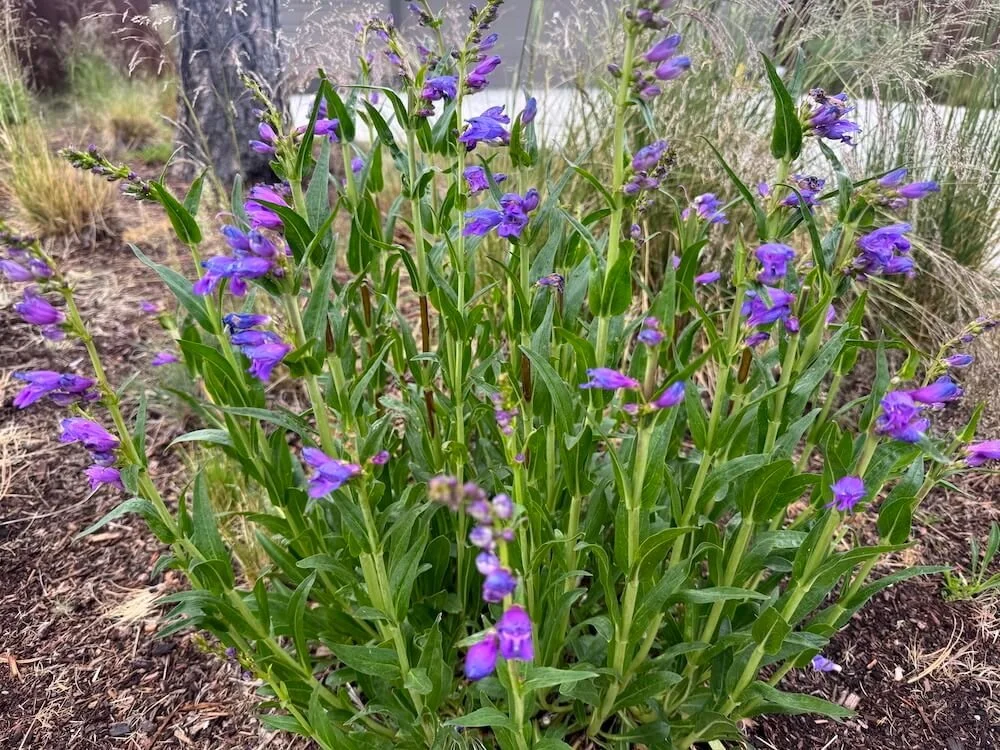
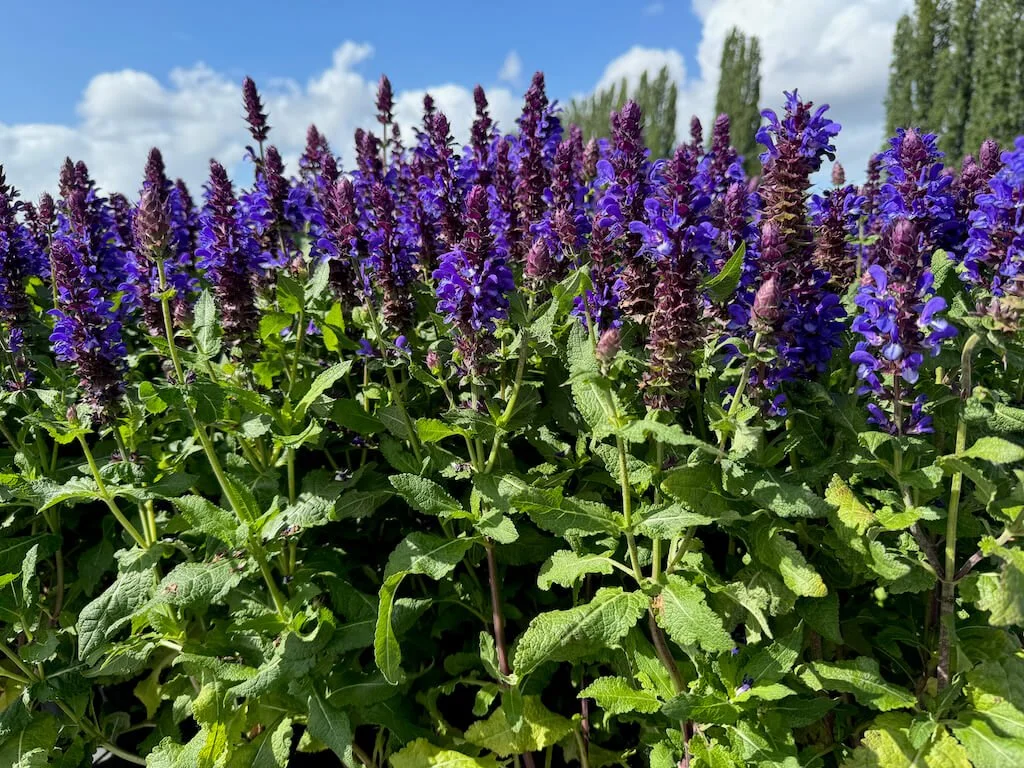
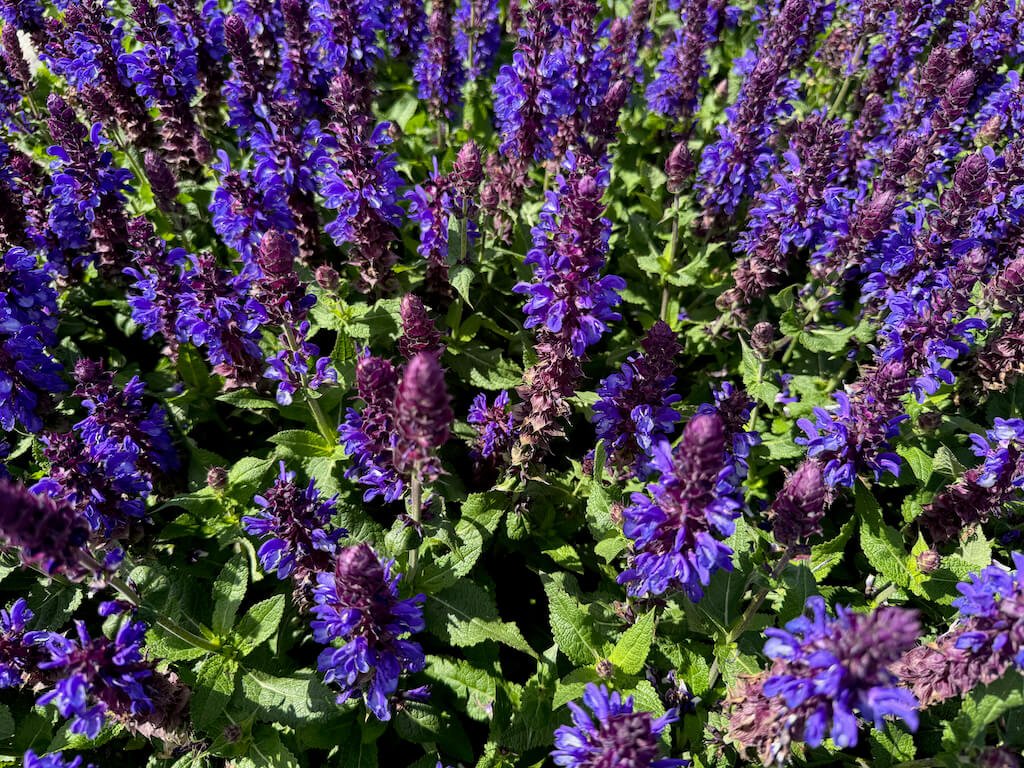
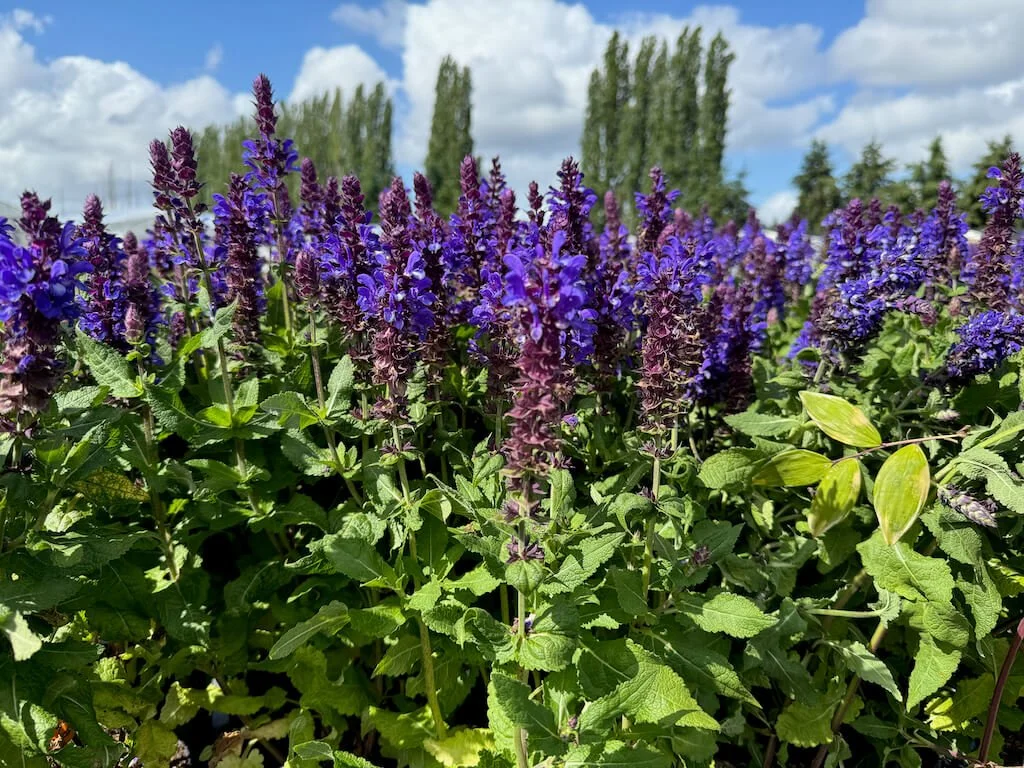
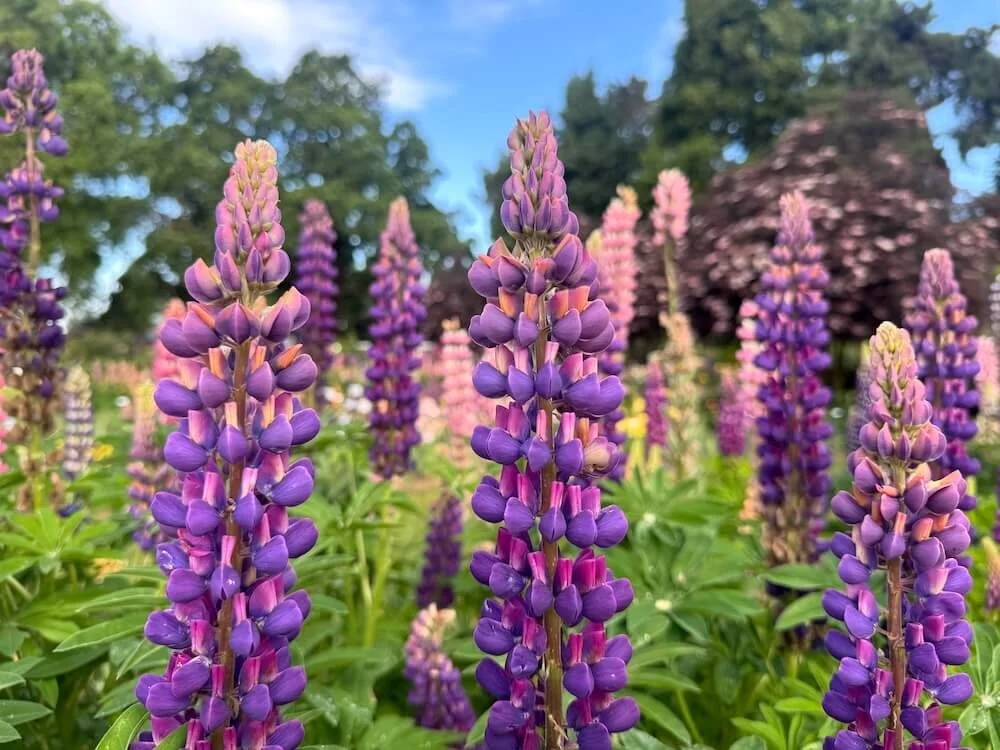
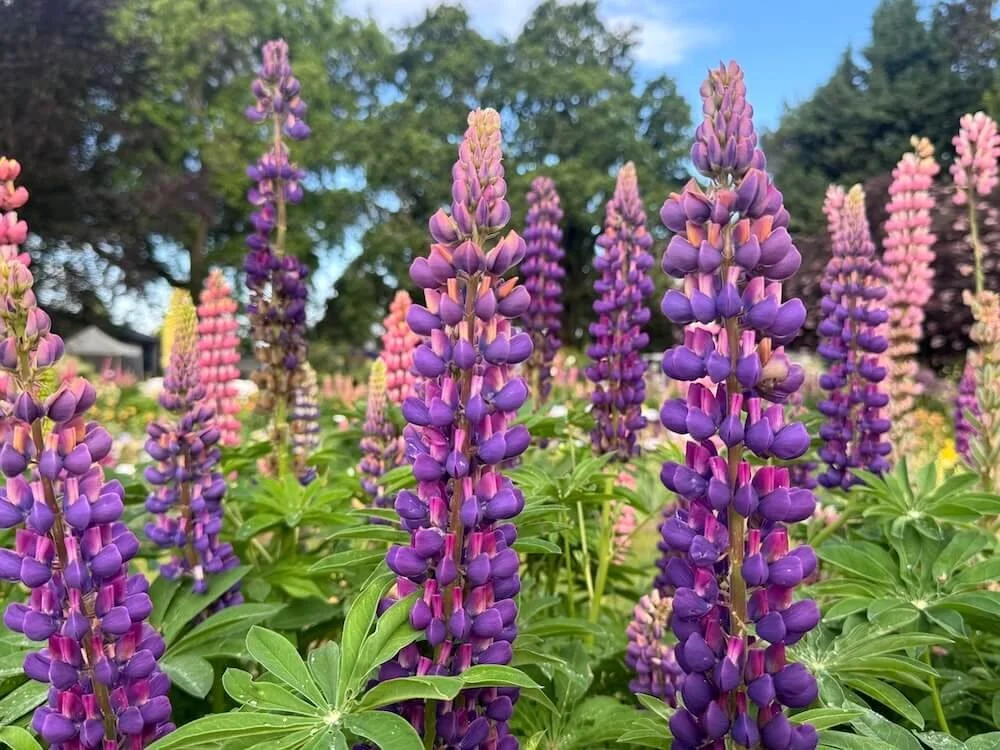
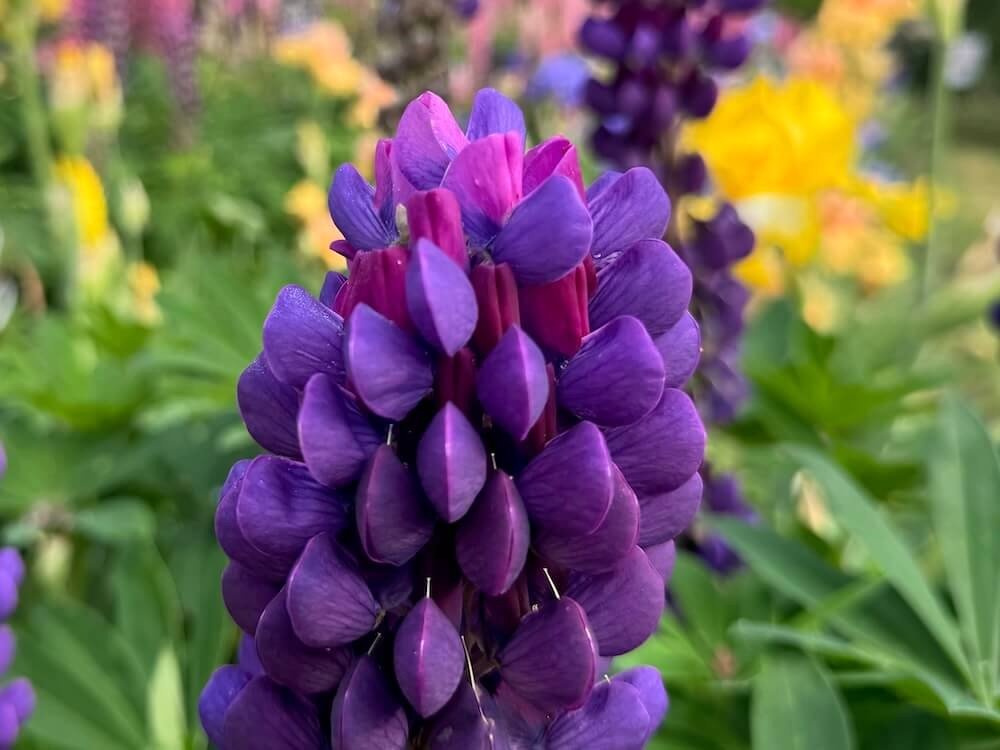
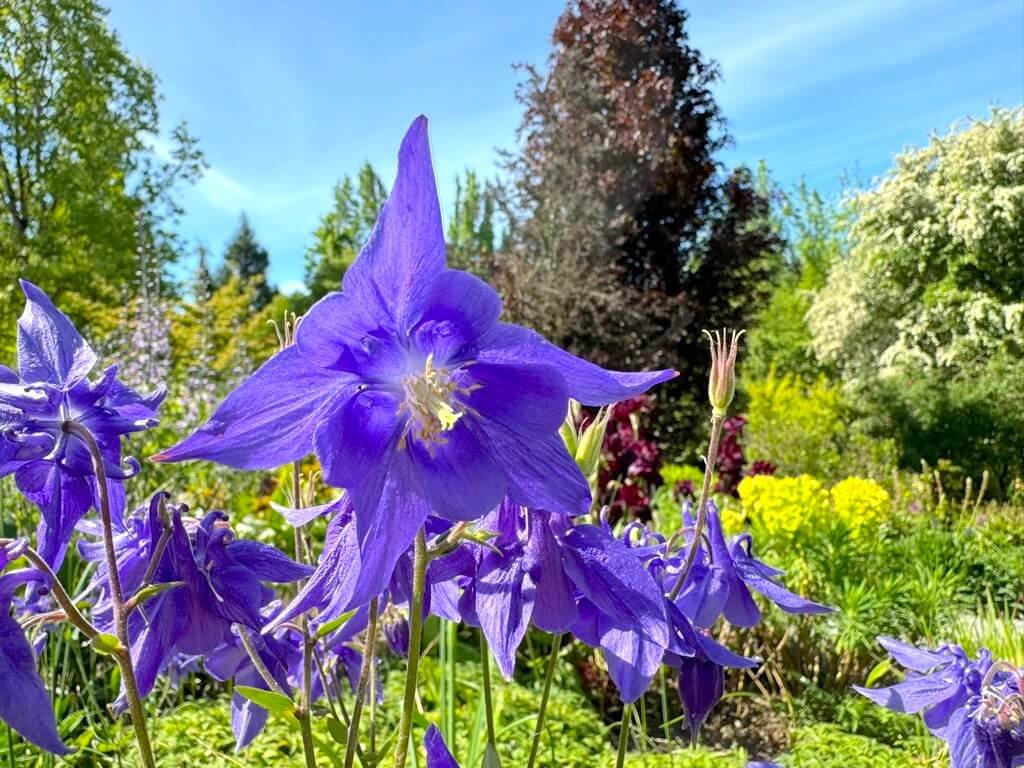
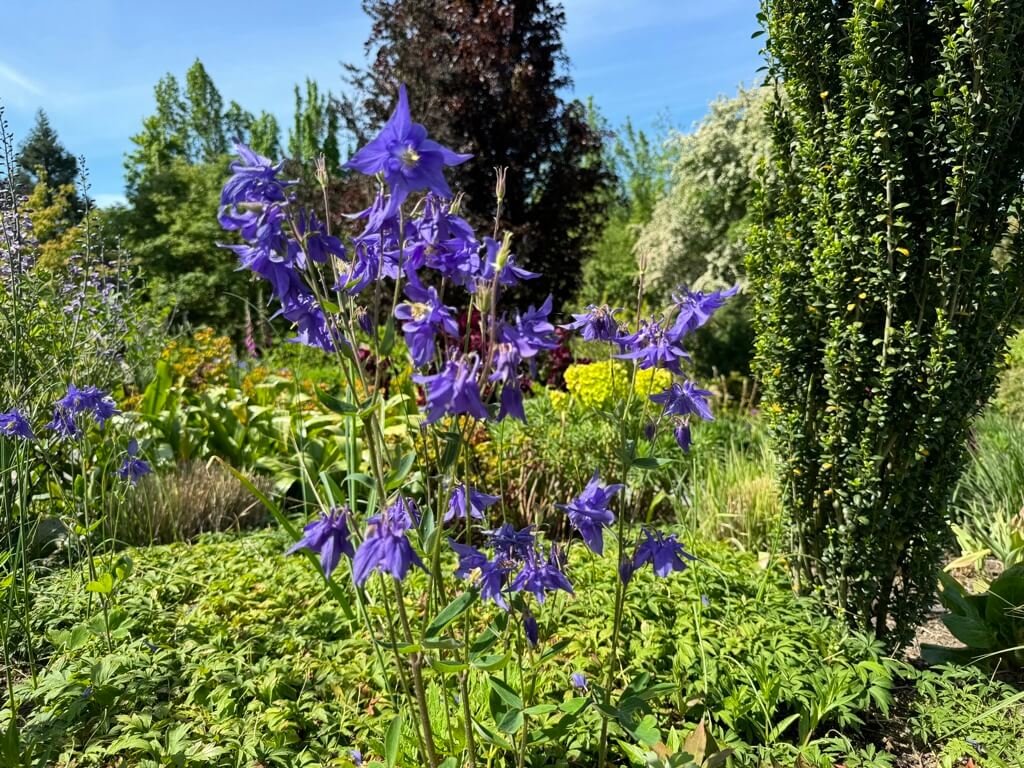
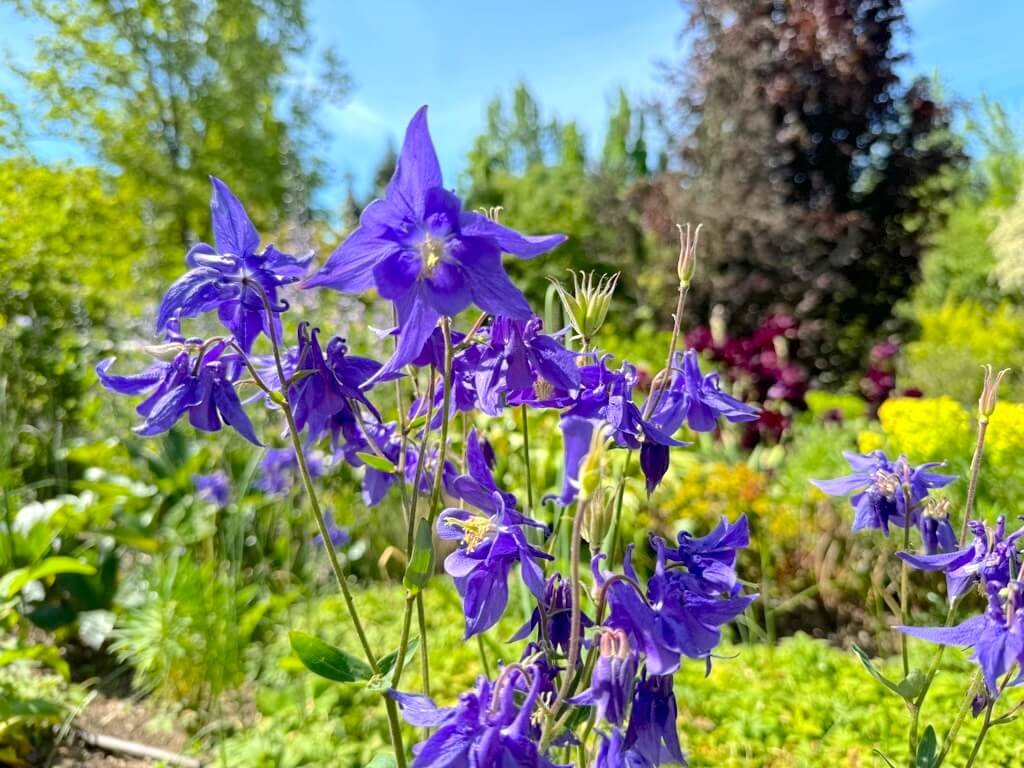
Penstemon strictus produces upright spikes of tubular violet-blue flowers in late spring to early summer, creating a colorful display that attracts hummingbirds, bees, and other pollinators. Narrow, lance-shaped leaves are deep green and arranged along sturdy stems. The flowers open sequentially along each spike, extending the bloom period while adding vertical texture and movement to the garden.

Native to the Rocky Mountain region of the western United States, this species is adapted to open meadows and foothill landscapes. It is well suited to borders, naturalistic plantings, pollinator gardens, and meadow-style designs, where its colorful flower spikes and architectural form contribute seasonal interest and habitat value.

DESCRIPTION
Penstemon strictus produces upright spikes of tubular violet-blue flowers in late spring to early summer, creating a colorful display that attracts hummingbirds, bees, and other pollinators. Narrow, lance-shaped leaves are deep green and arranged along sturdy stems. The flowers open sequentially along each spike, extending the bloom period while adding vertical texture and movement to the garden.

Native to the Rocky Mountain region of the western United States, this species is adapted to open meadows and foothill landscapes. It is well suited to borders, naturalistic plantings, pollinator gardens, and meadow-style designs, where its colorful flower spikes and architectural form contribute seasonal interest and habitat value.

 
  • Family: Plantaginaceae
    Height: 2 ft to 3 ft
    Width: 1.5 ft to 2 ft
    Foliage color: Narrow deep green leaves forming a dense upright clump at the base
    Flower color: Tubular deep violet blue flowers borne on tall upright spikes
    Bloom time: Late spring to midsummer
    Light requirements: Full sun
    Water requirements: Low to moderate
    Maintenance: Low; remove spent flower spikes and avoid excessive winter moisture
    Growing zone: USDA zones 3 to 8
    Wildlife attractors: Hummingbirds, bees, butterflies and pollinators attracted to nectar rich flowers
    Print Information

    Buy Plants