Polemonium pulcherrimum 'Golden Feathers' | Golden Feathers Jacob's Ladder

$0.00

DESCRIPTION
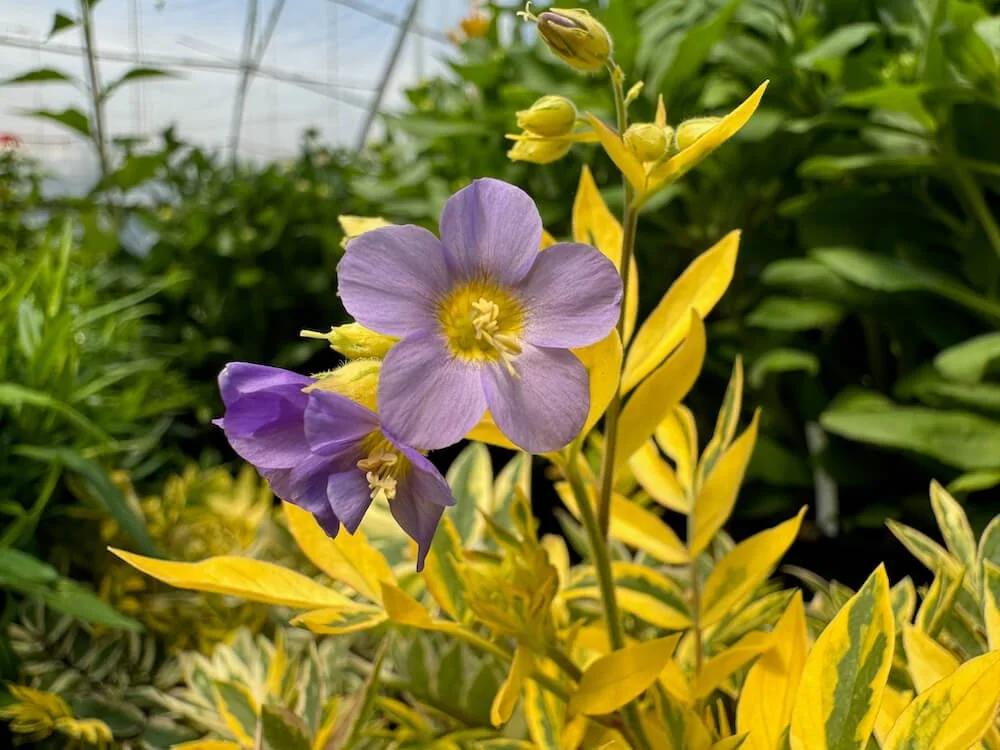
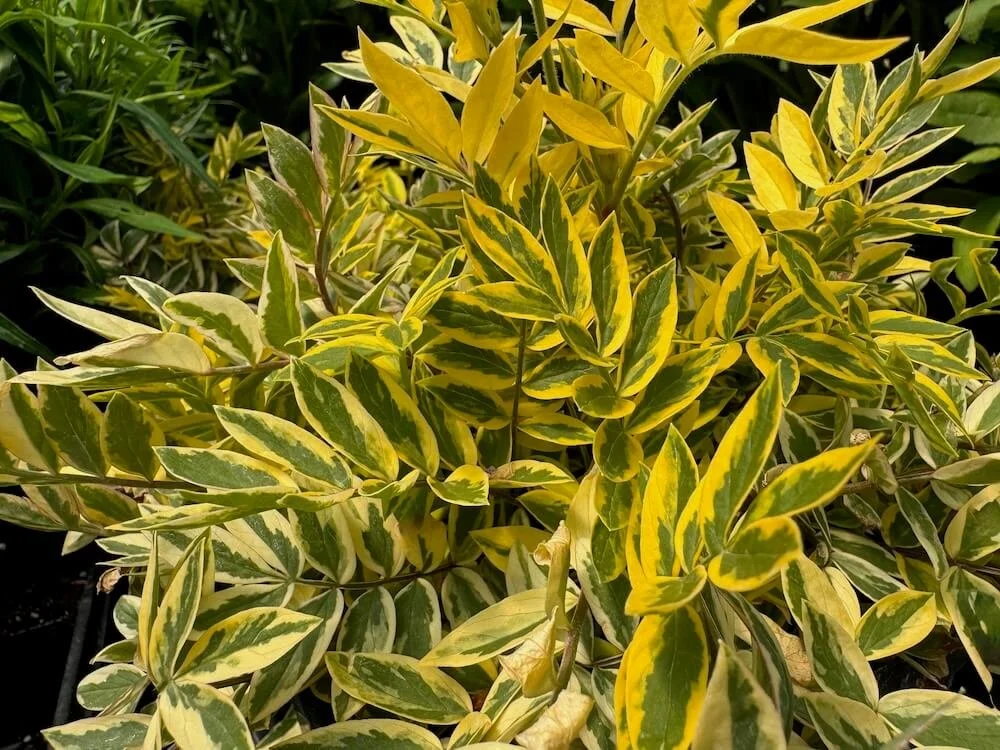
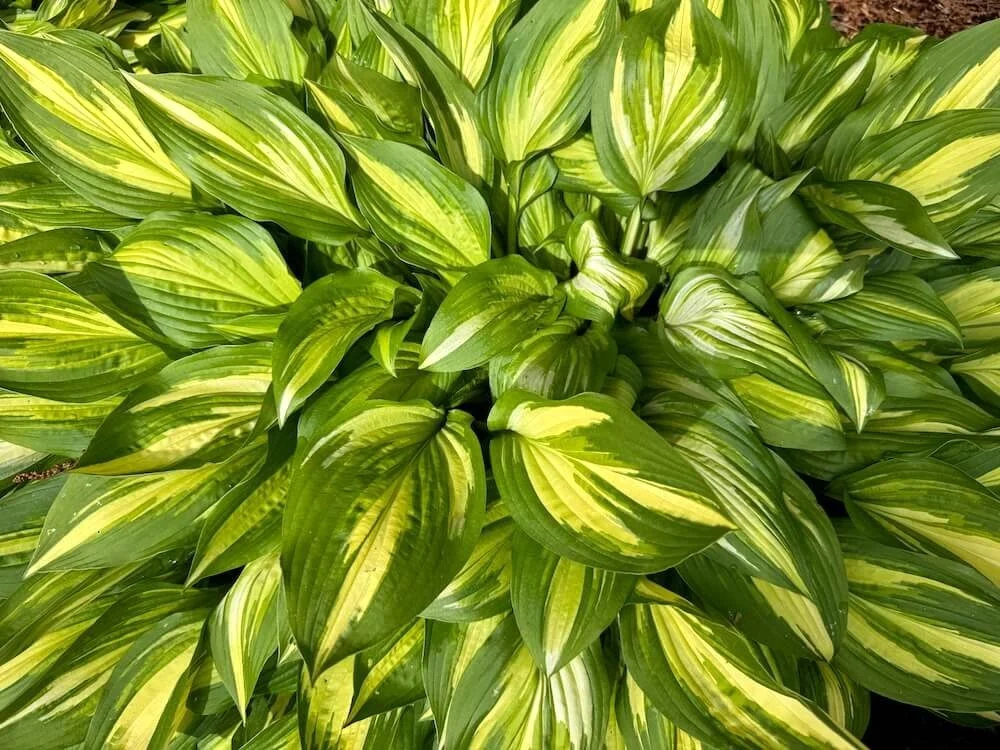
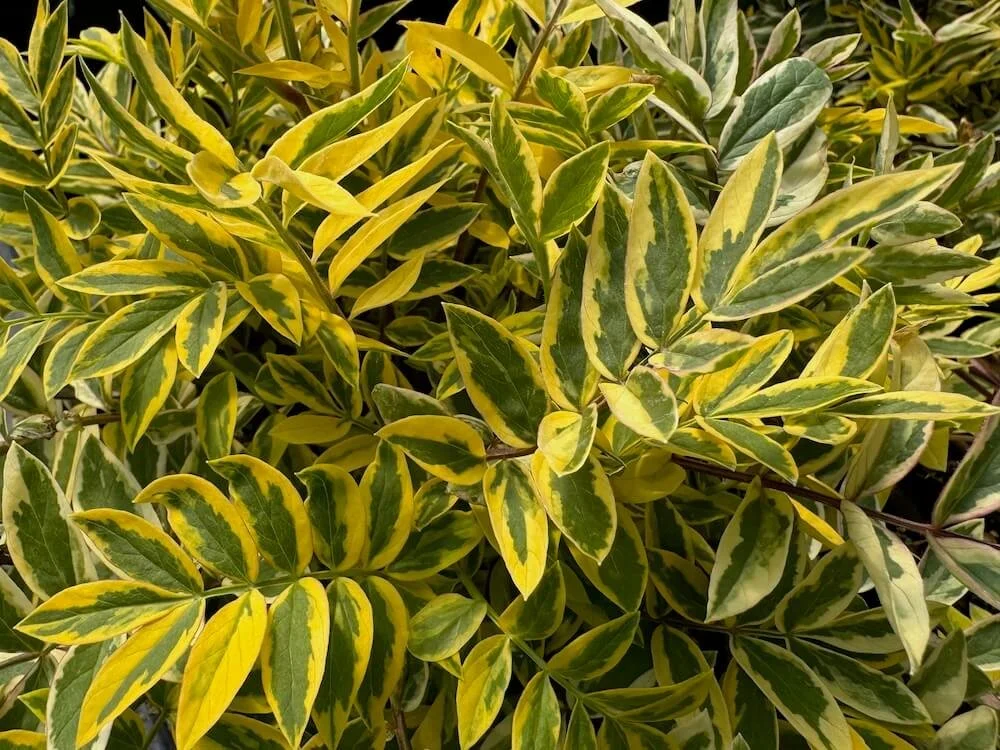
Polemonium pulcherrimum ‘Golden Feathers’ bears clusters of lavender blue, bell shaped flowers in late spring to early summer, each bloom marked with a pale throat and soft yellow stamens. Finely divided variegated foliage emerges in shades of golden yellow blended with green, forming soft, feathery mounds that hold their color through the growing season and provide a luminous presence in alpine and rock garden settings.

Selected from a western North American species native to mountain regions of the Rockies and Pacific Northwest, it reflects its high elevation origins in its compact habit and seasonal cycle. Foliage develops in spring, remains active through summer, and gradually enters dormancy as temperatures cool.

DESCRIPTION
Polemonium pulcherrimum ‘Golden Feathers’ bears clusters of lavender blue, bell shaped flowers in late spring to early summer, each bloom marked with a pale throat and soft yellow stamens. Finely divided variegated foliage emerges in shades of golden yellow blended with green, forming soft, feathery mounds that hold their color through the growing season and provide a luminous presence in alpine and rock garden settings.

Selected from a western North American species native to mountain regions of the Rockies and Pacific Northwest, it reflects its high elevation origins in its compact habit and seasonal cycle. Foliage develops in spring, remains active through summer, and gradually enters dormancy as temperatures cool.

 
  • Family: Polemoniaceae
    Height: 8 to 12 inches
    Width: 10 to 14 inches
    Foliage color: Fine fernlike foliage in variegated golden yellow and green
    Flower color: Lavender blue cup shaped flowers with yellow centers
    Bloom time: Late spring to early summer
    Light requirements: Full sun to partial shade with protection from hot afternoon sun
    Water requirements: Moderate moisture
    Maintenance: Low; shear lightly after flowering to encourage fresh foliage and maintain compact form
    Growing zone: USDA zones 4 to 8
    Wildlife attractors: Attracts bees and other pollinators
    Print Information

    Buy Plants