Pulmonaria angustifolia 'Azurea' | Azurea Lungwort

$0.00

DESCRIPTION
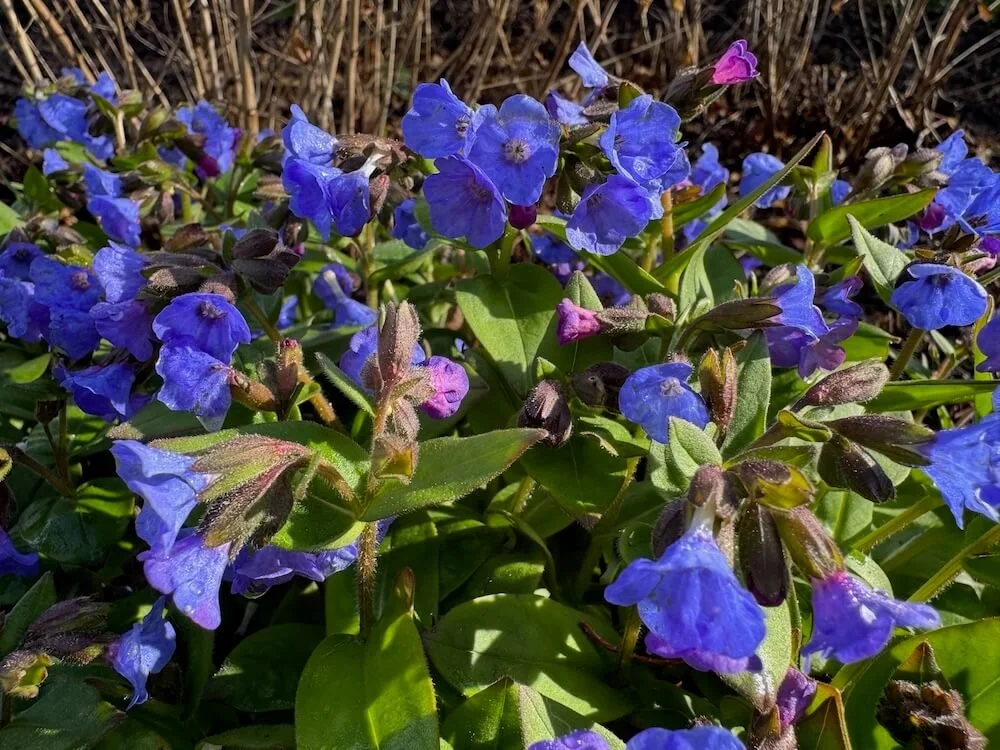
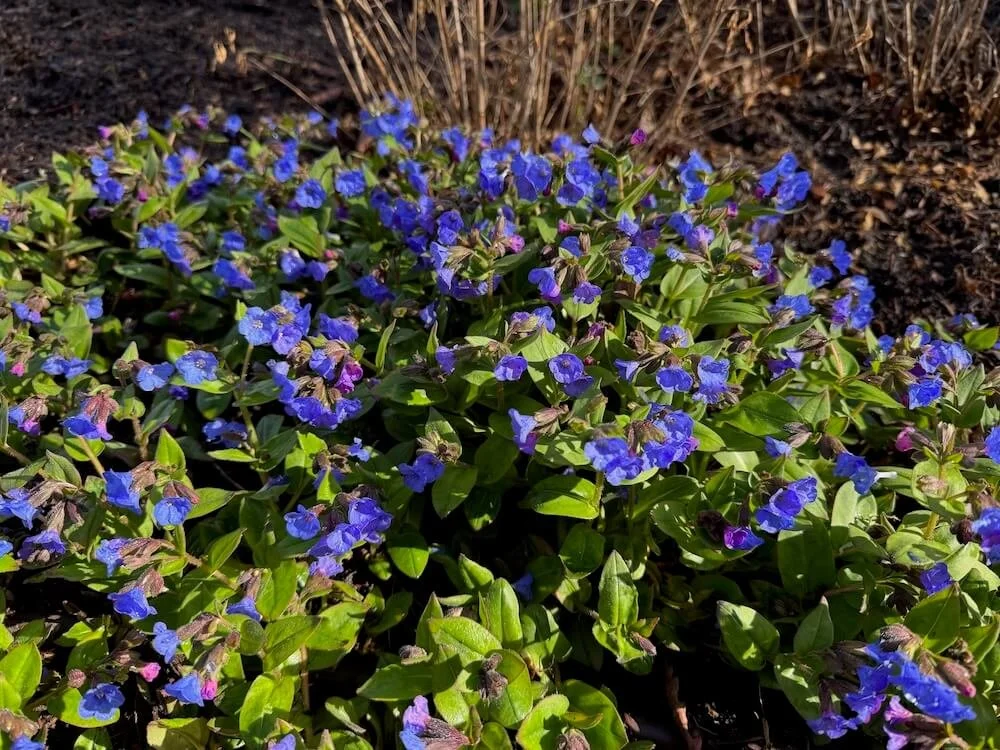
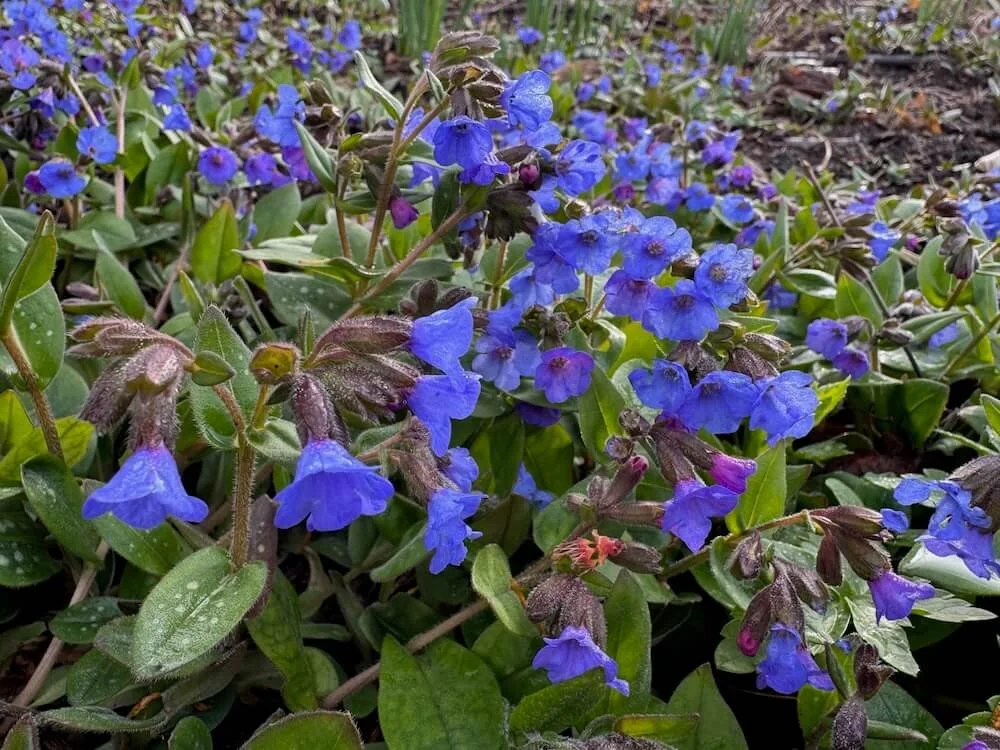
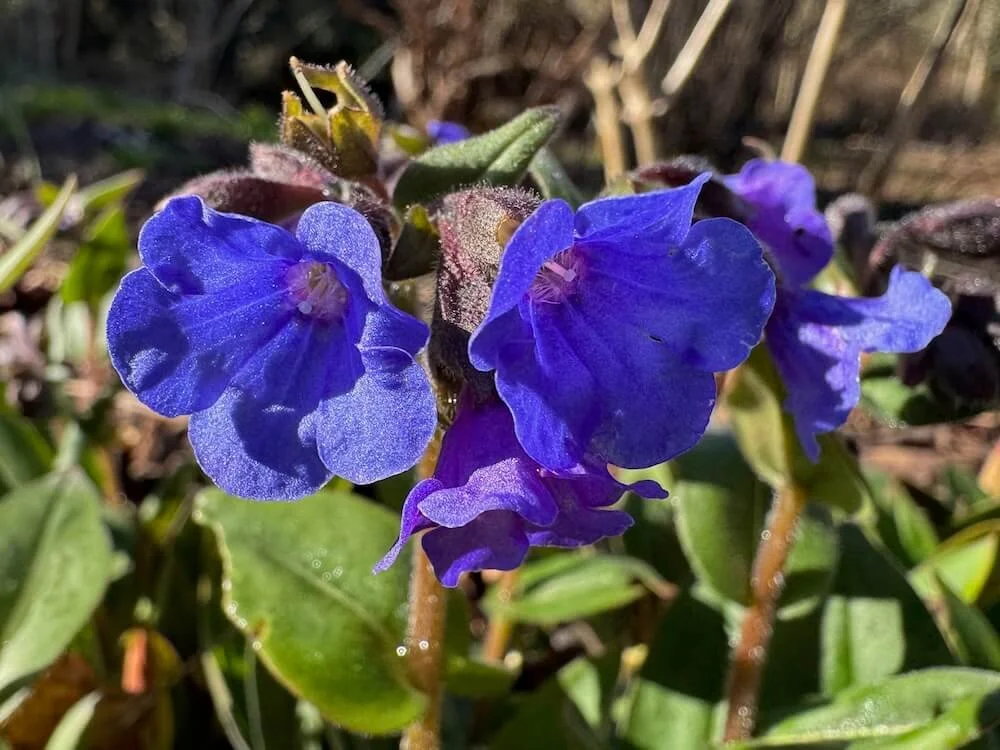
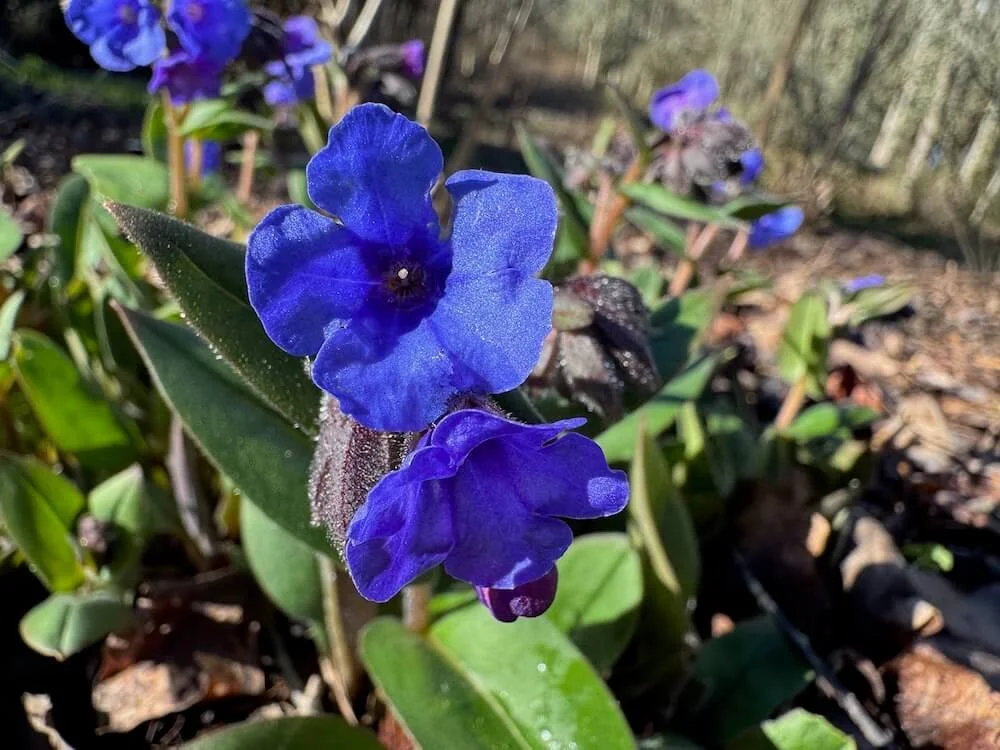
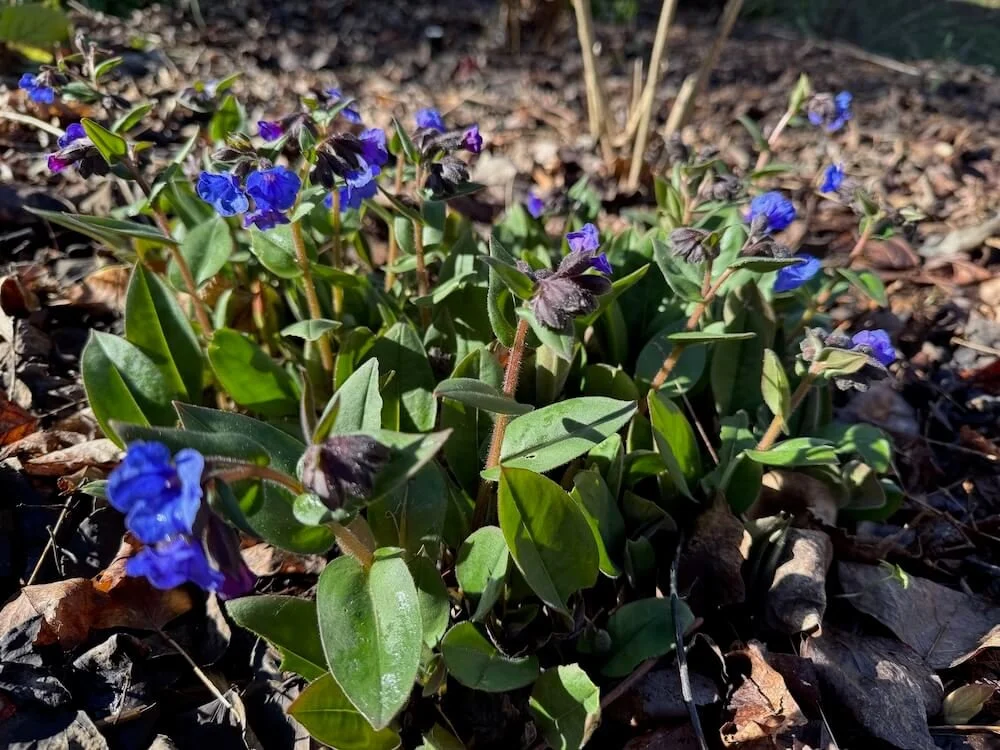
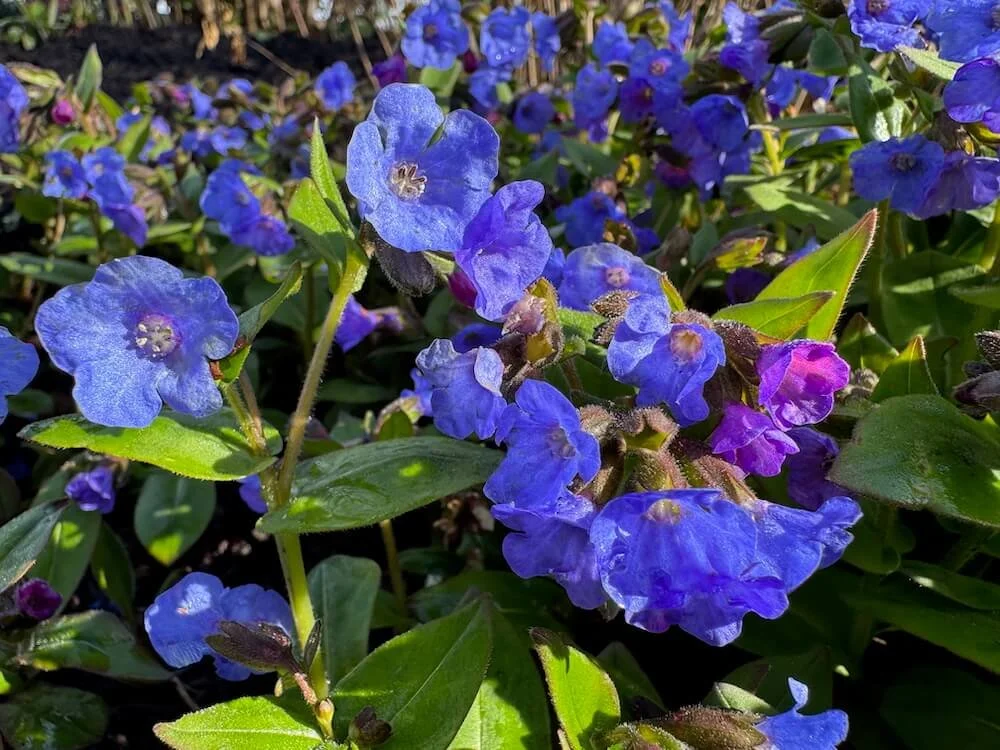
Pulmonaria angustifolia ‘Azurea’ bears bright blue, funnel-shaped flowers in early spring, opening from pinkish buds and held just above neat clumps of narrow, lance-shaped foliage. The leaves are deep green, softly textured, and notably unspotted, creating a clean backdrop for the changing flower tones as the season progresses. Blooming begins as winter fades, providing early color when few other perennials are active.

Originating from central and eastern Europe, this cultivar is valued for its dependable spring display and refined foliage. It fits naturally along woodland paths, shaded borders, and under deciduous shrubs, where flowers attract early pollinators and foliage remains tidy long after bloom.

DESCRIPTION
Pulmonaria angustifolia ‘Azurea’ bears bright blue, funnel-shaped flowers in early spring, opening from pinkish buds and held just above neat clumps of narrow, lance-shaped foliage. The leaves are deep green, softly textured, and notably unspotted, creating a clean backdrop for the changing flower tones as the season progresses. Blooming begins as winter fades, providing early color when few other perennials are active.

Originating from central and eastern Europe, this cultivar is valued for its dependable spring display and refined foliage. It fits naturally along woodland paths, shaded borders, and under deciduous shrubs, where flowers attract early pollinators and foliage remains tidy long after bloom.

 
  • Family: Boraginaceae
    Height: 10 to 14 in
    Width: 12 to 18 in
    Foliage color: Narrow, lance-shaped leaves in medium to deep green, typically without silver spotting
    Flower color: Intense cobalt blue; buds often open from pinkish or purplish tones before turning clear blue
    Bloom time: Early to mid spring
    Light requirements: Partial shade to full shade
    Water requirements: Moderate
    Maintenance: Low; remove spent flower stems after bloom to tidy plants and encourage fresh foliage
    Growing zone: USDA zones 3 to 8
    Wildlife attractors: Bees and early-season pollinators

    This plant can be seen at the Bellevue Botanical Garden.
    Print Information

    Buy Plants