Salvia dorrii | Desert Sage

$0.00

DESCRIPTION
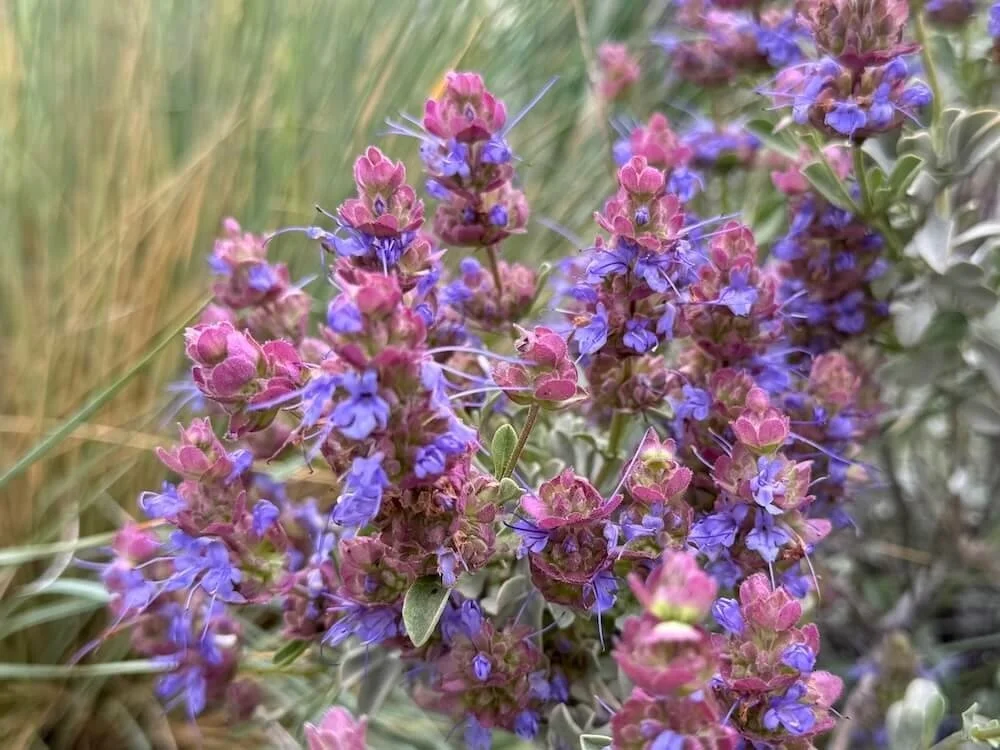
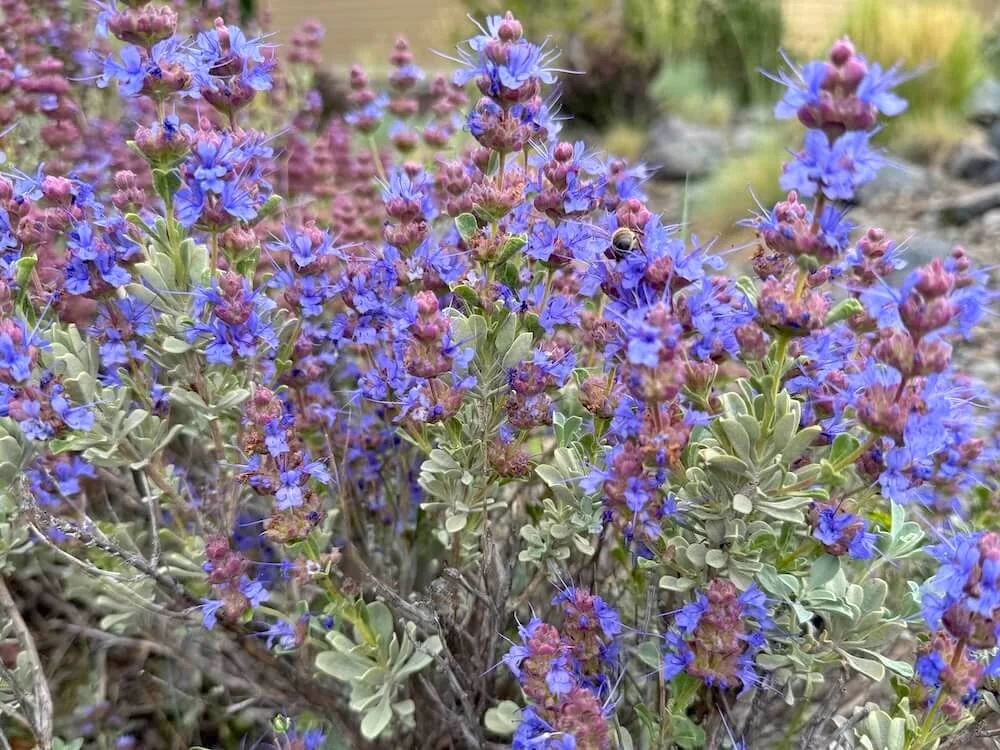
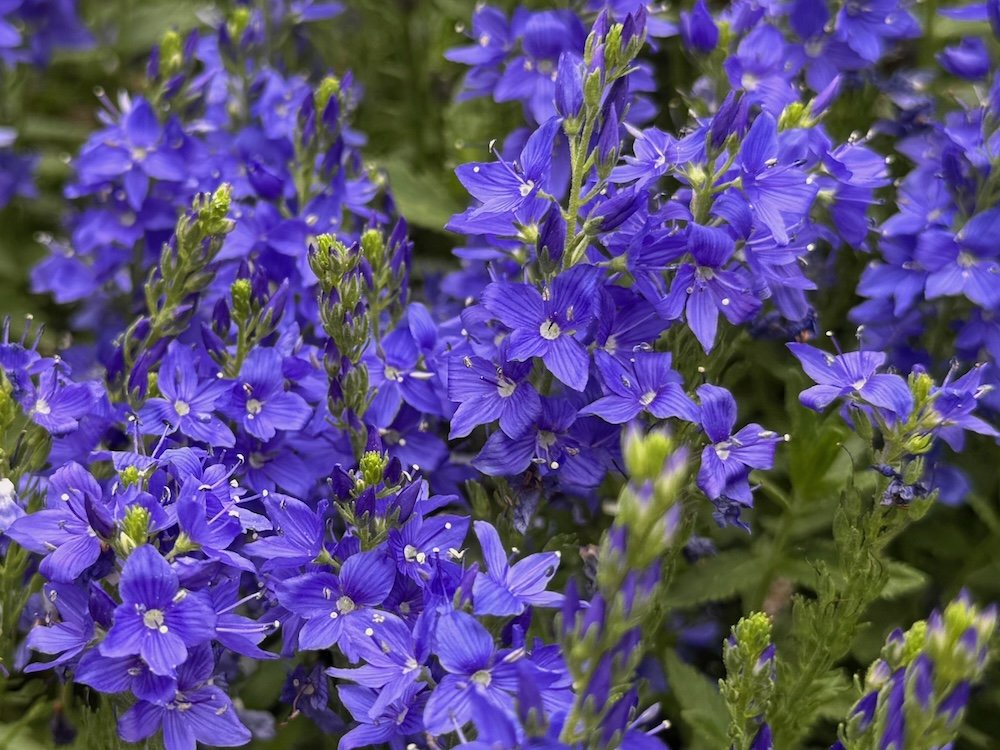
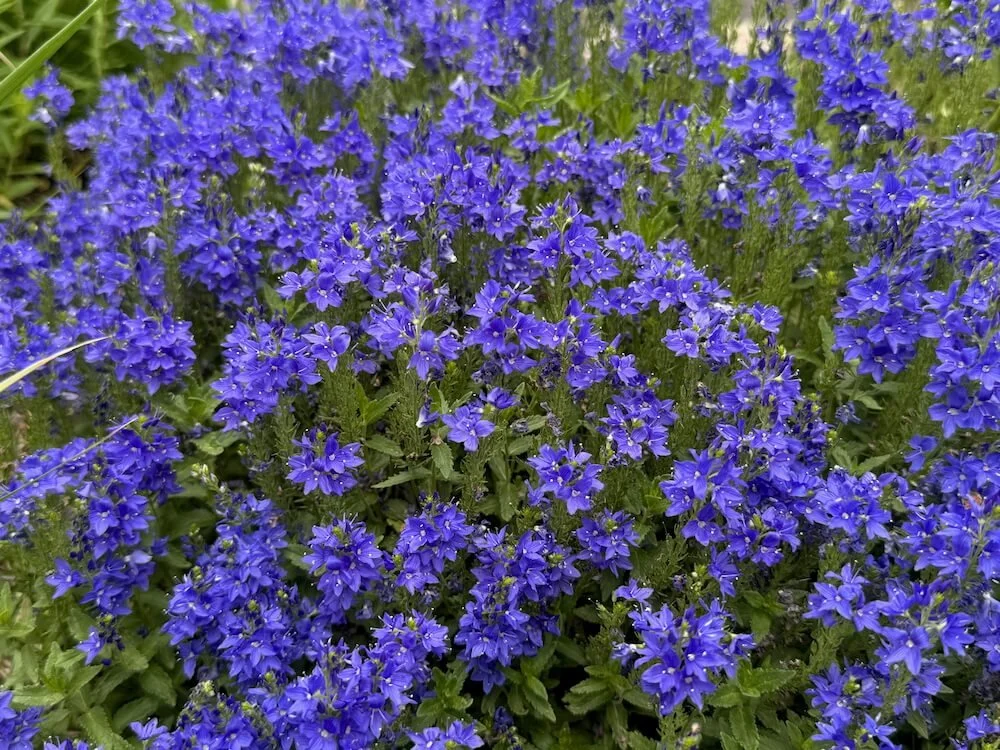
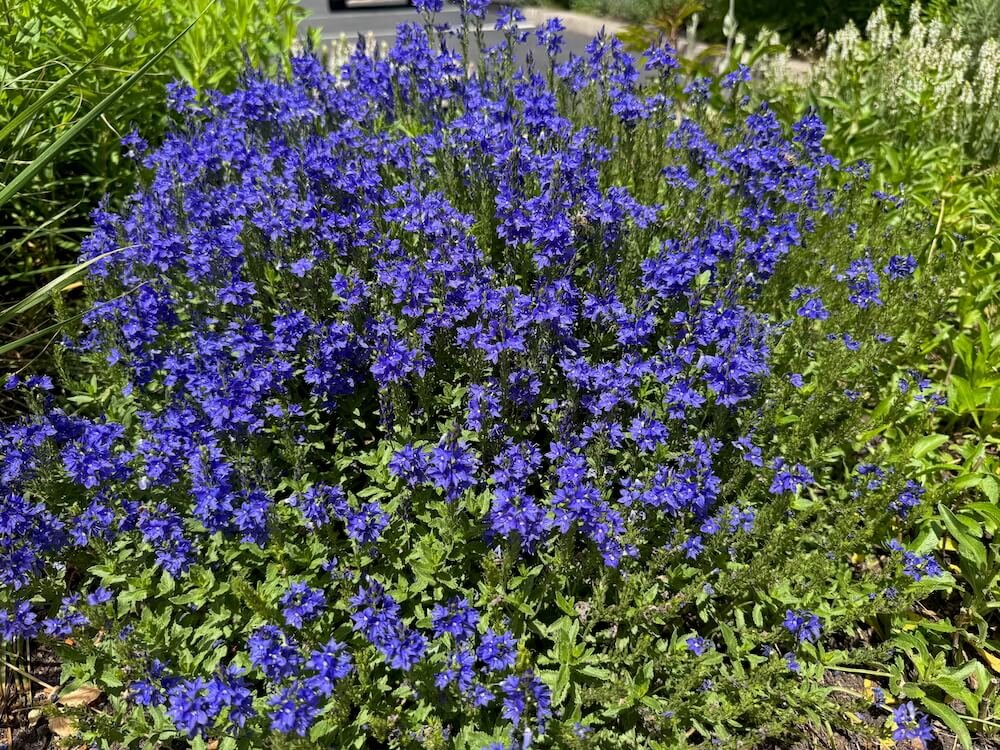
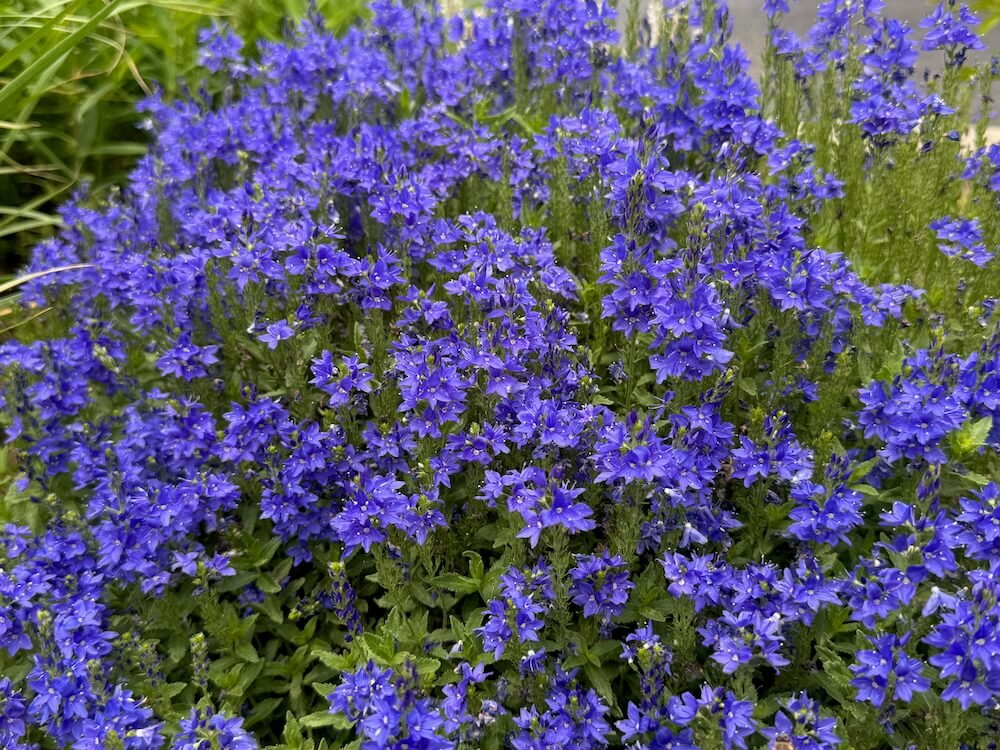
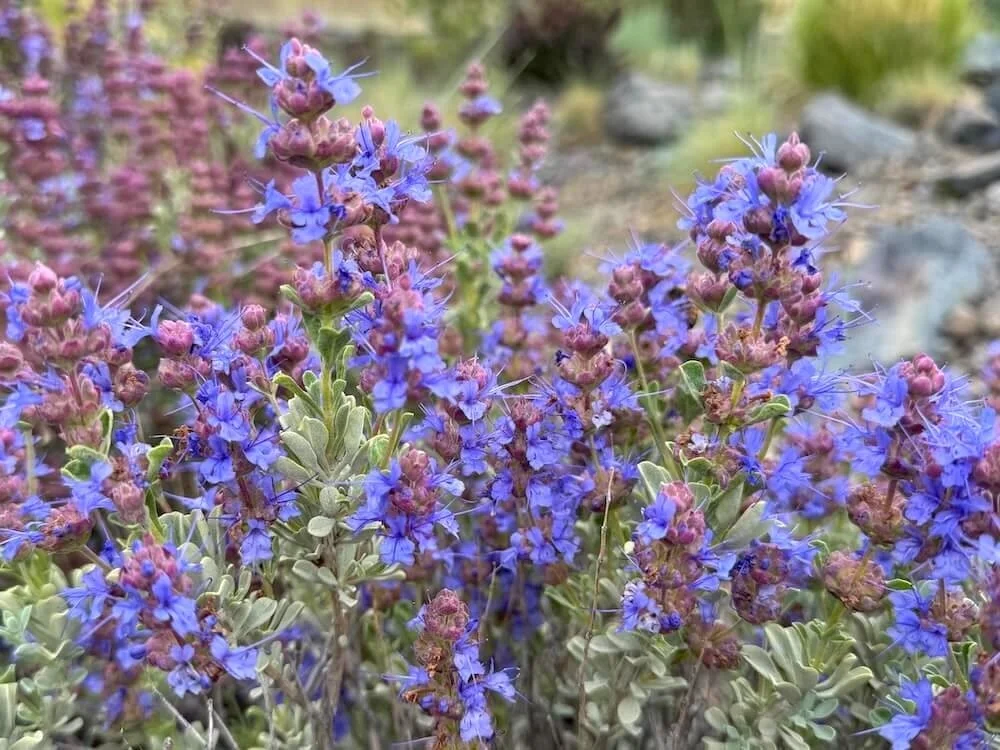
Salvia dorrii produces whorls of violet-blue flowers surrounded by mauve-pink bracts in late spring to early summer, attracting bees, butterflies, and other pollinators. Narrow, aromatic leaves are silvery gray and softly textured, forming a dense mound. The foliage releases a distinctive herbal fragrance when brushed, while the flowers are carried on upright stems above the leaves, adding color and structure during bloom.

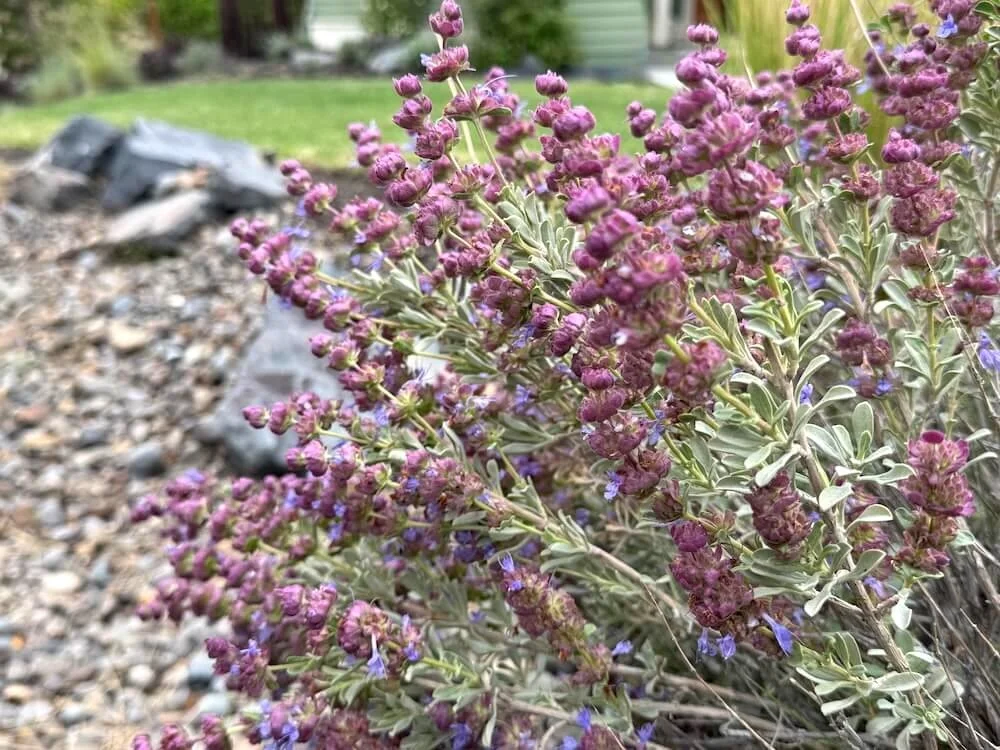
Native to the arid regions of the western United States, this species is adapted to open landscapes and rocky terrain. It is well suited to gravel gardens, naturalistic plantings, and dry borders, where its silvery foliage, fragrant leaves, and colorful flowers contribute texture and seasonal character.

DESCRIPTION
Salvia dorrii produces whorls of violet-blue flowers surrounded by mauve-pink bracts in late spring to early summer, attracting bees, butterflies, and other pollinators. Narrow, aromatic leaves are silvery gray and softly textured, forming a dense mound. The foliage releases a distinctive herbal fragrance when brushed, while the flowers are carried on upright stems above the leaves, adding color and structure during bloom.

Native to the arid regions of the western United States, this species is adapted to open landscapes and rocky terrain. It is well suited to gravel gardens, naturalistic plantings, and dry borders, where its silvery foliage, fragrant leaves, and colorful flowers contribute texture and seasonal character.

 
  • Family: Lamiaceae
    Height: 1 ft to 2 ft
    Width: 2 ft to 4 ft
    Foliage color: Silvery gray aromatic leaves with a narrow shape and softly textured surface
    Flower color: Deep violet blue flowers held in dense clusters above the foliage
    Bloom time: Late spring to summer
    Light requirements: Full sun
    Water requirements: Low
    Maintenance: Low; prune lightly after flowering and avoid cutting into old woody stems
    Growing zone: USDA zones 5 to 9
    Wildlife attractors: Hummingbirds, bees, butterflies and pollinators attracted to nectar rich flowers
    Print Information

    Buy Plants