PERENNIAL
SHADE GARDEN
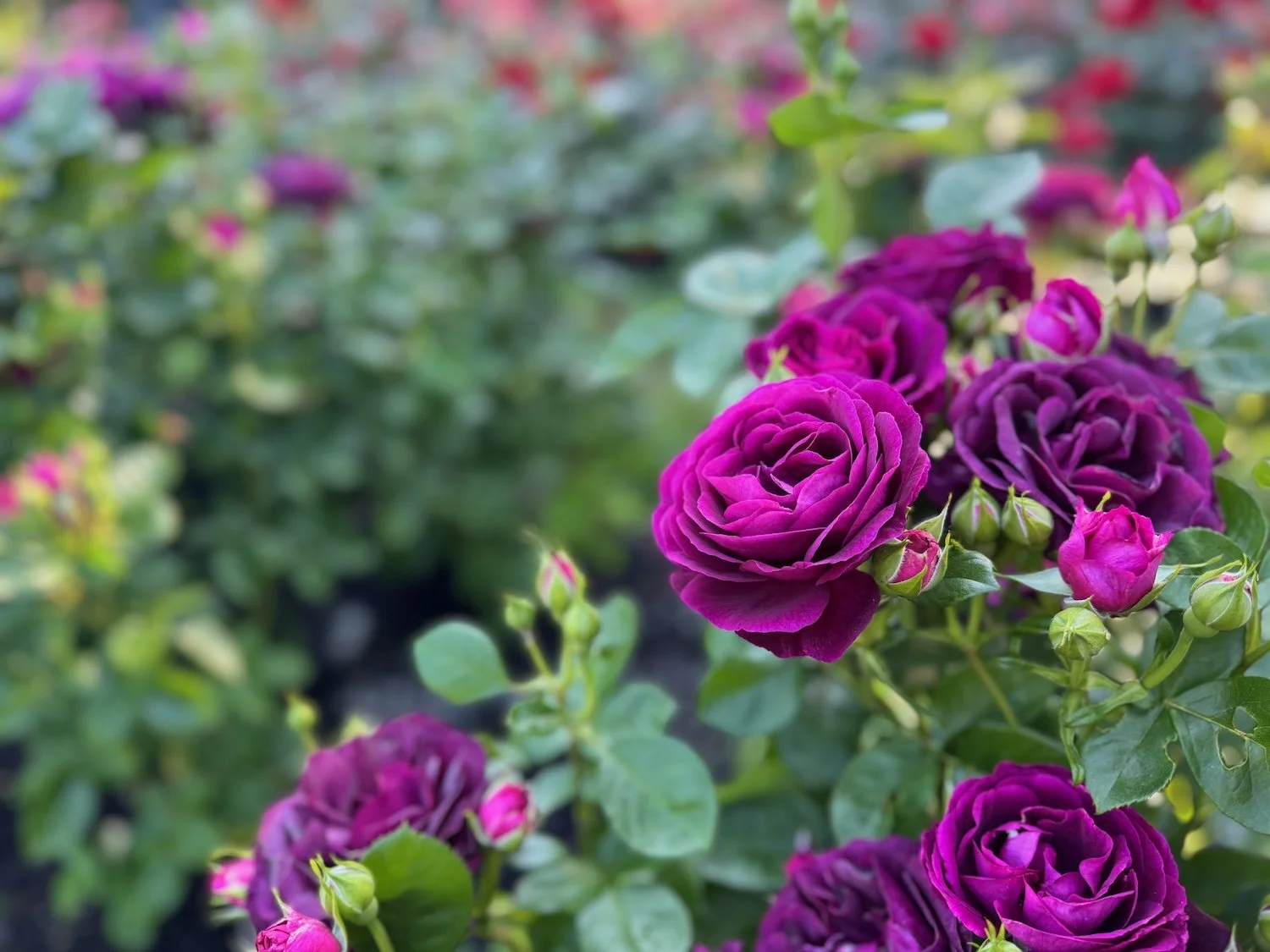
Roses bring long-lasting color, fragrance, and seasonal beauty to the garden, producing flowers in a wide range of colors, forms, and sizes from late spring through fall. Their blooms may be single, semi-double, or densely petaled, while growth habits range from compact and tidy to upright, arching, or climbing. These plants add structure to borders, pathways, and garden beds while creating a space that feels welcoming, layered, and full throughout the changing seasons, rewarding gardeners with repeat blooms and evolving displays as the season progresses.
CHOOSING THE RIGHT ROSE
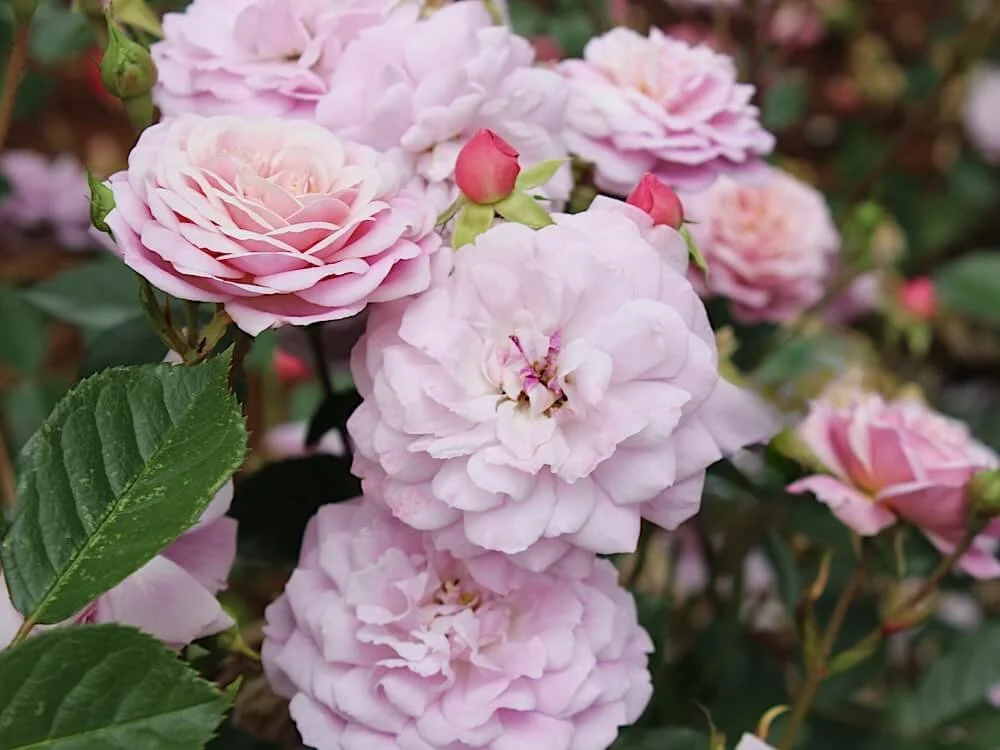
Choosing a rose often involves more than flower color alone. Growth habit, fragrance, repeat bloom, disease resistance, mature size, and intended garden use can all influence which varieties perform best in a particular setting. Understanding these characteristics can help narrow choices and create combinations that provide long seasons of color and enjoyment.
Fragrance:
Some roses are grown primarily for their perfume, producing scents ranging from citrus and spice to old rose and fruit-like notes. Placing fragrant varieties near patios, seating areas, and walkways allows their scent to be enjoyed more fully throughout the season.
Repeat flowering:
Many modern roses bloom repeatedly from late spring through fall, while others produce a single dramatic display each year. Combining repeat bloomers with longer-season companions can help maintain color throughout the garden.
Disease resistance:
Some varieties require less maintenance and show stronger resistance to common problems such as black spot and powdery mildew. Selecting healthier varieties can reduce spraying and simplify long-term care.
Growth habit:
Compact roses fit smaller gardens and containers, while larger shrub and climbing roses provide structure and vertical interest. Mature size should be considered early so plants have adequate space over time.
Garden purpose:
Think about how the rose will be used in the landscape. Some are ideal for cutting gardens, while others excel in borders, mass plantings, hedges, containers, or as focal points.
Climate considerations:
Winter hardiness, heat tolerance, and regional performance can vary among varieties. Choosing roses adapted to local conditions often improves flowering and long-term success.
Fragrant Roses
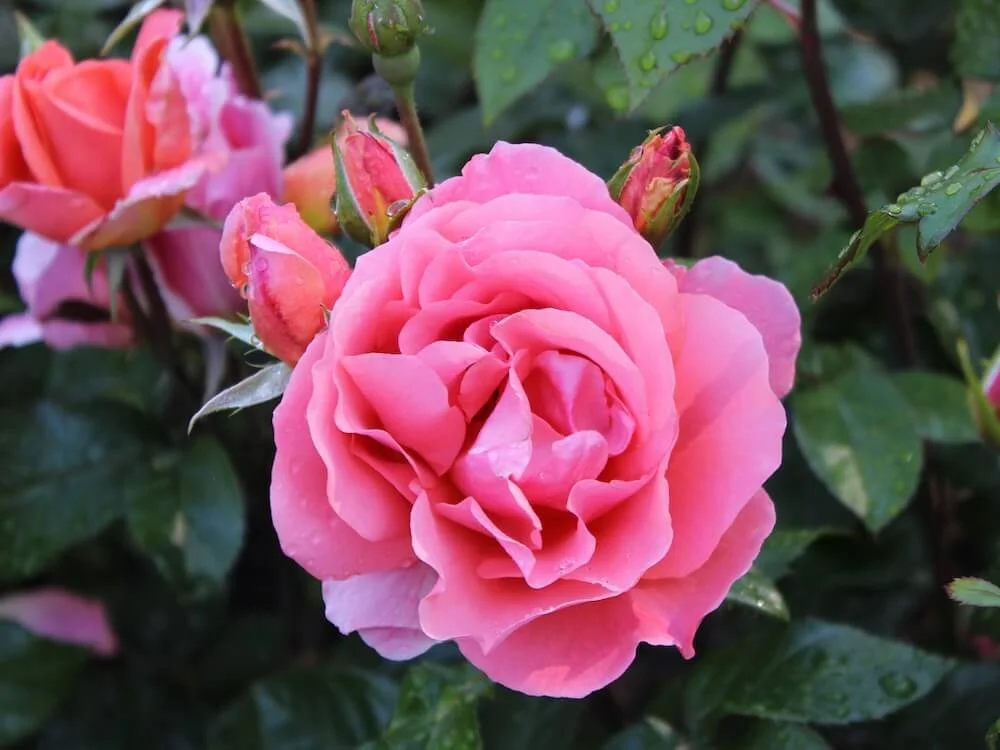
Rosa 'Sweet Fragrance'
Deciduous shrub with glossy green foliage and richly fragrant soft pink blooms. Forms a rounded bushy habit and grows 3 to 5 feet tall. Ideal for borders, cottage gardens, and cutting gardens. Zones: 5 to 9.
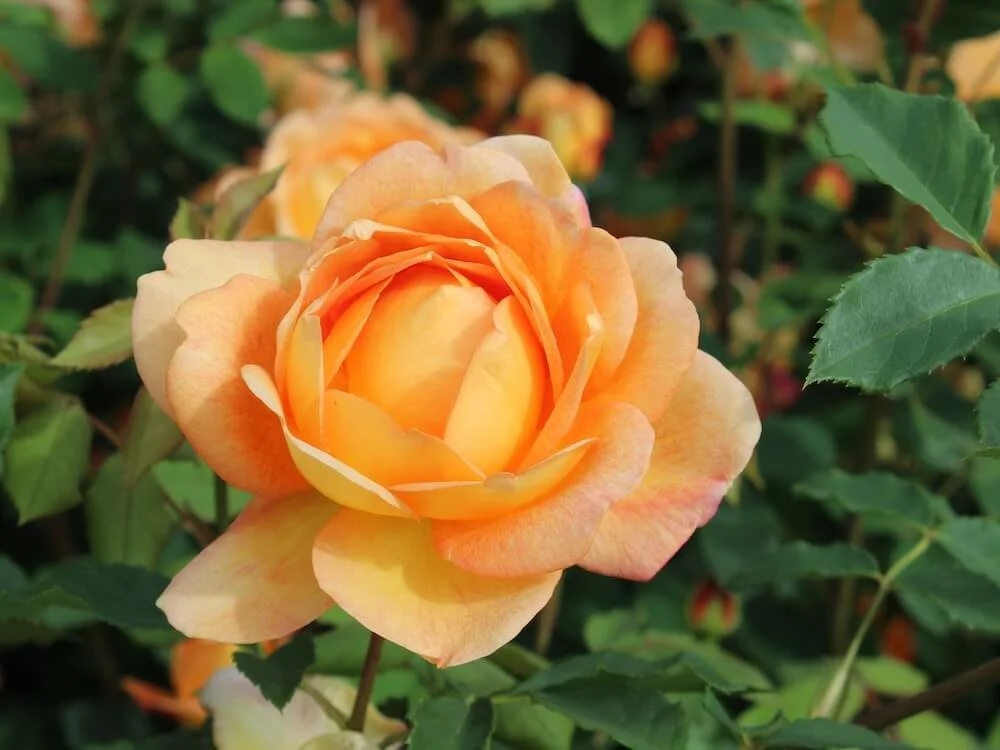
Rosa 'Lady of Shalott'
Deciduous shrub with blue green foliage and richly fragrant apricot blooms. Forms a graceful arching habit and grows 4 to 5 feet tall. Ideal for borders, cottage gardens, and mixed plantings. Zones: 5 to 9.
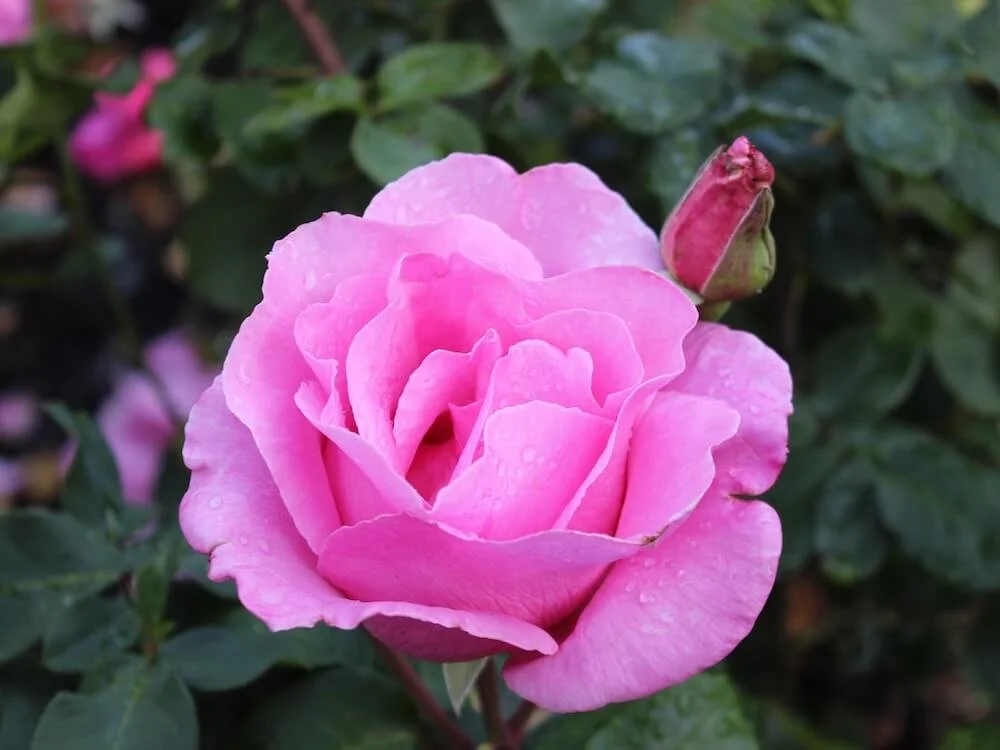
Rosa 'McCartney'
Deciduous shrub with deep green foliage and intensely fragrant rich pink blooms. Develops a full upright habit and grows 4 to 5 feet tall. Ideal for borders, cutting gardens, and cottage garden plantings. Zones: 5 to 9.
Other Notable Fragrant Roses
Rosa 'Perfume Factory': Richly fragrant lavender-purple blooms with an intense old rose scent
Rosa 'Fragrant Cloud': Large coral-red blooms producing one of the strongest fragrances
Rosa 'Honey Perfume': Clusters of apricot-yellow flowers with a sweet spicy fragrance
Rosa 'Sweetness': Elegant soft lavender blooms with a strong sweet fragrance and long stems
Rosa 'Olivia Rose Austin': Soft pink rosette flowers with a fruity fragrance; excellent repeat bloom
PLANTING & CARE OF ROSES
When to plant:
Roses can be planted in spring or fall depending on climate and growing conditions. Spring planting is often preferred in colder regions, while milder climates can successfully plant in fall when cooler temperatures allow roots to establish before summer heat arrives.
Where to plant:
Choose a site receiving at least six hours of direct sunlight daily. Morning sun is especially beneficial because it helps dry foliage early and reduce disease concerns. Good airflow around plants also promotes healthier growth and stronger flowering.
How to plant:
Prepare the planting area by loosening soil and incorporating compost or organic matter to improve structure and drainage. Dig a planting hole wide enough to comfortably spread roots and position the rose at the recommended planting depth for your region. Water thoroughly after planting and continue regular watering while roots become established.
Soil:
Roses perform best in fertile, organically rich soil with good drainage. A slightly acidic soil with a pH between about 6.0 and 6.5 is ideal, although roses tolerate a fairly wide range of conditions. Before planting, incorporating several inches of compost, aged manure, or other well-decomposed organic matter into the soil helps improve structure, moisture retention, and nutrient availability. Raised beds can be beneficial in areas with consistently poor drainage.
Heavy clay soils may benefit from generous additions of compost and other organic materials to improve soil structure and reduce compaction, while sandy soils often benefit from added organic matter to increase moisture and nutrient retention. Avoid using excessive amounts of peat moss or attempting to amend clay with large quantities of sand, which can create dense, cement-like conditions. Maintaining a 2 to 3 inch layer of organic mulch around established plants further helps conserve moisture, moderate soil temperatures, and gradually improve soil quality over time.
Spacing:
Allow adequate room between plants based on mature size. Proper spacing improves airflow, reduces disease pressure, and allows roses to maintain their natural growth habit without becoming overcrowded over time.
Watering:
Regular watering is especially important during establishment and periods of prolonged dry weather. Deep watering encourages stronger root development and greater drought resilience, while avoiding frequent shallow watering helps roots grow deeper into surrounding soil.
Fertilizing and mulching:
Roses benefit from regular feeding during the growing season to support healthy foliage, strong stems, and abundant flowering. Begin fertilizing in spring as new growth emerges using a balanced rose fertilizer or all-purpose fertilizer, such as a 10-10-10 or similar formulation, following label directions. Established plants typically benefit from applications every four to six weeks through midsummer, although slow-release fertilizers may require fewer applications. Compost, aged manure, fish emulsion, and other organic fertilizers can also provide nutrients while improving soil structure. Avoid excessive nitrogen, which can promote lush growth at the expense of flowers and may make plants more susceptible to disease.
Pruning and deadheading:
Most roses benefit from annual pruning to remove dead, damaged, or crossing branches and to encourage vigorous new growth. Major pruning is typically done in late winter or early spring, just as buds begin to swell. At that time, remove any dead wood and thin congested growth to improve air circulation, making cuts about ¼ inch above an outward-facing bud. Hybrid teas, floribundas, and grandifloras are generally pruned more heavily to promote strong flowering stems, while shrub and landscape roses often require only light shaping and the removal of older canes. Perfection is not necessary, and most roses recover well from minor pruning mistakes.
Removing spent blooms throughout the growing season helps many repeat-flowering roses direct energy into producing additional flowers and keeps plants looking tidy. Deadhead by cutting back to the first outward-facing leaf with five leaflets, although a lighter trim is usually sufficient for clusters of smaller blooms. Some gardeners choose to stop deadheading in late summer to allow colorful hips to develop and to help plants prepare for dormancy. Once established, many shrub roses and species roses require little more than occasional thinning and the removal of dead or damaged wood.
Pests and diseases:
Common issues include aphids, black spot, powdery mildew, and spider mites. Proper spacing, healthy soil, good airflow, and regular observation help prevent many problems before they become severe.
Winter protection:
In colder climates, some roses benefit from additional winter protection. Mulch and sheltered planting locations can help reduce winter damage and improve long-term performance.
Unusual & Distinctive Roses
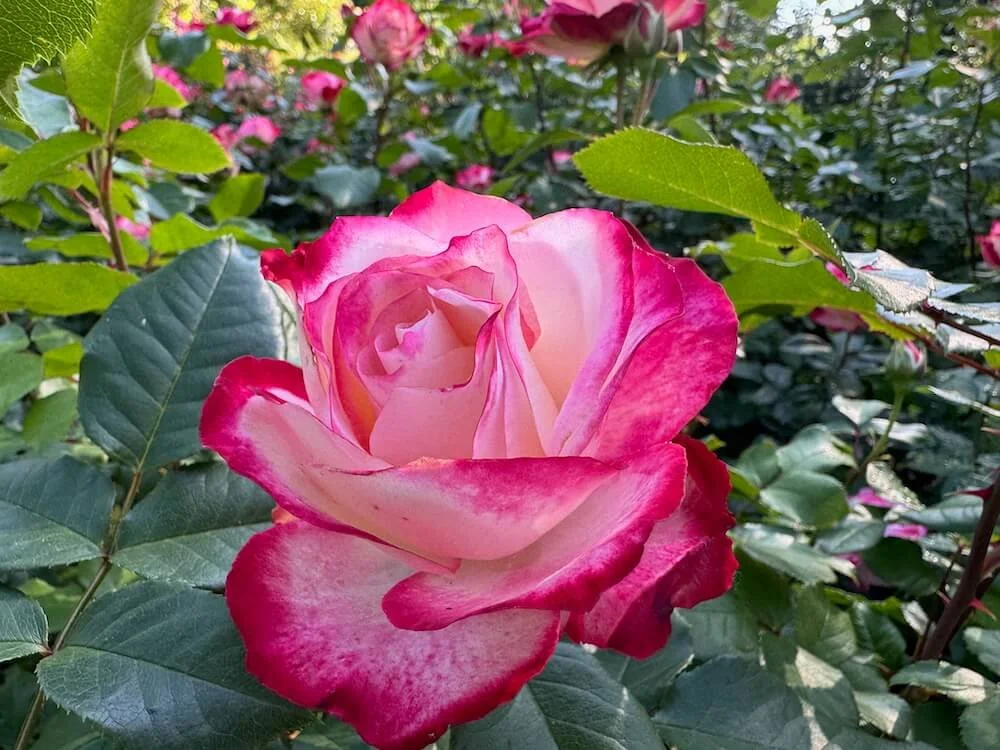
Rosa 'Cherry Parfait'
Deciduous shrub with glossy green foliage and creamy white blooms edged in cherry red adding bold two toned color. Forms a rounded bushy habit and grows 3 to 4 feet tall. Ideal for borders, cottage gardens, and cutting gardens. Zones: 4 to 9.

Rosa 'Peach Swirl'
Deciduous shrub with green foliage and richly blended yellow, apricot, and coral pink blooms creating a painted multicolored effect. Develops a rounded upright habit and grows 4 to 5 feet tall. Ideal for borders, and cutting gardens. Zones: 5 to 9.
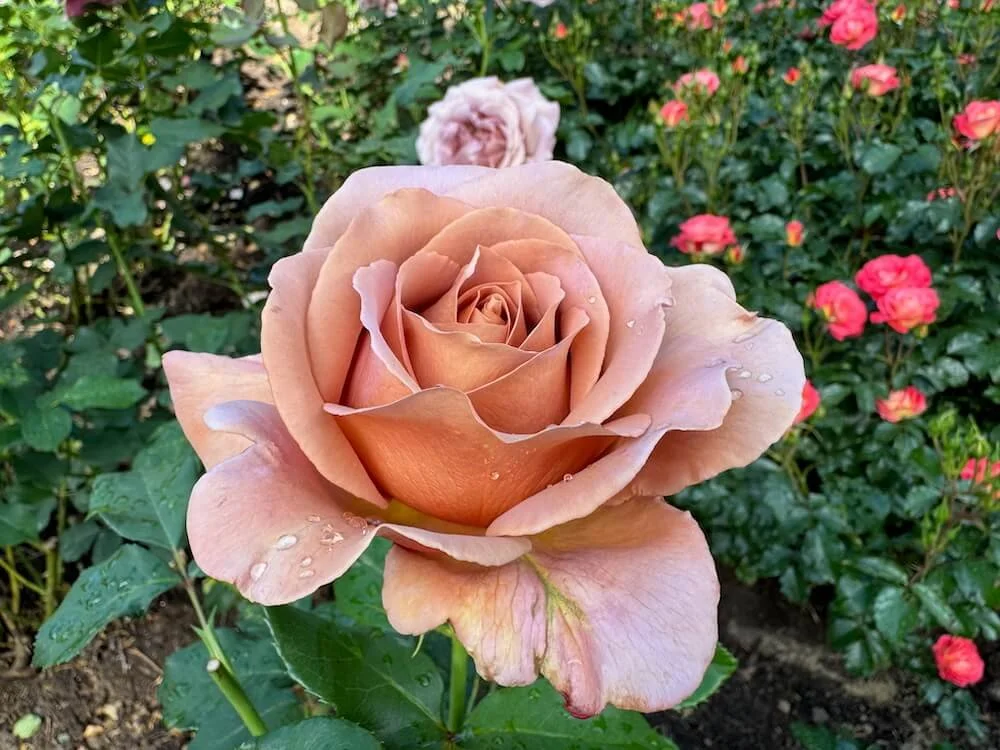
Rosa 'Koko Loko'
Deciduous shrub with smoky lavender beige blooms washed with mocha tones creating unusual antique color. Forms a rounded bushy habit and grows 3 to 4 feet tall. Ideal for borders, cottage gardens, and cutting garden plantings. Zones: 4 to 9.
Other Notable Unusual & Distinctive Roses
Rosa 'Scentimental': Fragrant red and cream striped blooms with dramatic peppermint-like patterning
Rosa 'Marc Chagall': Painterly pink and cream striped blooms with soft fragrance
Rosa 'Dick Clark': Velvety red flowers brushed with creamy white reverse petals
Rosa 'Twilight Zone': Large velvety deep purple blooms with a strong clove and citrus fragrance
Rosa 'Maurice Utrillo': Bold red, yellow, and white striped flowers with a painterly appearance
DESIGNING WITH ROSES
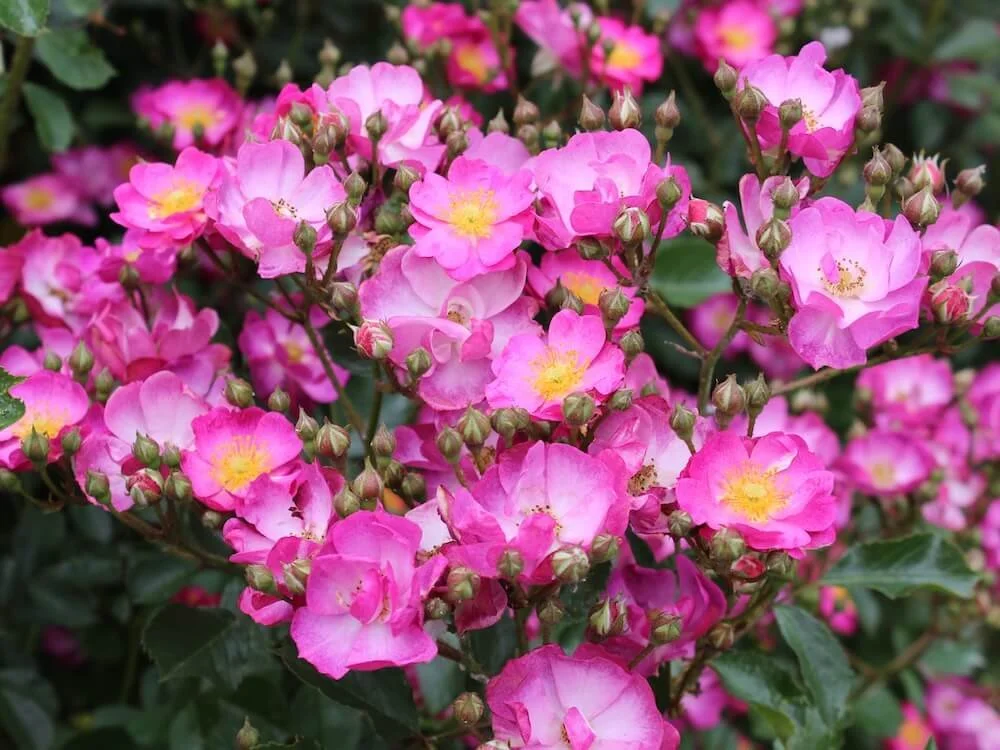
Roses can serve many roles in the landscape beyond traditional rose gardens, ranging from formal focal points and cutting gardens to informal cottage plantings and containers. Their wide range of sizes, habits, and flowering styles allows them to be incorporated into nearly every garden design while providing long seasons of color, fragrance, and structure.
Foundation plantings:
Compact and shrub roses can soften architectural lines around homes while adding repeat flowering and seasonal color. Disease-resistant varieties often work especially well where low maintenance is desired.
Cottage gardens:
English roses and old-fashioned forms blend naturally with peonies, salvias, foxgloves, and other traditional perennials. Their softer flower forms create a layered and relaxed garden style.
Cut flower gardens:
Hybrid tea and grandiflora roses produce long stems and large blooms well suited for arrangements. Planting several varieties with staggered flowering times can extend the cutting season.
Climbing structures:
Climbing roses bring height and seasonal interest to arches, fences, pergolas, and walls. Vertical growth also helps maximize planting space in smaller gardens.
Containers and patios:
Compact roses allow color and fragrance to be enjoyed close to seating areas and outdoor living spaces. Containers also create flexibility where garden space is limited.
Mixed borders:
Roses pair well with ornamental grasses, perennials, and shrubs that provide contrast in texture and seasonality. Companion plants can soften bare stems and create more layered plantings.
Wildlife-friendly gardens:
Single and semi-double roses provide pollen and nectar for bees and other pollinators, while rose hips can provide seasonal interest and food for birds.
Classic Garden Roses
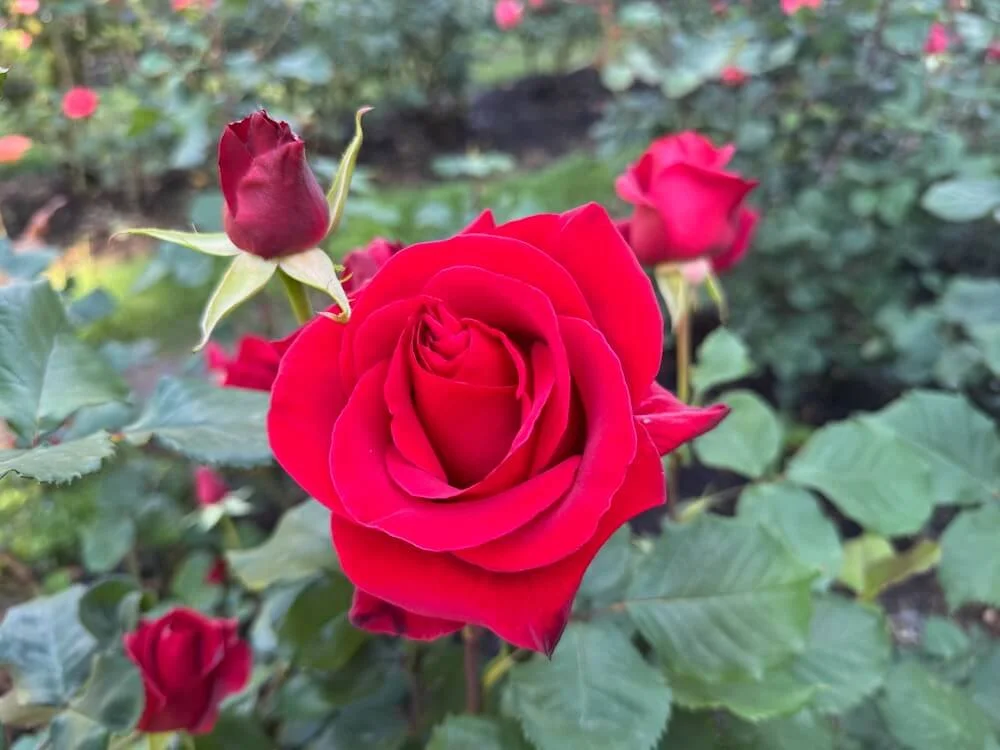
Rosa 'Veterans' Honor
Deciduous shrub with velvety deep red blooms creating rich classic color throughout the season. Develops a tall upright habit and grows 4 to 6 feet tall. Ideal for borders, cutting gardens, and formal rose plantings. Zones: 5 to 10.
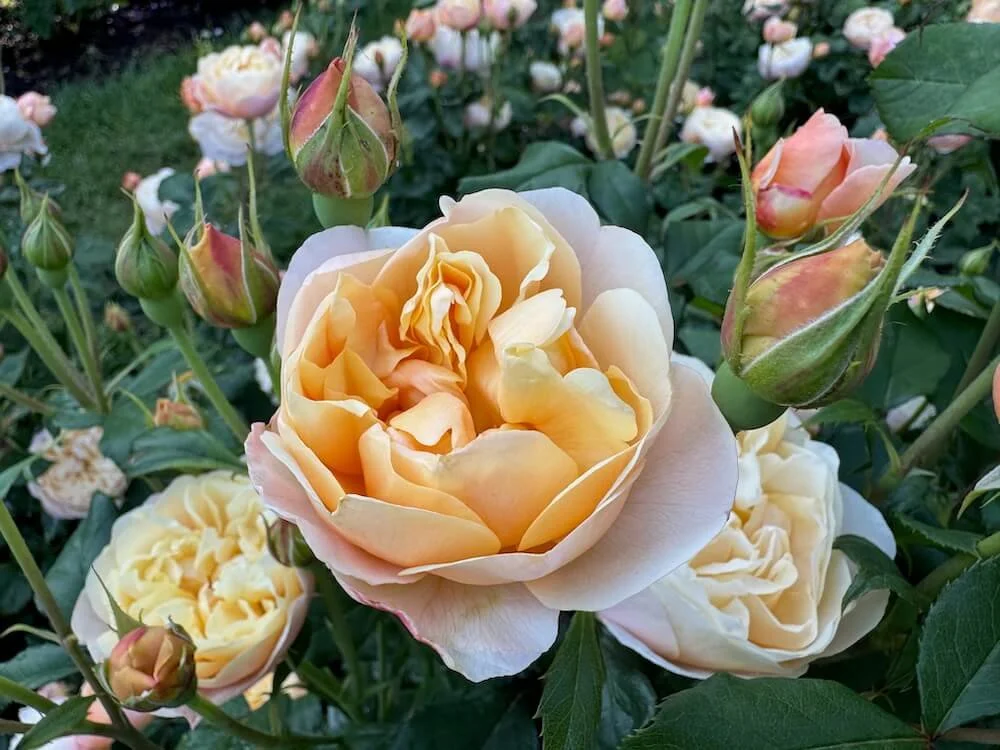
Rosa 'Roald Dahl'
Deciduous shrub with fresh green foliage and soft apricot peach blooms fading to lighter tones. Forms a rounded bushy habit and grows 4 to 5 feet tall. Ideal for borders, cottage gardens, and mixed plantings. Zones: 5 to 11.

Rosa 'Boscobel'
Deciduous shrub with blue green foliage and richly petaled rosy pink blooms creating luminous color. Forms a full upright habit and grows 4 to 5 feet tall. Ideal for borders, cutting gardens, and cottage garden plantings. Zones: 5 to 11.
Other Notable Classic Garden Roses
Rosa 'Queen Elizabeth': Elegant tall growth with abundant soft pink blooms
Rosa 'Mr. Lincoln': Large deep red flowers with rich fragrance and classic hybrid tea form
Rosa 'Iceberg': Masses of clean white flowers produced continuously
Rosa 'Eden': Romantic old-fashioned flowers with soft pink centers and climbing growth
Rosa 'Golden Celebration': Large deeply cupped golden flowers with strong fragrance
GARDEN TOURS • OREGON

Peninsula Park
Rose Garden
The Peninsula Park Rose Garden features thousands of roses in formal beds surrounding a sunken garden, with tree-lined paths, classical design, and a setting within one of Portland’s oldest city parks, offering seasonal color, fragrance, historic charm, and a peaceful atmosphere for visitors.
Types of Roses
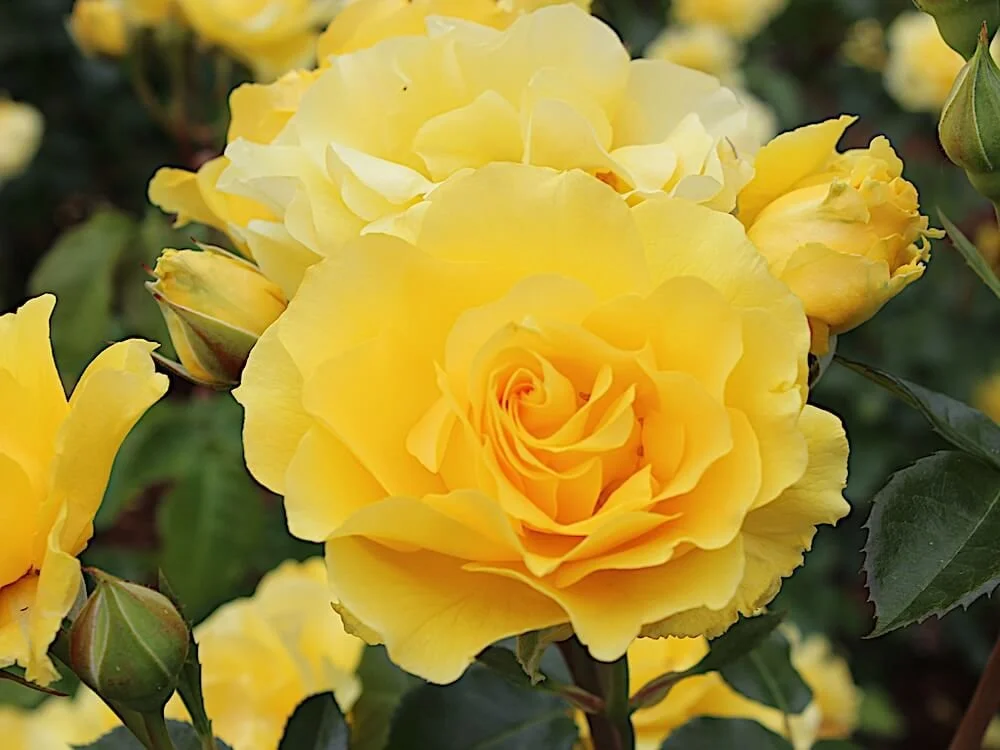
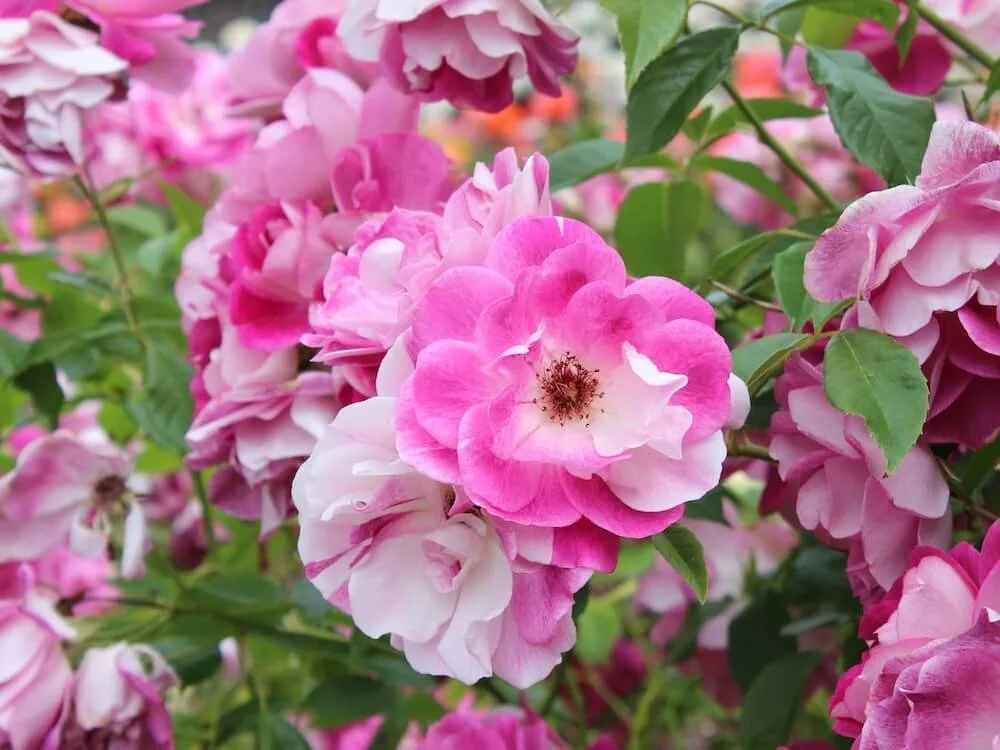
Roses display an extraordinary range of flower forms, each defined by its shape, petal arrangement, and overall presence. From simple, open blooms to richly layered, full blossoms, these forms create distinct looks and moods in the garden. This diversity allows roses to complement many landscape styles, adding elegance, softness, or dramatic focal points while enhancing borders, mixed plantings, and floral arrangements.