
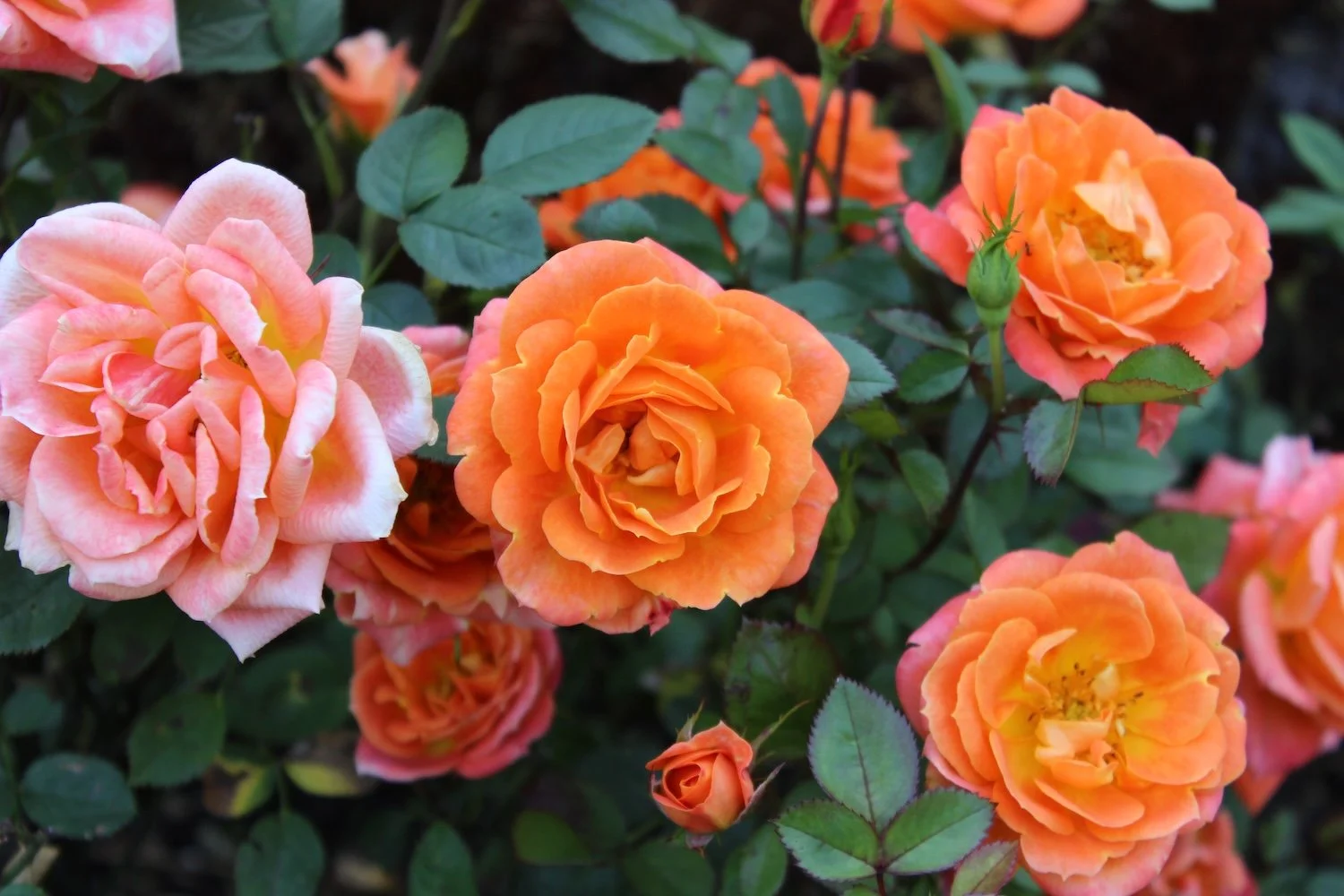
ROSE
FLOWER FORMS
Roses come in many types, each developed to emphasize qualities like bloom style, growth habit, fragrance, or ease of care. Breeders have produced roses for nearly every garden setting—from elegant, long-stemmed varieties for cutting to compact plants for containers or groundcover. Learning the major rose types helps gardeners choose plants that suit their landscape and goals, whether filling borders with color, training canes along an arch, or enjoying old-fashioned blossoms.
-
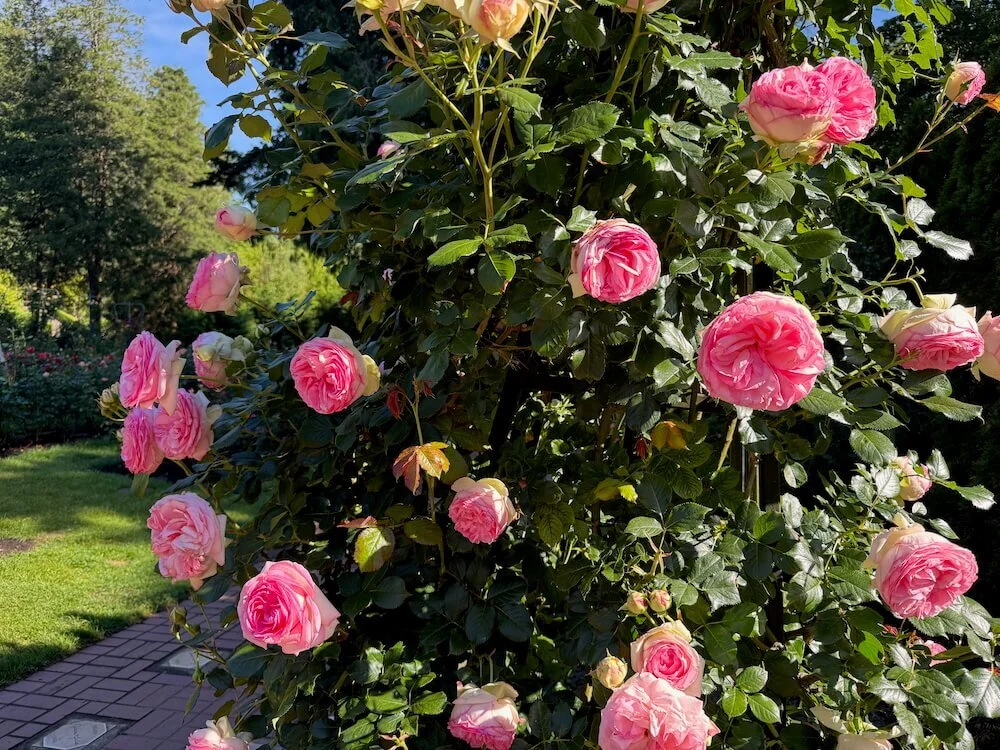
Climbing
Long canes that can be trained on supports, producing abundant flowers along tied or arched stems.
-

Floribunda
Clusters of medium-sized blooms that flower continuously, offering color throughout the season.
-
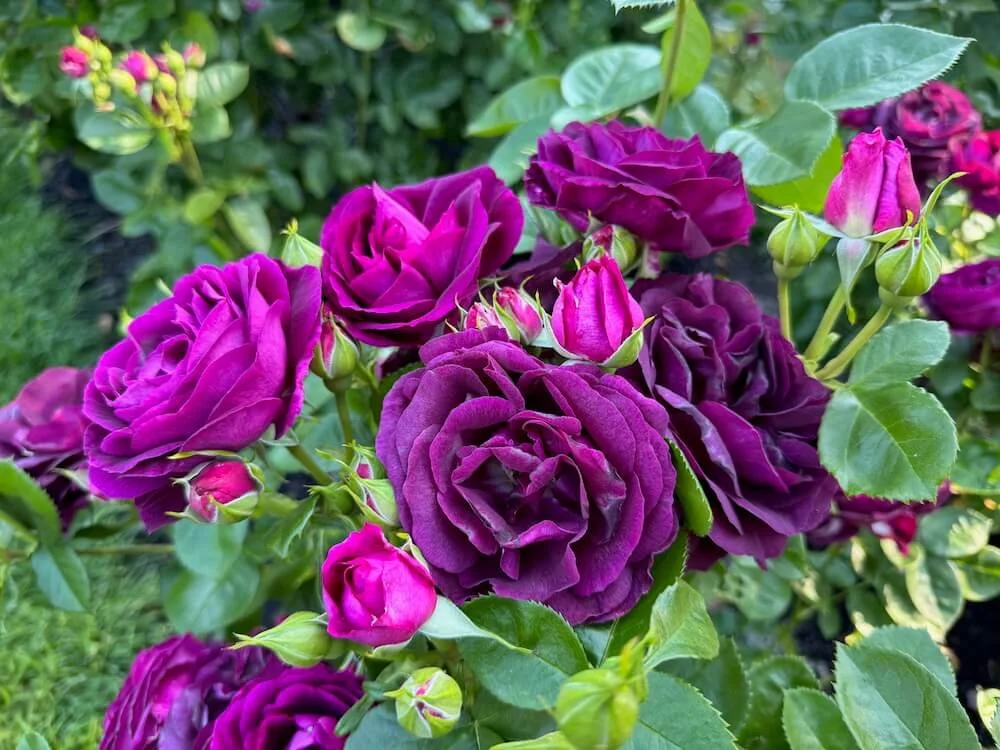
Grandiflora
Tall plants that combine hybrid tea bloom form with floribunda-style clusters for garden display and cutting.
-
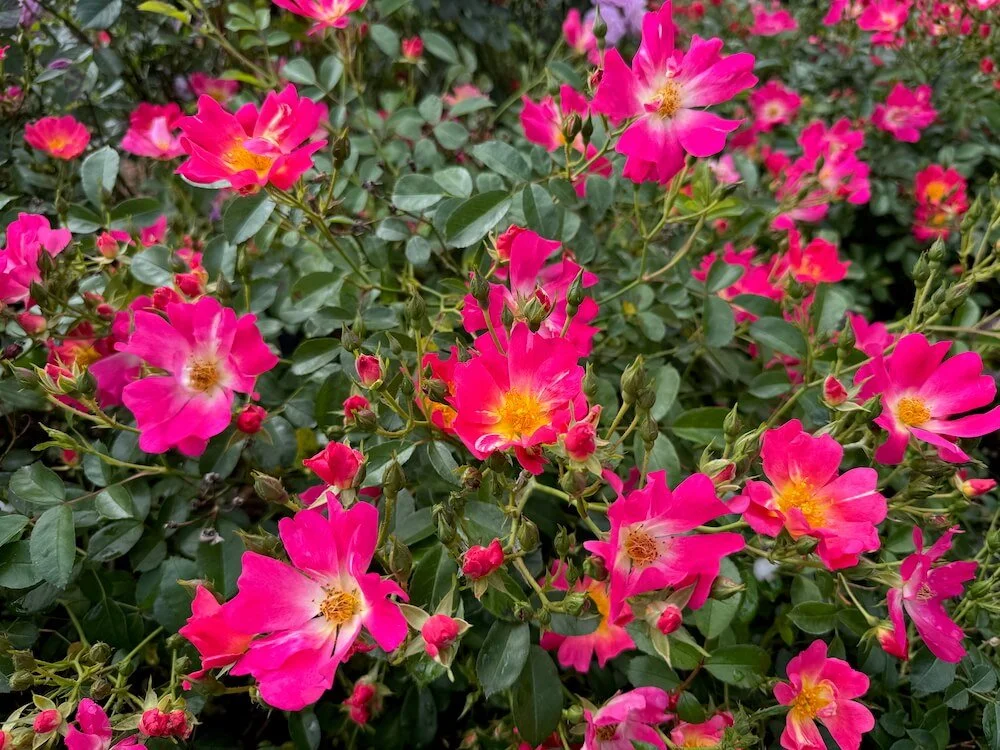
Groundcover
Low, spreading roses that create colorful carpets of blooms across slopes, borders, or open areas.
-
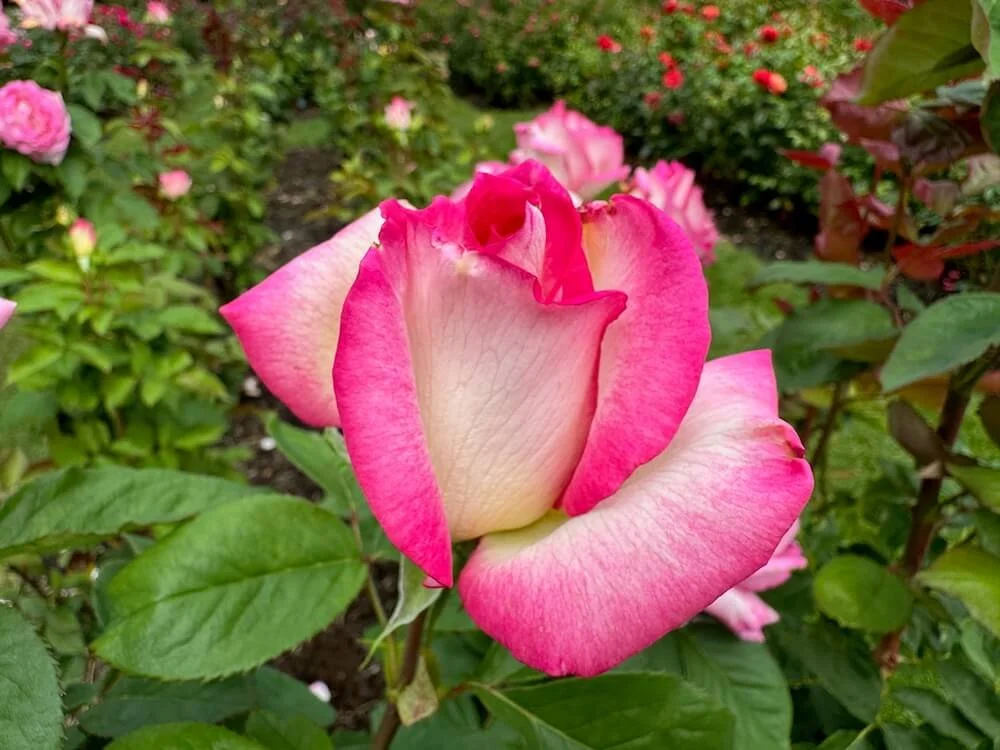
Hybrid Tea
Large, high-centered blooms borne mostly one per stem, prized as the classic cut-flower rose.
-
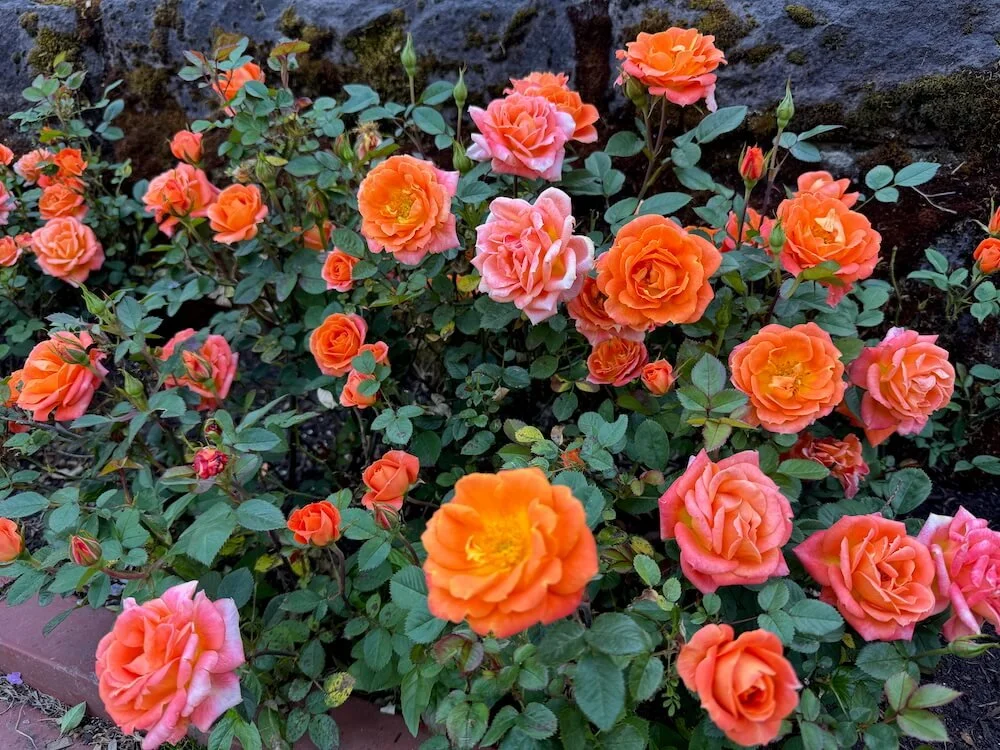
Miniature
Compact roses with small-scale leaves and blooms, perfect for containers and edging.
-
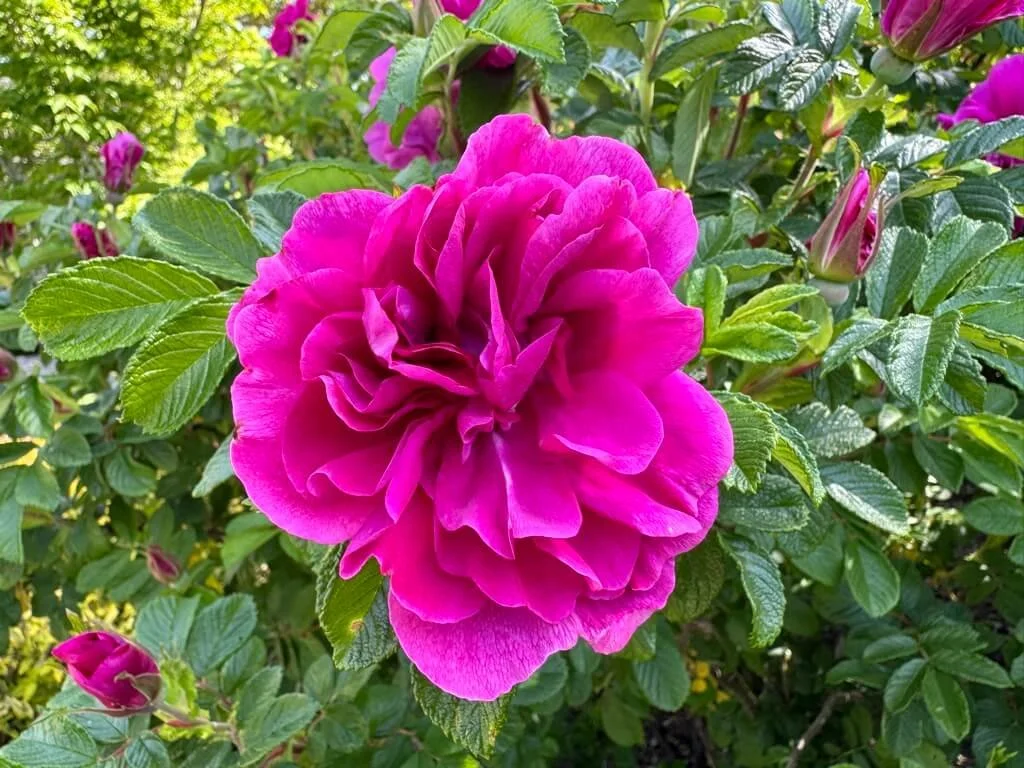
Rugosa
Hardy, fragrant roses with wrinkled foliage, pest resistance, and showy hips after flowering.
-
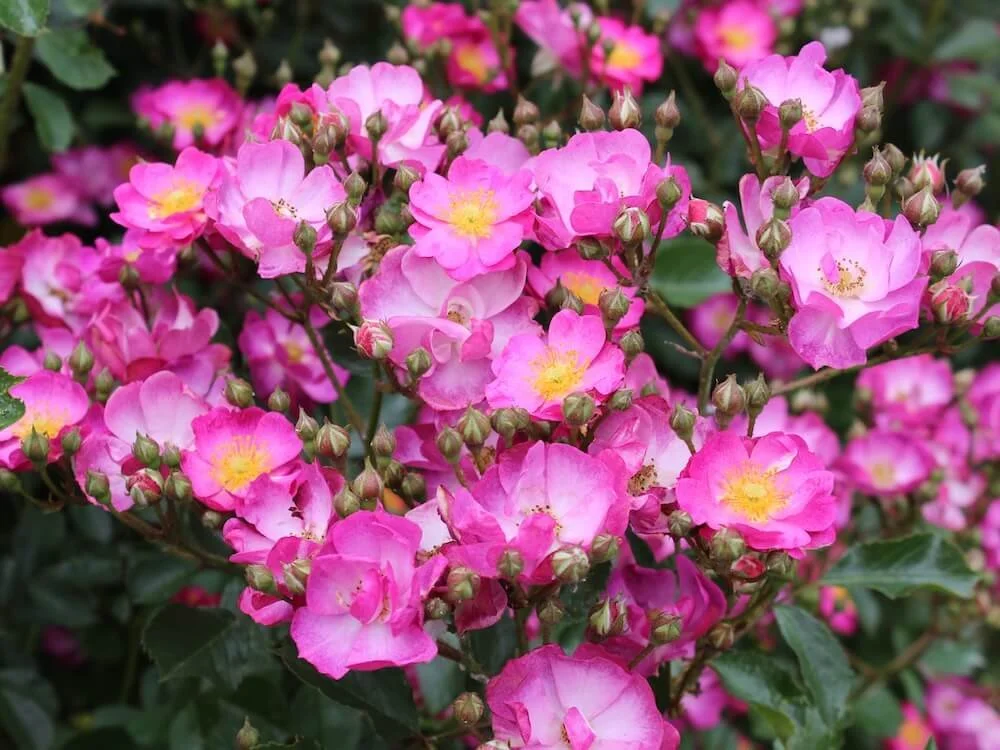
Shrub
Bushy, free-flowering roses with a wide range of sizes and forms, often including modern English roses.