Callistemon 'Woodlander's Hardy Red' | Woodlander's Hardy Red Bottlebrush

$0.00

DESCRIPTION
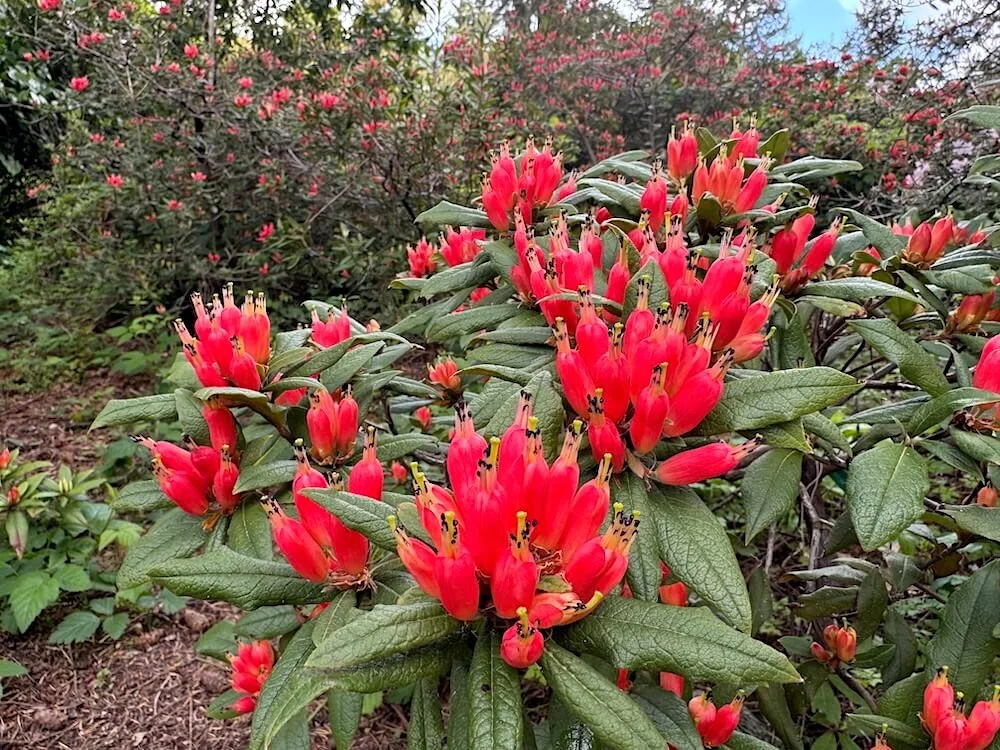
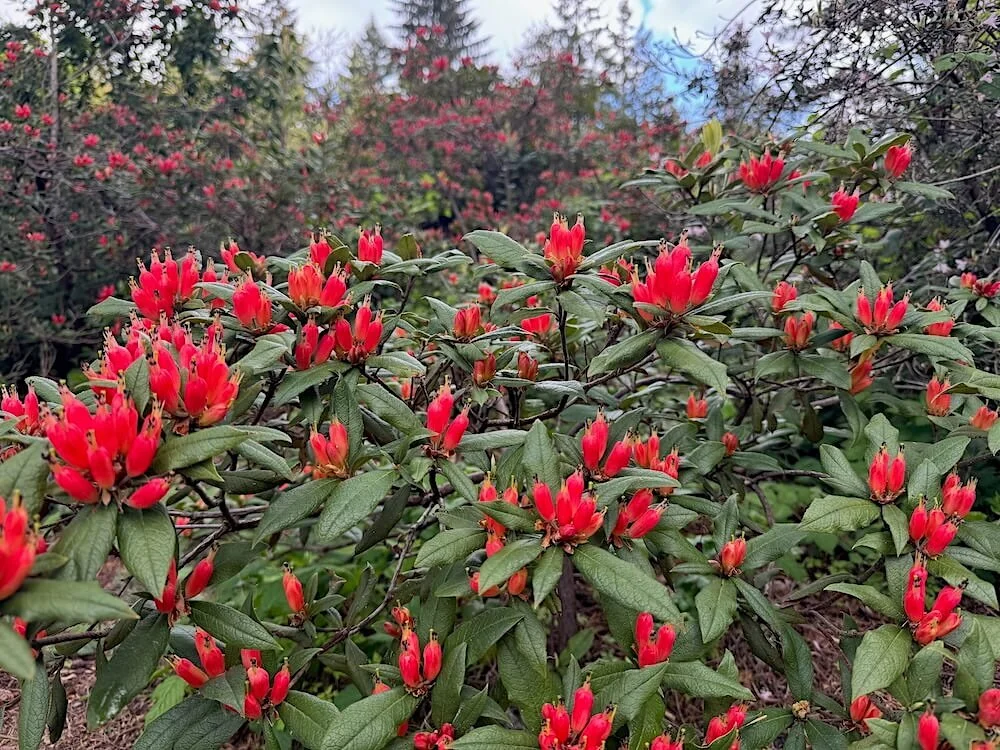
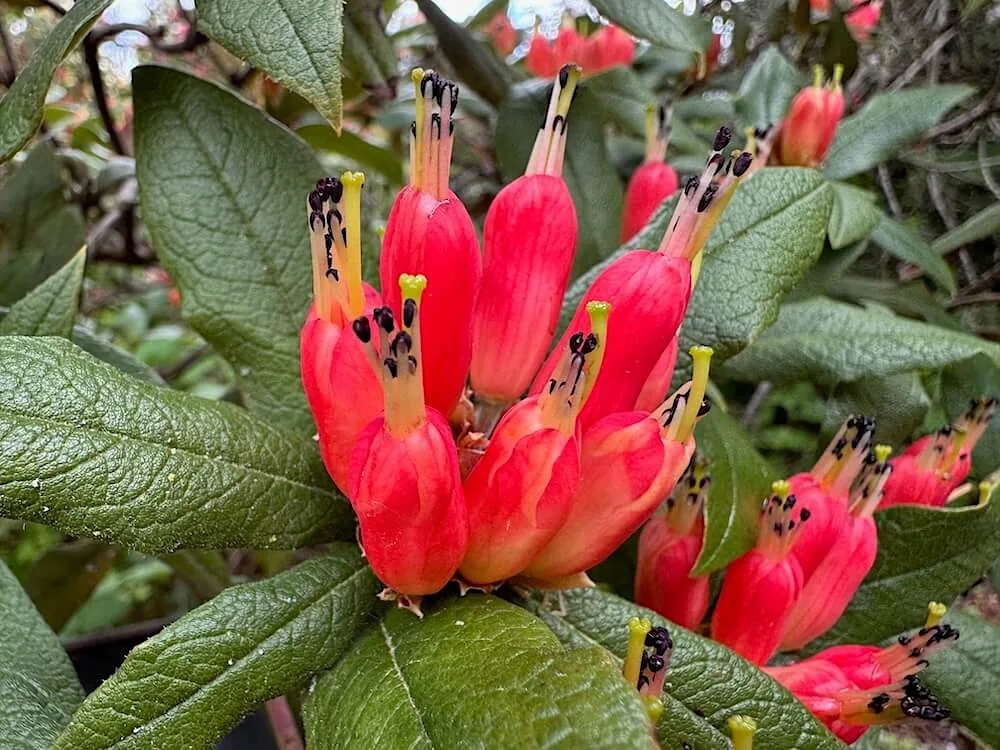
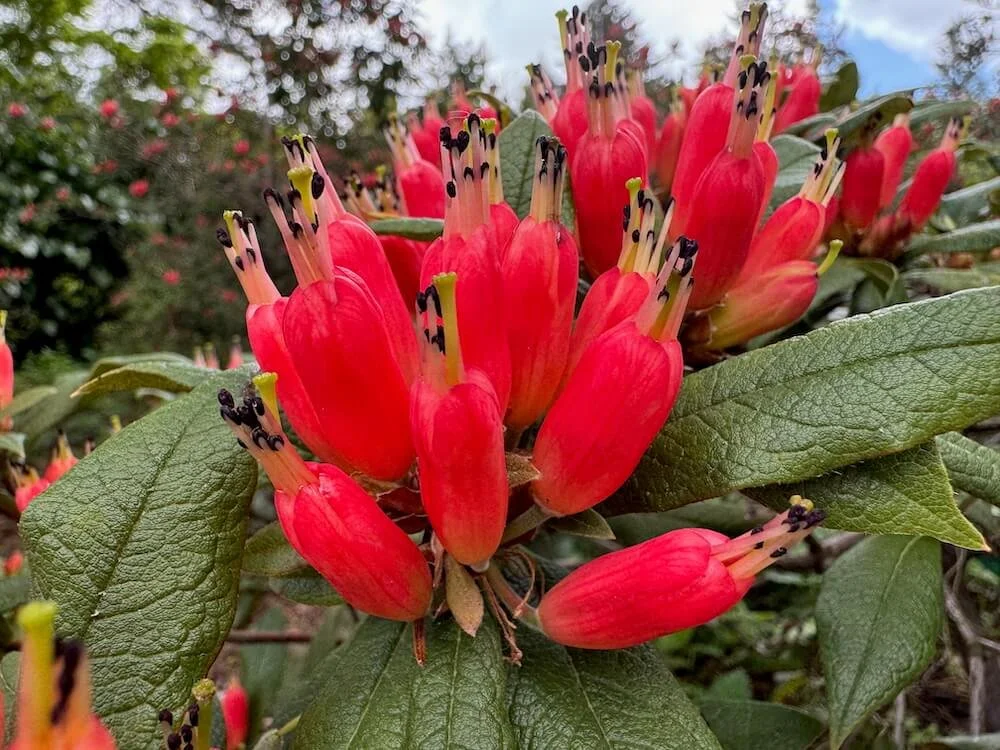
Callistemon 'Woodlander’s Hardy Red' produces dense, cylindrical red flower spikes in late spring to early summer, with a possible repeat bloom later in the season. Narrow, lance-shaped leaves are deep green with a slightly stiff texture, forming an upright, leafy framework that holds its shape year-round. The foliage releases a light aromatic scent when brushed, while the vivid flower spikes are composed of fine, brush-like stamens that attract bees and hummingbirds.

Originating from Australian species and selected for improved cold tolerance, this cultivar reflects adaptation to a wider range of garden conditions. It is well suited to borders, screening, and coastal plantings, where its evergreen structure and vibrant bloom provide lasting seasonal interest.

DESCRIPTION
Callistemon 'Woodlander’s Hardy Red' produces dense, cylindrical red flower spikes in late spring to early summer, with a possible repeat bloom later in the season. Narrow, lance-shaped leaves are deep green with a slightly stiff texture, forming an upright, leafy framework that holds its shape year-round. The foliage releases a light aromatic scent when brushed, while the vivid flower spikes are composed of fine, brush-like stamens that attract bees and hummingbirds.

Originating from Australian species and selected for improved cold tolerance, this cultivar reflects adaptation to a wider range of garden conditions. It is well suited to borders, screening, and coastal plantings, where its evergreen structure and vibrant bloom provide lasting seasonal interest.

 
  • Family: Myrtaceae
    Height: 8 ft to 12 ft
    Width: 6 ft to 10 ft
    Foliage color: Narrow gray green leaves with a slightly leathery texture and aromatic quality
    Flower color: Bright red bottlebrush flowers composed of dense stamens forming cylindrical spikes
    Bloom time: Late spring to summer
    Light requirements: Full sun
    Water requirements: Low to moderate
    Maintenance: Low; prune after flowering to shape and encourage denser growth
    Growing zone: USDA zones 7 to 10
    Wildlife attractors: Hummingbirds, bees and pollinators attracted to nectar rich flowers
    Print Information

    Buy Plants