 Image 1 of 4
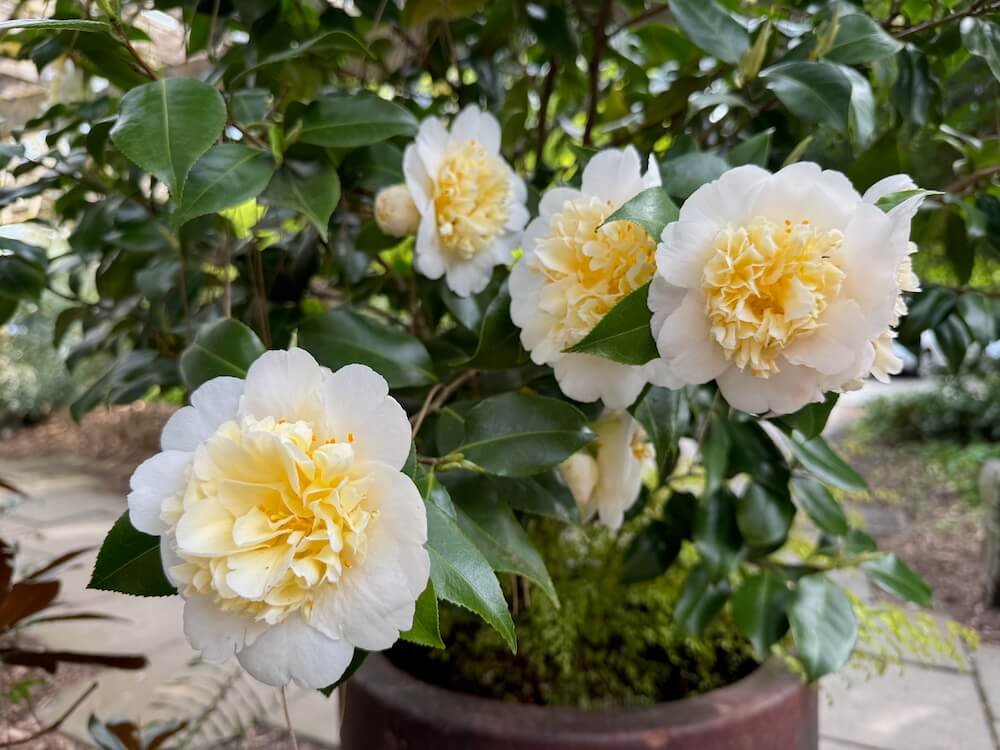 Image 2 of 4
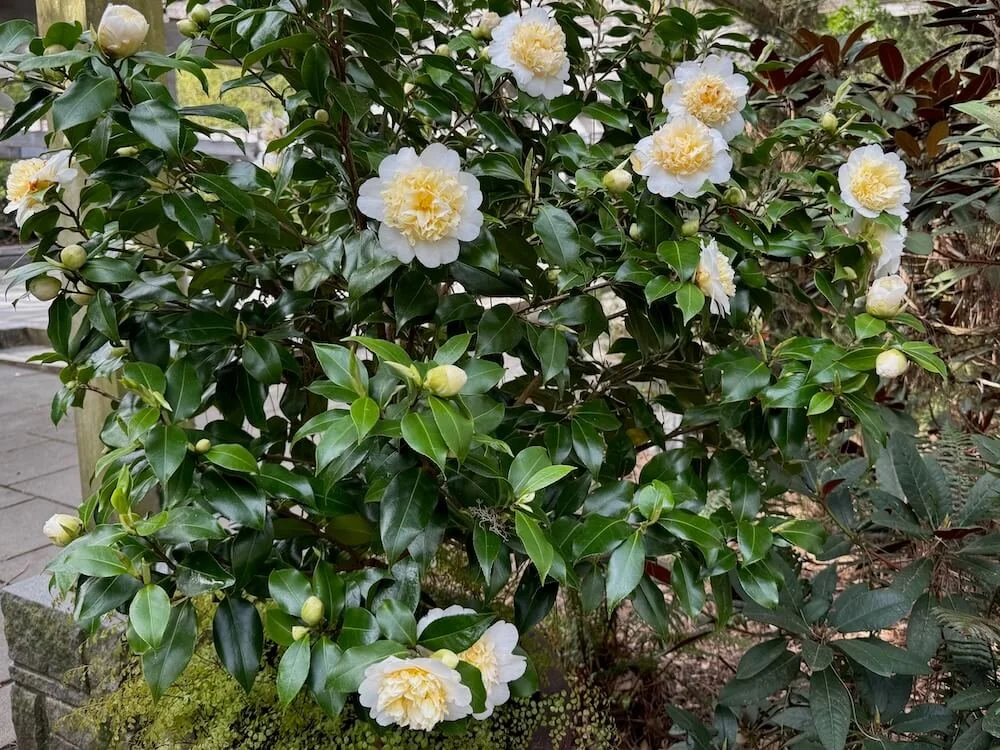 Image 3 of 4
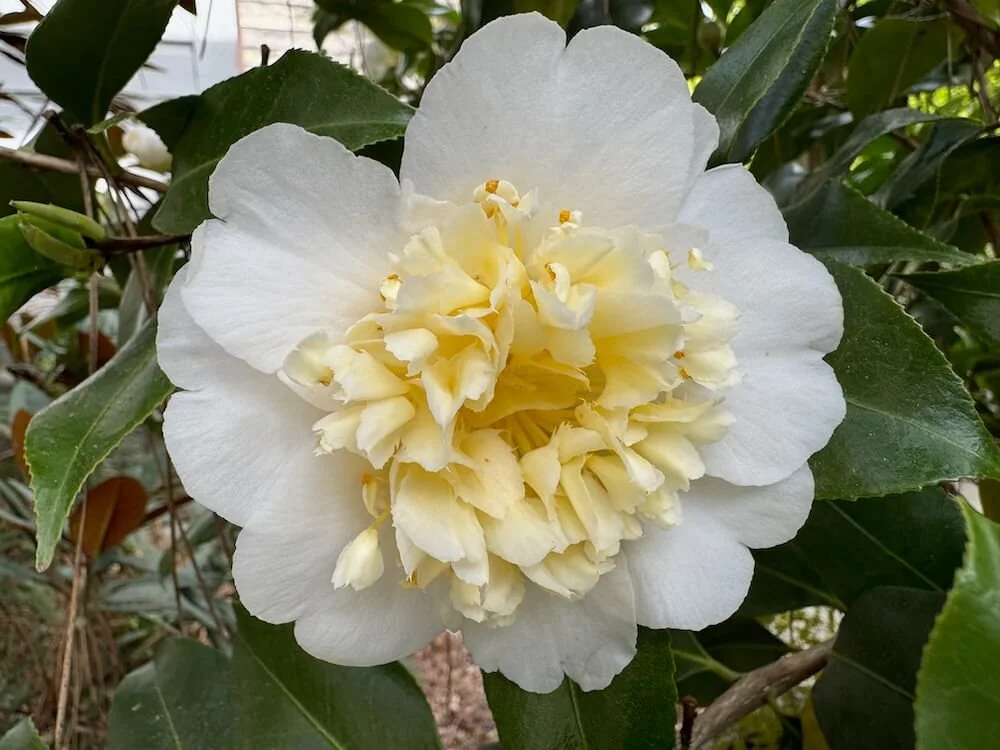 Image 4 of 4
-
Family: Theaceae
Height: 6 to 12 ft
Width: 6 to 8 ft
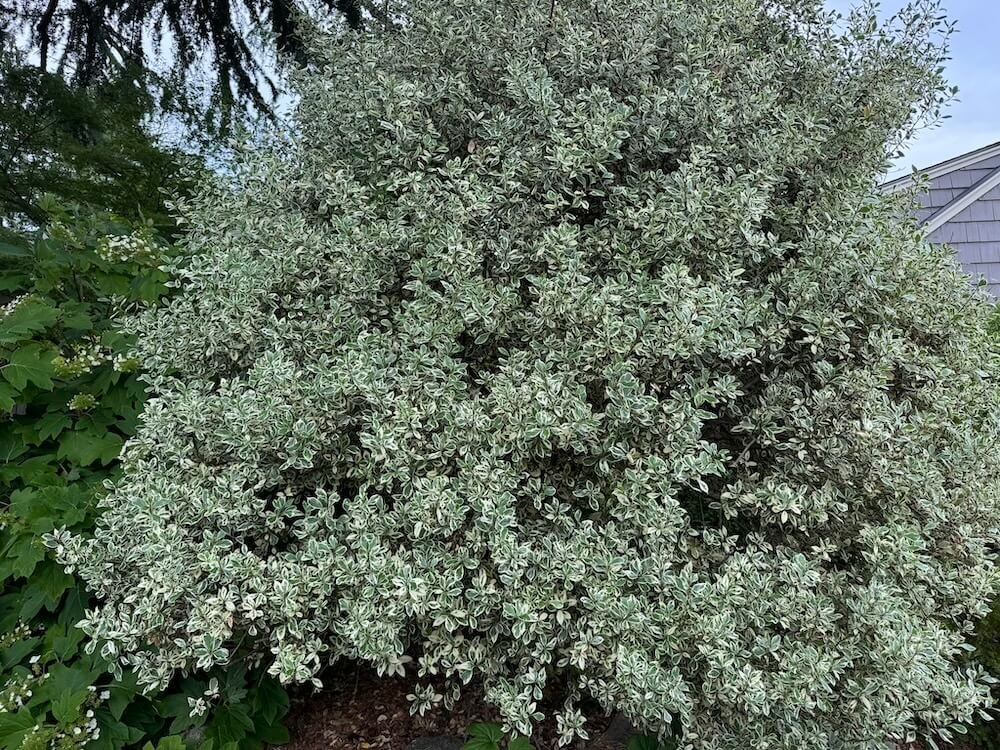
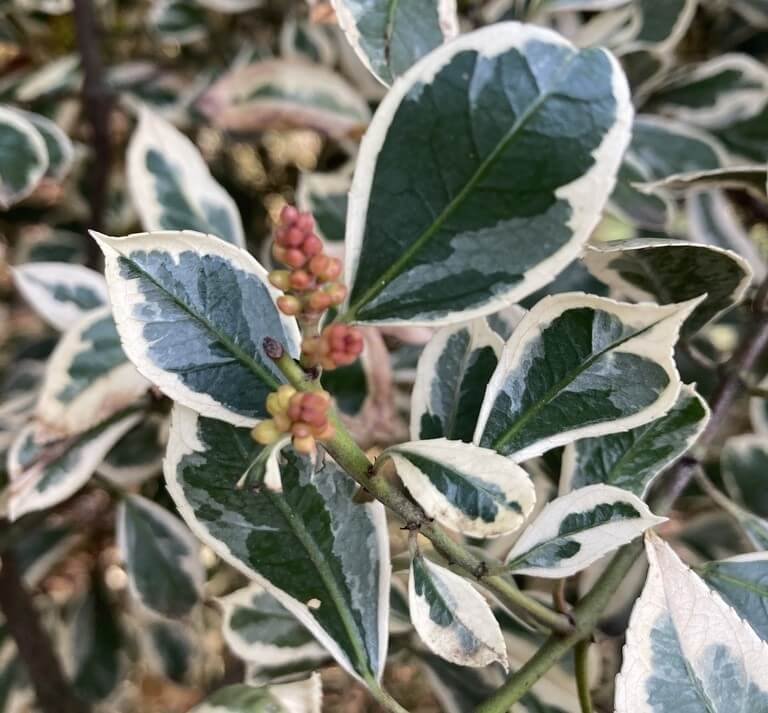
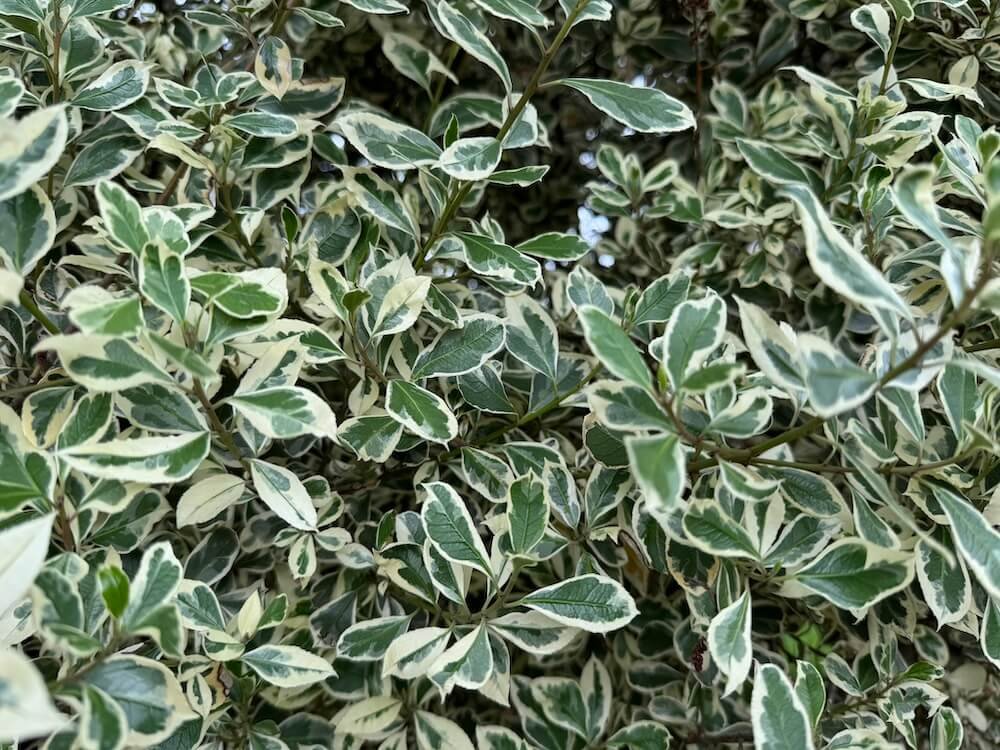
Foliage color: Dark, glossy evergreen leaves
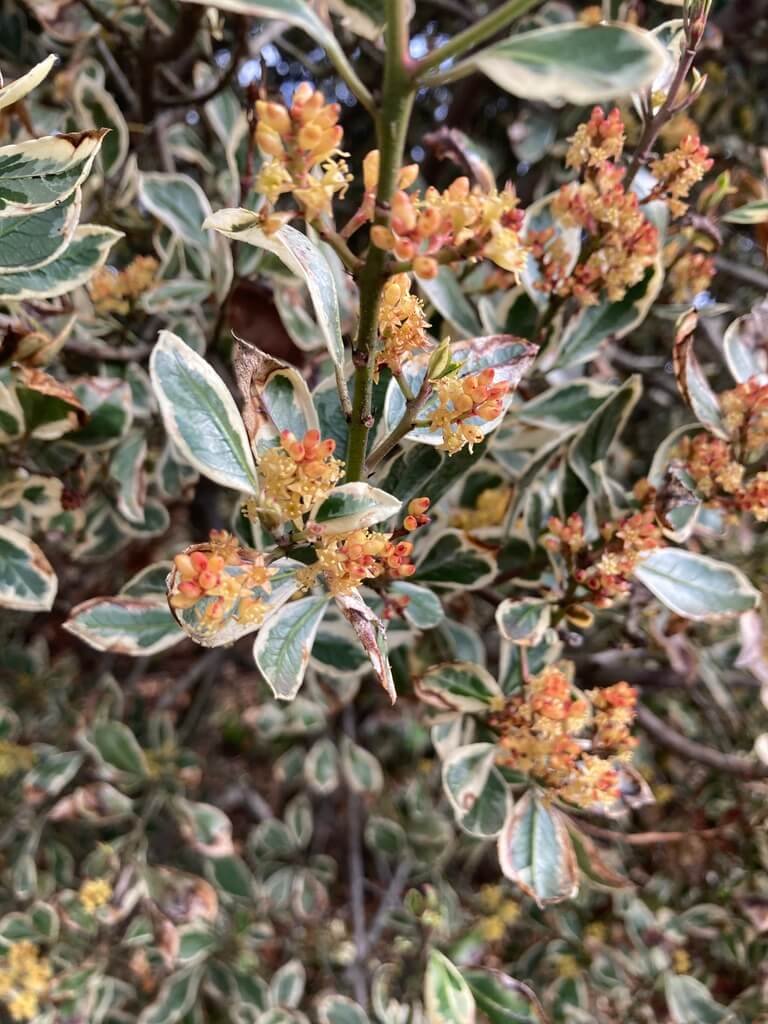
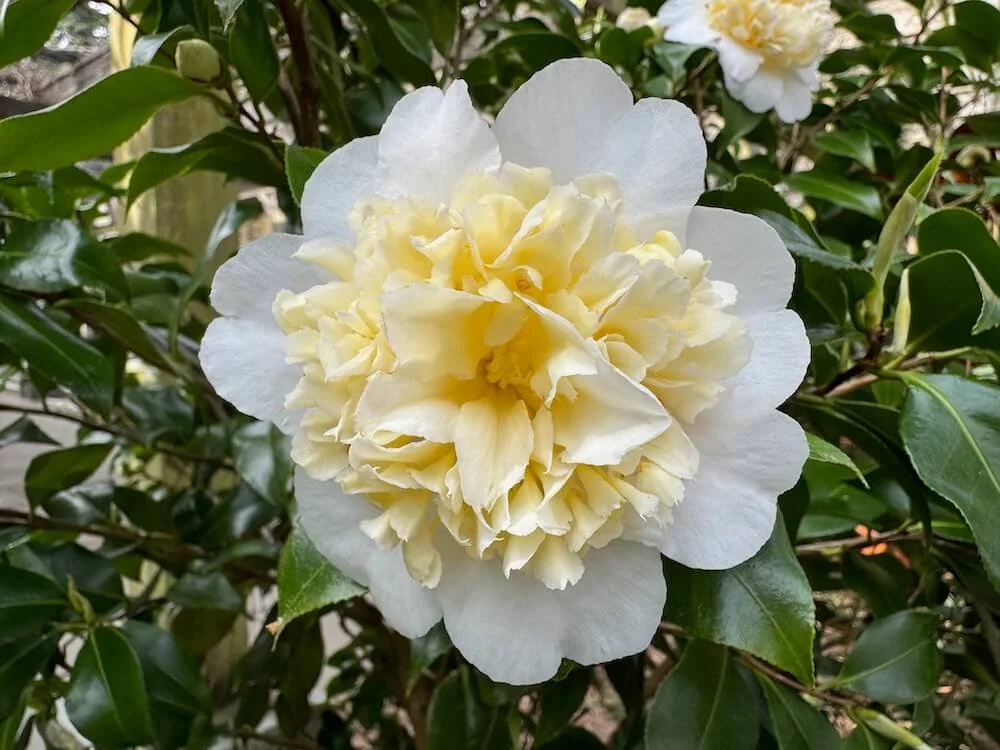
Flower color: Creamy-white outer petals with a central ruff of pale primrose-yellow petaloids
Bloom time: Late winter to early spring
Light requirements: Part shade to dappled shade
Water requirements: Regular
Maintenance: Low to moderate; prune lightly after flowering to shape and remove dead wood or spent blooms
Growing zone: USDA zones 7 to 9
Wildlife attractors: Evergreen structure offers year-round shelter for small birds; early-season flowers may provide pollen/nectar for pollinators
-
Works Well In:
● Foundation Plantings
● Specimen Plants
● Woodland Gardens
● Shade GardensCompanion Plants:
Skimmia Japanese maple
Ajuga Autumn fern
Snowdrops HelleboreDesign Tip:
Creamy flowers with soft yellow centers can gently brighten a shady garden without competing with surrounding plants. A spot near a path or favorite window brings the blooms into view, while layers of deep green foliage nearby create a lush, peaceful backdrop.