Camellia reticulata x williamsii 'Leonard Messel' | Leonard Messel Camellia

$0.00

DESCRIPTION
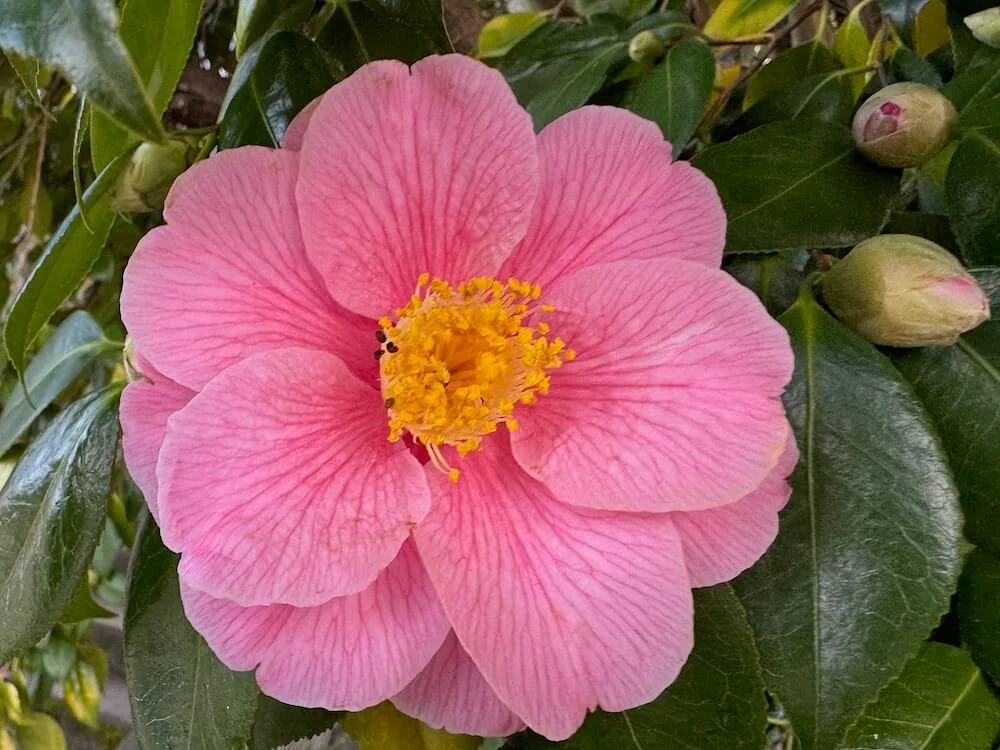
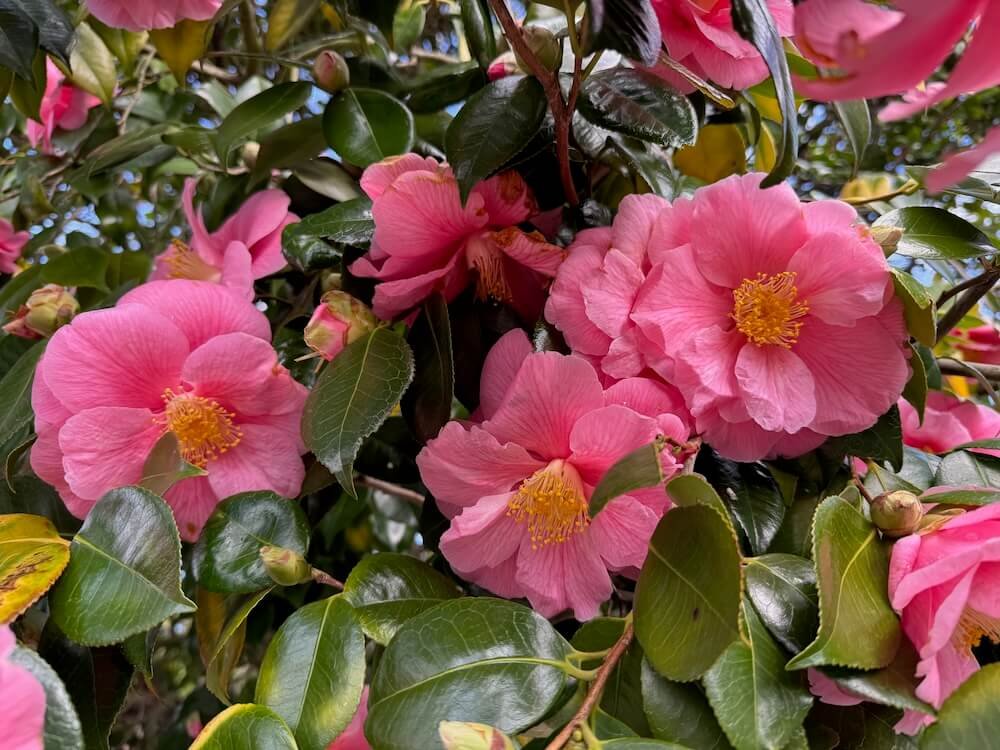
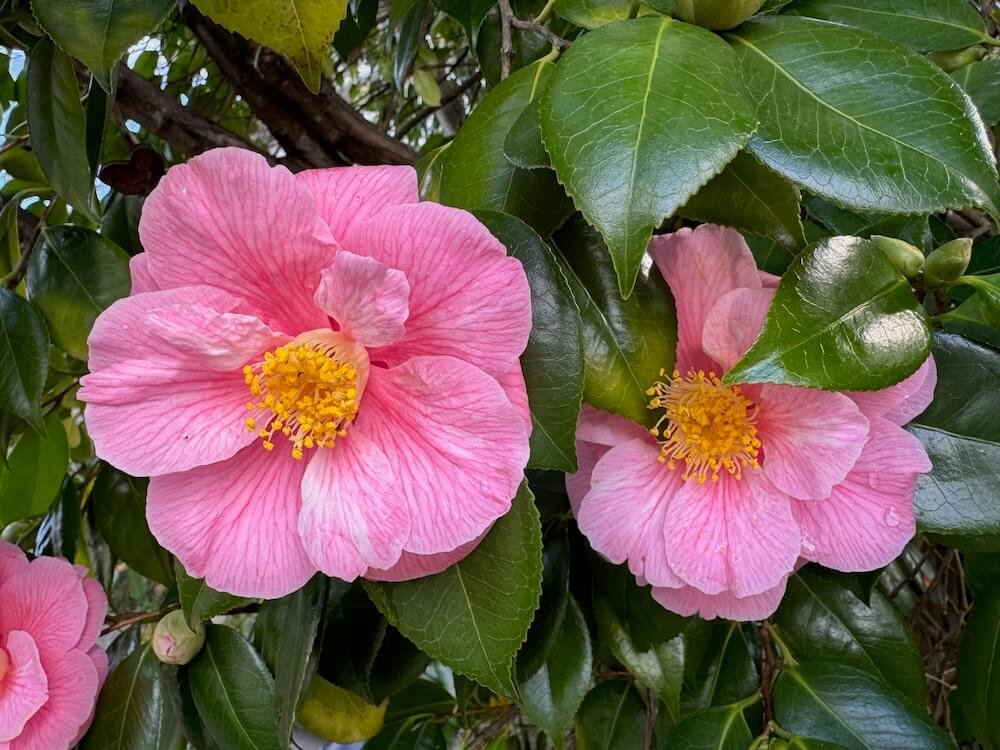
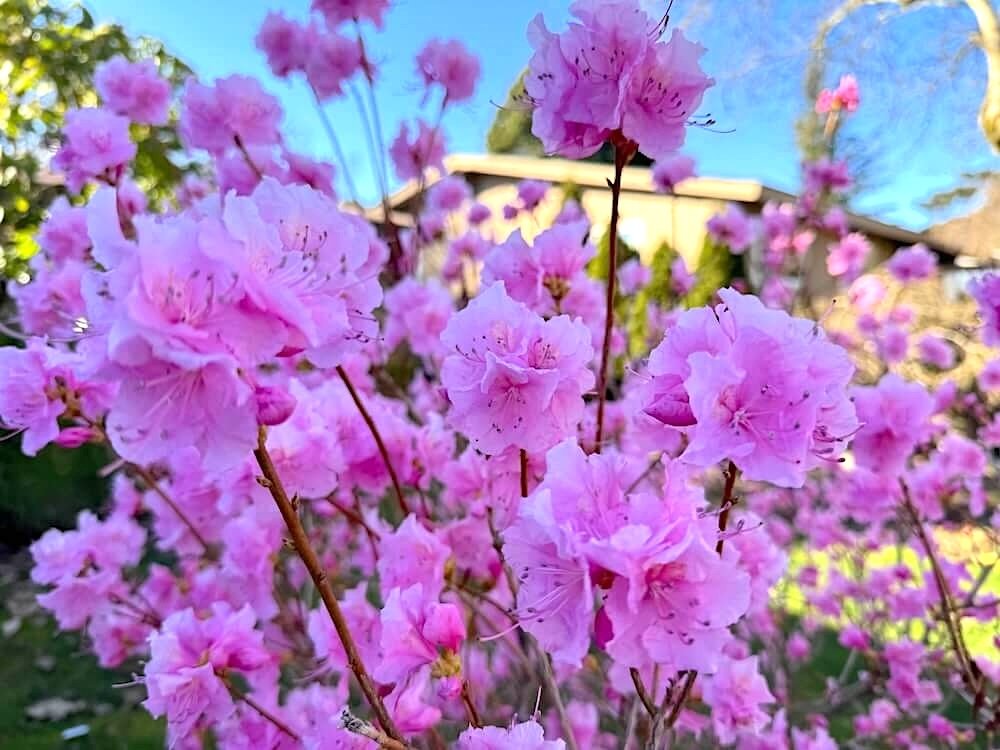
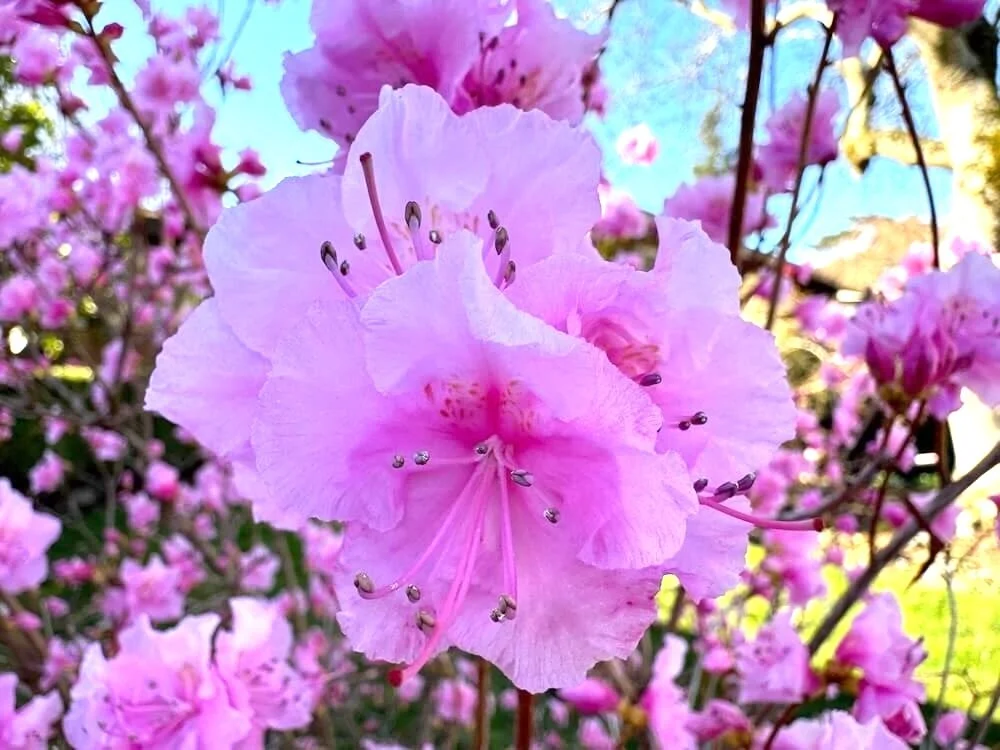
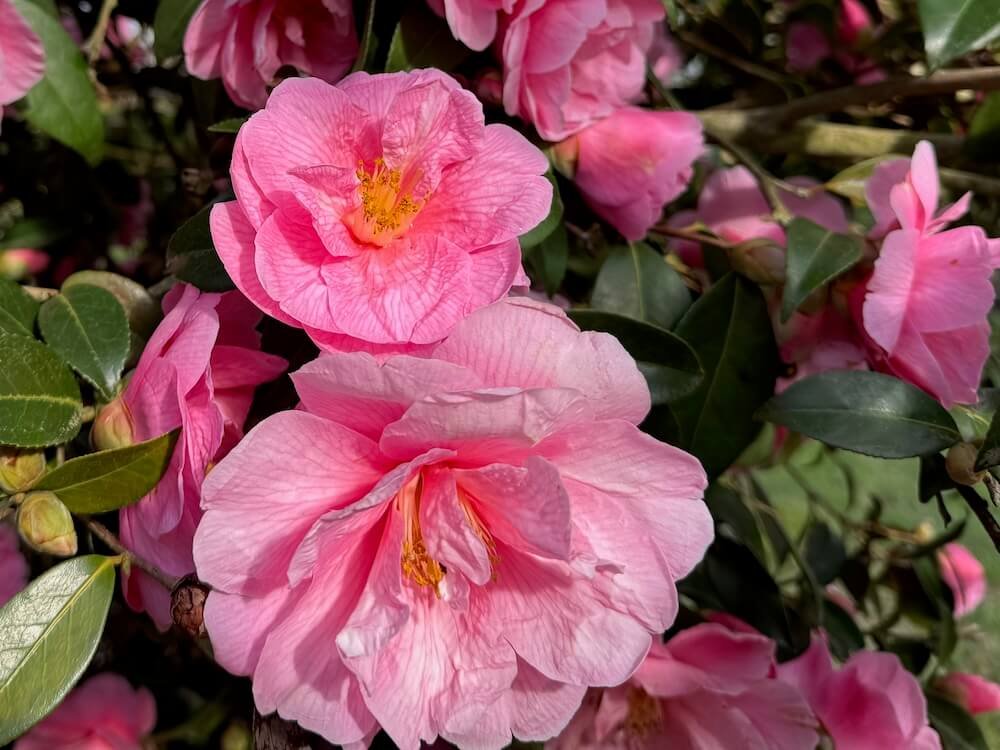
Camellia × williamsii ‘Leonard Messel’ is an evergreen shrub producing glossy matt-green leaves and abundant large semi-double flowers of clear rose-pink, each with prominent yellow stamens and often deeper color veining. The blossoms open from late winter into spring, commonly from November through April, offering months of floral display that brighten shaded garden corners, woodland borders, or mixed hedging.

Originally bred at Nymans, Sussex, England in 1958 by the Messel family, ‘Leonard Messel’ is a hybrid between a reticulata type and a × williamsii parent. Its upright, rounded habit and dense branching — along with its reliable long bloom season — make it a sturdy choice for cool-climate gardens seeking a season-long display of rose-pink blooms.

DESCRIPTION
Camellia × williamsii ‘Leonard Messel’ is an evergreen shrub producing glossy matt-green leaves and abundant large semi-double flowers of clear rose-pink, each with prominent yellow stamens and often deeper color veining. The blossoms open from late winter into spring, commonly from November through April, offering months of floral display that brighten shaded garden corners, woodland borders, or mixed hedging.

Originally bred at Nymans, Sussex, England in 1958 by the Messel family, ‘Leonard Messel’ is a hybrid between a reticulata type and a × williamsii parent. Its upright, rounded habit and dense branching — along with its reliable long bloom season — make it a sturdy choice for cool-climate gardens seeking a season-long display of rose-pink blooms.

 
  • Family: Theaceae
    Height: 8 to 10 ft
    Width: 6 to 10 ft
    Foliage color: Evergreen leaves, mid- to dark green, somewhat textured and more matte than glossy
    Flower color: Large, semi-double blooms in clear to deep rose-pink; often with deeper veining
    Bloom time: Late winter to early spring
    Light requirements: Part shade to dappled shade
    Water requirements: Moderate
    Maintenance: Low to moderate — prune lightly after flowering to shape and remove dead or damaged wood
    Growing zone: USDA zones 7 to 9
    Wildlife attractors: Early-season flowers may provide pollen/nectar for pollinating insects when weather permits

    Print Information

    Buy Plants