Chaenomeles speciosa 'Contorta' | Contorted Flowering Quince

$0.00

DESCRIPTION
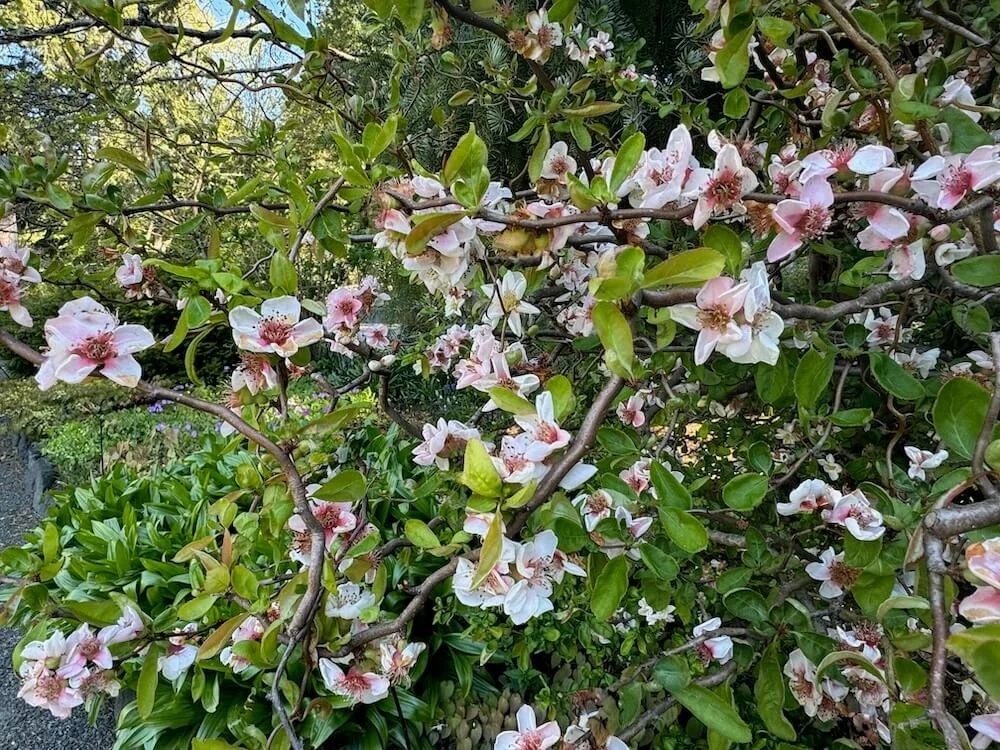
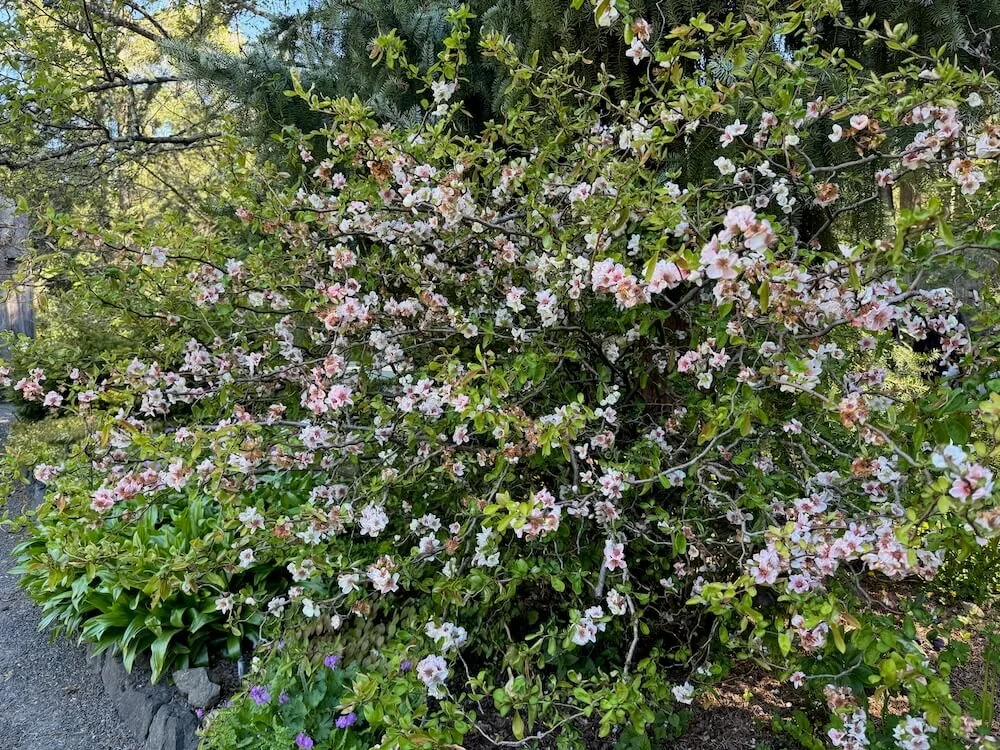
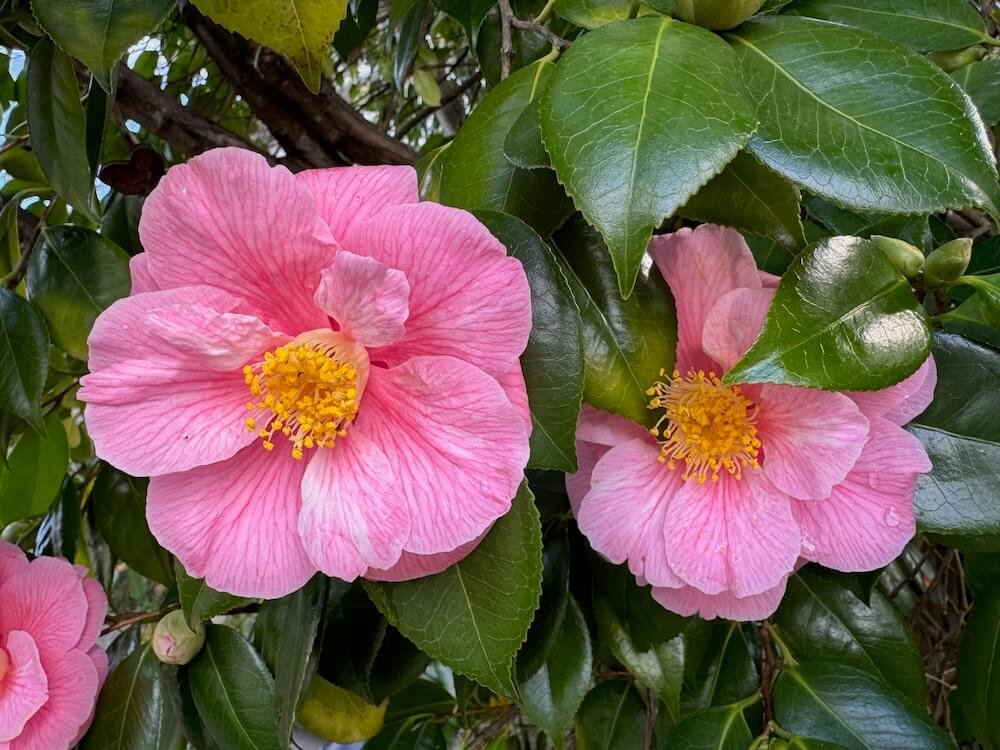
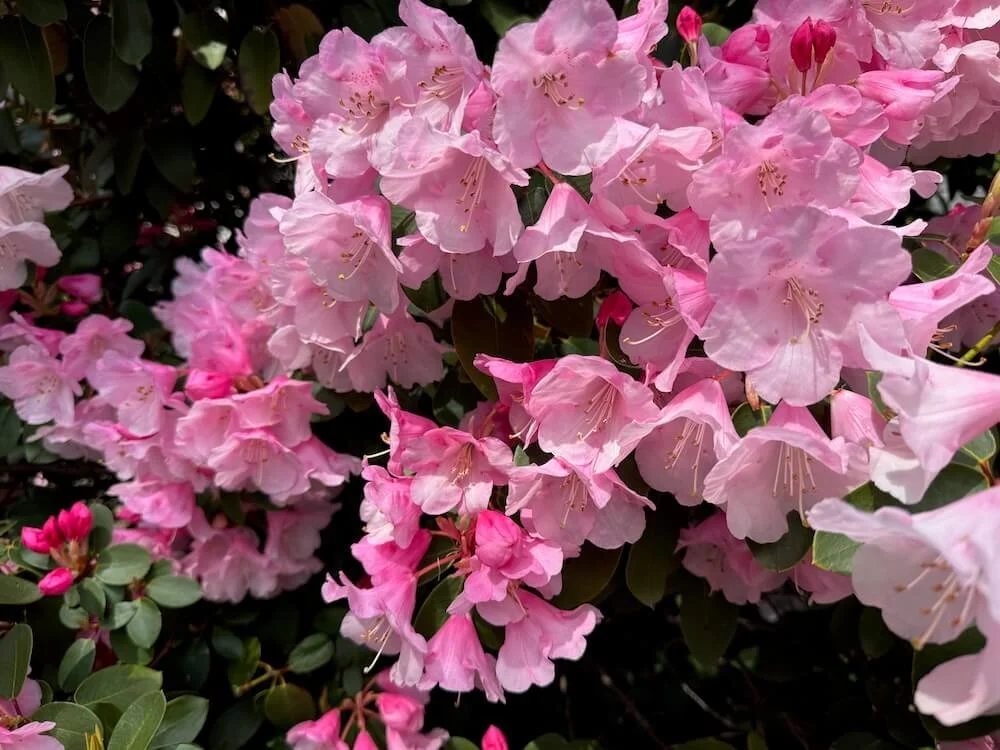
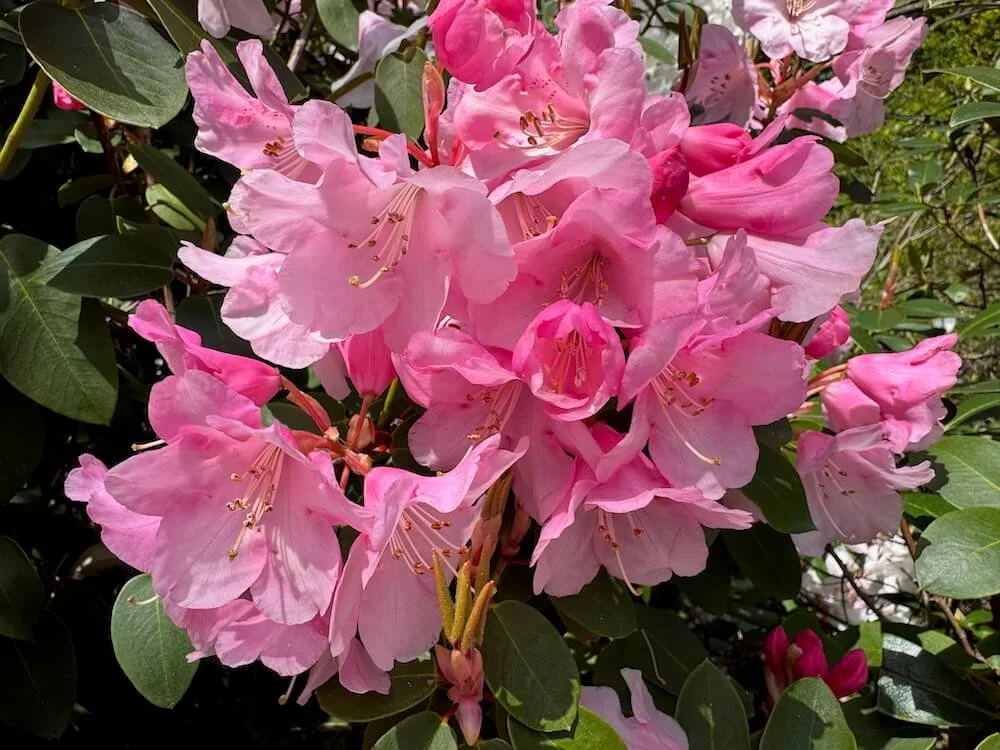
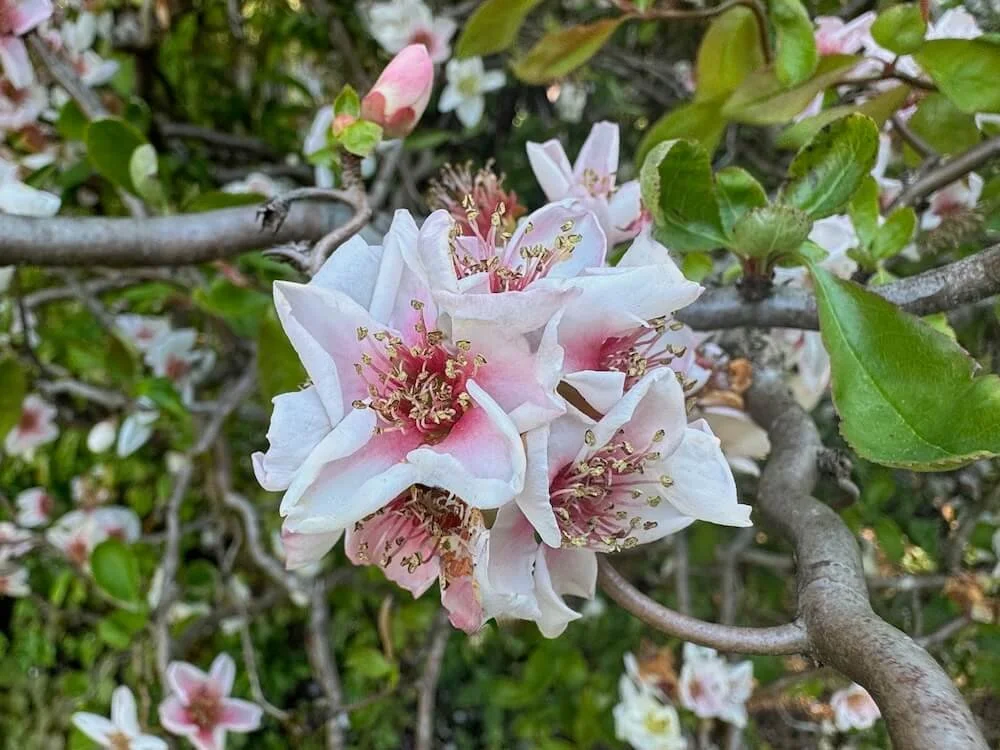
Chaenomeles speciosa 'Contorta' produces clusters of soft pink flowers in early to mid spring, each bloom opening with rounded petals and golden stamens along the twisted branches. The blossoms appear along the tangled stems before or as the foliage emerges, bringing early seasonal color. Small, glossy green leaves unfold along the contorted branches in spring, filling the twisting framework with fresh foliage through the growing season.

This cultivar traces its heritage to Chaenomeles speciosa native to China. In gardens it brings sculptural interest to borders, informal hedges, and specimen plantings where the distinctive branching and early spring flowers provide seasonal character.

DESCRIPTION
Chaenomeles speciosa 'Contorta' produces clusters of soft pink flowers in early to mid spring, each bloom opening with rounded petals and golden stamens along the twisted branches. The blossoms appear along the tangled stems before or as the foliage emerges, bringing early seasonal color. Small, glossy green leaves unfold along the contorted branches in spring, filling the twisting framework with fresh foliage through the growing season.

This cultivar traces its heritage to Chaenomeles speciosa native to China. In gardens it brings sculptural interest to borders, informal hedges, and specimen plantings where the distinctive branching and early spring flowers provide seasonal character.

 
  • Family: Rosaceae
    Height: 6 to 10 feet
    Width: 6 to 10 feet
    Foliage color: Glossy medium green oval leaves on distinctive twisted and contorted branches
    Flower color: Soft pink five petaled flowers with darker centers and golden yellow stamens
    Bloom time: Late winter to early spring
    Light requirements: Full sun to partial shade
    Water requirements: Average
    Maintenance: Low; prune after flowering to shape plants and remove older stems to maintain structure and encourage new growth
    Growing zone: USDA zones 5 to 9
    Wildlife attractors: Bees and other early season pollinating insects

    This plant can be seen at Heronswood Garden.
    Print Information

    Buy Plants