Daphne wolongensis | Wolong Daphne

$0.00

DESCRIPTION
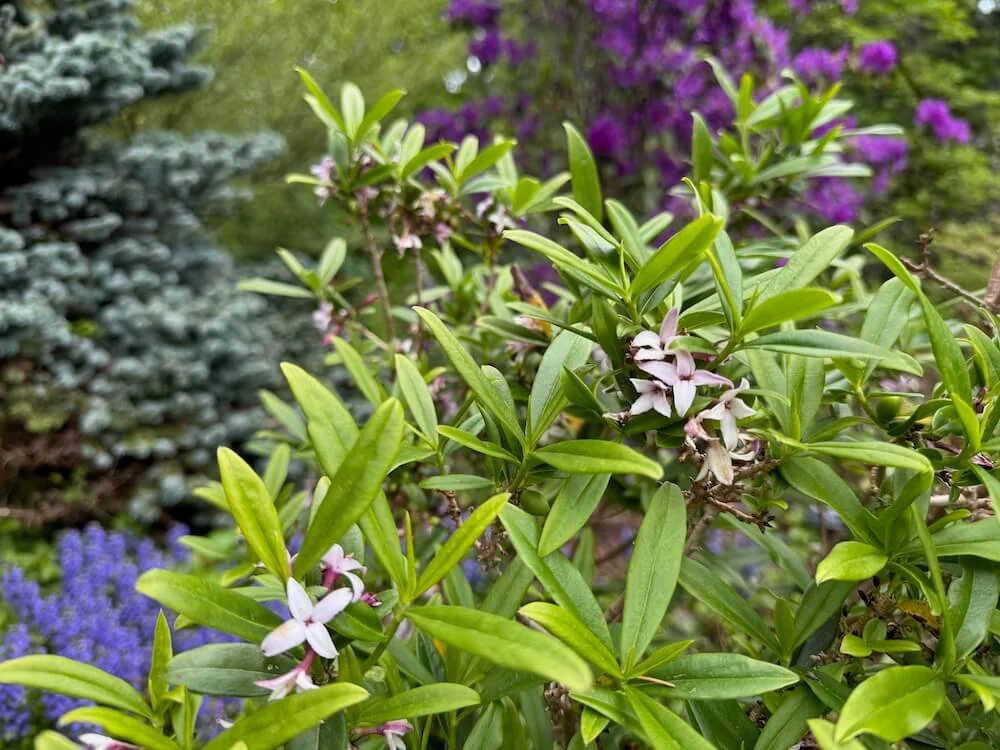
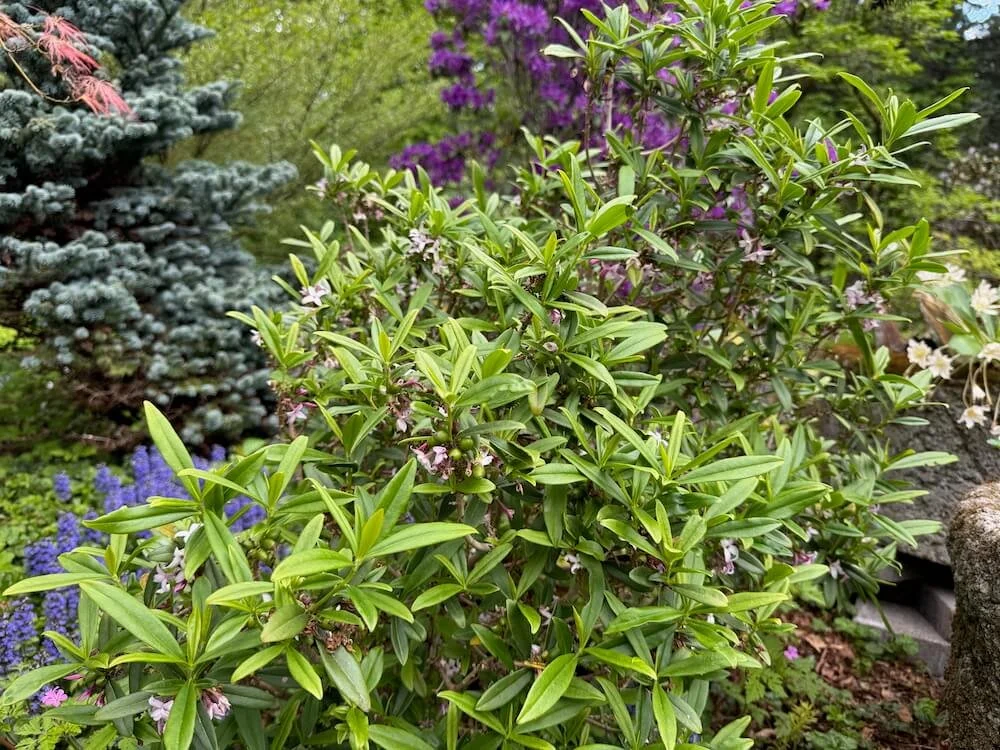
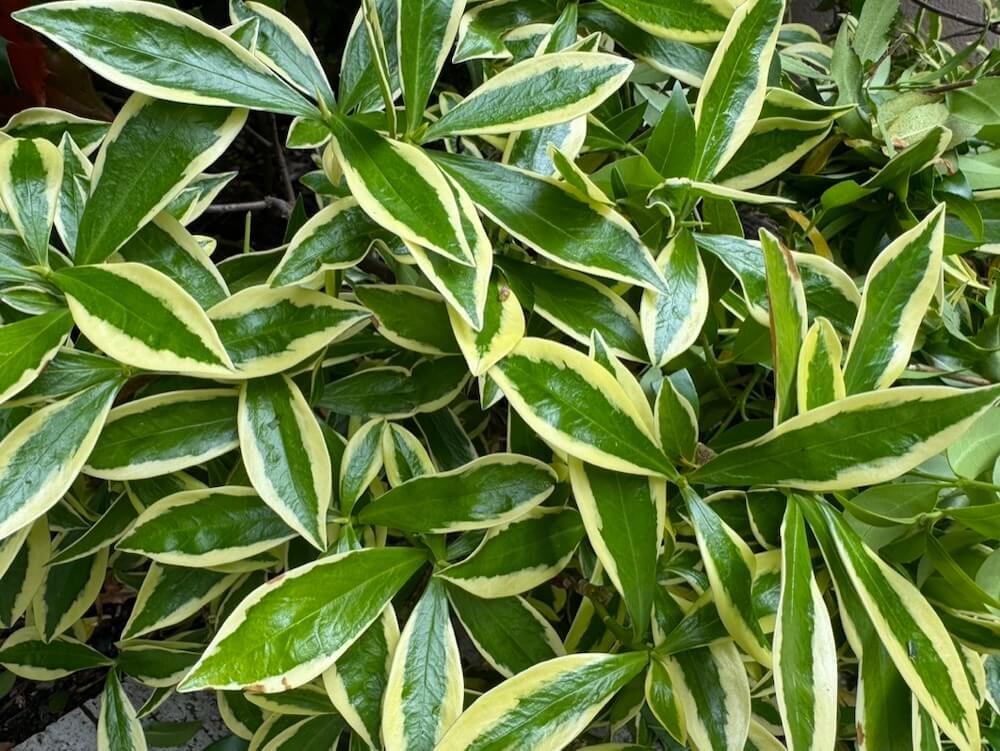
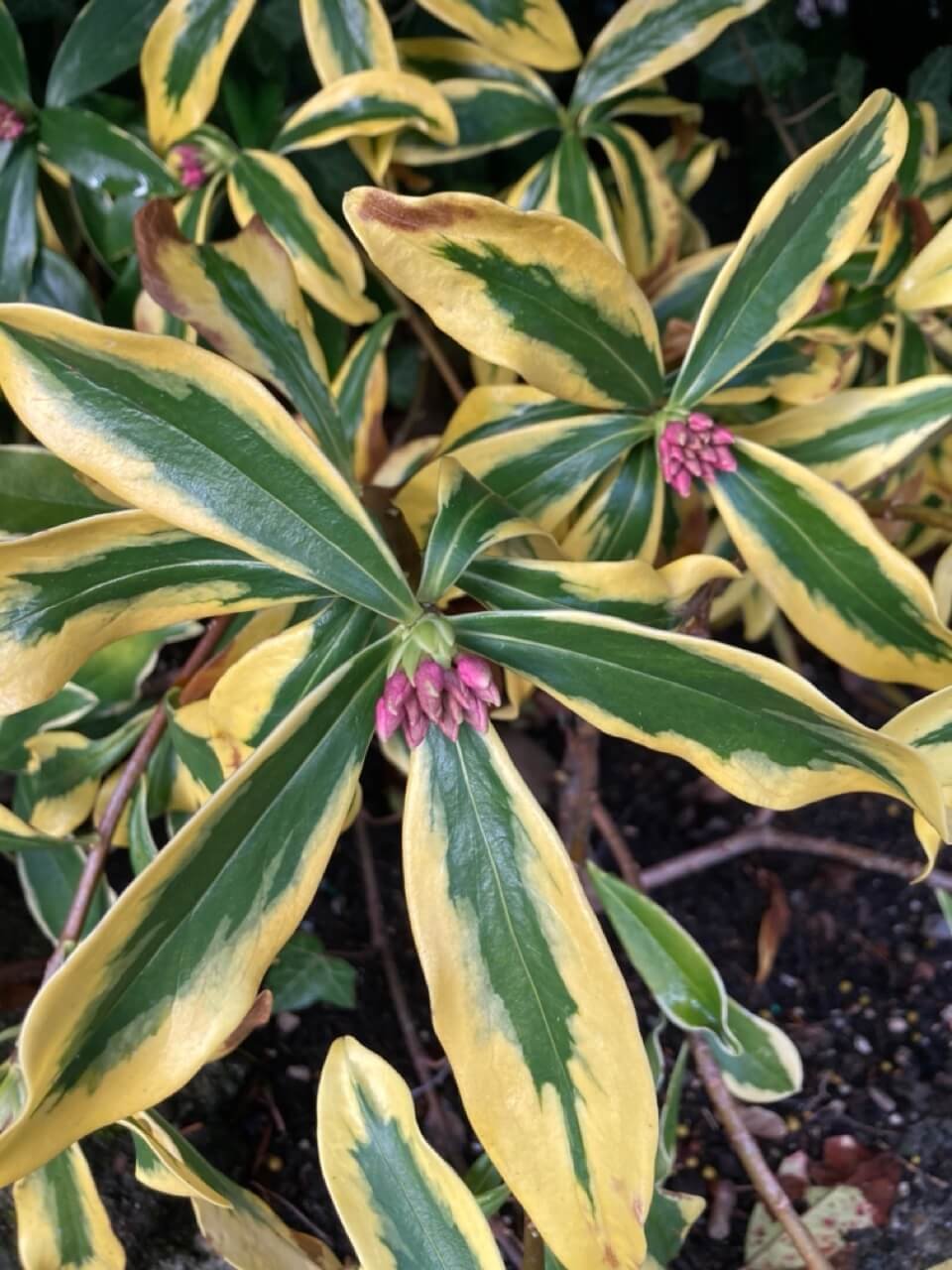
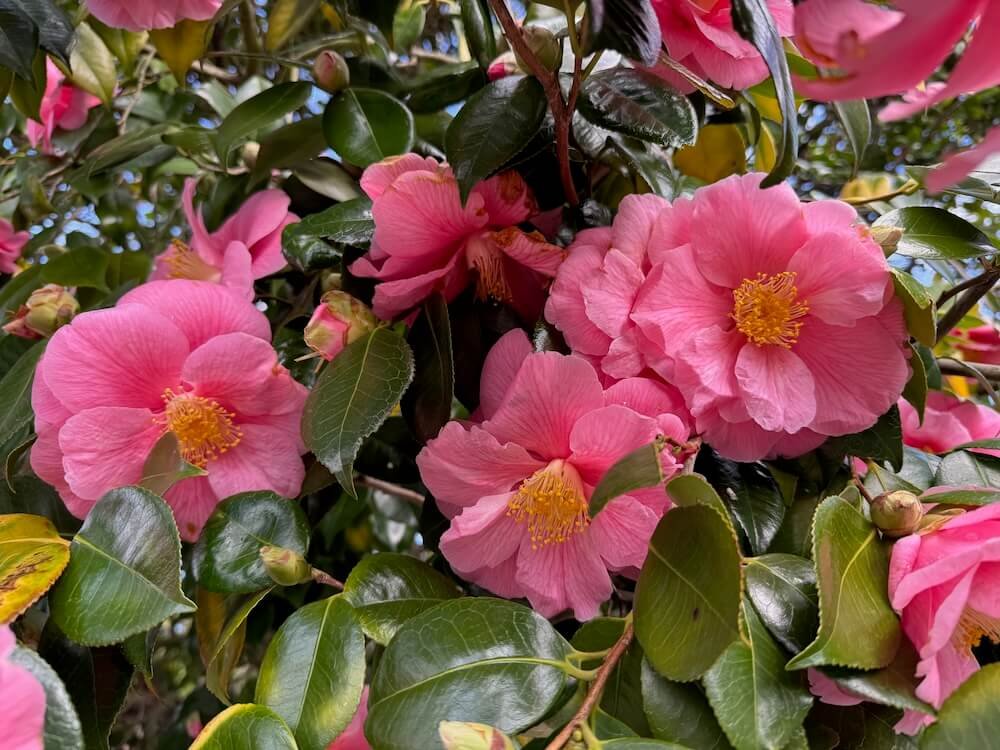
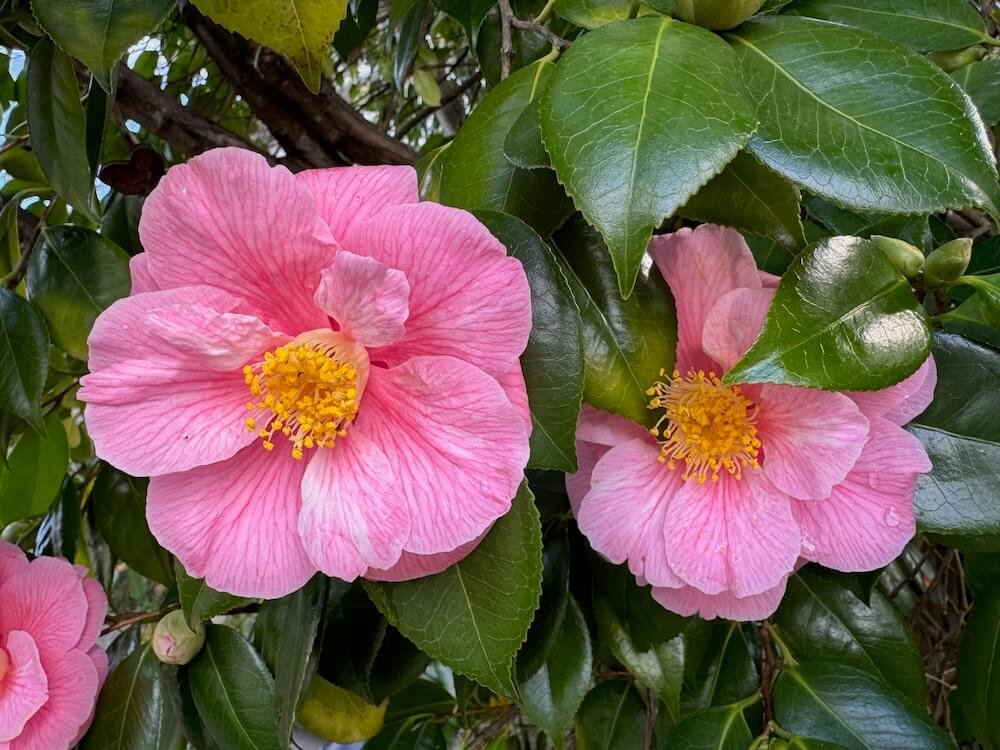
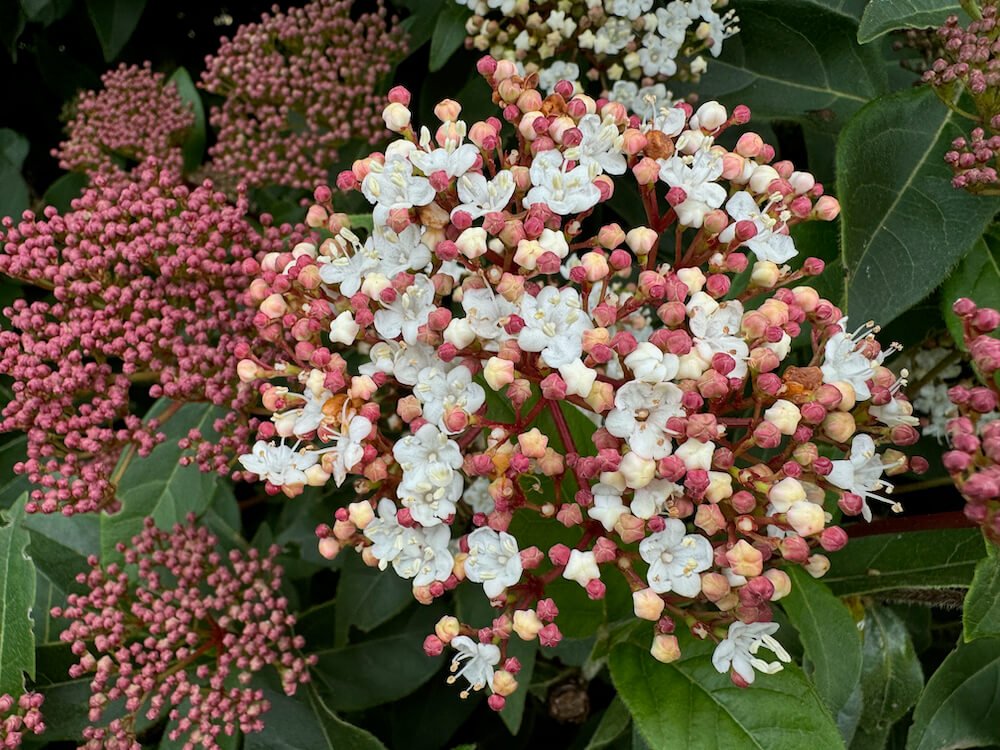
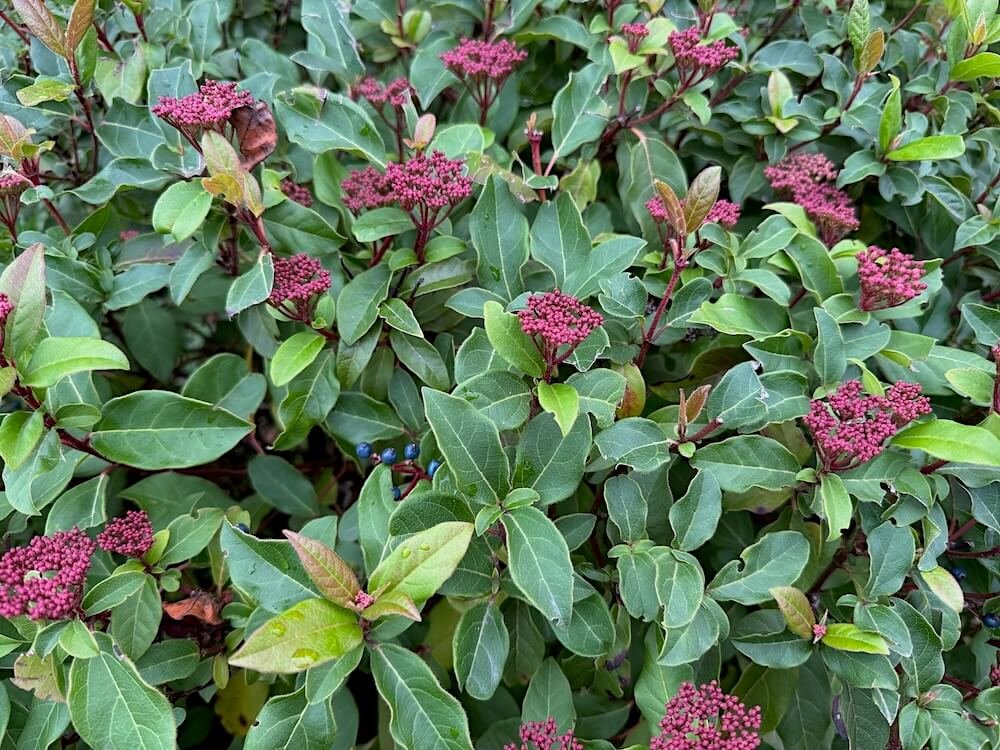
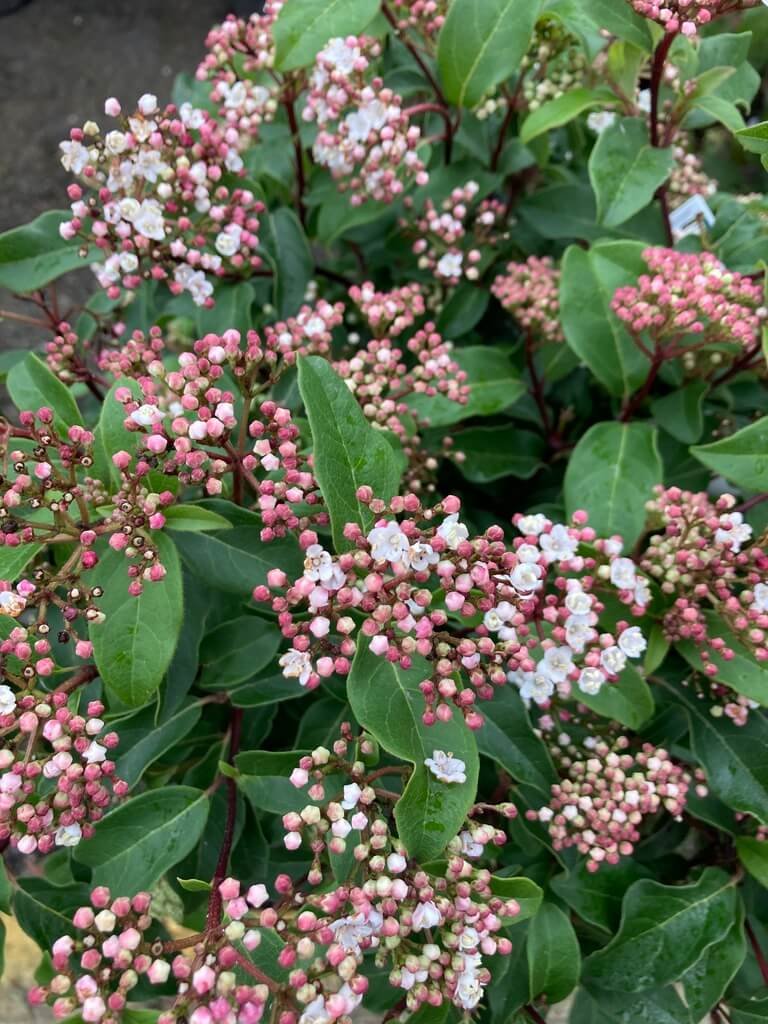
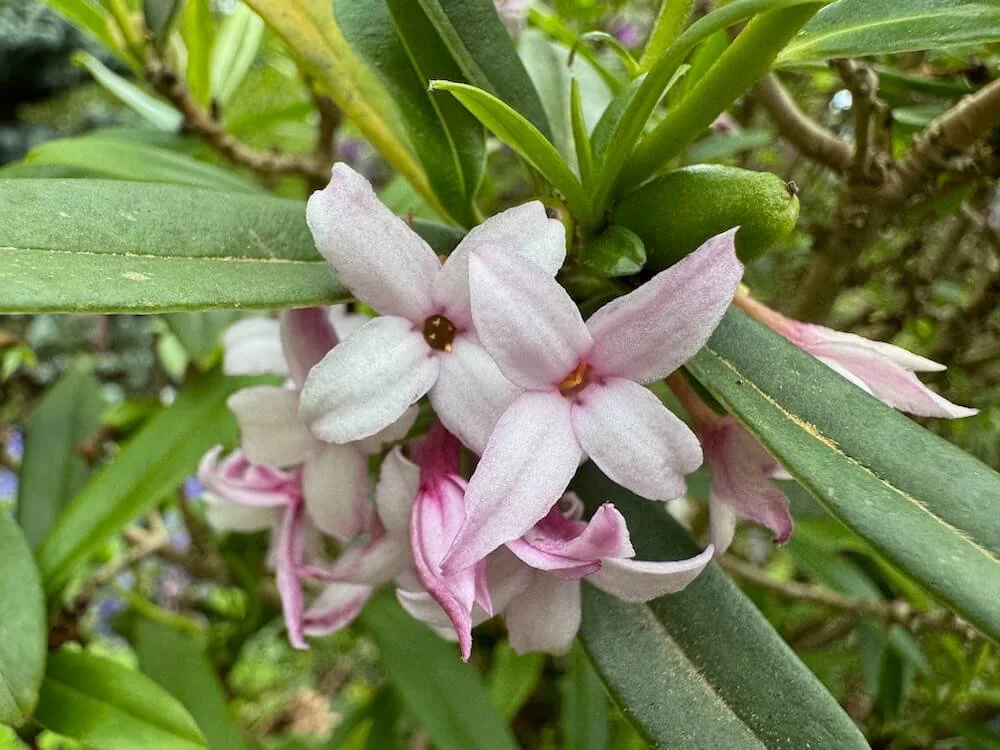
Daphne wolongensis produces clusters of soft pink to pale rose flowers in spring, each bloom opening with narrow petals and releasing a light fragrance along the stems. The blossoms appear among slender, lance-shaped leaves that form a neat covering of fresh green foliage through the growing season. The narrow leaves create a fine texture along the branches, giving the plant a refined appearance.

Native to mountainous regions of western China, particularly Sichuan Province, Daphne wolongensis grows in woodland habitats. In gardens it brings delicate seasonal interest to shaded borders and woodland plantings where the soft pink flowers and fine foliage add gentle color and texture.

DESCRIPTION
Daphne wolongensis produces clusters of soft pink to pale rose flowers in spring, each bloom opening with narrow petals and releasing a light fragrance along the stems. The blossoms appear among slender, lance-shaped leaves that form a neat covering of fresh green foliage through the growing season. The narrow leaves create a fine texture along the branches, giving the plant a refined appearance.

Native to mountainous regions of western China, particularly Sichuan Province, Daphne wolongensis grows in woodland habitats. In gardens it brings delicate seasonal interest to shaded borders and woodland plantings where the soft pink flowers and fine foliage add gentle color and texture.

 
  • Family: Thymelaeaceae
    Height: 3 to 4 feet
    Width: 3 to 4 feet
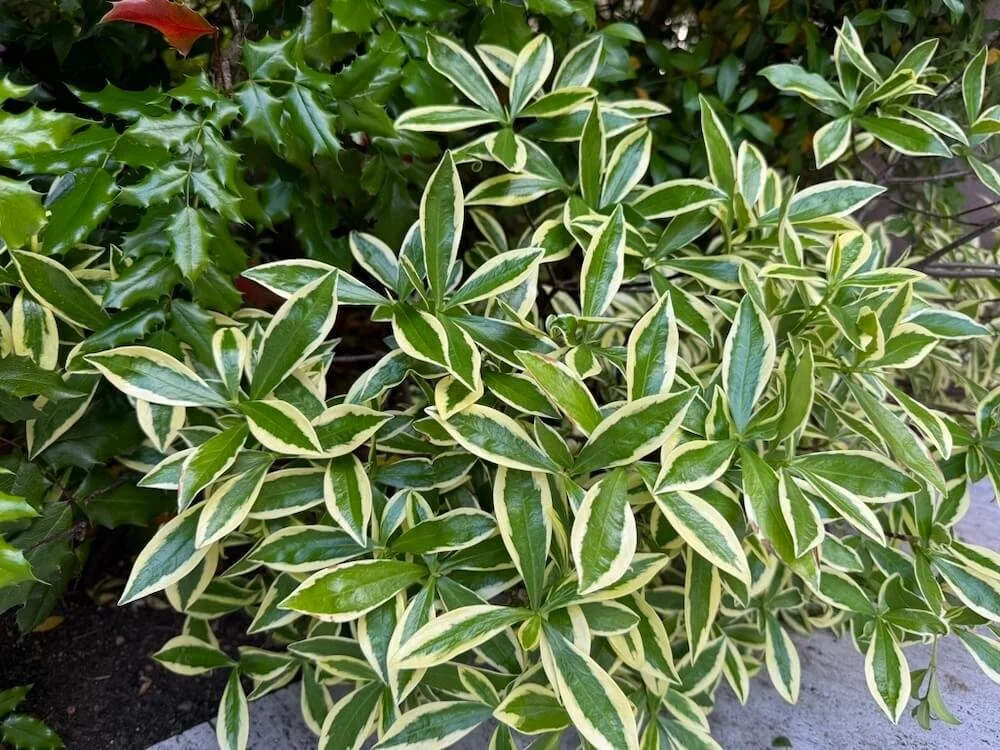
    Foliage color: Narrow lance shaped glossy deep green leaves often clustered toward the ends of the stems
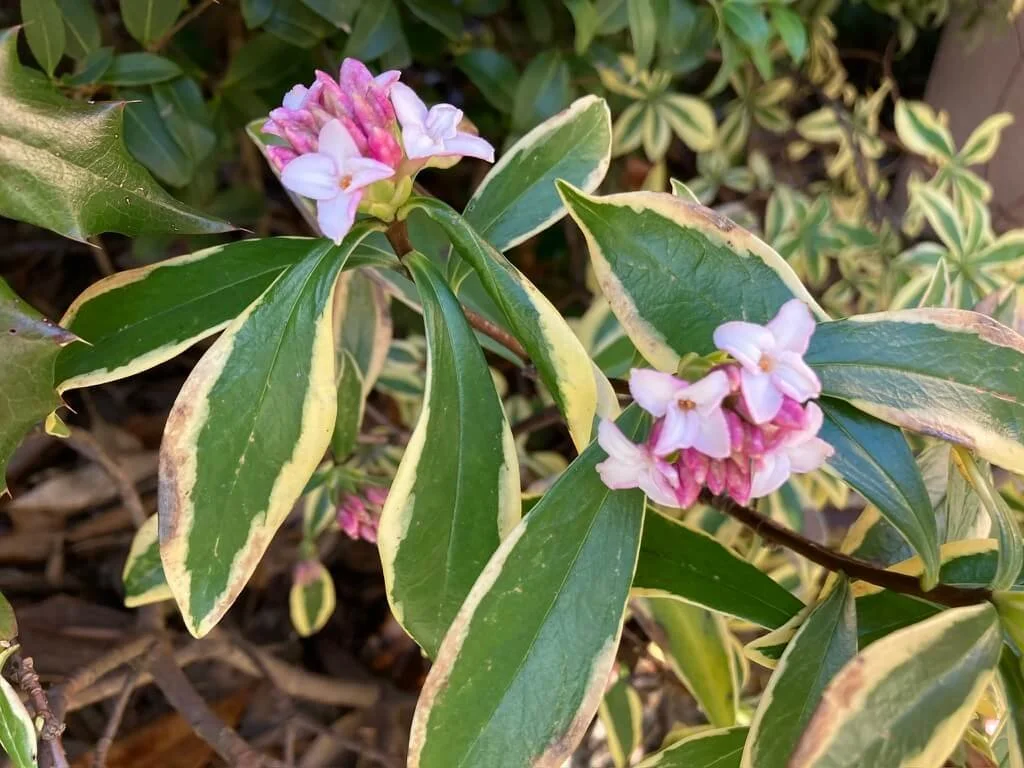
    Flower color: Soft pink buds opening to pale pink to nearly white tubular flowers with a sweet fragrance
    Bloom time: Early to mid spring, often March to April
    Light requirements: Partial shade to light full sun
    Water requirements: Average moist well drained soil
    Maintenance: Moderate; avoid heavy pruning and trim lightly after flowering while protecting roots from disturbance
    Growing zone: USDA zones 6 to 9
    Wildlife attractors: Bees, butterflies and other early season pollinating insects

    This plant can be seen at the Rhododendron Species Botanical Garden.

    Print Information

    Buy Plants