Enkianthus cernuus var. rubens | Drooping Red Enkianthus

$0.00

DESCRIPTION
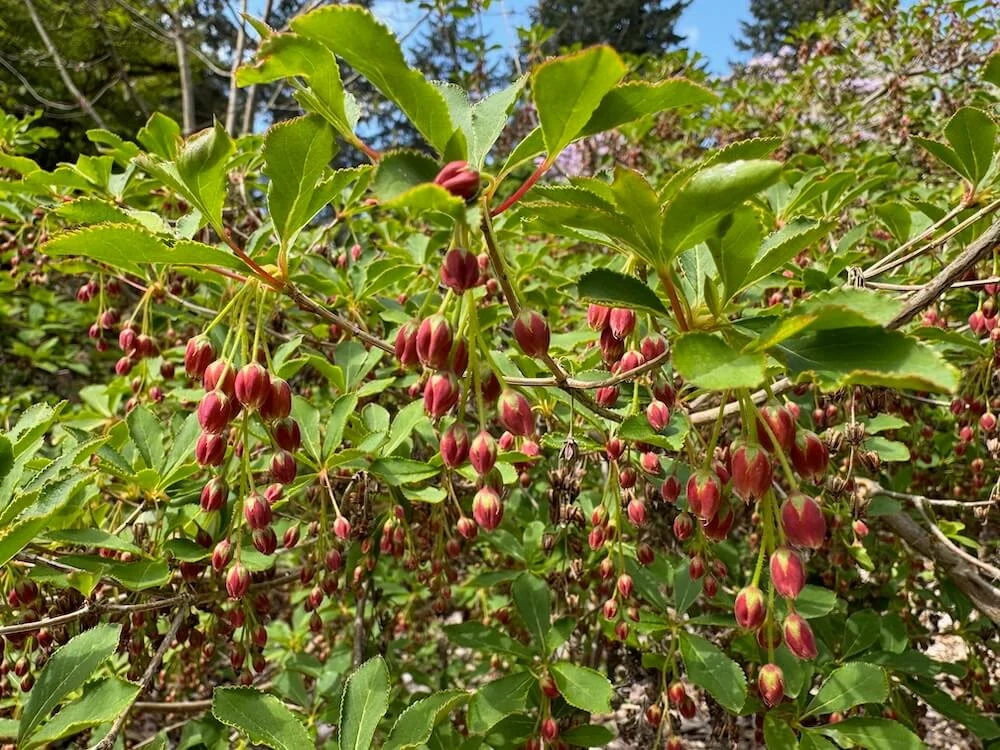
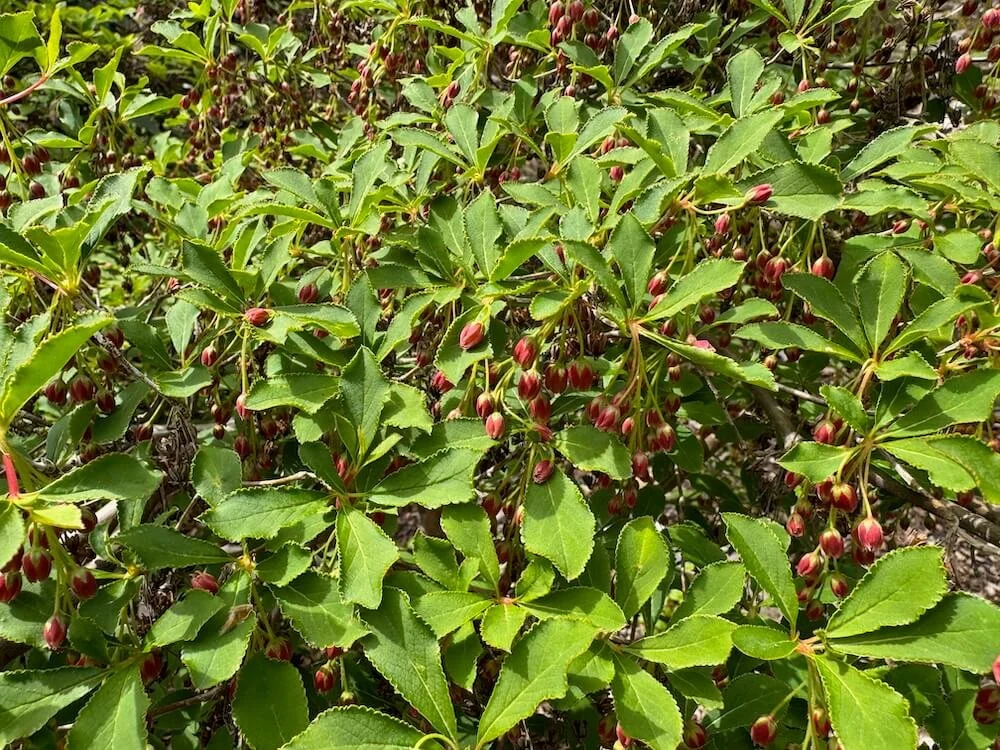
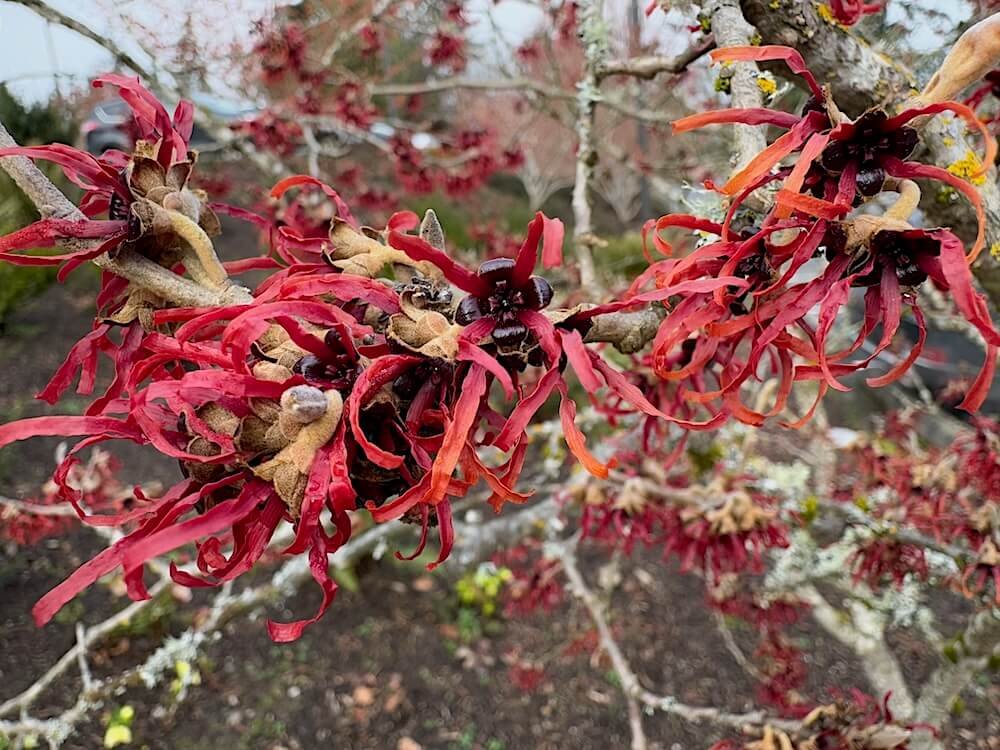
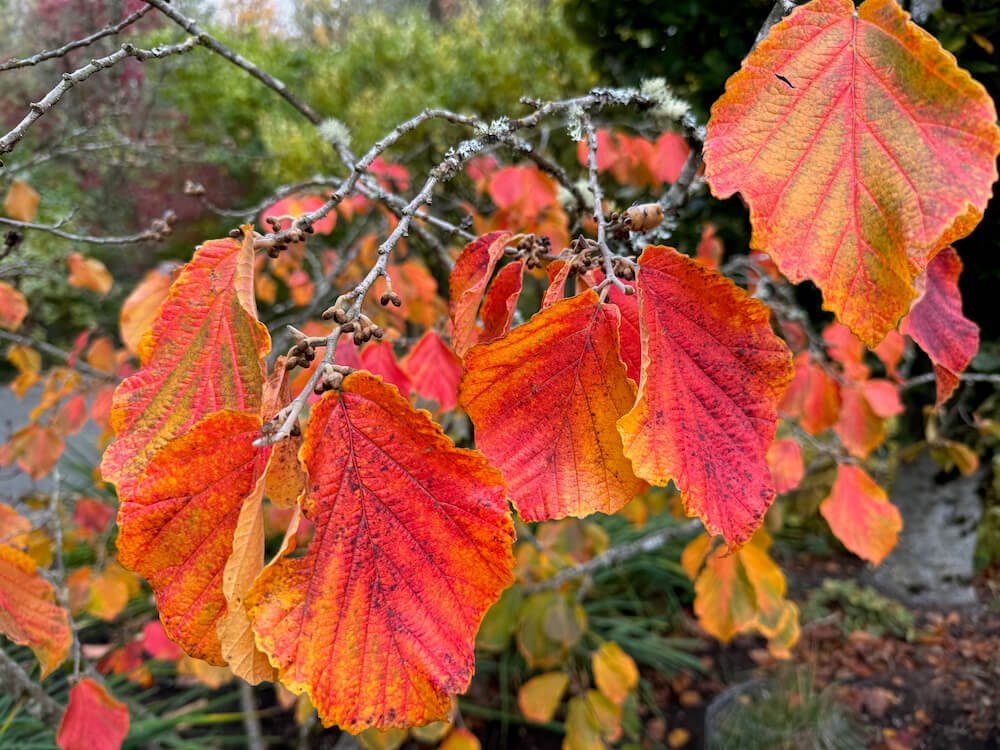
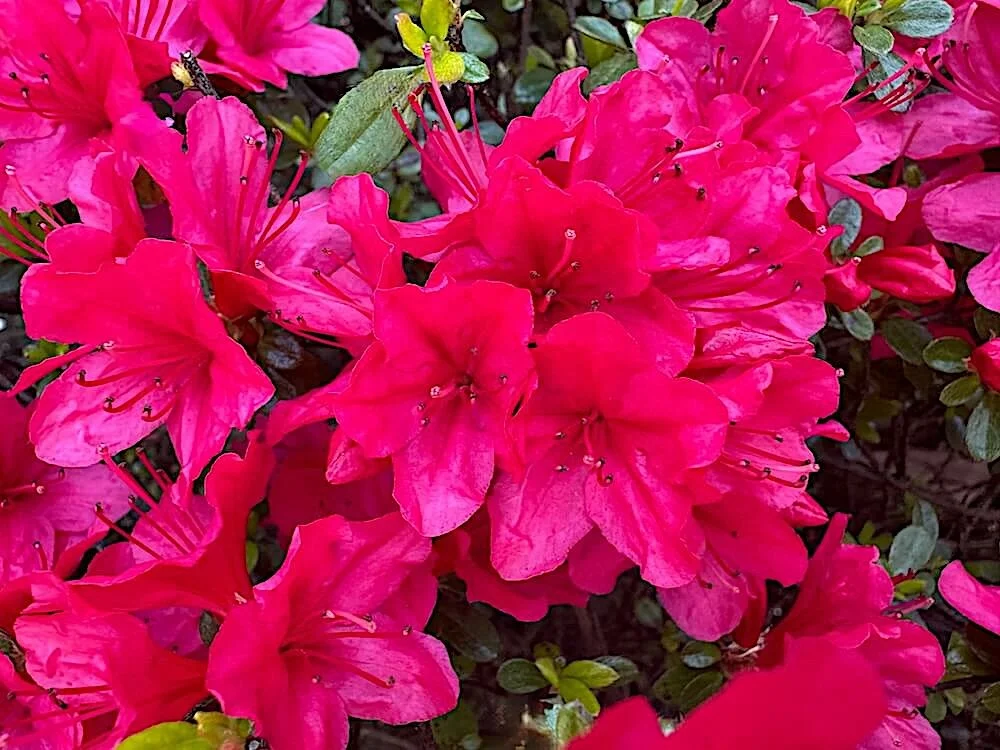
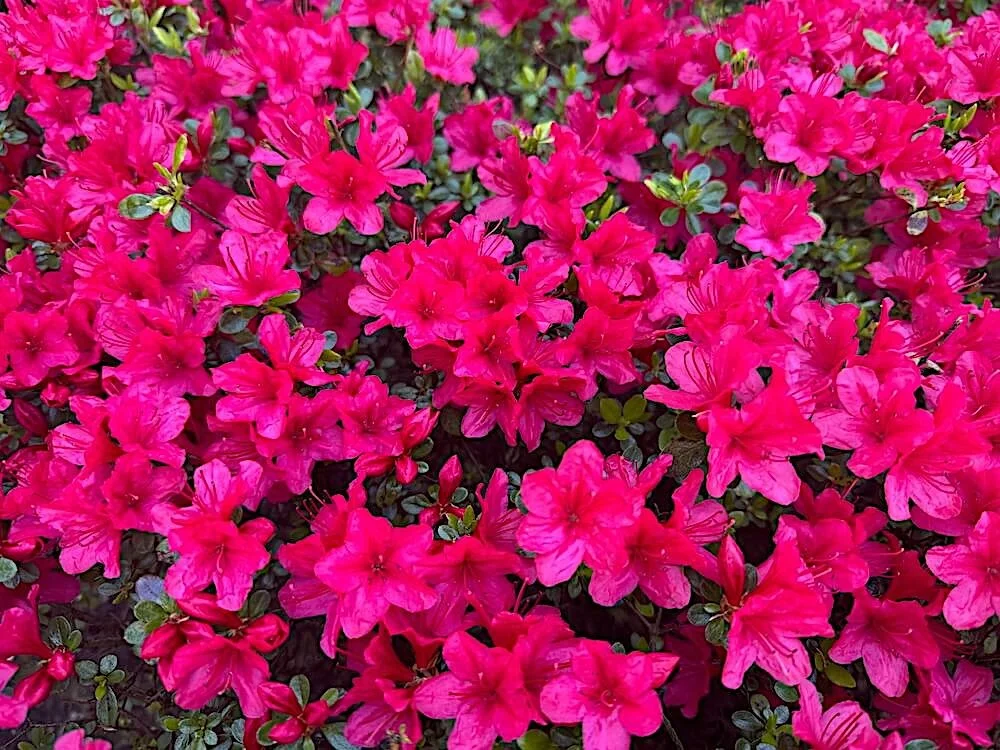
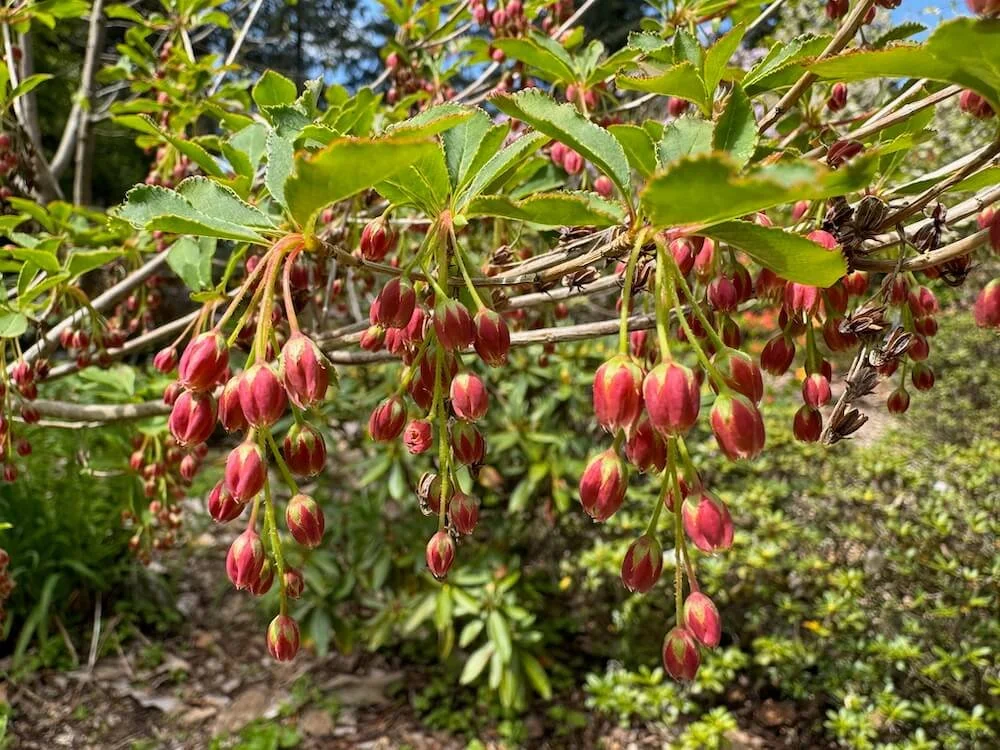
Enkianthus cernuus var. rubens produces clusters of small, bell-shaped flowers in late spring, the pendent blooms opening in warm rose-red tones with softly flared tips. The blossoms hang in loose groups along the branches as fresh foliage emerges. Narrow oval leaves unfold in bright green and form a graceful canopy through the growing season, later developing glowing shades of red, orange, and gold in autumn.

Native to Japan, Enkianthus cernuus var. rubens grows naturally in woodland and mountain habitats. In gardens it brings seasonal interest to woodland borders and shrub plantings, where the pendant flowers and brilliant autumn foliage add color and texture.

DESCRIPTION
Enkianthus cernuus var. rubens produces clusters of small, bell-shaped flowers in late spring, the pendent blooms opening in warm rose-red tones with softly flared tips. The blossoms hang in loose groups along the branches as fresh foliage emerges. Narrow oval leaves unfold in bright green and form a graceful canopy through the growing season, later developing glowing shades of red, orange, and gold in autumn.

Native to Japan, Enkianthus cernuus var. rubens grows naturally in woodland and mountain habitats. In gardens it brings seasonal interest to woodland borders and shrub plantings, where the pendant flowers and brilliant autumn foliage add color and texture.

 
  • Family: Ericaceae
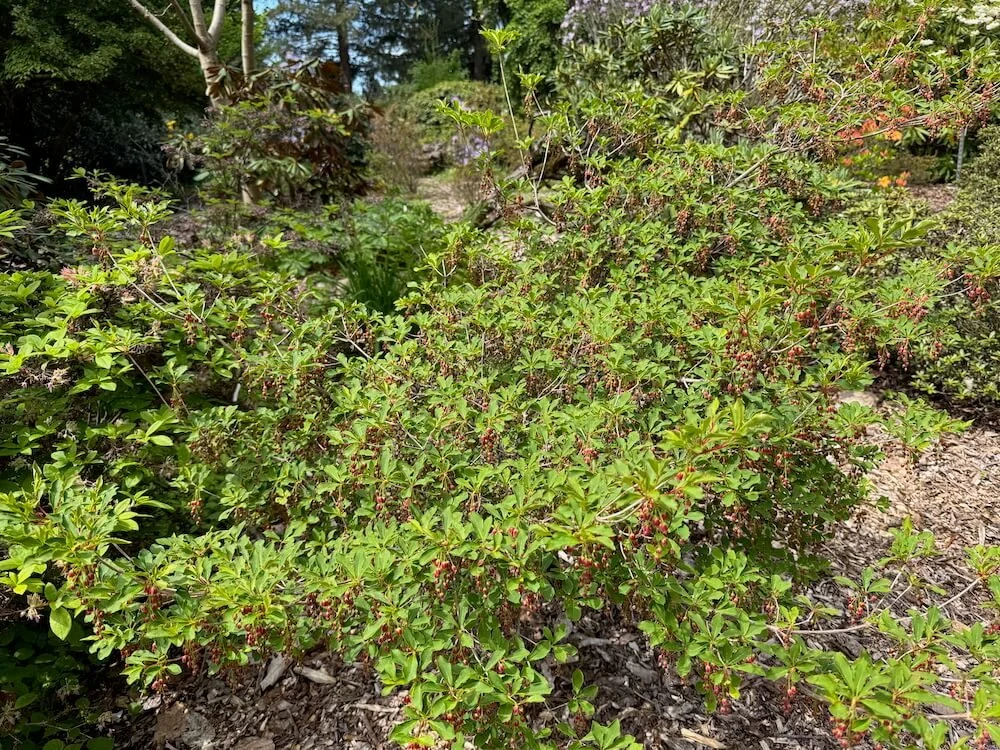
    Height: 6 to 10 feet
    Width: 4 to 6 feet
    Foliage color: Medium green oval leaves often turning brilliant shades of red orange and yellow in fall
    Flower color: Deep red to reddish pink bell-shaped flowers borne in graceful drooping clusters
    Bloom time: Late spring, often May to June
    Light requirements: Partial shade to light full sun
    Water requirements: Average moist well drained soil
    Maintenance: Low; prune lightly after flowering to maintain shape and avoid pruning that removes developing buds
    Growing zone: USDA zones 5 to 8
    Wildlife attractors: Bees and other pollinating insects

    This plant can be seen at the Rhododendron Species Botanical Garden.
    Print Information

    Buy Plants