Escallonia x langleyensis 'Pride of Donard' | Pride of Donard Escallonia

$0.00

DESCRIPTION
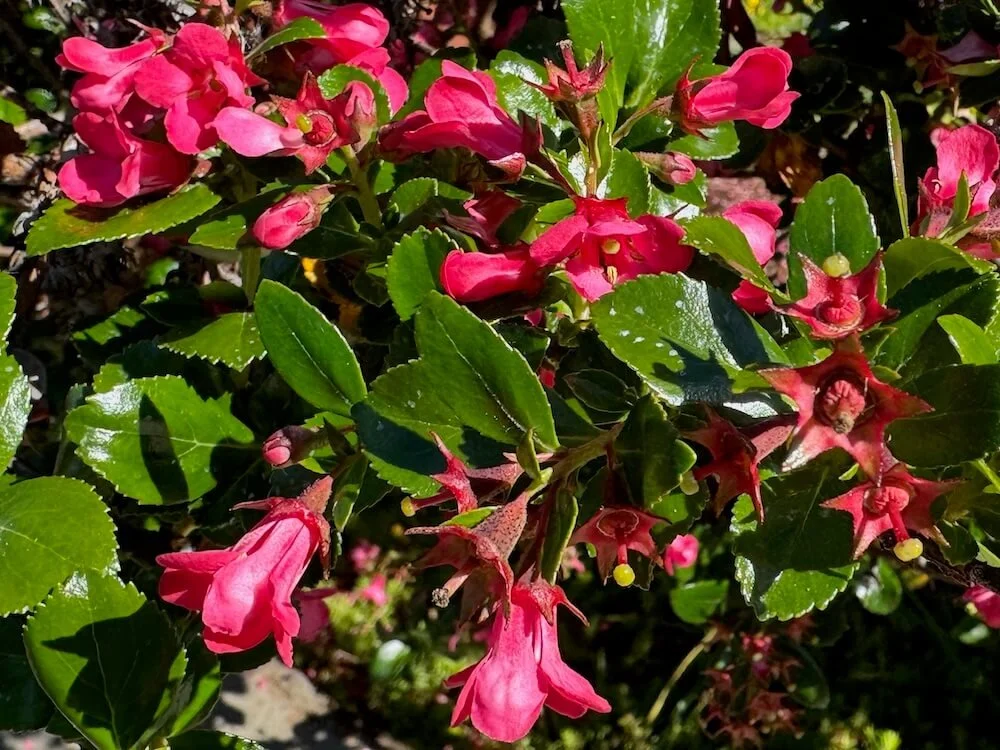
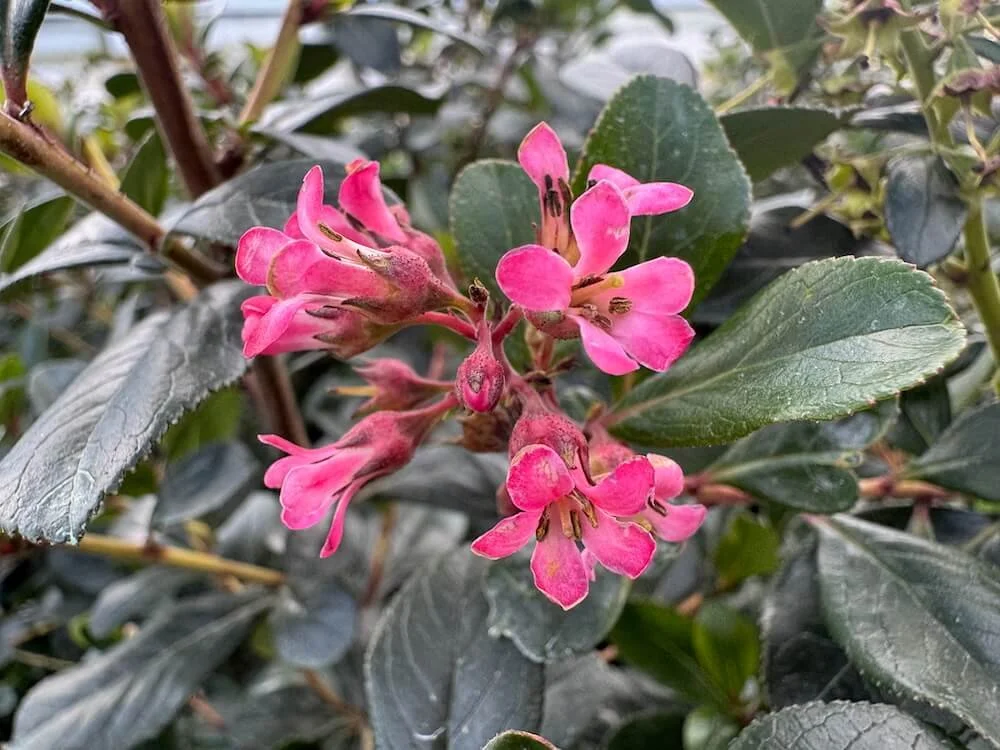
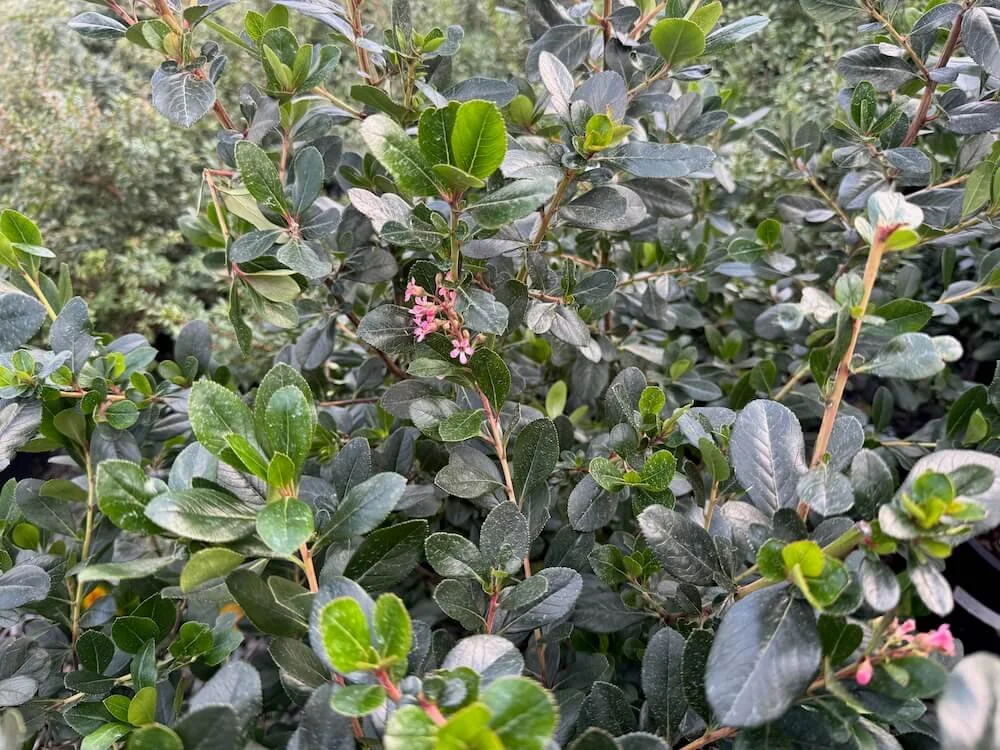
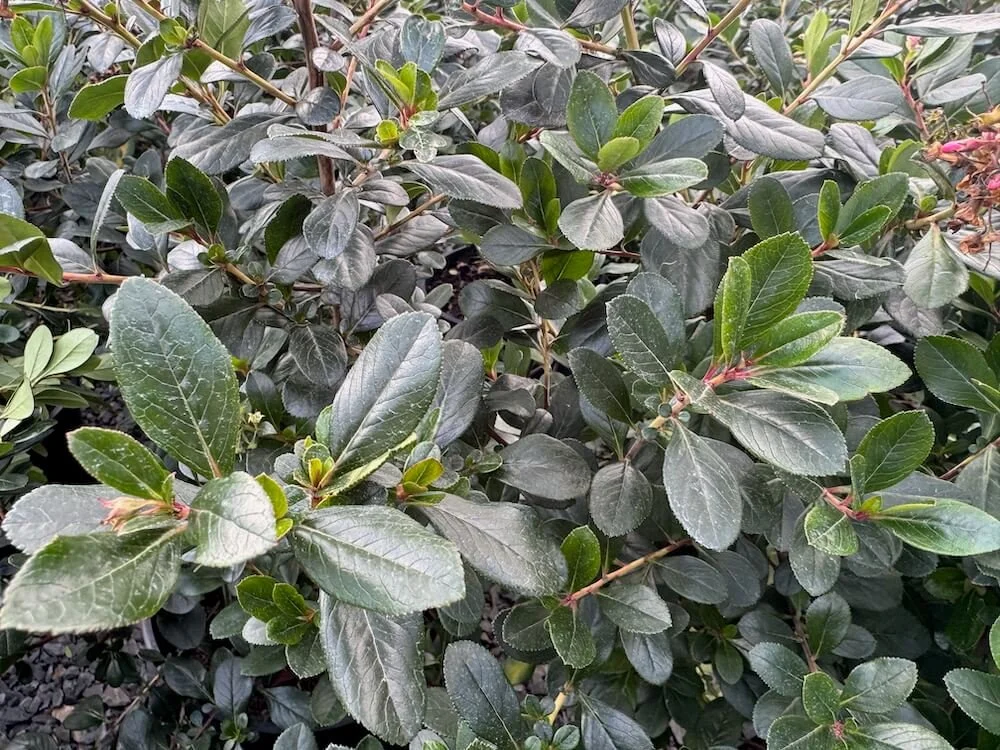
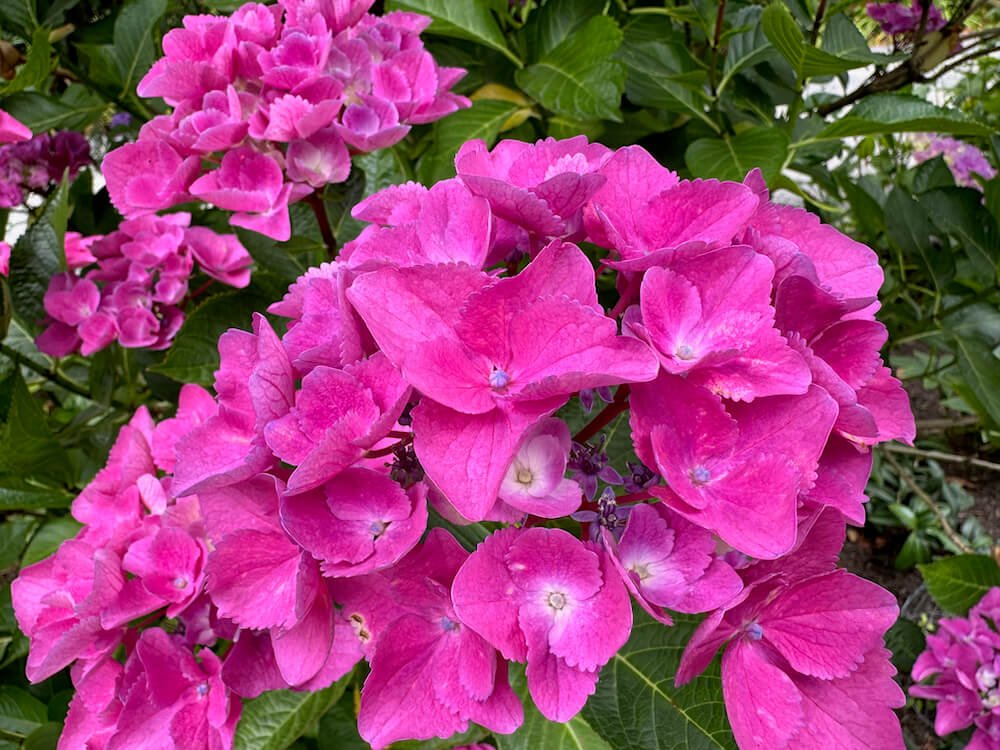
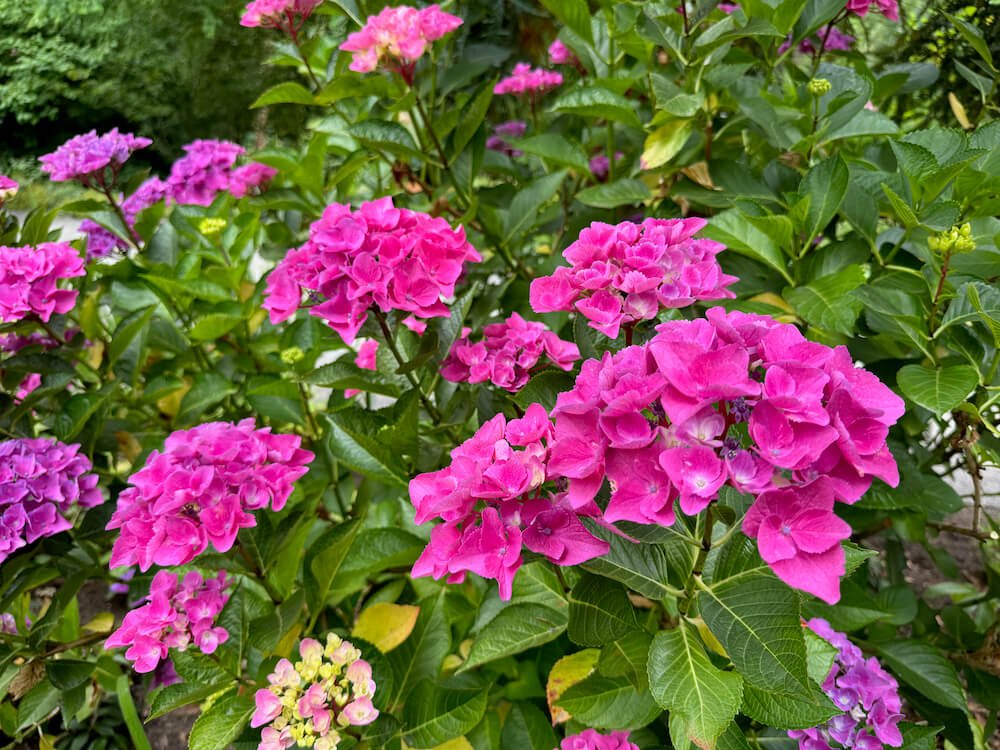
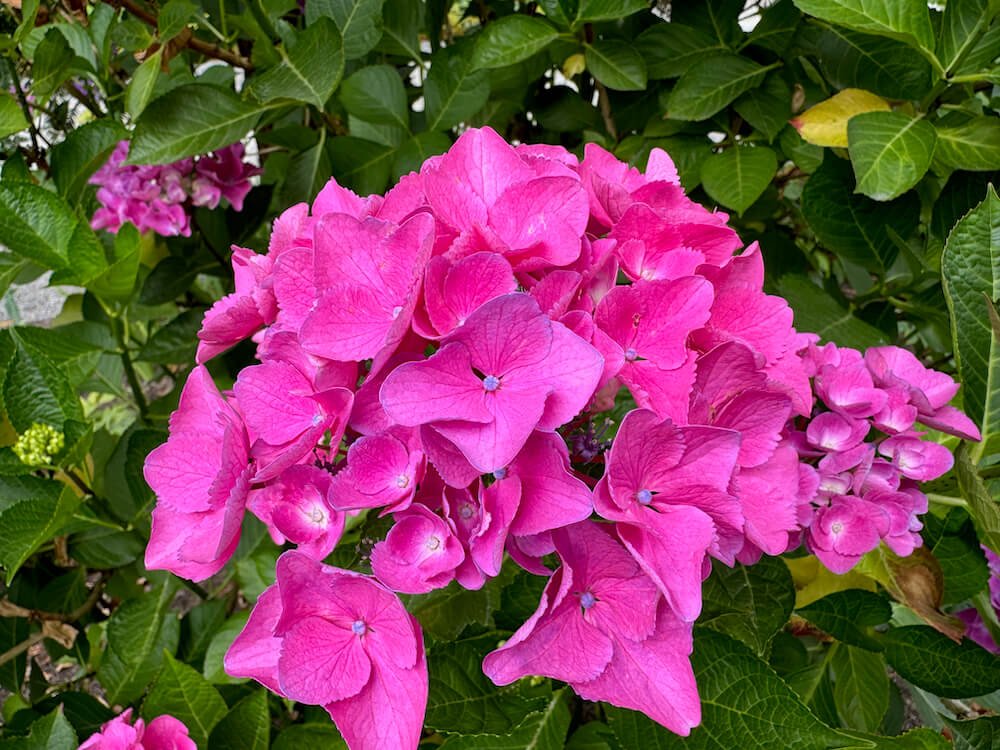
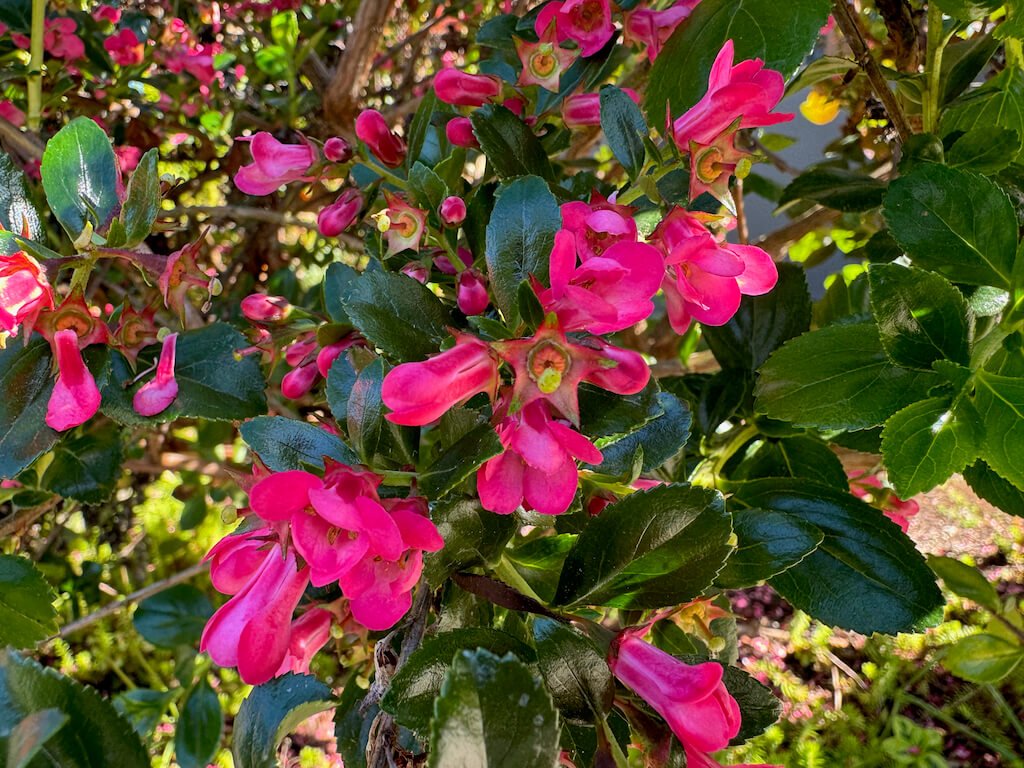
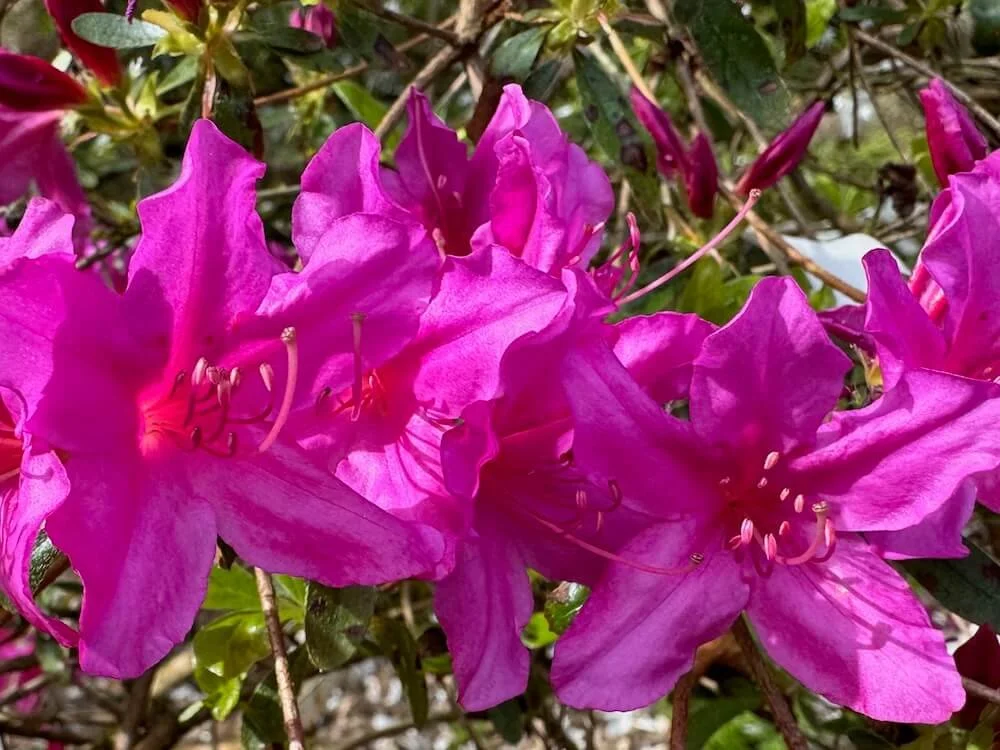
Escallonia x langleyensis 'Pride of Donard' produces clusters of rosy pink, tubular flowers from early summer into fall, creating a long season of color that attracts bees and other pollinators. Small, glossy leaves are deep green and densely arranged along the branches, forming a refined evergreen framework. The abundant flowers are borne near the tips of the stems, adding brightness and movement during the extended bloom period.

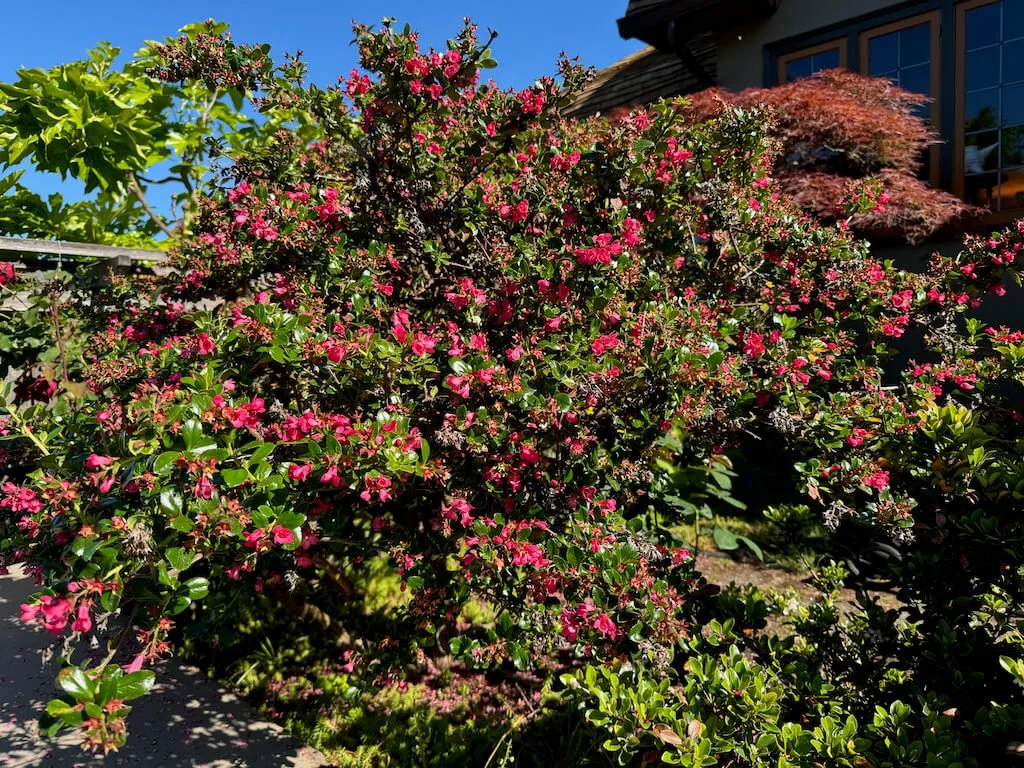
Originating from hybrid breeding involving South American species, this cultivar reflects selection focused on ornamental appeal and prolonged flowering. It is well suited to borders, coastal gardens, foundation plantings, and informal hedging, where its evergreen foliage and lengthy bloom season provide lasting structure and seasonal color.

DESCRIPTION
Escallonia x langleyensis 'Pride of Donard' produces clusters of rosy pink, tubular flowers from early summer into fall, creating a long season of color that attracts bees and other pollinators. Small, glossy leaves are deep green and densely arranged along the branches, forming a refined evergreen framework. The abundant flowers are borne near the tips of the stems, adding brightness and movement during the extended bloom period.

Originating from hybrid breeding involving South American species, this cultivar reflects selection focused on ornamental appeal and prolonged flowering. It is well suited to borders, coastal gardens, foundation plantings, and informal hedging, where its evergreen foliage and lengthy bloom season provide lasting structure and seasonal color.

 
  • Family: Escalloniaceae
    Height: 5 ft to 8 ft
    Width: 5 ft to 8 ft
    Foliage color: Glossy dark green leaves with a dense evergreen growth habit
    Flower color: Deep rose pink tubular flowers borne in clusters at branch tips
    Bloom time: Summer through early fall
    Light requirements: Full sun to partial shade
    Water requirements: Low to moderate once grown
    Maintenance: Low; prune lightly after flowering to maintain shape and encourage dense growth
    Growing zone: USDA zones 7 to 9
    Wildlife attractors: Hummingbirds, bees, butterflies and pollinators attracted to nectar rich flowers
    Print Information

    Buy Plants