Illicium anisatum | Japanese Star Anise

$0.00

DESCRIPTION
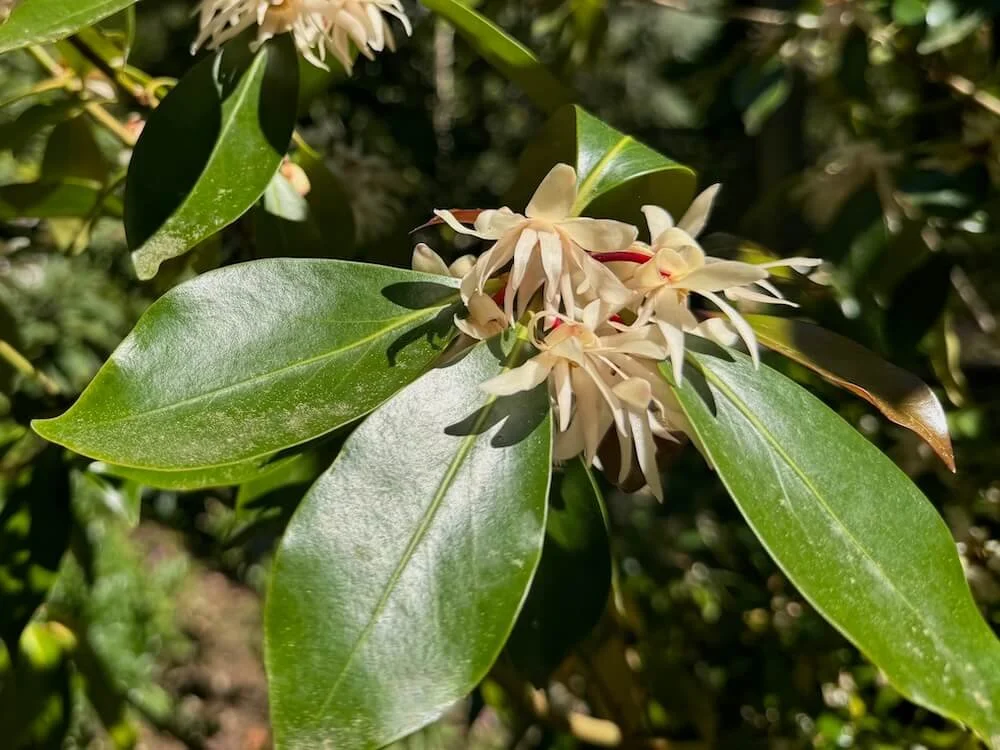
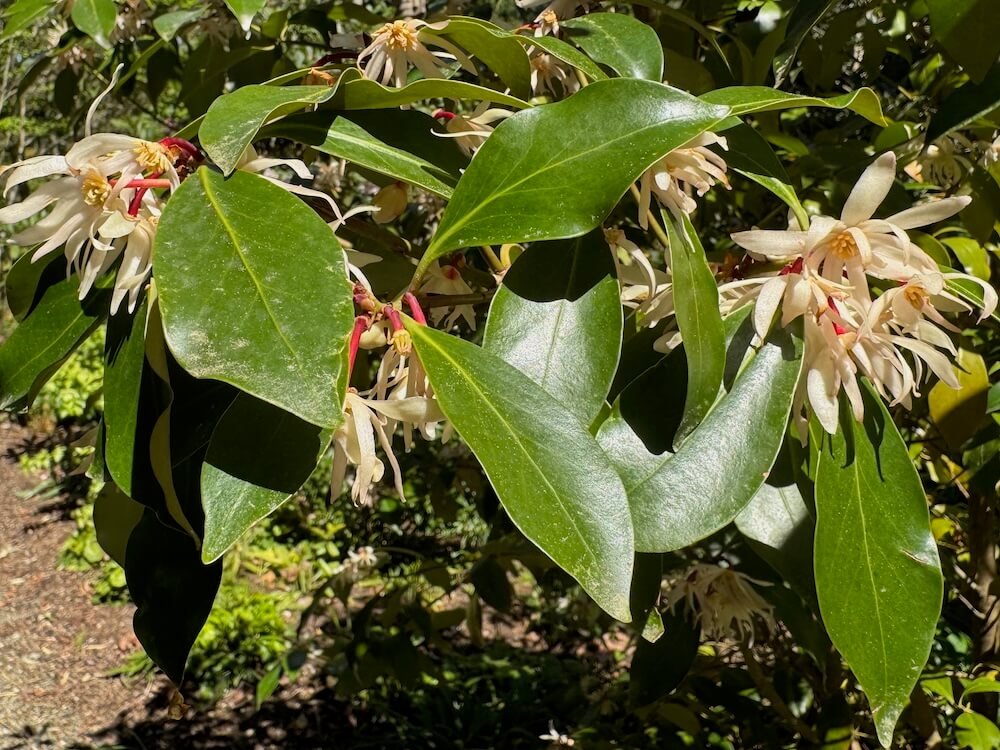
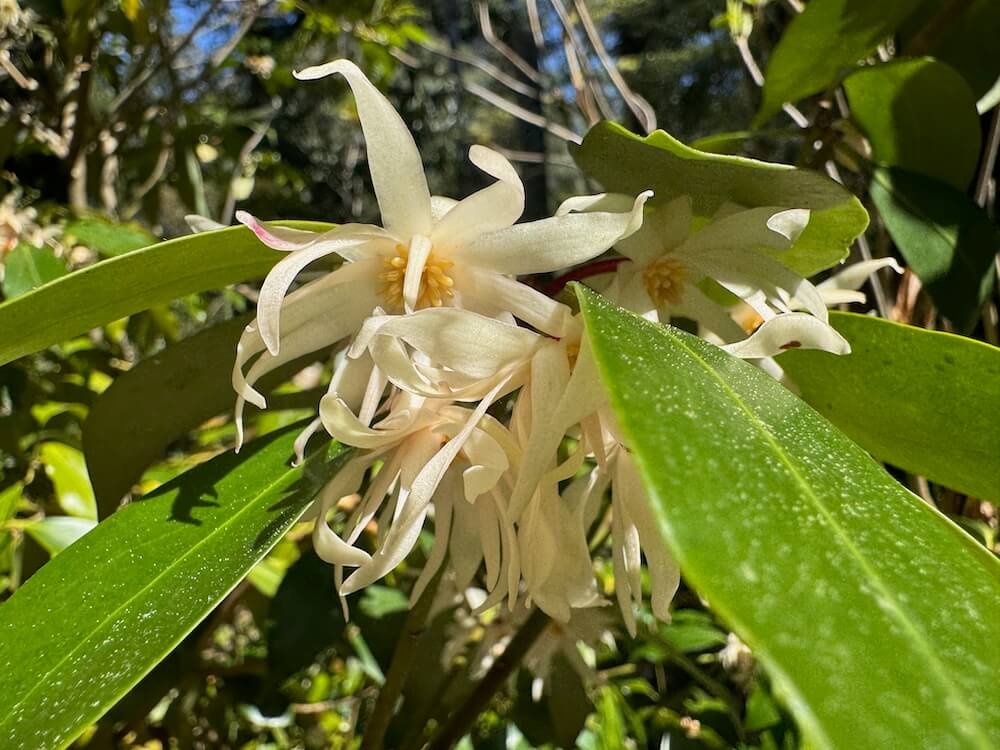
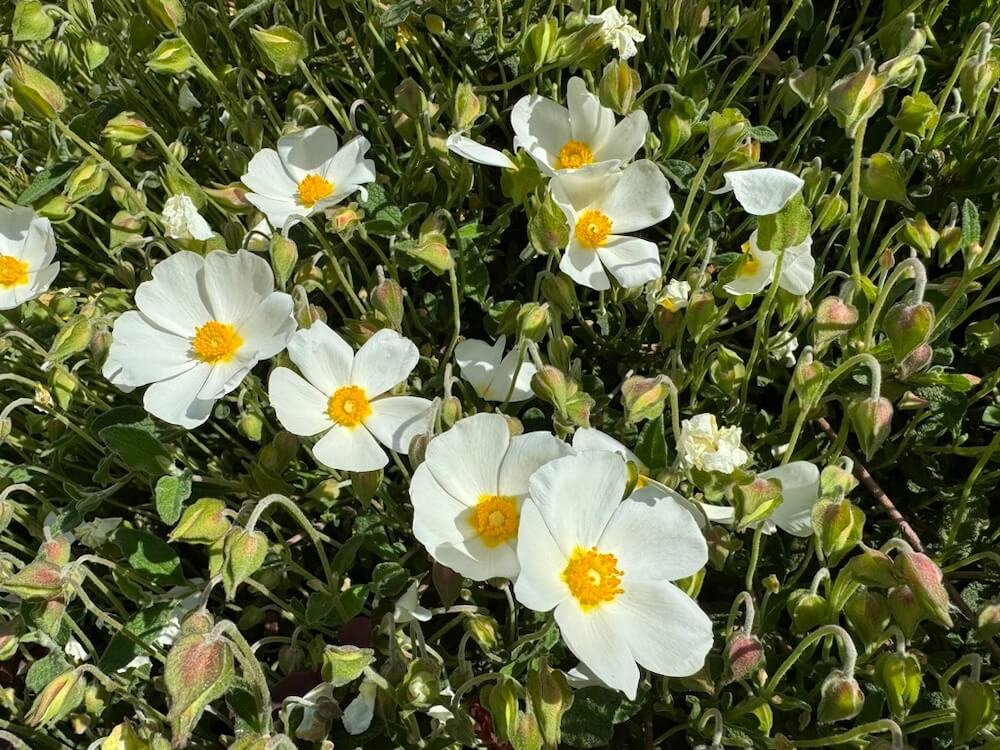
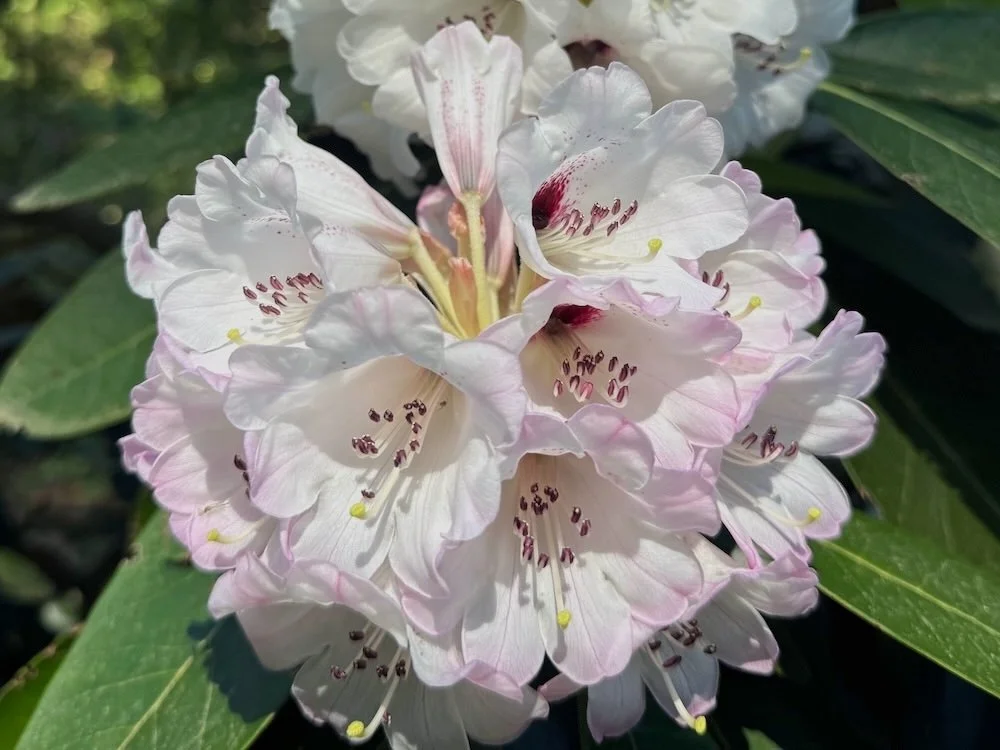
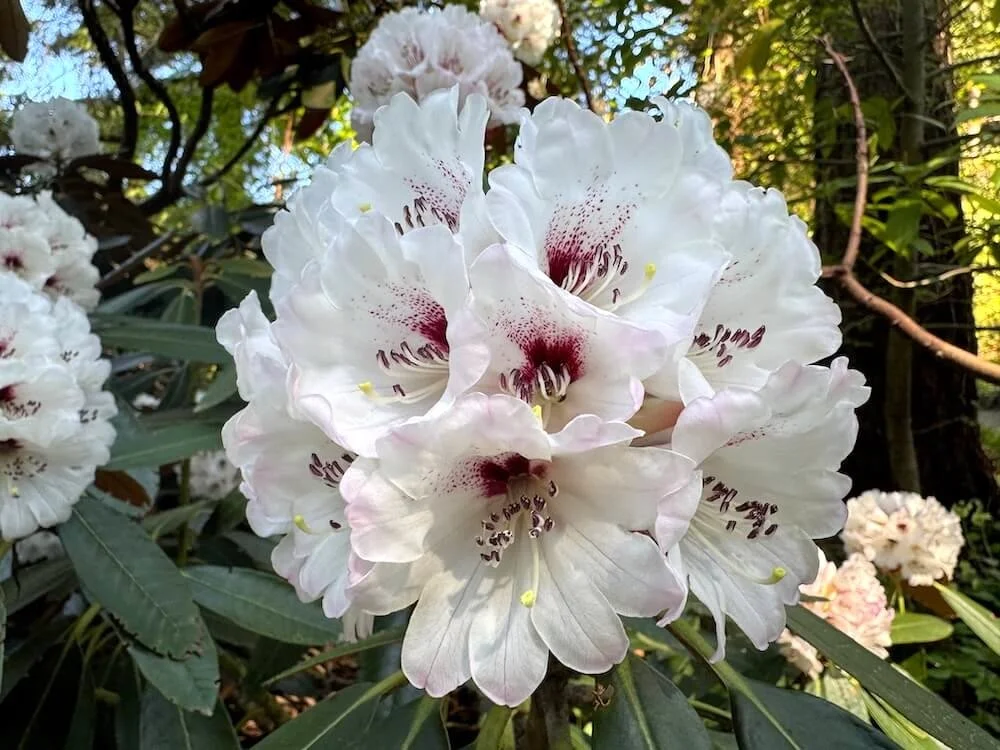
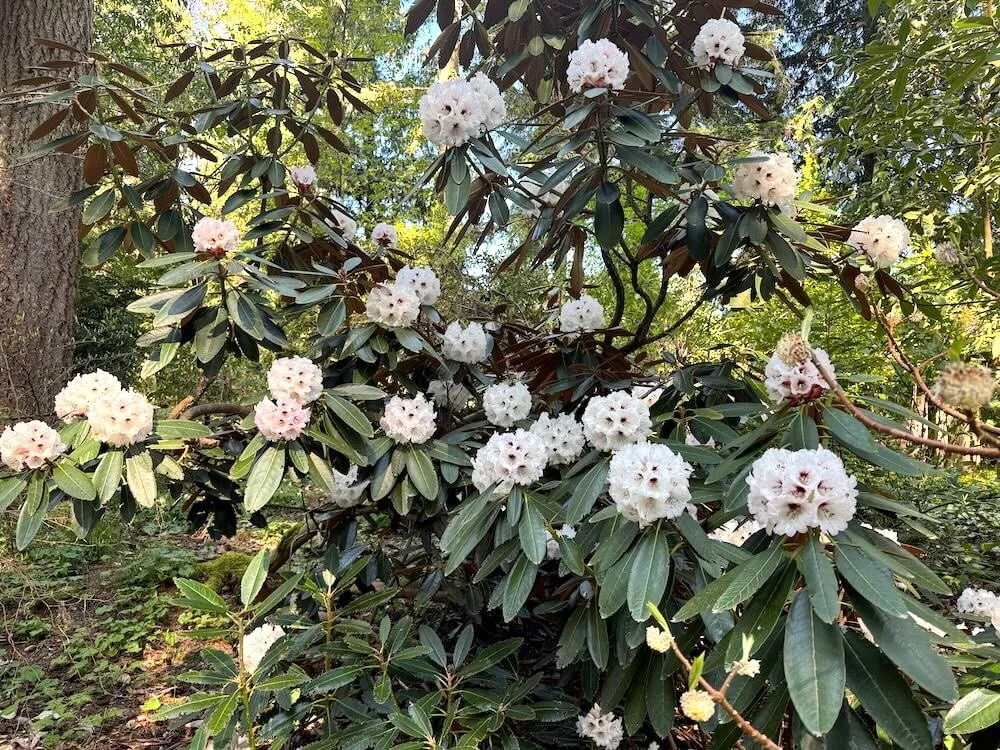
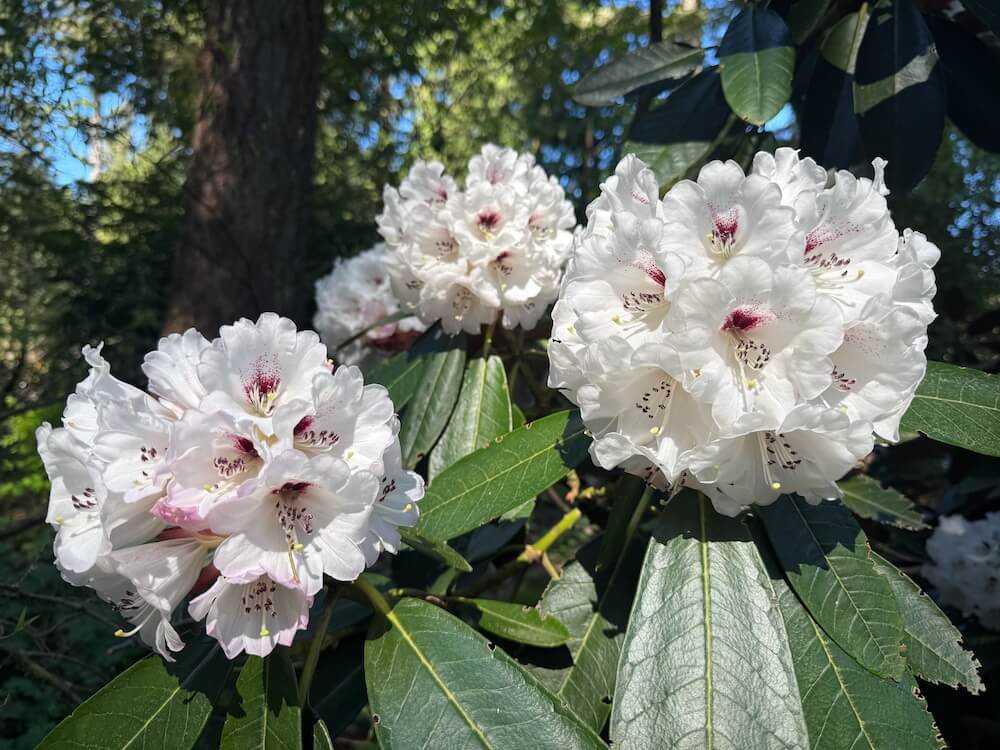
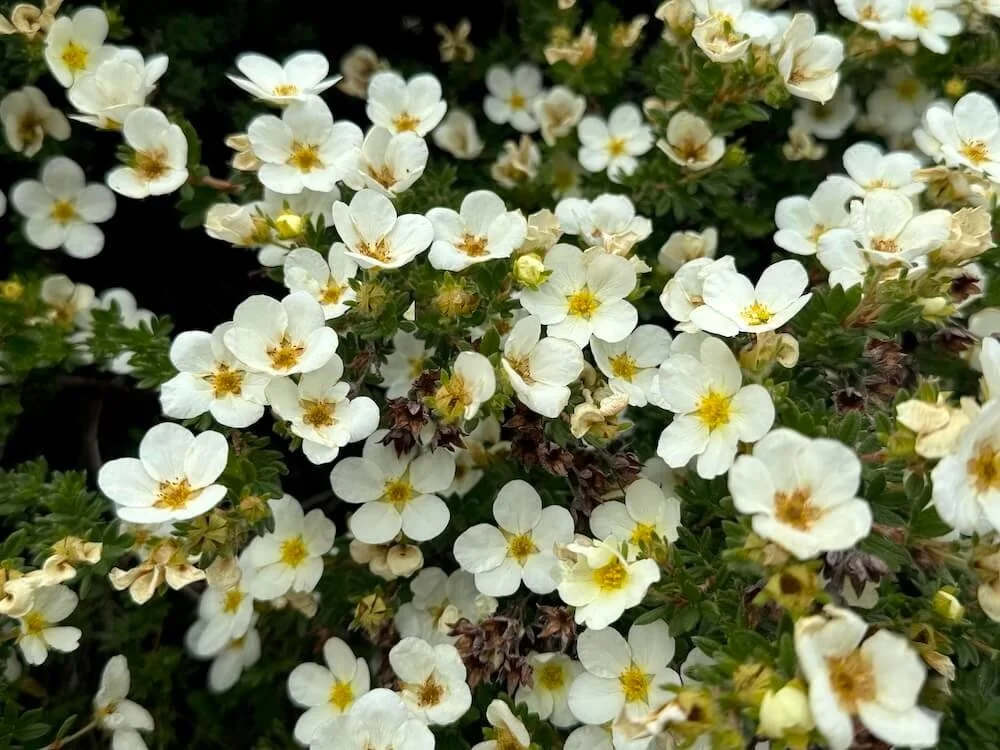
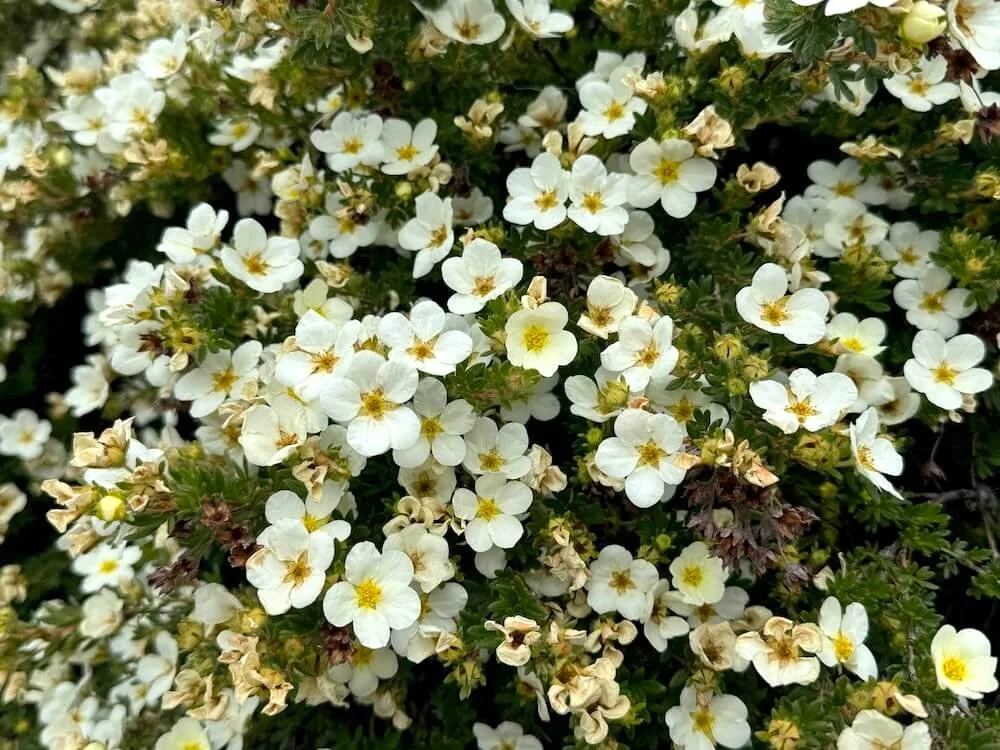
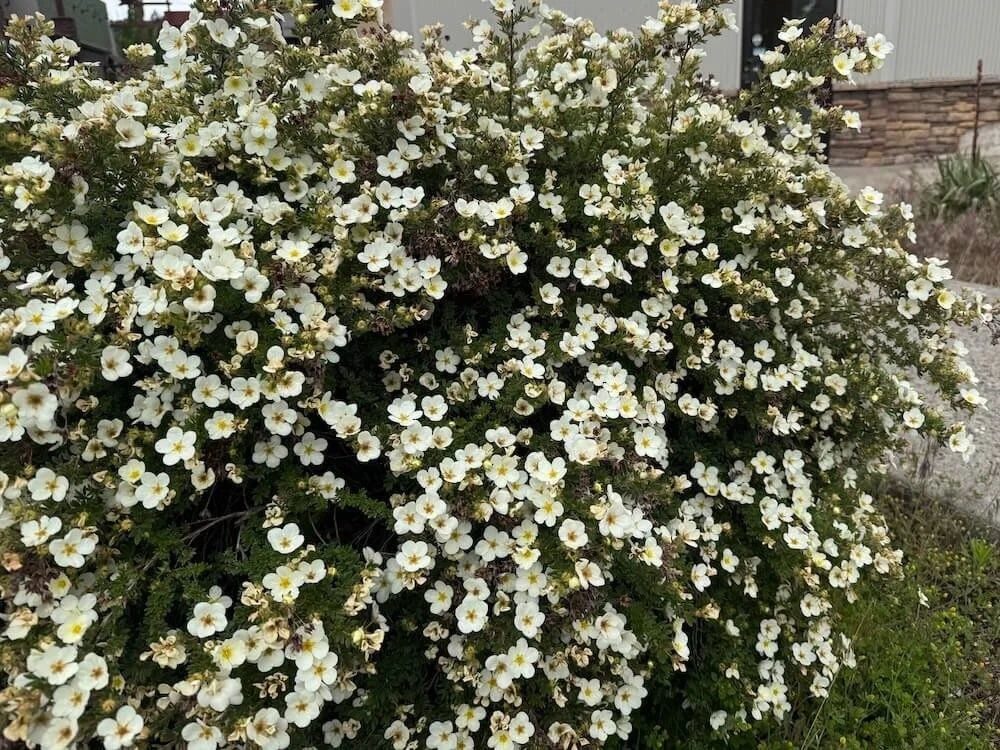
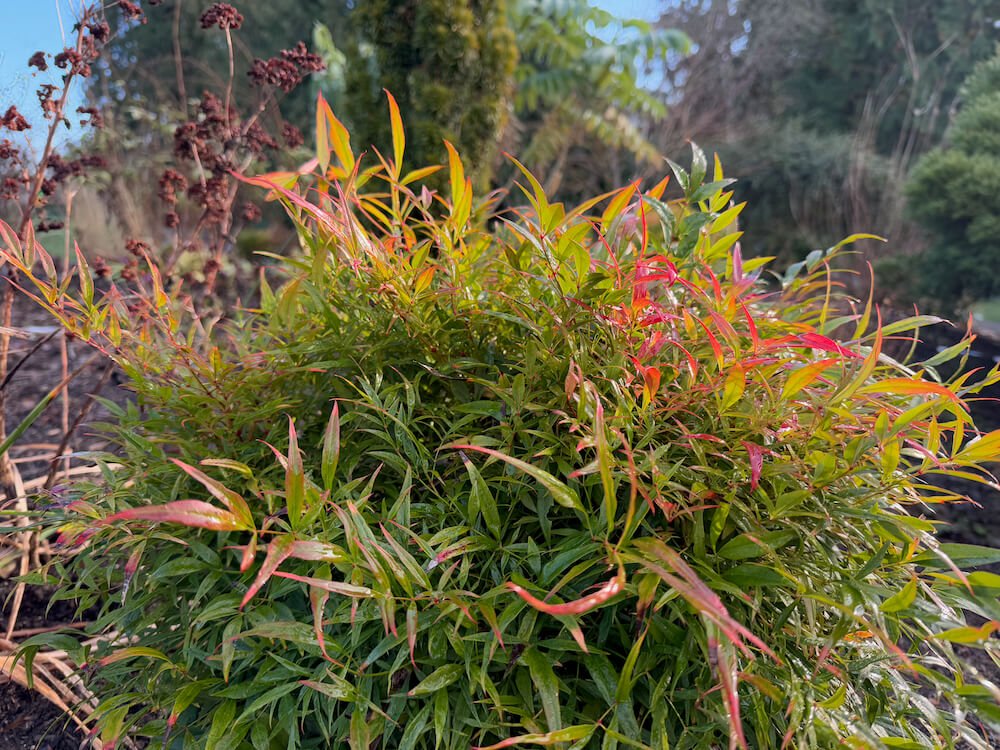
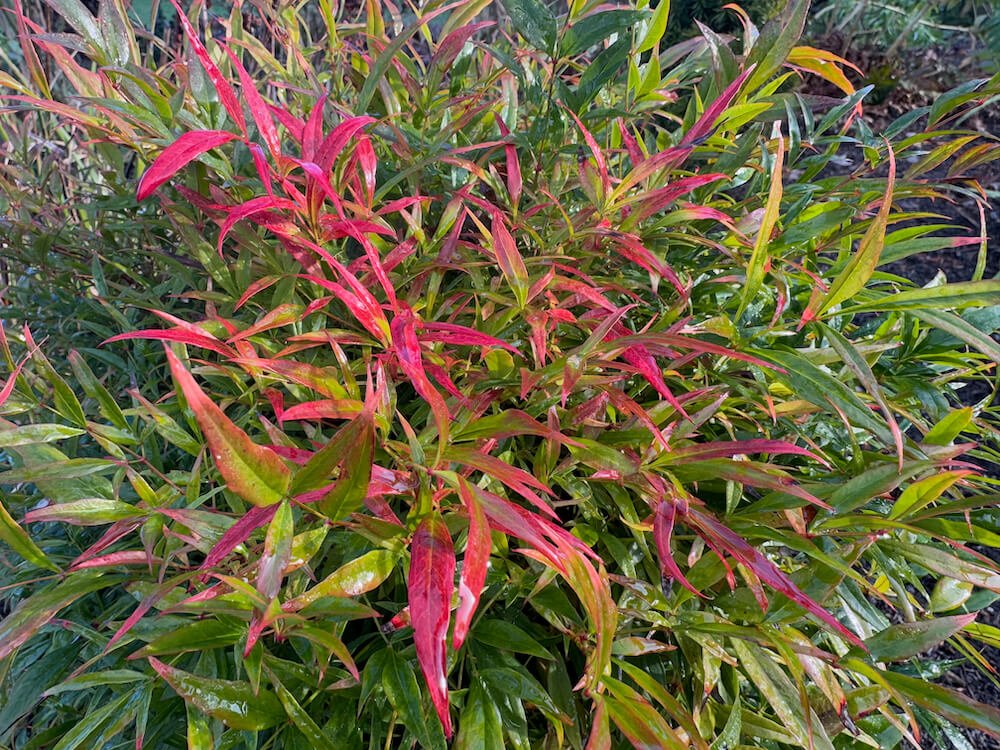
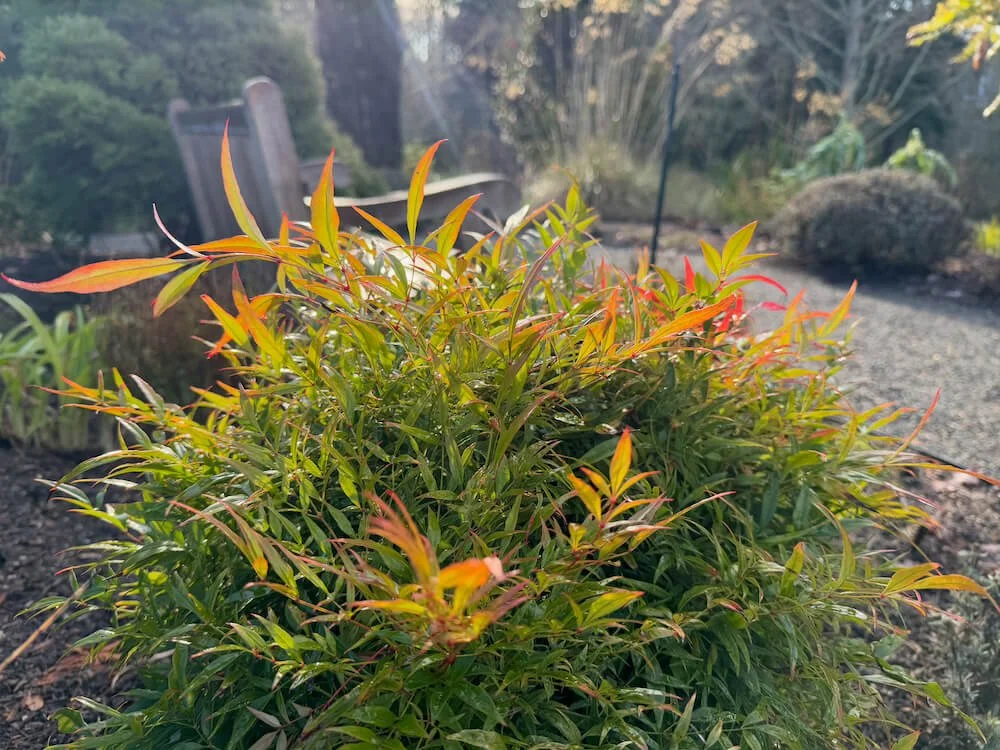
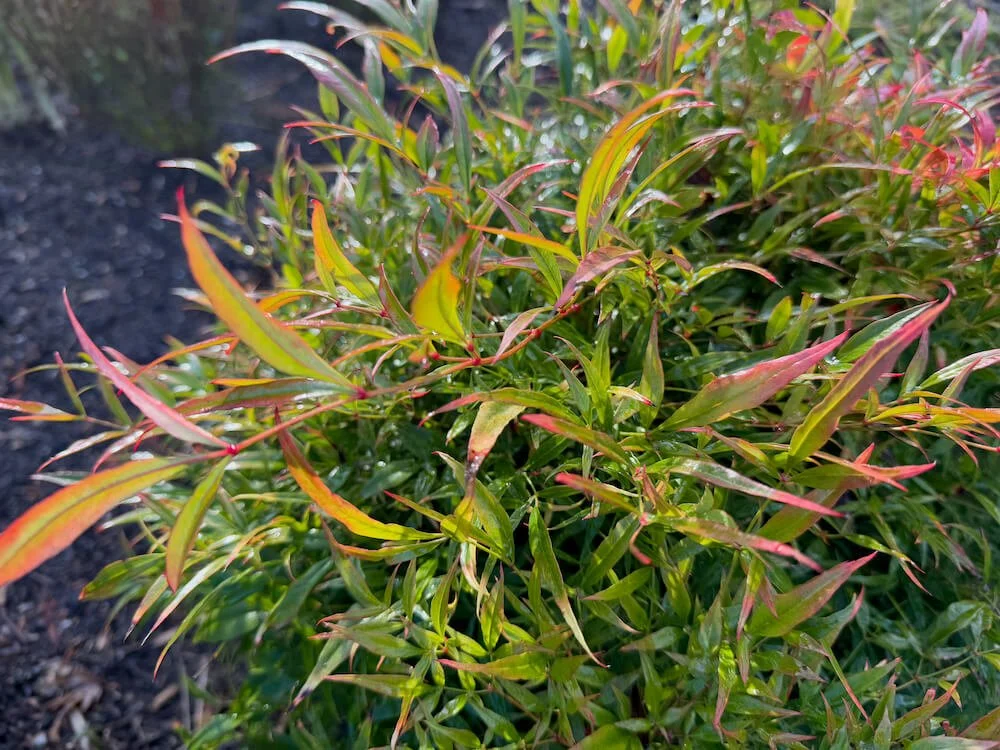
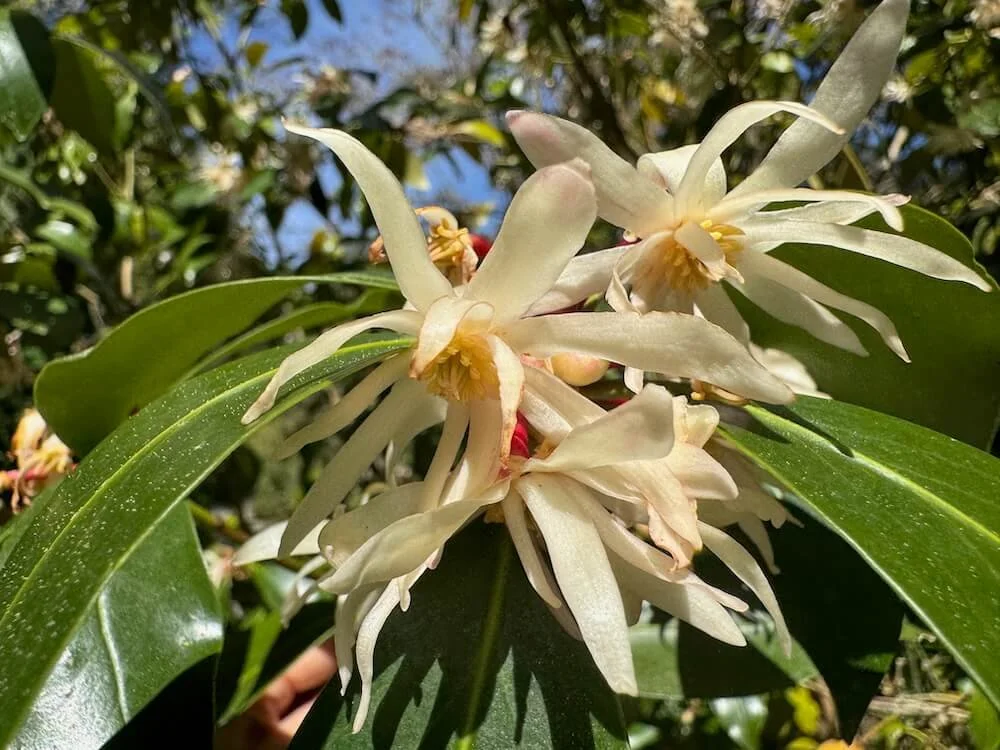
Illicium anisatum produces star-shaped creamy white flowers in mid to late spring, each bloom formed with narrow petals arranged in layered whorls around the center. The blossoms appear along the stems and provide subtle color among the foliage. Glossy, leathery leaves cover the branches, displaying deep green surfaces and releasing a spicy fragrance when crushed. The evergreen foliage forms a dense canopy that remains colorful throughout the year.

Native to Japan, Illicium anisatum grows naturally in woodland habitats and forest margins. In gardens it adds evergreen structure to shaded borders and woodland plantings where the glossy foliage and unusual flowers provide quiet seasonal interest.

DESCRIPTION
Illicium anisatum produces star-shaped creamy white flowers in mid to late spring, each bloom formed with narrow petals arranged in layered whorls around the center. The blossoms appear along the stems and provide subtle color among the foliage. Glossy, leathery leaves cover the branches, displaying deep green surfaces and releasing a spicy fragrance when crushed. The evergreen foliage forms a dense canopy that remains colorful throughout the year.

Native to Japan, Illicium anisatum grows naturally in woodland habitats and forest margins. In gardens it adds evergreen structure to shaded borders and woodland plantings where the glossy foliage and unusual flowers provide quiet seasonal interest.

 
  • Family: Schisandraceae
    Height: 6 to 10 feet
    Width: 6 to 10 feet
    Foliage color: Glossy dark green lance shaped leaves; aromatic when crushed
    Flower color: Creamy white to pale yellow white star shaped flowers often with pink to red tinged buds and numerous narrow petals
    Bloom time: Mid spring, often April to May
    Light requirements: Partial shade to full shade
    Water requirements: Average
    Maintenance: Low; prune lightly after flowering to maintain shape and remove damaged or crossing branches
    Growing zone: USDA zones 7 to 10
    Wildlife attractors: Bees and other pollinating insects
    Print Information

    Buy Plants