Lonicera pileata | Privet Honeysuckle

$0.00

DESCRIPTION
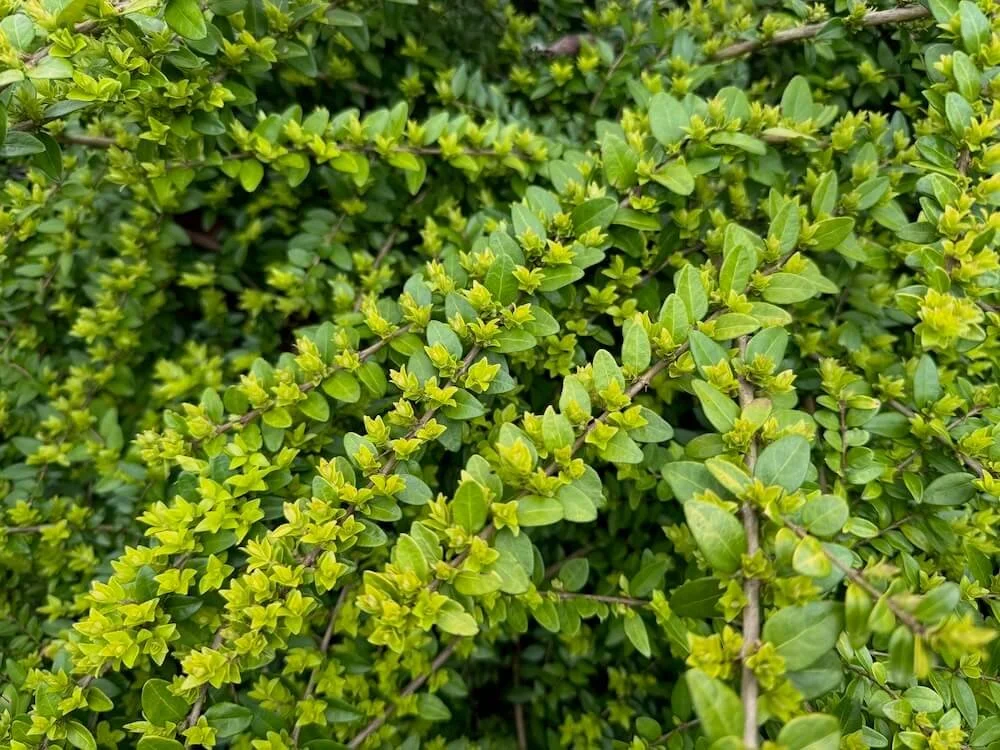
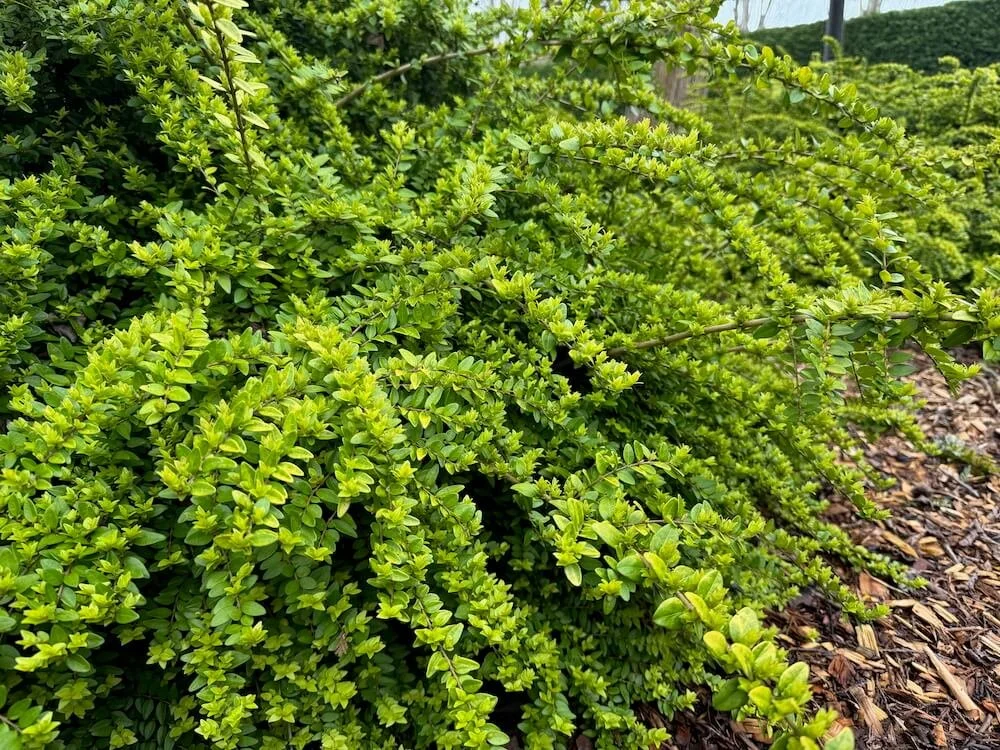
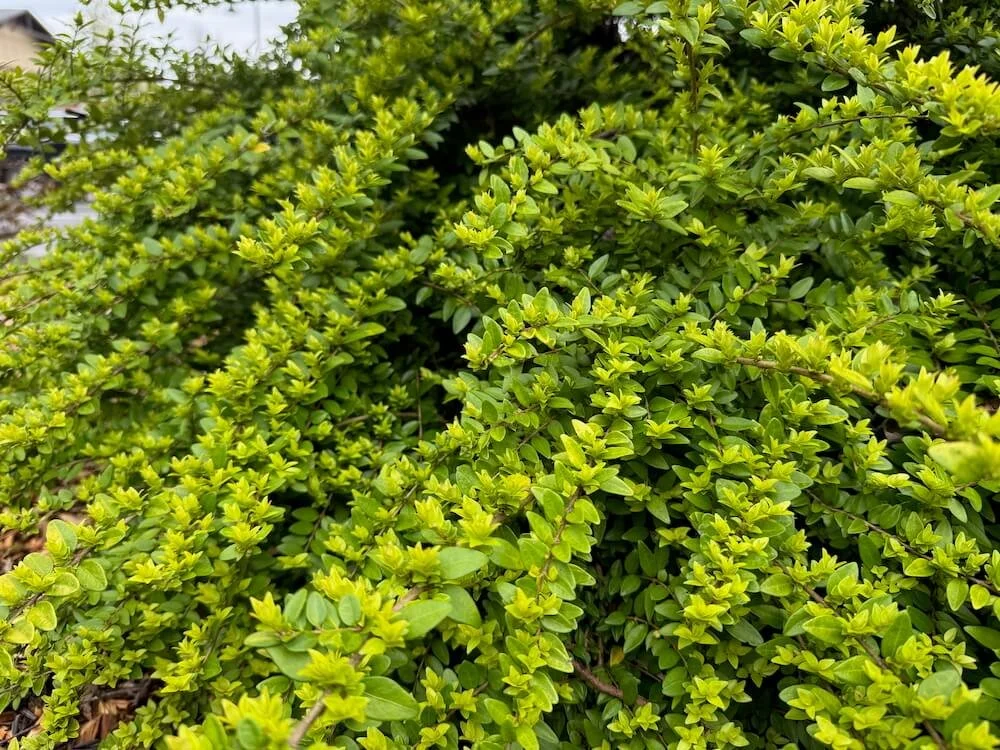
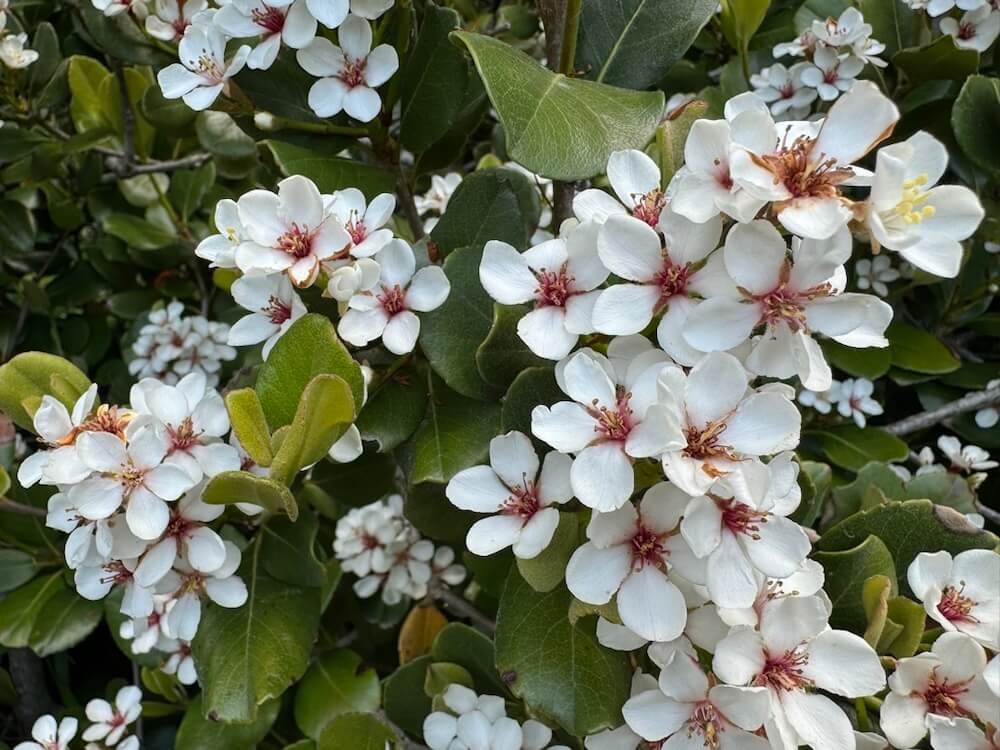
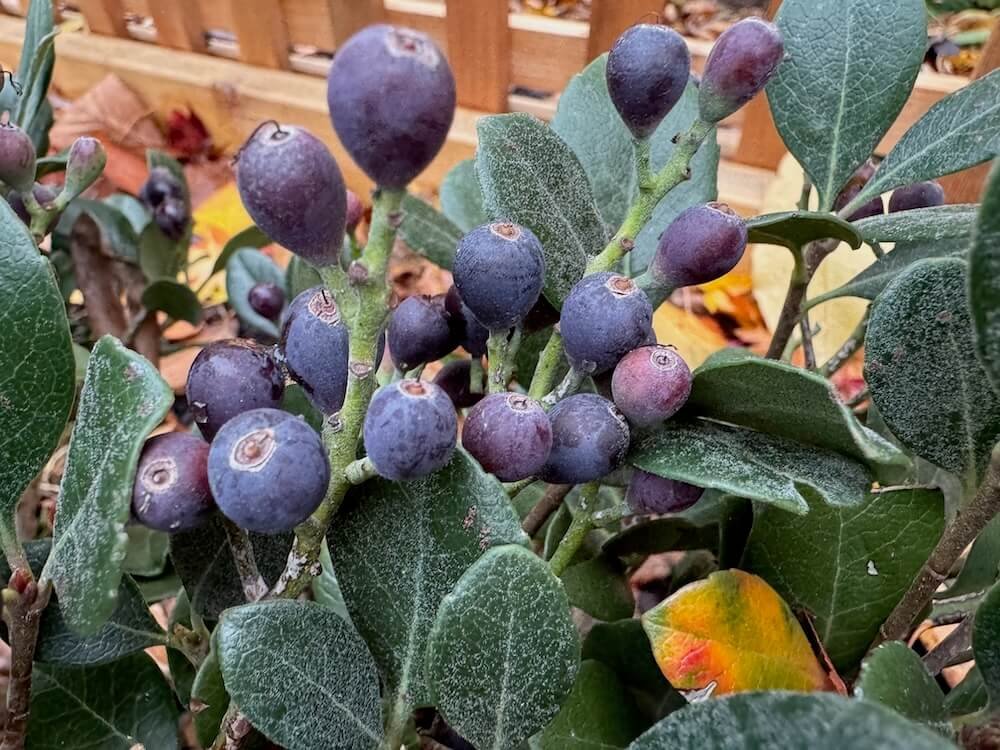
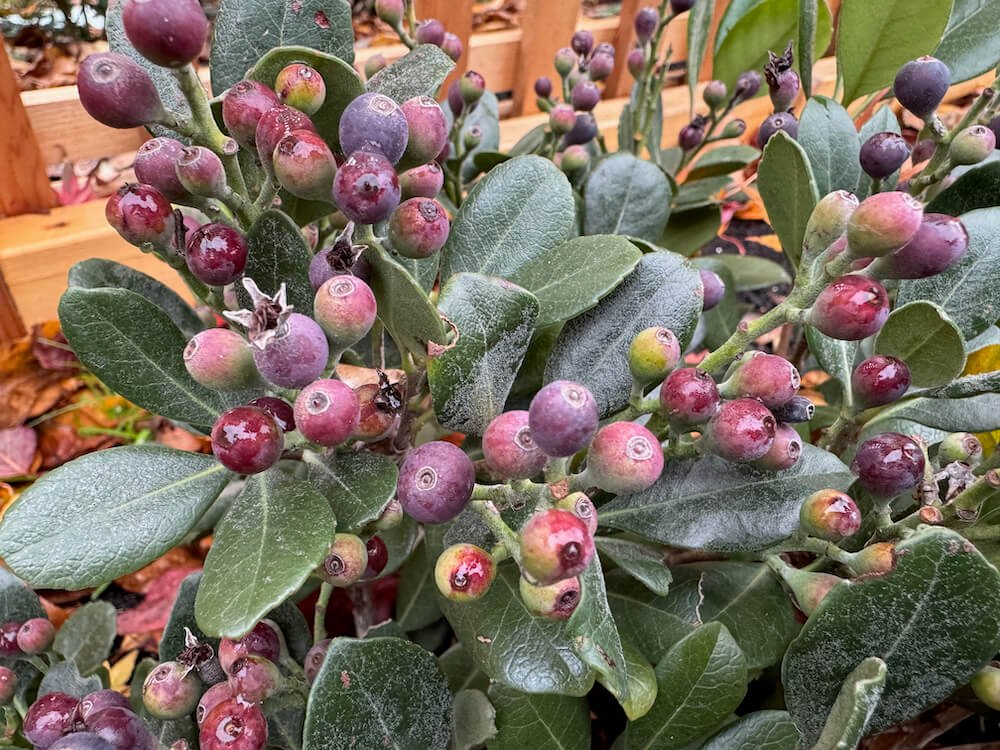
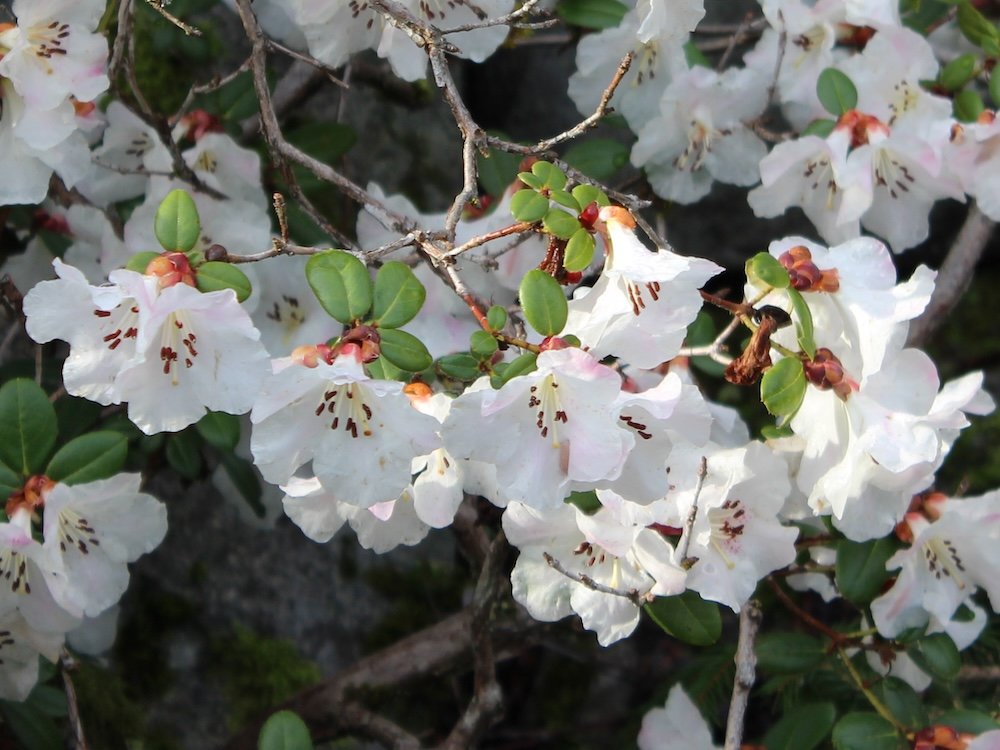
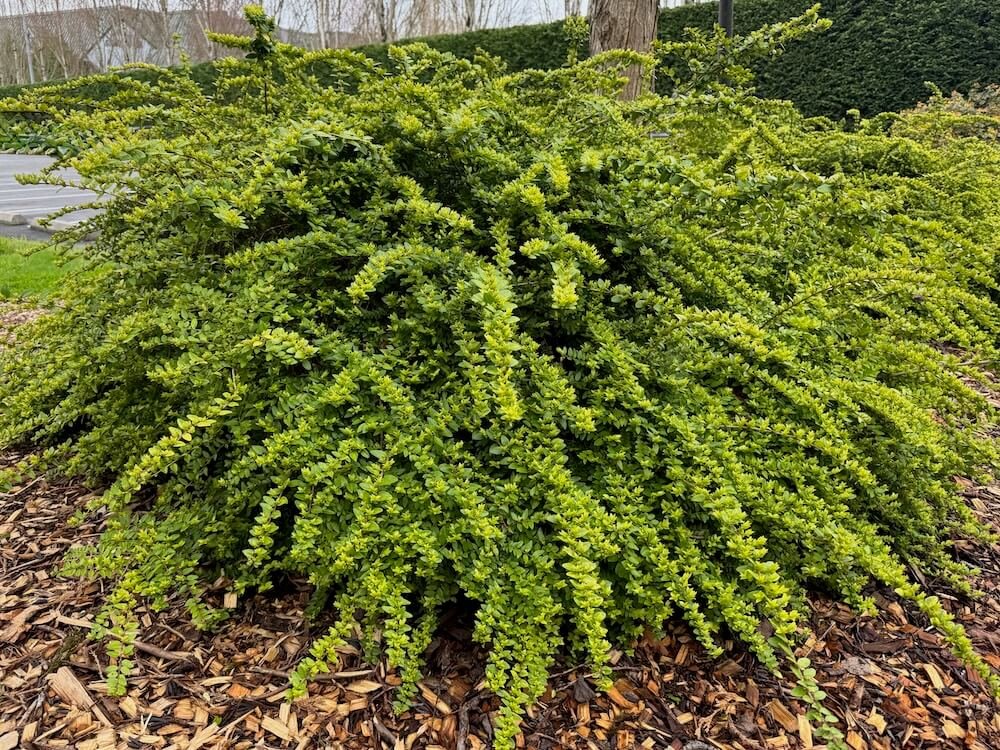
Lonicera pileata produces small, creamy white tubular flowers in late spring, tucked along the stems and followed by translucent purple berries. Tiny, oval leaves are deep green and closely spaced, forming a dense, layered mat with a smooth, finely textured surface. The foliage lies in neat, overlapping tiers, creating a soft, spreading effect, while the flowers remain subtle within the canopy and give way to ornamental fruit.

Originating from western China, this species reflects adaptation to woodland edges and open slopes. It is well suited to groundcover plantings, low hedging, and edging along paths, where its evergreen structure and fruiting habit provide year-round interest and visual continuity.

DESCRIPTION
Lonicera pileata produces small, creamy white tubular flowers in late spring, tucked along the stems and followed by translucent purple berries. Tiny, oval leaves are deep green and closely spaced, forming a dense, layered mat with a smooth, finely textured surface. The foliage lies in neat, overlapping tiers, creating a soft, spreading effect, while the flowers remain subtle within the canopy and give way to ornamental fruit.

Originating from western China, this species reflects adaptation to woodland edges and open slopes. It is well suited to groundcover plantings, low hedging, and edging along paths, where its evergreen structure and fruiting habit provide year-round interest and visual continuity.

 
  • Family: Caprifoliaceae
    Height: 18 in to 24 in
    Width: 4 ft to 8 ft
    Foliage color: Small glossy dark green leaves with a dense layered evergreen habit
    Flower color: Tiny creamy white flowers often hidden among foliage with a subtle appearance
    Bloom time: Late spring to early summer
    Light requirements: Full sun to partial shade
    Water requirements: Moderate
    Maintenance: Low; trim as needed to maintain shape and control spread
    Growing zone: USDA zones 6 to 9
    Wildlife attractors: Birds attracted to purple berries and pollinators attracted to small flowers
    Print Information

    Buy Plants