Loropetalum chinense var. rubrum 'Burgundy' | Burgundy Chinese Fringe Flower

$0.00

DESCRIPTION
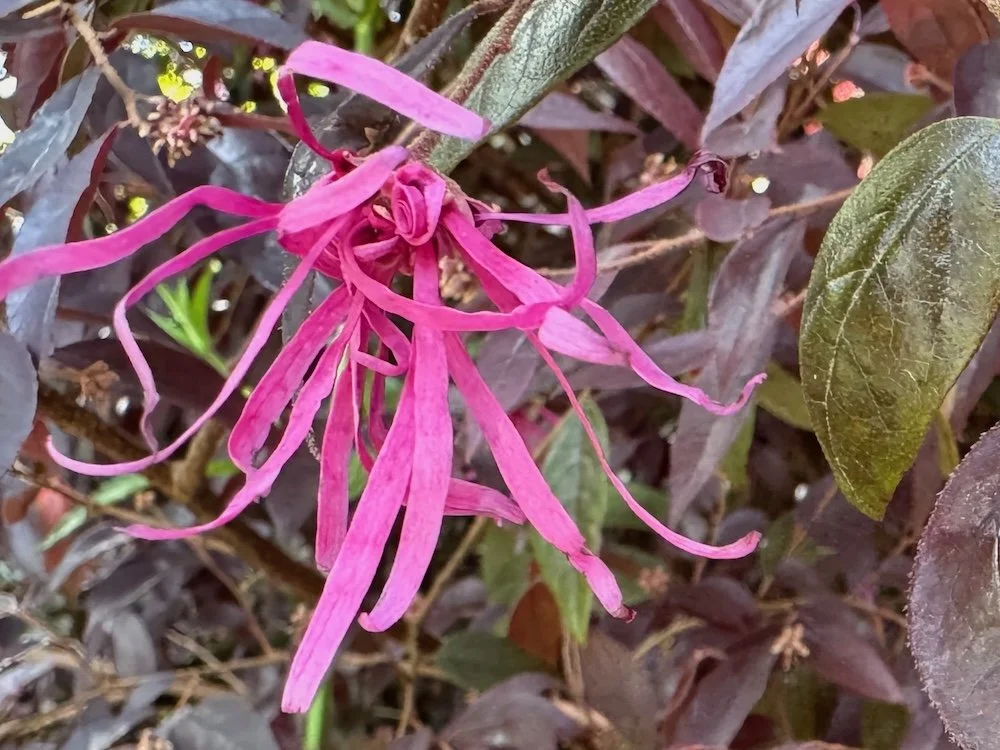
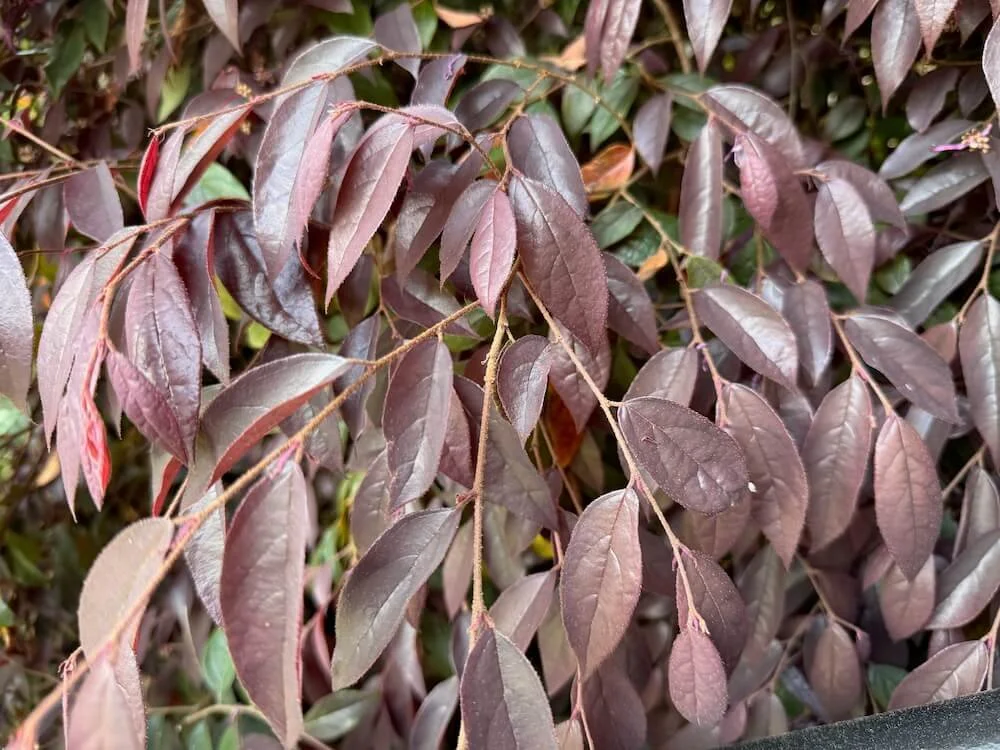
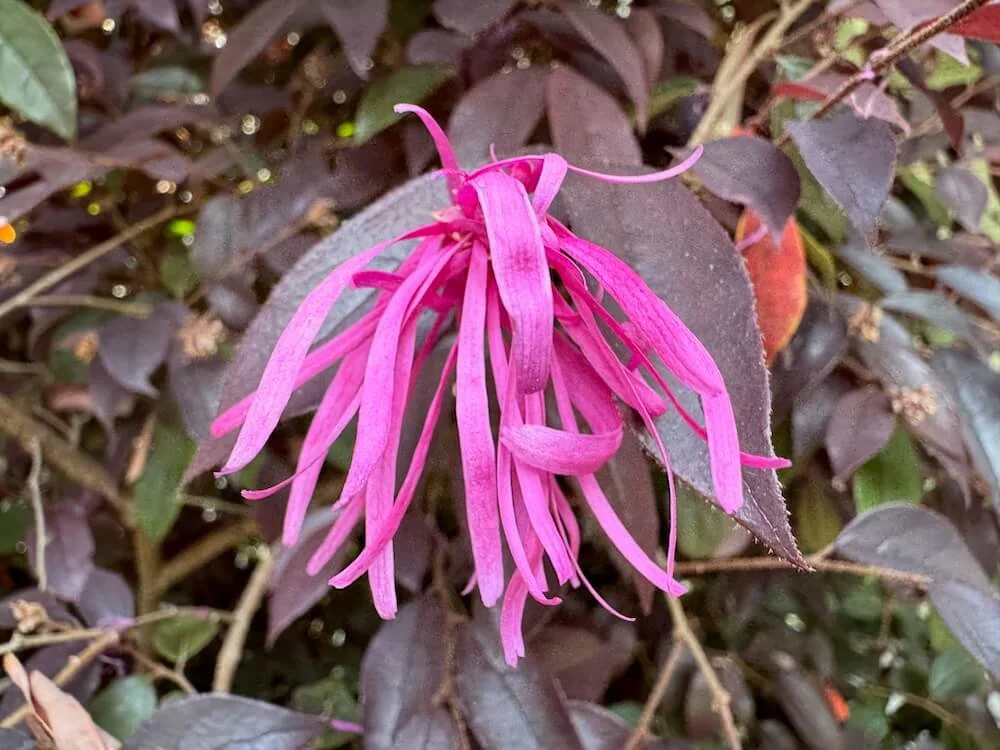
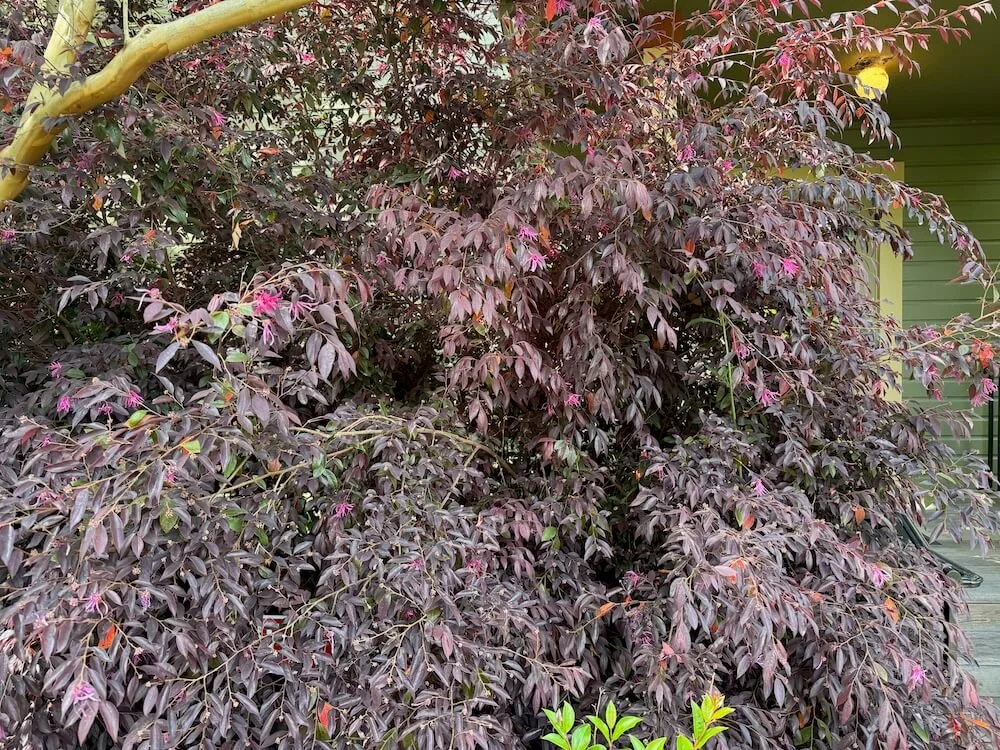
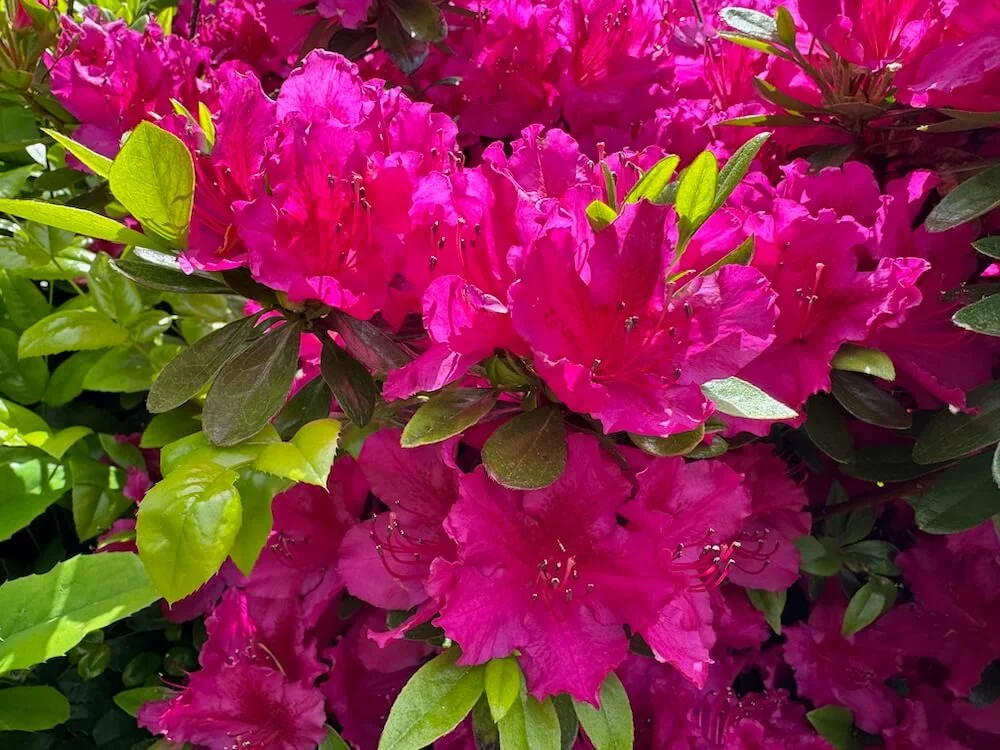
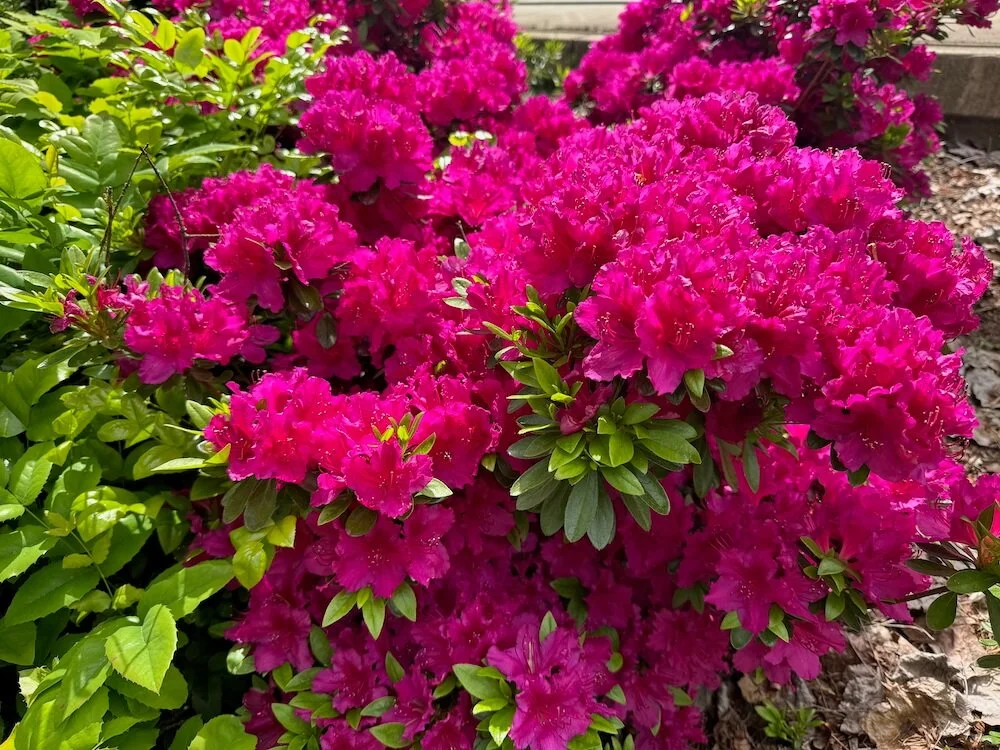
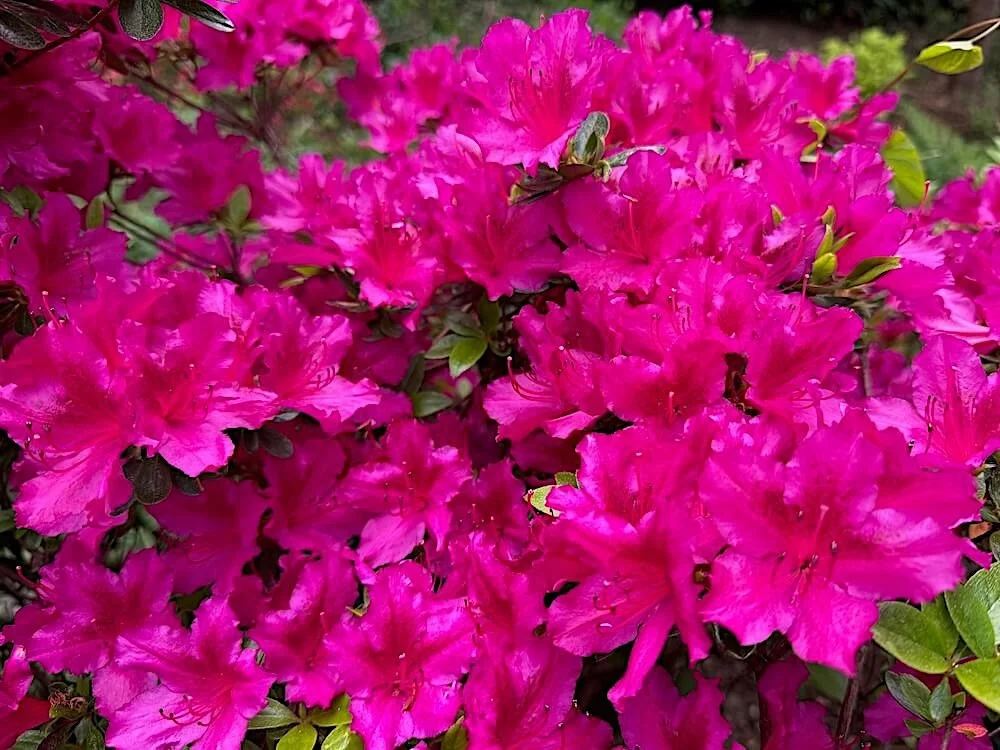
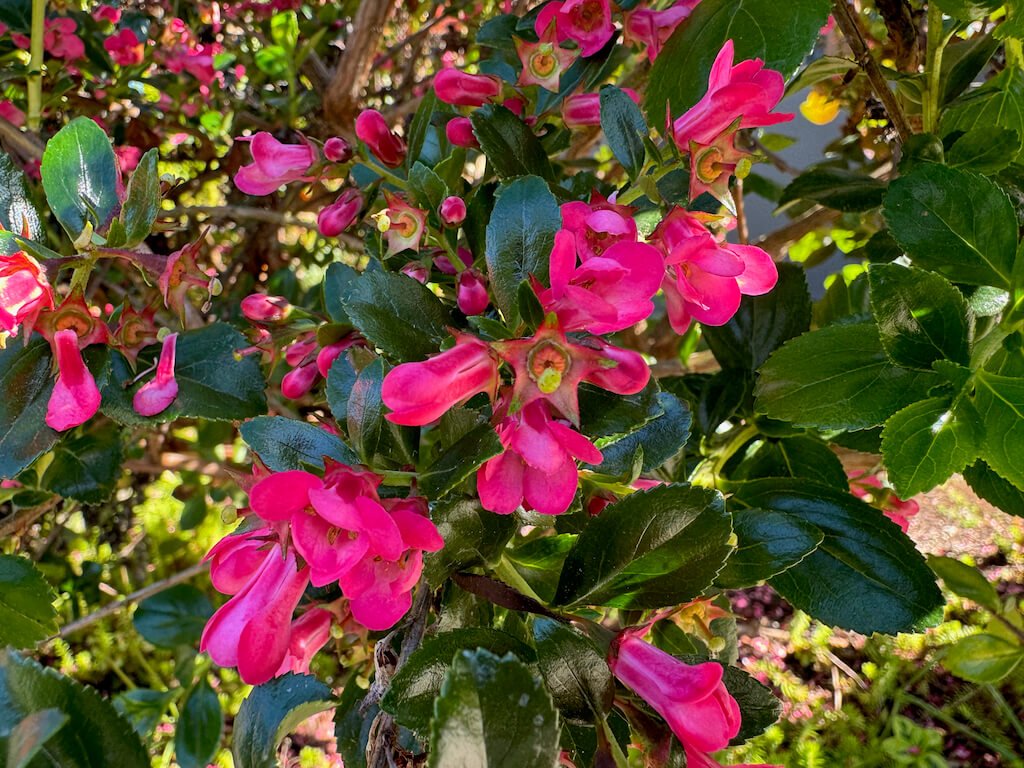
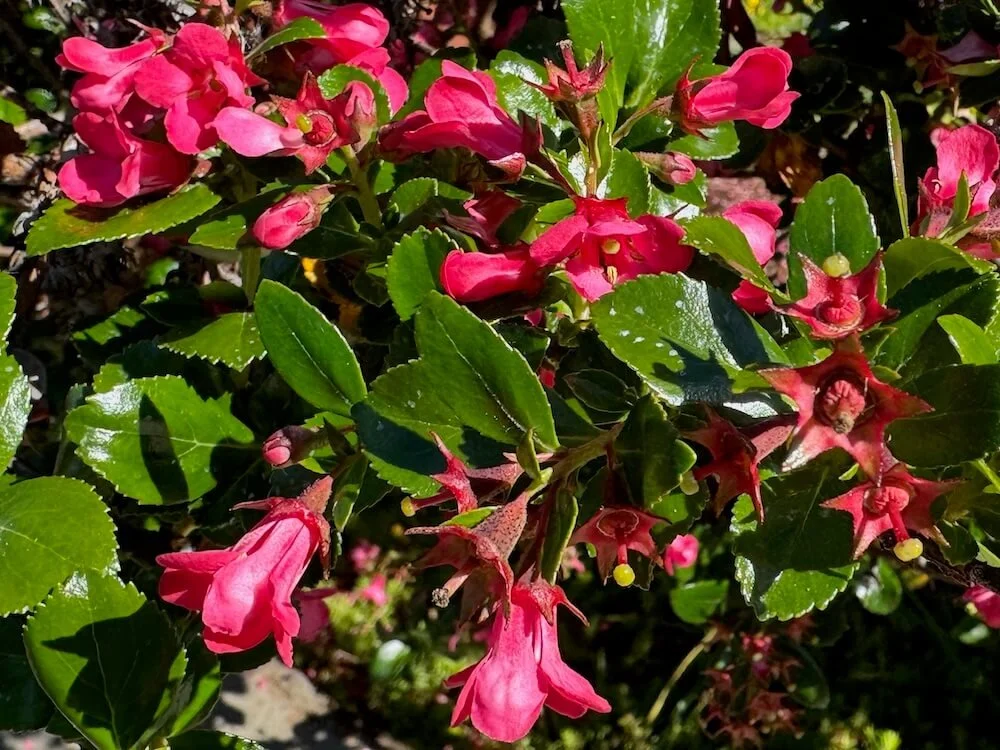
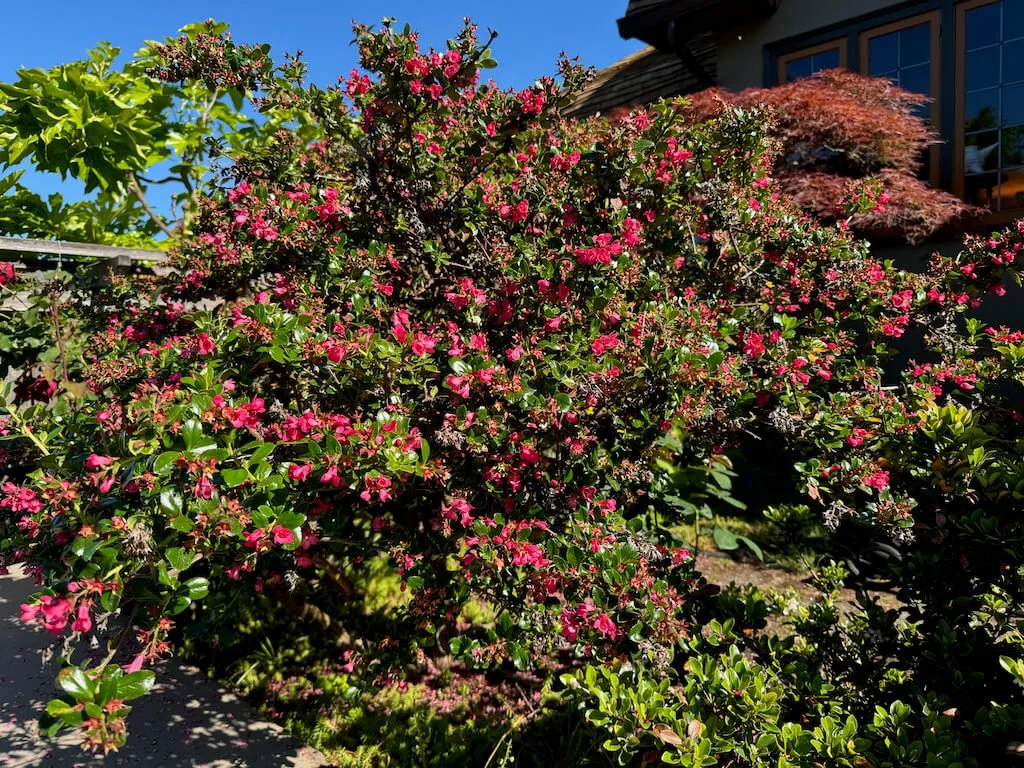
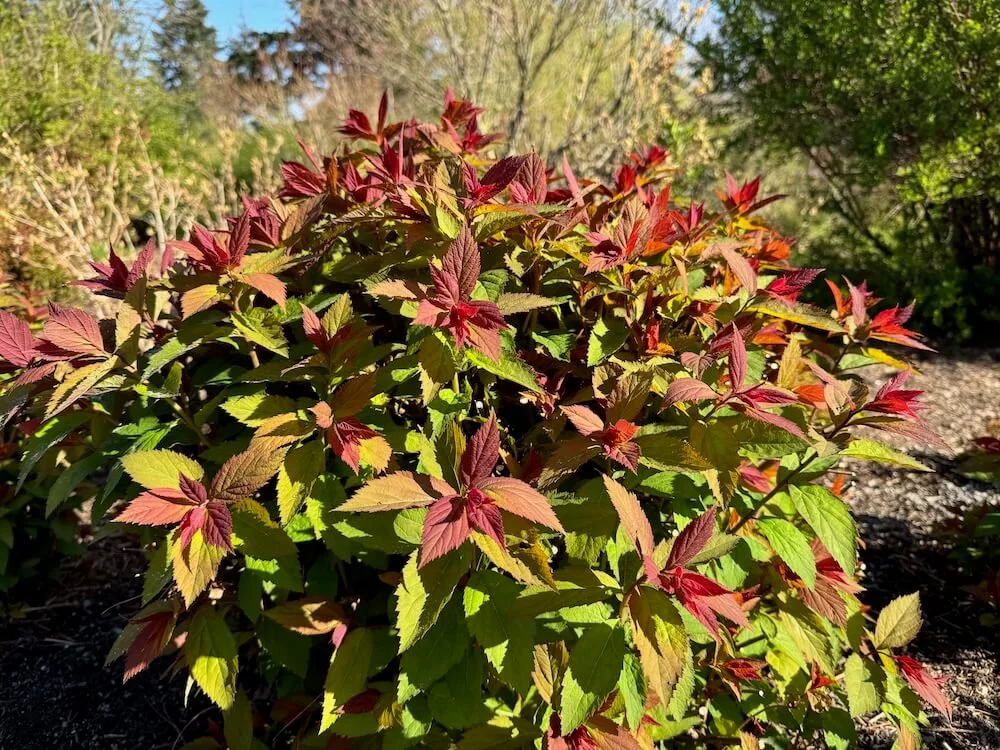
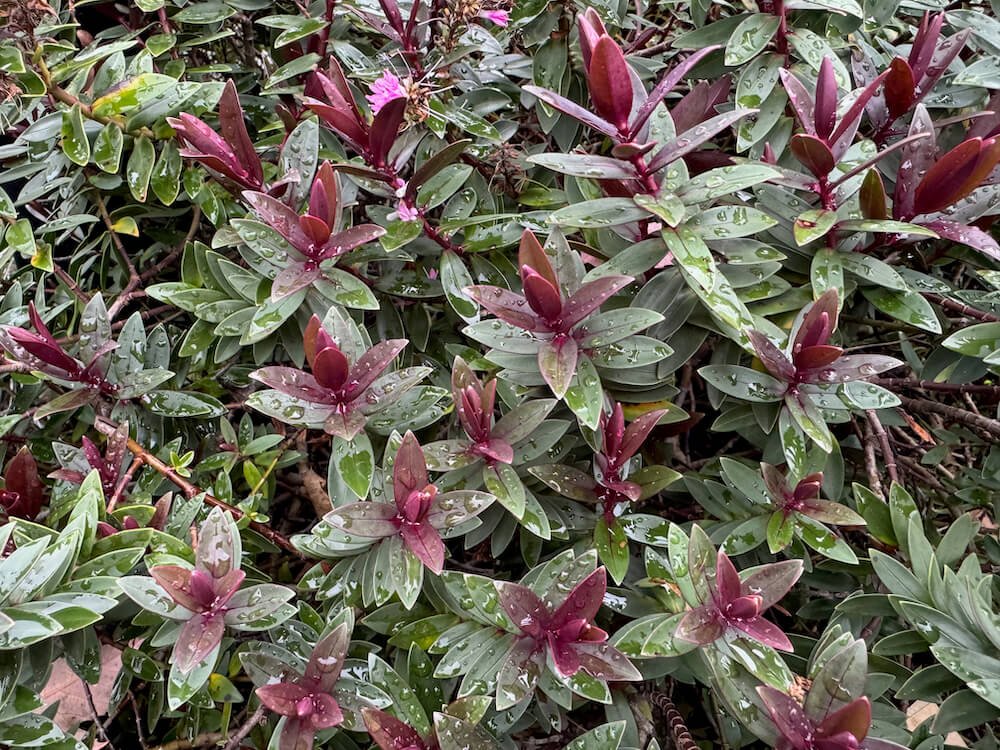
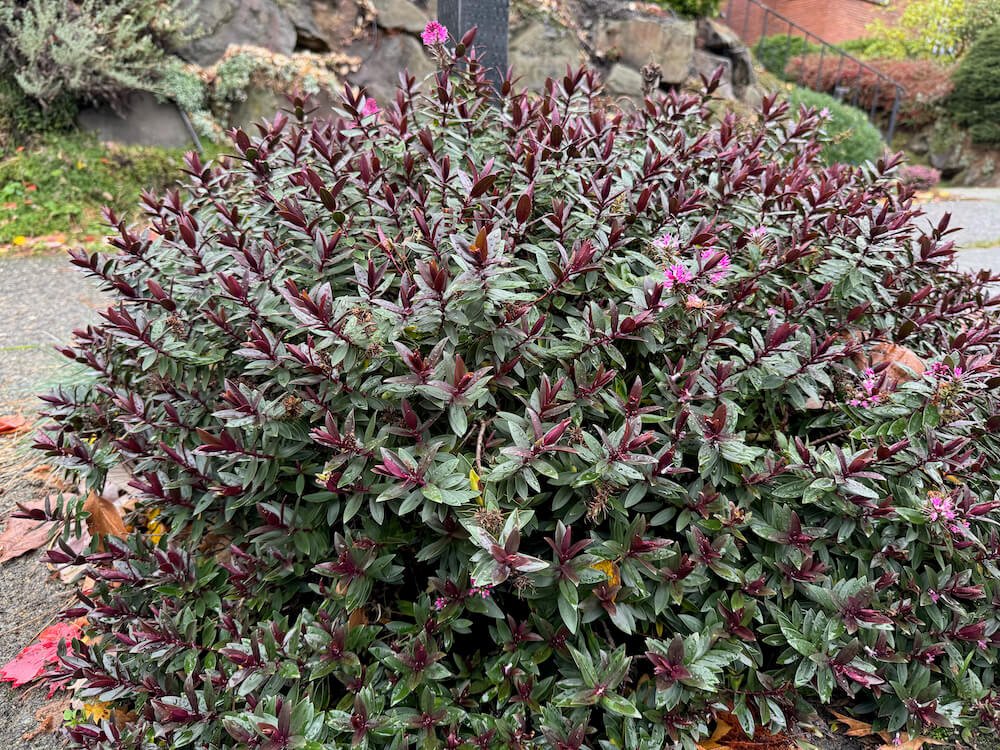
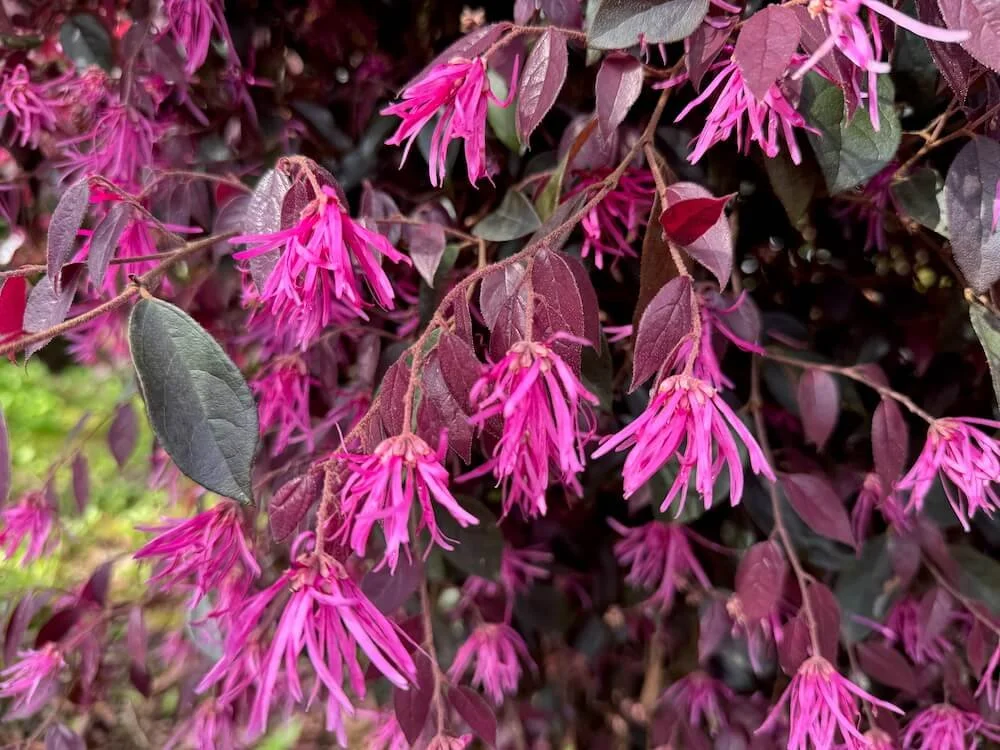
Loropetalum chinense var. rubrum 'Burgundy' produces clusters of rosy pink fringe-like flowers in early spring, each bloom composed of narrow ribbon-like petals that create a soft, airy display along the branches. The blossoms appear among rich burgundy leaves that hold their deep color through much of the year. The oval foliage forms a dense canopy along the stems, adding lasting color and texture to the landscape.

This cultivar traces its heritage to Loropetalum chinense native to China and parts of Southeast Asia. In gardens it brings evergreen structure to borders, foundation plantings, and mixed shrub beds where the colorful foliage and spring flowers provide extended seasonal interest.

DESCRIPTION
Loropetalum chinense var. rubrum 'Burgundy' produces clusters of rosy pink fringe-like flowers in early spring, each bloom composed of narrow ribbon-like petals that create a soft, airy display along the branches. The blossoms appear among rich burgundy leaves that hold their deep color through much of the year. The oval foliage forms a dense canopy along the stems, adding lasting color and texture to the landscape.

This cultivar traces its heritage to Loropetalum chinense native to China and parts of Southeast Asia. In gardens it brings evergreen structure to borders, foundation plantings, and mixed shrub beds where the colorful foliage and spring flowers provide extended seasonal interest.

 
  • Family: Hamamelidaceae
    Height: 6 to 10 feet
    Width: 6 to 10 feet
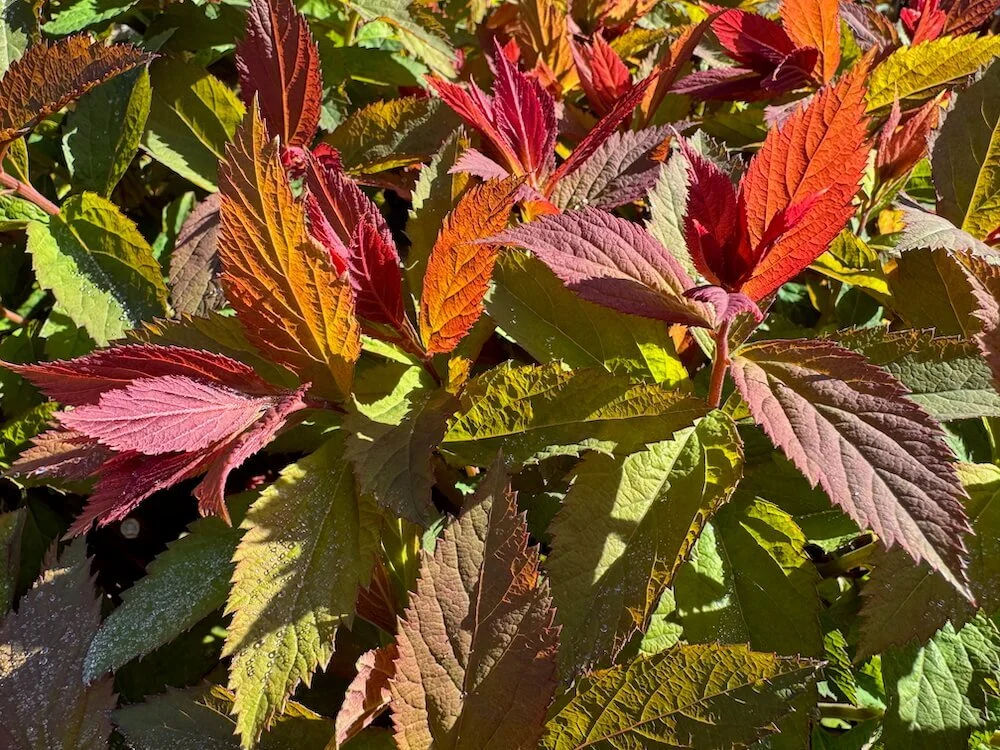
    Foliage color: Rich burgundy to deep purple oval leaves often emerging reddish bronze before darkening
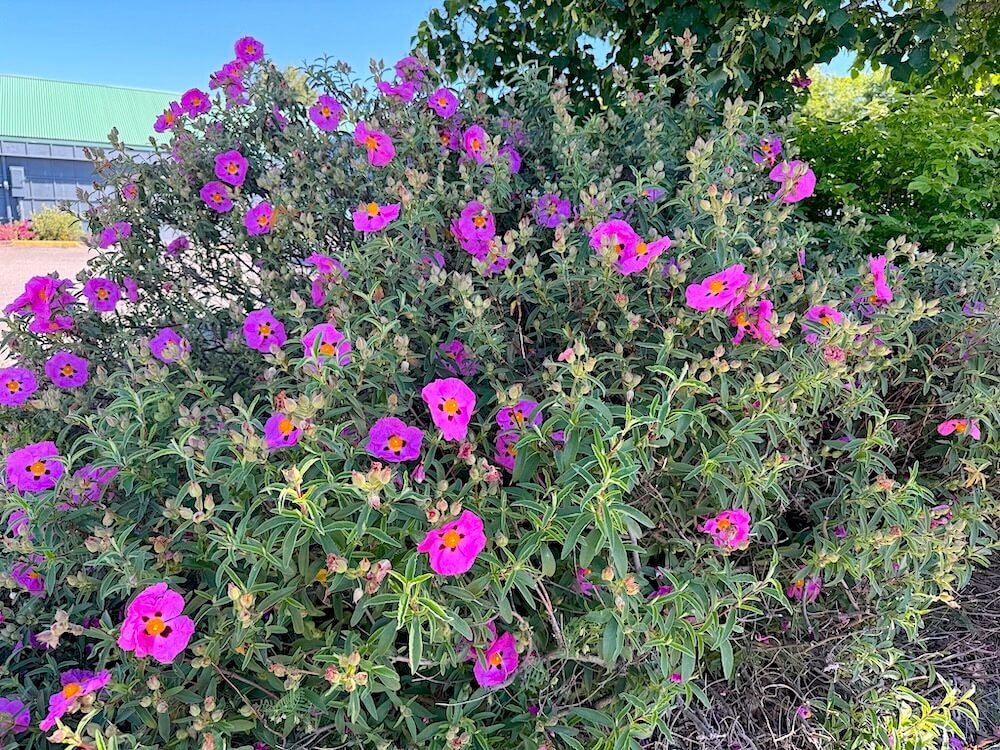
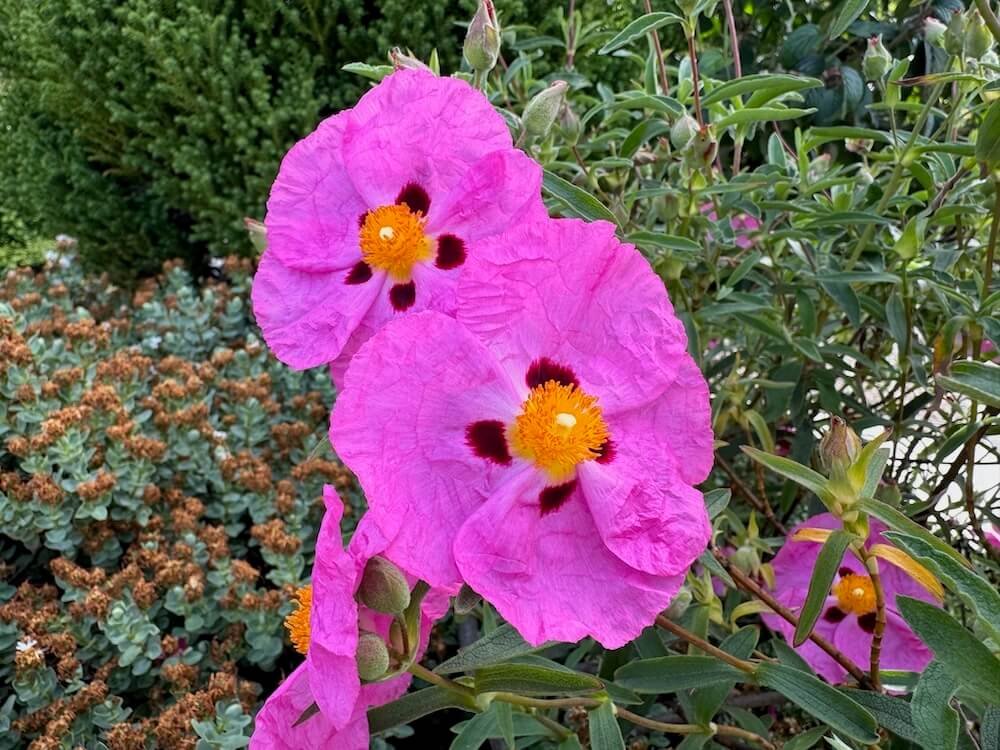
    Flower color: Bright pink to magenta fringe like flowers composed of narrow strap shaped petals
    Bloom time: Early to mid spring, often March to April
    Light requirements: Full sun to partial shade
    Water requirements: Average well drained soil
    Maintenance: Low; prune lightly after flowering to maintain shape and encourage dense branching
    Growing zone: USDA zones 7 to 10
    Wildlife attractors: Bees, butterflies and other pollinating insects
    Print Information

    Buy Plants