Magnolia stellata 'Double Star' | Double Star Magnolia

$0.00

DESCRIPTION
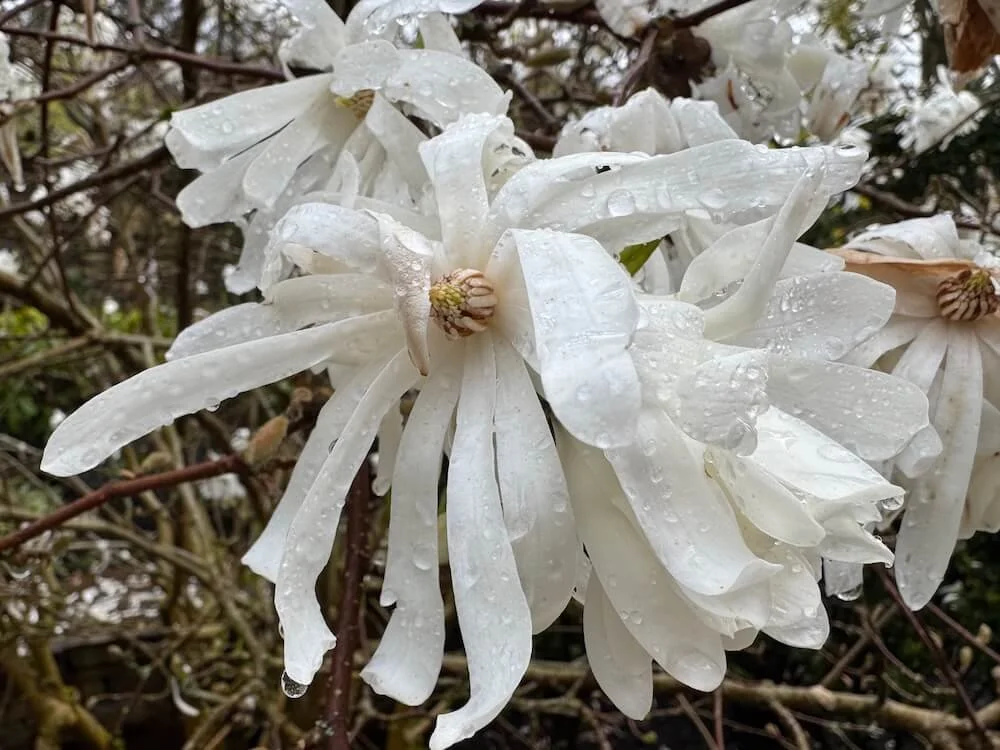
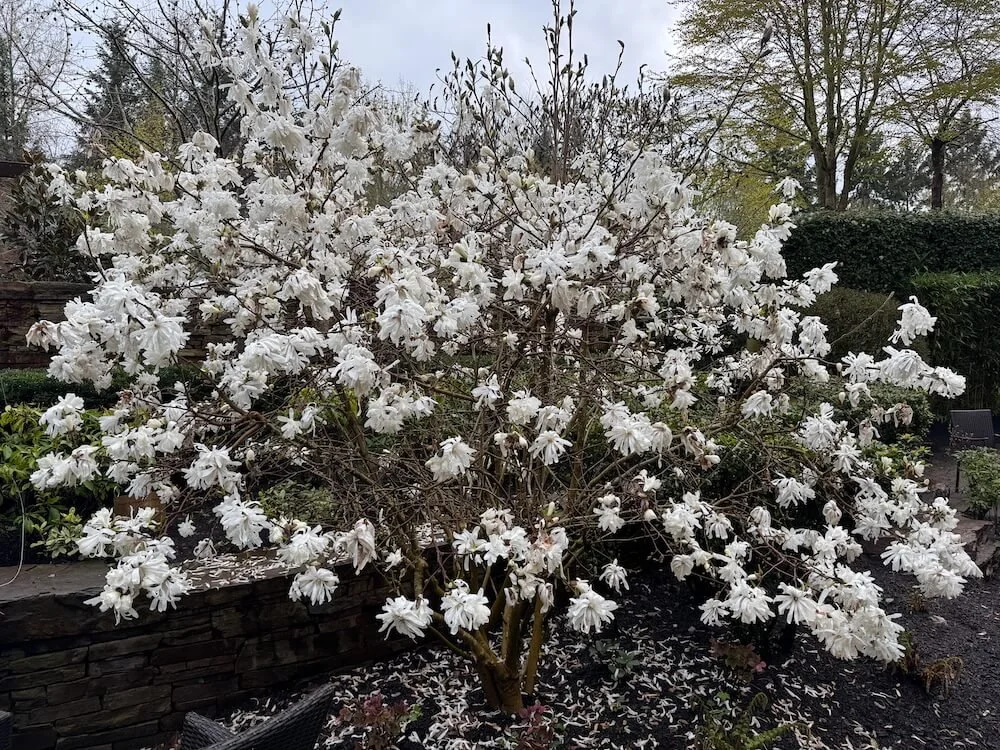
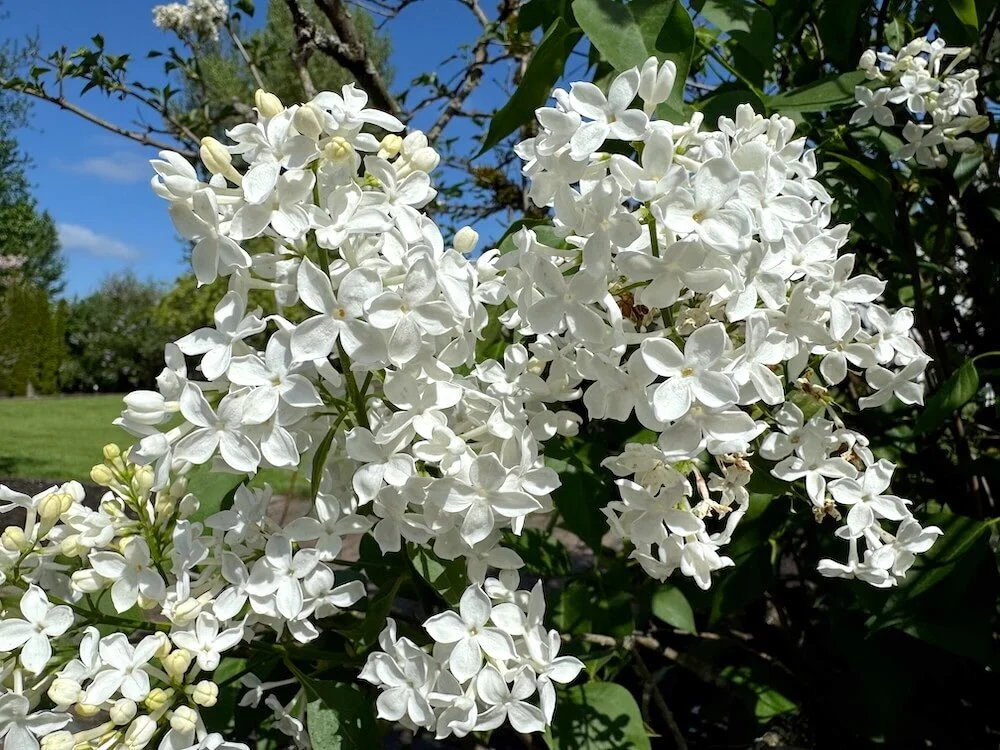
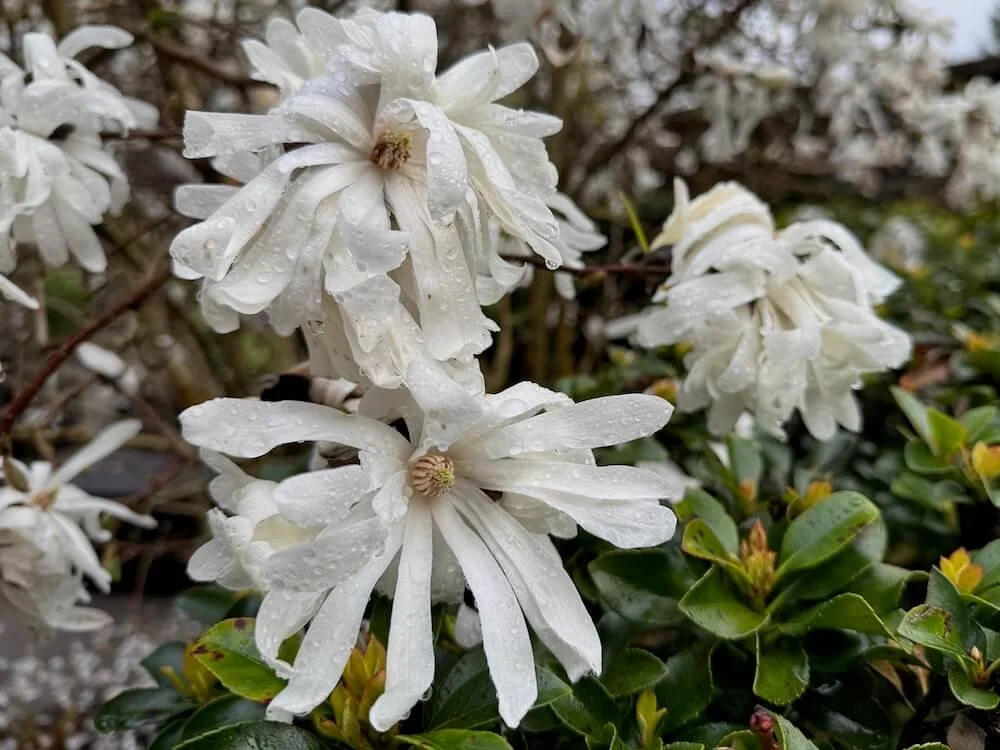
Magnolia stellata 'Double Star' produces full fragrant white flowers in early spring, each bloom opening with numerous slender petals that create a full star-shaped display around pale yellow stamens. The blossoms appear along bare branches before the foliage emerges, filling the plant with soft seasonal color. After flowering, oval green leaves unfold and form a neat canopy through the growing season.

This cultivated selection traces its heritage to Magnolia stellata native to Japan. In gardens it brings early seasonal interest to borders, courtyards, and specimen plantings where the abundant spring flowers brighten the landscape before many shrubs and trees leaf out.

DESCRIPTION
Magnolia stellata 'Double Star' produces full fragrant white flowers in early spring, each bloom opening with numerous slender petals that create a full star-shaped display around pale yellow stamens. The blossoms appear along bare branches before the foliage emerges, filling the plant with soft seasonal color. After flowering, oval green leaves unfold and form a neat canopy through the growing season.

This cultivated selection traces its heritage to Magnolia stellata native to Japan. In gardens it brings early seasonal interest to borders, courtyards, and specimen plantings where the abundant spring flowers brighten the landscape before many shrubs and trees leaf out.

 
  • Family: Magnoliaceae
    Height: 15 to 20 feet
    Width: 10 to 15 feet
    Foliage color: Medium green oblong leaves, often turning yellow in fall
    Flower color: White double star shaped flowers with numerous narrow petals, often lightly fragrant
    Bloom time: Early to mid spring, often March to April
    Light requirements: Full sun to partial shade
    Water requirements: Average evenly moist well drained soil, prefers consistent moisture
    Maintenance: Low; prune only if needed after flowering to maintain shape and remove damaged branches
    Growing zone: USDA zones 4 to 8
    Wildlife attractors: Bees and other early season pollinating insects

    Print Information

    Buy Plants