Pieris japonica 'Tiki' | Tiki Pieris

$0.00

DESCRIPTION
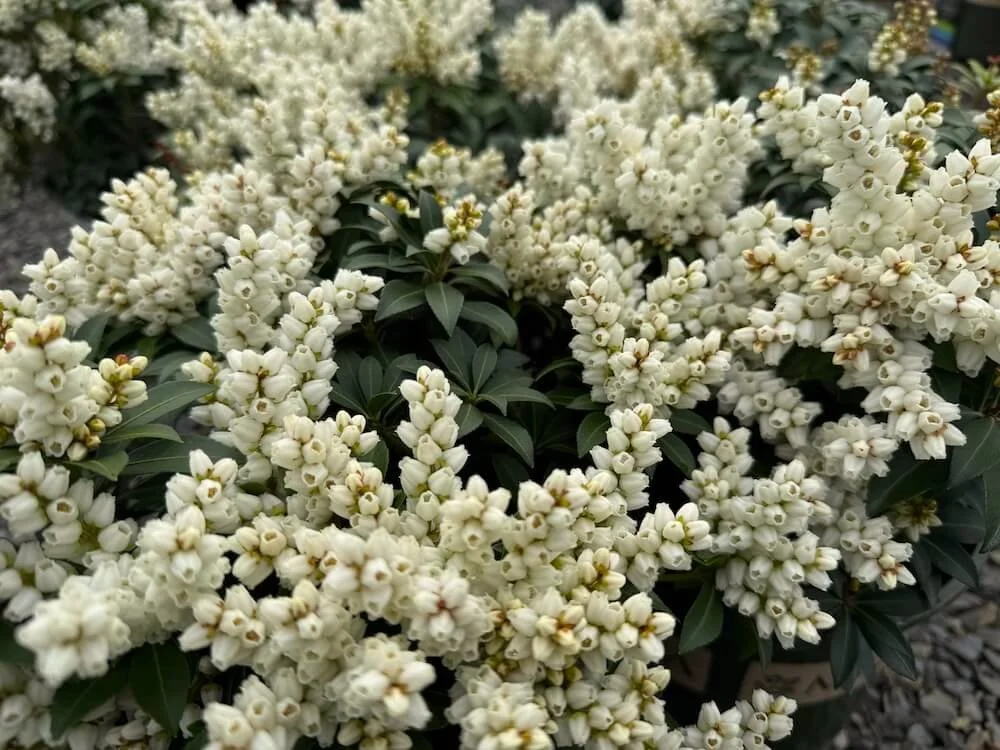
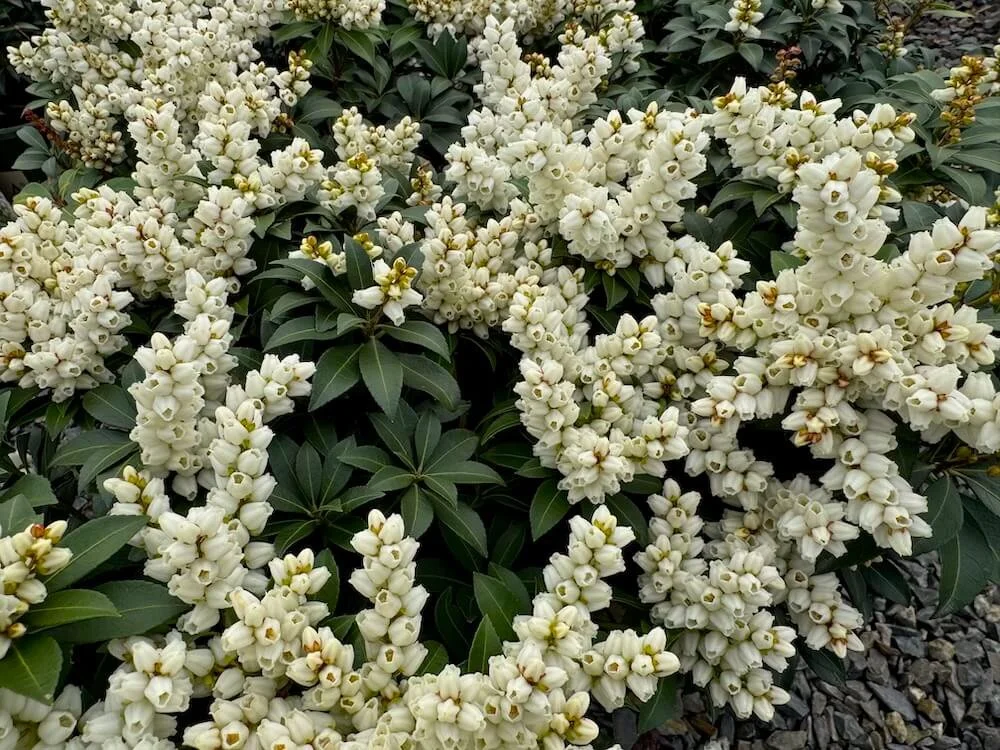
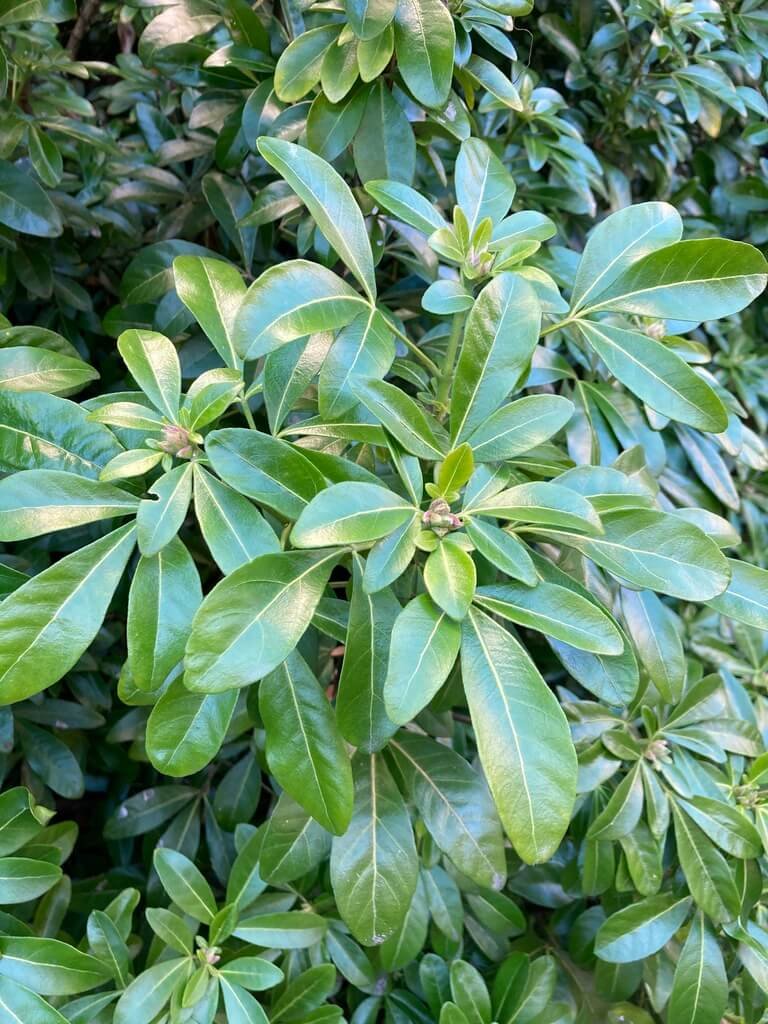
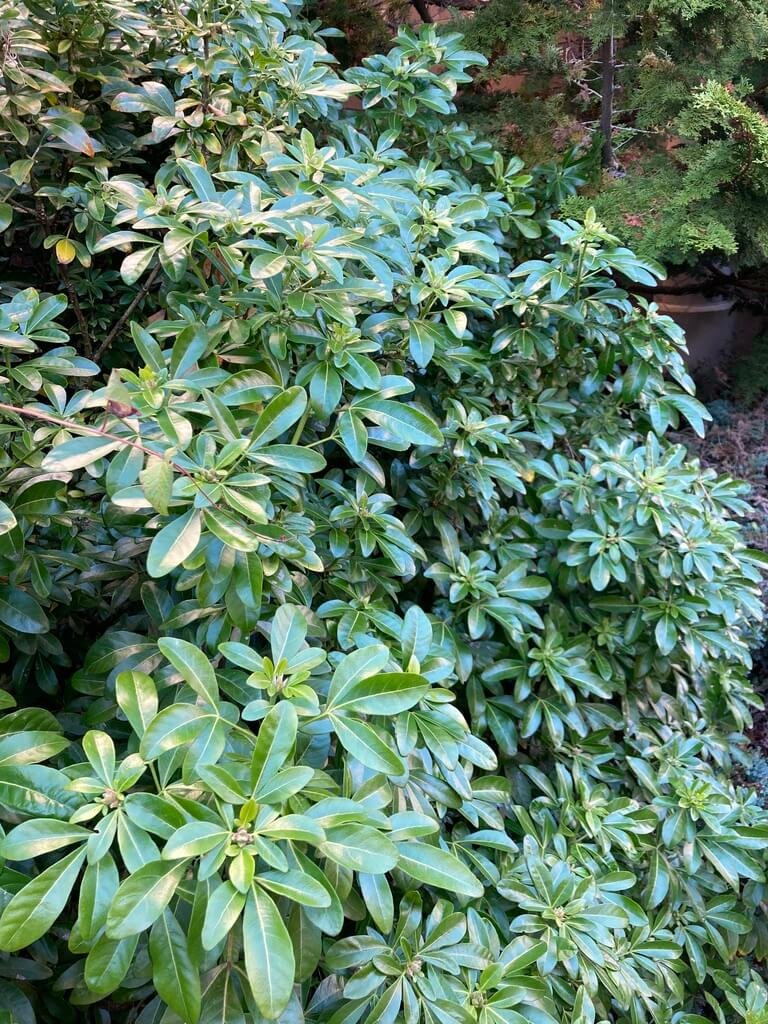
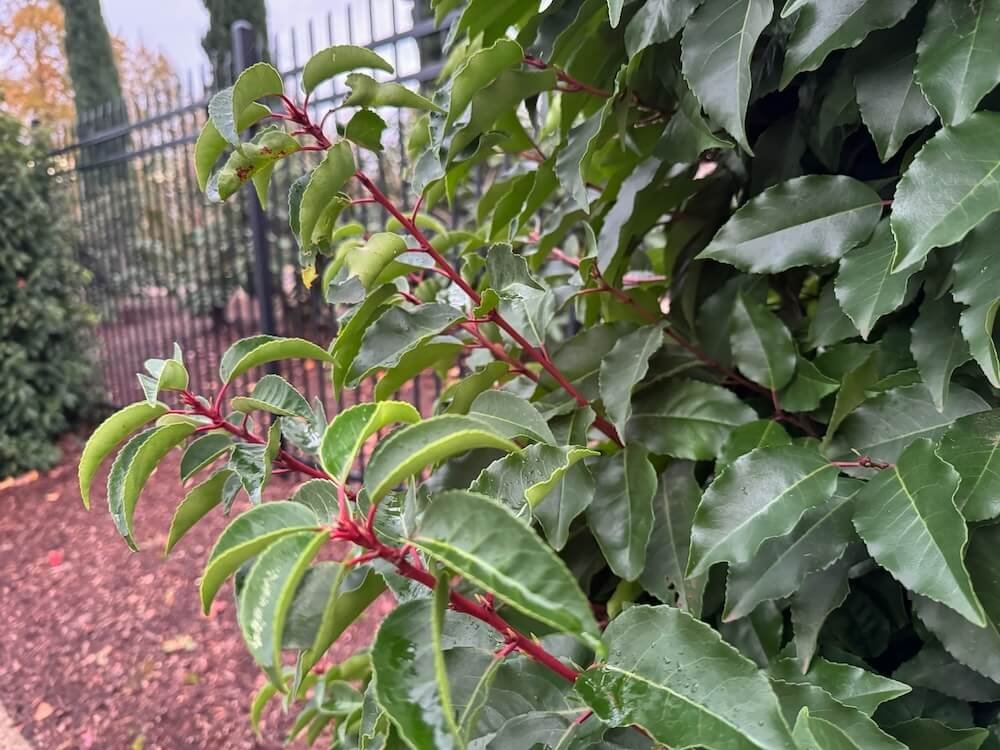
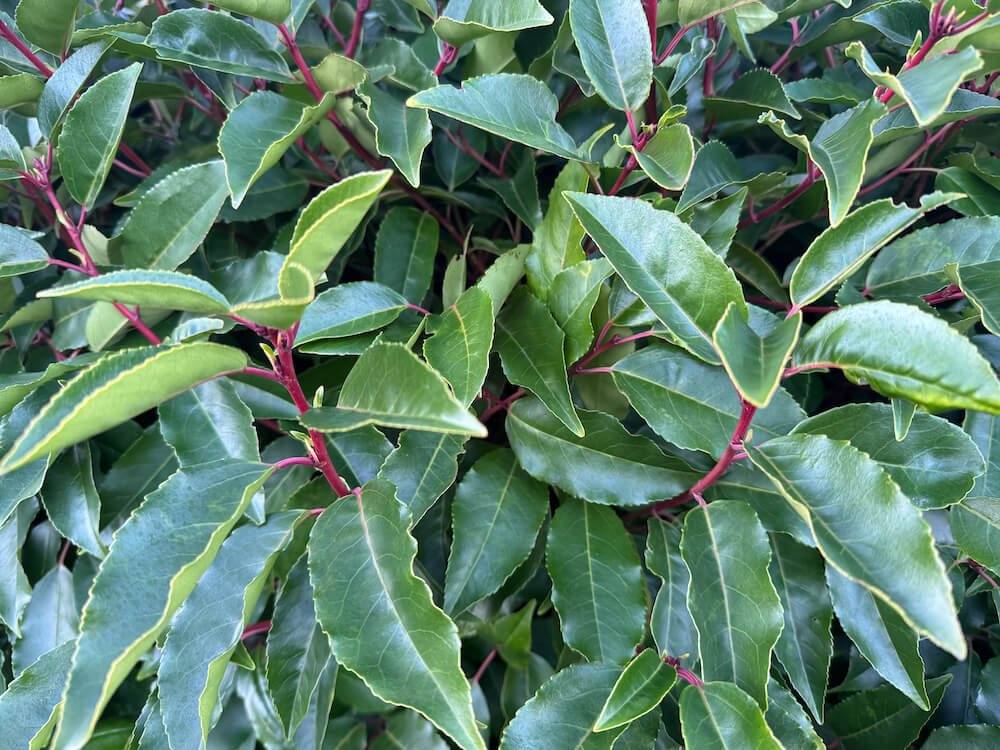
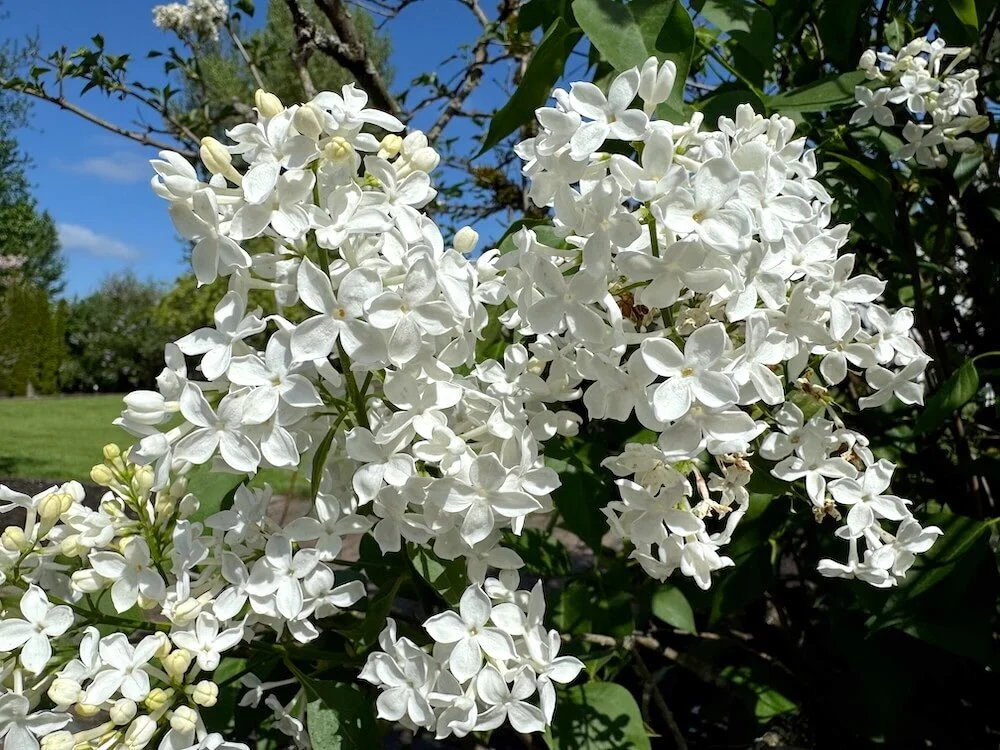
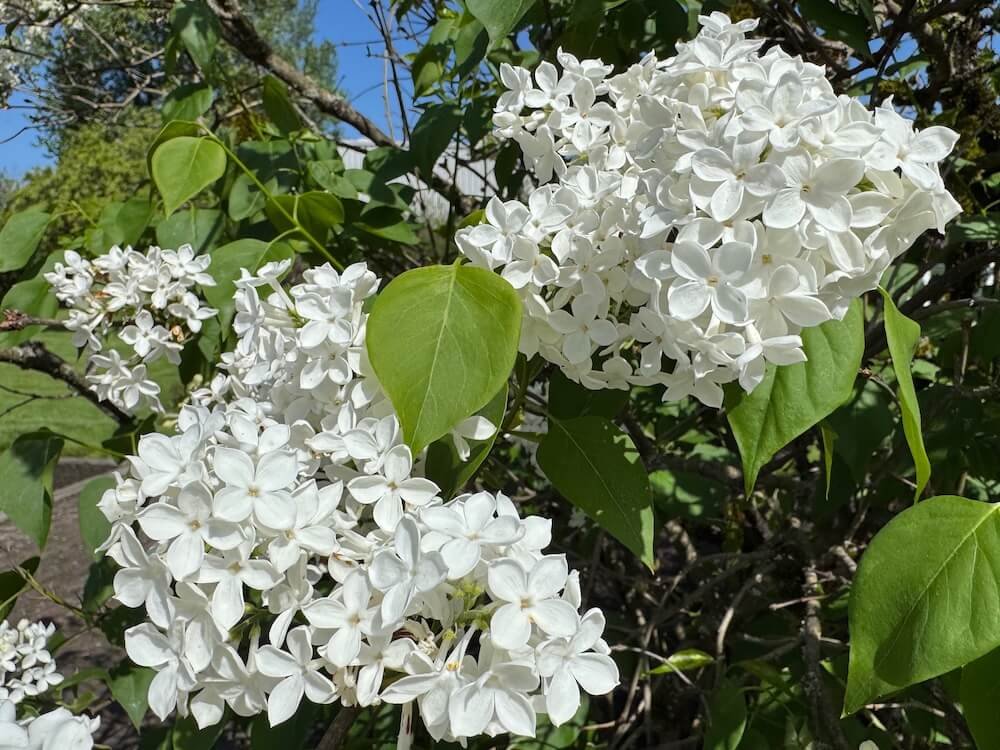
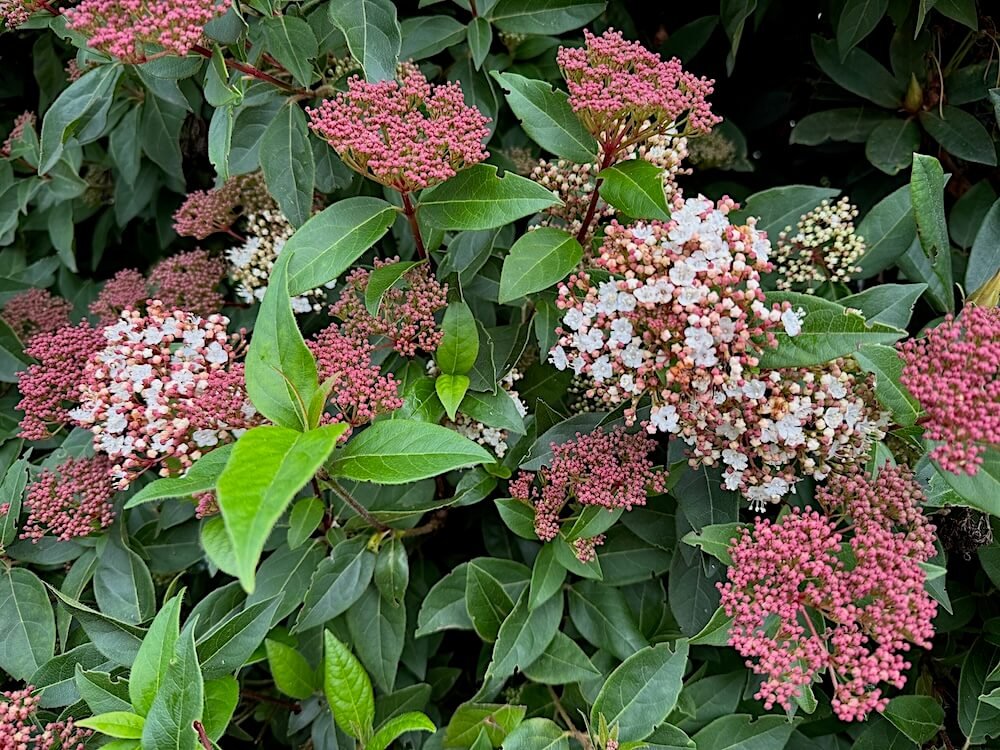
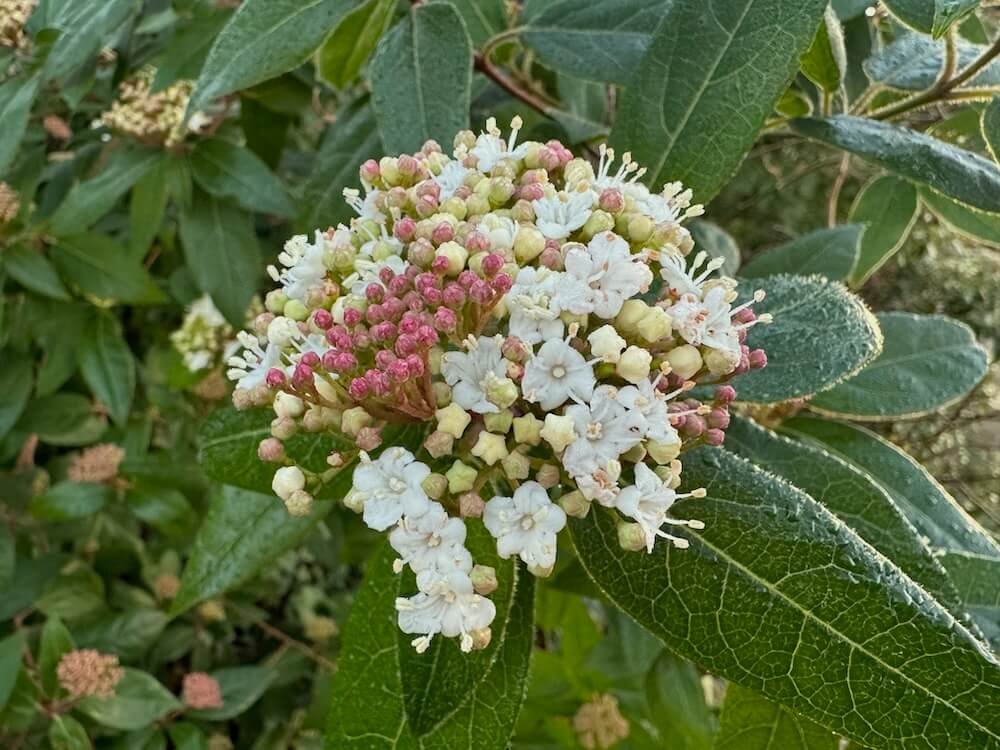
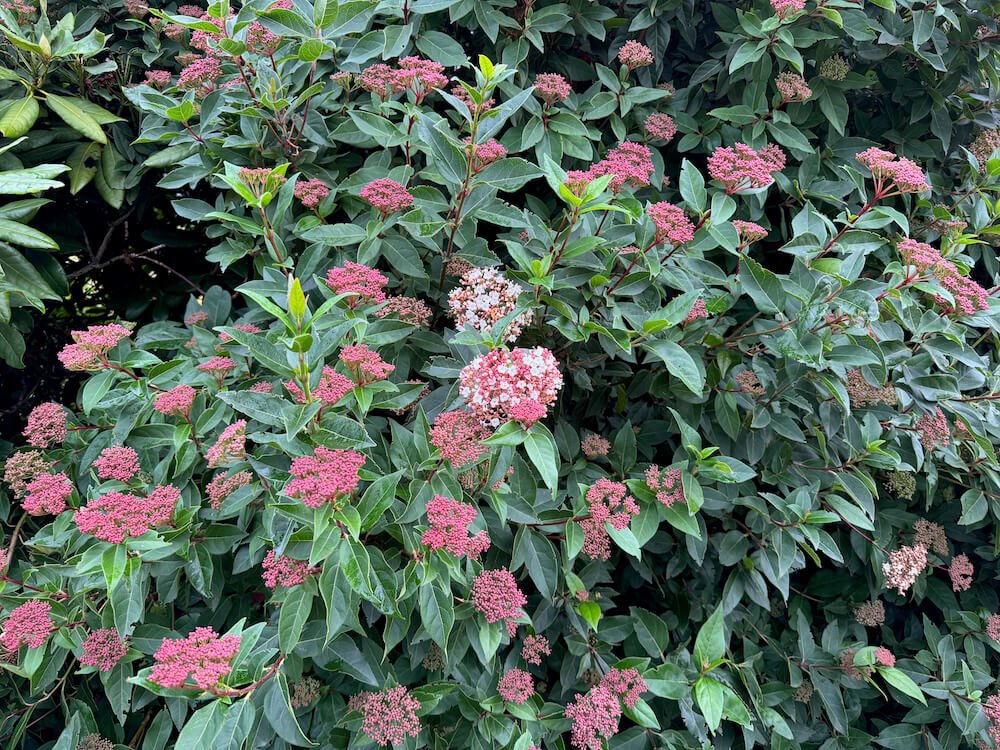
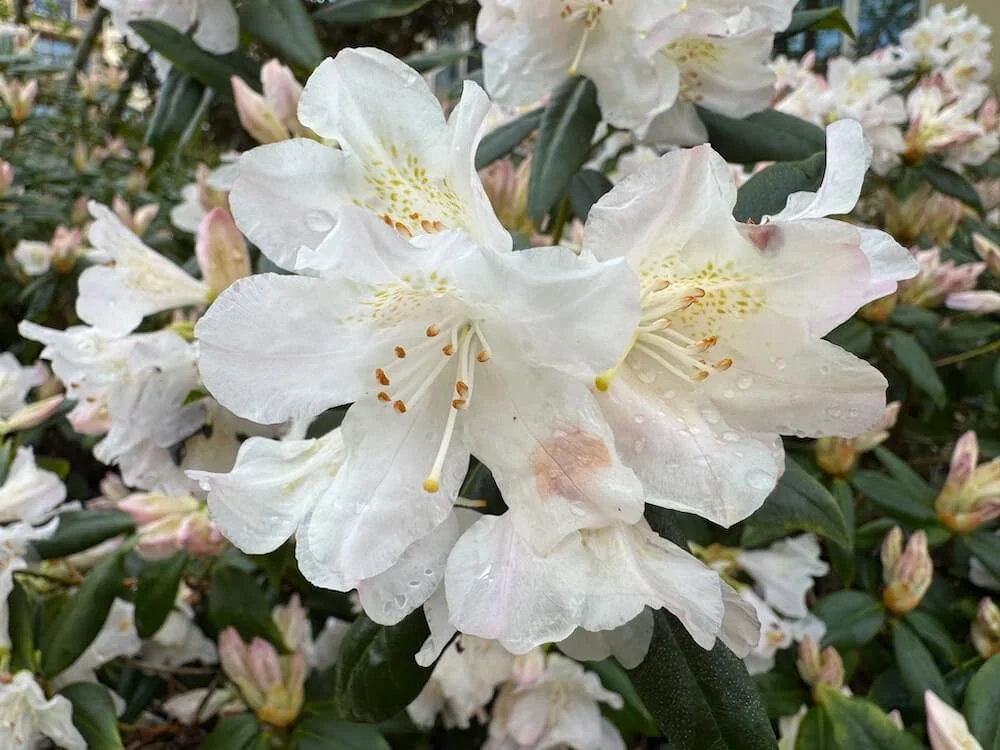
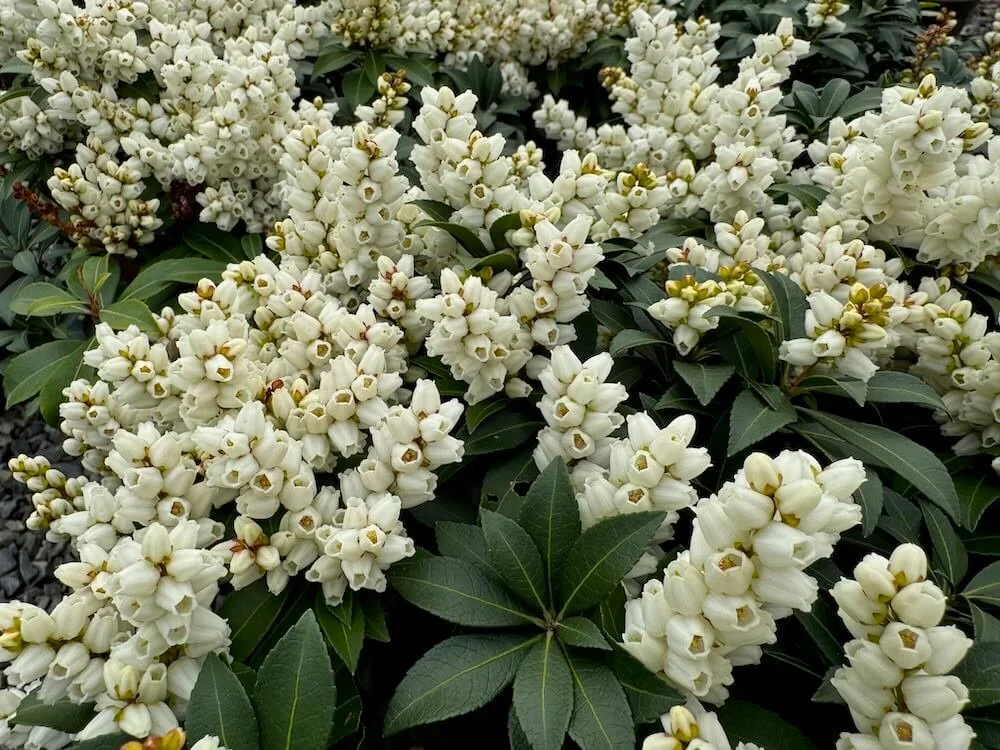
Pieris japonica 'Tiki' produces clusters of small, urn-shaped white flowers in early spring, held above the foliage in dense, upright to slightly arching sprays. Glossy, narrow leaves emerge with soft bronze to reddish tones before maturing to deep green, forming a layered, evergreen canopy. New growth appears in colorful flushes that add seasonal contrast, while the flower clusters sit prominently at the tips of the stems, creating a clean, structured display.

Originating from a species native to Japan, this cultivar reflects selection for compact growth and ornamental foliage color. It is well suited to woodland borders, foundation plantings, and containers, where its evergreen structure and seasonal color shifts provide consistent garden interest.

DESCRIPTION
Pieris japonica 'Tiki' produces clusters of small, urn-shaped white flowers in early spring, held above the foliage in dense, upright to slightly arching sprays. Glossy, narrow leaves emerge with soft bronze to reddish tones before maturing to deep green, forming a layered, evergreen canopy. New growth appears in colorful flushes that add seasonal contrast, while the flower clusters sit prominently at the tips of the stems, creating a clean, structured display.

Originating from a species native to Japan, this cultivar reflects selection for compact growth and ornamental foliage color. It is well suited to woodland borders, foundation plantings, and containers, where its evergreen structure and seasonal color shifts provide consistent garden interest.

 
  • Family: Ericaceae
    Height: 3 ft to 4 ft
    Width: 3 ft to 4 ft
    Foliage color: Glossy dark green leaves with bronze red new growth and a compact dense habit
    Flower color: Cascading clusters of small white bell-shaped flowers with a soft creamy tone
    Bloom time: Late winter to early spring
    Light requirements: Partial shade to full shade
    Water requirements: Moderate
    Maintenance: Low; prune lightly after flowering to maintain shape and remove damaged growth
    Growing zone: USDA zones 6 to 8
    Wildlife attractors: Pollinators attracted to early nectar rich flowers
    Print Information

    Buy Plants