Rhododendron aberconwayi | Lord Aberconway's Rhododendron

$0.00

DESCRIPTION
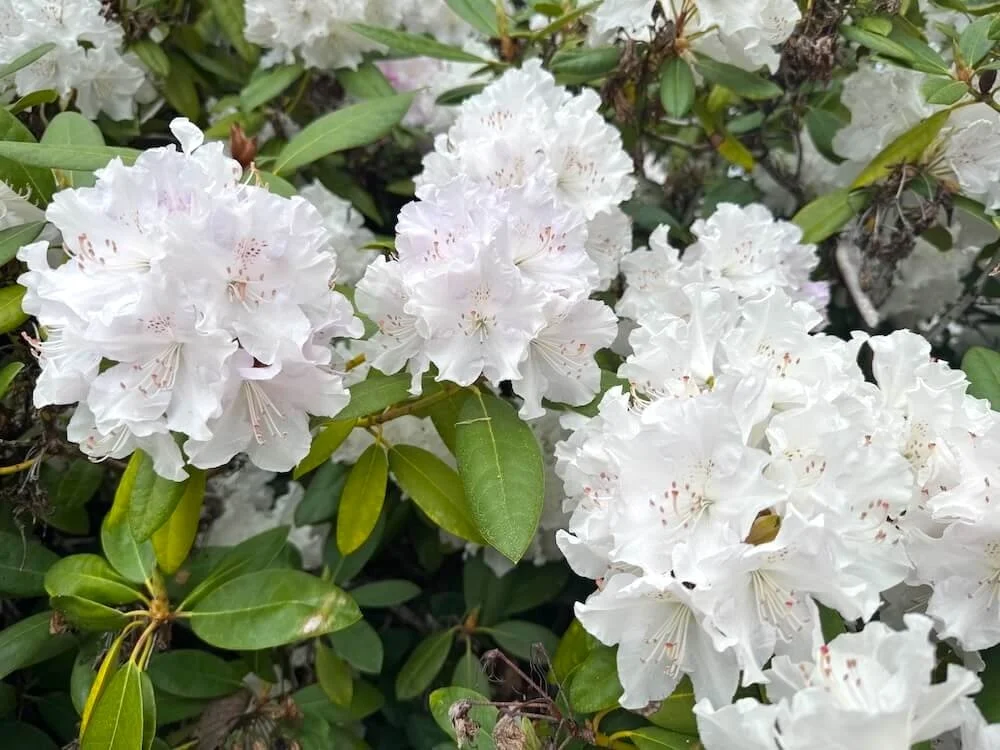
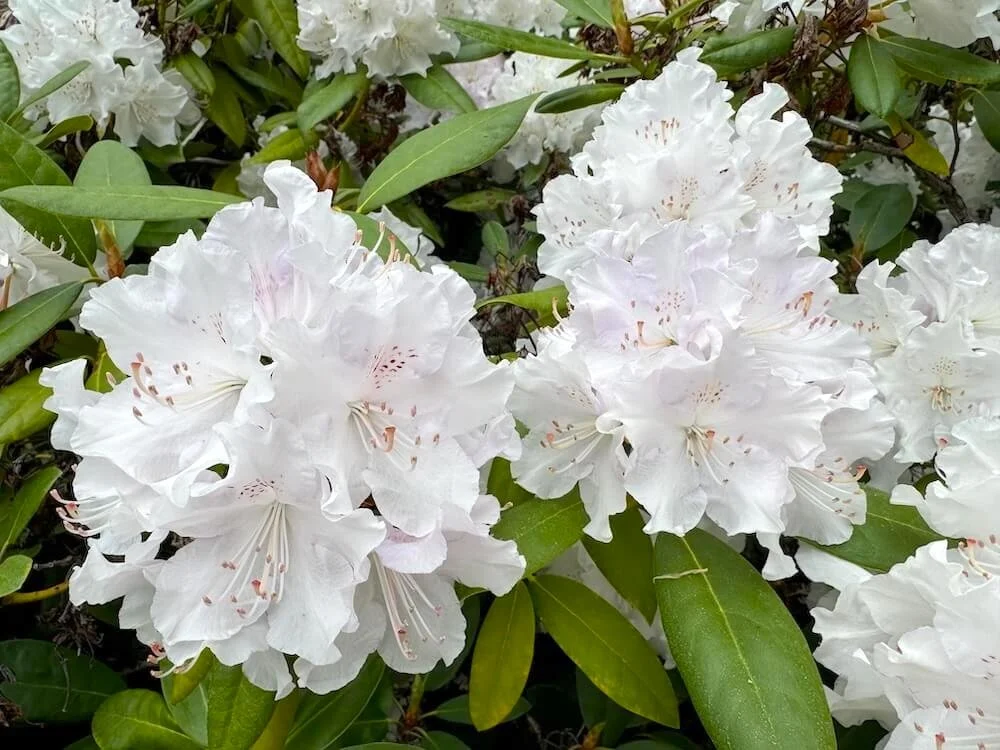
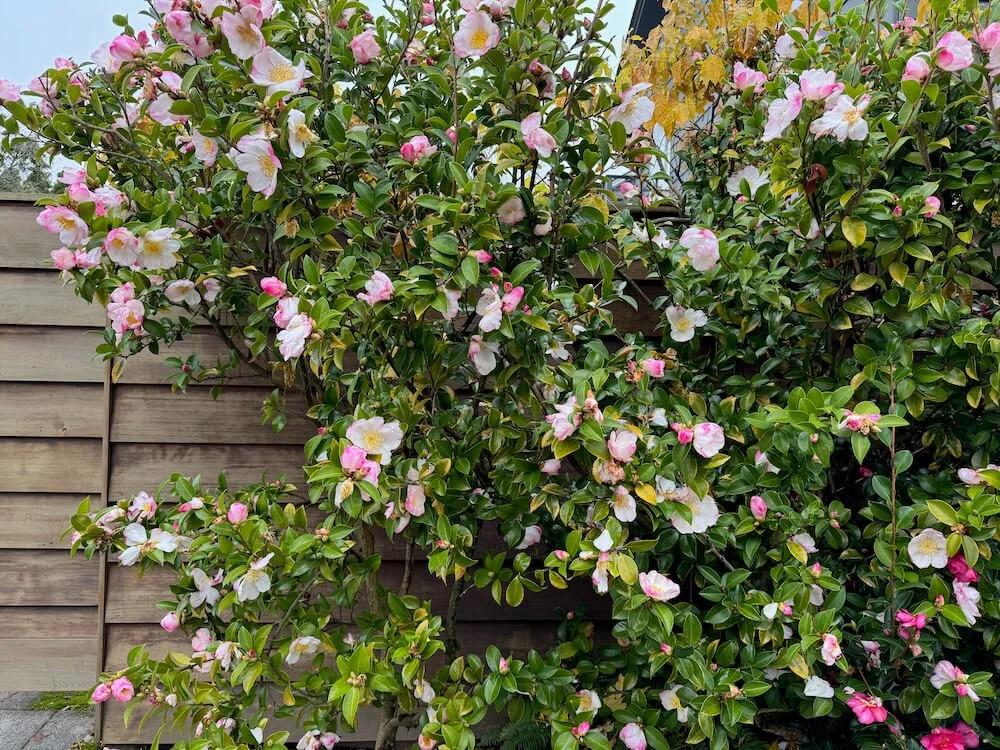
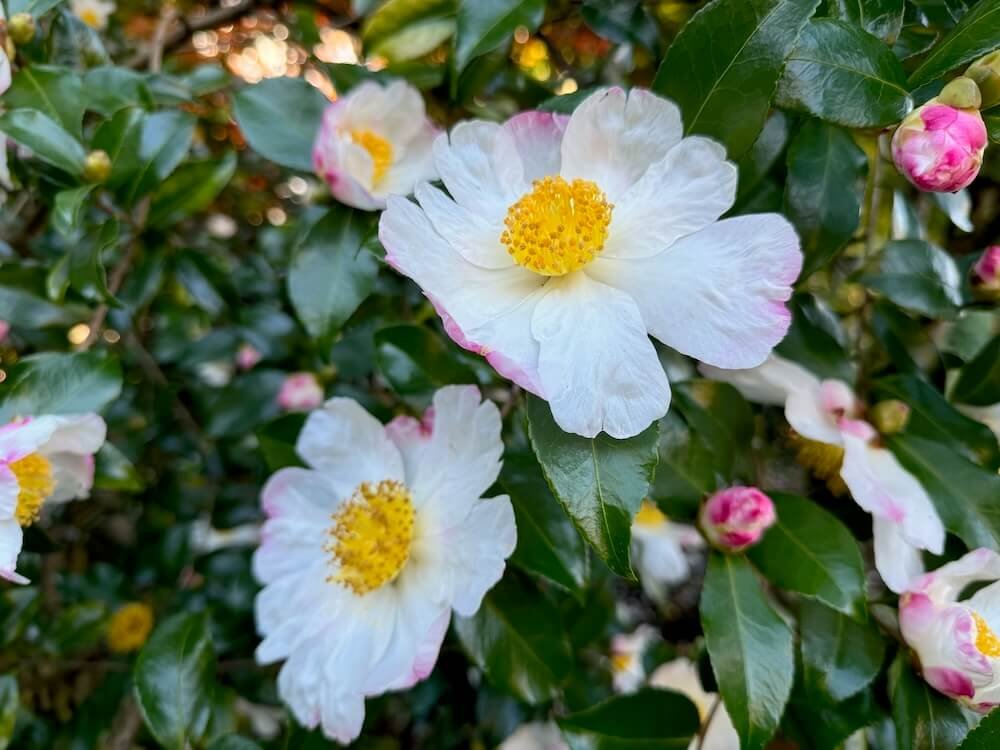
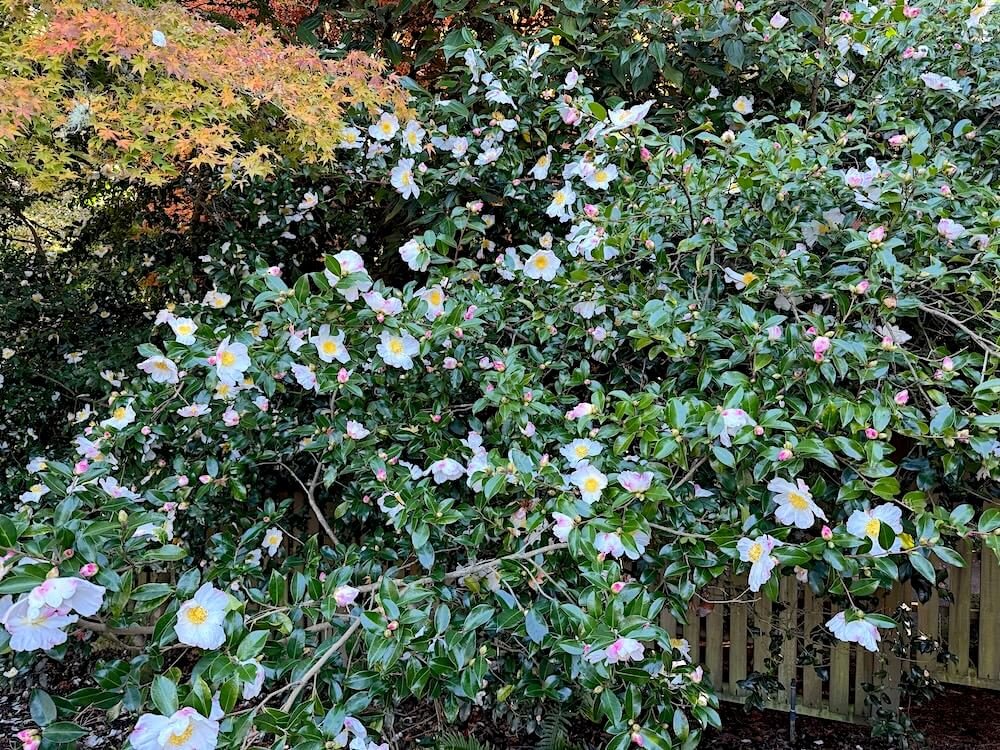
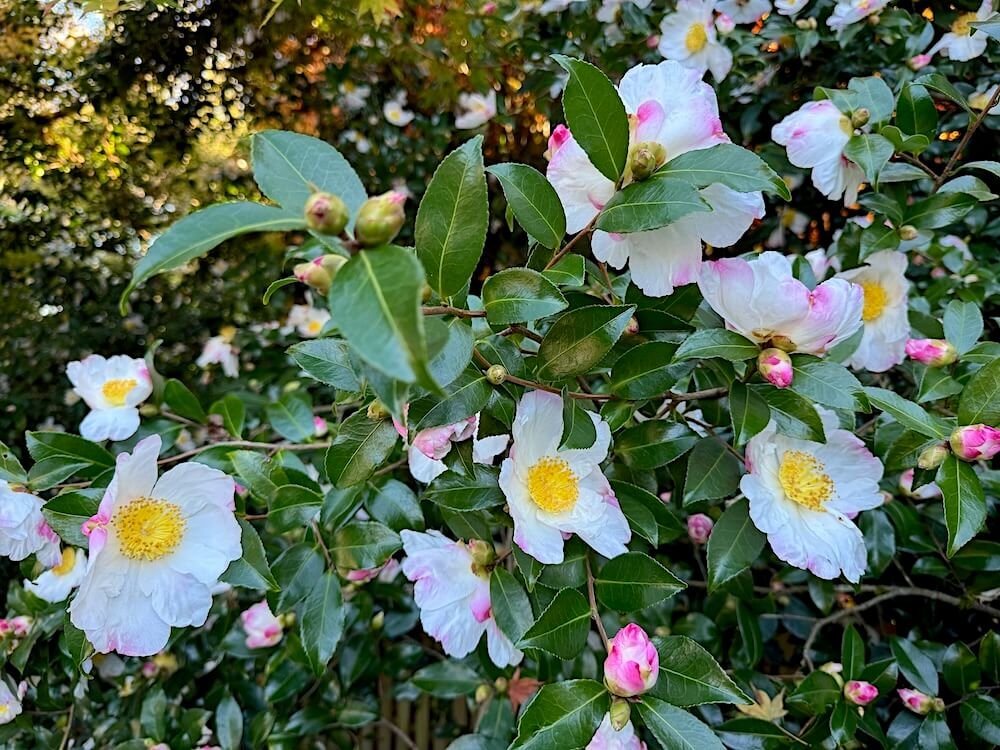
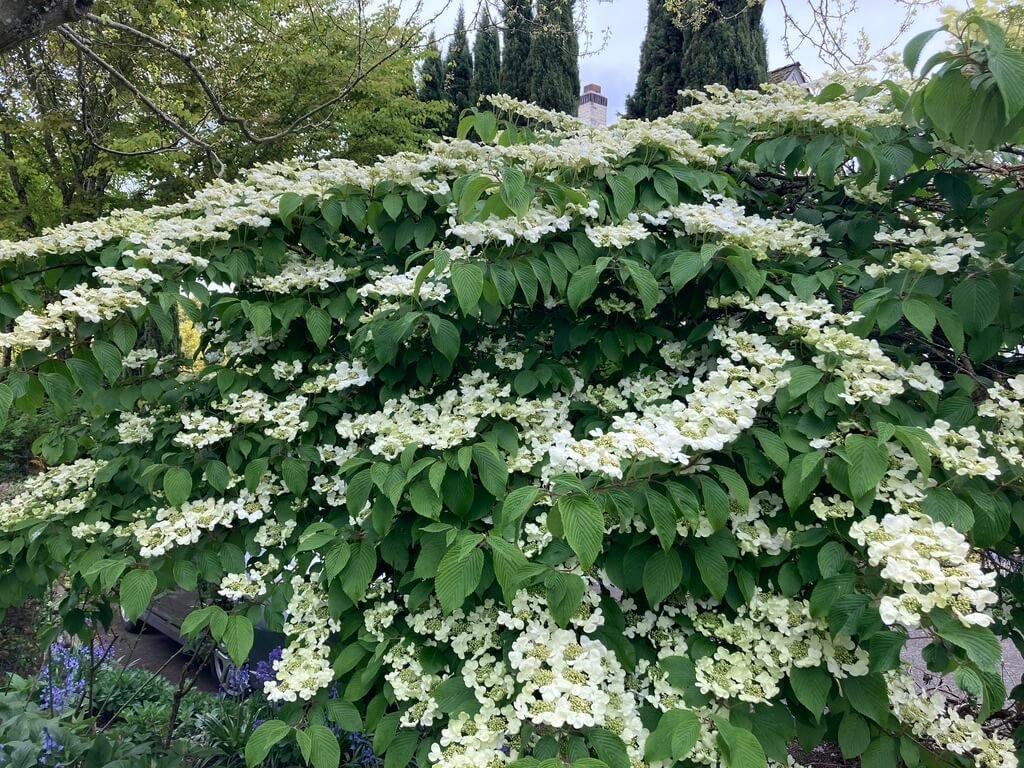
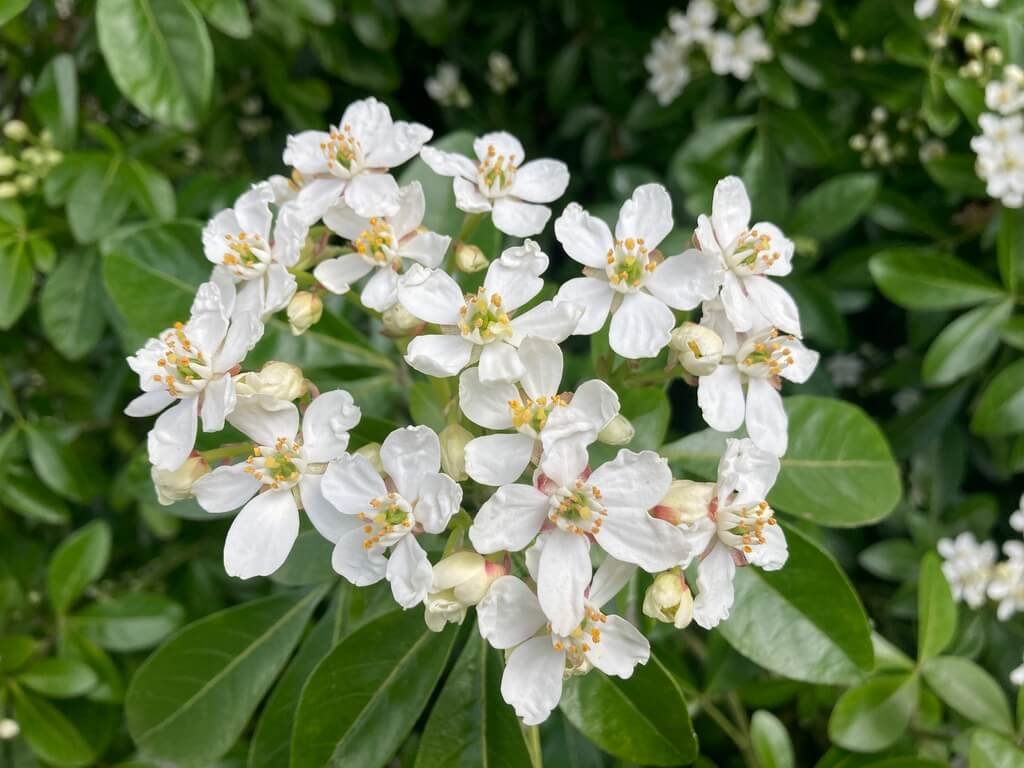
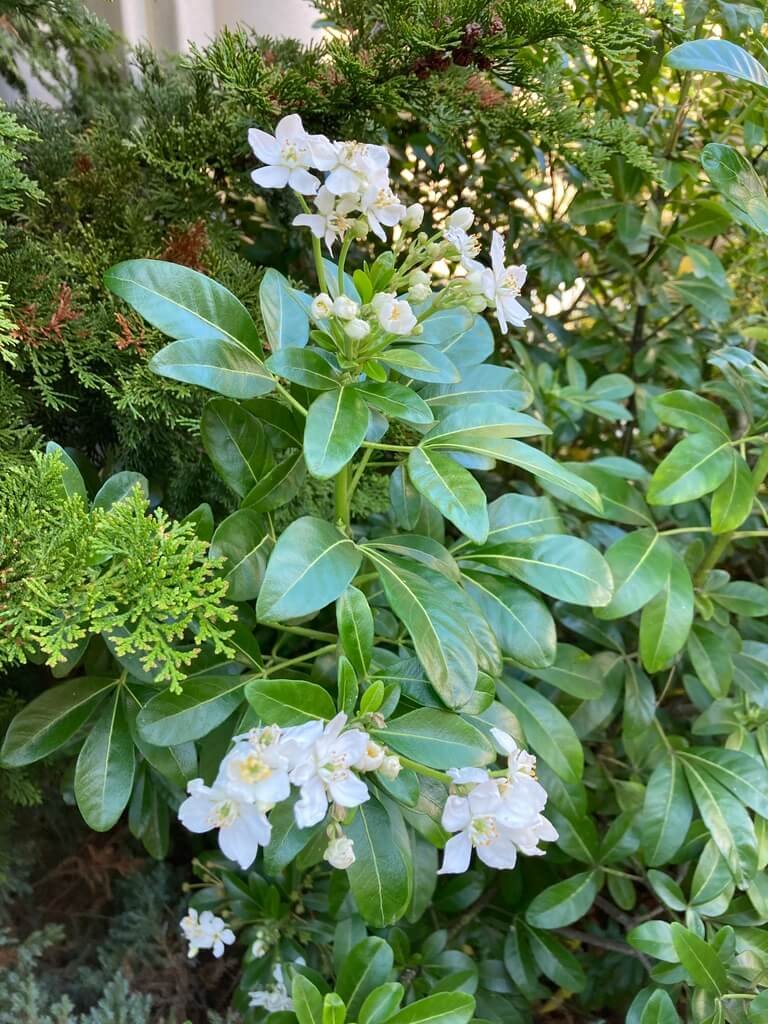
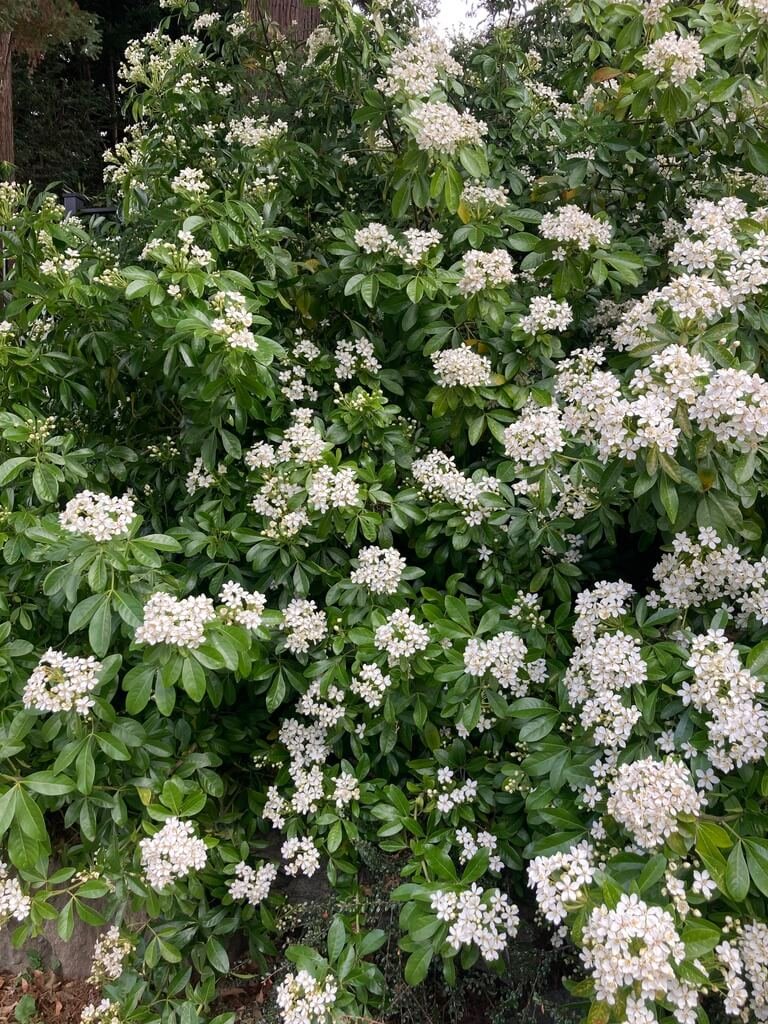
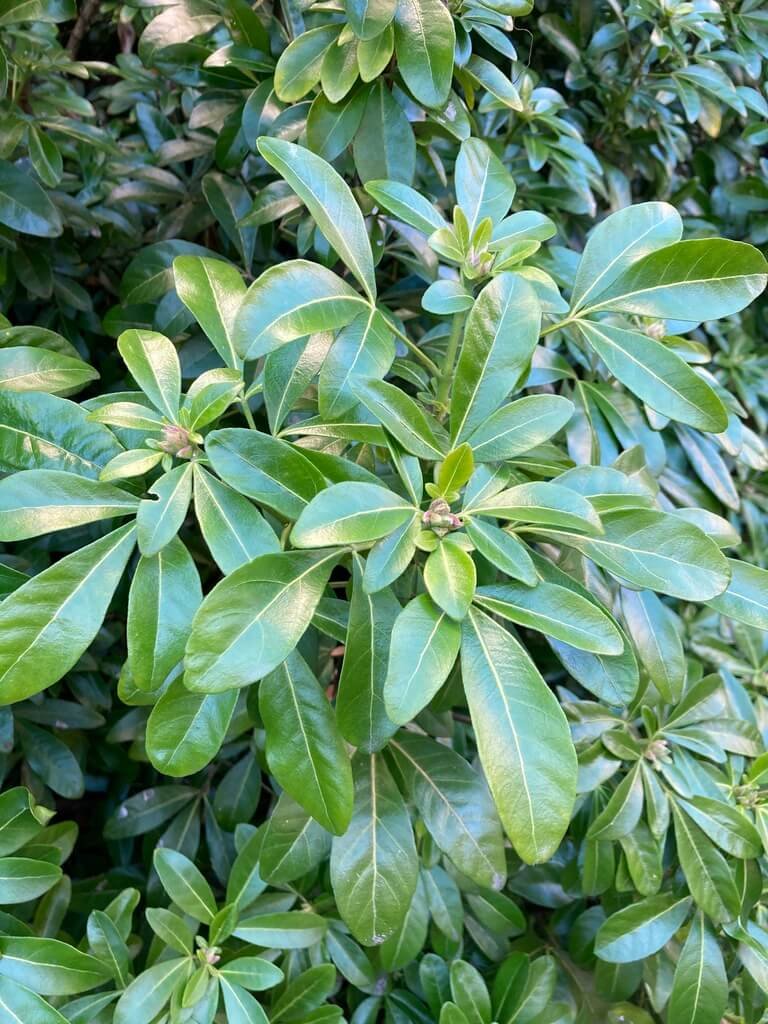
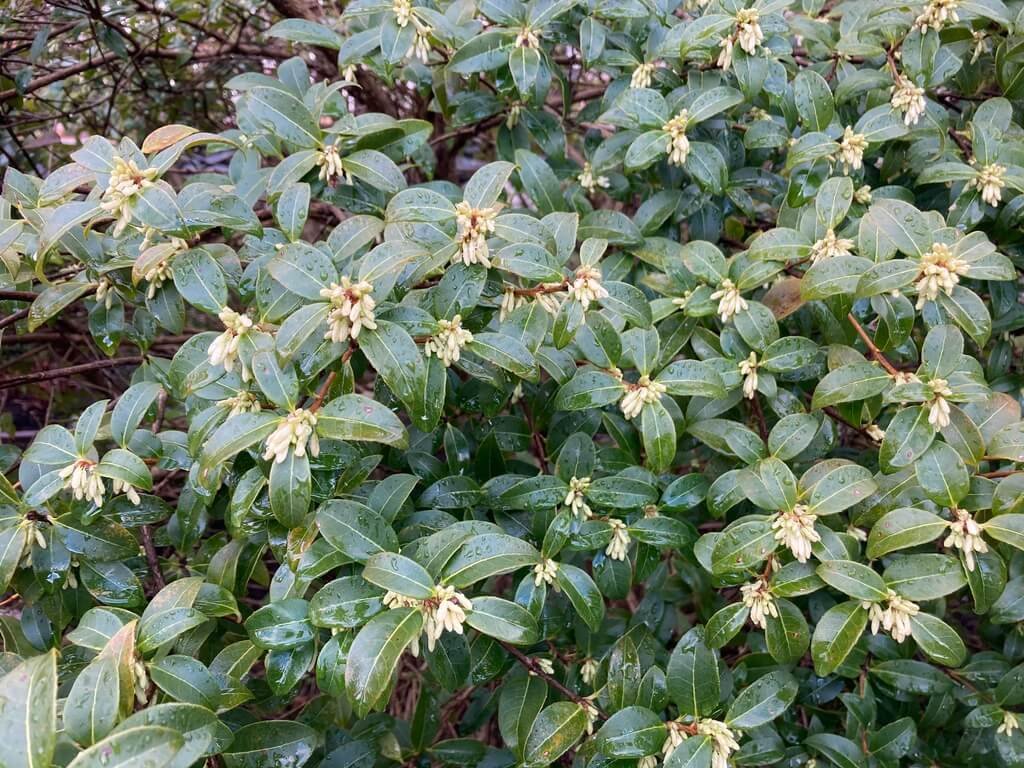
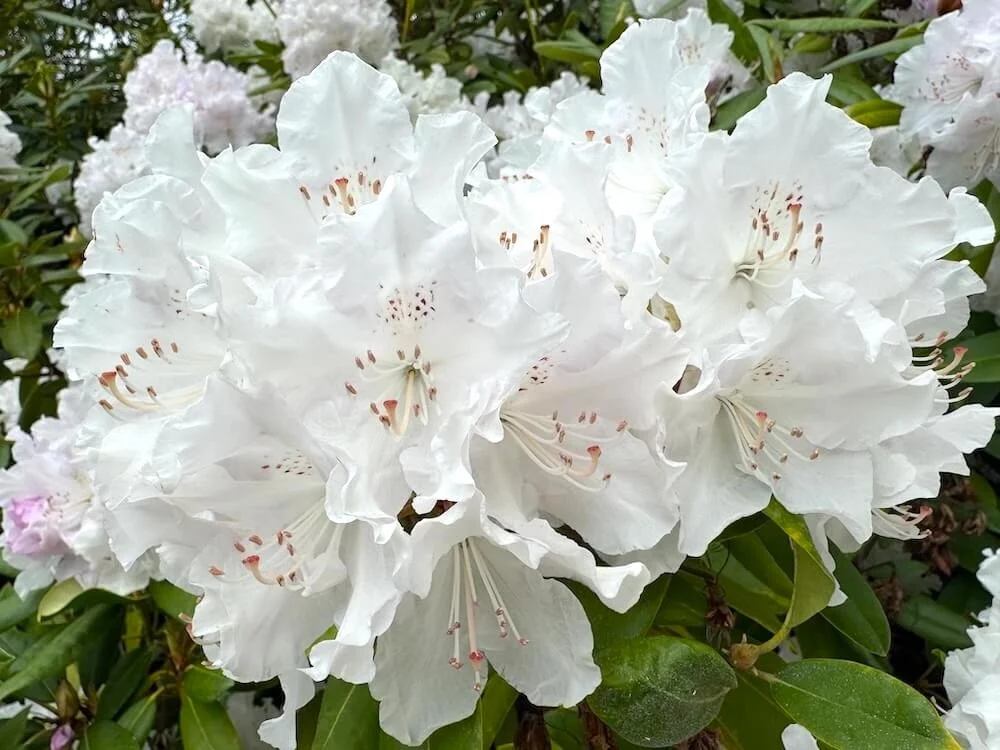
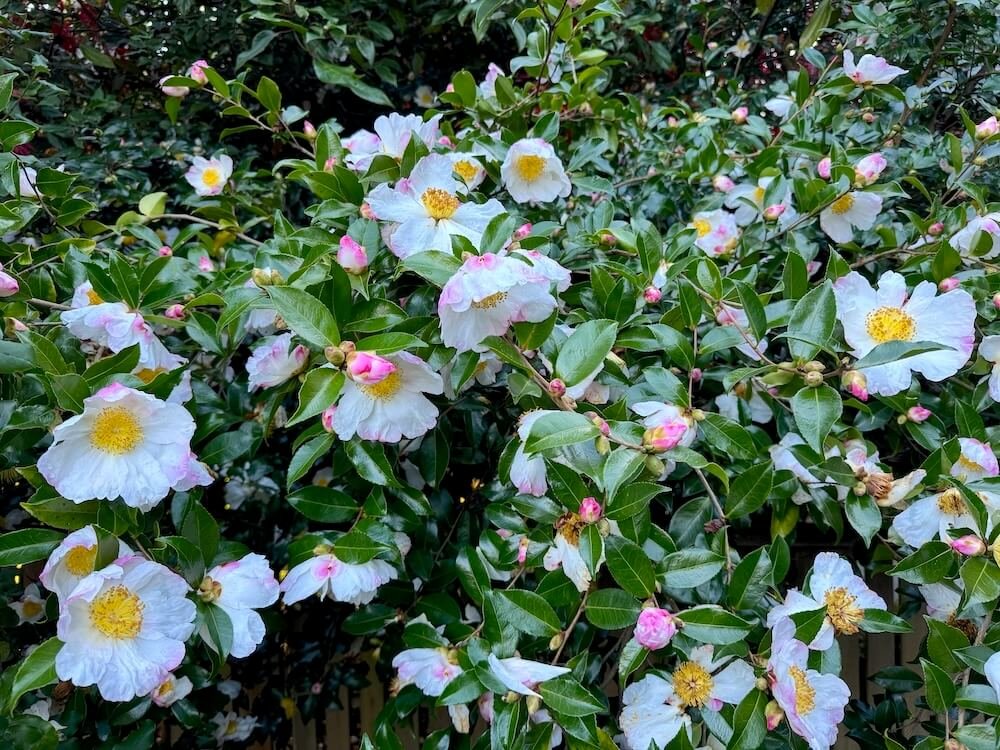
Rhododendron aberconwayi is an evergreen shrub valued for its refined foliage and elegant spring display. In mid to late spring, it produces clusters of bell-shaped flowers that open white, often carrying faint pink tones in bud or cool weather. As the flowers mature, they appear clean white with delicate spotting or markings in the throat, adding subtle detail without overpowering the bloom. The flowers are lightly scented and contrast gently with the plant’s smooth, dark green leaves.

Native to western China, Rhododendron aberconwayi was introduced to cultivation in the early twentieth century through botanical exploration. It has remained a respected species rhododendron for collectors and woodland gardens, appreciated for its restrained color palette, graceful habit, and dependable spring flowering.

DESCRIPTION
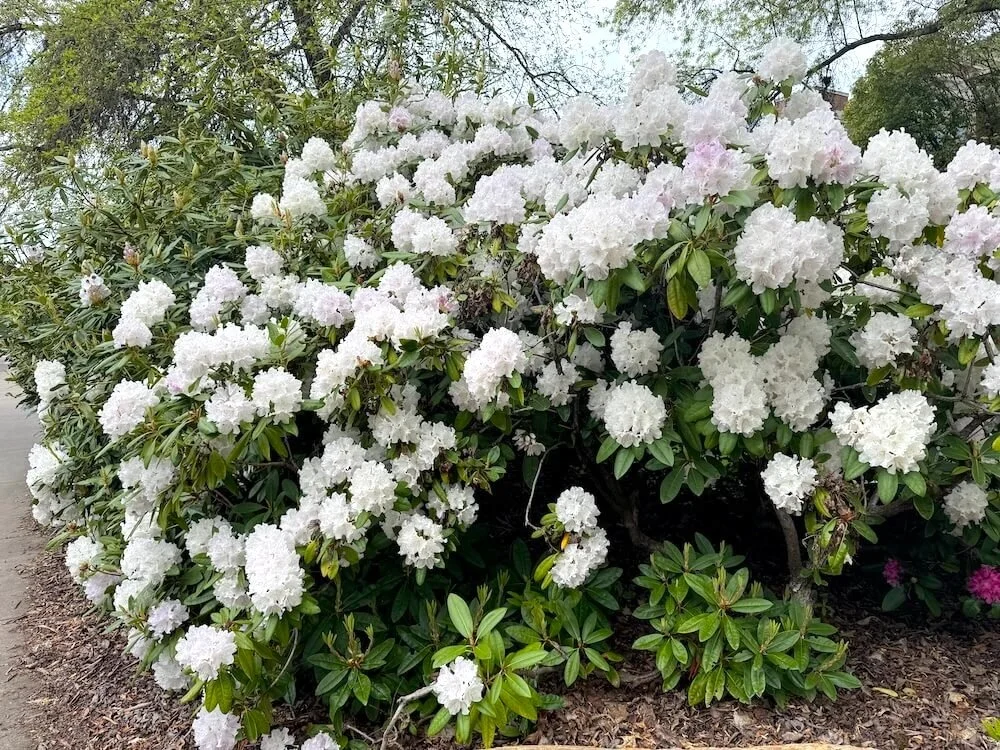
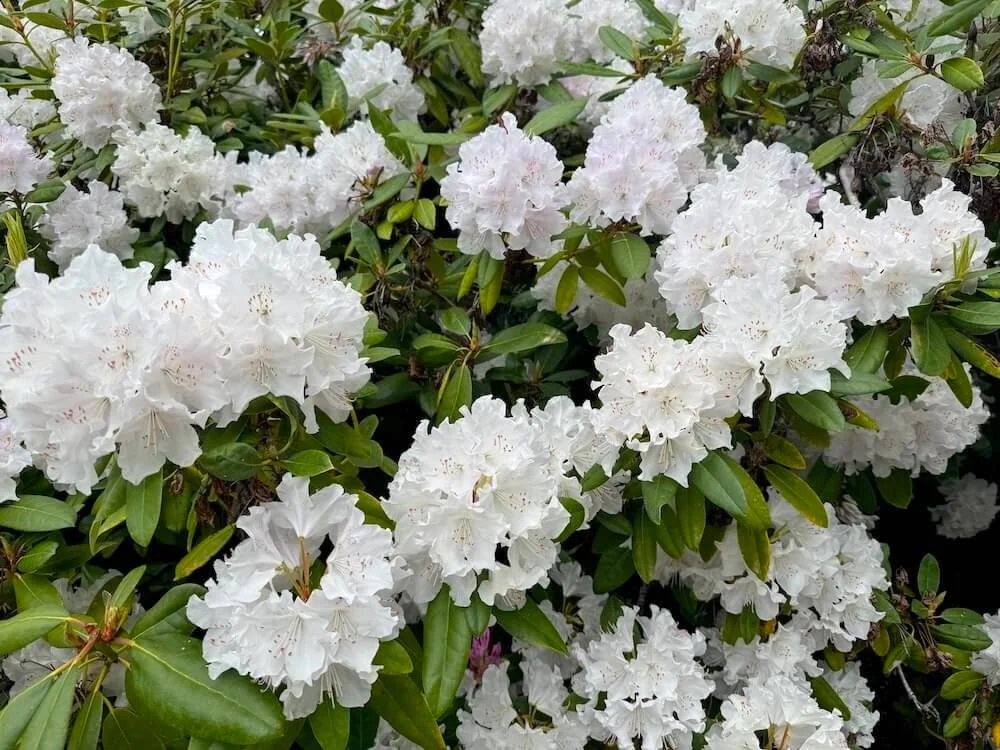
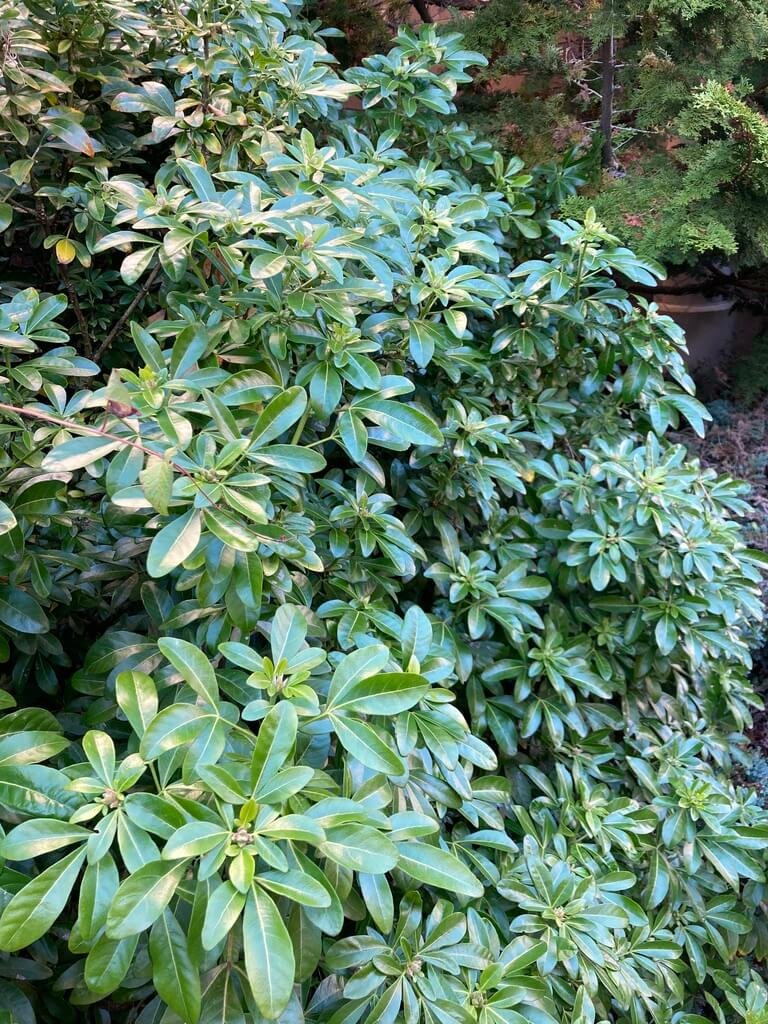
Rhododendron aberconwayi is an evergreen shrub valued for its refined foliage and elegant spring display. In mid to late spring, it produces clusters of bell-shaped flowers that open white, often carrying faint pink tones in bud or cool weather. As the flowers mature, they appear clean white with delicate spotting or markings in the throat, adding subtle detail without overpowering the bloom. The flowers are lightly scented and contrast gently with the plant’s smooth, dark green leaves.

Native to western China, Rhododendron aberconwayi was introduced to cultivation in the early twentieth century through botanical exploration. It has remained a respected species rhododendron for collectors and woodland gardens, appreciated for its restrained color palette, graceful habit, and dependable spring flowering.

 
  • Family: Ericaceae
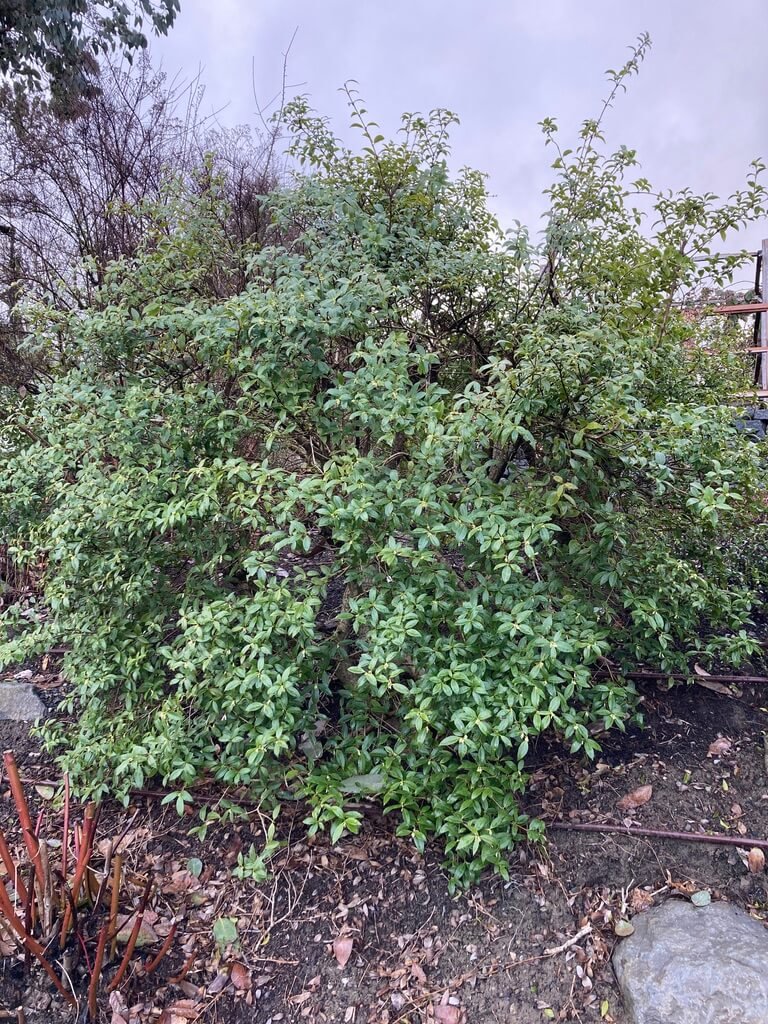
    Height: 2 to 4 ft
    Width: 3 to 5 ft
    Foliage color: Evergreen foliage with small, rounded to elliptic leaves
    Flower color: Creamy white with tinges of pink and spotted throats
    Bloom time: Mid to late spring (April-May)
    Light requirements: Partial shade
    Water requirements: Moderate
    Maintenance: Low — remove spent flowers; prune lightly after bloom as needed
    Growing zone: USDA zones 6 to 8
    Wildlife attractors: Flowers attract bees and other pollinators; dense evergreen foliage provides shelter for small birds and garden wildlife
    Print Information

    Buy Plants