DESCRIPTION
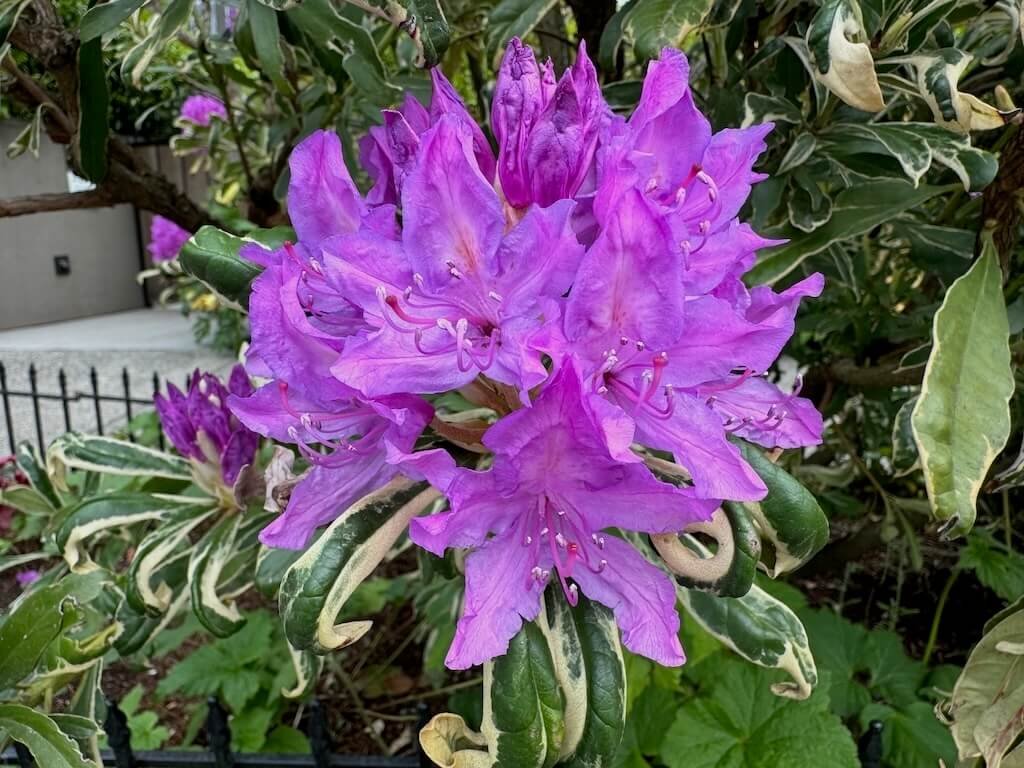
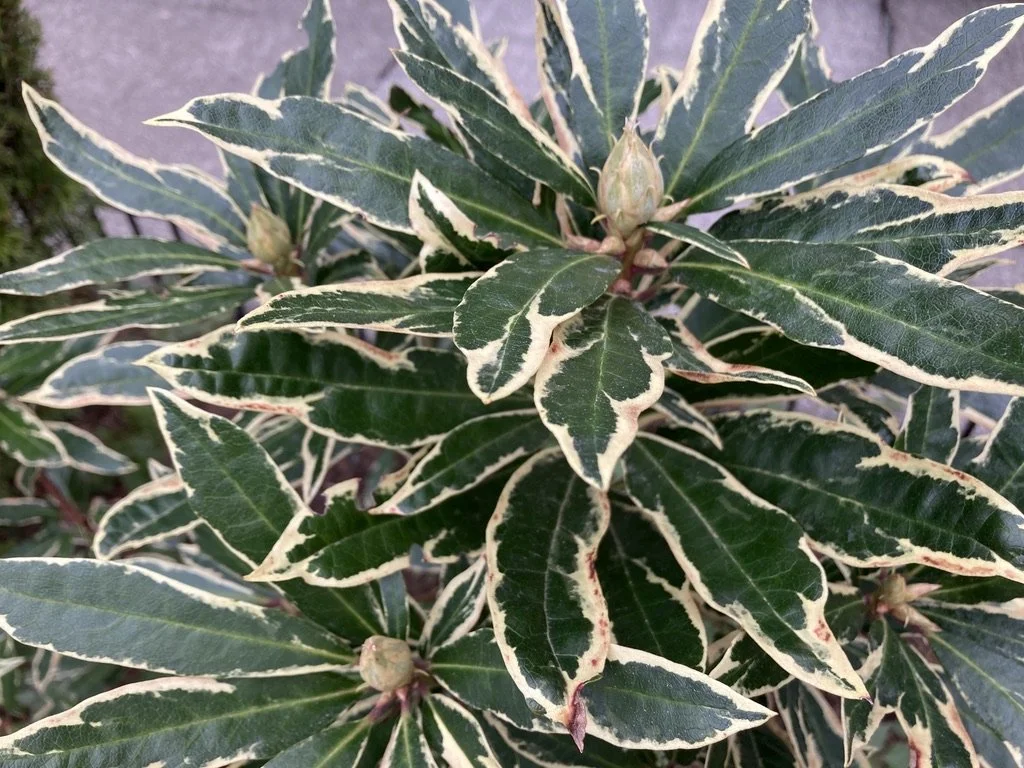
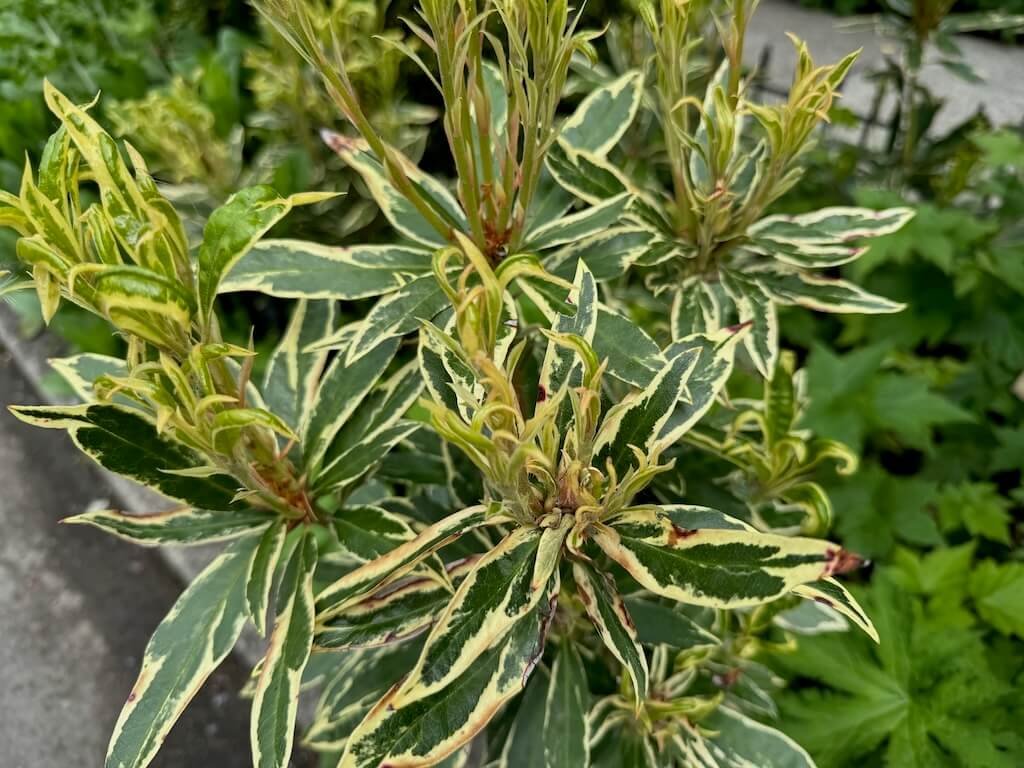
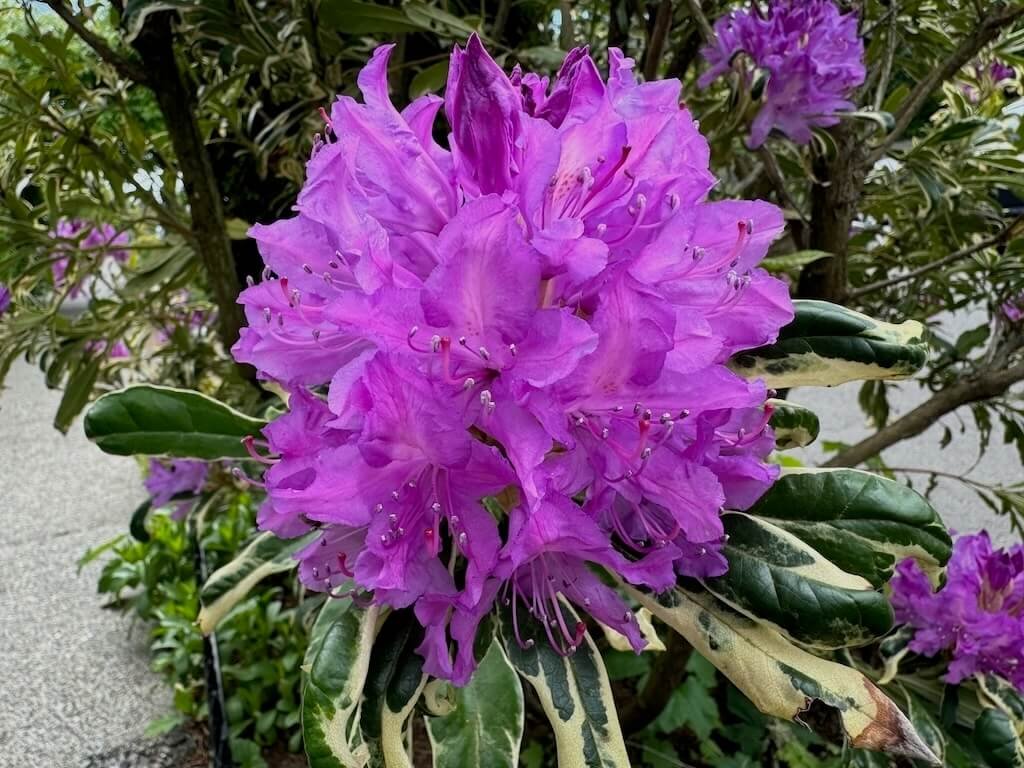
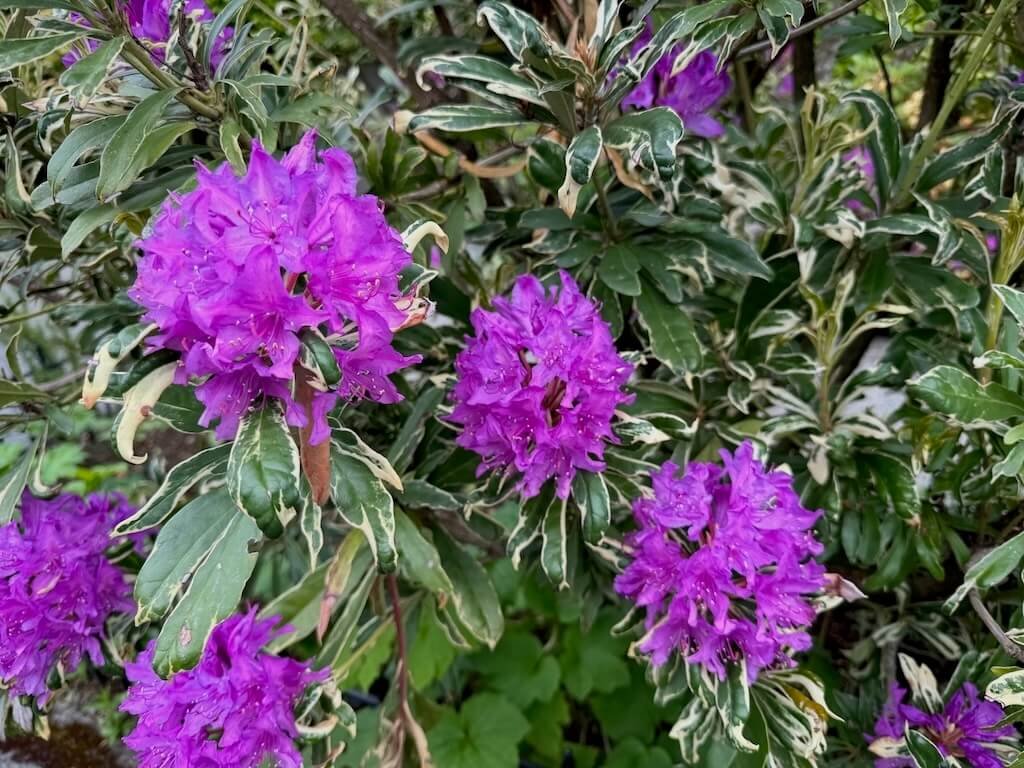
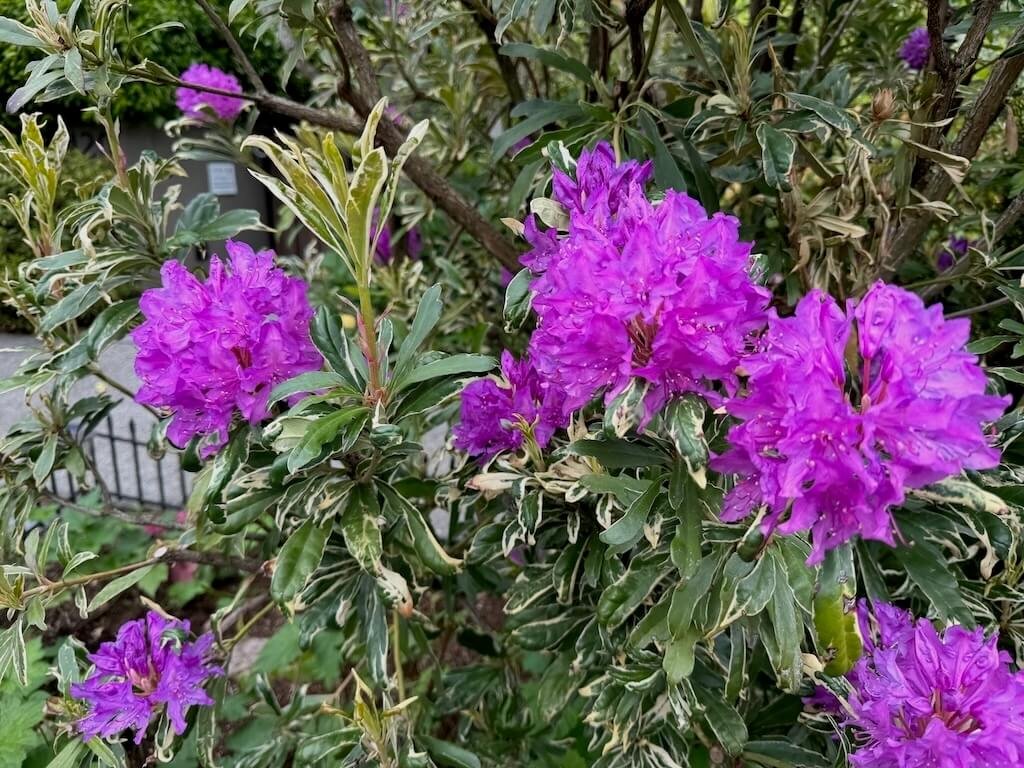
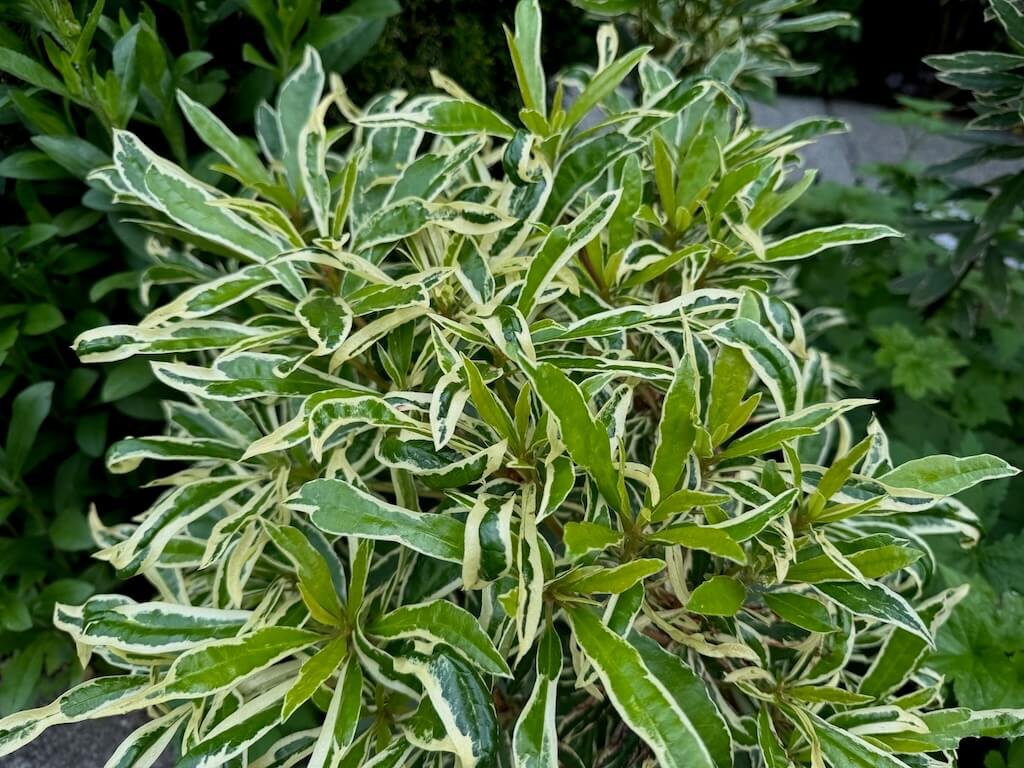
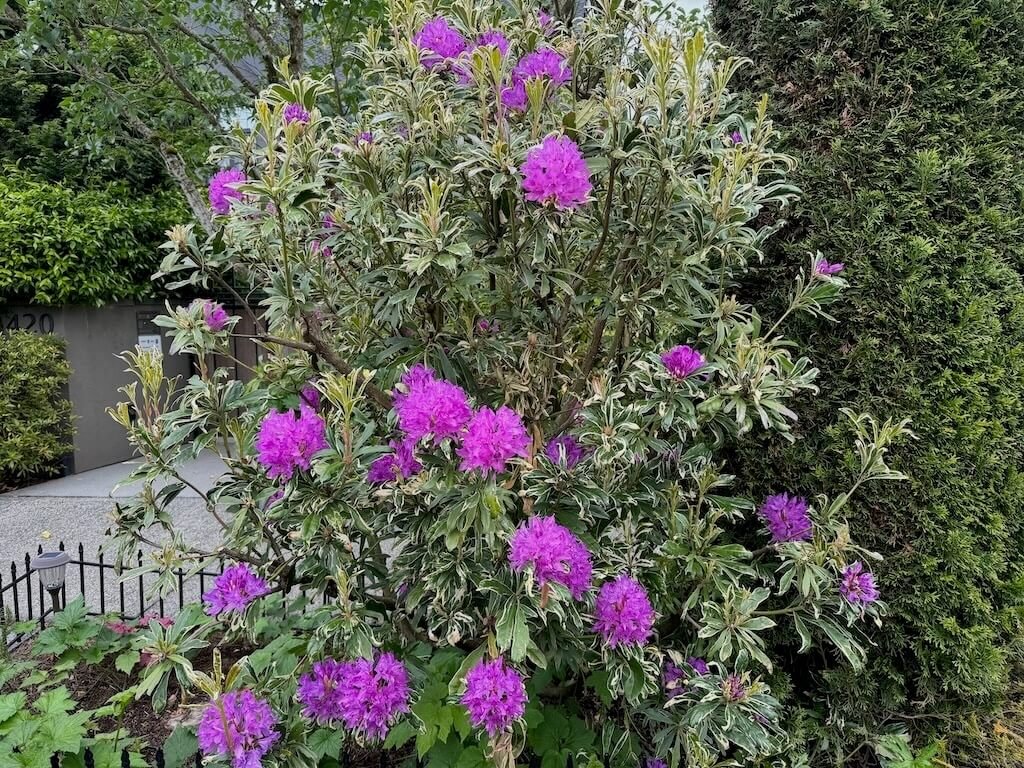
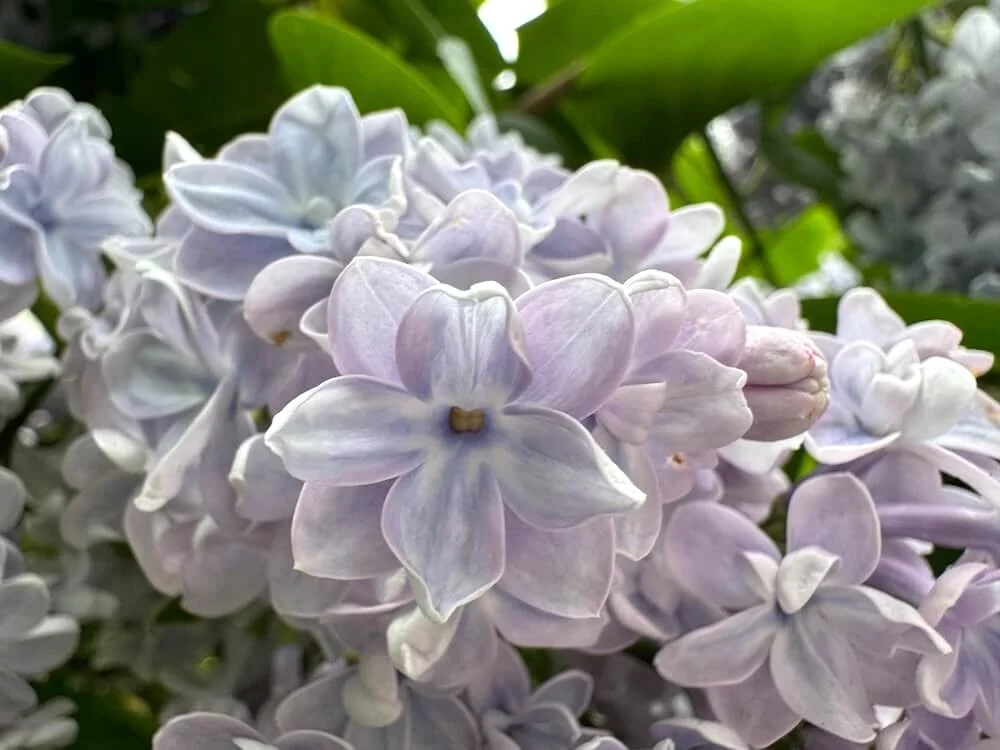
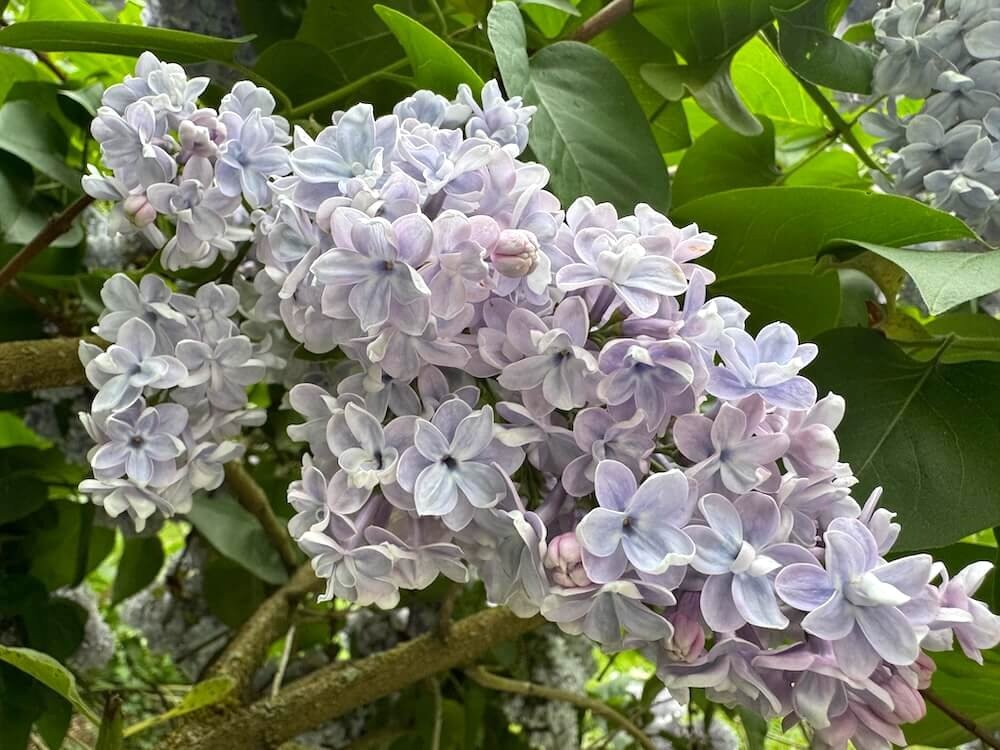
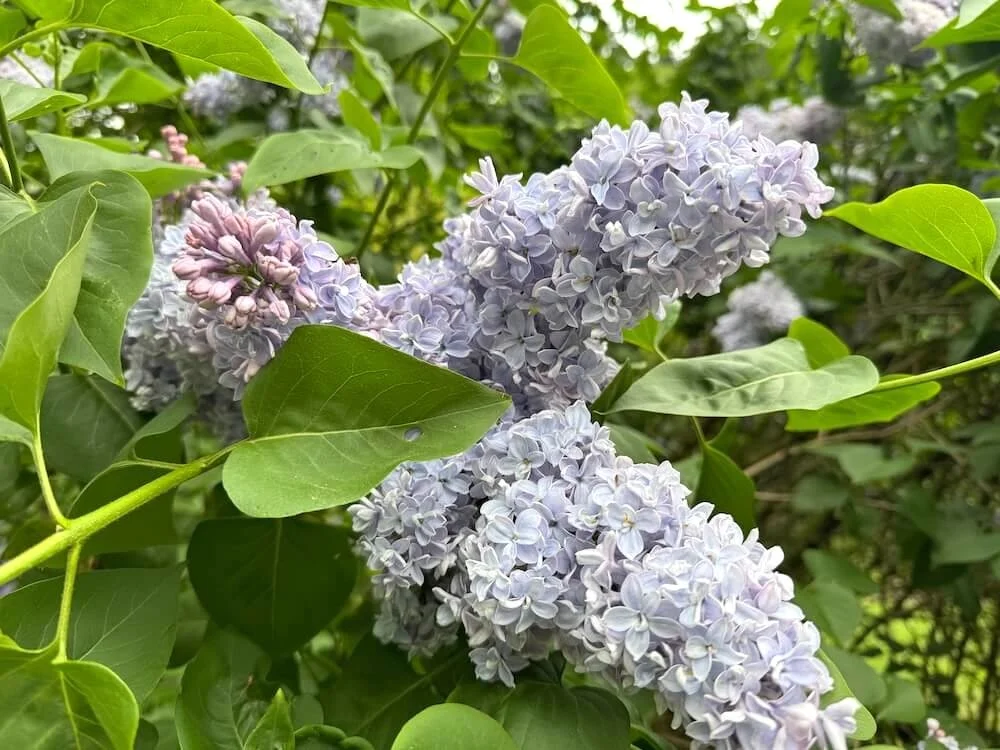
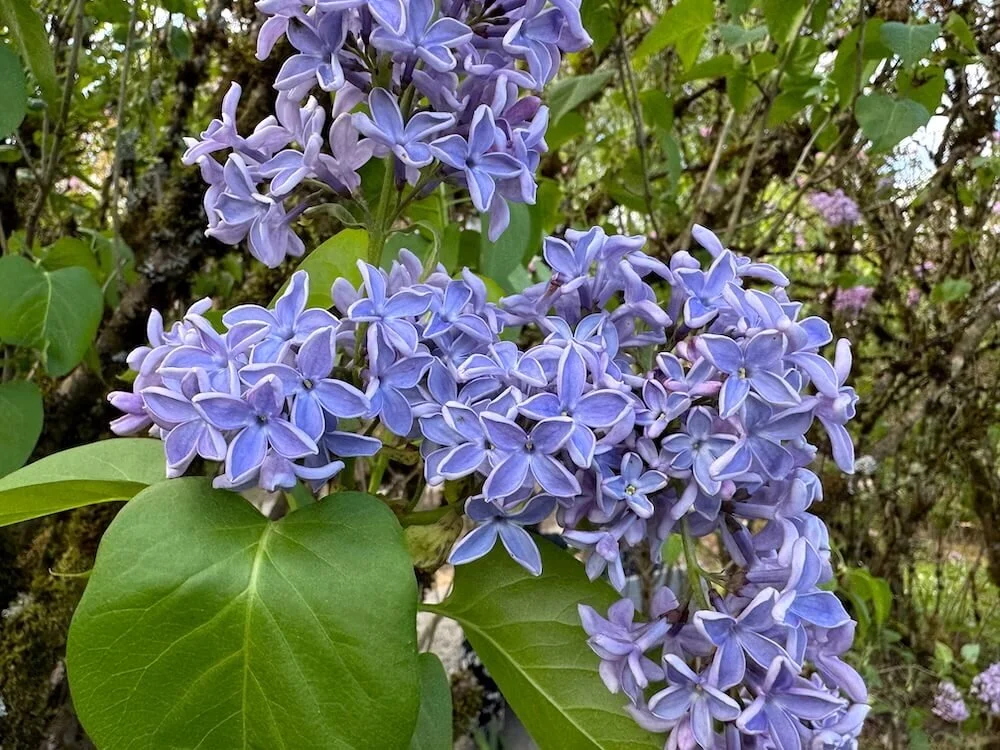
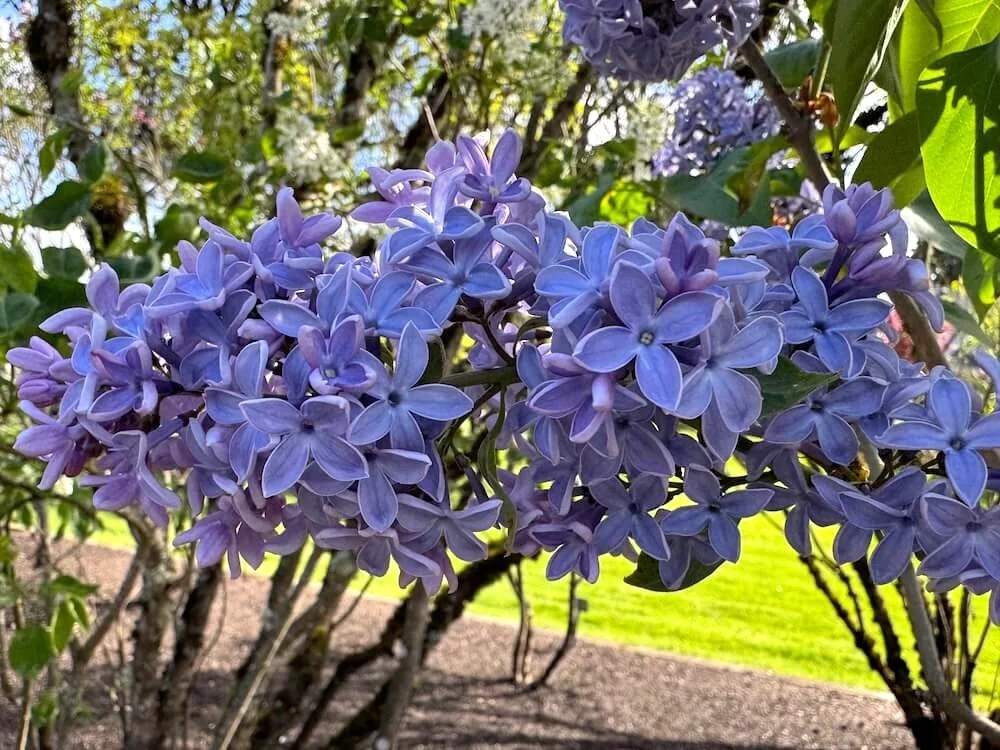
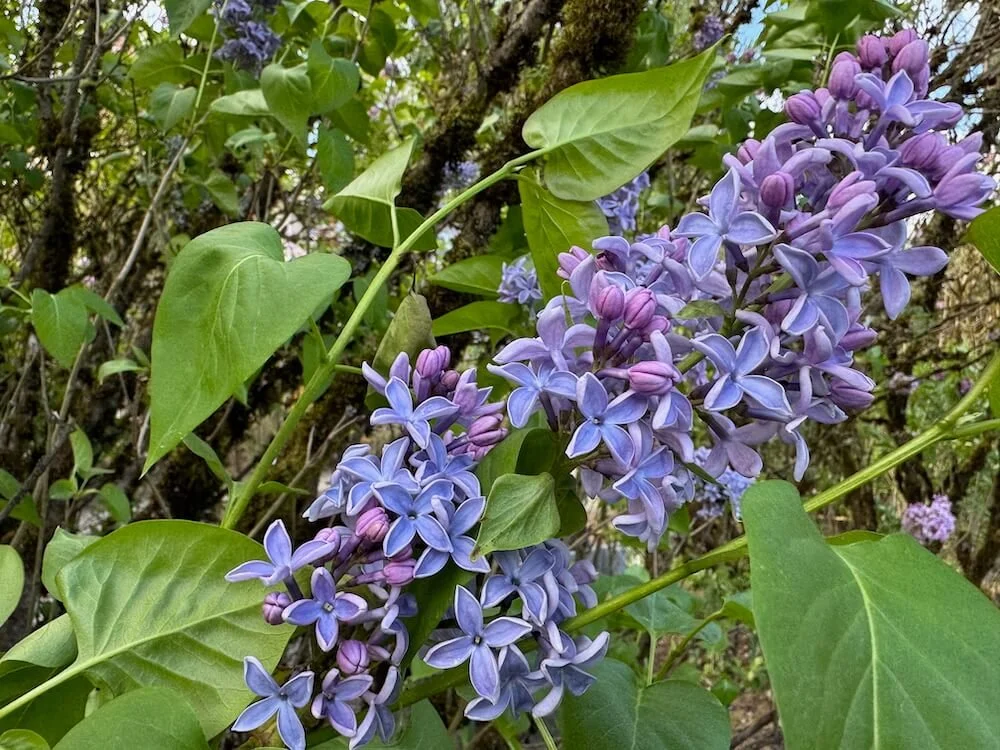
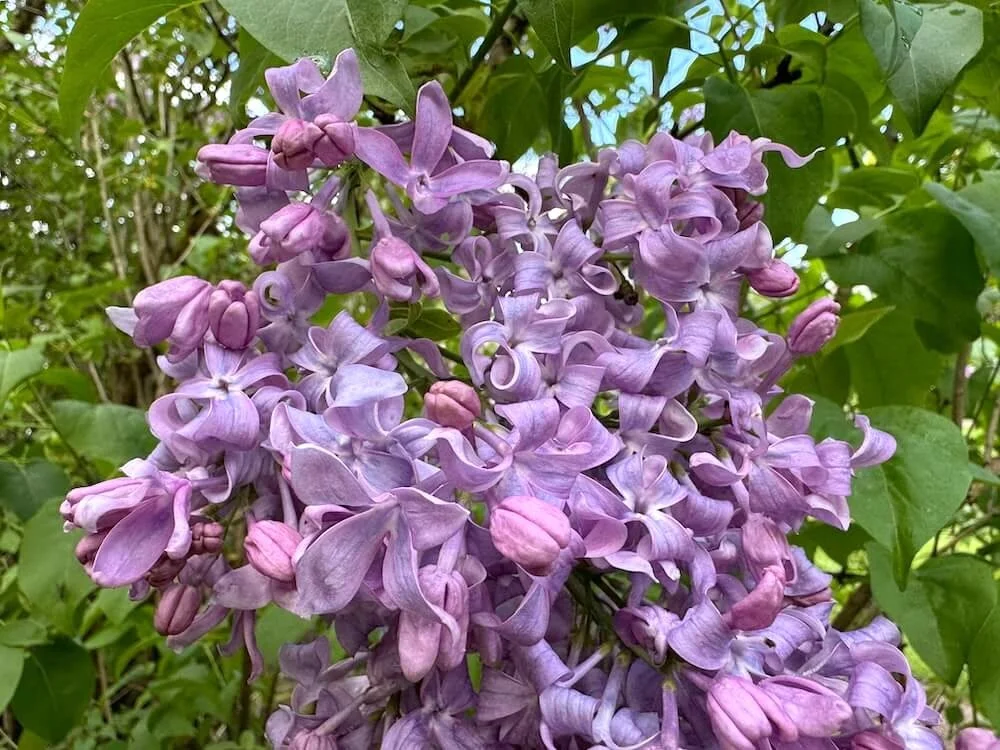
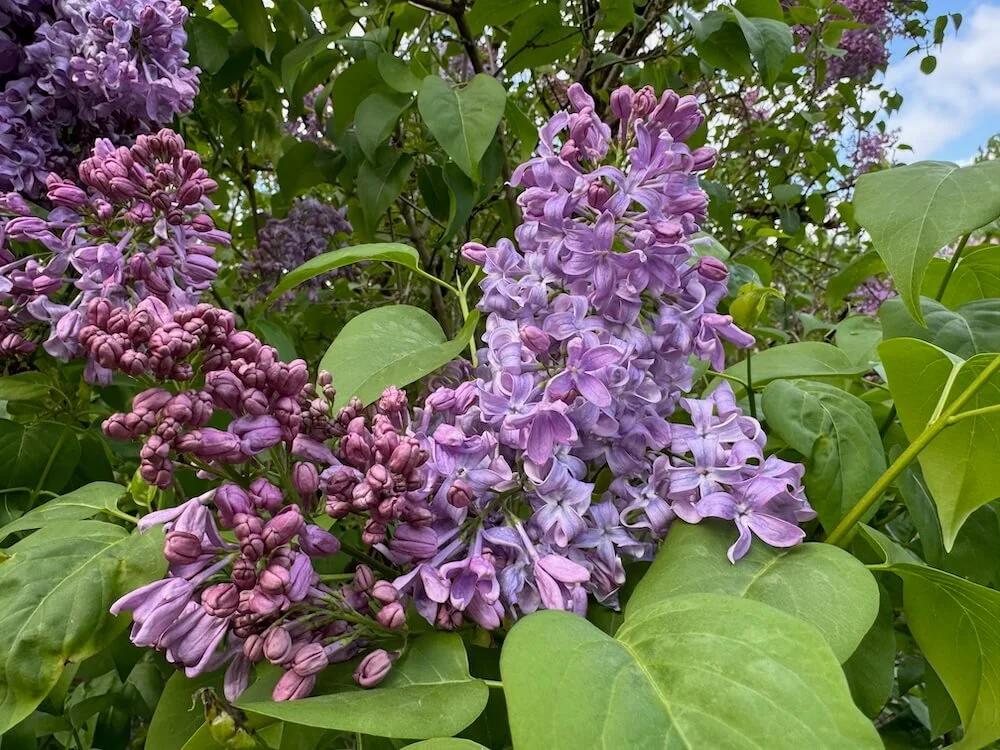
Rhododendron catawbiense ‘Grandiflorum’ is a broadleaf evergreen shrub with dense, deep green foliage and a full, rounded presence. In mid to late spring, it produces compact terminal trusses packed with trumpet- to funnel-shaped flowers in lilac to lavender-purple tones. The upper petal typically shows throat markings in green to yellow-brown, often with speckling that can read as tan to reddish flecks.
‘Grandiflorum’ is a long-established garden selection associated with the Appalachian species Rhododendron catawbiense, a plant introduced to British gardens in the early 1800s and widely used for durable landscape plantings. Its generous trusses, evergreen structure, and dependable spring flowering suit woodland borders, foundation beds, and mixed shrub plantings where a classic rhododendron look is desired.
DESCRIPTION
Rhododendron catawbiense ‘Grandiflorum’ is a broadleaf evergreen shrub with dense, deep green foliage and a full, rounded presence. In mid to late spring, it produces compact terminal trusses packed with trumpet- to funnel-shaped flowers in lilac to lavender-purple tones. The upper petal typically shows throat markings in green to yellow-brown, often with speckling that can read as tan to reddish flecks.
‘Grandiflorum’ is a long-established garden selection associated with the Appalachian species Rhododendron catawbiense, a plant introduced to British gardens in the early 1800s and widely used for durable landscape plantings. Its generous trusses, evergreen structure, and dependable spring flowering suit woodland borders, foundation beds, and mixed shrub plantings where a classic rhododendron look is desired.

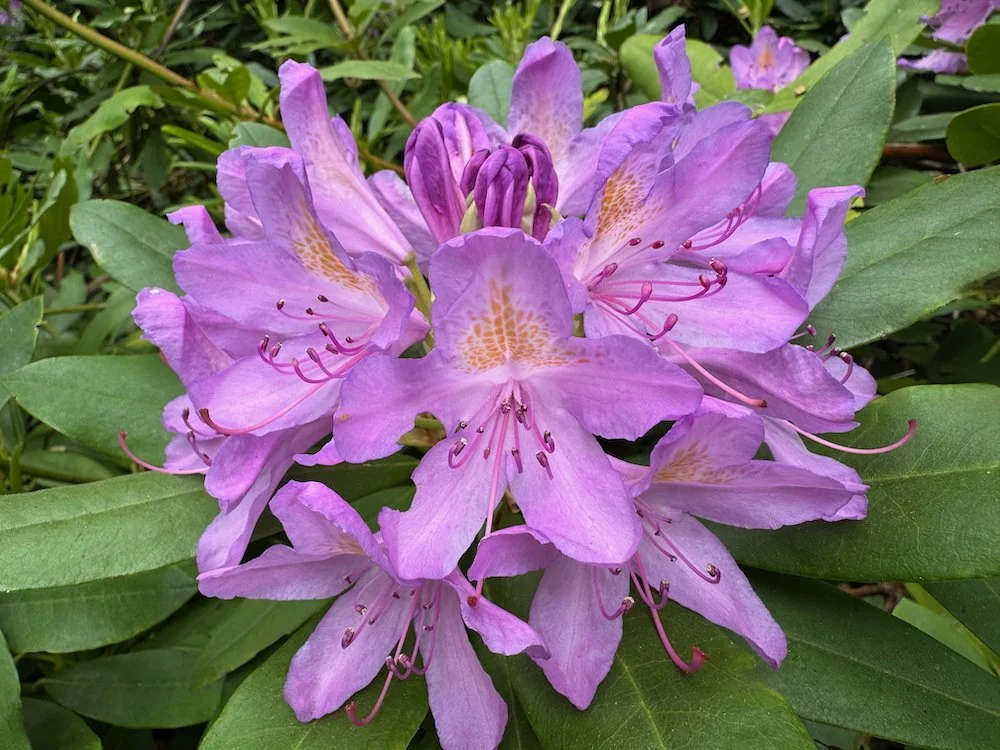 Image 1 of 2
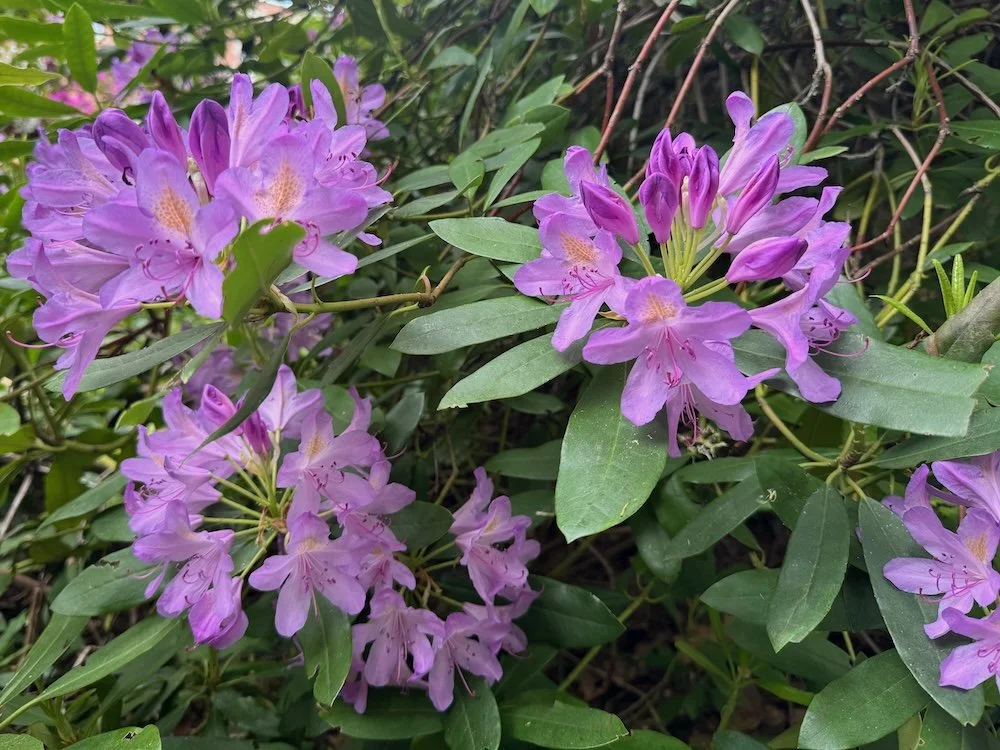 Image 2 of 2