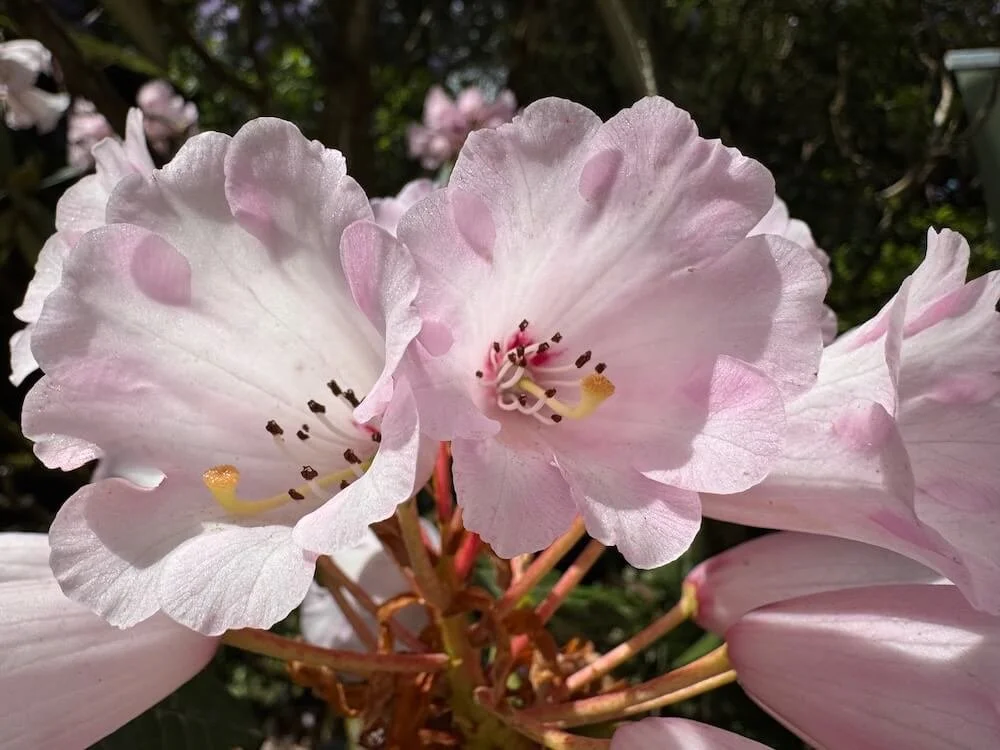
 Image 1 of 4
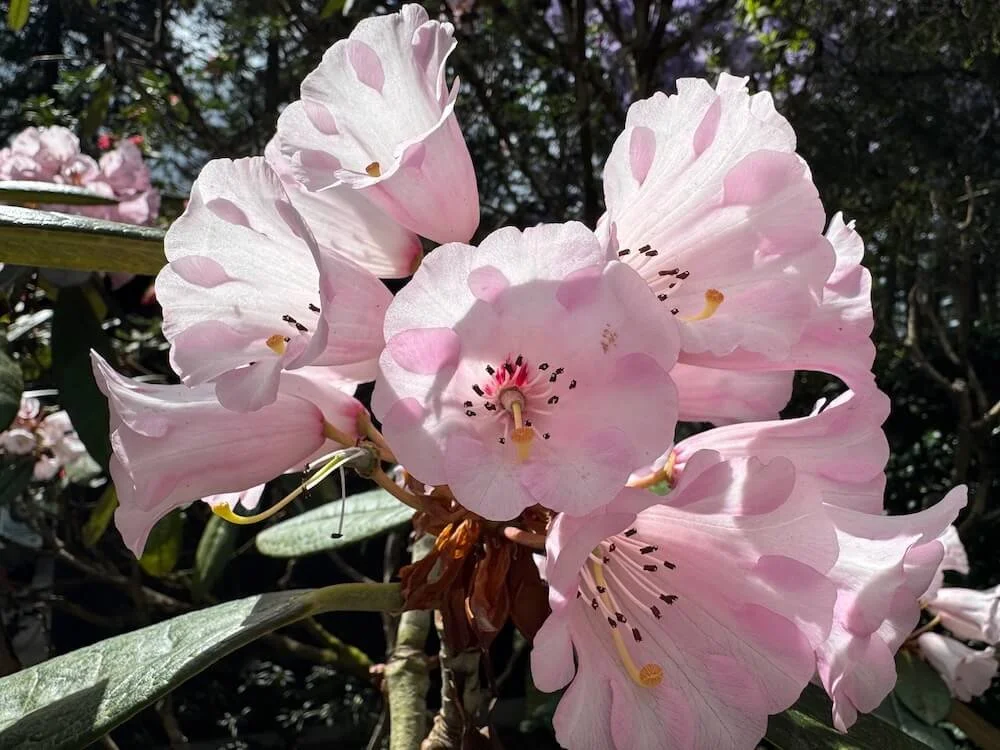
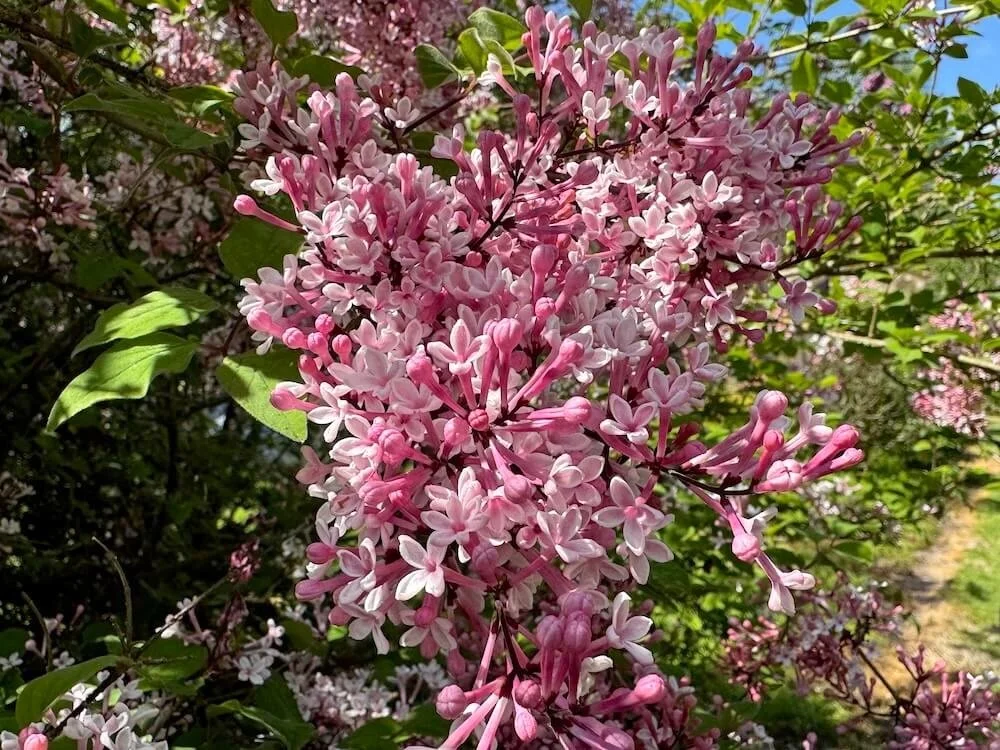 Image 2 of 4
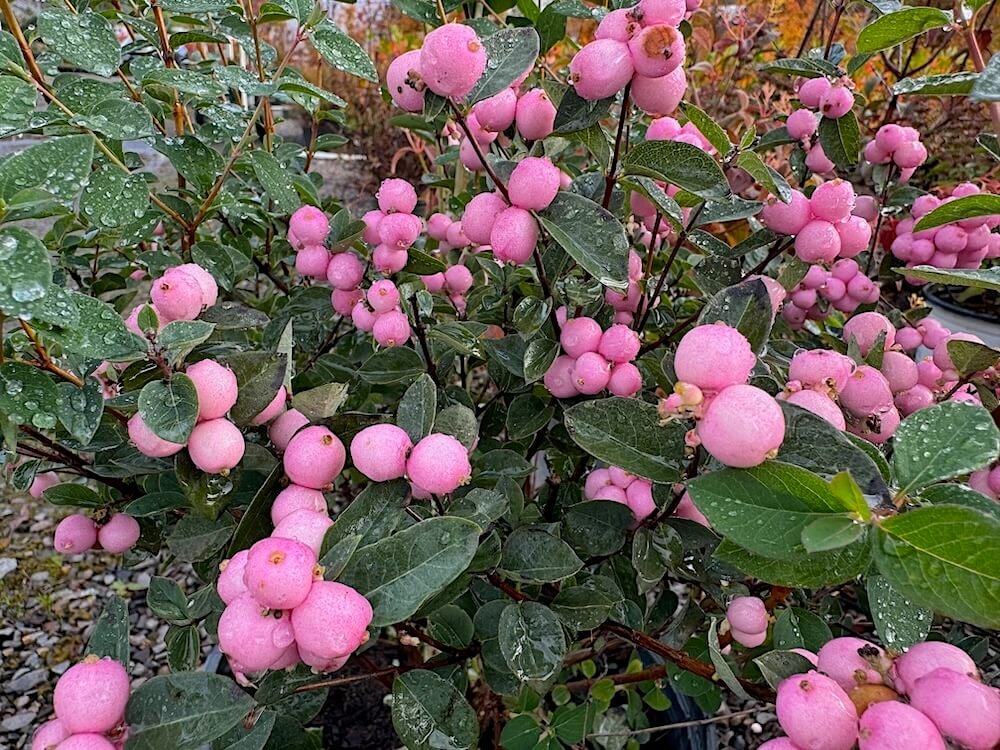
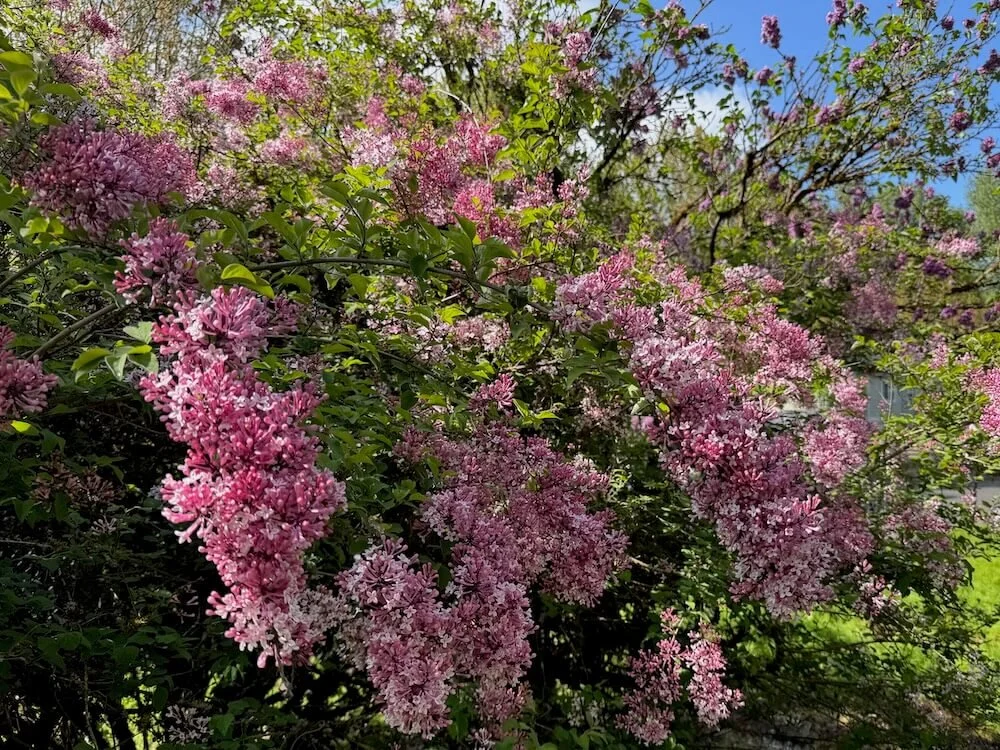 Image 3 of 4
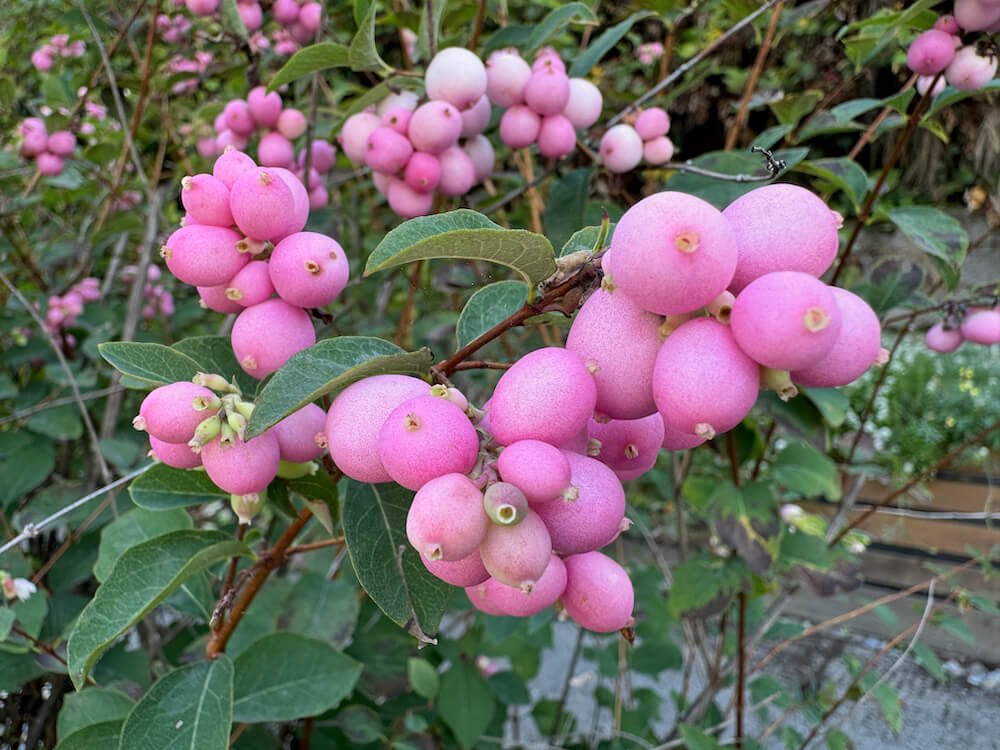
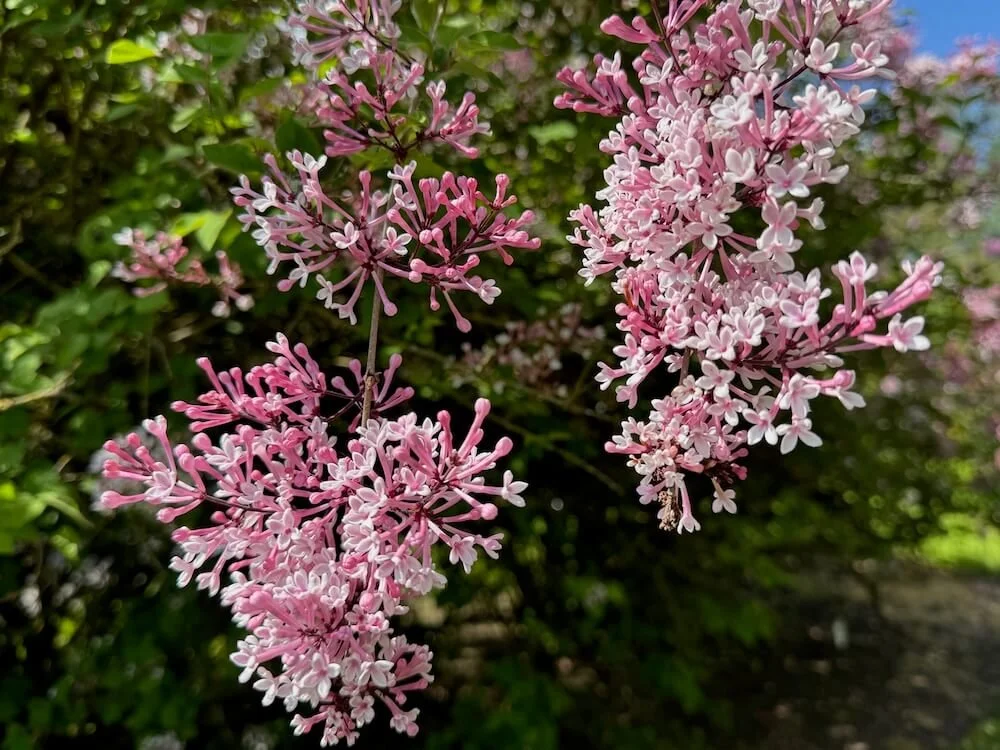 Image 4 of 4
-
Family: Oleaceae
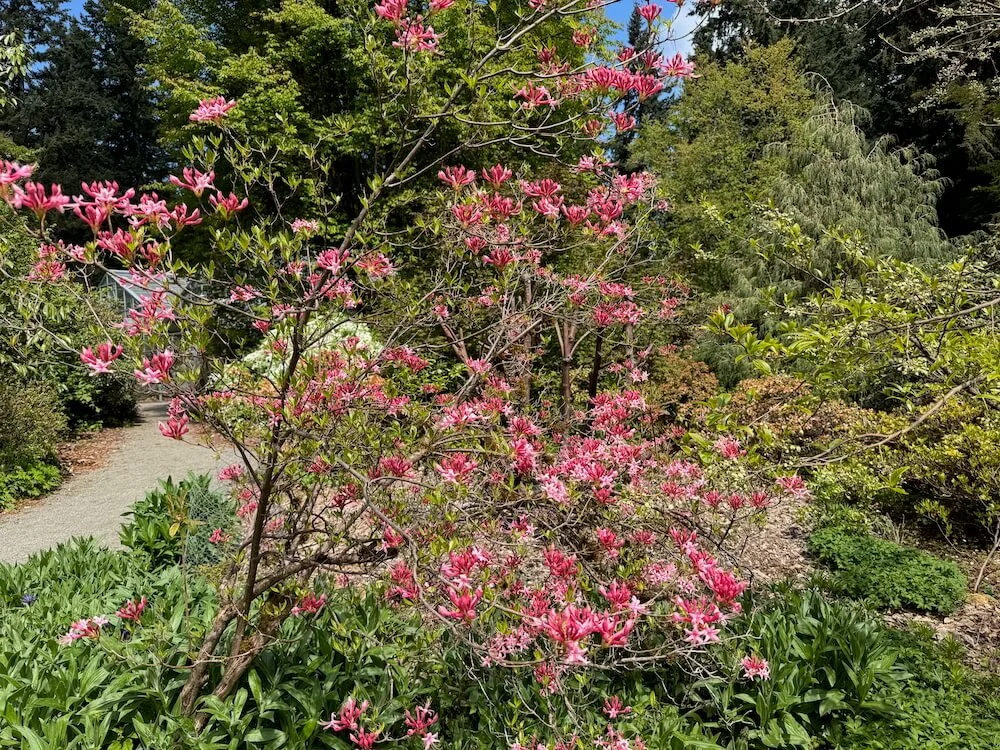
Height: 5 to 8 ft
Width: 8 to 14 ft
Foliage color: Deciduous medium green leaves
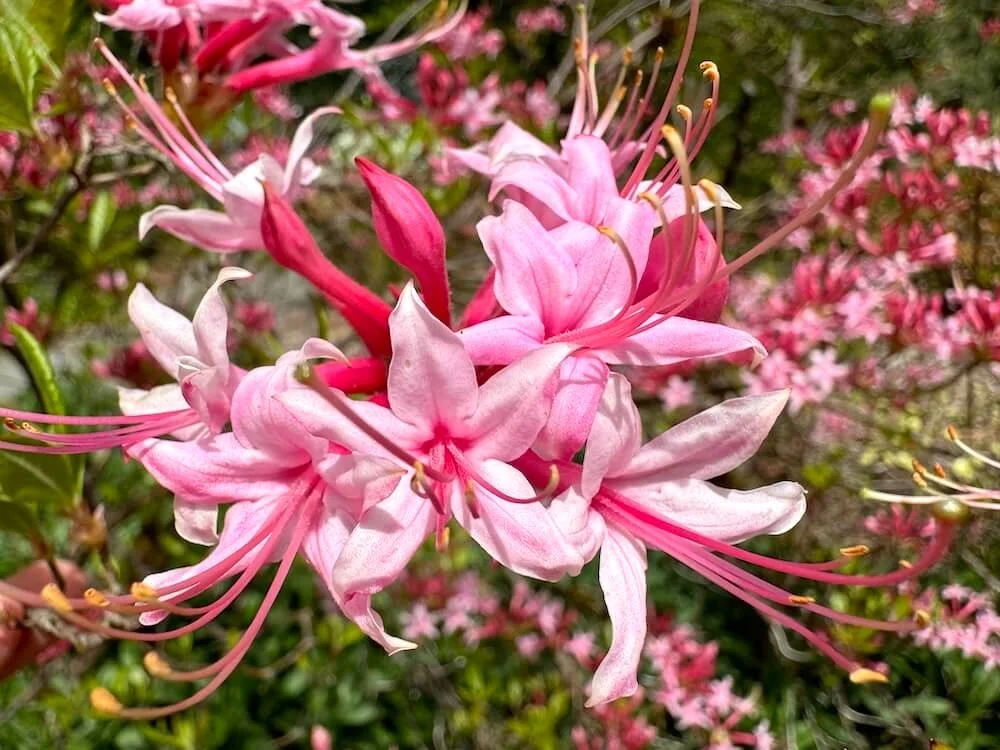
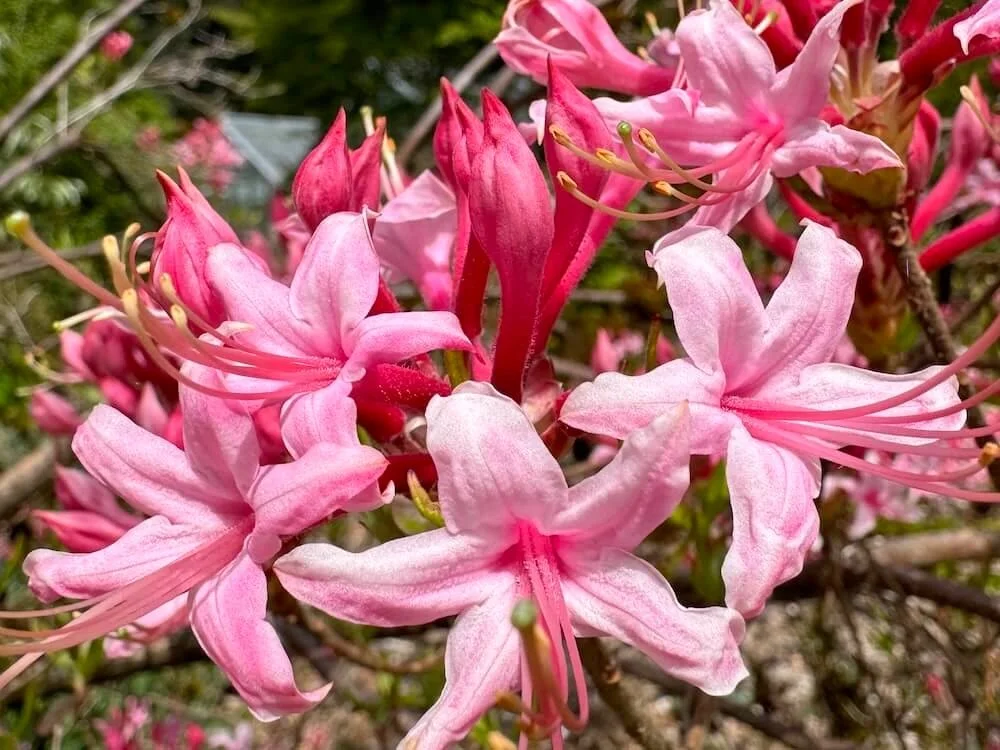
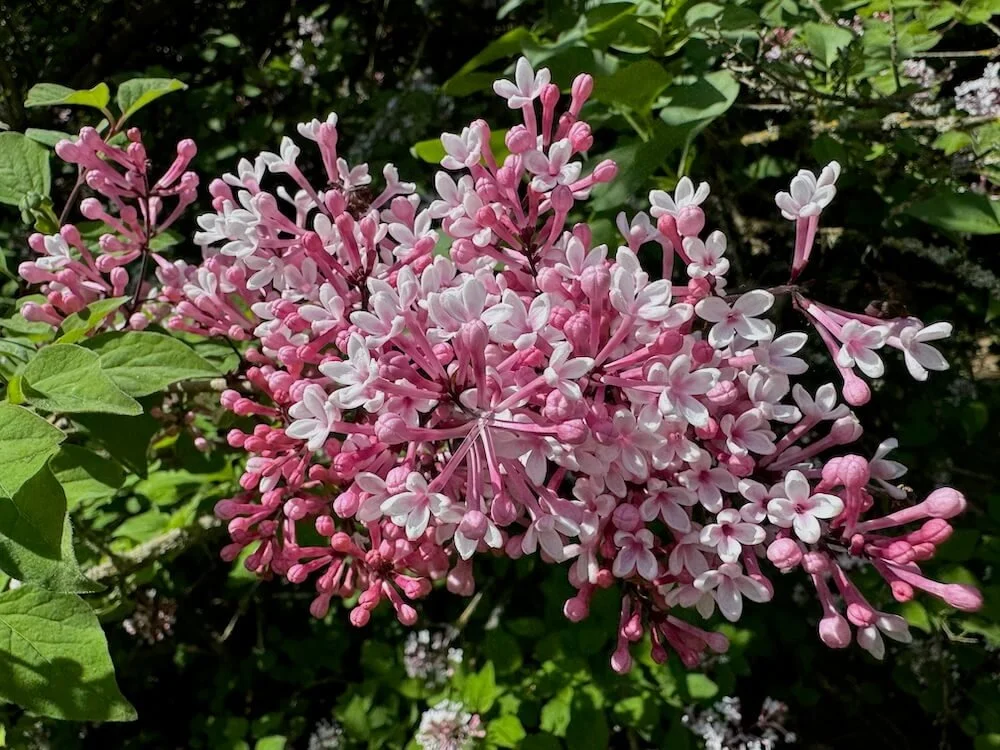
Flower color: Rosy pink to deep pink, very fragrant flower clusters
Bloom Time: Late spring to early summer, with possible rebloom in late summer to early fall
Light requirements: Full sun to part shade
Water requirements: Low to moderate
Maintenance: Low to moderate; prune immediately after flowering to shape and remove spent clusters
Growing zone: USDA zones 4 to 7
Wildlife attractors: Fragrant blooms attract bees, butterflies, and other pollinatorsThis plant can be seen at the Hulda Klager Lilac Gardens.
-
Works Well In:
● Sun Gardens
● Foundation Plantings
● Fragrant Gardens
● Pollinator GardensCompanion Plants:
Larkspur Windflower
Hardy mum Fountain grass
Candytuft ColumbineDesign Tip:
Take advantage of ‘Superba’s’ unusually broad habit by using it to visually bridge taller shrubs and lower perennial plantings. Its fine branching and small leaves create a softer transition between those different scales, while the fragrant pink flowers add a strong seasonal highlight.