Syringa vulgaris 'Lavender Lady' | Lavender Lady Lilac

$0.00

DESCRIPTION
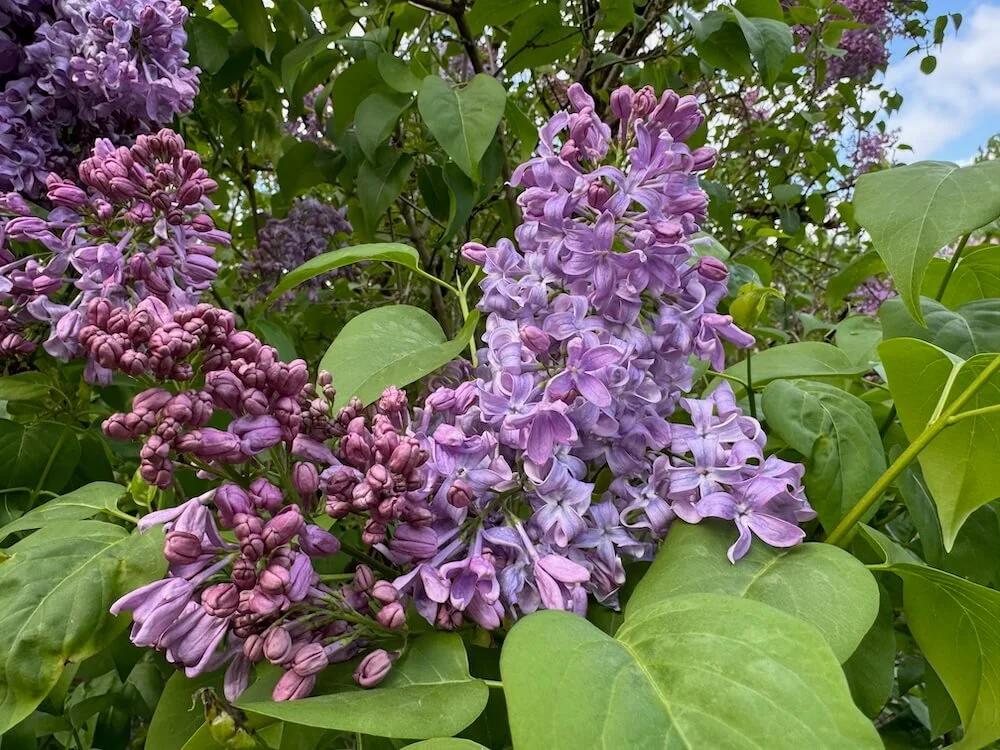
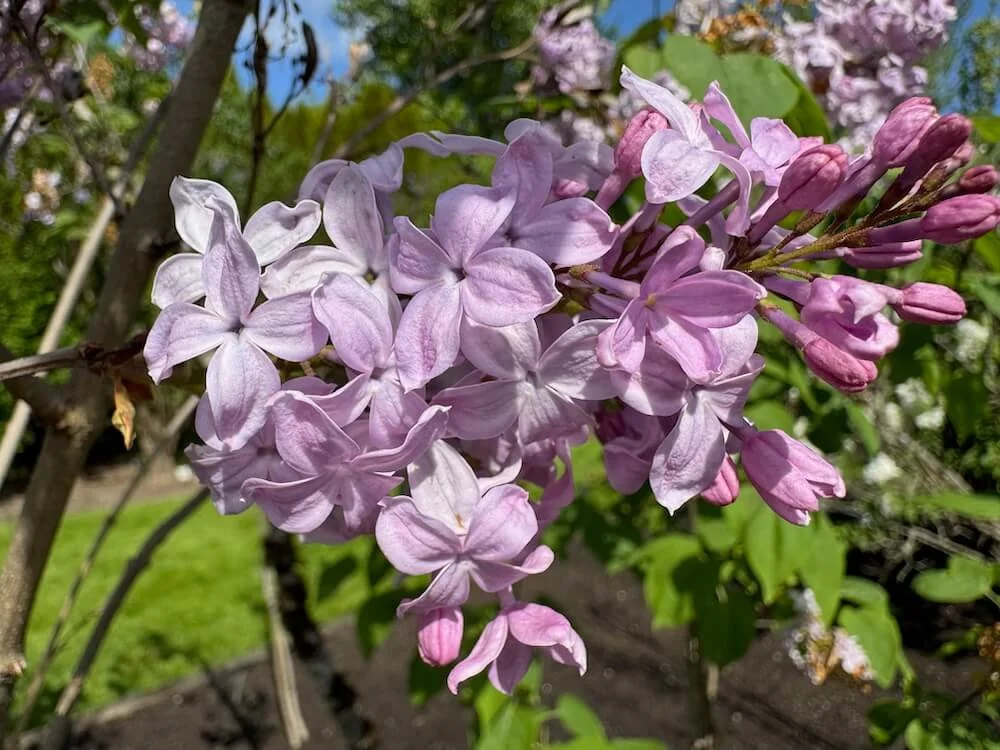
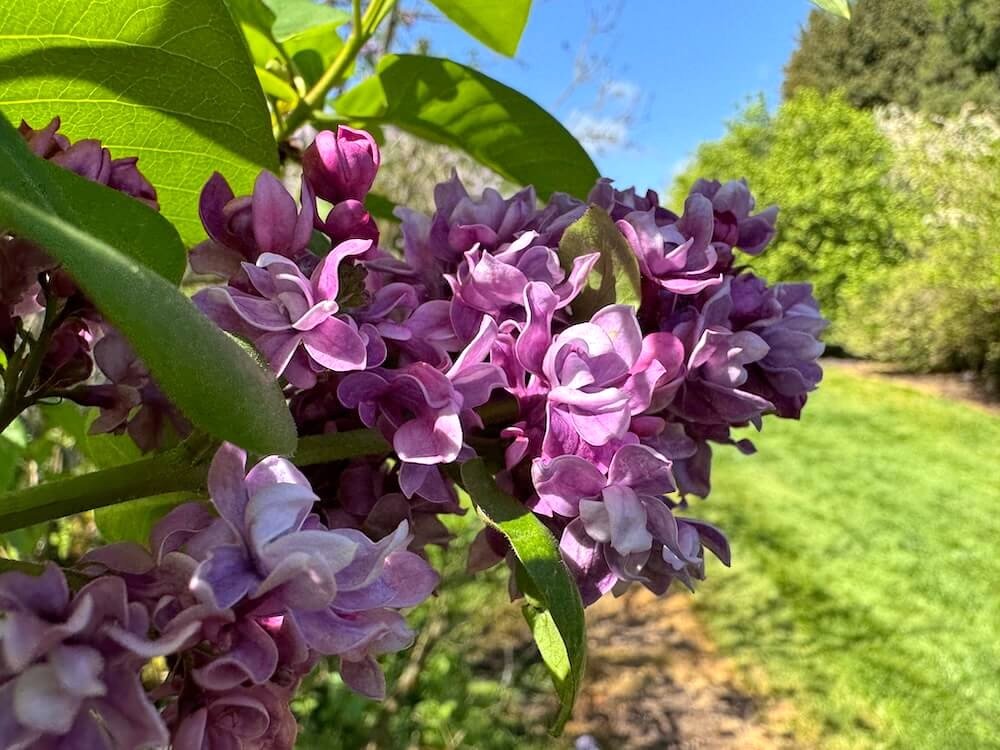
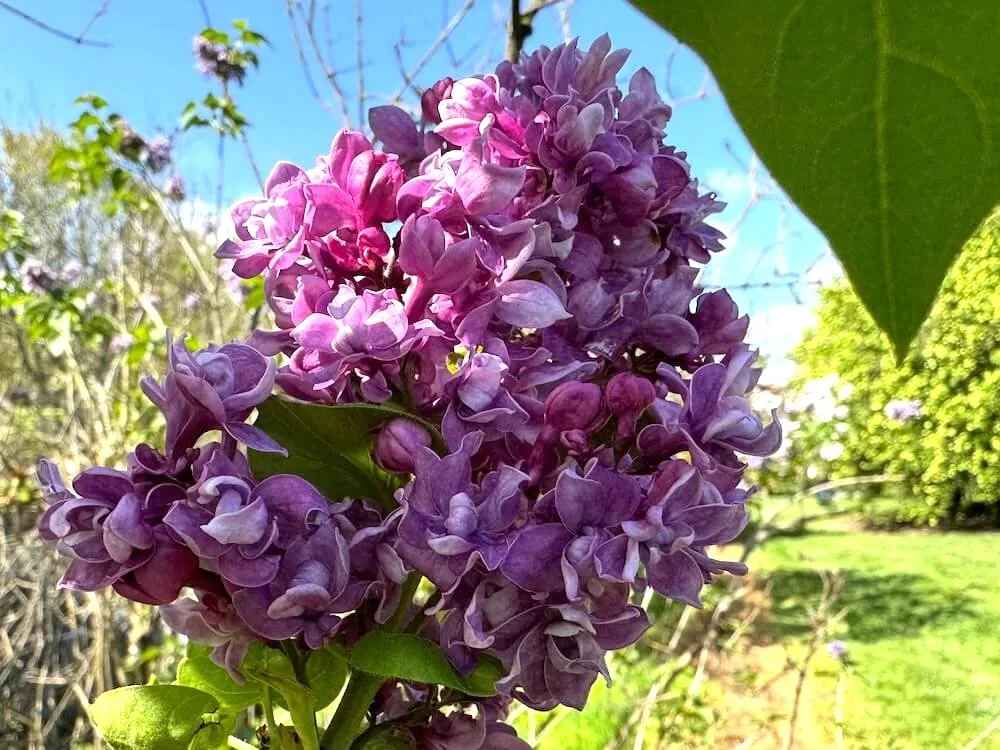
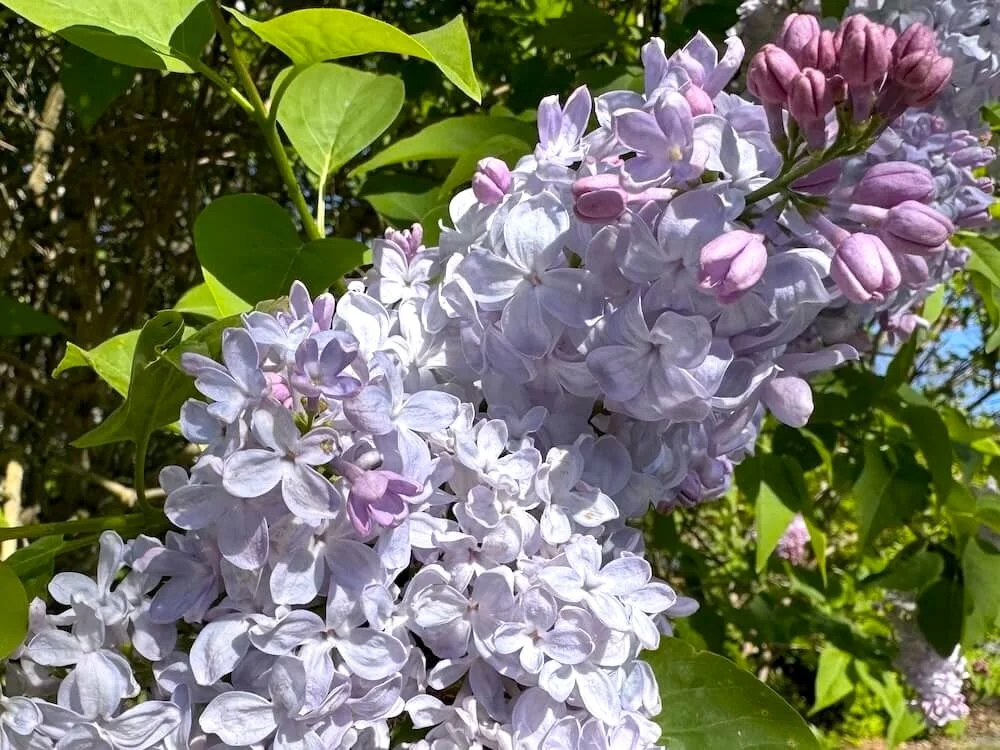
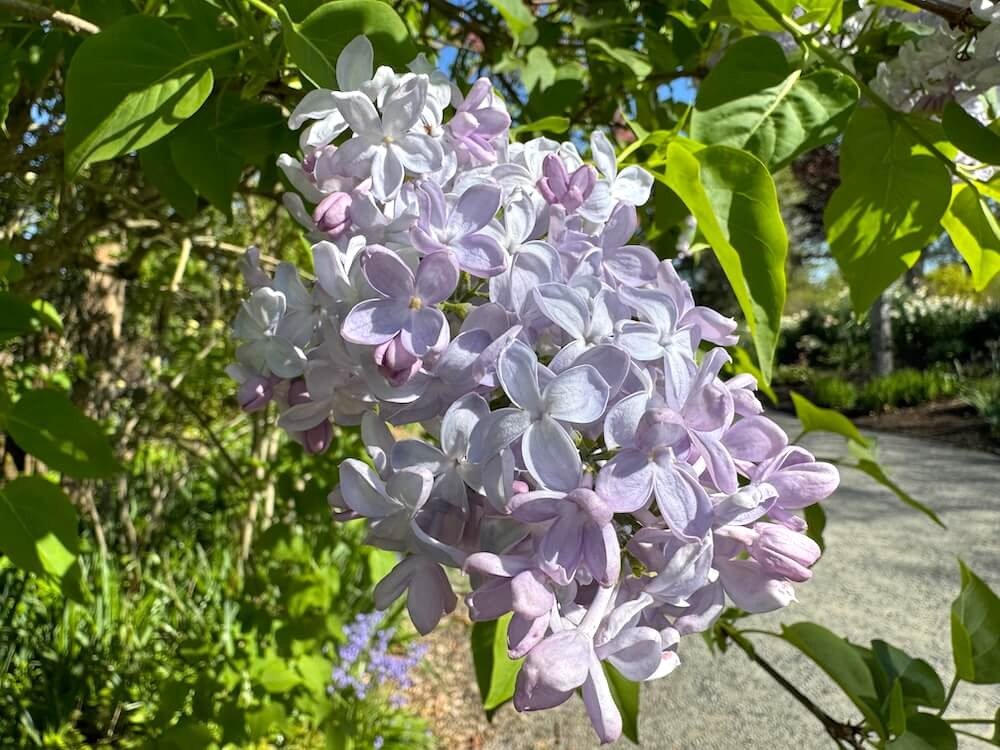
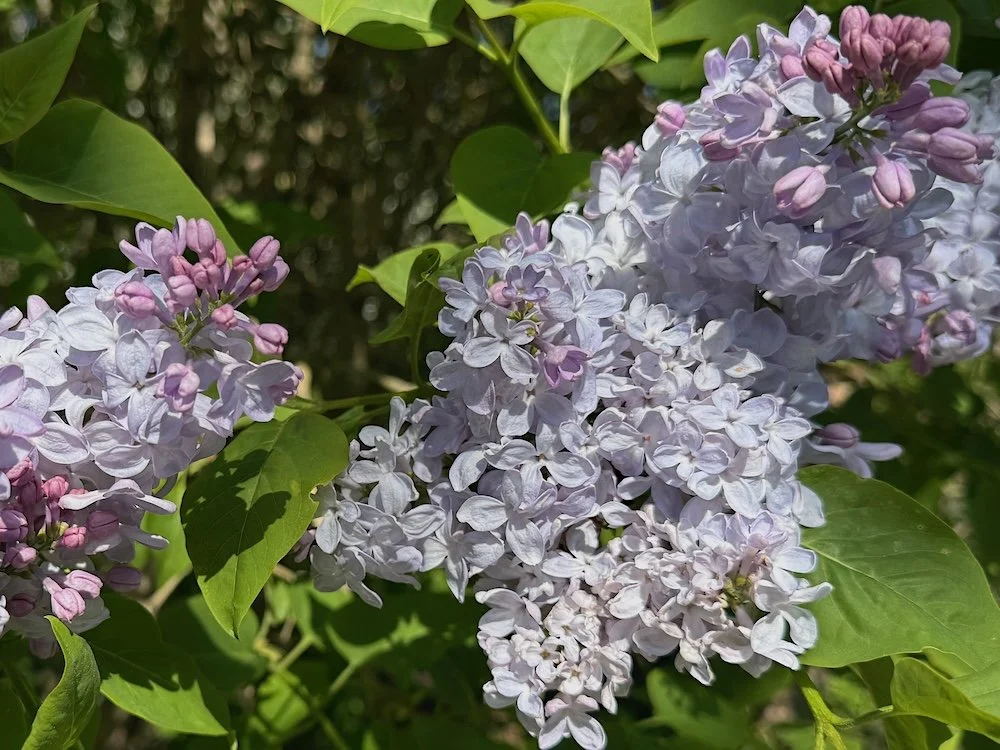
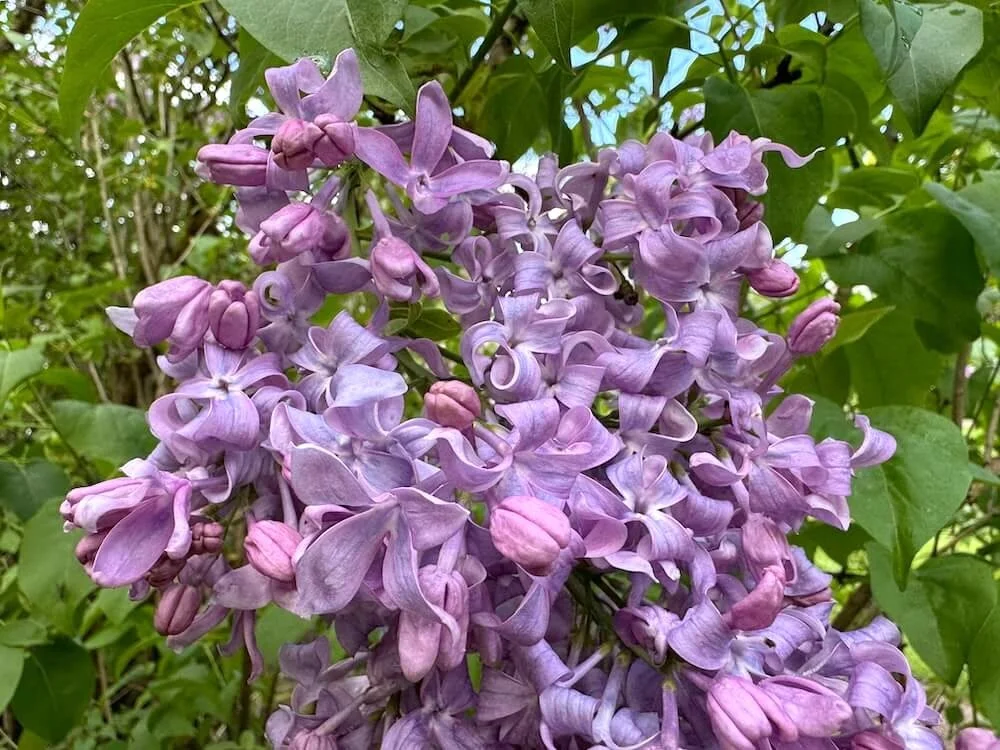
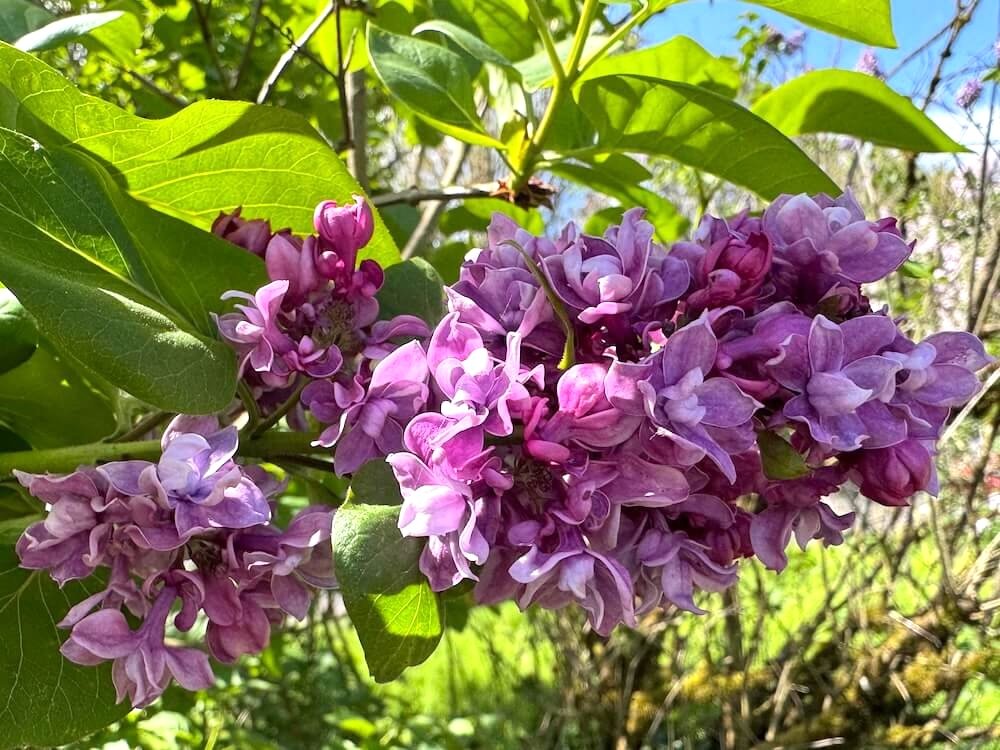
Syringa vulgaris ‘Lavender Lady’ is a deciduous lilac that blooms in mid-spring, typically around mid-May, with abundant, fragrant clusters of pale lavender to purple flowers. Buds open along upright branches into large conical panicles that fill the air with lilac scent. Fresh green heart-shaped leaves follow the flowering period, keeping the plant ornamental beyond bloom.

This cultivar is noted in nursery and garden literature as a heat-tolerant selection of common lilac that will set buds and flower even in milder winter climates without prolonged cold. Its open, upright form suits use as a border specimen, hedge, or accent shrub. The abundant, sweetly scented blossoms in spring make it a popular choice for cutting and seasonal garden color.

DESCRIPTION
Syringa vulgaris ‘Lavender Lady’ is a deciduous lilac that blooms in mid-spring, typically around mid-May, with abundant, fragrant clusters of pale lavender to purple flowers. Buds open along upright branches into large conical panicles that fill the air with lilac scent. Fresh green heart-shaped leaves follow the flowering period, keeping the plant ornamental beyond bloom.

This cultivar is noted in nursery and garden literature as a heat-tolerant selection of common lilac that will set buds and flower even in milder winter climates without prolonged cold. Its open, upright form suits use as a border specimen, hedge, or accent shrub. The abundant, sweetly scented blossoms in spring make it a popular choice for cutting and seasonal garden color.

 
  • Family: Oleaceae
    Height: 10 to 15 ft
    Width: 8 to 12 ft
    Foliage color: Deciduous medium green leaves
    Flower color: Pale lavender to purple, single, highly fragrant flower clusters
    Bloom Time: Mid spring
    Light requirements: Full sun
    Water requirements: Moderate
    Maintenance: Low to moderate; prune immediately after flowering to shape and remove spent clusters
    Growing zone: USDA zones 3 to 7
    Wildlife attractors: Fragrant blooms attract bees, butterflies, and other pollinators

    This plant can be seen at the Hulda Klager Lilac Gardens.
    Print Information

    Buy Plants