Syringa vulgaris 'Madame Lemoine' | Madame Lemoine Lilac

$0.00

DESCRIPTION
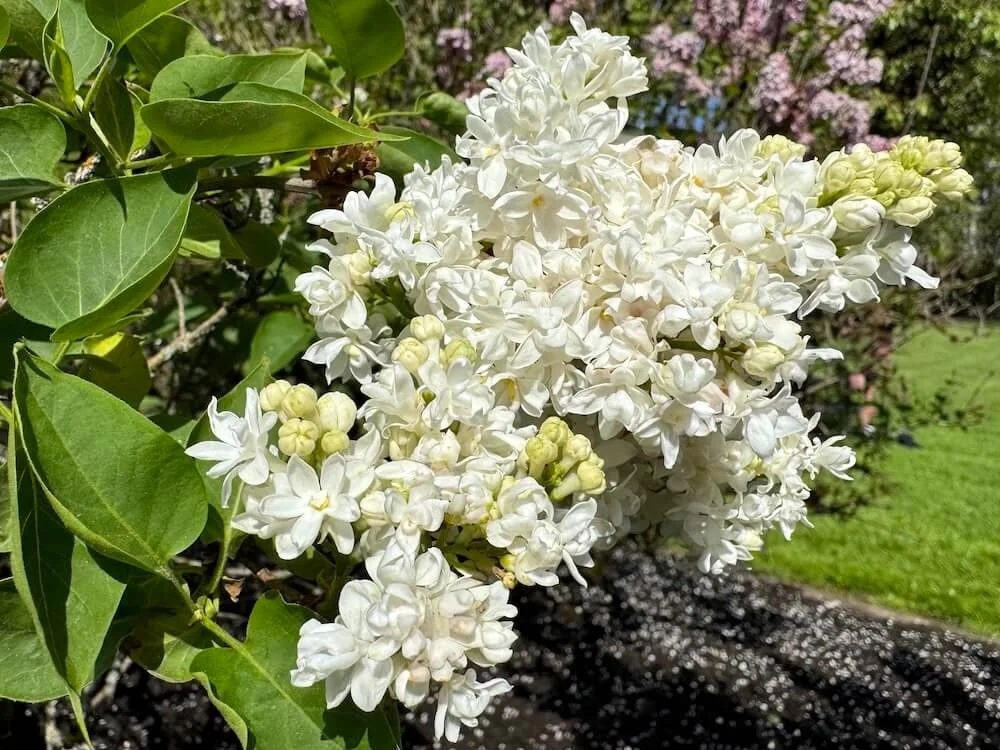
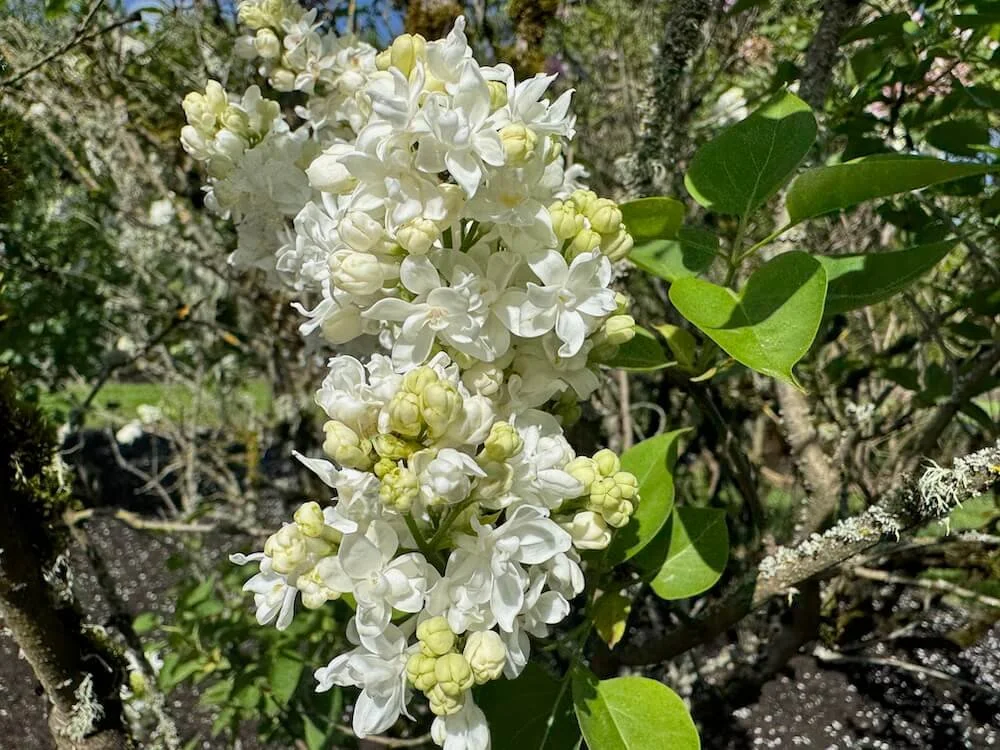
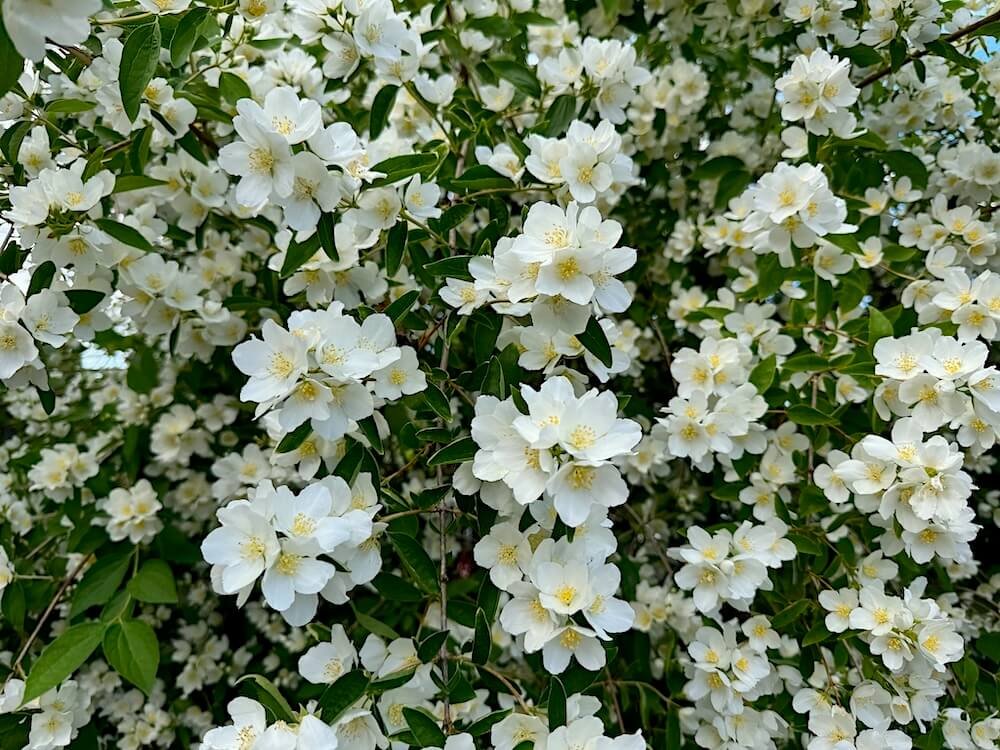
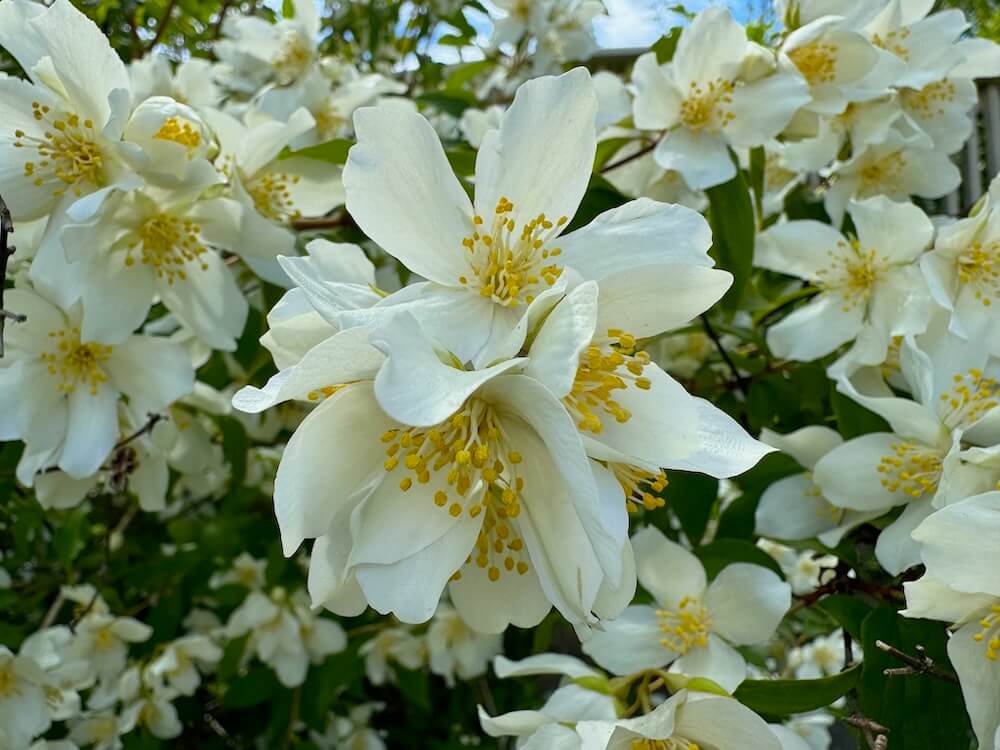
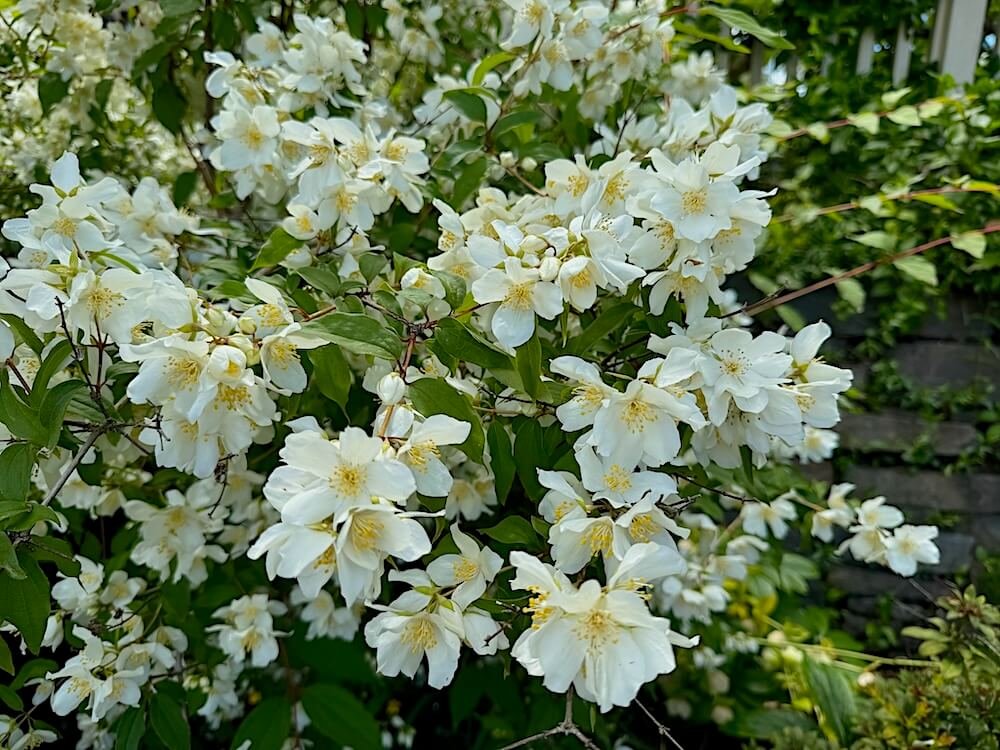
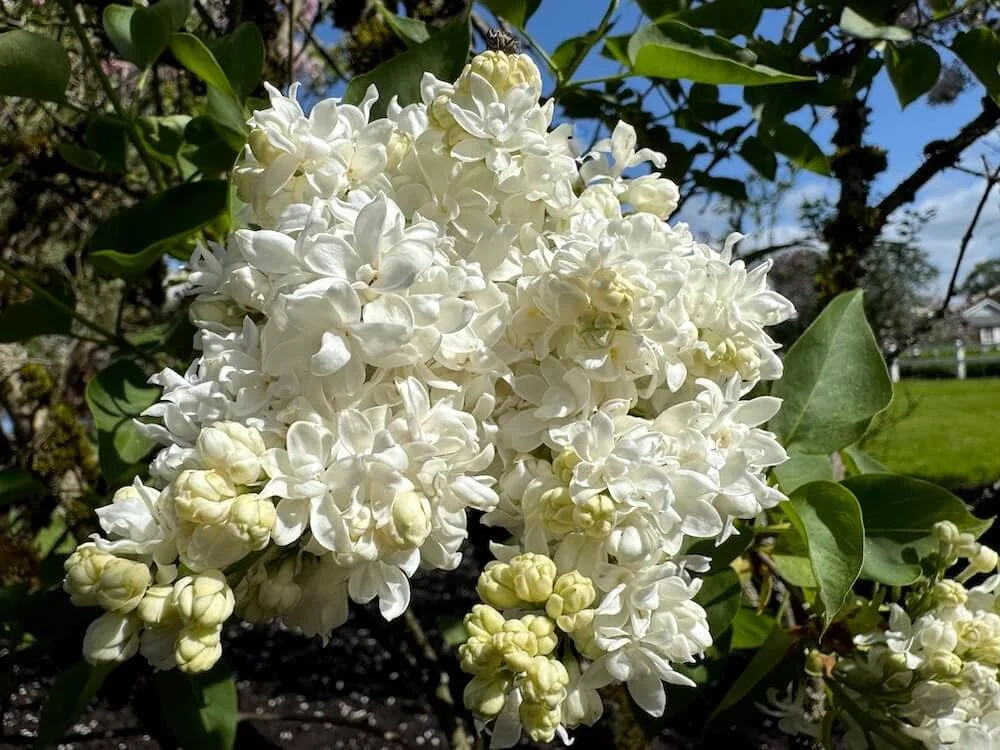
Syringa vulgaris ‘Madame Lemoine’ is a classic French lilac that flowers in mid to late spring with abundant panicles of fragrant, double white blossoms opening from creamy buds. The rounded clusters of blossoms often persist three to four weeks, filling the air with sweet perfume as heart-shaped green leaves develop and frame the blooms during the season.

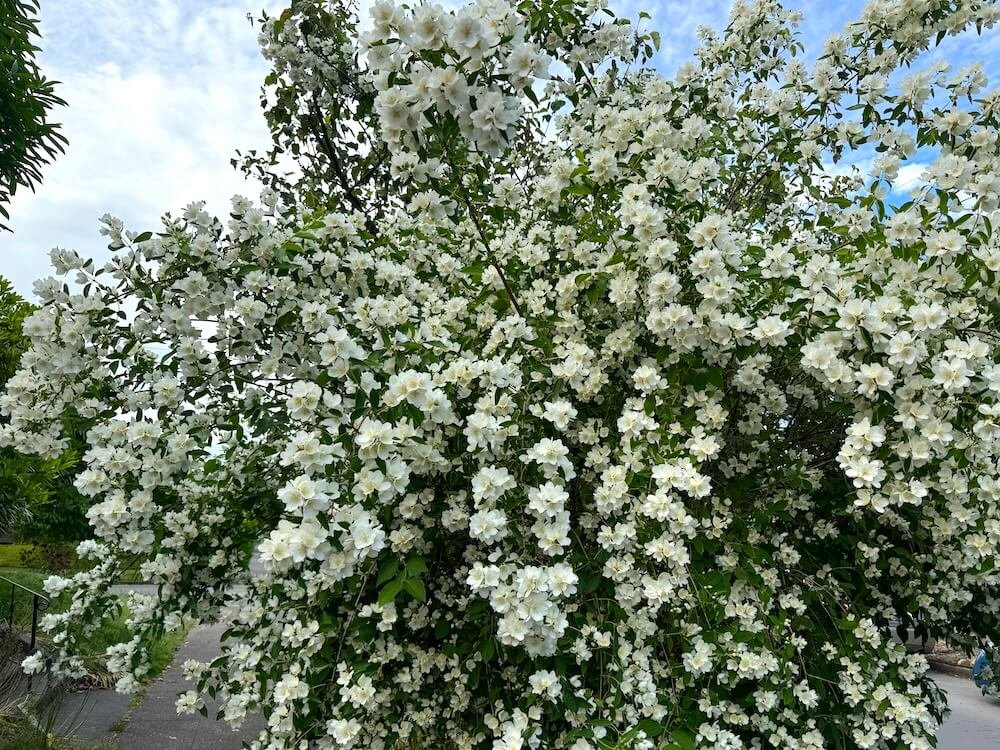
Named in honor of the wife of famed French hybridizer Victor Lemoine, this cultivar has been grown for well over a century and is widely regarded as one of the best white lilacs for spring bloom. Its open, upright habit and long-lasting floral display make it suitable for mixed shrub borders and shrub specimens where the floral perfume and elegant white color can be enjoyed close up.

DESCRIPTION
Syringa vulgaris ‘Madame Lemoine’ is a classic French lilac that flowers in mid to late spring with abundant panicles of fragrant, double white blossoms opening from creamy buds. The rounded clusters of blossoms often persist three to four weeks, filling the air with sweet perfume as heart-shaped green leaves develop and frame the blooms during the season.

Named in honor of the wife of famed French hybridizer Victor Lemoine, this cultivar has been grown for well over a century and is widely regarded as one of the best white lilacs for spring bloom. Its open, upright habit and long-lasting floral display make it suitable for mixed shrub borders and shrub specimens where the floral perfume and elegant white color can be enjoyed close up.

 
  • Family: Oleaceae
    Height: 10 to 15 ft
    Width: 8 to 12 ft
    Foliage color: Deciduous medium green leaves
    Flower color: Pure white, double, very fragrant flower clusters
    Bloom Time: Mid to late spring
    Light requirements: Full sun
    Water requirements: Moderate
    Maintenance: Low to moderate; prune immediately after flowering to shape and remove spent clusters
    Growing zone: USDA zones 3 to 7
    Wildlife attractors: Fragrant blooms attract bees, butterflies, and other pollinators

    This plant can be seen at the Hulda Klager Lilac Gardens.

    Print Information

    Buy Plants