Syringa x hyacinthiflora 'Maiden's Blush' | Maiden's Blush Lilac

$0.00

DESCRIPTION
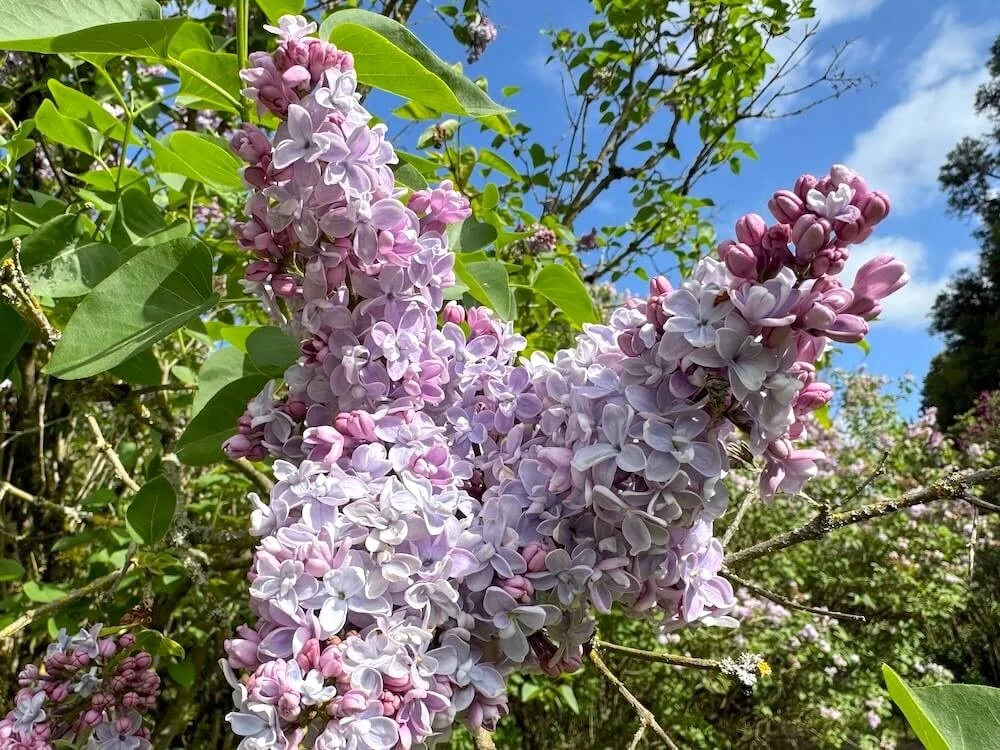
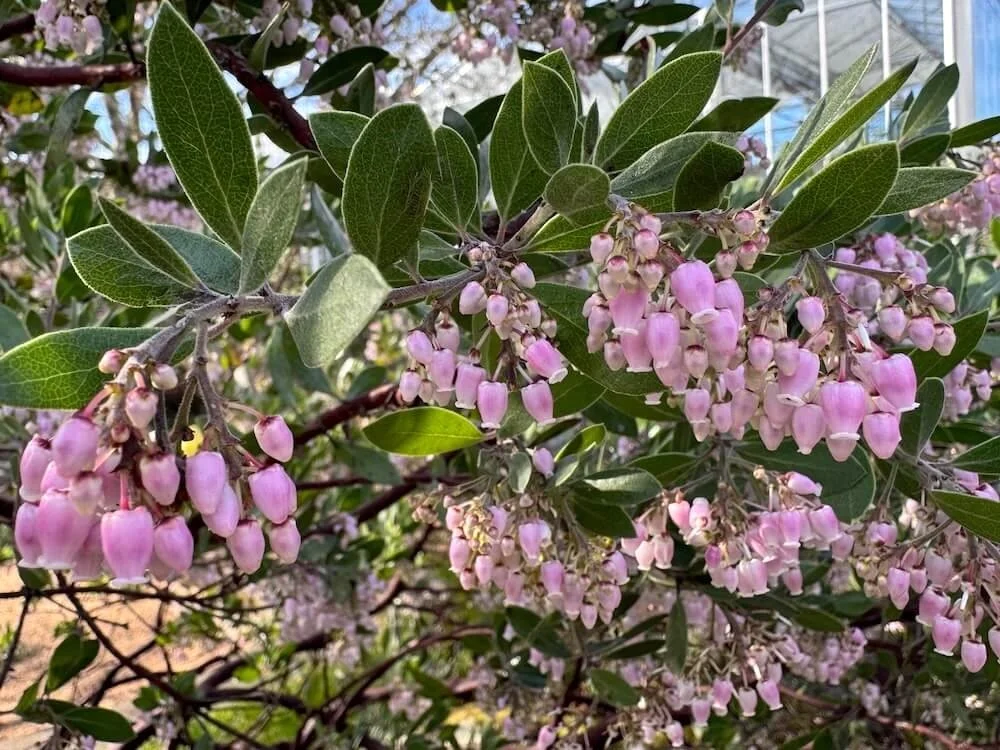
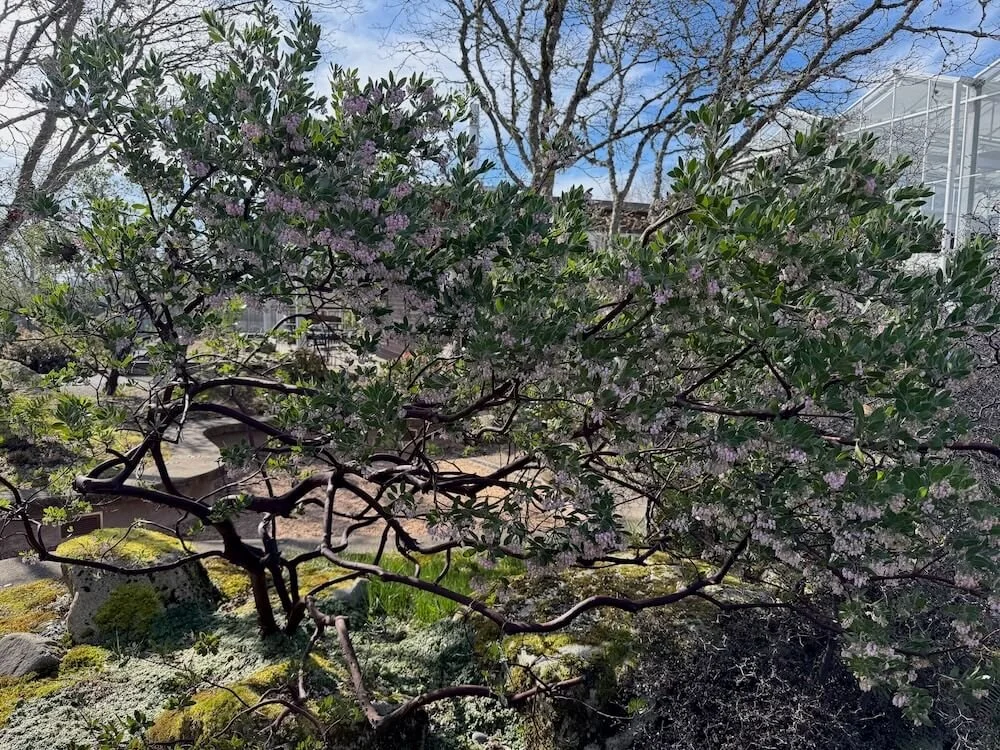
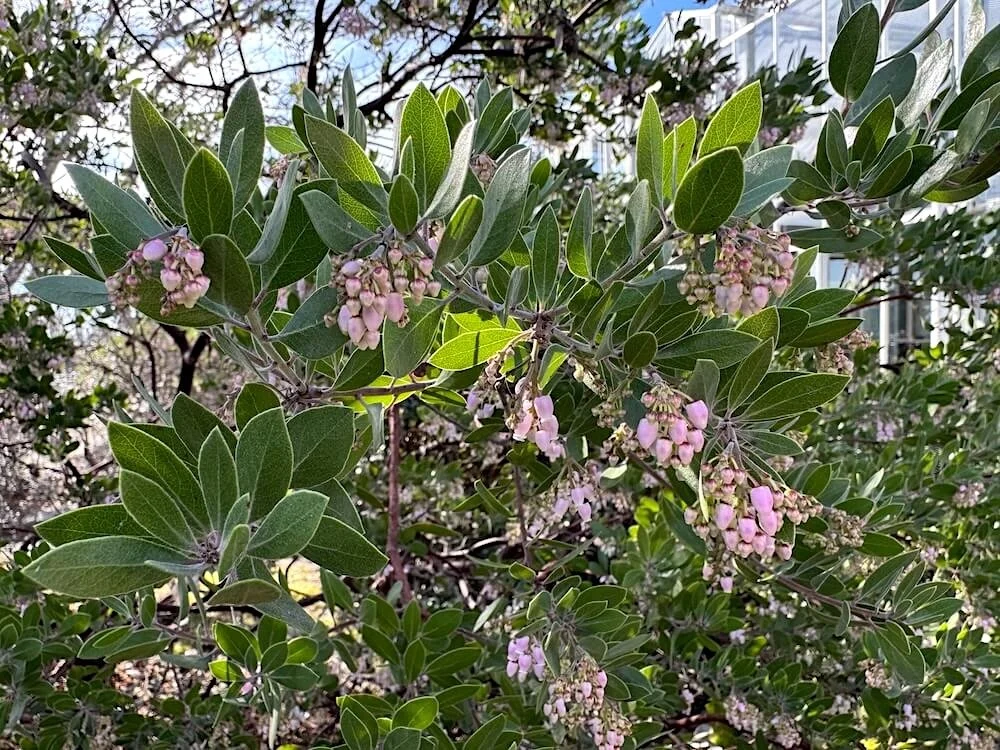
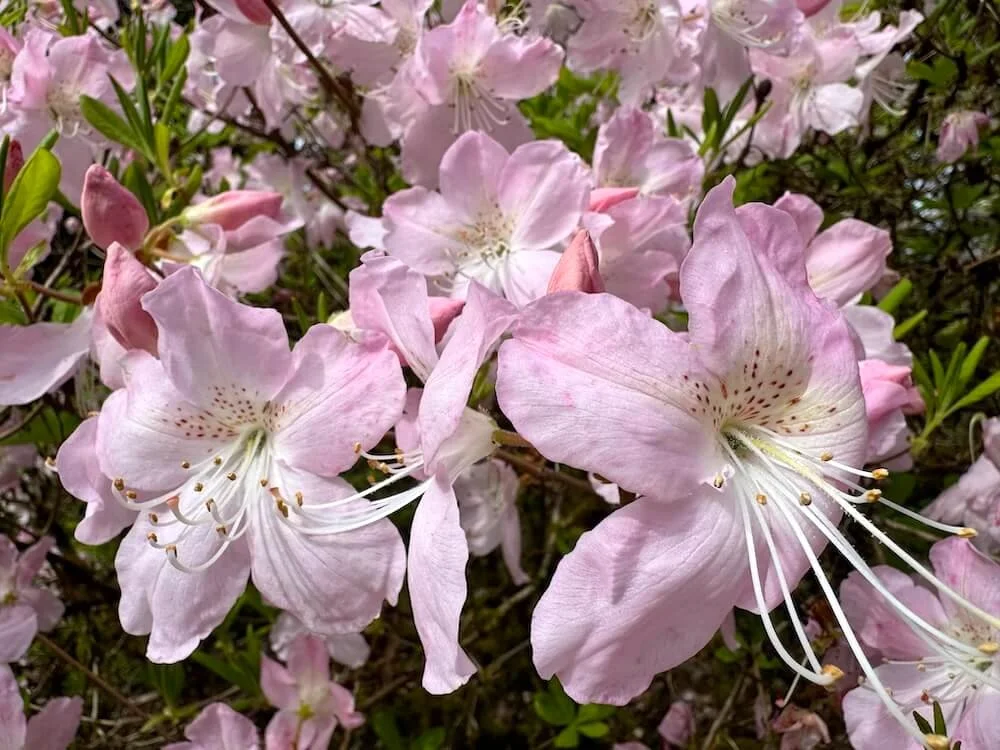
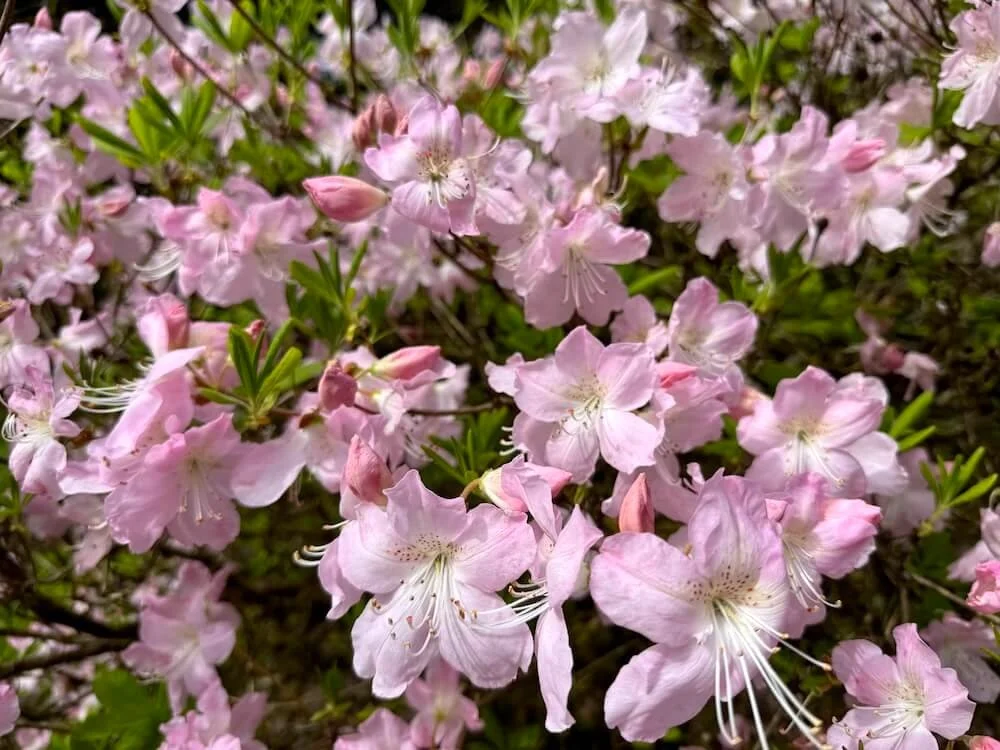
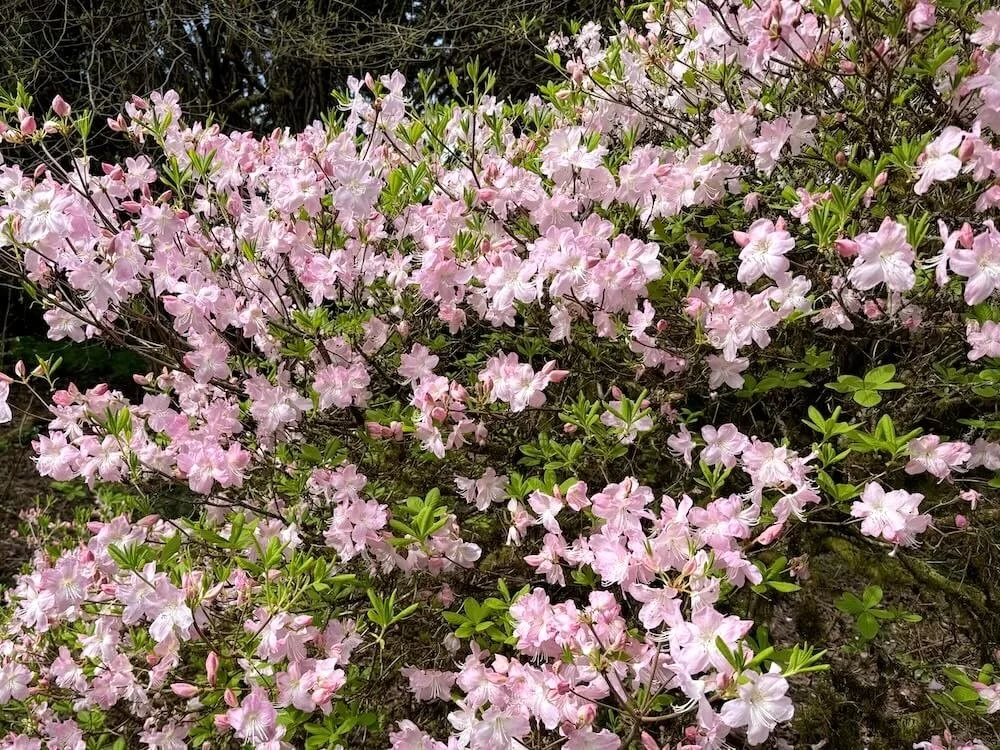
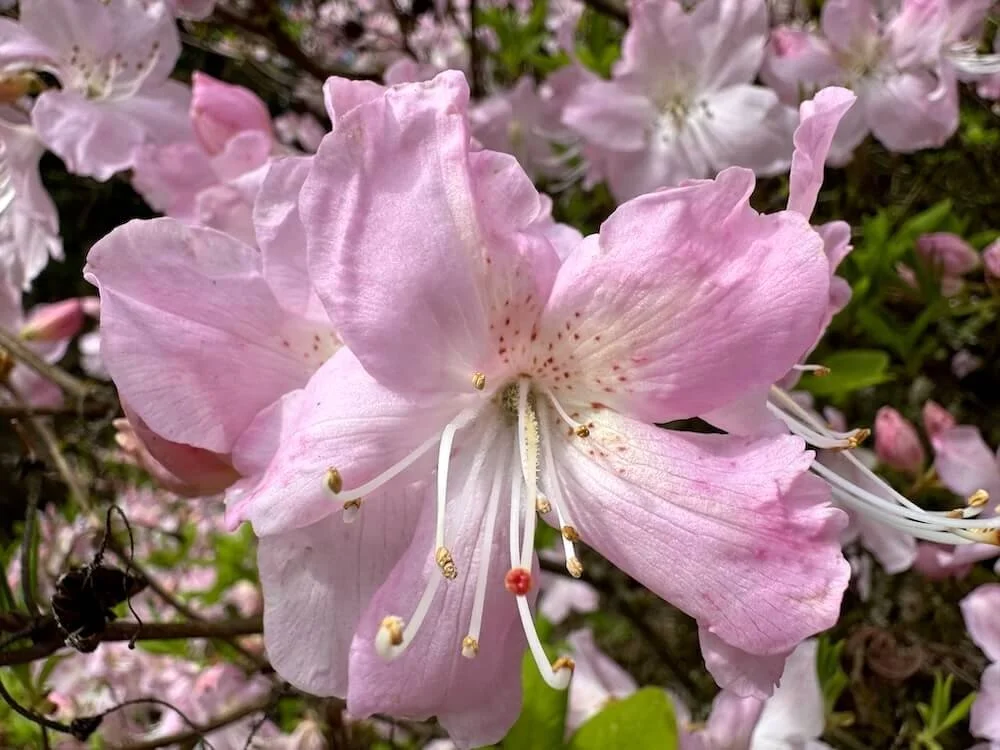
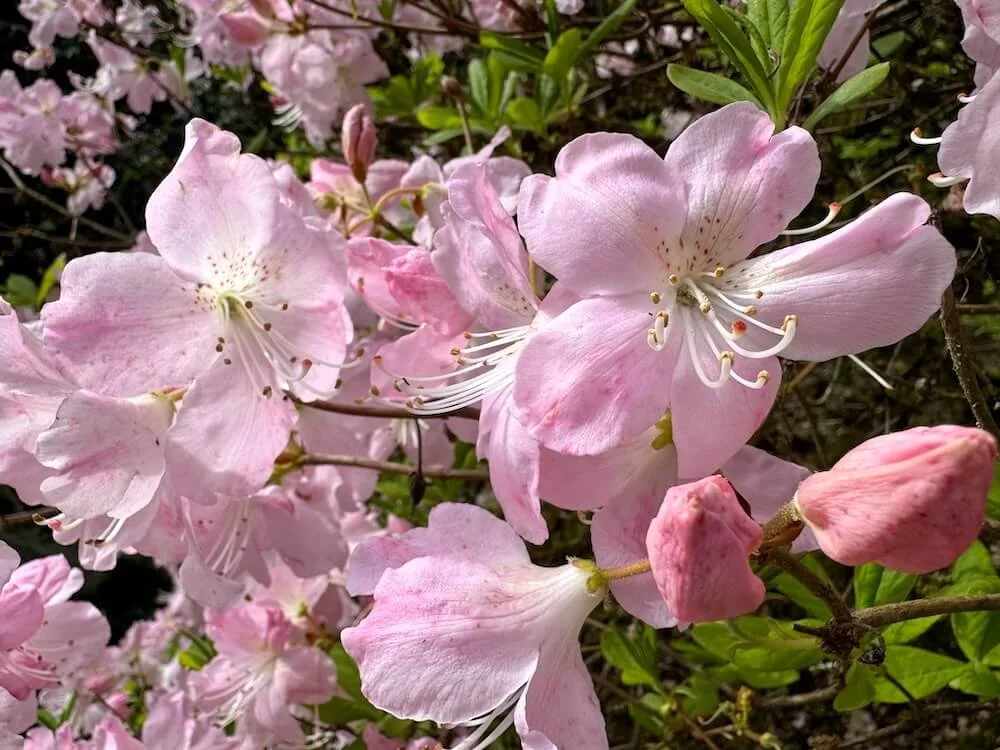
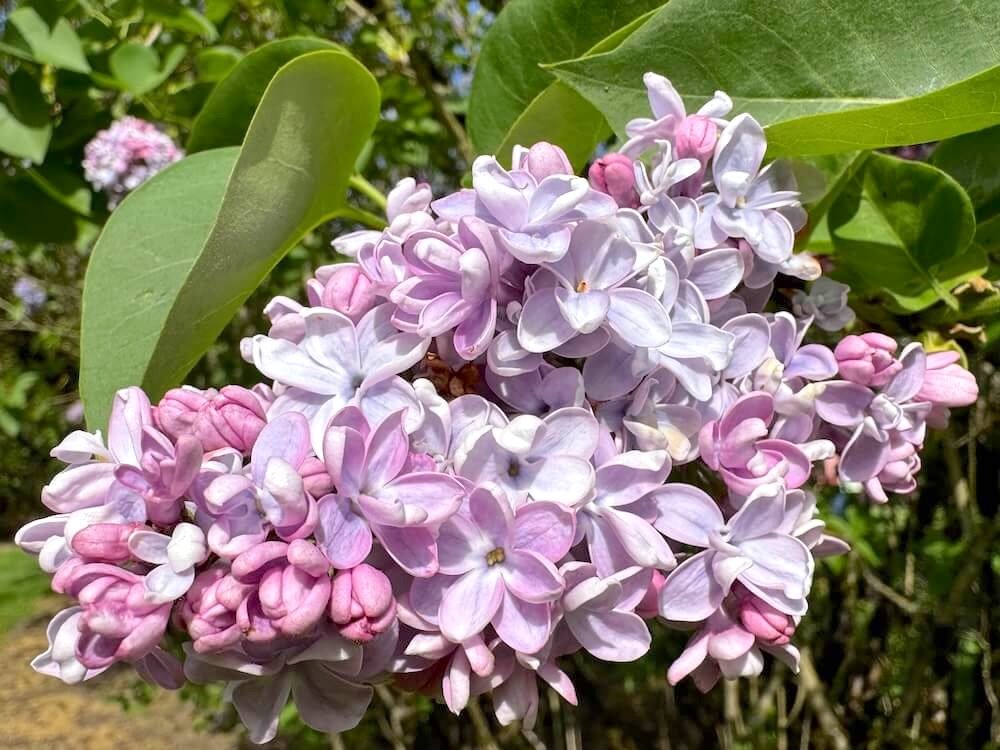
Syringa × hyacinthiflora ‘Maiden’s Blush’ is an early-blooming lilac that opens in early to mid-spring with fragrant, single florets in pale to medium pink tones. Buds begin a deeper rosy shade, then soften as the panicles expand, creating full, conical clusters held above fresh green, heart-shaped leaves. The flower display arrives ahead of many common lilacs and perfumes paths and entry gardens.

This cultivar belongs to the early-flowering lilacs, a hybrid group derived from Syringa oblata and Syringa vulgaris. ‘Maiden’s Blush’ is recorded in lilac registration references and is widely grown for dependable spring bloom and traditional lilac scent, with clean foliage that carries the shrub through summer after flowering.

DESCRIPTION
Syringa × hyacinthiflora ‘Maiden’s Blush’ is an early-blooming lilac that opens in early to mid-spring with fragrant, single florets in pale to medium pink tones. Buds begin a deeper rosy shade, then soften as the panicles expand, creating full, conical clusters held above fresh green, heart-shaped leaves. The flower display arrives ahead of many common lilacs and perfumes paths and entry gardens.

This cultivar belongs to the early-flowering lilacs, a hybrid group derived from Syringa oblata and Syringa vulgaris. ‘Maiden’s Blush’ is recorded in lilac registration references and is widely grown for dependable spring bloom and traditional lilac scent, with clean foliage that carries the shrub through summer after flowering.

 
  • Family: Oleaceae
    Height: 8 to 12 ft
    Width: 6 to 10 ft
    Foliage color: Medium green, heart-shaped leaves
    Flower color: Pale blush pink to soft shell pink, fragrant flower clusters
    Bloom Time: Early to mid spring
    Light requirements: Full sun
    Water requirements: Moderate
    Maintenance: Low to moderate; prune immediately after flowering to shape and remove spent clusters
    Growing zone: USDA zones 3 to 7
    Wildlife attractors: Fragrant blooms attract bees, butterflies, and other pollinators

    This plant can be seen at the Hulda Klager Lilac Gardens.

    Print Information

    Buy Plants