Syringa x hyacinthiflora 'Pocahontas' | Pocahontas Lilac

$0.00

DESCRIPTION
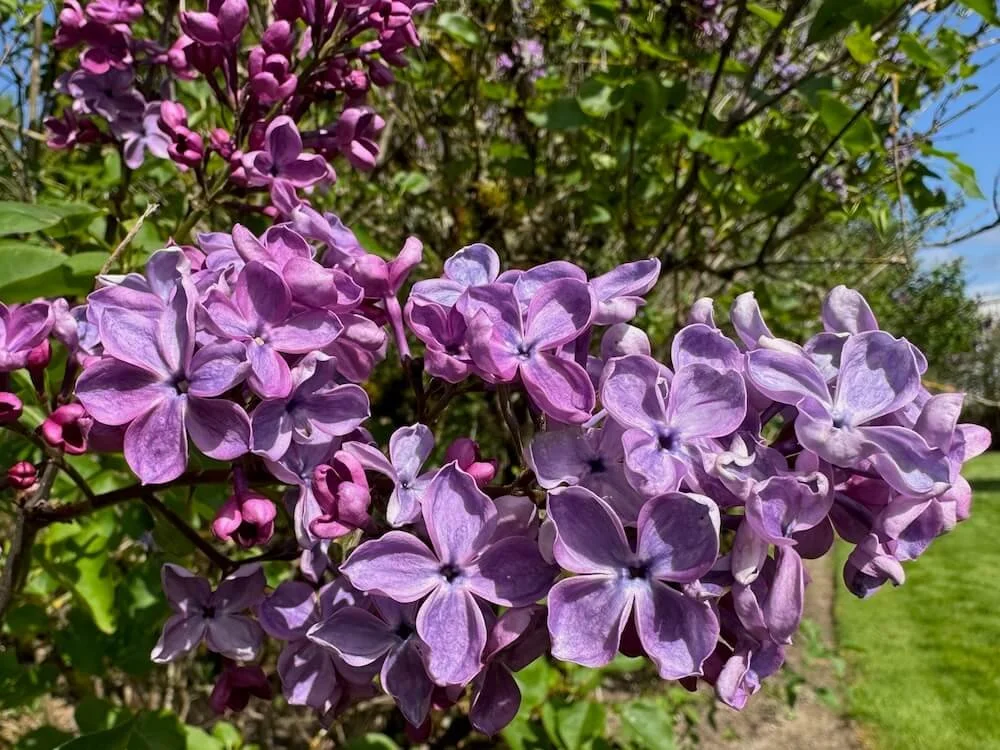
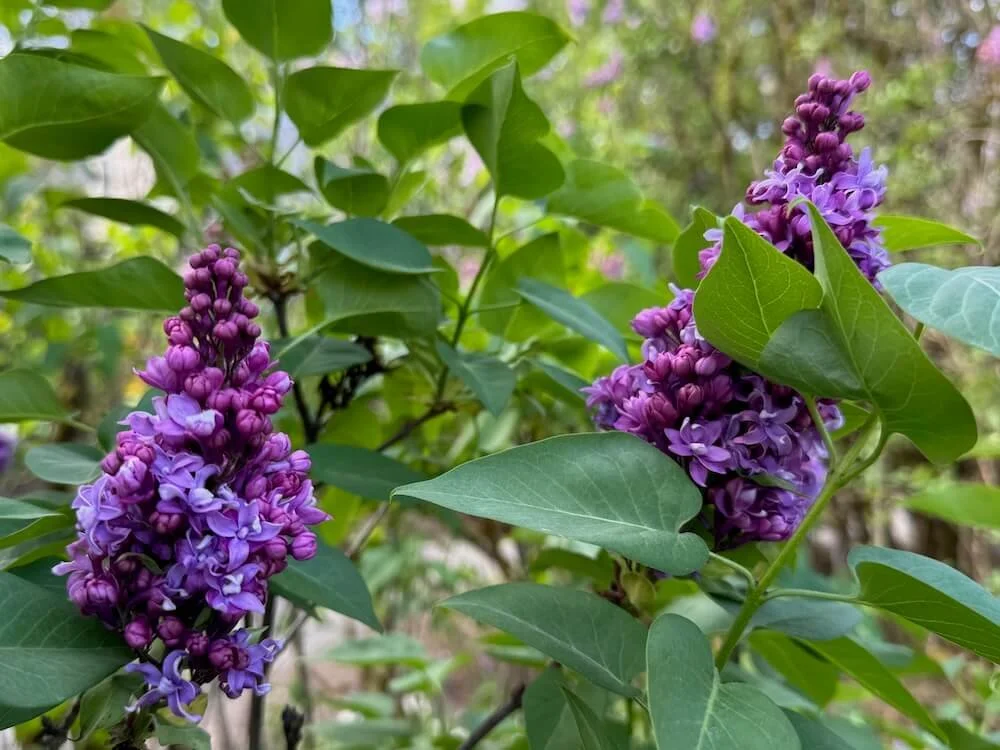
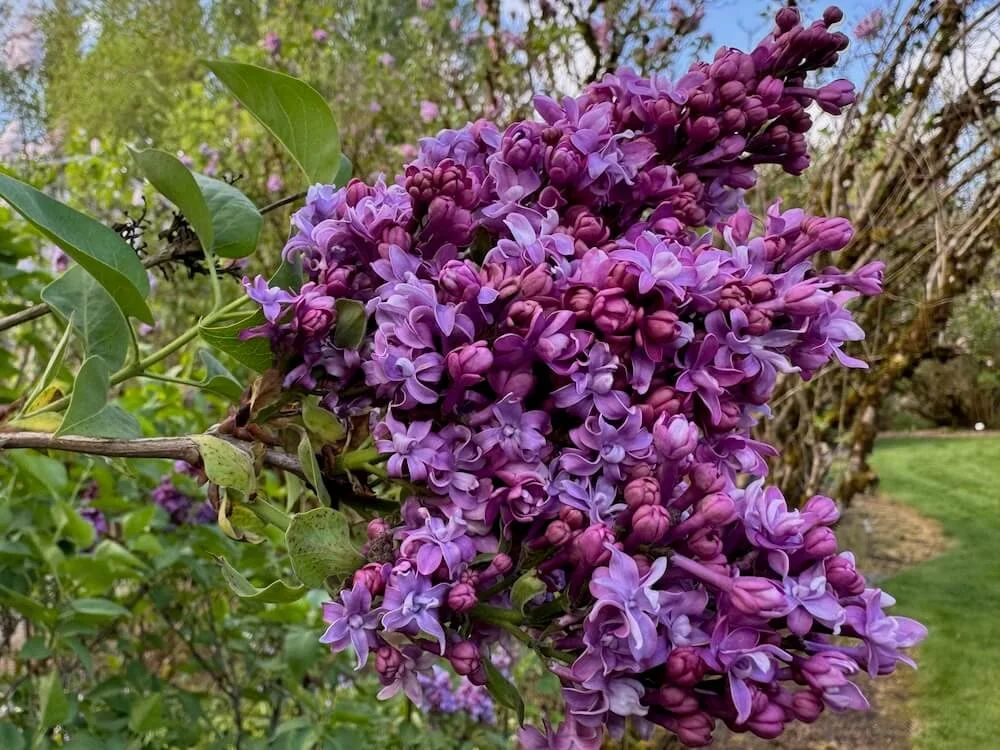
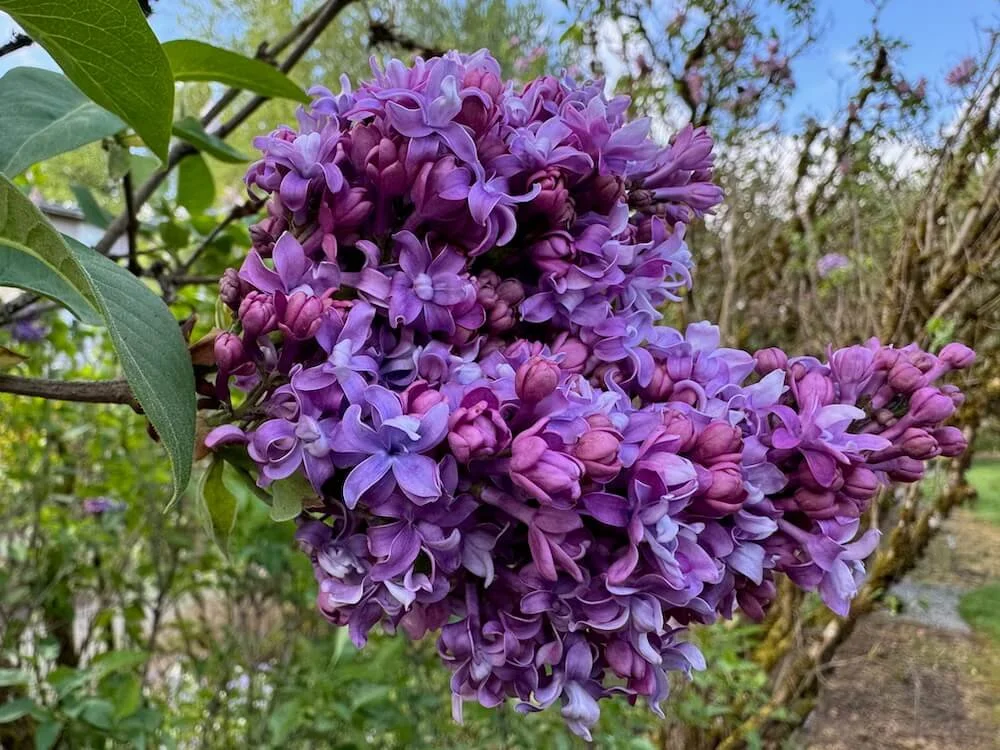
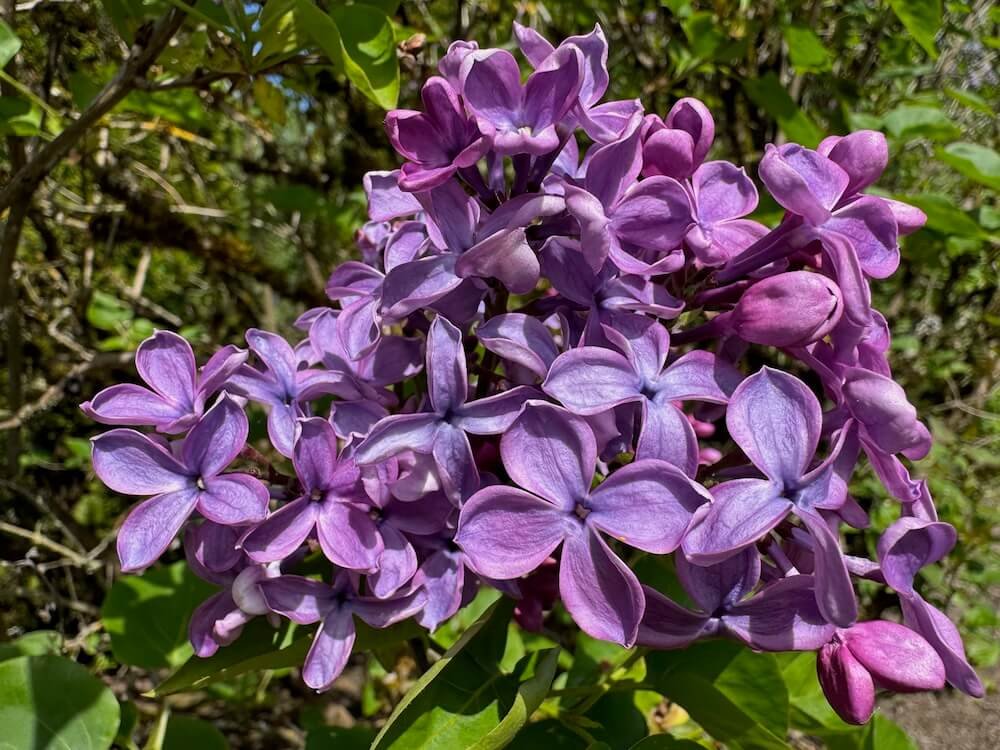
Syringa × hyacinthiflora ‘Pocahontas’ is an early-flowering lilac with deep maroon-purple buds that open to fragrant, single blooms in rich violet tones. Flower panicles are full and upright, creating a concentrated spring display against fresh green, heart-shaped leaves. Stems cut cleanly for indoor fragrance, and the flower color holds well as the trusses mature.

Blooming in early spring, ‘Pocahontas’ marks the start of lilac season and continues for several weeks as clusters open in succession. It is an early flowering hybrid lilac (Syringa oblata × Syringa vulgaris) credited to breeder Frank L. Skinner in the 1930s. Foliage remains tidy through summer and can turn bronzy-red in fall as temperatures cool.

DESCRIPTION
Syringa × hyacinthiflora ‘Pocahontas’ is an early-flowering lilac with deep maroon-purple buds that open to fragrant, single blooms in rich violet tones. Flower panicles are full and upright, creating a concentrated spring display against fresh green, heart-shaped leaves. Stems cut cleanly for indoor fragrance, and the flower color holds well as the trusses mature.

Blooming in early spring, ‘Pocahontas’ marks the start of lilac season and continues for several weeks as clusters open in succession. It is an early flowering hybrid lilac (Syringa oblata × Syringa vulgaris) credited to breeder Frank L. Skinner in the 1930s. Foliage remains tidy through summer and can turn bronzy-red in fall as temperatures cool.

 
  • Family: Oleaceae
    Height: 8 to 12 ft
    Width: 6 to 10 ft
    Foliage color: Medium green, heart-shaped leaves
    Flower color: Deep reddish-purple to wine-purple, fragrant flower clusters
    Bloom Time: Early to mid spring
    Light requirements: Full sun
    Water requirements: Moderate
    Maintenance: Low to moderate; prune immediately after flowering to shape and remove spent clusters
    Growing zone: USDA zones 3 to 7
    Wildlife attractors: Fragrant blooms attract bees, butterflies, and other pollinators

    This plant can be seen at the Hulda Klager Lilac Gardens.

    Print Information

    Buy Plants