Syringa vulgaris 'Little Boy Blue' | Little Boy Blue Lilac

$0.00

DESCRIPTION
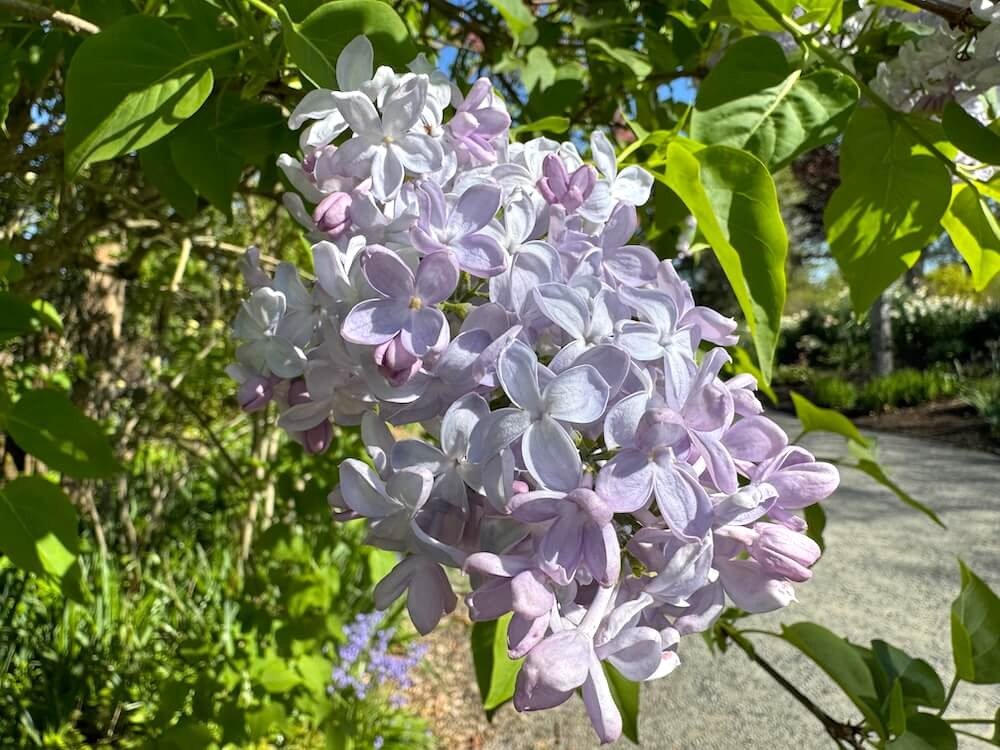
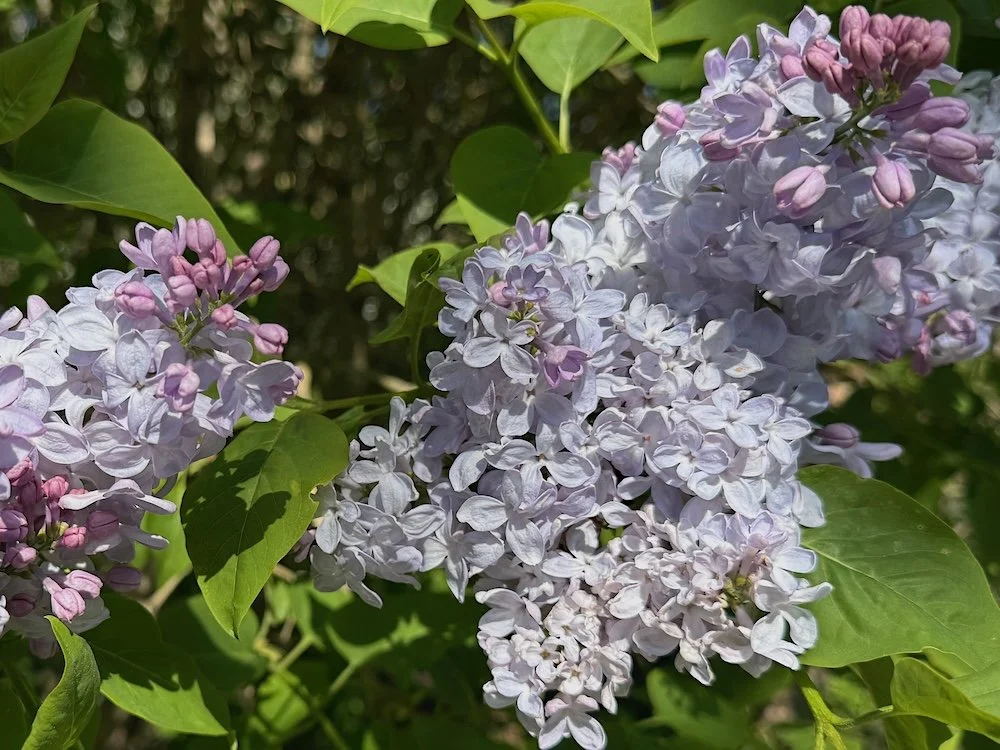
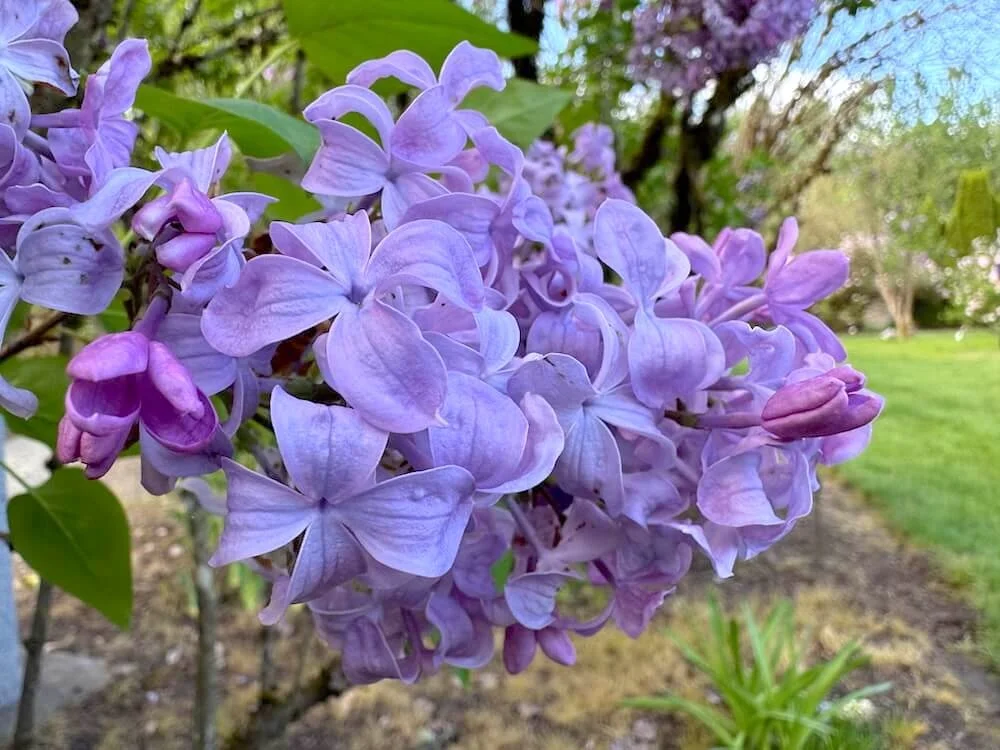
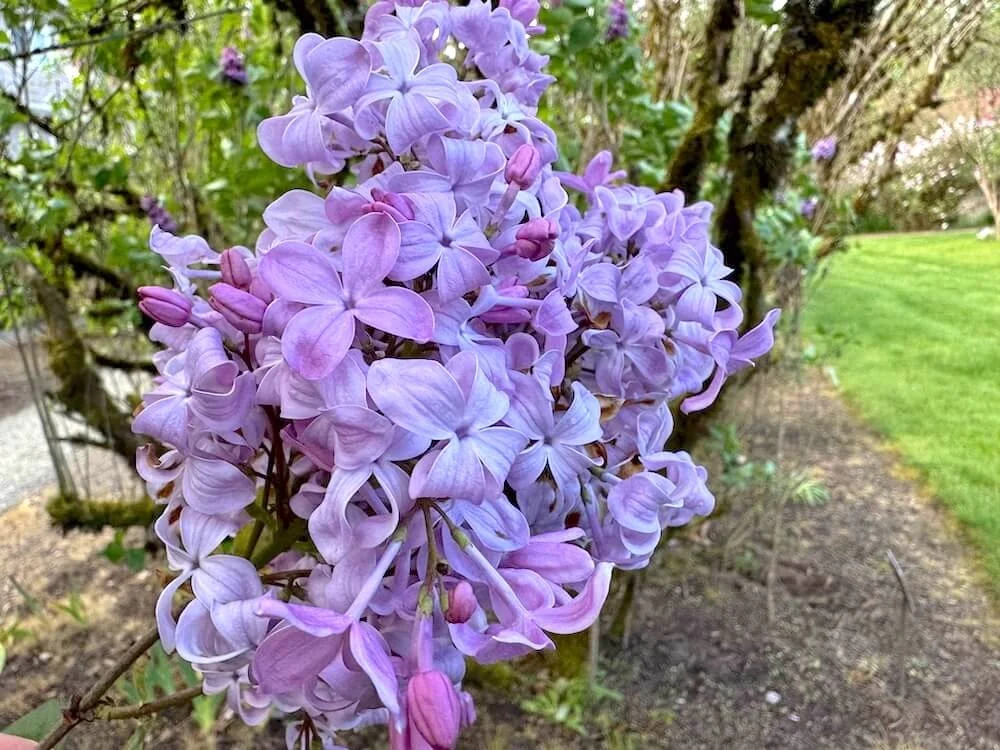
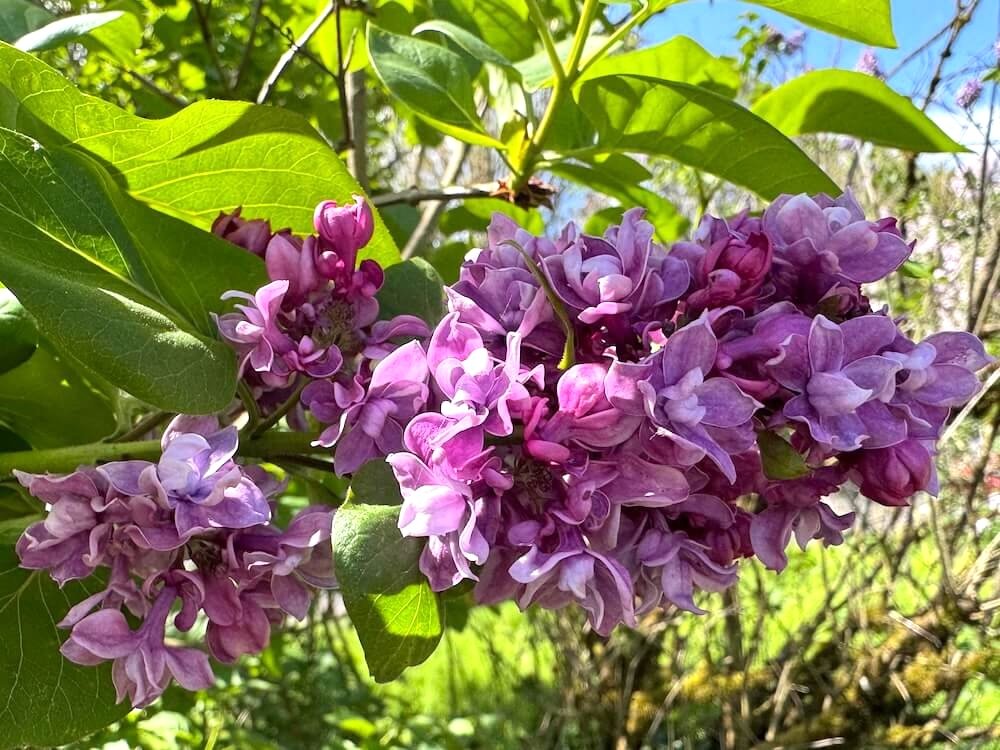
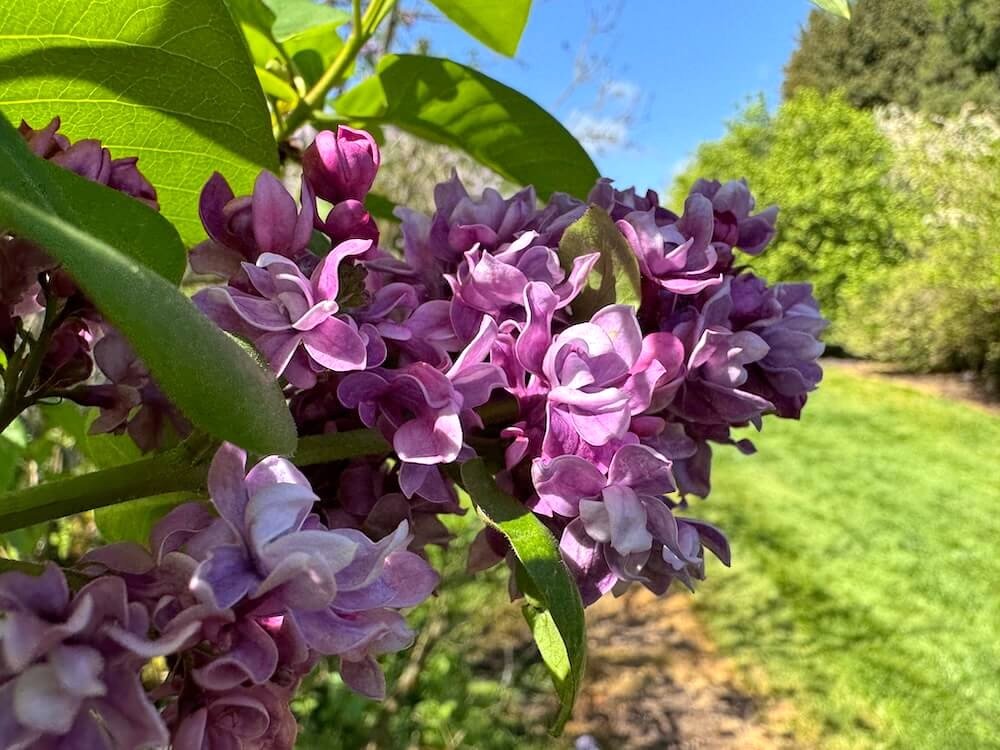
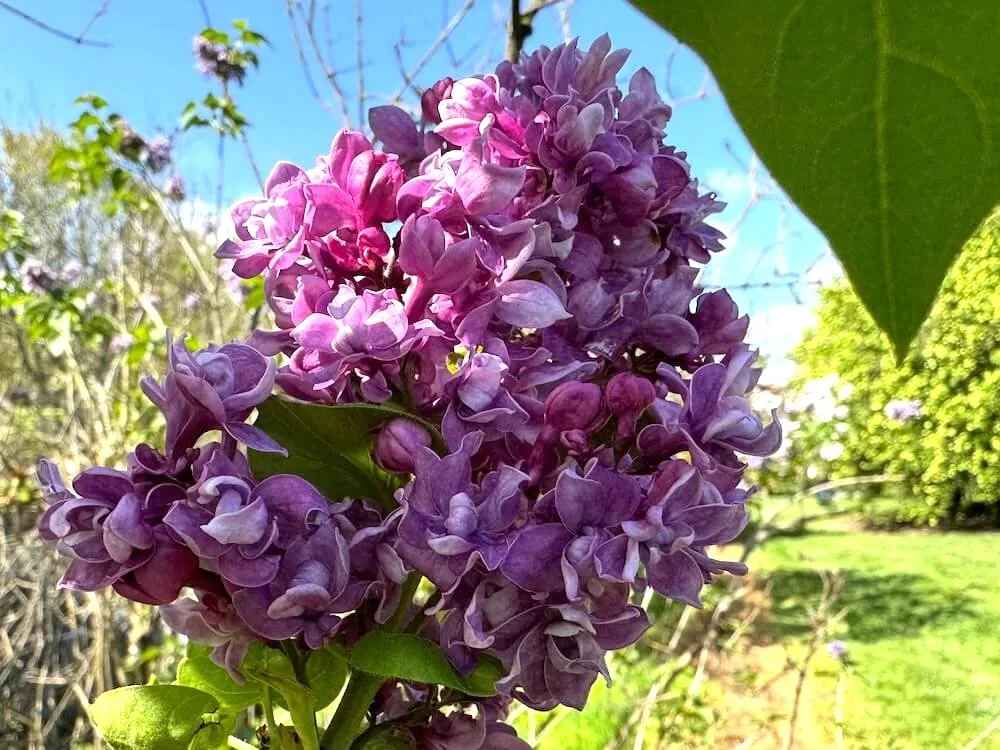
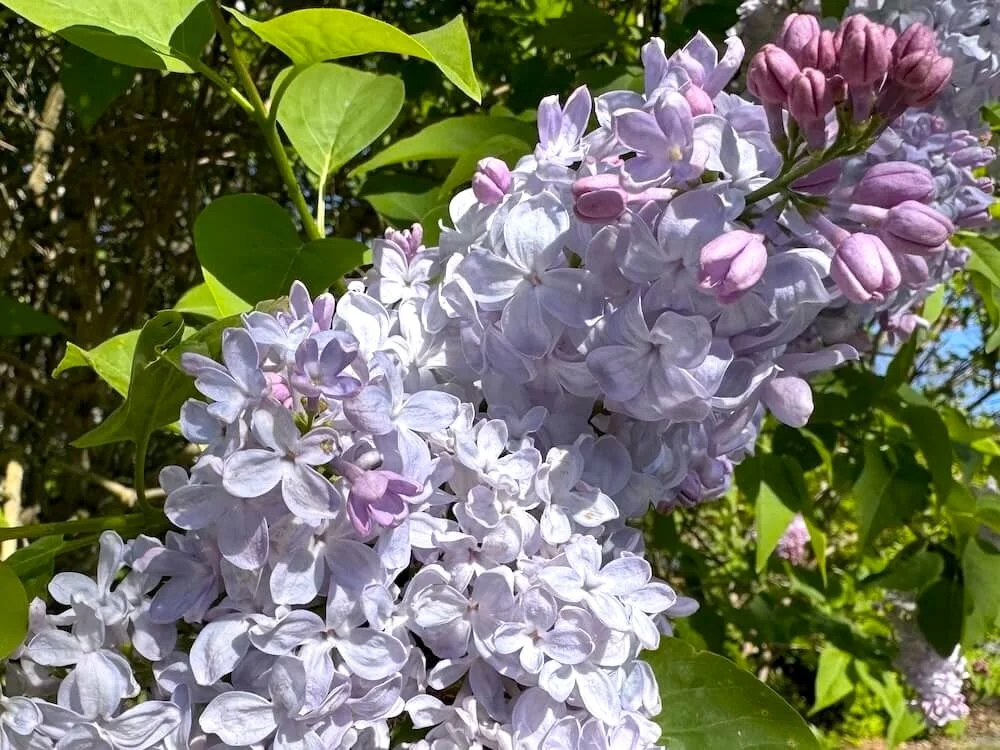
Syringa vulgaris ‘Little Boy Blue’ is a deciduous lilac that blooms in mid to late spring with abundant sky-blue to pale blue flowers carried in dense, upright panicles. The tubular, four-lobed florets open along terminal stems in late April into May, releasing a sweet floral fragrance that draws attention during the main lilac season. Fresh green, heart-shaped leaves follow the bloom, framing the flowers with a leafy backdrop.

Often sold under the name Little Boy Blue and registered as Wonderblue, this cultivar is known for its showy, fragrant spring blossoms and mellow blue color that stands out in lilac collections. The clear blue flowers are well suited to borders, hedges, or areas near paths where their perfume and color can be appreciated up close.

DESCRIPTION
Syringa vulgaris ‘Little Boy Blue’ is a deciduous lilac that blooms in mid to late spring with abundant sky-blue to pale blue flowers carried in dense, upright panicles. The tubular, four-lobed florets open along terminal stems in late April into May, releasing a sweet floral fragrance that draws attention during the main lilac season. Fresh green, heart-shaped leaves follow the bloom, framing the flowers with a leafy backdrop.

Often sold under the name Little Boy Blue and registered as Wonderblue, this cultivar is known for its showy, fragrant spring blossoms and mellow blue color that stands out in lilac collections. The clear blue flowers are well suited to borders, hedges, or areas near paths where their perfume and color can be appreciated up close.

 
  • Family: Oleaceae
    Height: 10 to 15 ft
    Width: 8 to 12 ft
    Foliage color: Deciduous medium green leaves
    Flower color: Clear blue to blue-lavender, single, fragrant flower clusters
    Bloom Time: Mid spring
    Light requirements: Full sun
    Water requirements: Moderate
    Maintenance: Low to moderate; prune immediately after flowering to shape and remove spent clusters
    Growing zone: USDA zones 3 to 7
    Wildlife attractors: Fragrant blooms attract bees, butterflies, and other pollinators

    This plant can be seen at the Bellevue Botanical Garden.
    Print Information

    Buy Plants