Fritillaria imperialis 'Rubra' | Red Crown Imperial

$0.00

DESCRIPTION
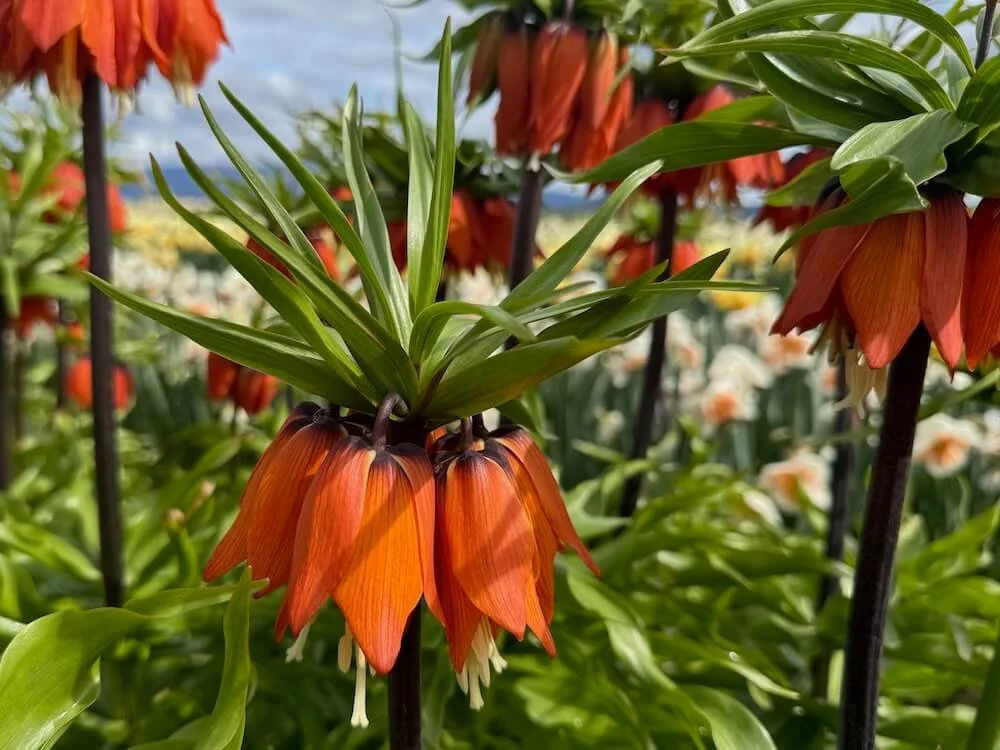
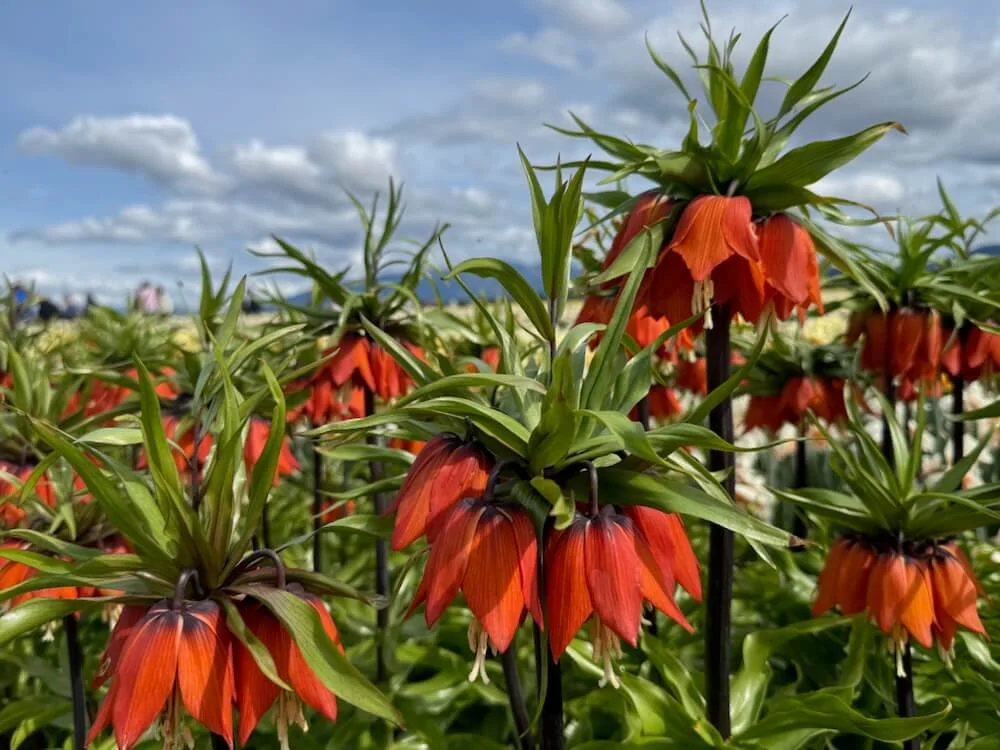
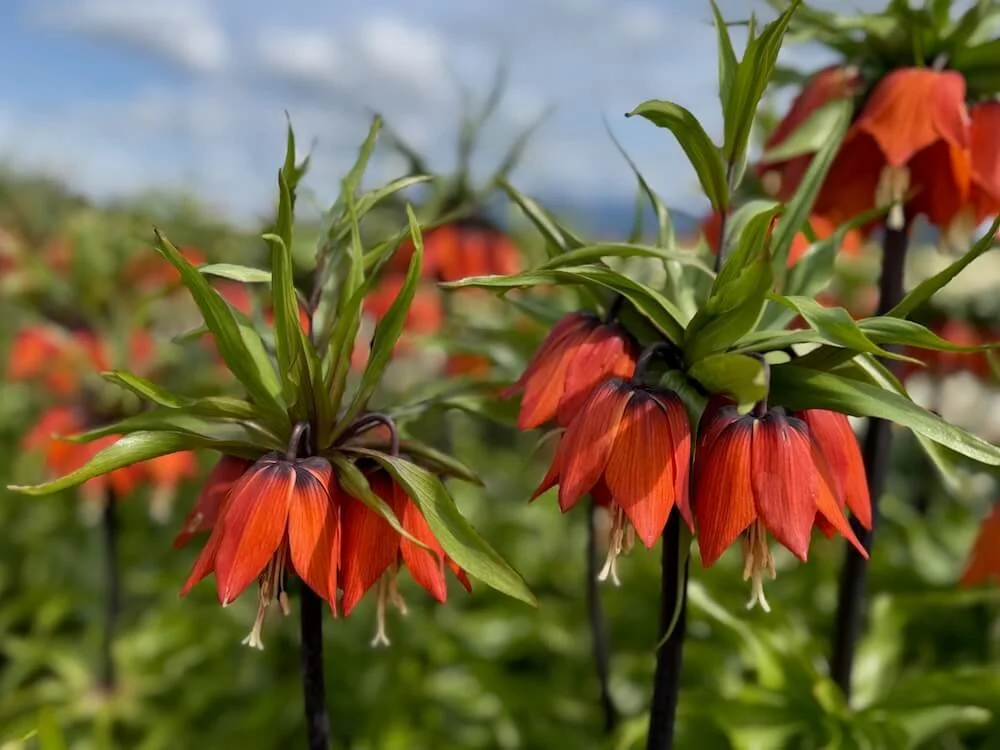
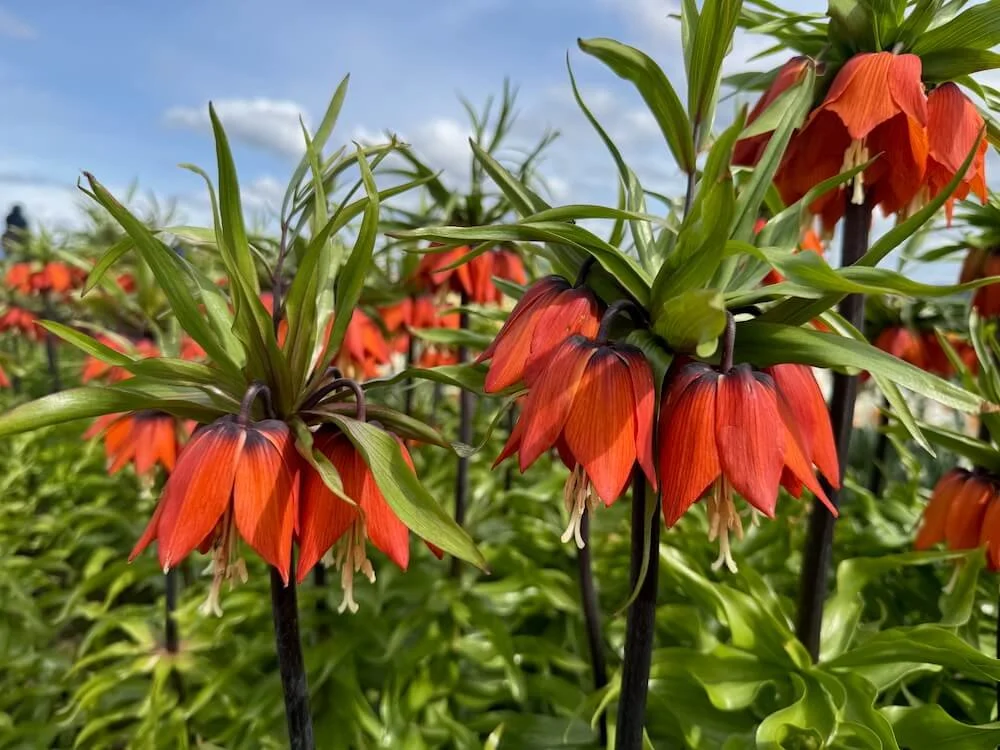
Fritillaria imperialis ‘Rubra’ produces tall, upright stems crowned with nodding, bell-shaped flowers in deep orange-red tones. The blooms form a circular ring beneath a tuft of glossy green bracts that create a distinctive, crown-like silhouette. Flowering in mid to late spring, the blossoms provide early seasonal interest, while narrow, lance-shaped leaves line the stem in evenly spaced whorls from base to tip.

Native to mountainous regions of western Asia and the Middle East, ‘Rubra’ functions well as a focal element in borders and mixed perennial plantings, where its vertical structure adds rhythm. It also combines effectively with spring bulbs and later-emerging perennials, allowing its bold form to remain visually prominent as the season unfolds.

DESCRIPTION
Fritillaria imperialis ‘Rubra’ produces tall, upright stems crowned with nodding, bell-shaped flowers in deep orange-red tones. The blooms form a circular ring beneath a tuft of glossy green bracts that create a distinctive, crown-like silhouette. Flowering in mid to late spring, the blossoms provide early seasonal interest, while narrow, lance-shaped leaves line the stem in evenly spaced whorls from base to tip.

Native to mountainous regions of western Asia and the Middle East, ‘Rubra’ functions well as a focal element in borders and mixed perennial plantings, where its vertical structure adds rhythm. It also combines effectively with spring bulbs and later-emerging perennials, allowing its bold form to remain visually prominent as the season unfolds.

 
  • Family: Liliaceae
    Height: 30 to 40 in
    Width: 10 to 14 in
    Foliage color: Glossy medium to deep green, lance-shaped leaves arranged in whorls along the stem
    Flower color: Deep orange-red, nodding bell-shaped flowers held in a circular cluster beneath a leafy crown
    Bloom time: Mid to late spring
    Light requirements: Full sun to partial sun
    Water requirements: Moderate
    Maintenance: Low, plant bulbs deeply on their sides to reduce moisture collection, allow foliage to yellow naturally after bloom
    Growing zone: USDA zones 5 to 8
    Wildlife attractors: Occasional visits from bees and early-season pollinators

    This plant can be seen at Roozengaarde.

    Read more about planting and growing bulbs.
    Print Information

    Buy Plants