Hyacinthus orientalis 'Blue Pearl' | Blue Pearl Dutch Hyacinth

$0.00

DESCRIPTION
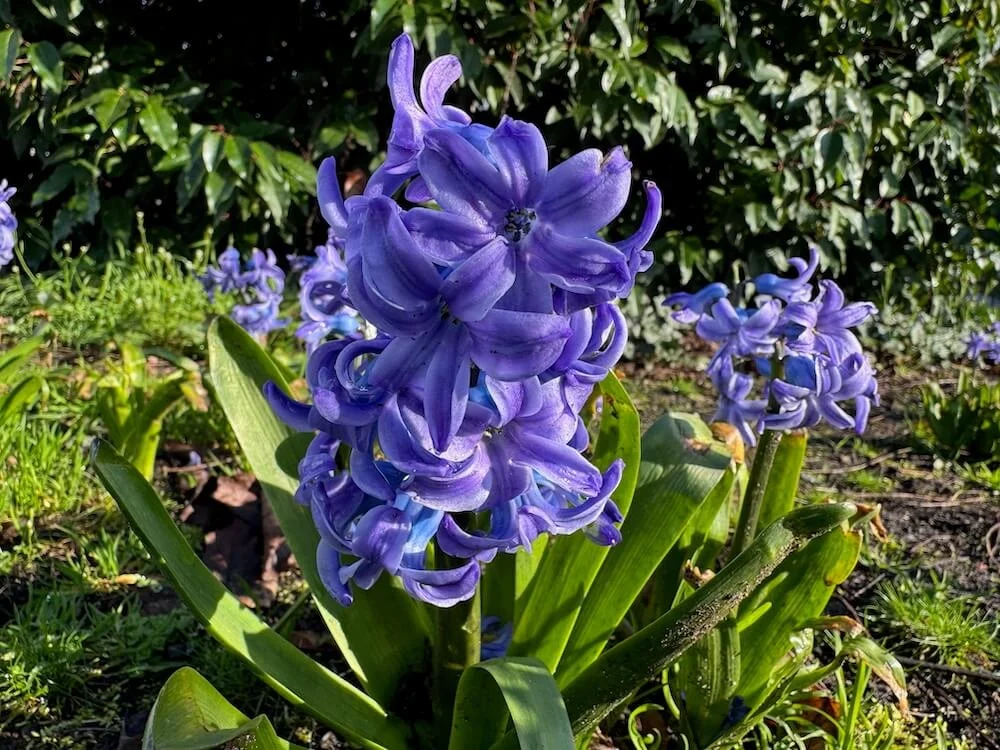
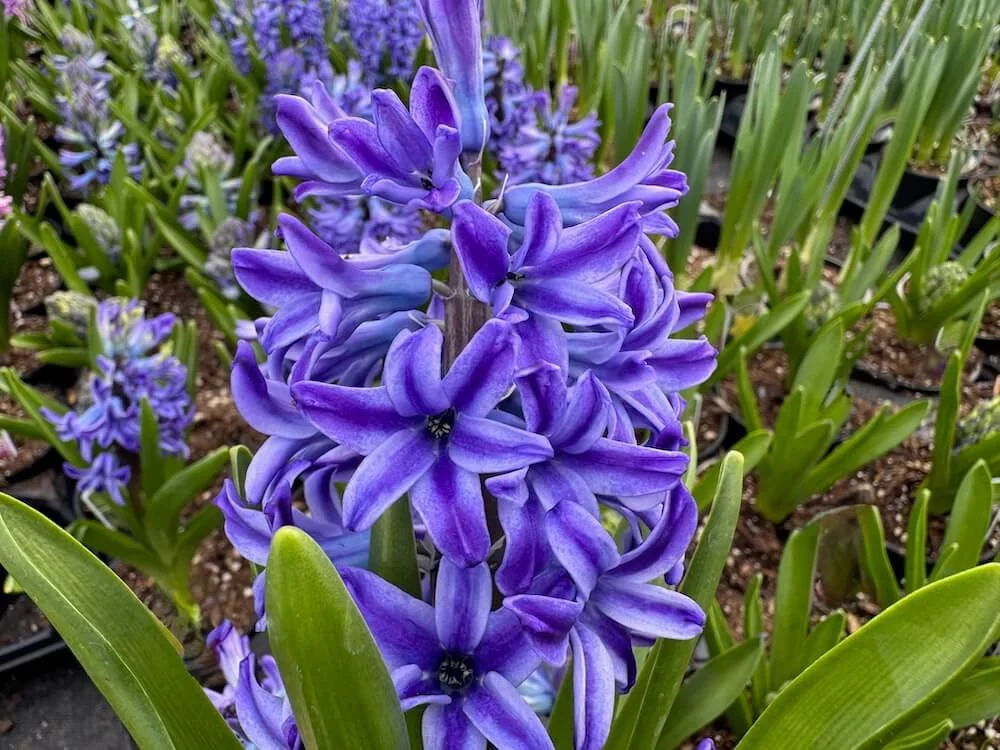
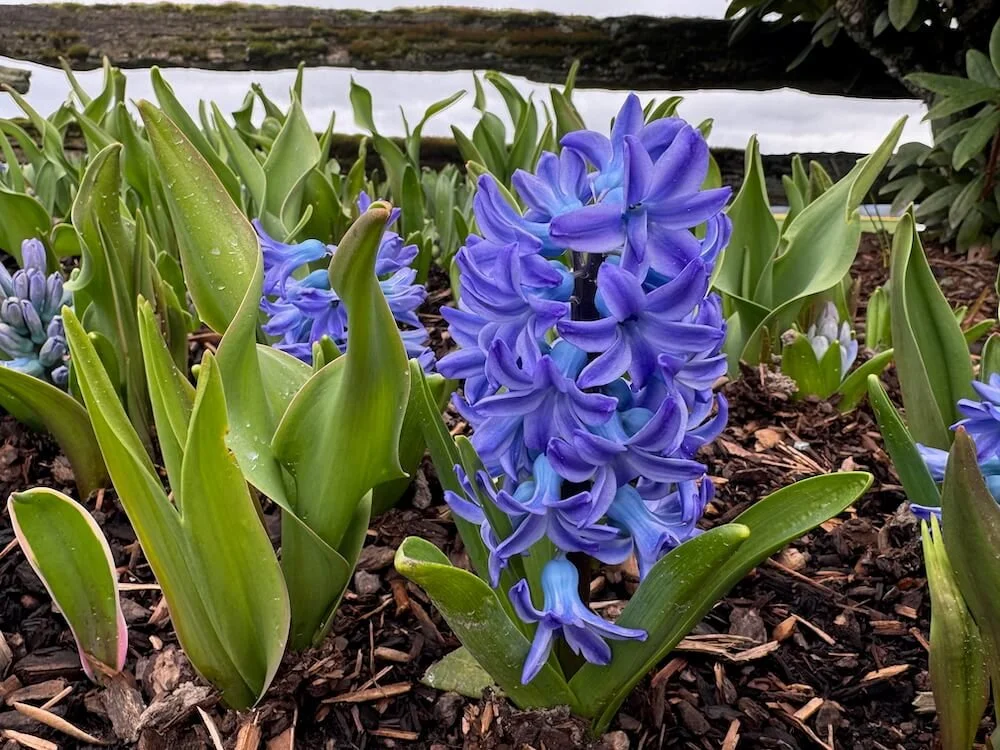
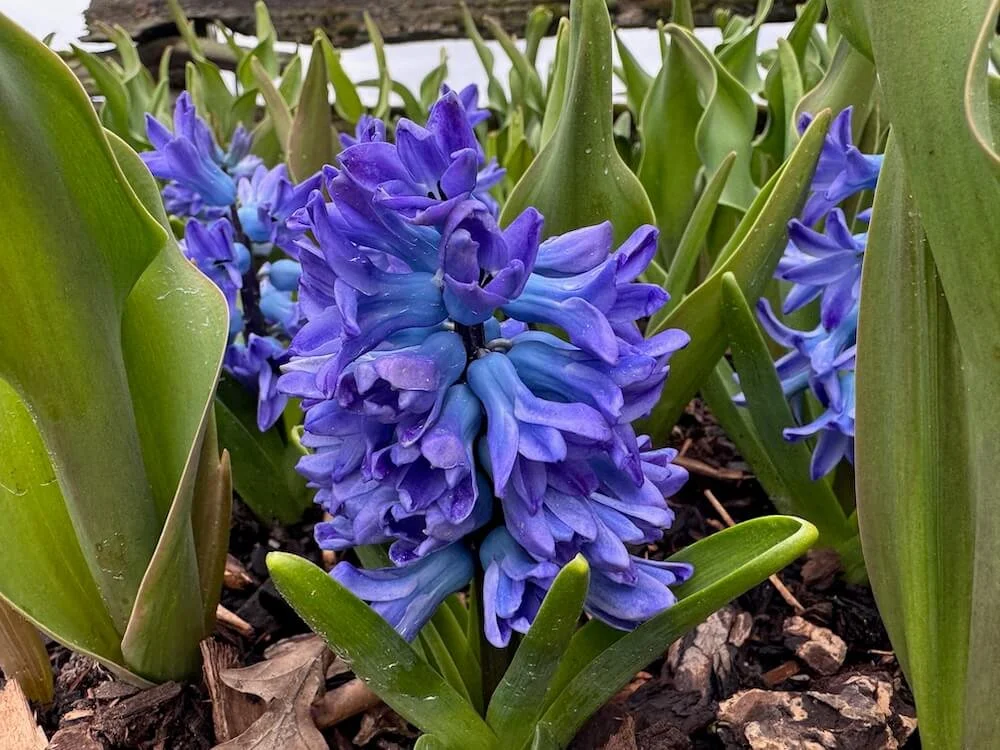
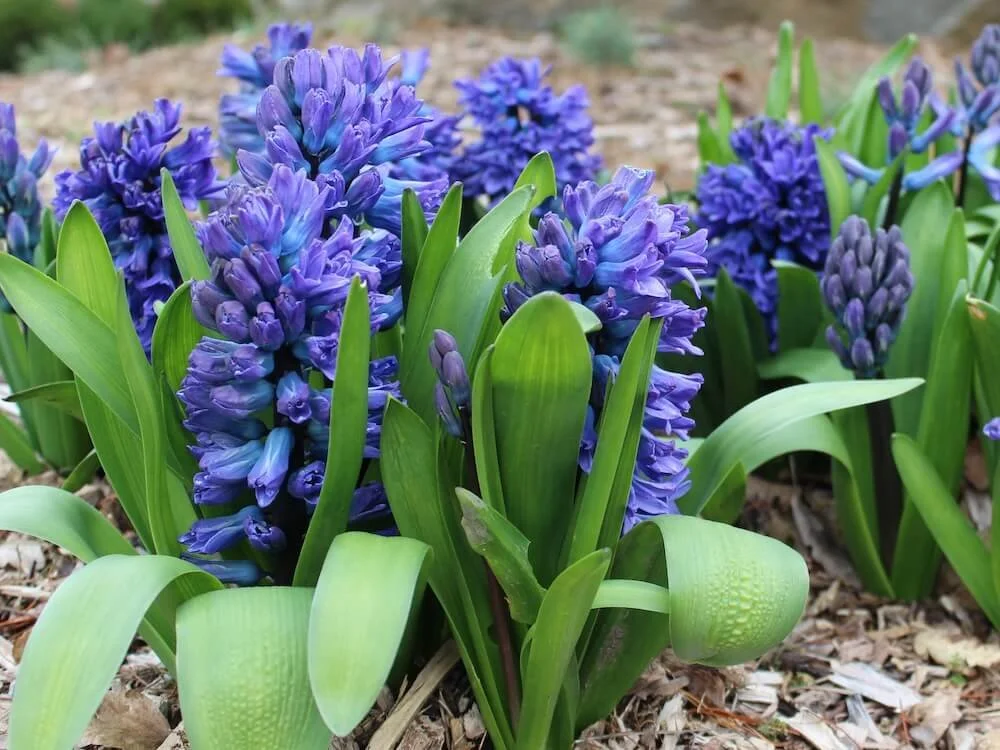
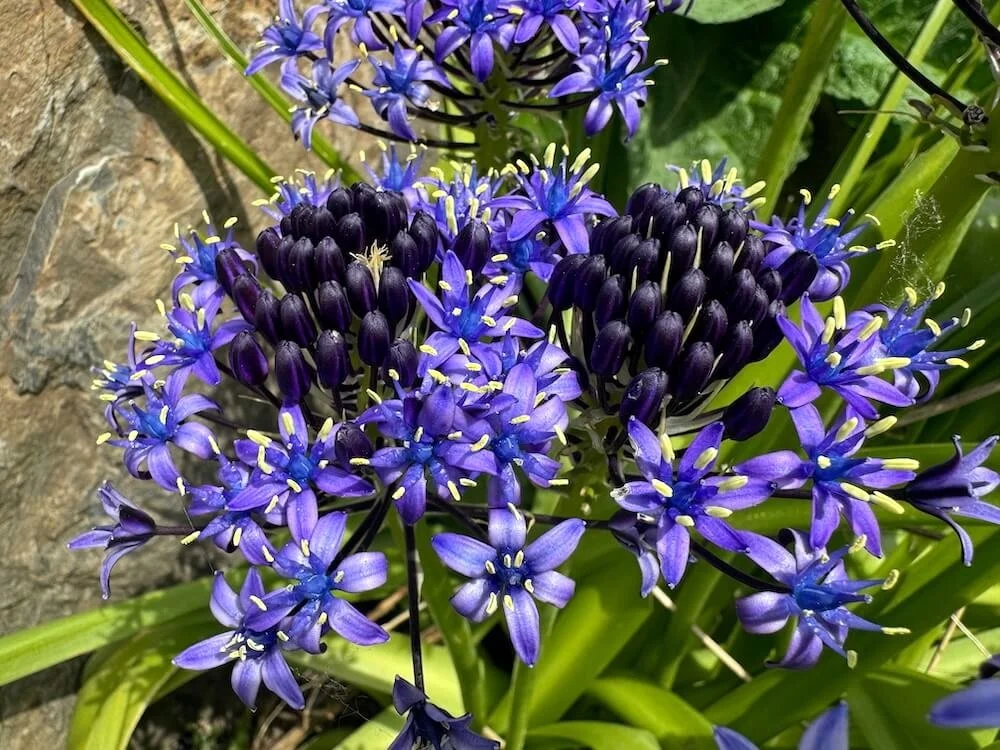
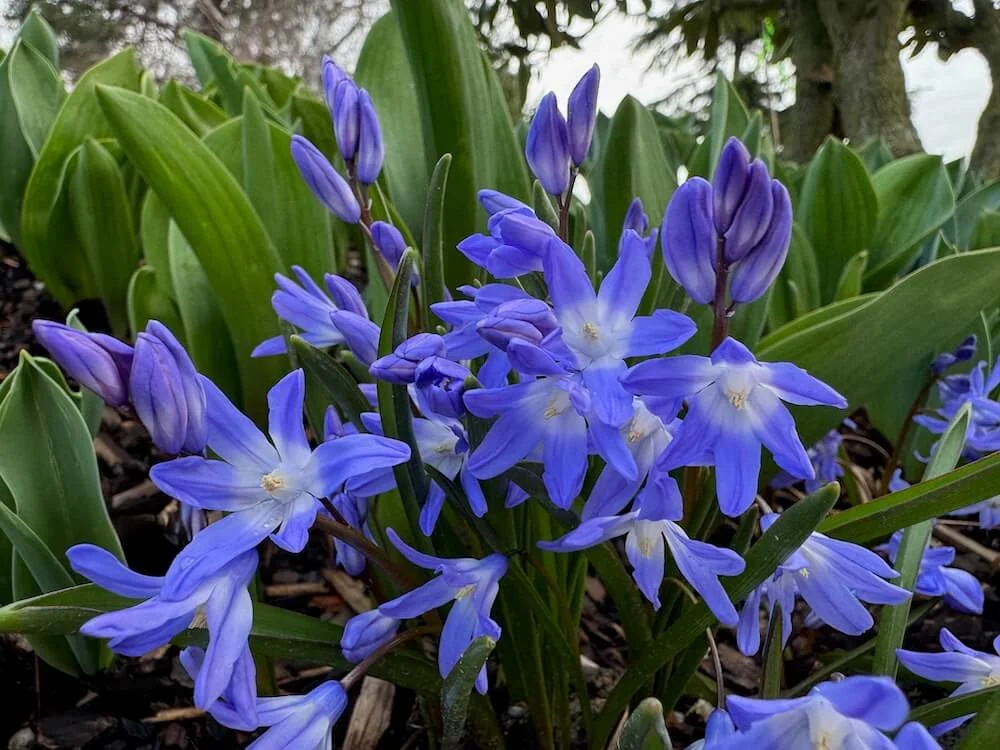
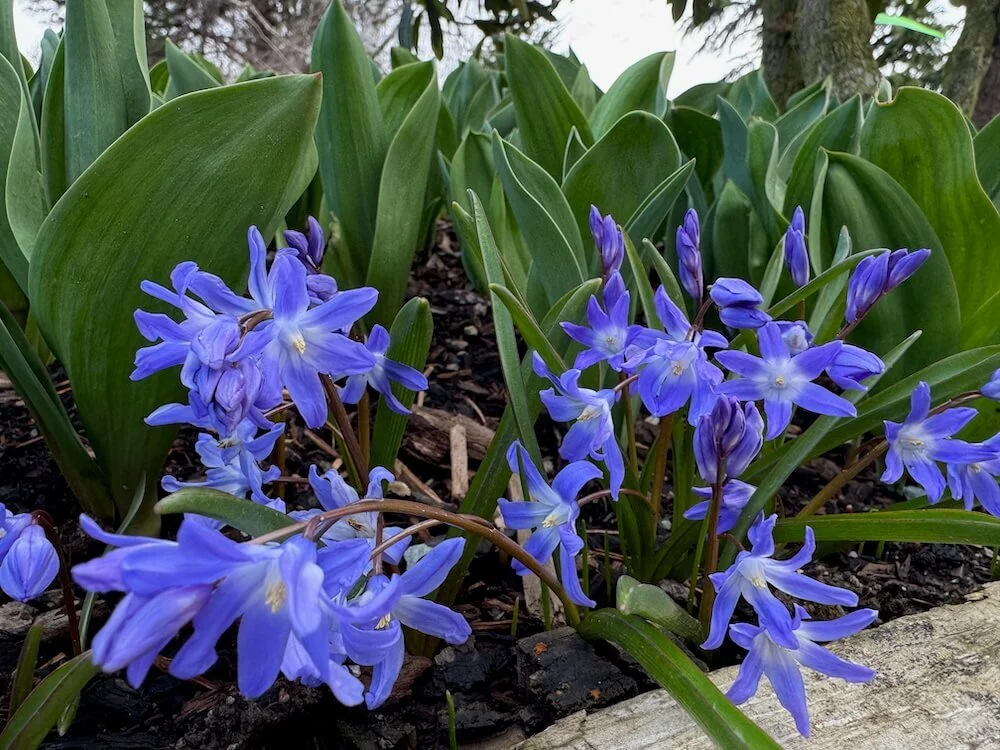
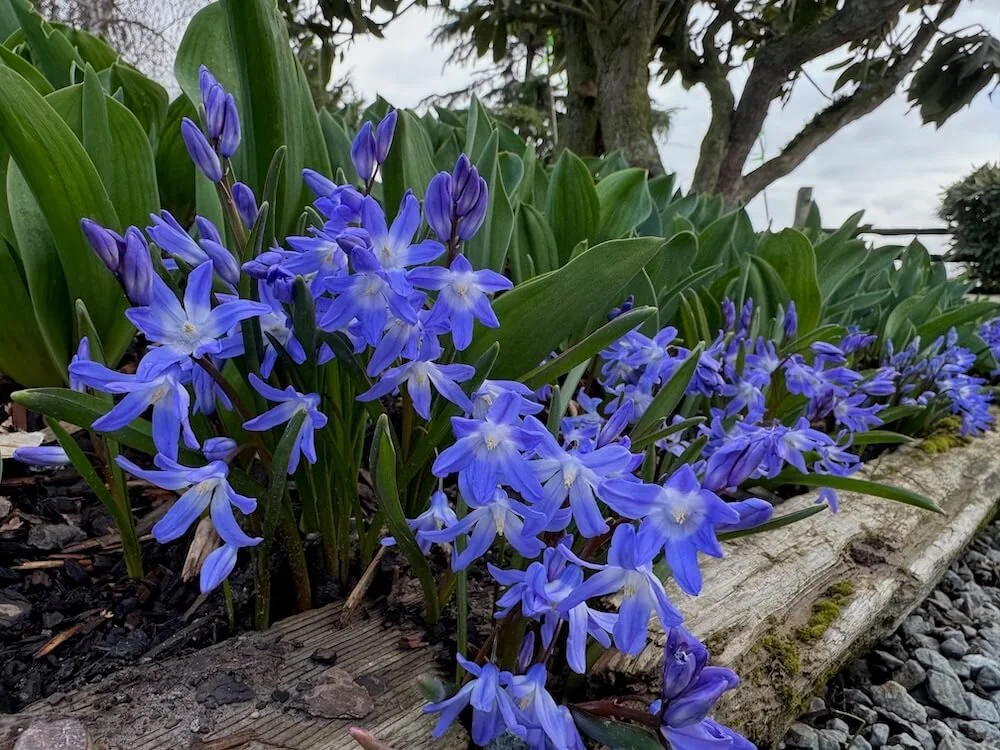
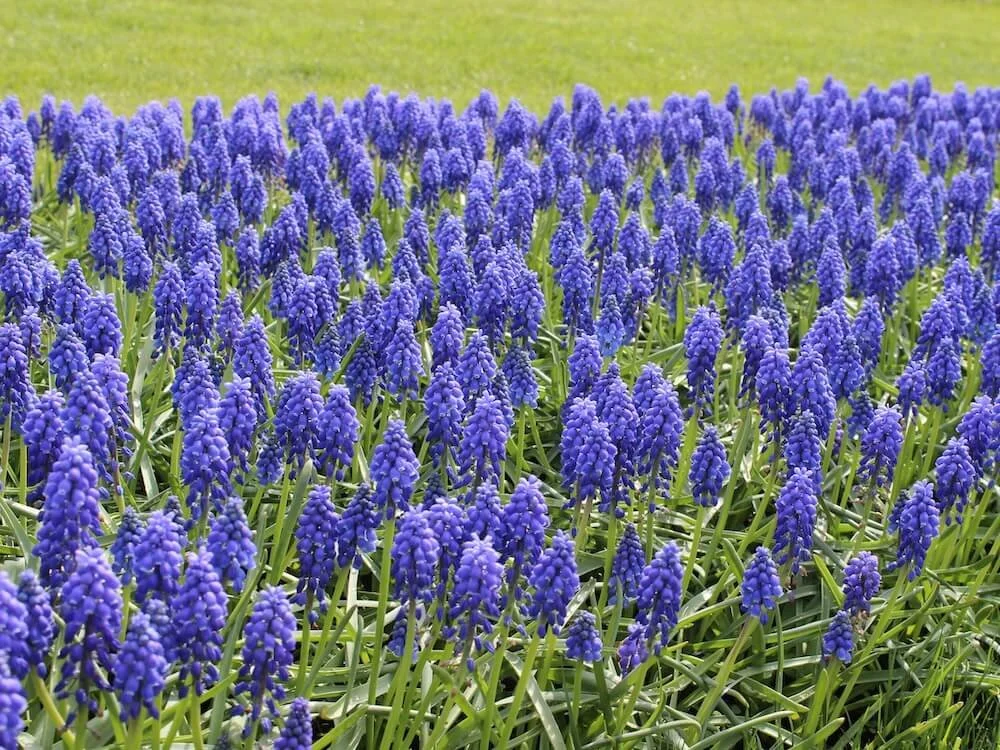
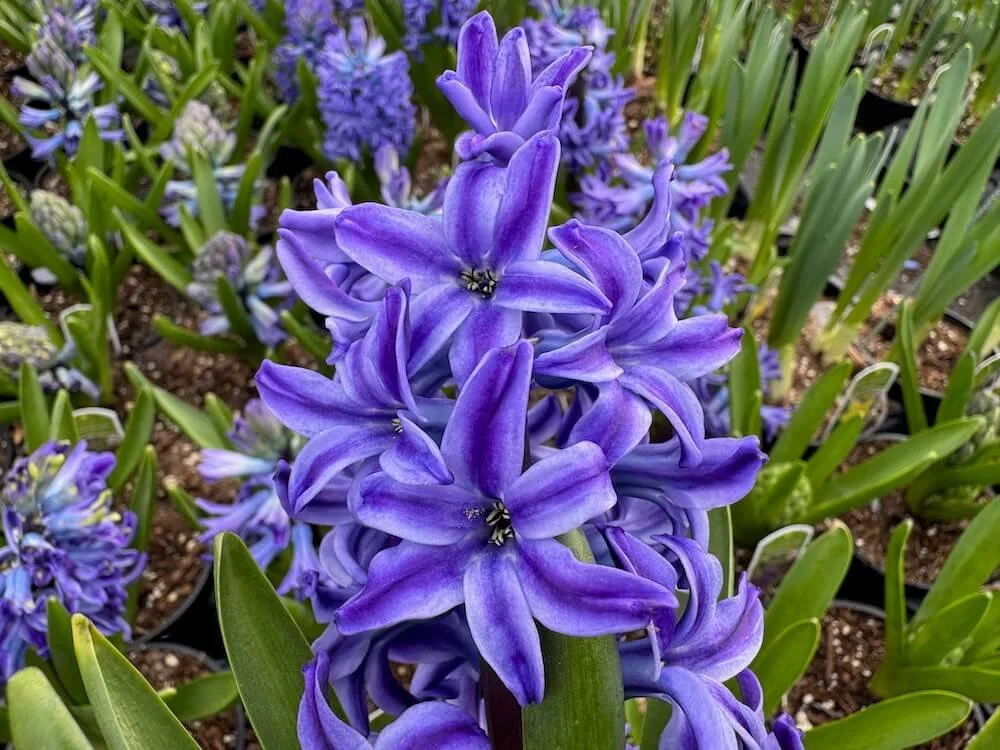
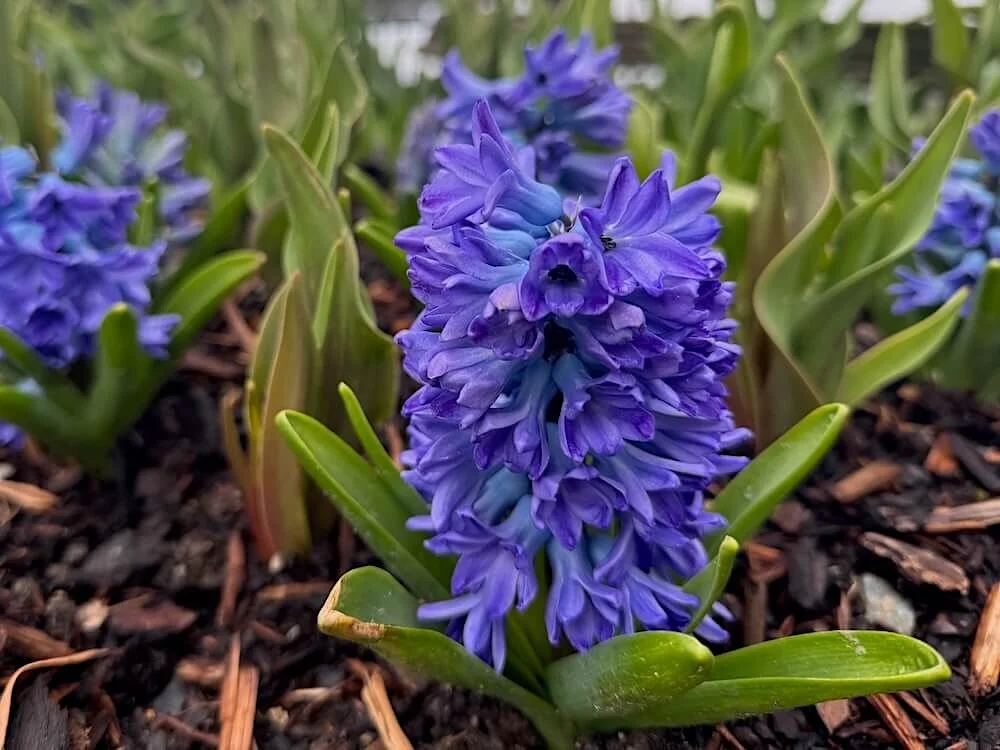
Hyacinthus orientalis ‘Blue Pearl’ produces compact flower spikes densely packed with star-shaped florets in soft lavender-blue tones with a gentle pearly sheen. Blooming in mid spring, the flowers open gradually from the base upward, releasing a strong, sweet fragrance that lingers in cool air. Glossy, strap-shaped green leaves form a neat base that supports the upright bloom stem and highlights the refined coloring.

Originating from long-established cultivation of eastern Mediterranean species, ‘Blue Pearl’ is widely used in borders, containers, and seasonal displays. It performs well in mass plantings where fragrance enhances walkways and entrances, and it is also favored for indoor forcing and cut-flower arrangements during late winter and early spring.

DESCRIPTION
Hyacinthus orientalis ‘Blue Pearl’ produces compact flower spikes densely packed with star-shaped florets in soft lavender-blue tones with a gentle pearly sheen. Blooming in mid spring, the flowers open gradually from the base upward, releasing a strong, sweet fragrance that lingers in cool air. Glossy, strap-shaped green leaves form a neat base that supports the upright bloom stem and highlights the refined coloring.

Originating from long-established cultivation of eastern Mediterranean species, ‘Blue Pearl’ is widely used in borders, containers, and seasonal displays. It performs well in mass plantings where fragrance enhances walkways and entrances, and it is also favored for indoor forcing and cut-flower arrangements during late winter and early spring.

 
  • Family: Asparagaceae
    Height: 8 to 14 in
    Width: 4 to 6 in
    Foliage color: Medium green, narrow strap-shaped leaves
    Flower color: Soft to medium blue-violet flower clusters on upright spikes
    Bloom time: Mid spring
    Light requirements: Full sun to partial shade
    Water requirements: Moderate moisture
    Maintenance: Low, remove spent flower stalks after bloom, allow foliage to yellow and die back naturally before removal
    Growing zone: USDA zones 4 to 8
    Wildlife attractors: Bees and other spring pollinators

    Read more about planting and growing bulbs.
    Print Information

    Buy Plants