DESCRIPTION
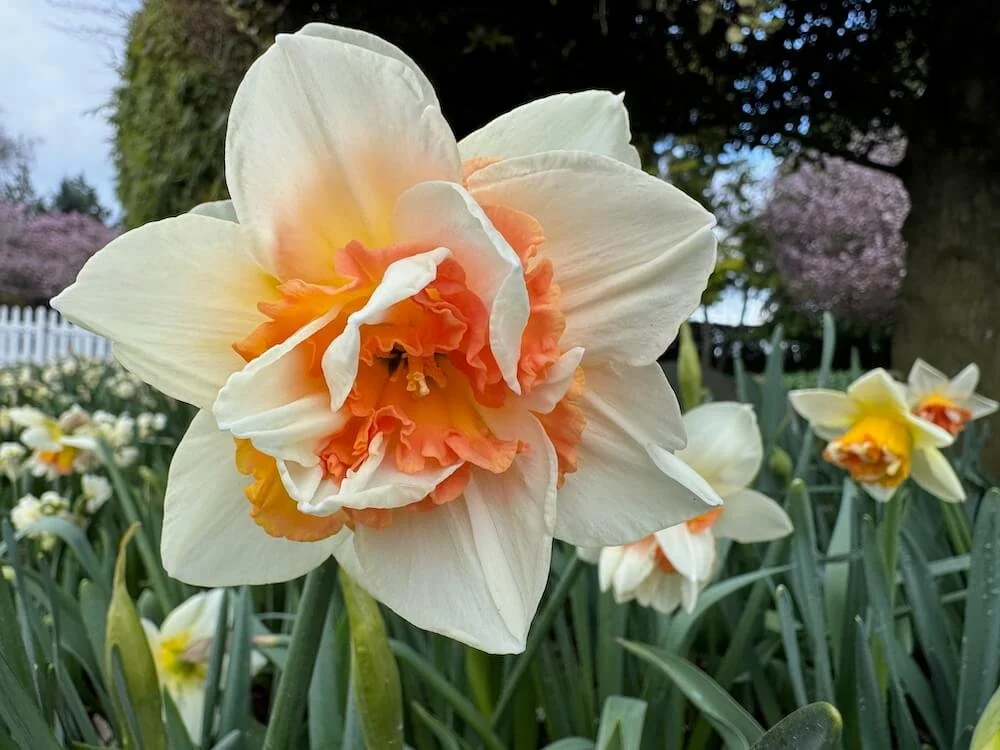
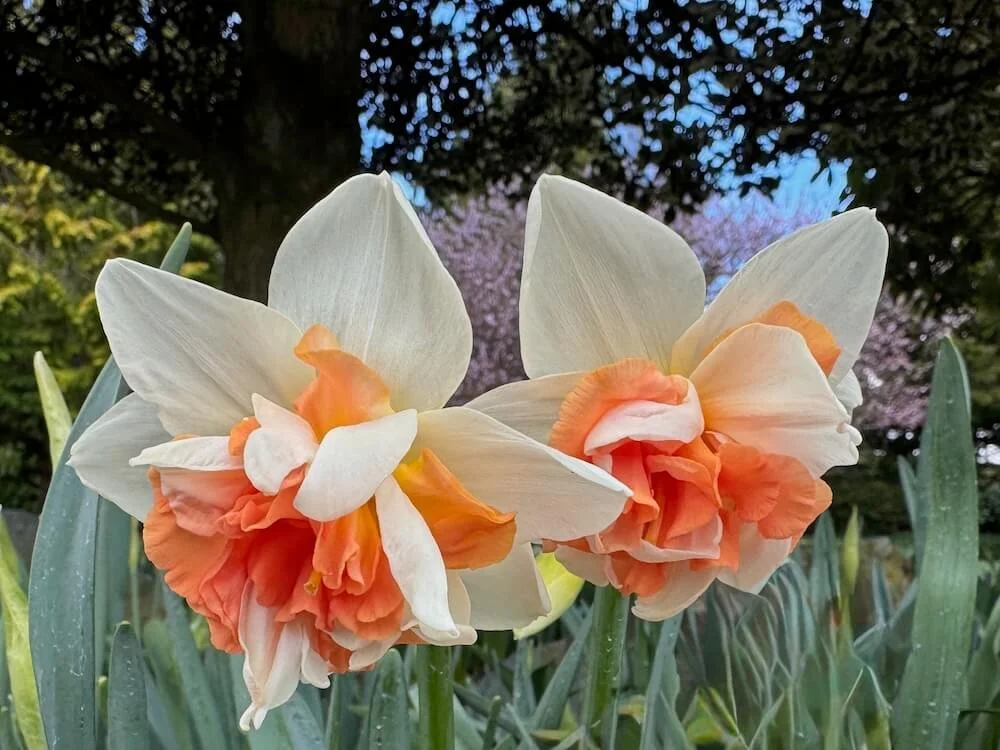
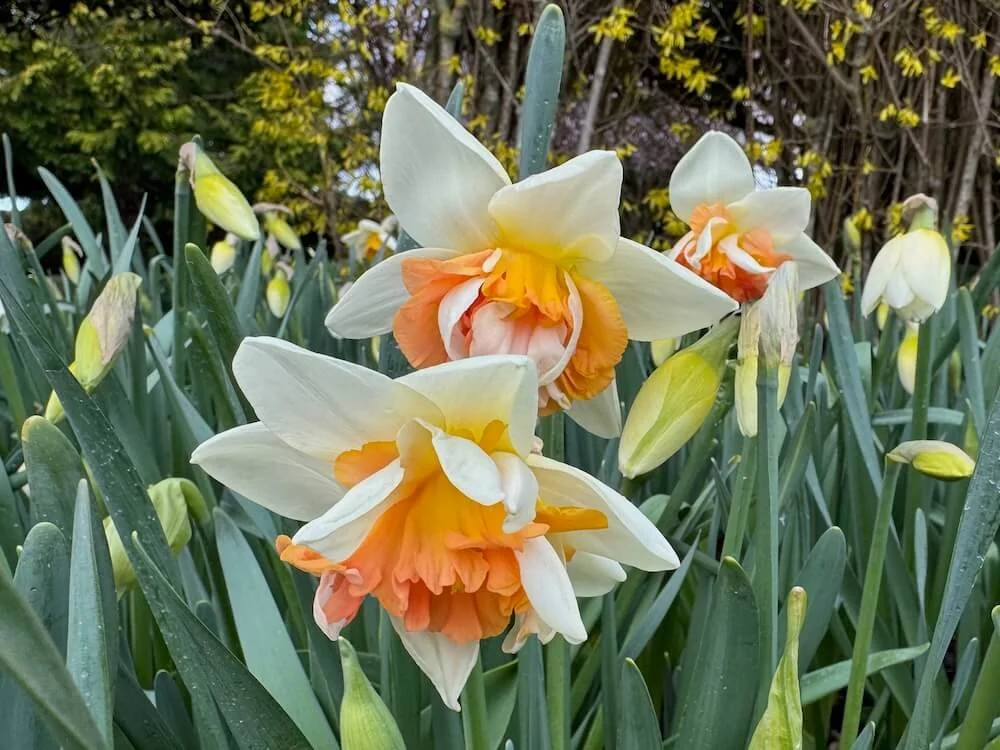
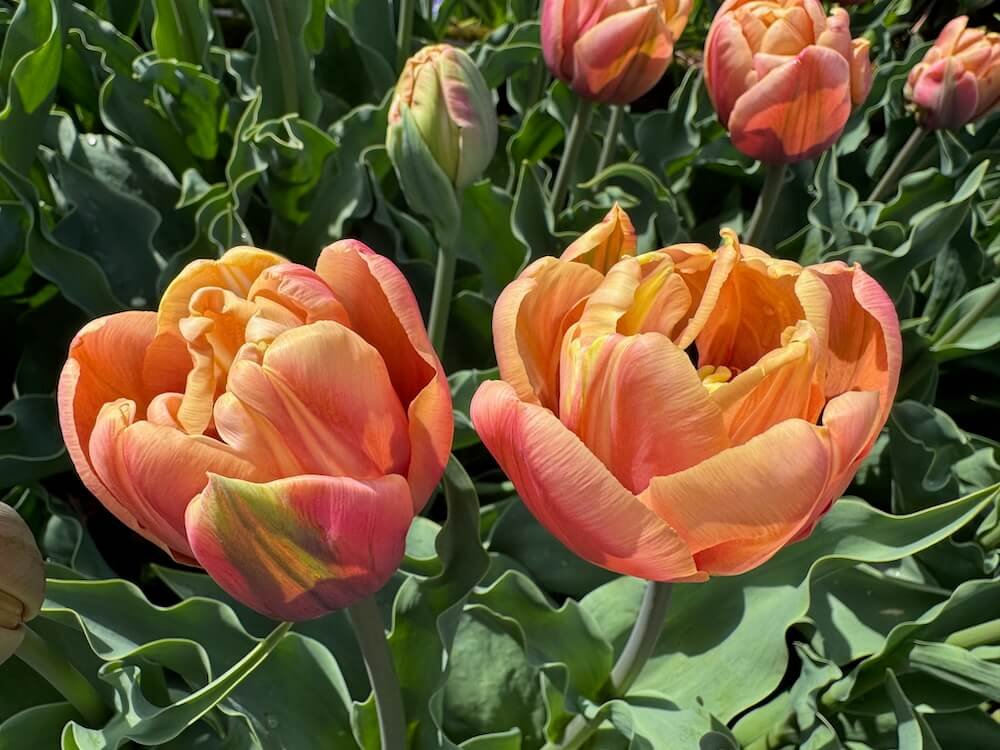
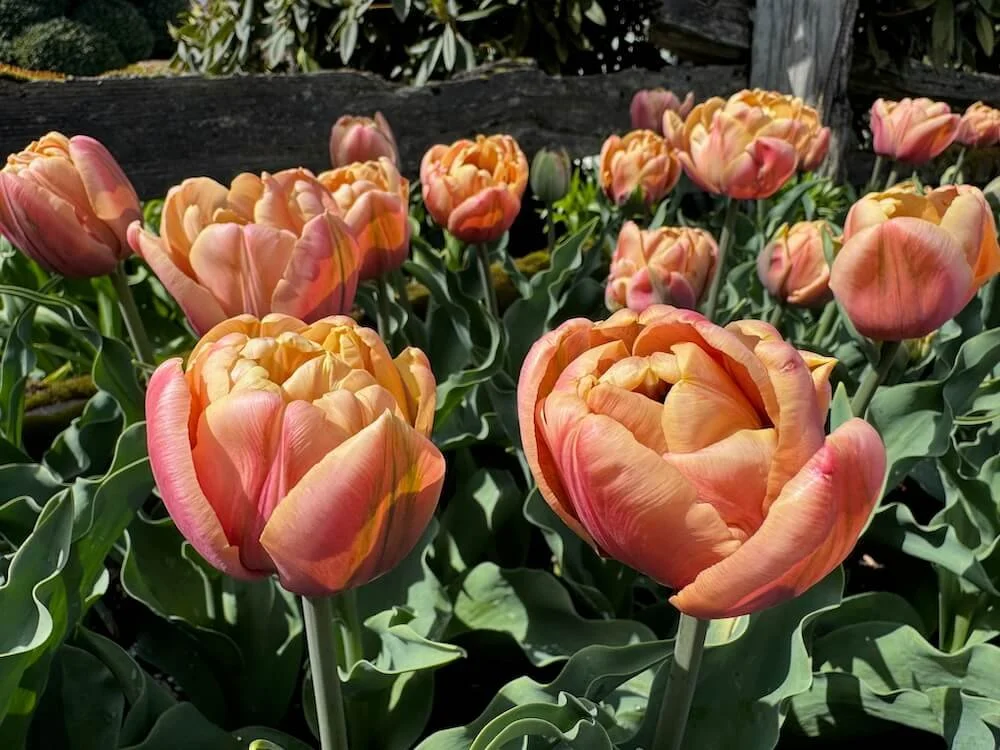
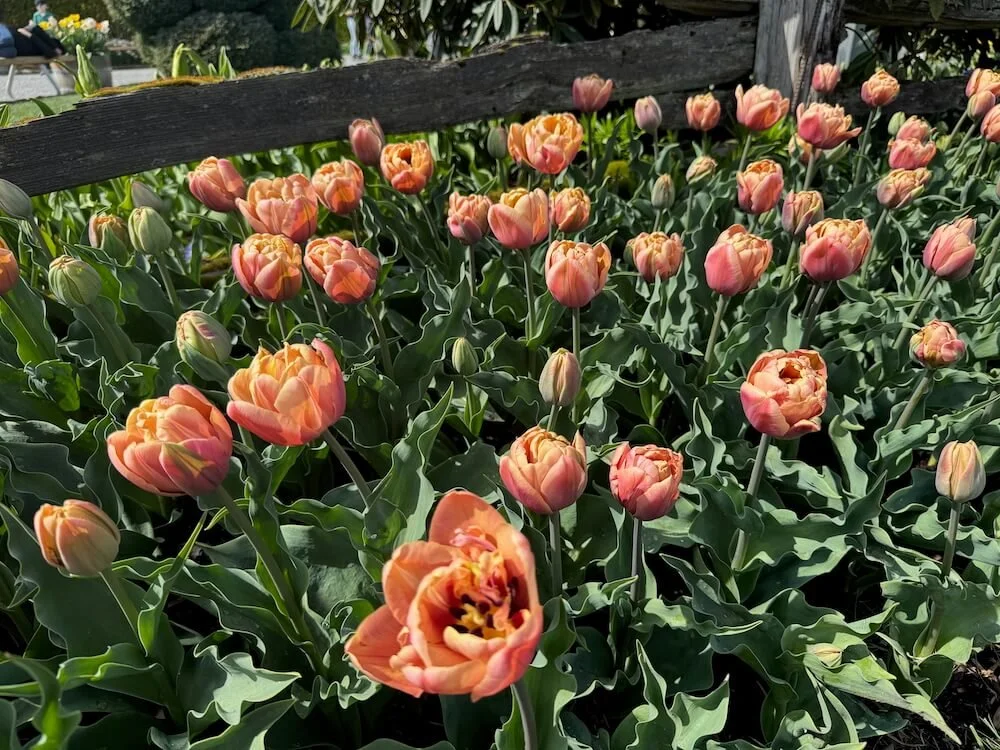
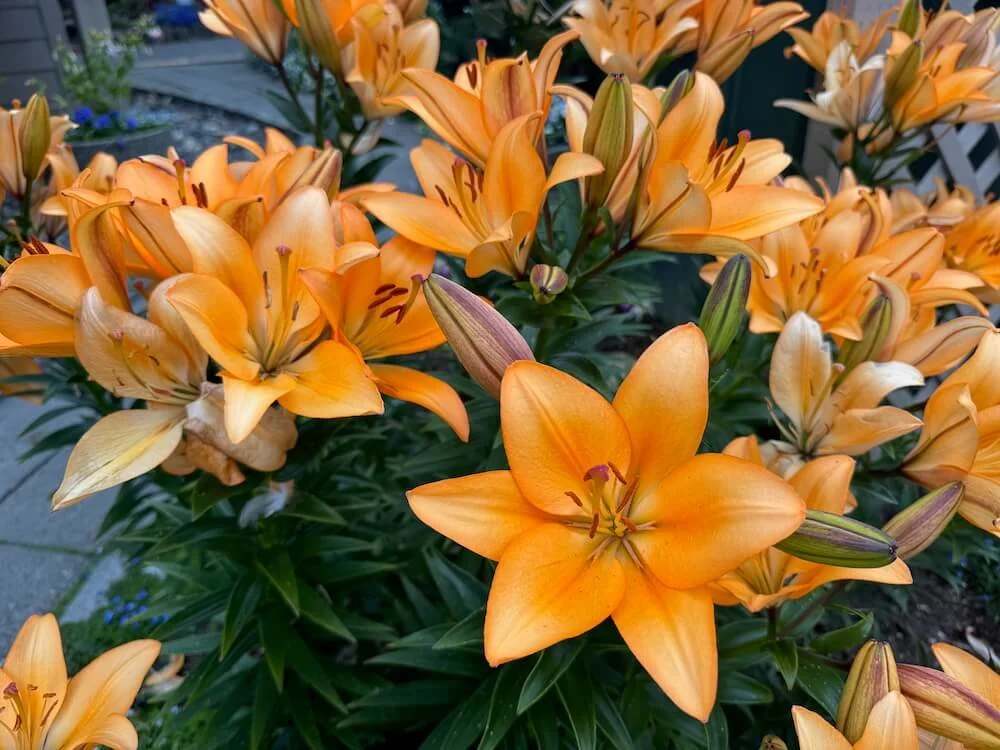
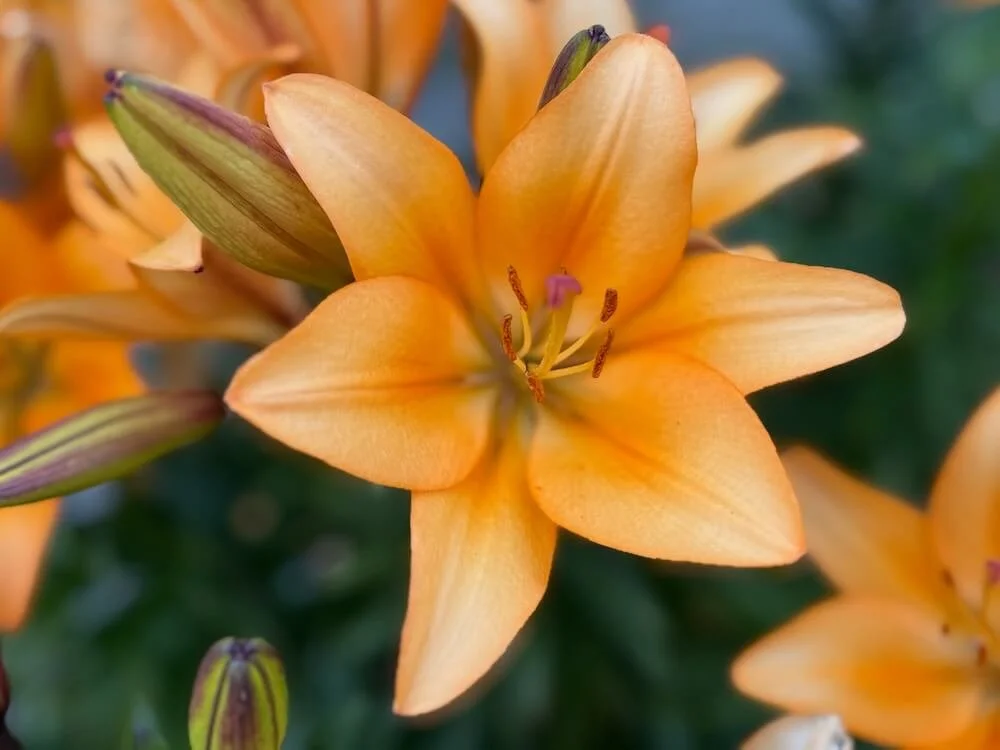
Hyacinthus orientalis ‘Gypsy Queen’ produces dense flower spikes packed with rounded florets in warm apricot-orange tones shaded with hints of peach and soft coral. Blooming in mid spring, the blossoms open gradually from the base upward, releasing a rich, sweet fragrance that perfumes the surrounding air. Glossy, strap-shaped green leaves form a compact base that supports the sturdy flowering stem and enhances the warm coloration.
Developed through Dutch bulb breeding in the twentieth century, this cultivar is valued for its distinctive color range. It performs well in borders, containers, and mass plantings, where fragrance and seasonal color are especially effective. The flowers are also suitable for indoor forcing and cut arrangements, extending their display beyond the outdoor garden.
DESCRIPTION
Hyacinthus orientalis ‘Gypsy Queen’ produces dense flower spikes packed with rounded florets in warm apricot-orange tones shaded with hints of peach and soft coral. Blooming in mid spring, the blossoms open gradually from the base upward, releasing a rich, sweet fragrance that perfumes the surrounding air. Glossy, strap-shaped green leaves form a compact base that supports the sturdy flowering stem and enhances the warm coloration.
Developed through Dutch bulb breeding in the twentieth century, this cultivar is valued for its distinctive color range. It performs well in borders, containers, and mass plantings, where fragrance and seasonal color are especially effective. The flowers are also suitable for indoor forcing and cut arrangements, extending their display beyond the outdoor garden.

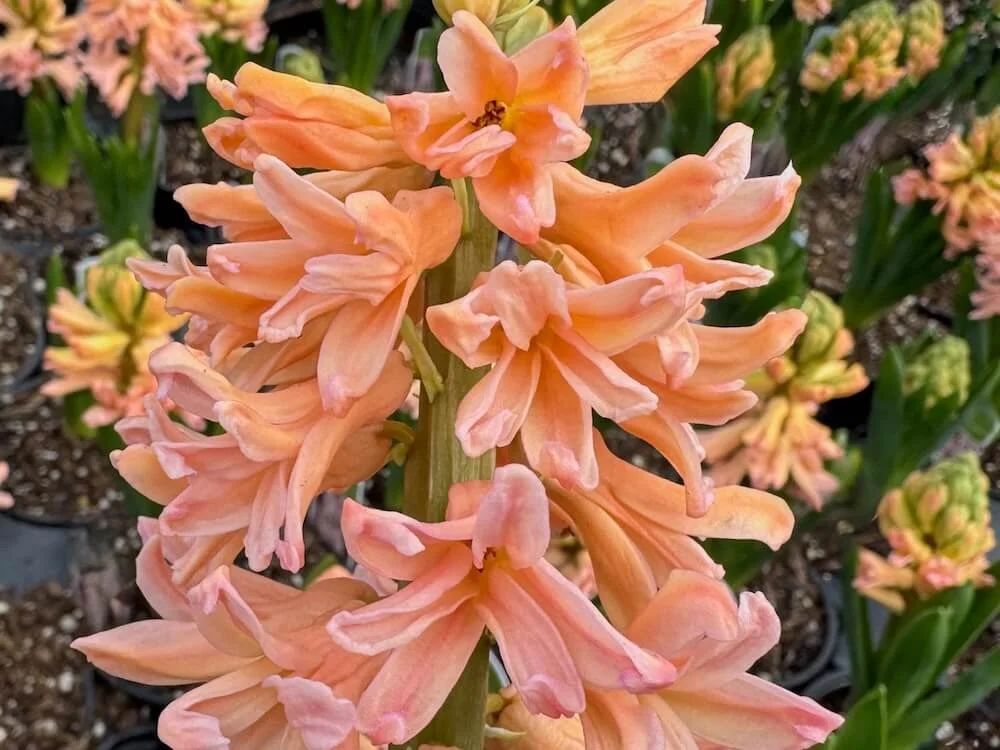 Image 1 of 3
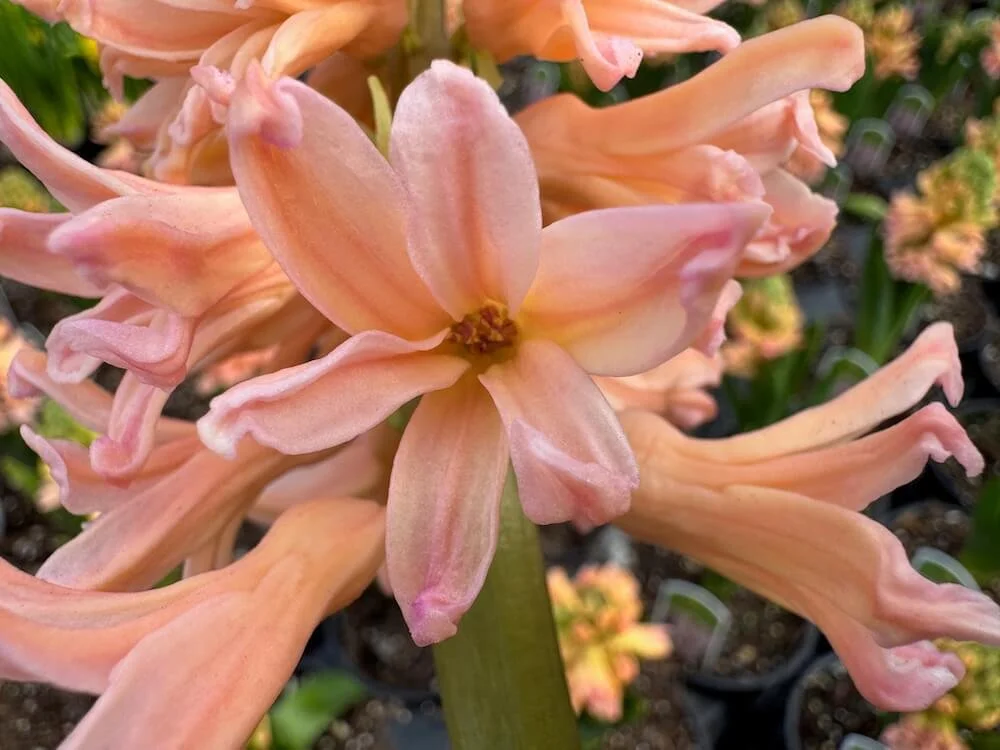 Image 2 of 3
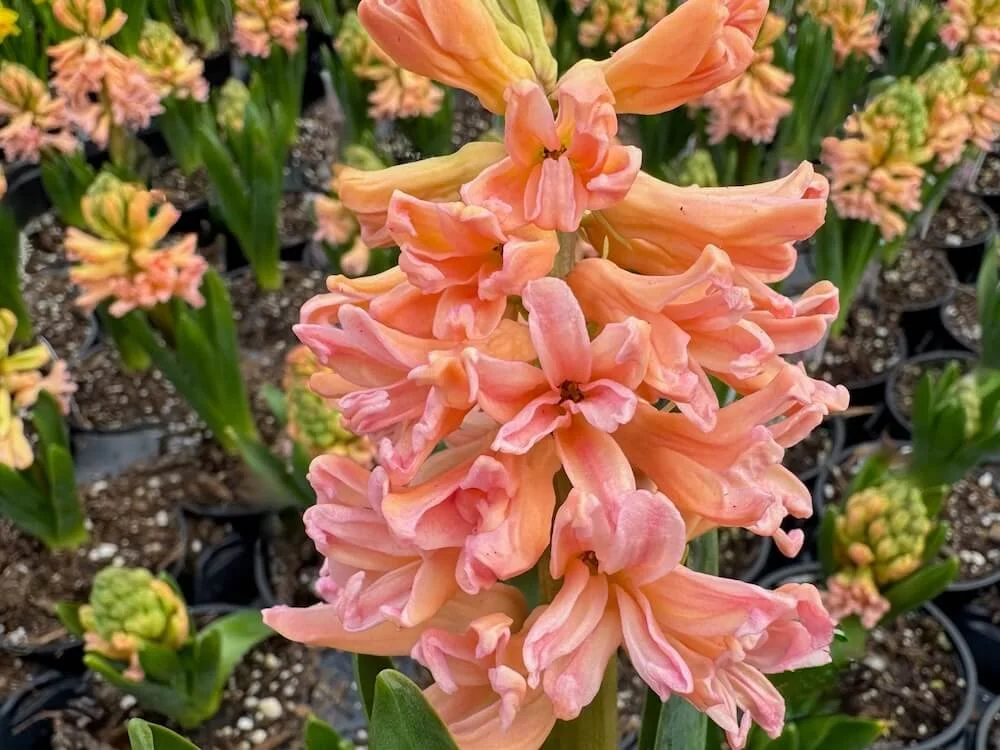 Image 3 of 3