Muscari armeniacum | Grape Hyacinth

$0.00

DESCRIPTION
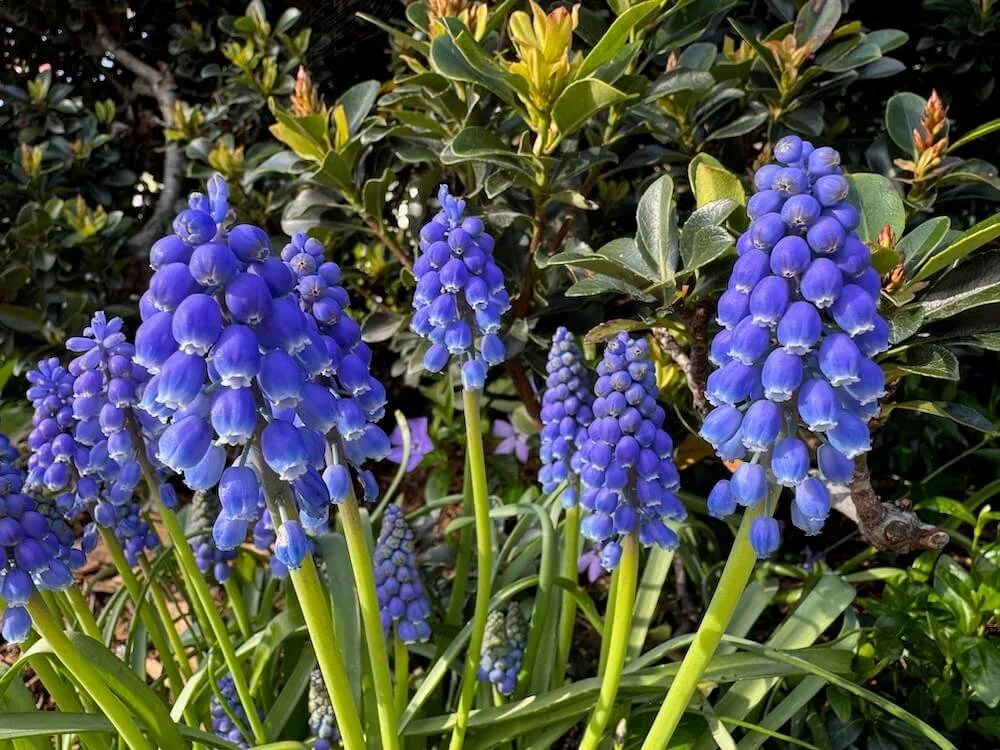
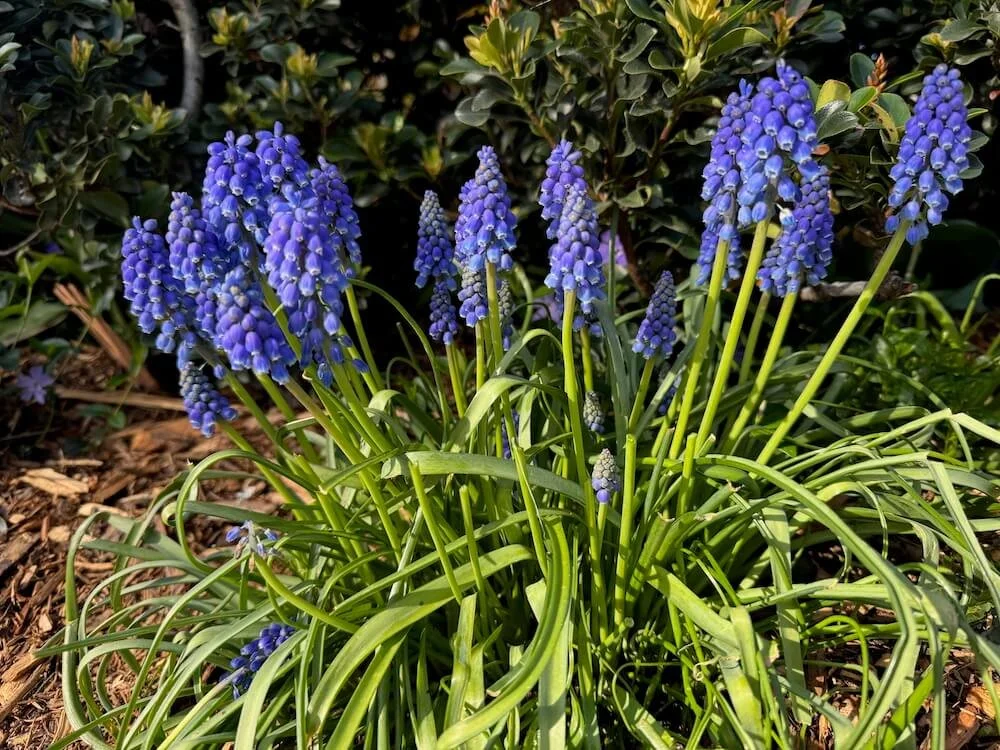
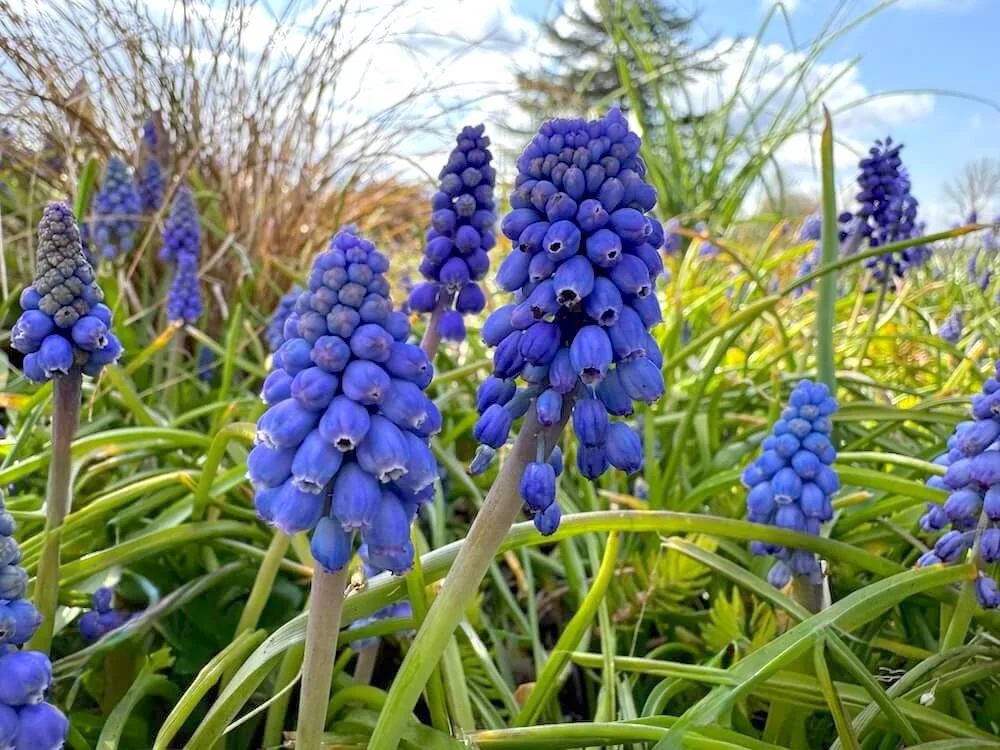
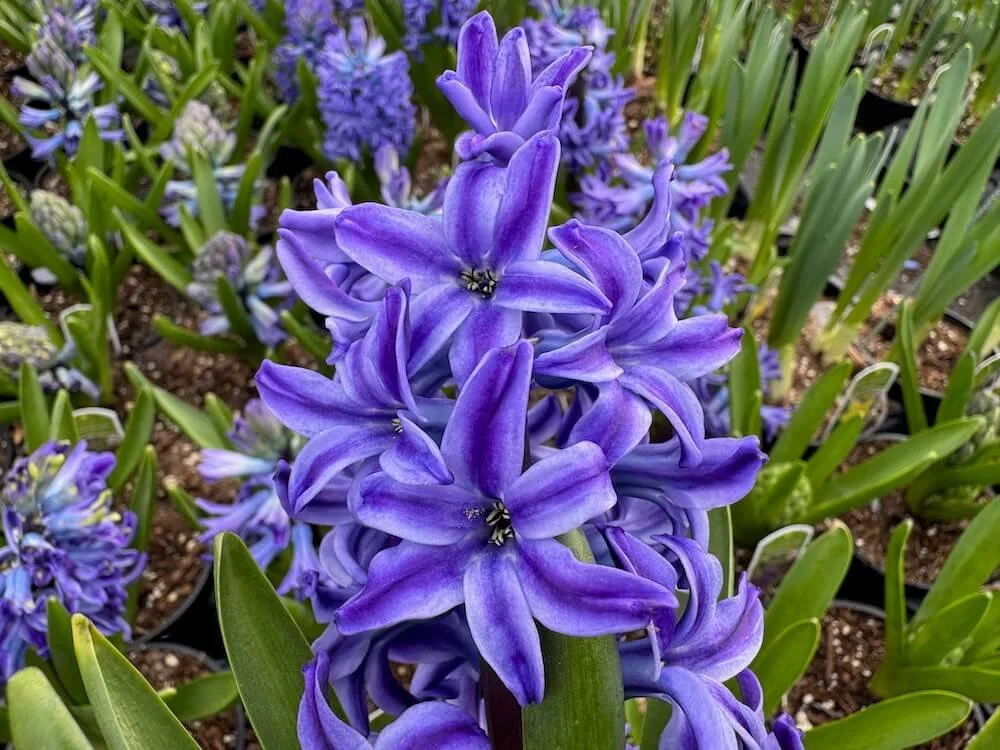
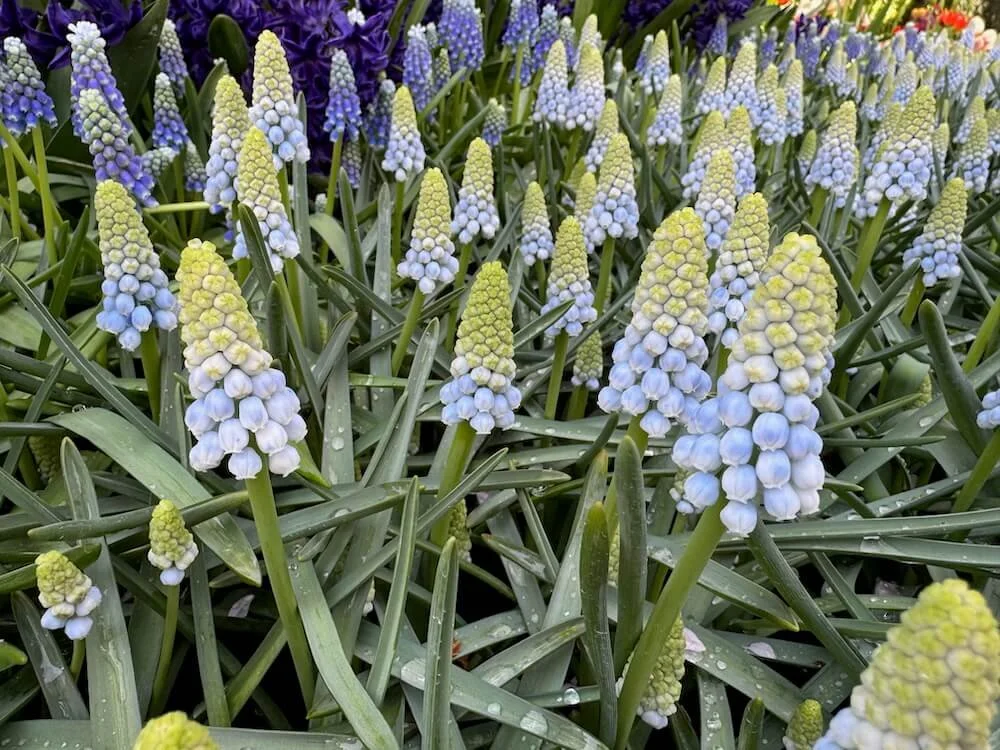
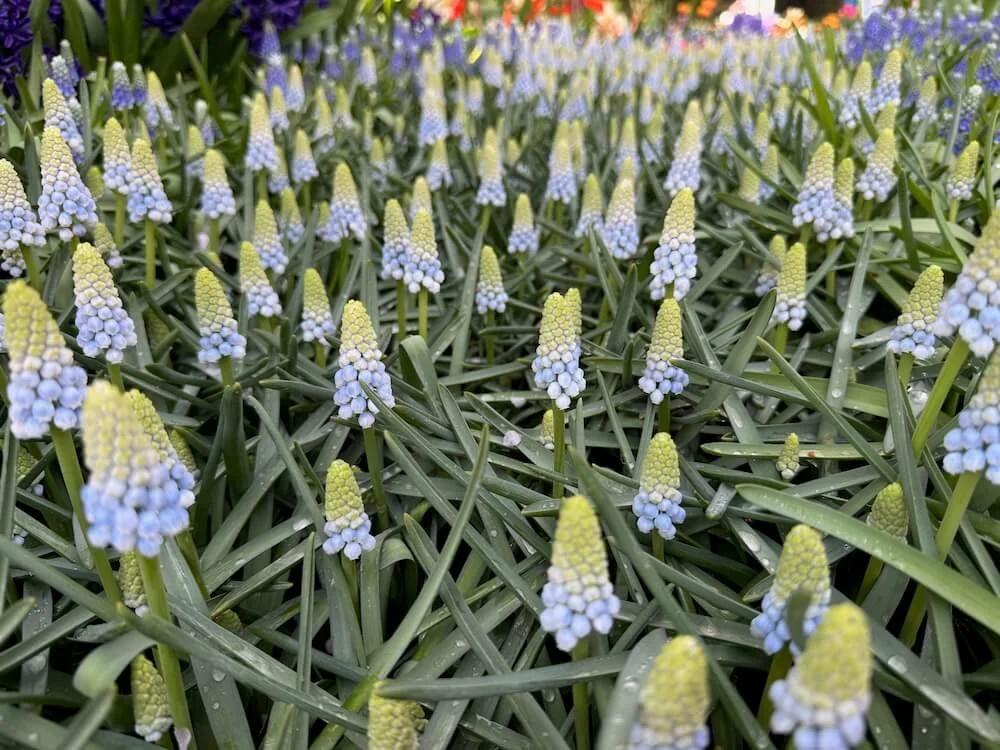
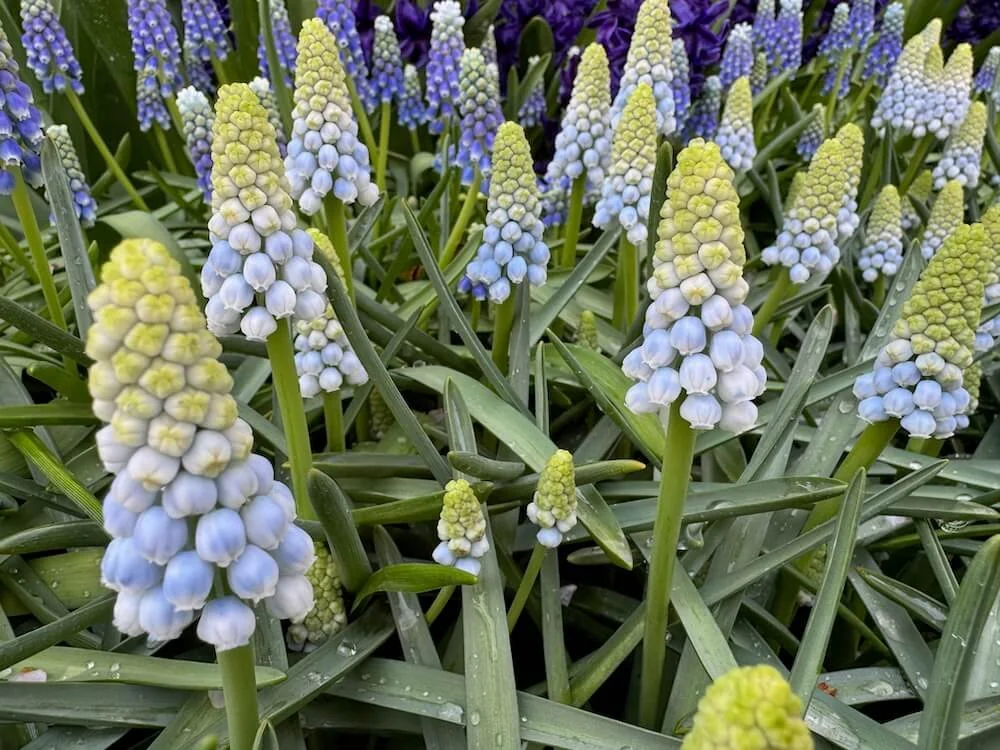
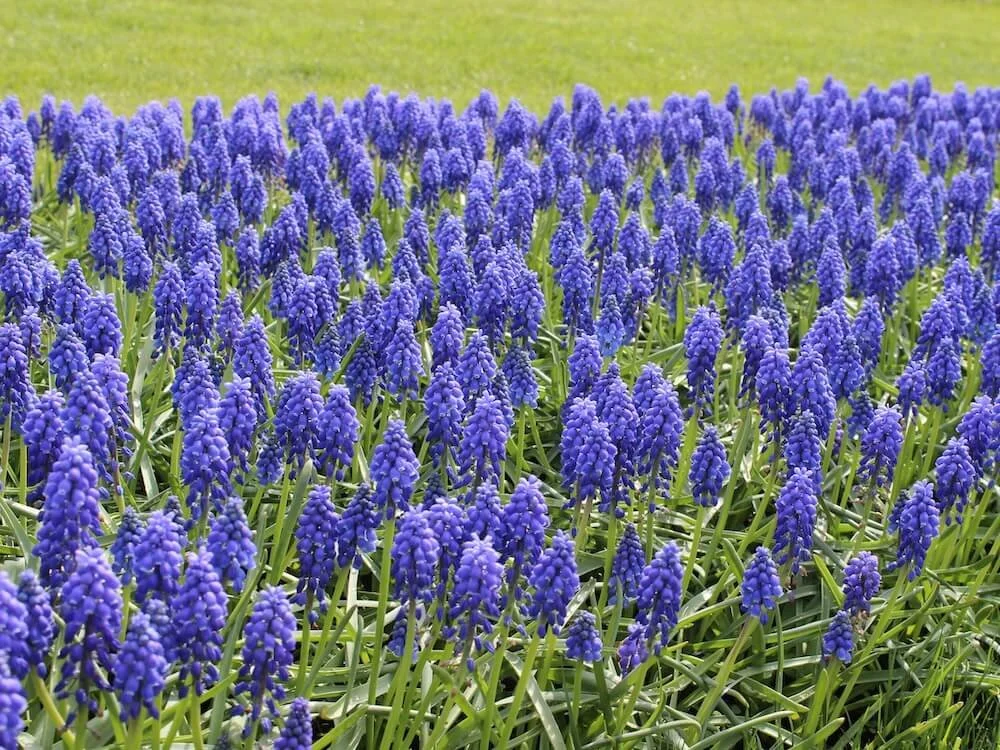
Muscari armeniacum produces compact spikes of tightly packed, urn-shaped flowers in deep cobalt blue, often accented by a lighter rim at each floret opening. Blooming in mid to late spring, the blossoms emerge above narrow, grasslike green leaves that appear in early season and create a soft, upright backdrop. The flower clusters develop from the base upward, extending the display as spring progresses.

Native to southeastern Europe and western Asia, this species has been cultivated in gardens for centuries. It works well in borders, rock gardens, containers, and naturalized plantings, where dense drifts create strong seasonal rhythm. Muscari armeniacum is especially effective beneath deciduous trees and along pathways, offering dependable spring color.

DESCRIPTION
Muscari armeniacum produces compact spikes of tightly packed, urn-shaped flowers in deep cobalt blue, often accented by a lighter rim at each floret opening. Blooming in mid to late spring, the blossoms emerge above narrow, grasslike green leaves that appear in early season and create a soft, upright backdrop. The flower clusters develop from the base upward, extending the display as spring progresses.

Native to southeastern Europe and western Asia, this species has been cultivated in gardens for centuries. It works well in borders, rock gardens, containers, and naturalized plantings, where dense drifts create strong seasonal rhythm. Muscari armeniacum is especially effective beneath deciduous trees and along pathways, offering dependable spring color.

 
  • Family: Asparagaceae
    Height: 6 to 10 in
    Width: 4 to 6 in
    Foliage color: Medium to bright green, narrow grass-like leaves
    Flower color: Deep blue dense clusters of urn-shaped flowers (grape-like)
    Bloom time: Early to mid spring
    Light requirements: Full sun to partial shade
    Water requirements: Moderate moisture
    Maintenance: Low, remove spent flower stalks after bloom, allow foliage to die back naturally before removal, divide crowded clumps in fall after dormancy
    Growing zone: USDA zones 3 to 9
    Wildlife attractors: Bees and early-season pollinators

    Read more about planting and growing bulbs.
    Print Information

    Buy Plants