Narcissus 'Golden Echo' | Golden Echo Daffodil

$0.00

DESCRIPTION
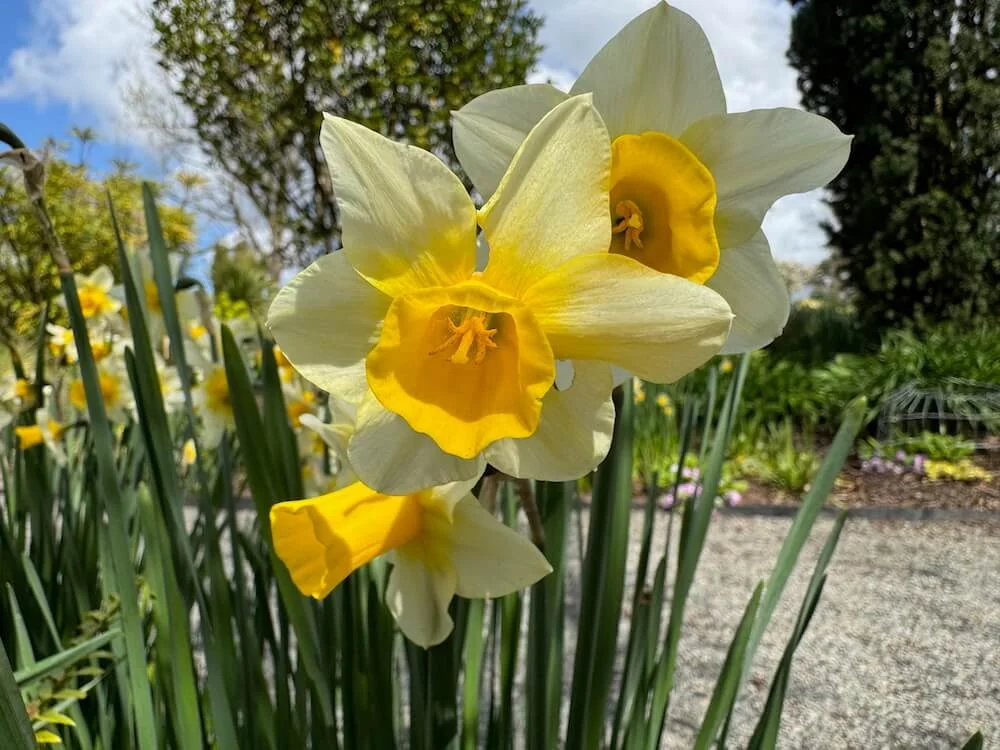
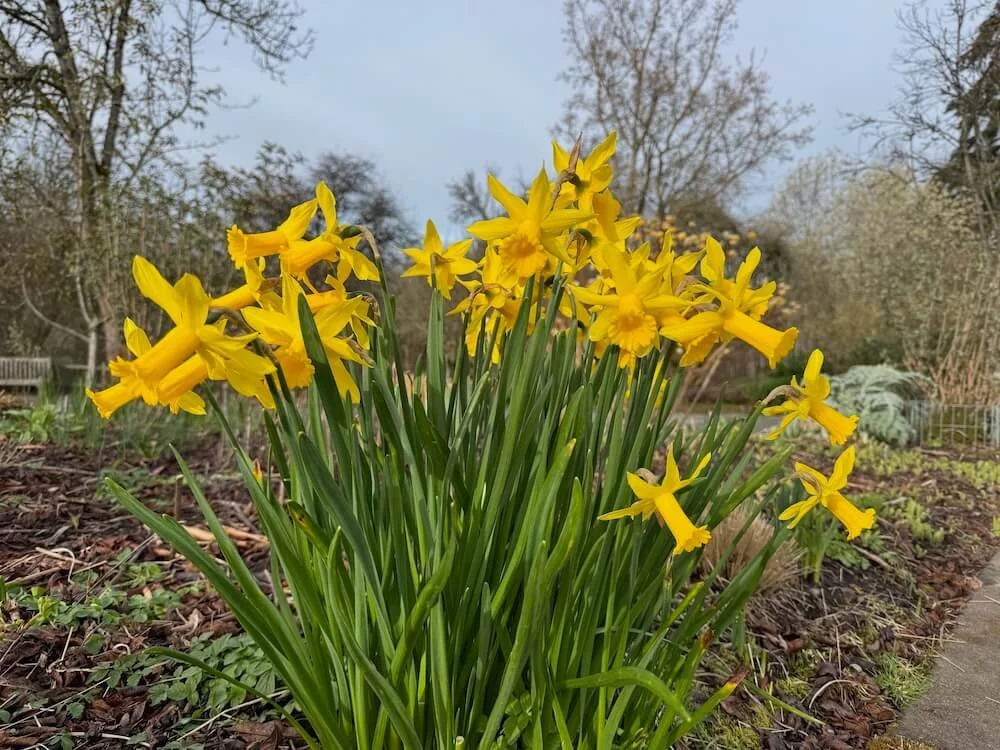
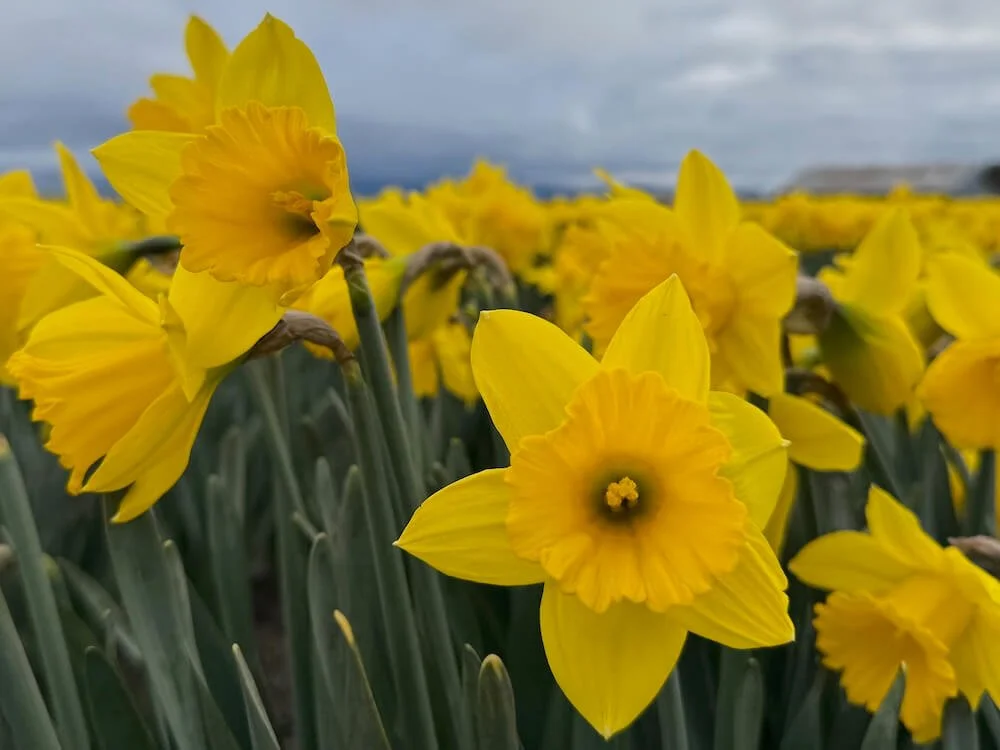
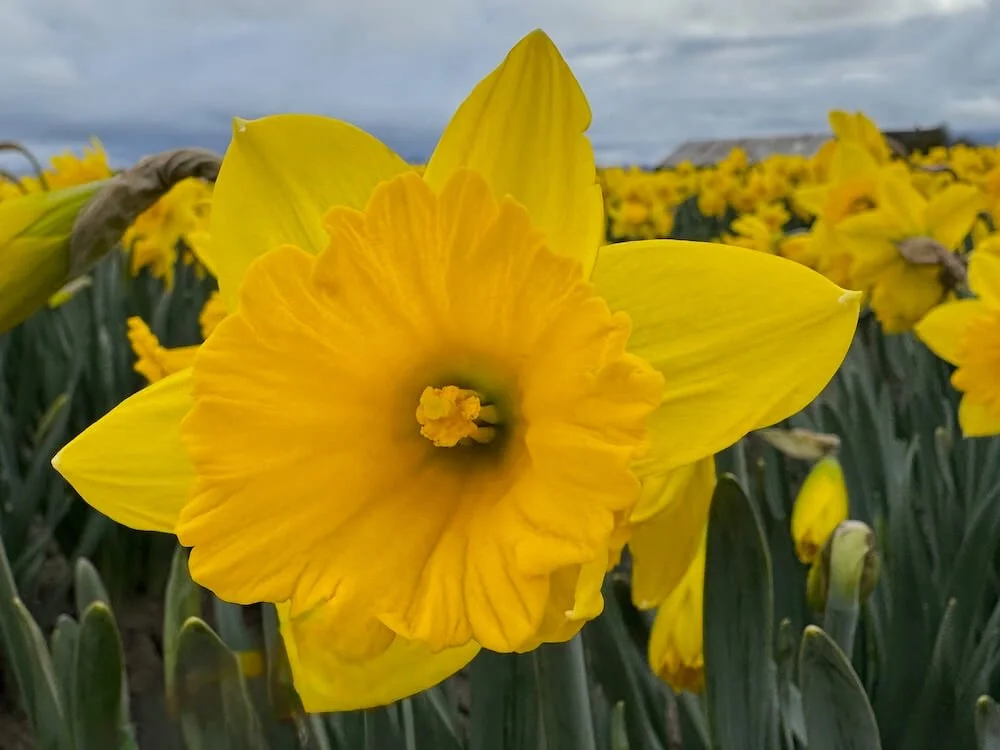
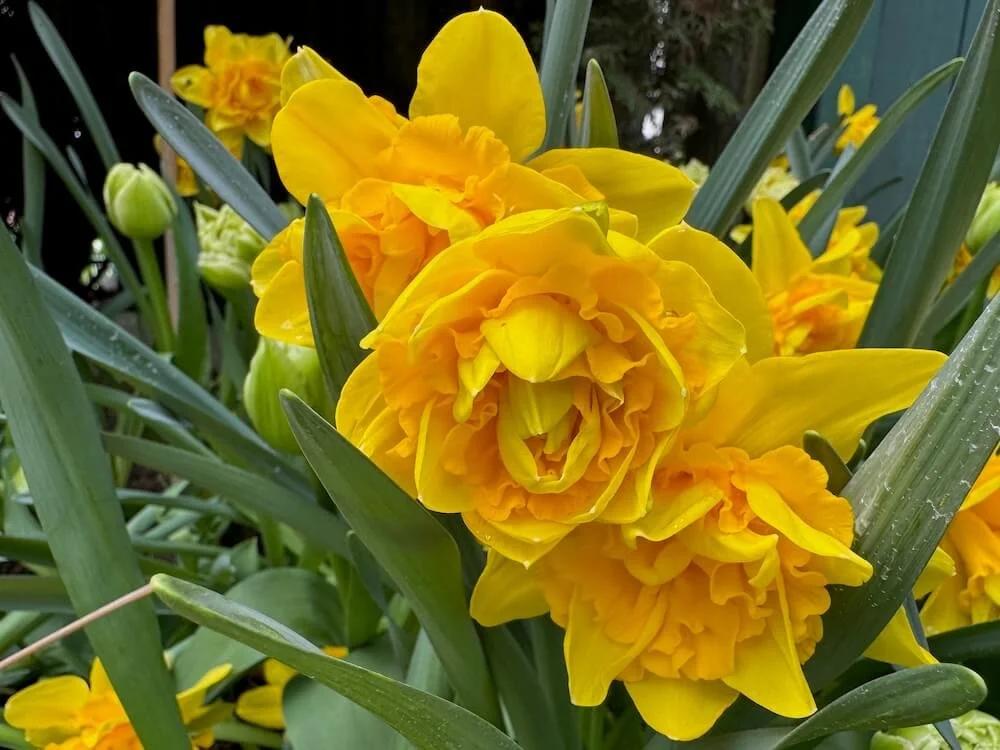
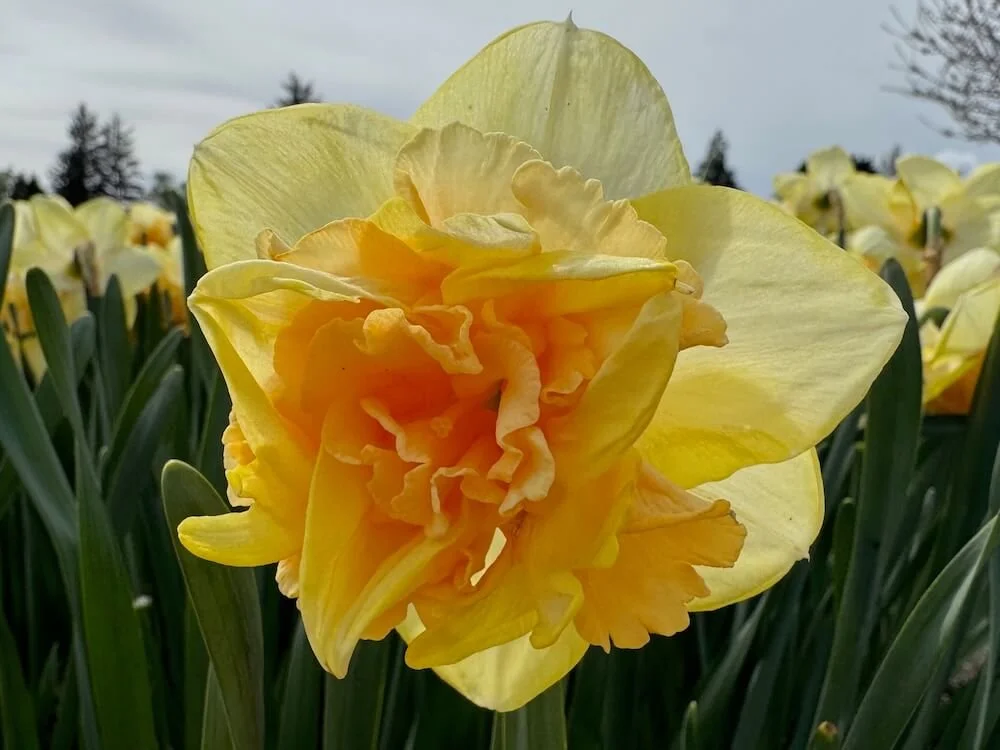
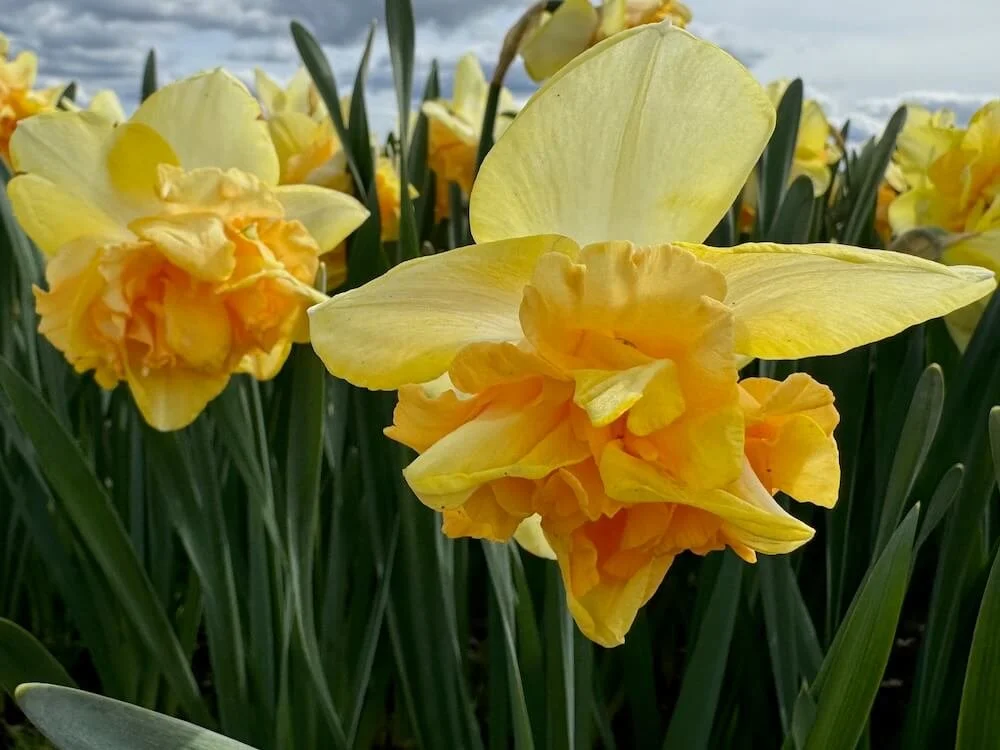
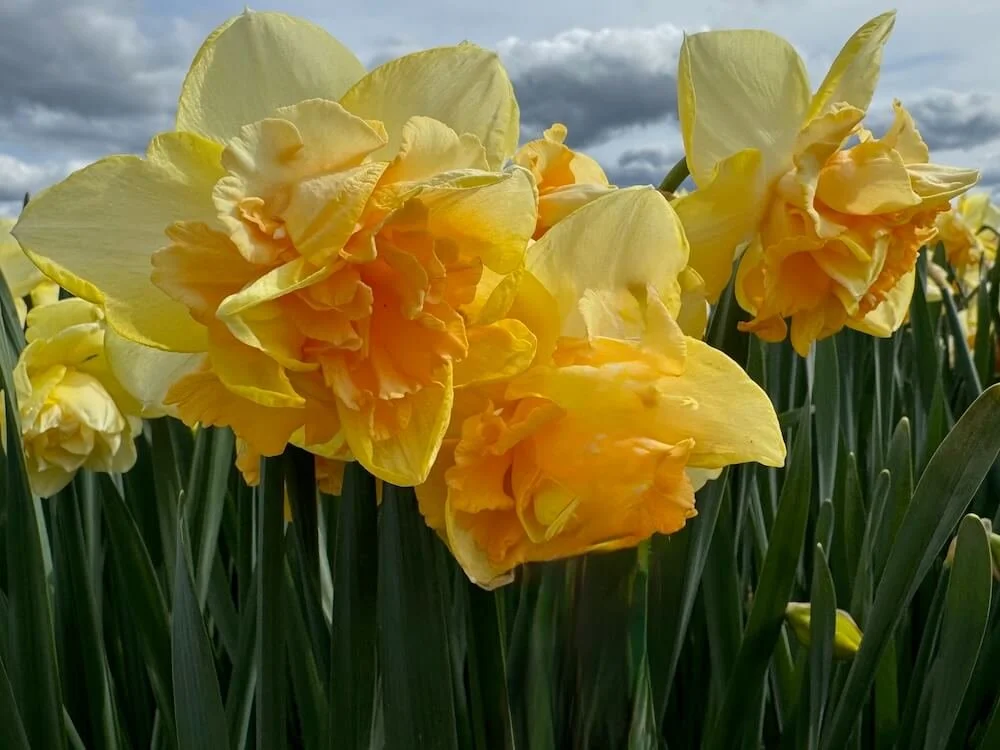
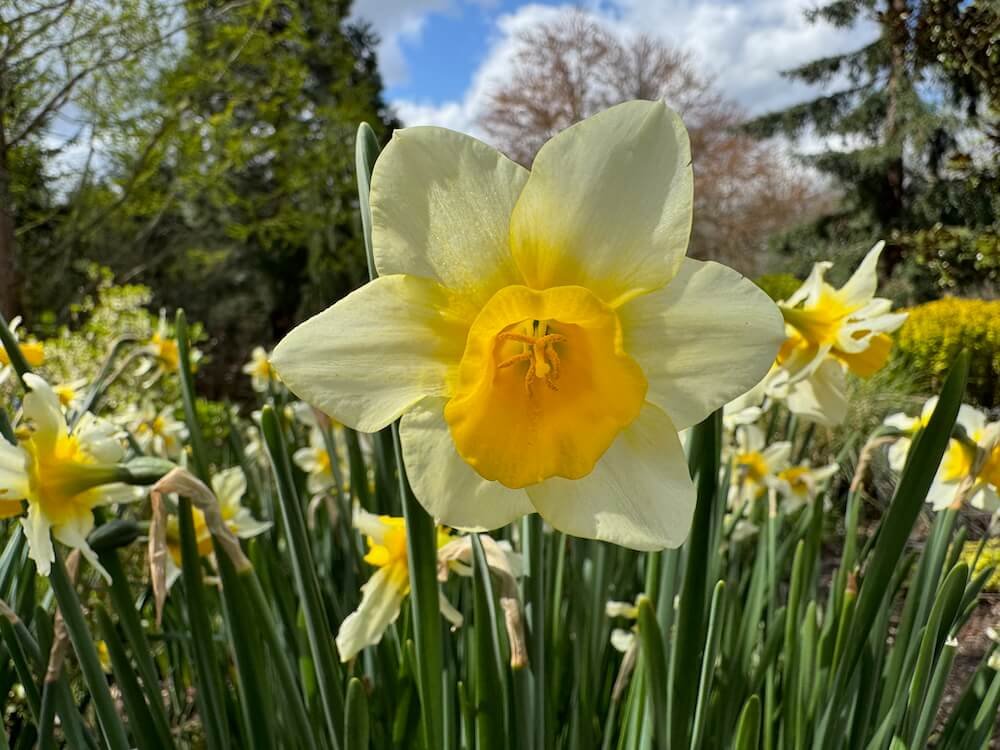
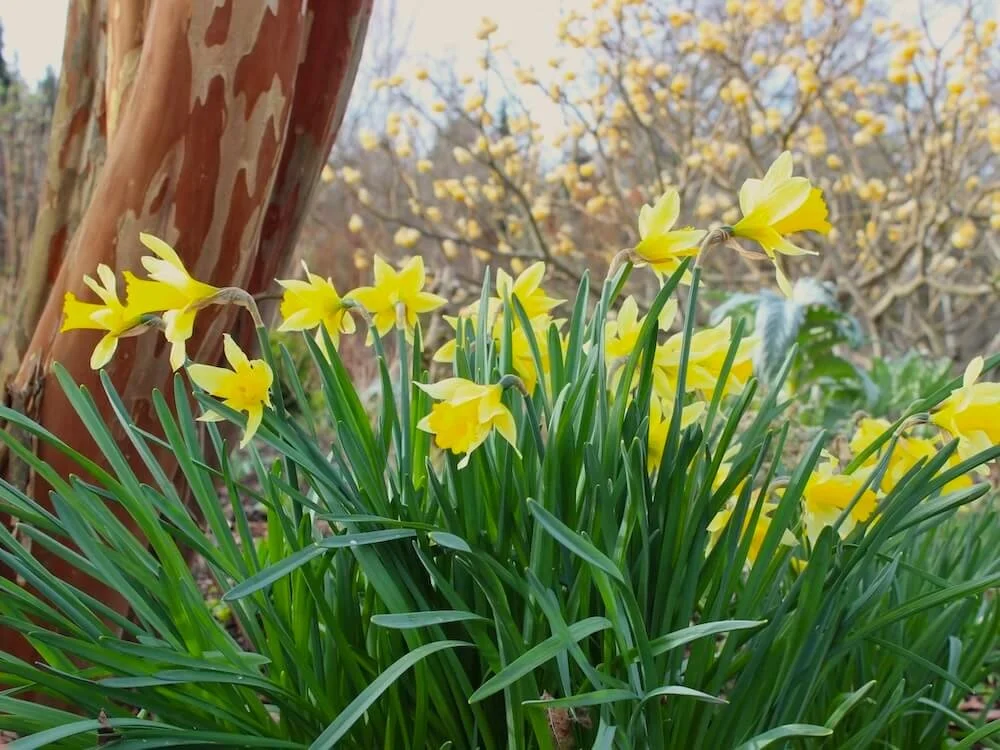
Narcissus ‘Golden Echo’ produces clear white petals that frame a glowing, long golden-yellow cup with a halo of sunny color radiating from its base. Narrow, slender, dark green foliage emerges in upright fans, creating a fresh backdrop that supports one to three fragrant flowers on each stem. The plant presents a graceful, airy presence in early spring garden beds as the buds open into abundant, delicately scented blossoms.

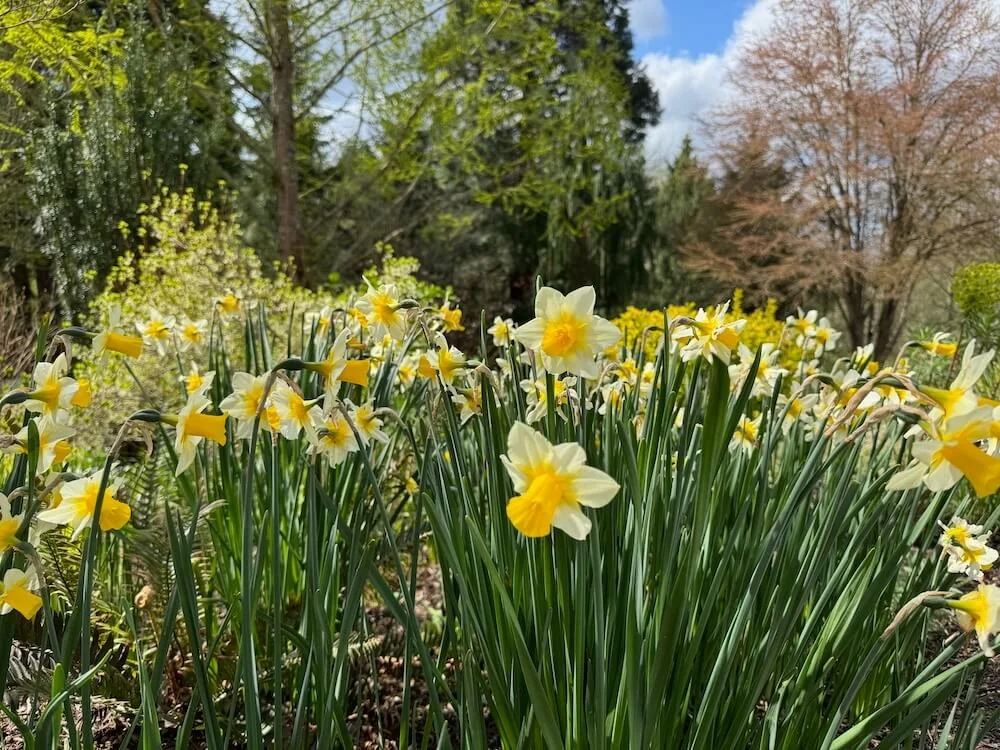
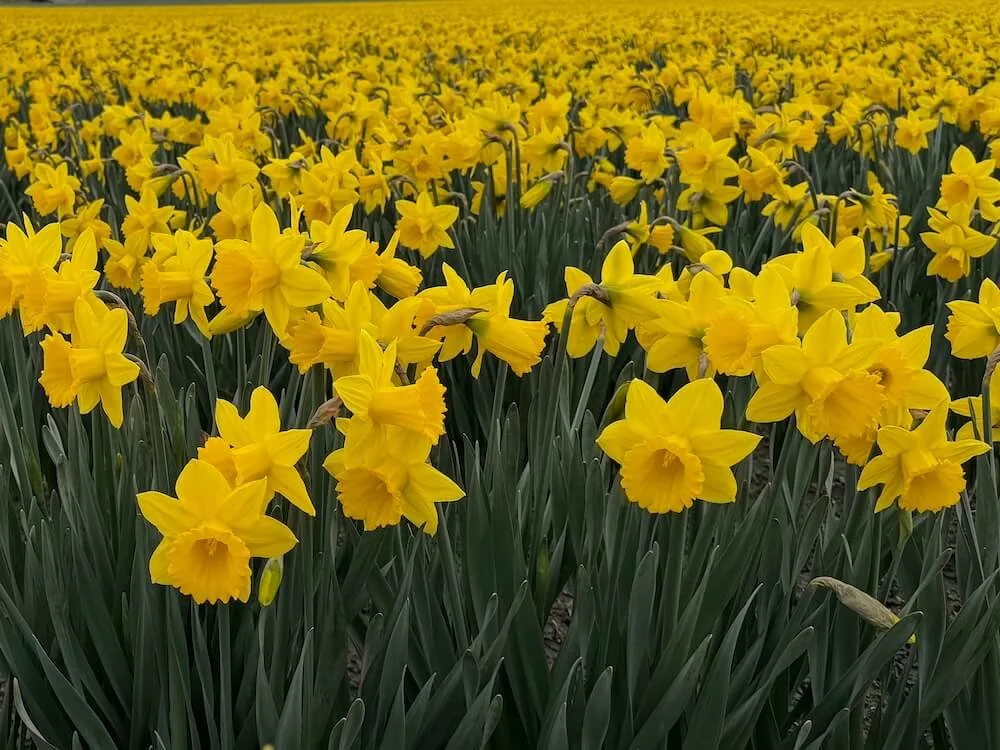
This jonquilla daffodil blooms in mid-spring with single, well-formed, open-faced flowers that are ideal for borders, mixed plantings, cutting gardens, containers, and naturalizing. Bred by American hybridizer Brent Heath and registered in 2014, it remains popular for mass displays where its long-lasting blooms and light fragrance enhance seasonal landscapes.

DESCRIPTION
Narcissus ‘Golden Echo’ produces clear white petals that frame a glowing, long golden-yellow cup with a halo of sunny color radiating from its base. Narrow, slender, dark green foliage emerges in upright fans, creating a fresh backdrop that supports one to three fragrant flowers on each stem. The plant presents a graceful, airy presence in early spring garden beds as the buds open into abundant, delicately scented blossoms.

This jonquilla daffodil blooms in mid-spring with single, well-formed, open-faced flowers that are ideal for borders, mixed plantings, cutting gardens, containers, and naturalizing. Bred by American hybridizer Brent Heath and registered in 2014, it remains popular for mass displays where its long-lasting blooms and light fragrance enhance seasonal landscapes.

 
  • Family: Amaryllidaceae
    Height: 13 to 18 in
    Foliage color: Gray-green to blue-green, narrow strap-shaped leaves
    Flower color: White petals with a golden-yellow halo at the base and a long, brilliant yellow cup
    Flower form: Jonquilla daffodil
    Bloom time: Mid to late spring
    Light requirements: Full sun to partial shade
    Water requirements: Moderate
    Maintenance: Low, remove spent flowers to prevent seed formation, allow foliage die back naturally before removal
    Growing zone: USDA zones 4 to 9
    Wildlife attractors: Occasional visits from bees and other spring pollinators

    This plant can be seen at the Bellevue Botanical Garden.

    Read more about planting and growing bulbs.
    Print Information

    Buy Plants