Narcissus 'Jetfire' | Jetfire Daffodil

$0.00

DESCRIPTION
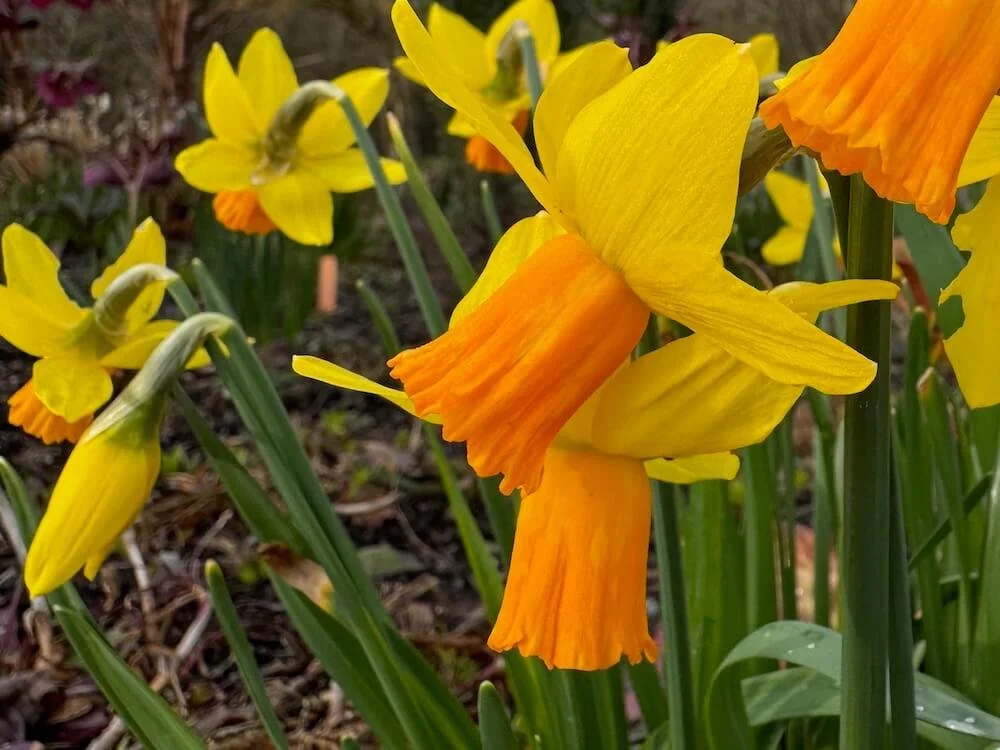
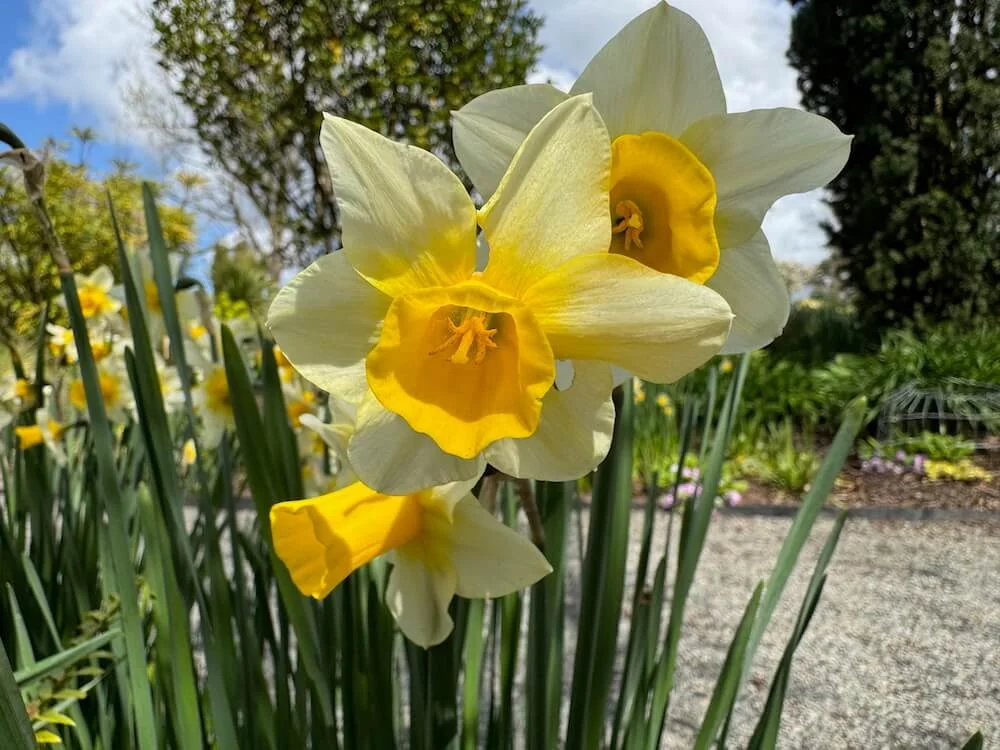
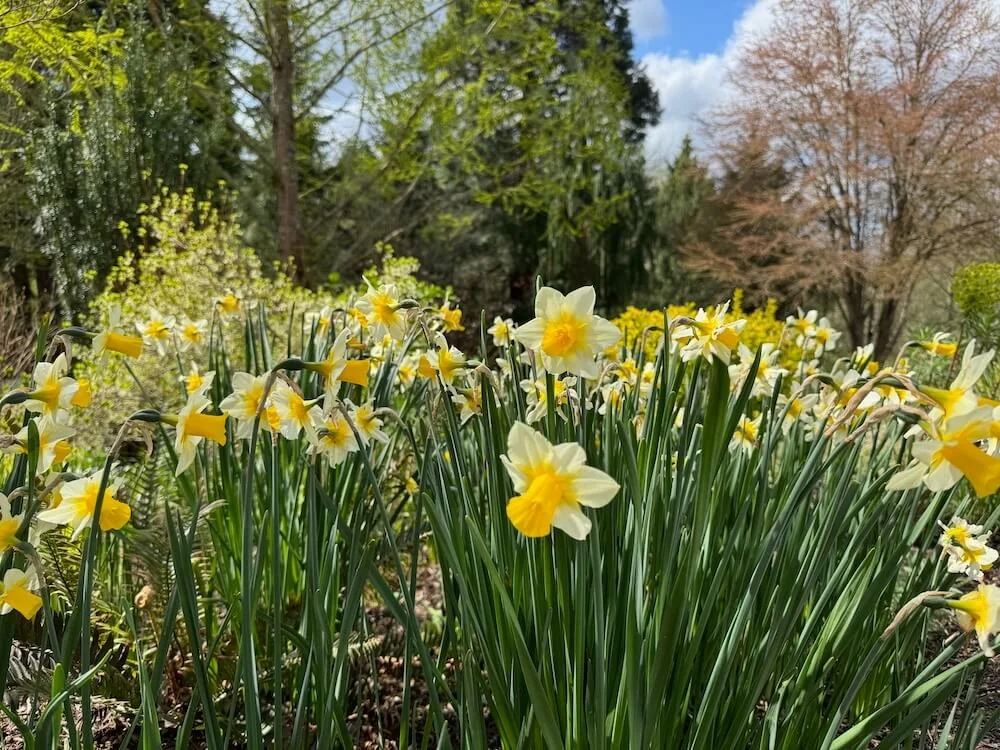
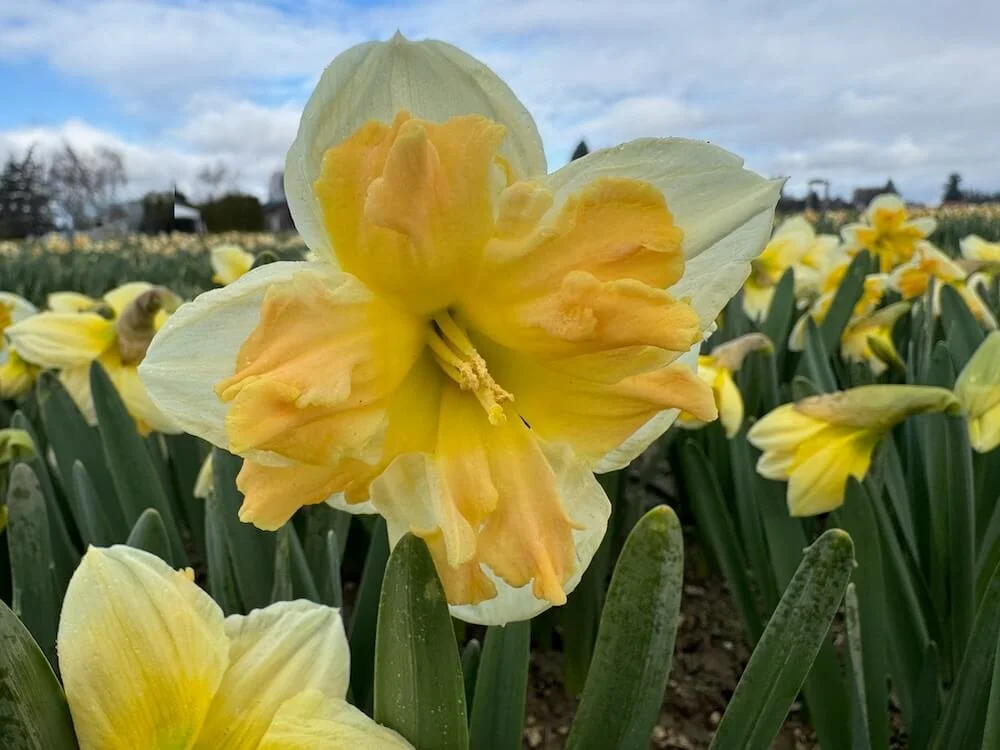
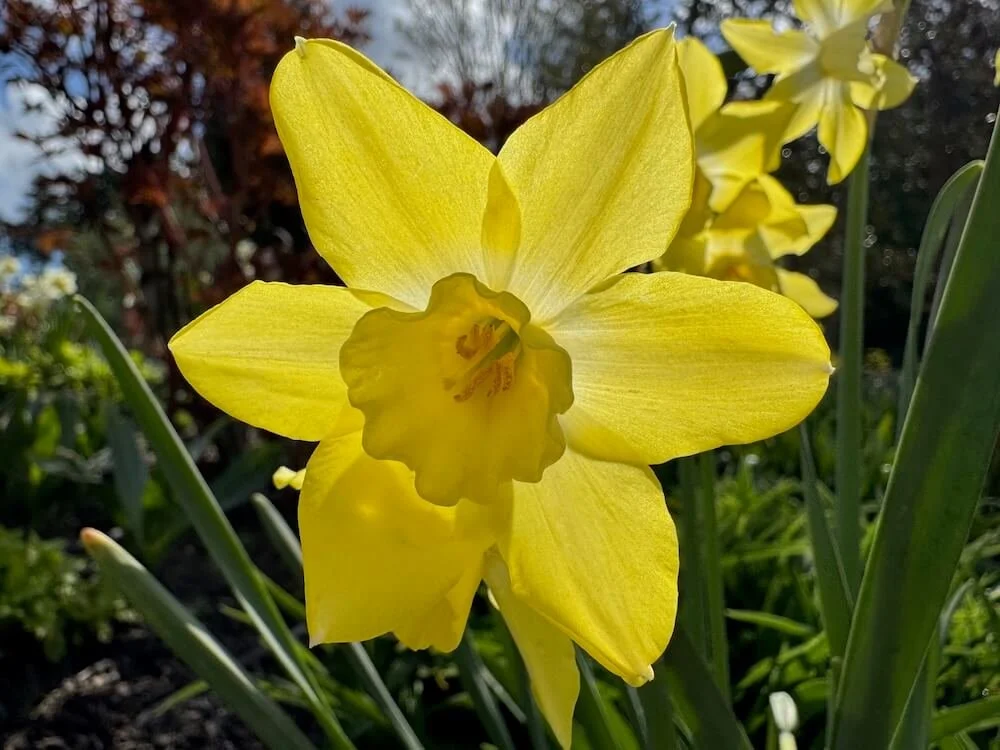
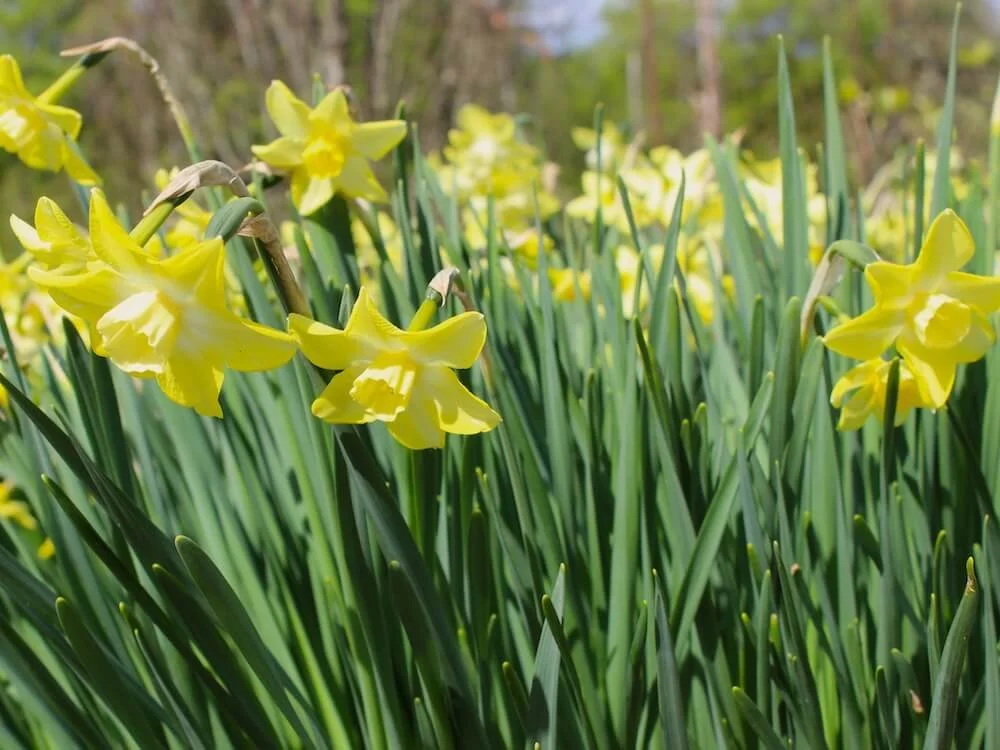
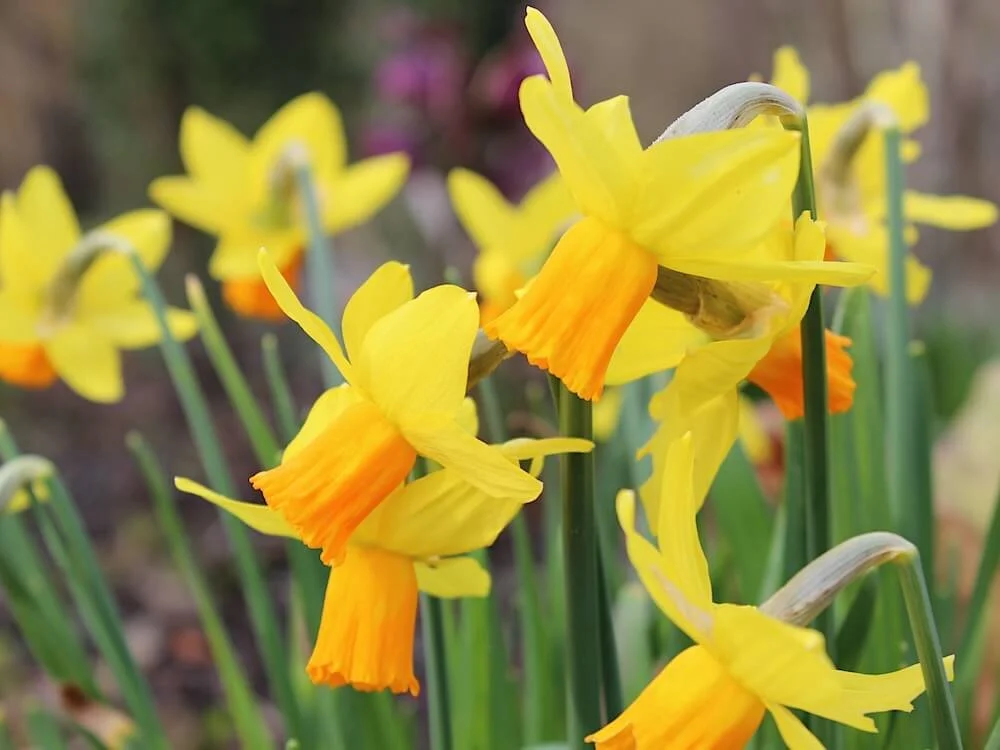
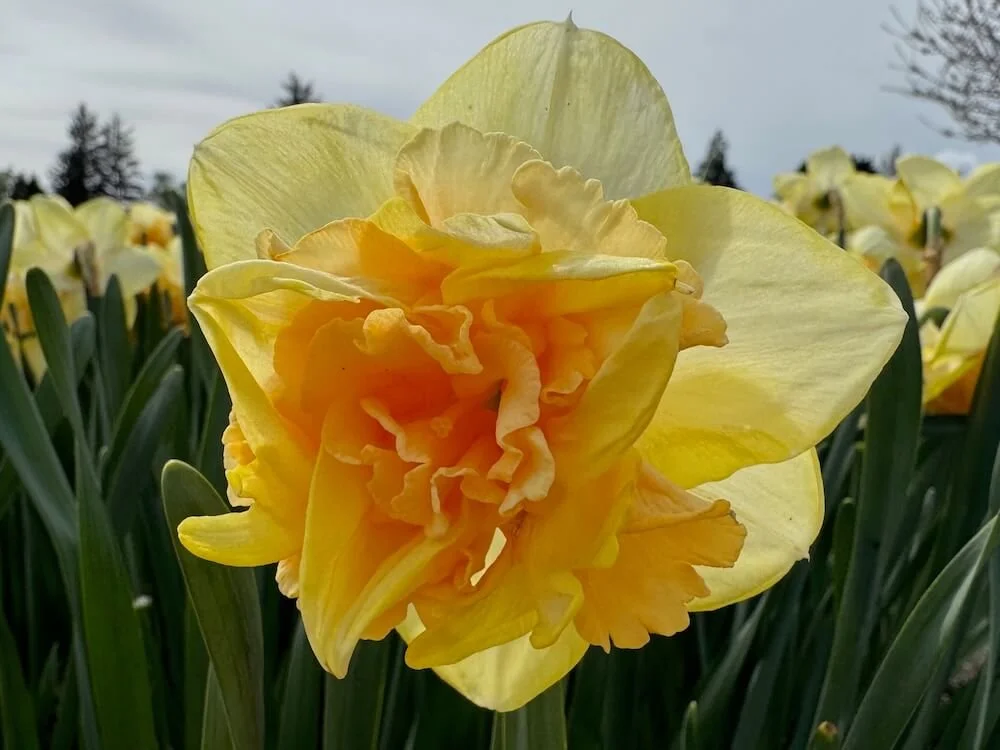
Narcissus ‘Jetfire’ displays bright yellow petals swept sharply back from a bold, flared trumpet in vivid orange-red, creating a contrast that stands out in early spring. Slim, blue-green foliage emerges in neat, upright clumps, giving the plant a tidy appearance as the blooms open. The overall habit is compact and alert, with each stem carrying a single flower that brings brightness to the earliest garden scenes.

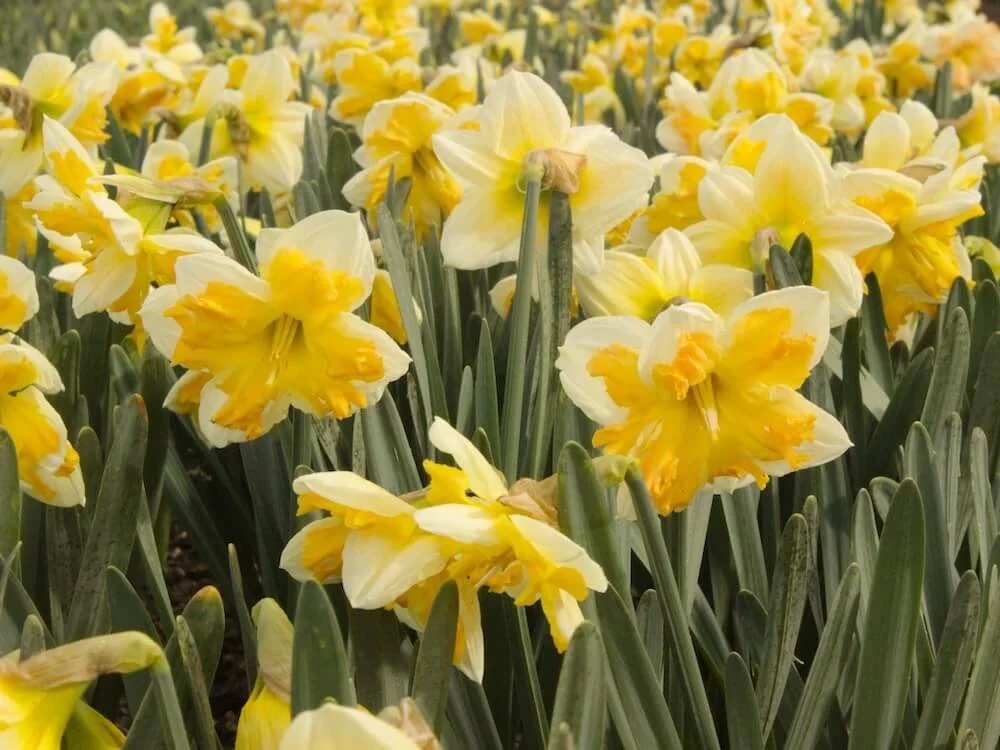
This cyclamineus daffodil blooms in late winter to early spring with swept-back flowers well suited for borders, rock gardens, containers, and naturalized plantings. Introduced in the mid-twentieth century, it remains popular for mass displays where early color brings welcome seasonal cheer.

DESCRIPTION
Narcissus ‘Jetfire’ displays bright yellow petals swept sharply back from a bold, flared trumpet in vivid orange-red, creating a contrast that stands out in early spring. Slim, blue-green foliage emerges in neat, upright clumps, giving the plant a tidy appearance as the blooms open. The overall habit is compact and alert, with each stem carrying a single flower that brings brightness to the earliest garden scenes.

This cyclamineus daffodil blooms in late winter to early spring with swept-back flowers well suited for borders, rock gardens, containers, and naturalized plantings. Introduced in the mid-twentieth century, it remains popular for mass displays where early color brings welcome seasonal cheer.

 
  • Family: Amaryllidaceae
    Height: 8 to 12 in
    Foliage color: Medium green to blue-green, narrow strap-shaped leaves
    Flower color: Golden yellow, strongly reflexed petals with a vivid orange to orange-red trumpet
    Flower form: Cyclamineus daffodil
    Bloom time: Early spring
    Light requirements: Full sun to partial shade
    Water requirements: Moderate
    Maintenance: Low, remove spent flowers to prevent seed formation, allow foliage die back naturally before removal
    Growing zone: USDA zones 3 to 8
    Wildlife attractors: Occasional visits from bees and other spring pollinators

    This plant can be seen at the Bellevue Botanical Garden.

    Read more about planting and growing bulbs.
    Print Information

    Buy Plants