Narcissus 'Le Torch' | Le Torch Daffodil

$0.00

DESCRIPTION
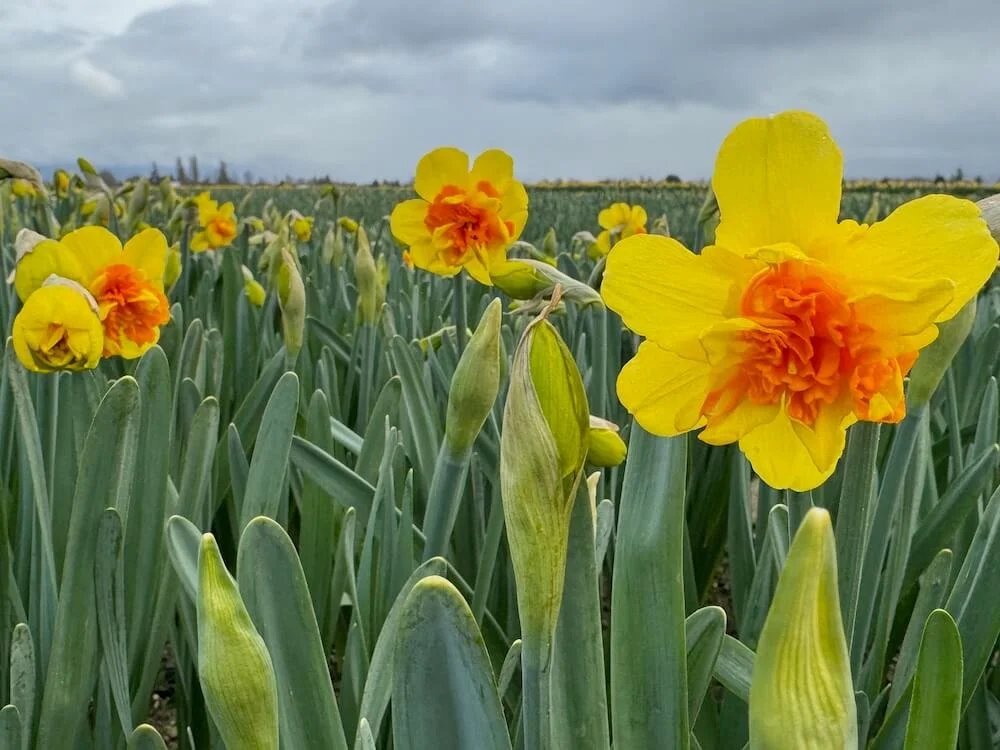
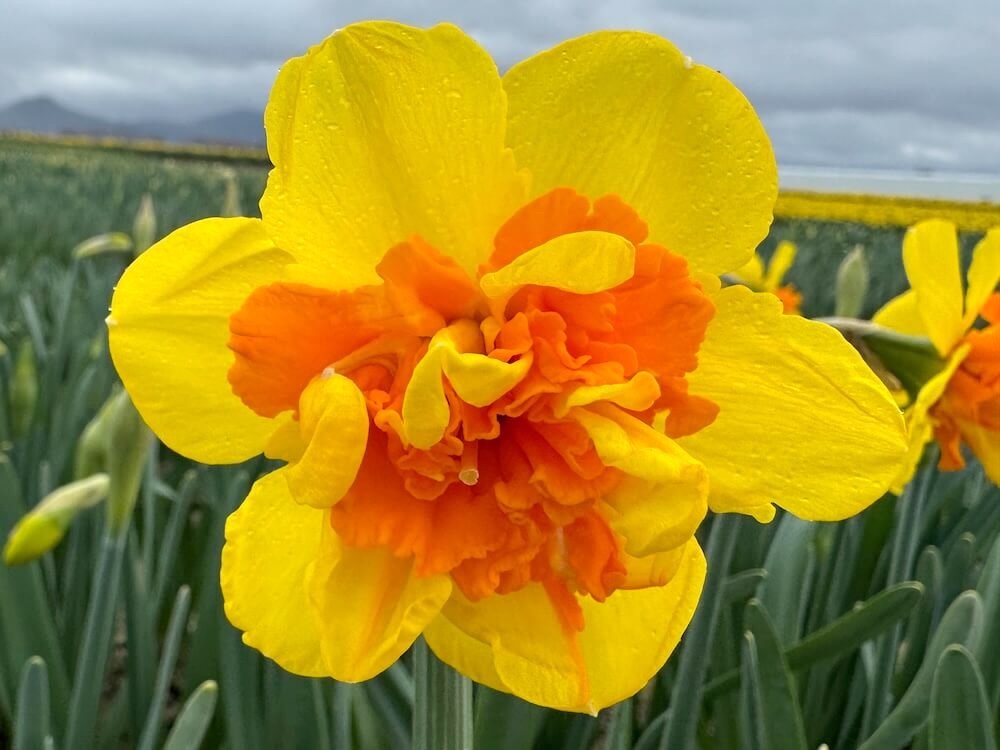
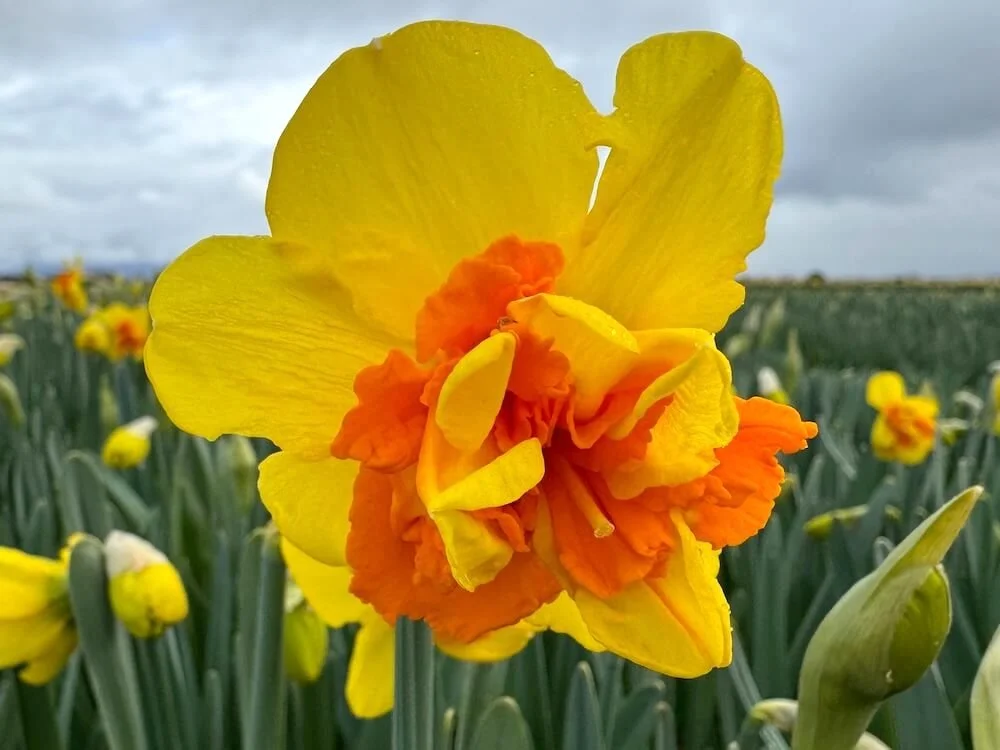
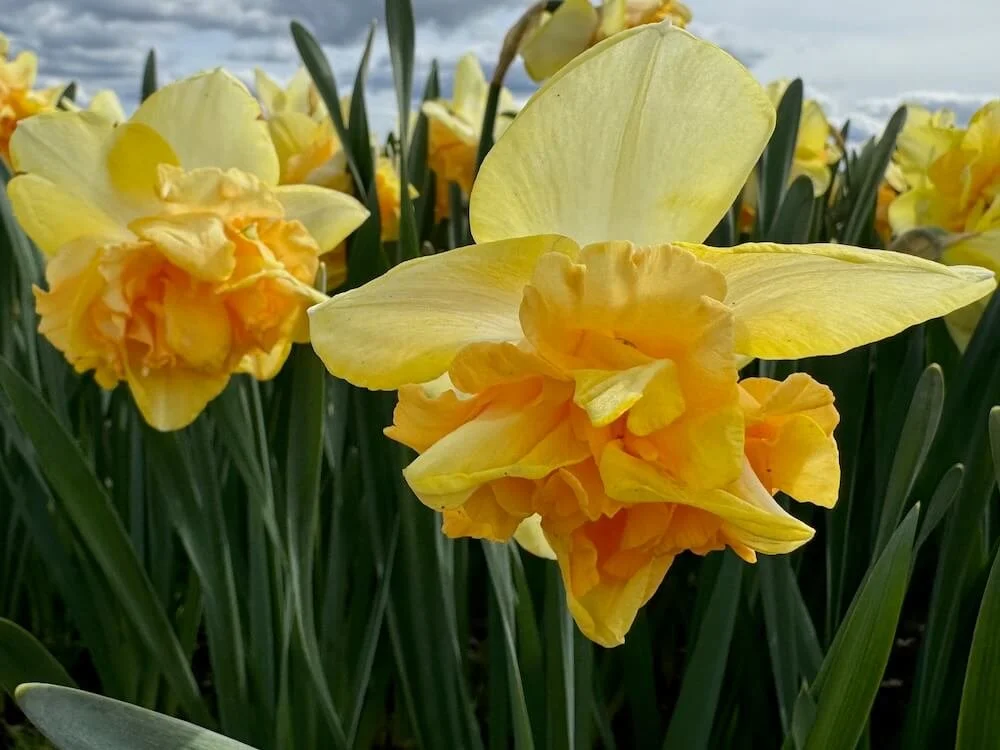
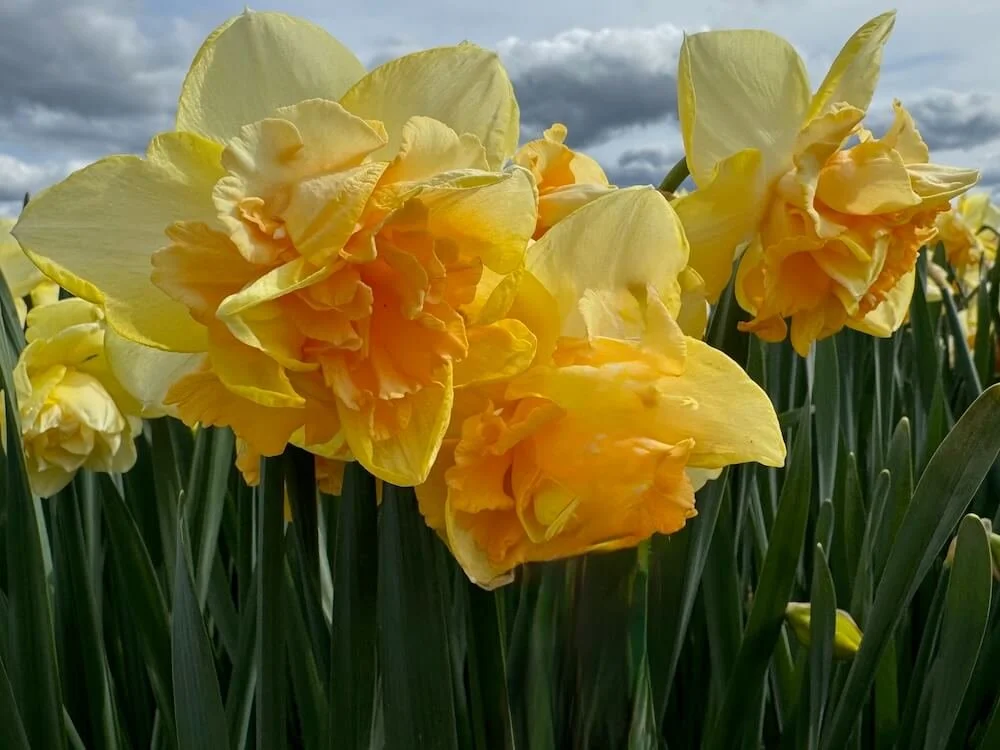
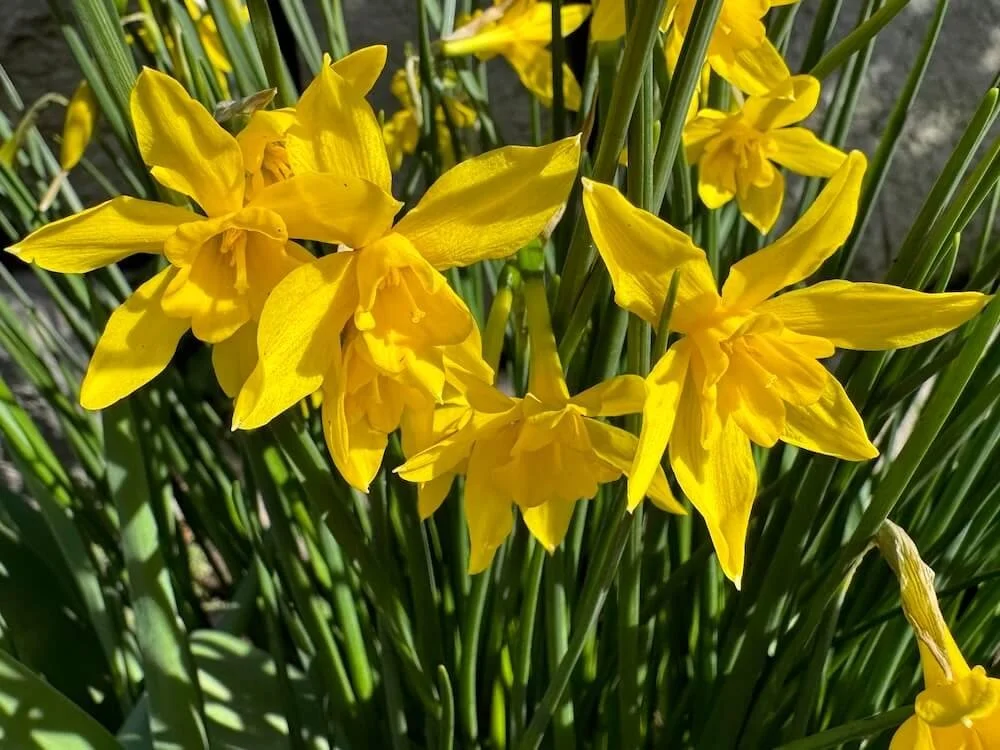
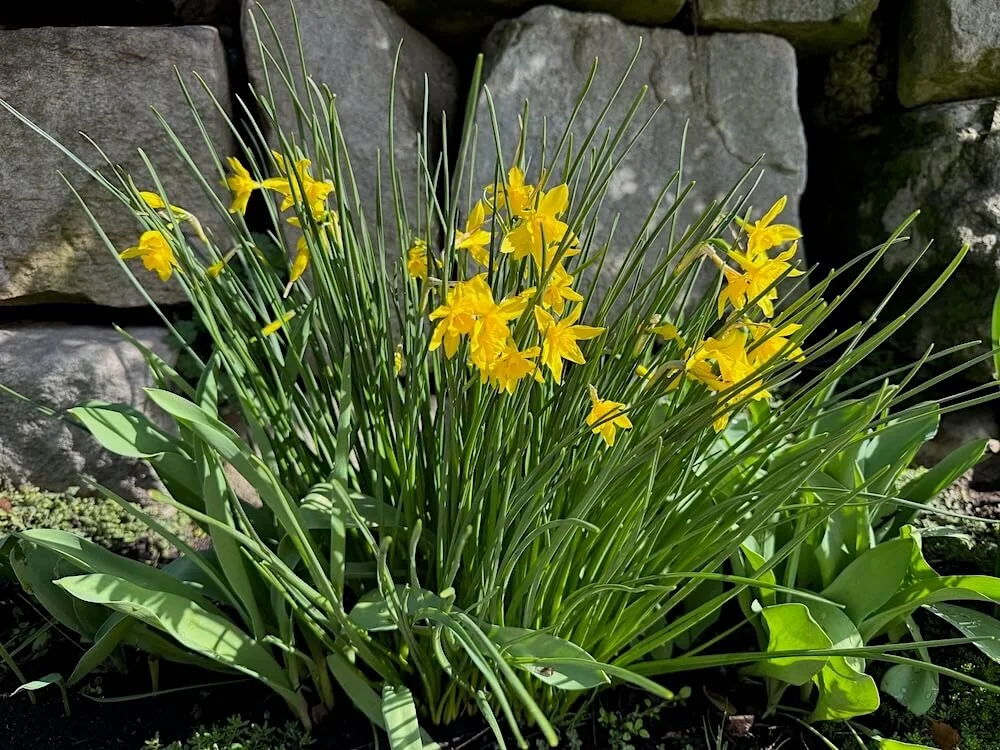
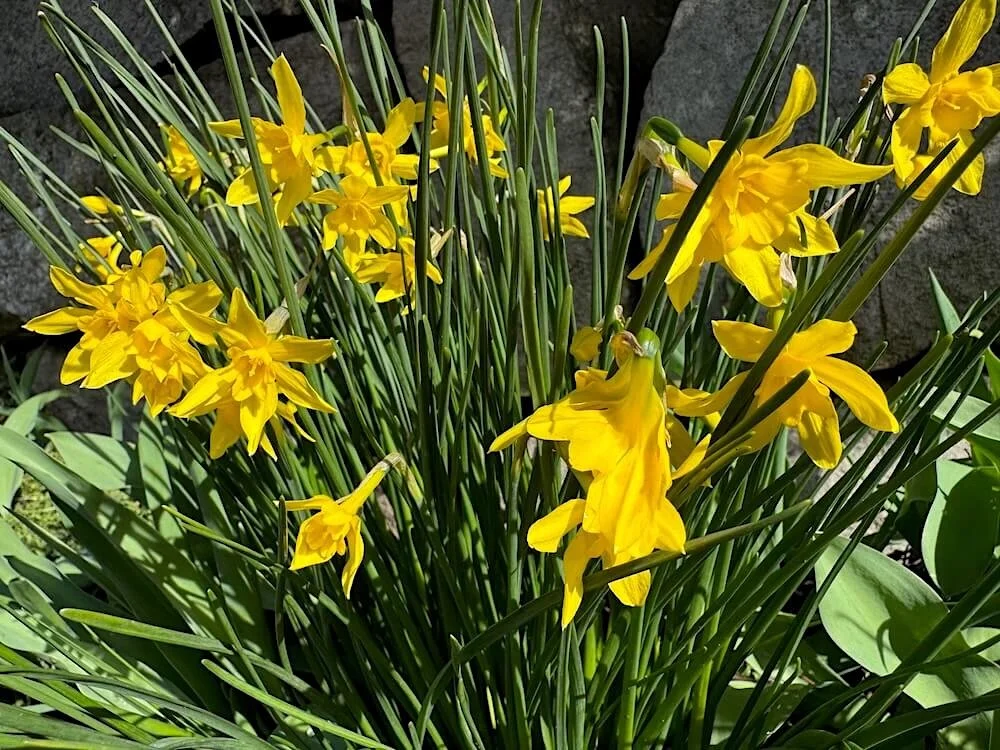
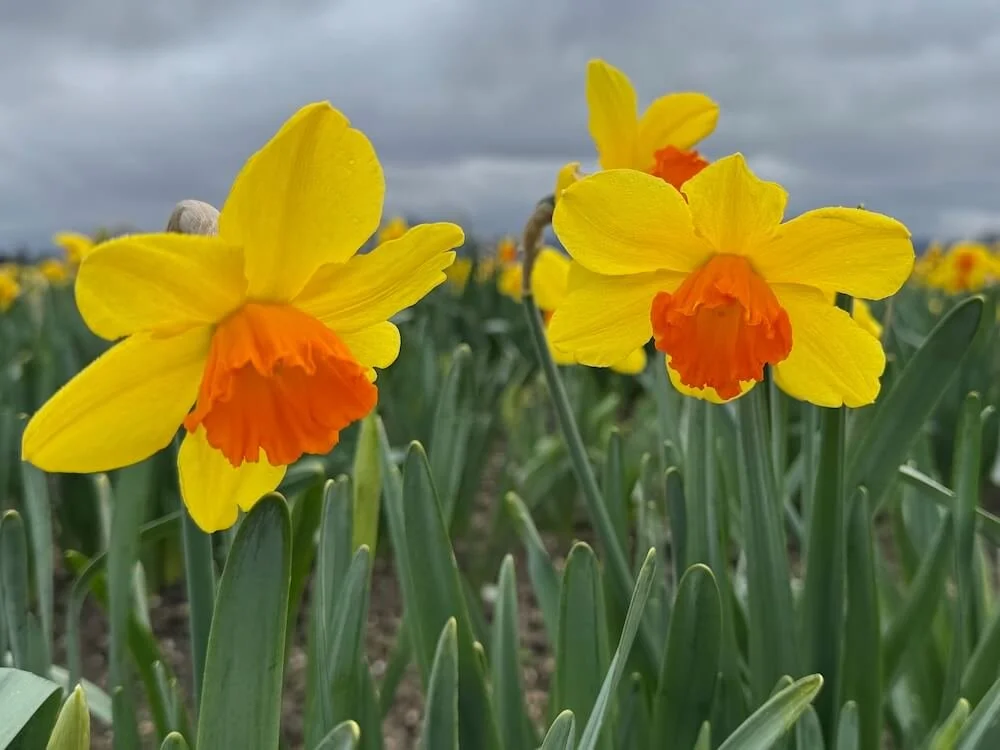
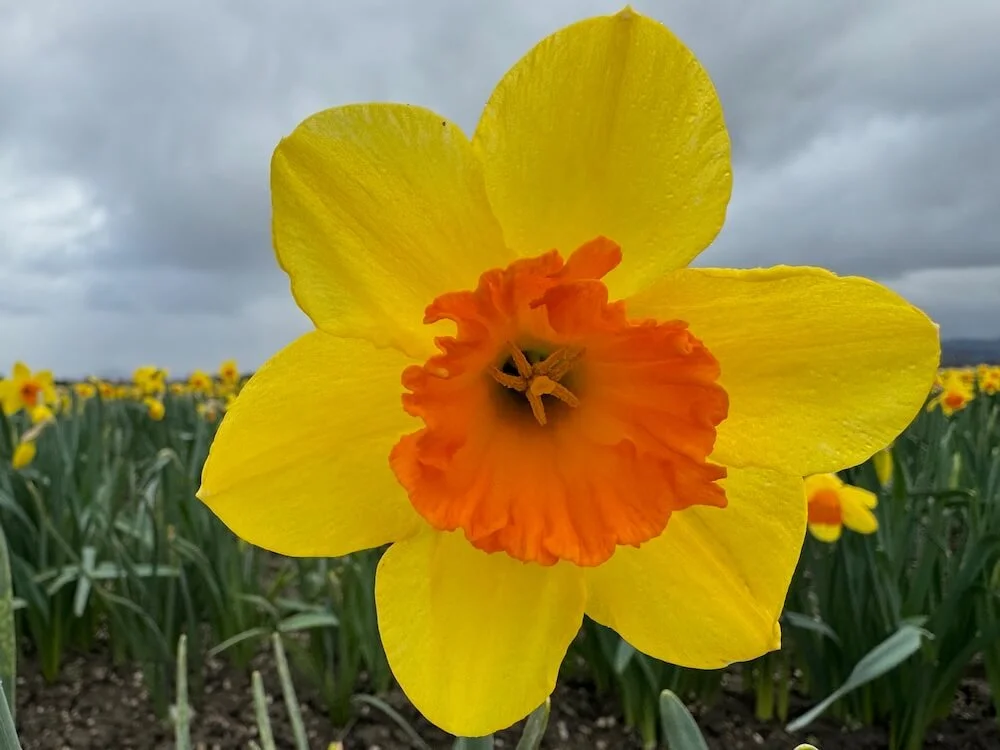
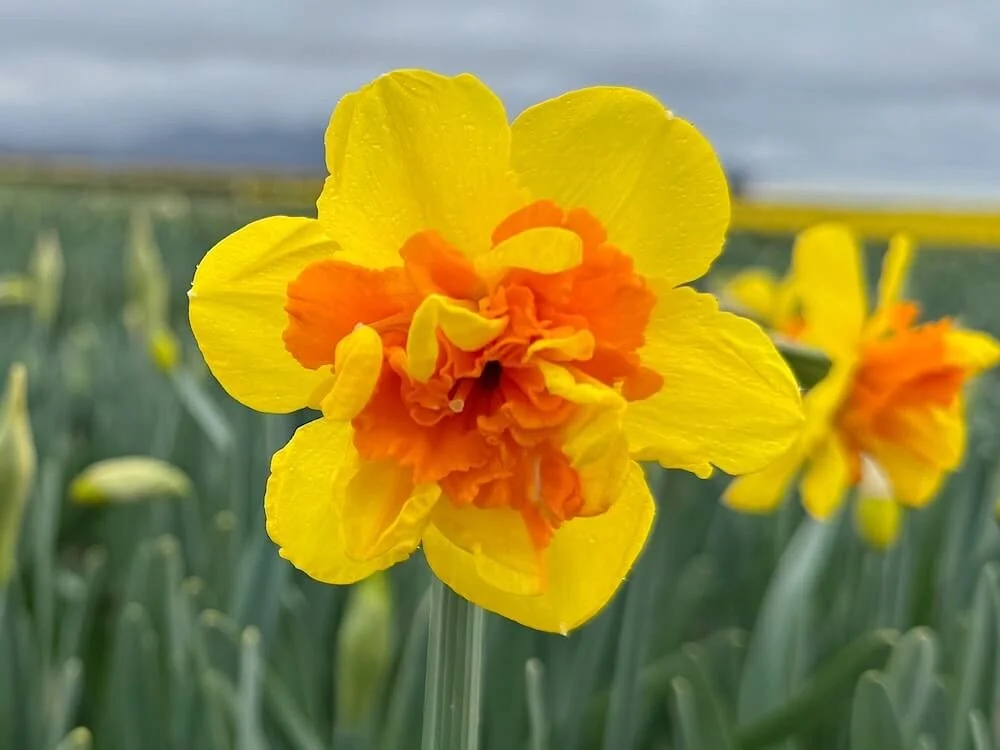
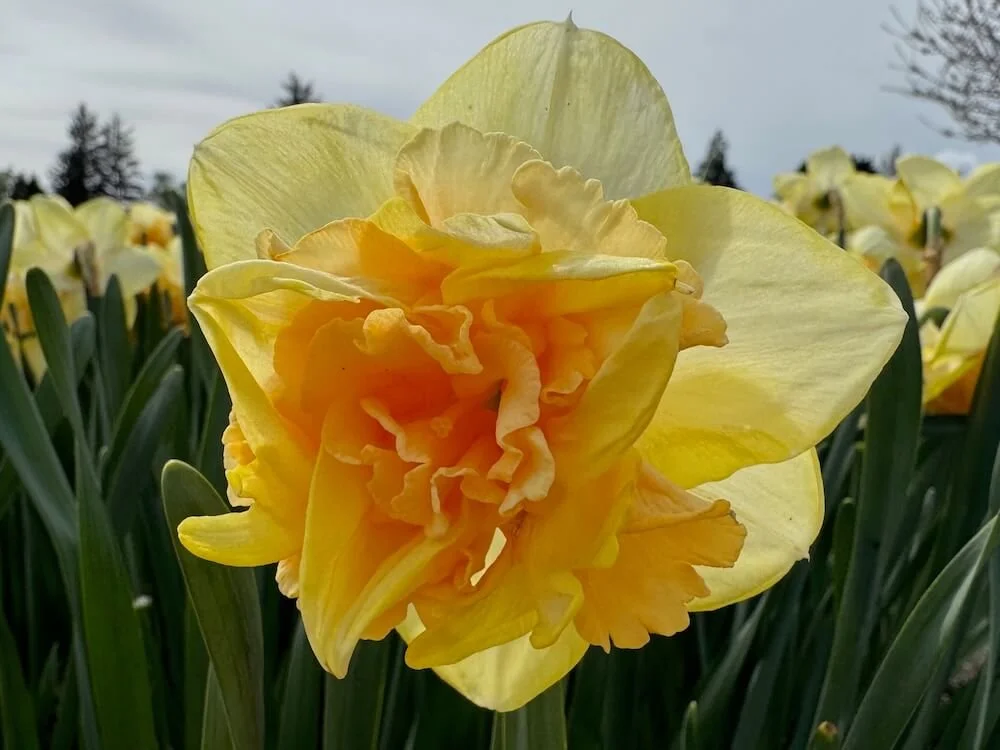
Narcissus ‘Le Torch’ produces bold spring flowers with rich golden-yellow outer petals surrounding a densely layered center of glowing orange to red-orange segments that create a warm, torch-like effect. Smooth, blue-green foliage rises in upright clumps, giving the plant a clean, architectural presence as the blooms open. The overall habit is sturdy and well balanced, with each stem supporting a full, rounded flower that brings depth and intensity to seasonal plantings.

This double daffodil blooms in mid spring and is well suited for borders, containers, cutting gardens, and naturalized drifts where richly colored blooms enhance garden displays. Introduced through twentieth-century breeding programs, it remains widely planted for dependable flowering and lasting spring color.

DESCRIPTION
Narcissus ‘Le Torch’ produces bold spring flowers with rich golden-yellow outer petals surrounding a densely layered center of glowing orange to red-orange segments that create a warm, torch-like effect. Smooth, blue-green foliage rises in upright clumps, giving the plant a clean, architectural presence as the blooms open. The overall habit is sturdy and well balanced, with each stem supporting a full, rounded flower that brings depth and intensity to seasonal plantings.

This double daffodil blooms in mid spring and is well suited for borders, containers, cutting gardens, and naturalized drifts where richly colored blooms enhance garden displays. Introduced through twentieth-century breeding programs, it remains widely planted for dependable flowering and lasting spring color.

 
  • Family: Amaryllidaceae
    Height: 14 to 18 in
    Foliage color: Medium green to blue-green, narrow strap-shaped leaves
    Flower color: Golden yellow petals with bright orange to orange-red ruffled segments in the fully double center
    Flower form: Double daffodil
    Bloom time: Mid spring
    Light requirements: Full sun to partial shade
    Water requirements: Moderate
    Maintenance: Low, remove spent flowers to prevent seed formation, allow foliage die back naturally before removal
    Growing zone: USDA zones 3 to 8
    Wildlife attractors: Occasional visits from bees and other spring pollinators

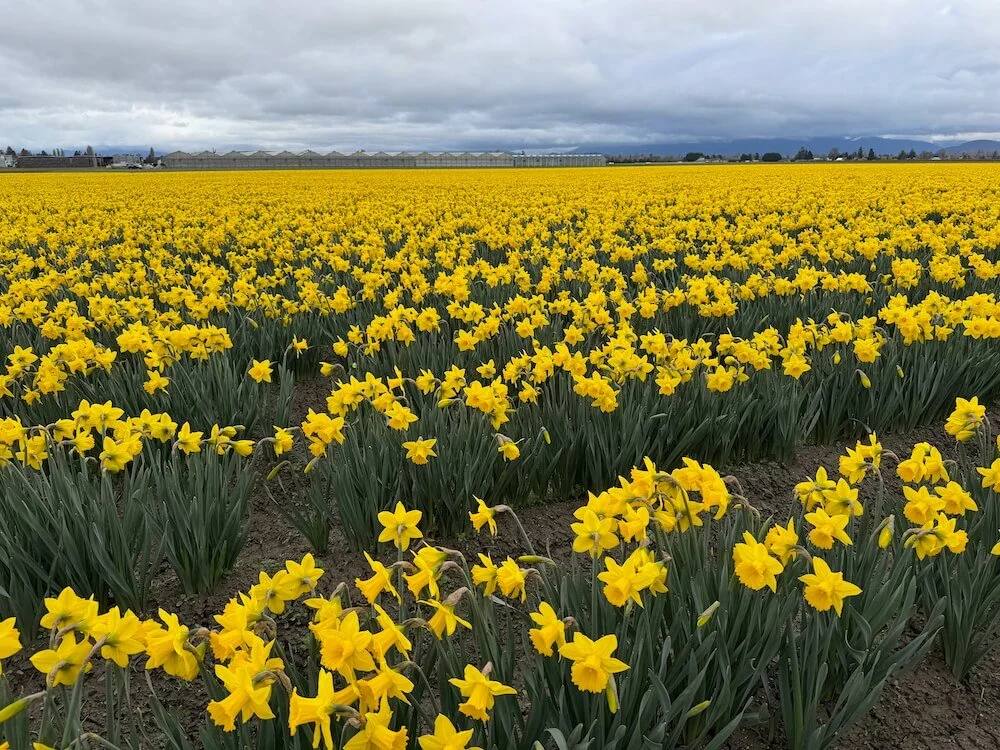
    This plant can be seen at Roozengaarde.

    Read more about planting and growing bulbs.
    Print Information

    Buy Plants