Narcissus 'Tahiti' | Tahiti Daffodil

$0.00

DESCRIPTION
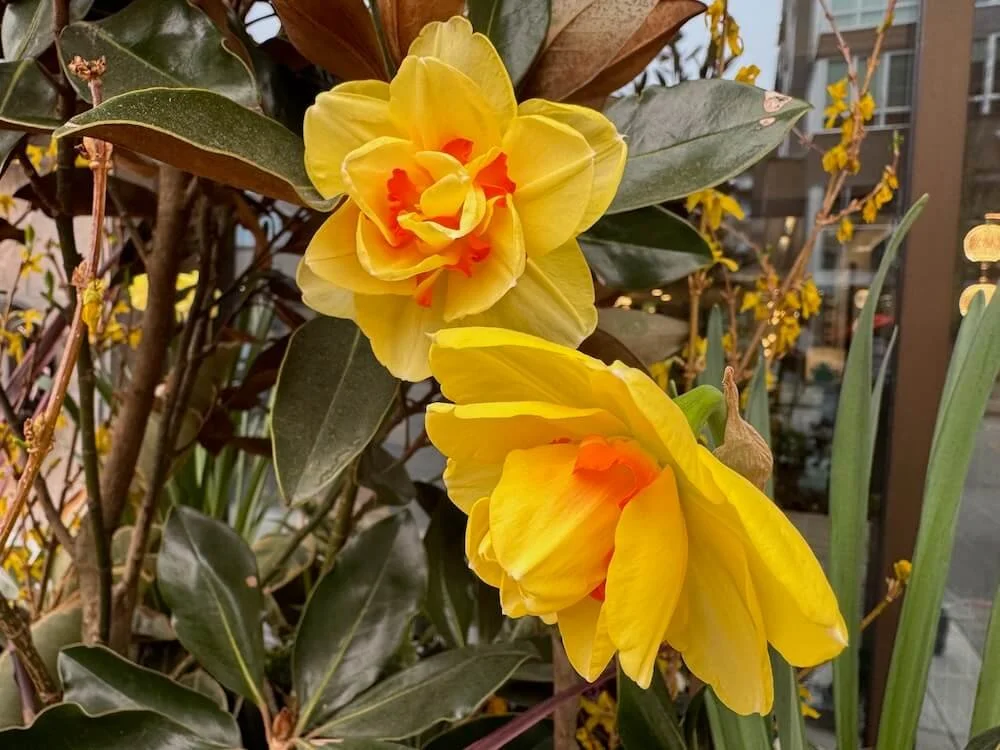
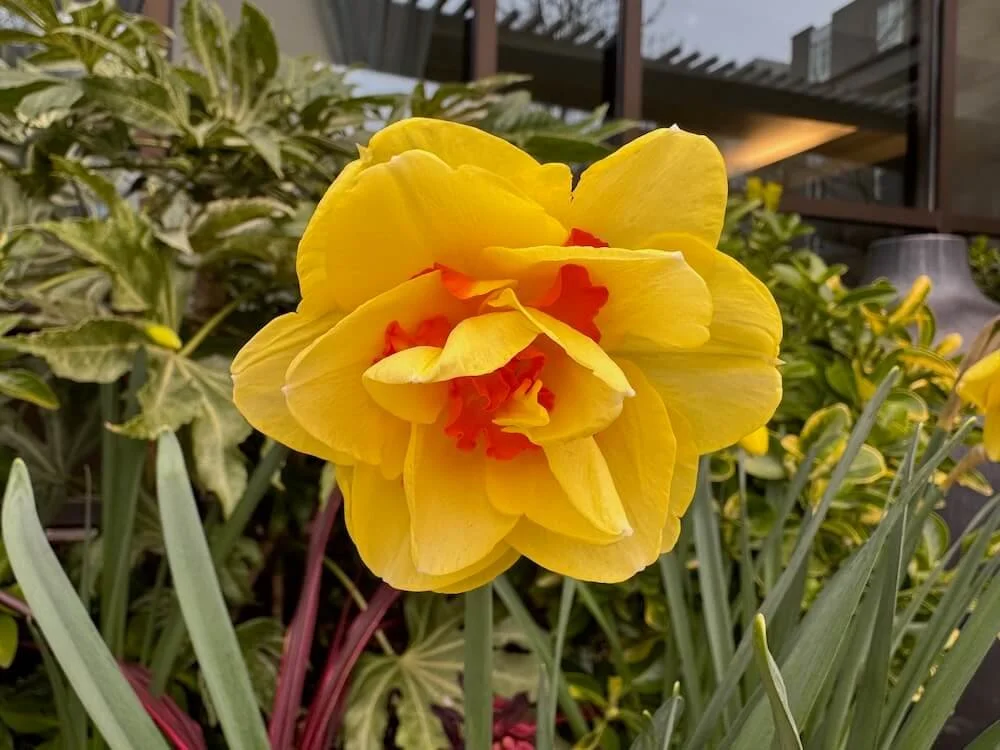
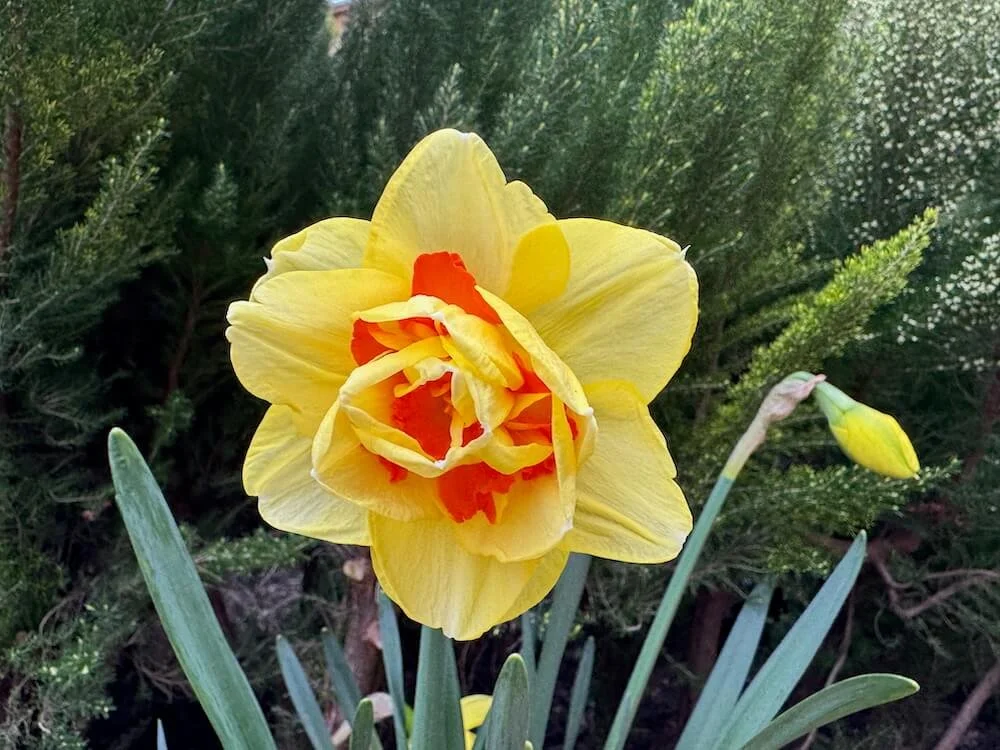
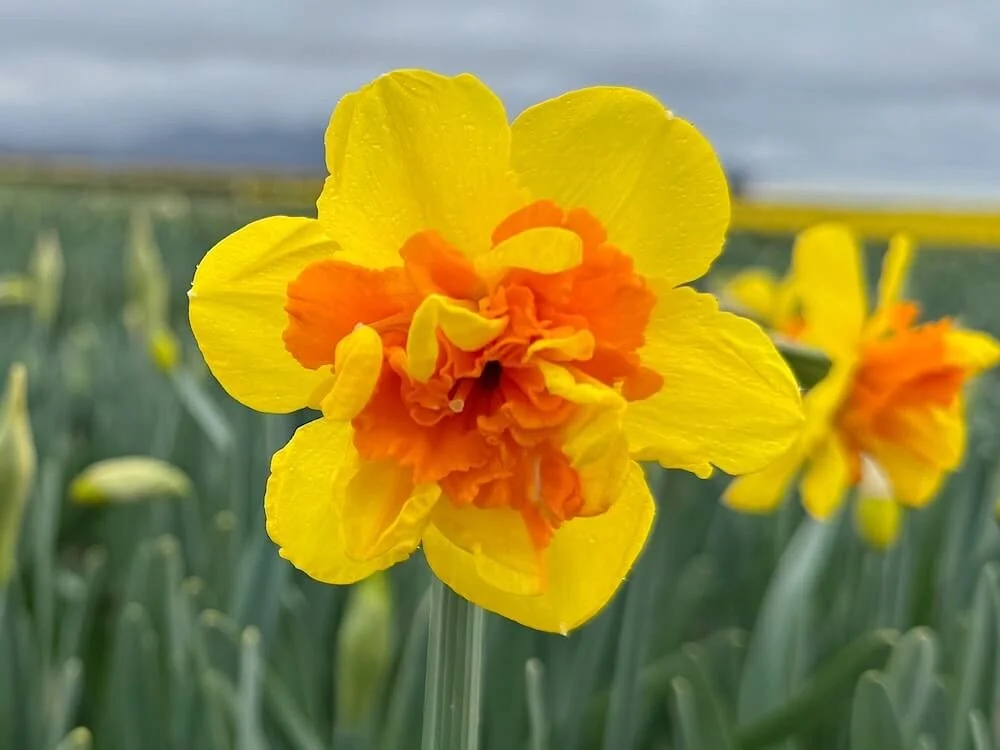
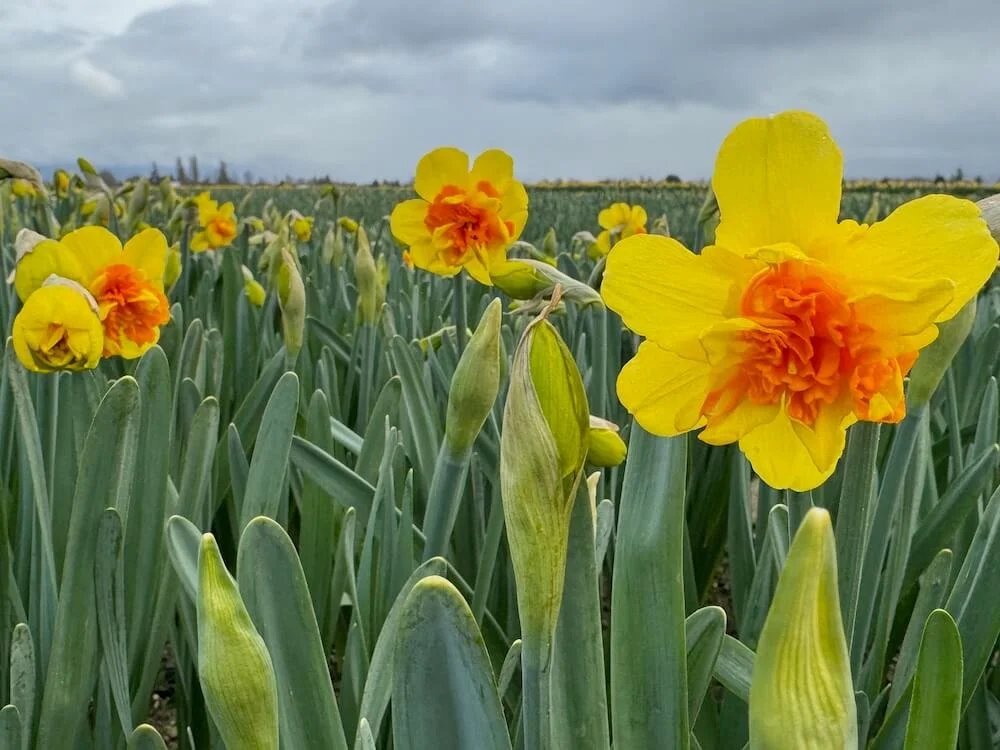
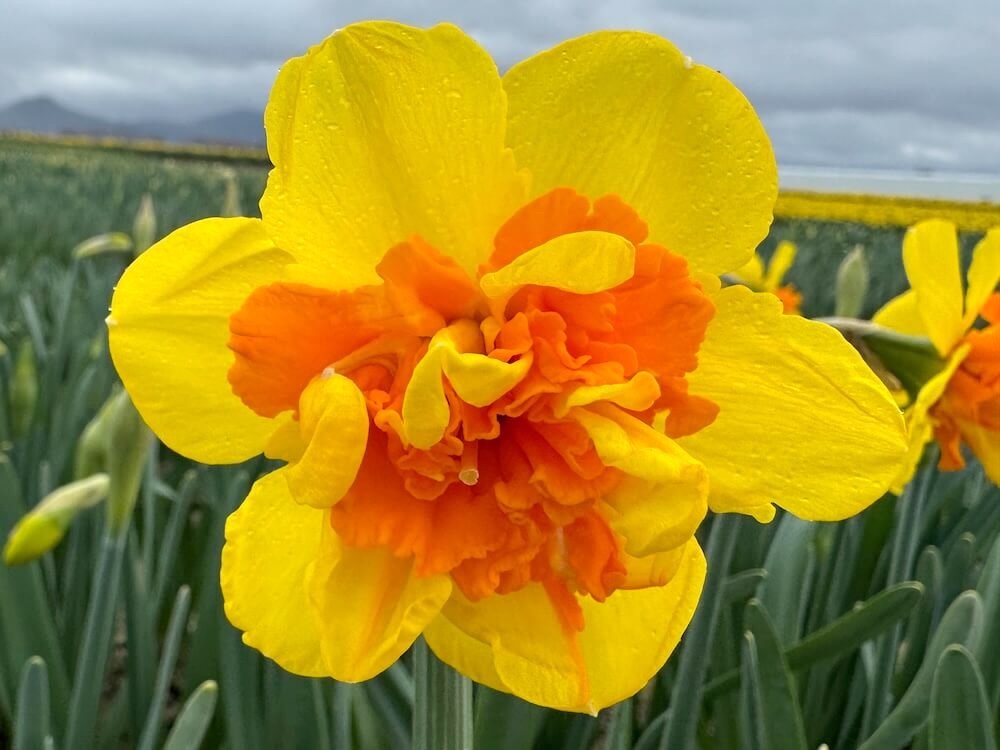
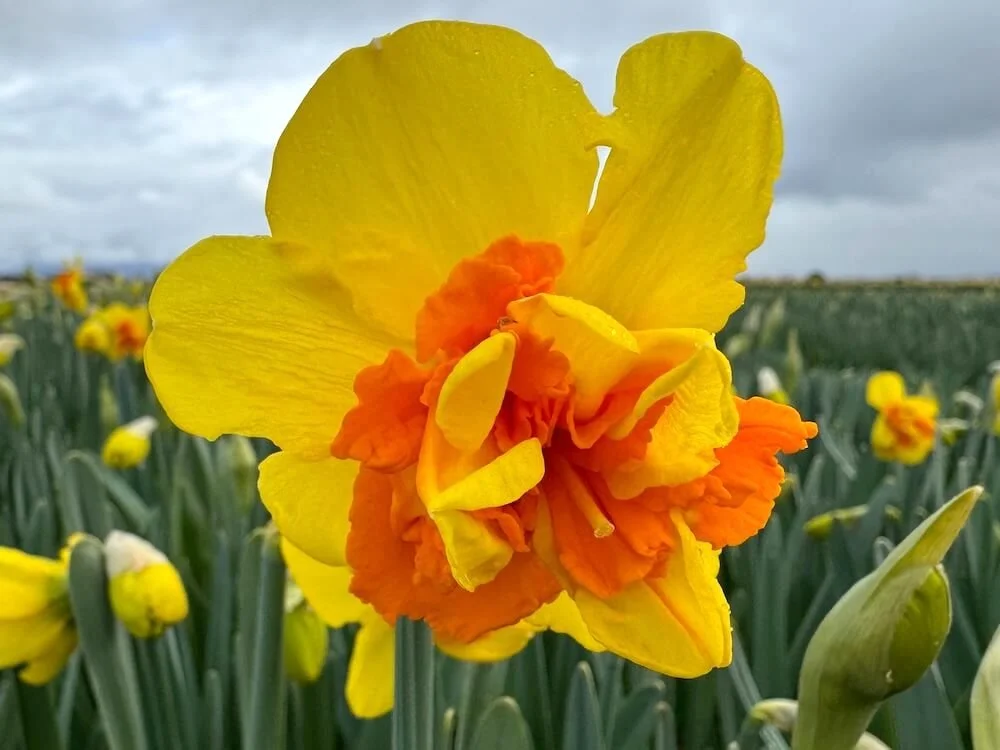
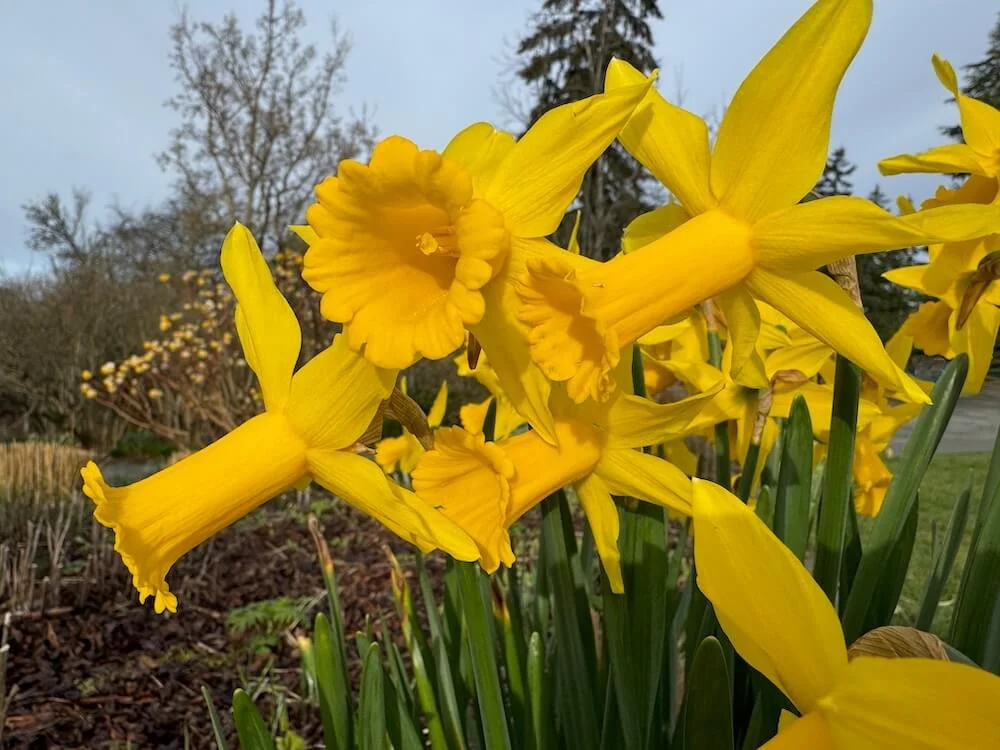
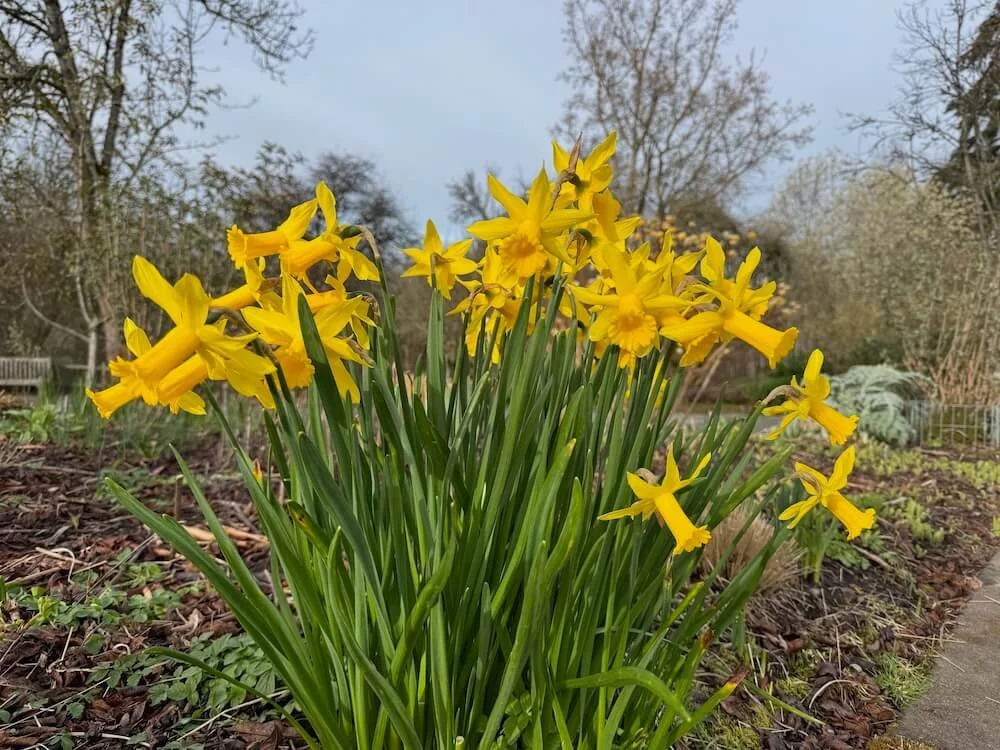
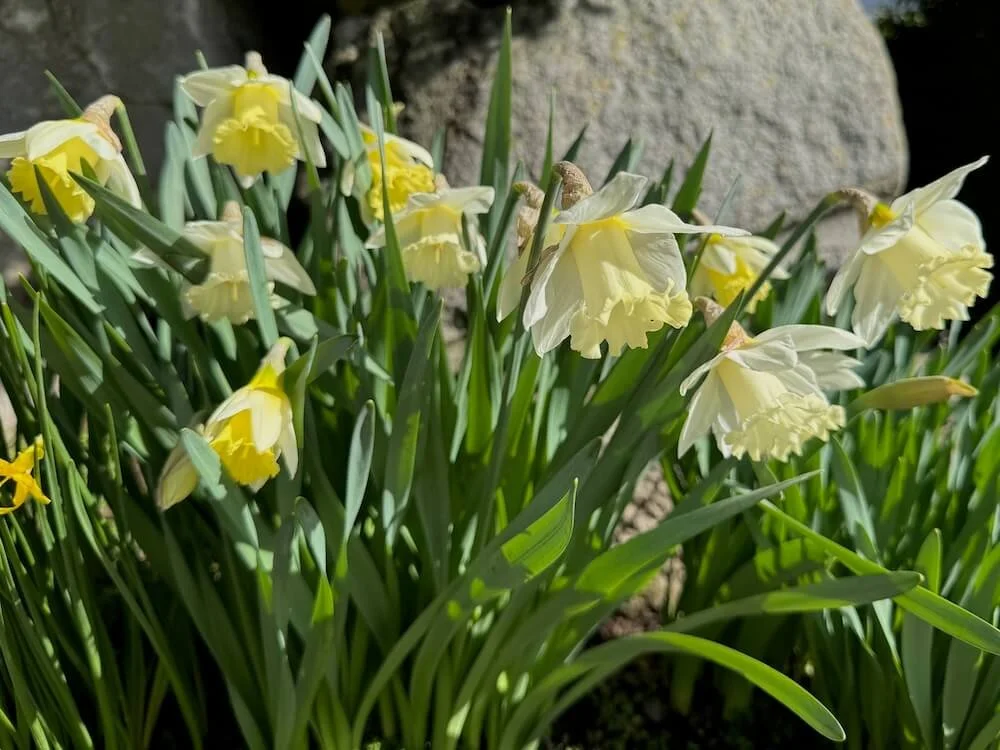
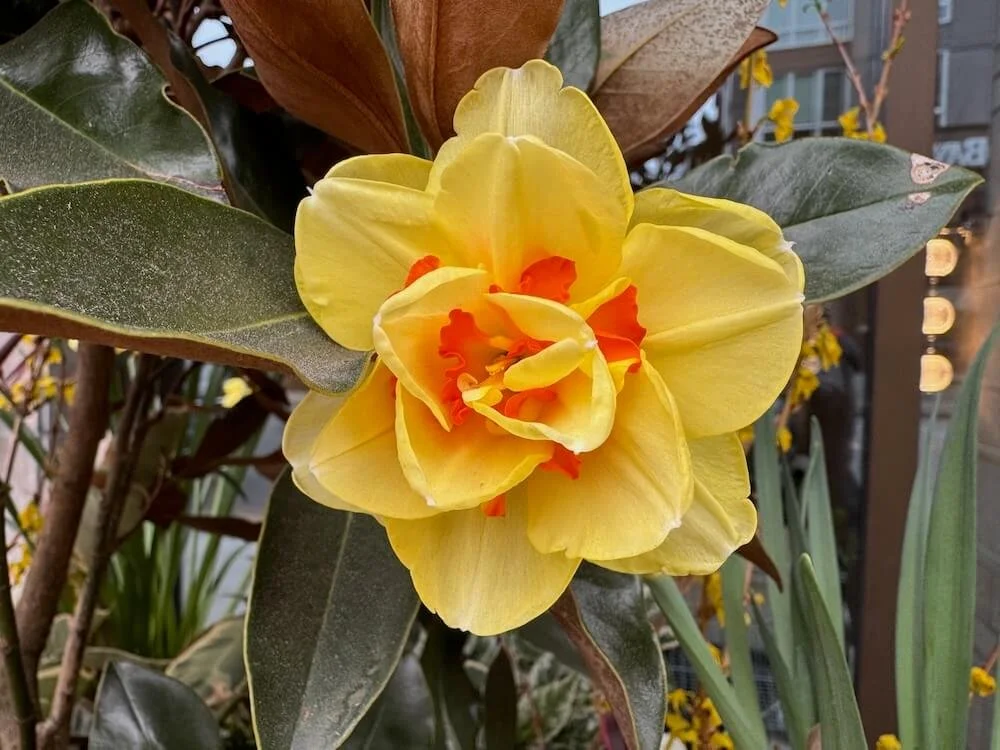
Narcissus ‘Tahiti’ produces bold spring flowers with rich golden-yellow outer petals surrounding a densely layered center of deep orange-red segments that create a warm, dramatic color blend. Smooth, blue-green foliage rises in upright clumps, forming a clean, structured base for the showy blooms as they open. The plant develops a sturdy, balanced presence, with each stem supporting a full, rounded flower that adds depth and texture to early seasonal displays.

This double daffodil blooms in mid-spring with richly layered blossoms well suited for borders, containers, cutting gardens, and naturalized drifts. Introduced through mid-twentieth-century breeding programs, it remains widely planted where abundant flowers and warm color enhance seasonal garden design.

DESCRIPTION
Narcissus ‘Tahiti’ produces bold spring flowers with rich golden-yellow outer petals surrounding a densely layered center of deep orange-red segments that create a warm, dramatic color blend. Smooth, blue-green foliage rises in upright clumps, forming a clean, structured base for the showy blooms as they open. The plant develops a sturdy, balanced presence, with each stem supporting a full, rounded flower that adds depth and texture to early seasonal displays.

This double daffodil blooms in mid-spring with richly layered blossoms well suited for borders, containers, cutting gardens, and naturalized drifts. Introduced through mid-twentieth-century breeding programs, it remains widely planted where abundant flowers and warm color enhance seasonal garden design.

 
  • Family: Amaryllidaceae
    Height: 14 to 20 in
    Foliage color: Medium green to blue-green, narrow strap-shaped leaves
    Flower color: Golden yellow petals with deeper orange-red ruffled segments in the double center
    Flower form: Double daffodil
    Bloom time: Mid spring
    Light requirements: Full sun to partial shade
    Water requirements: Moderate
    Maintenance: Low, remove spent flowers to prevent seed formation, allow foliage die back naturally before removal
    Growing zone: USDA zones 3 to 8
    Wildlife attractors: Occasional visits from bees and other spring pollinators

    Read more about planting and growing bulbs.
    Print Information

    Buy Plants