Narcissus x odorus 'Campernelle' | Campernelle Jonquil

$0.00

DESCRIPTION
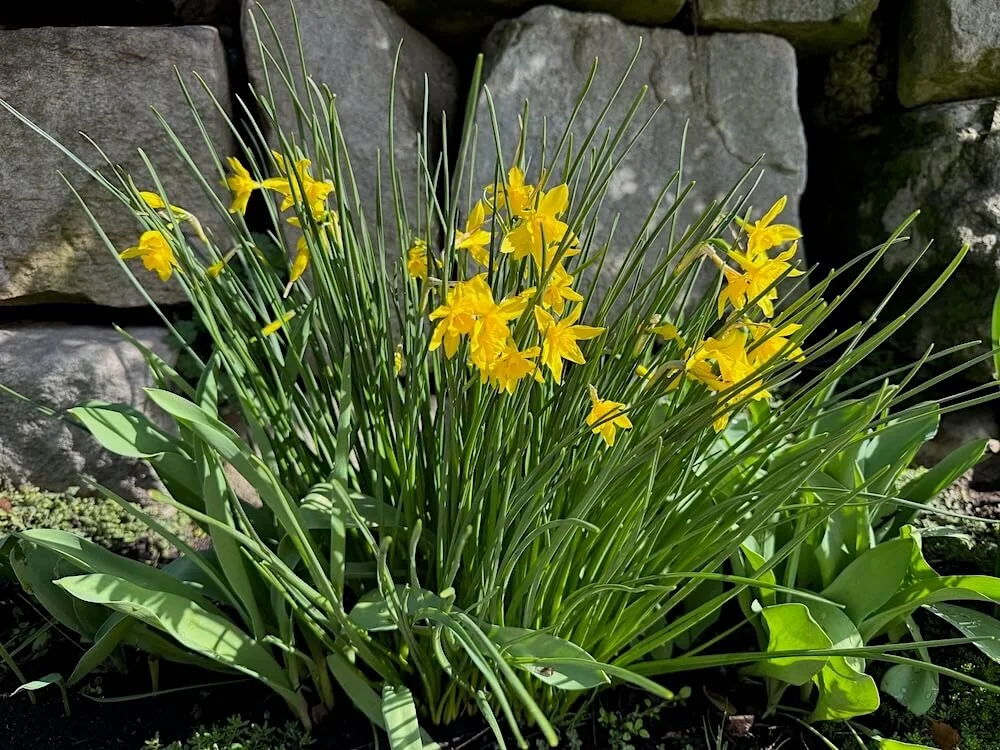
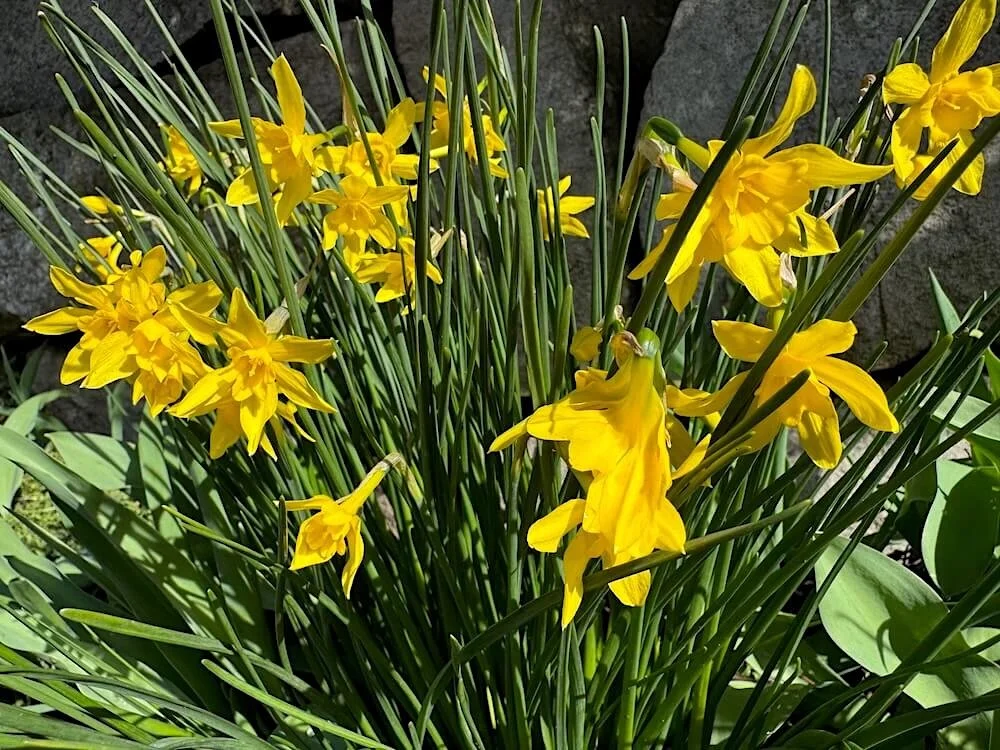
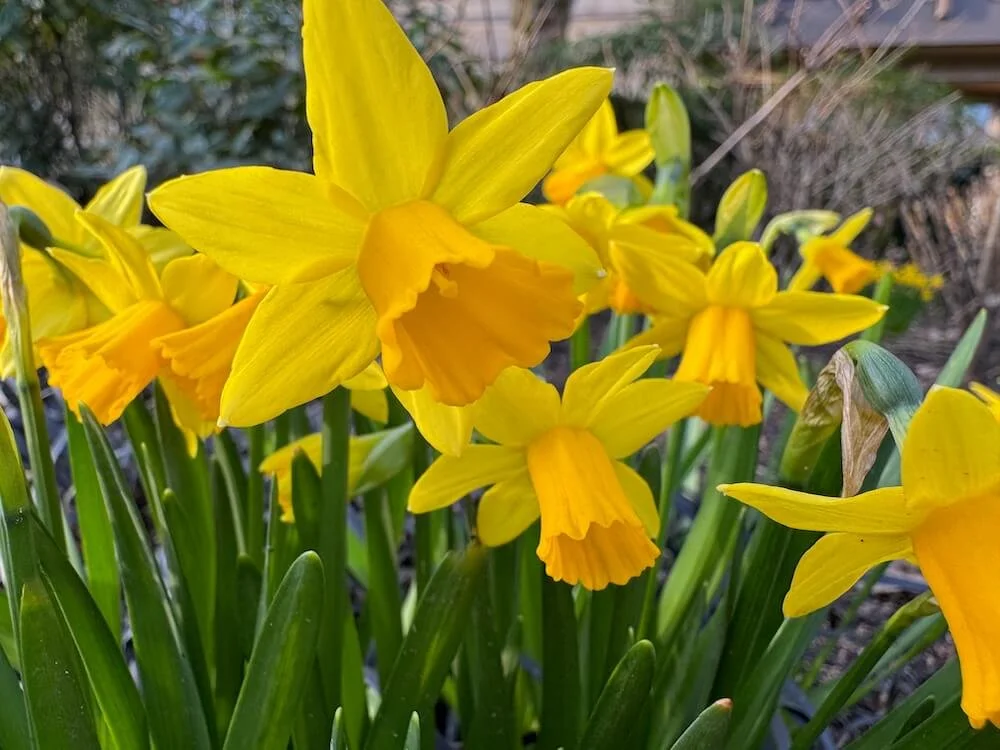
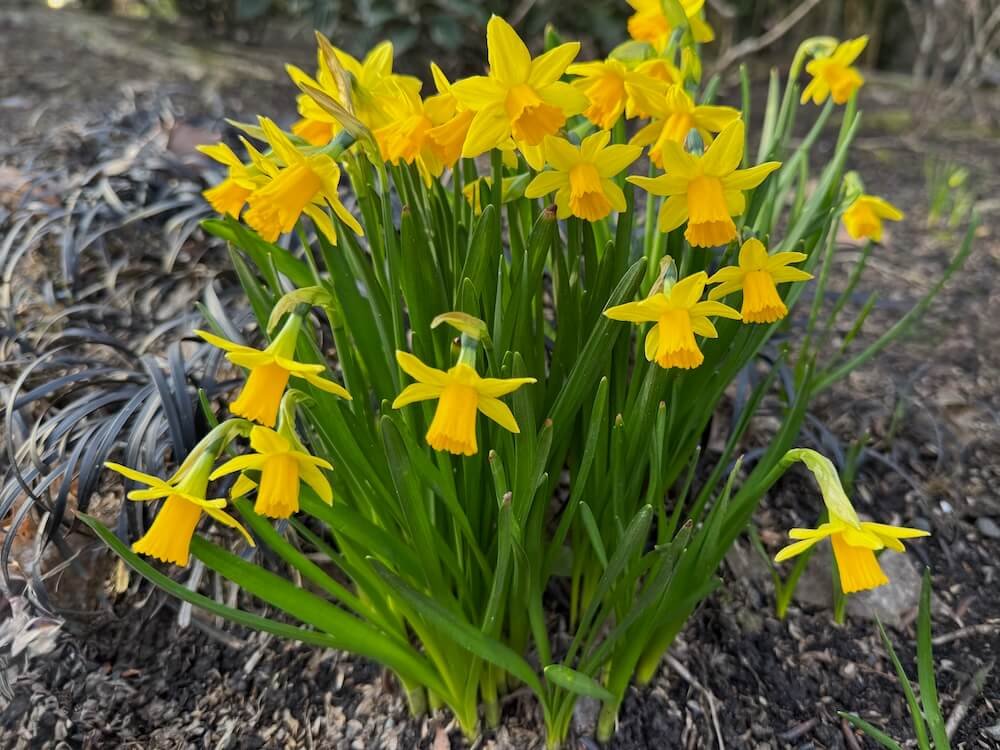
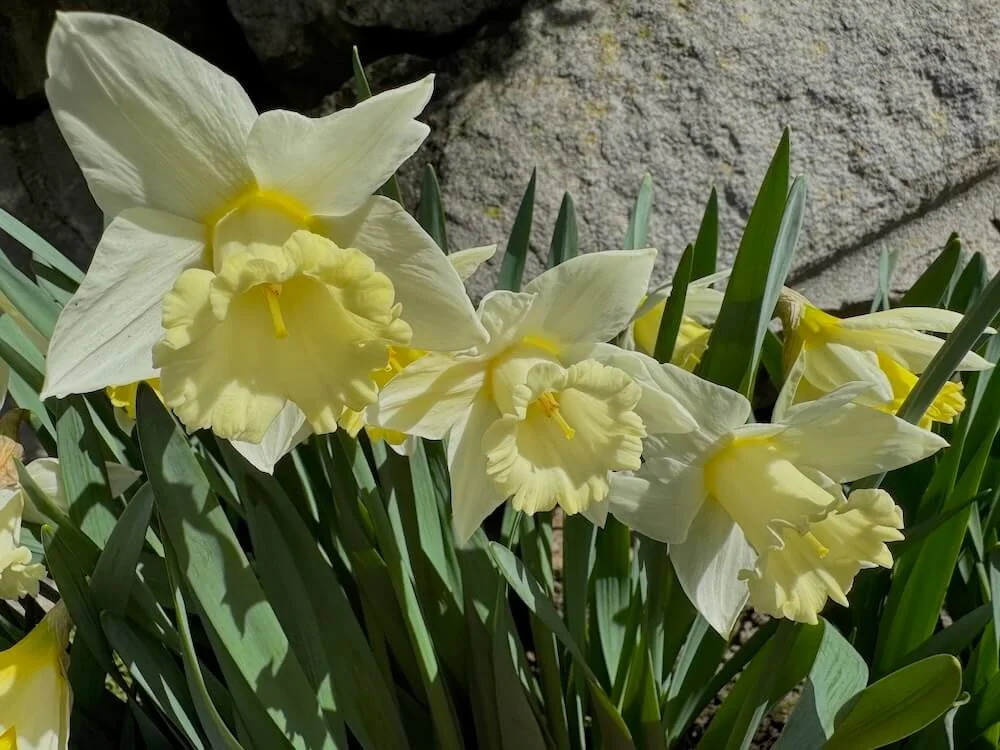
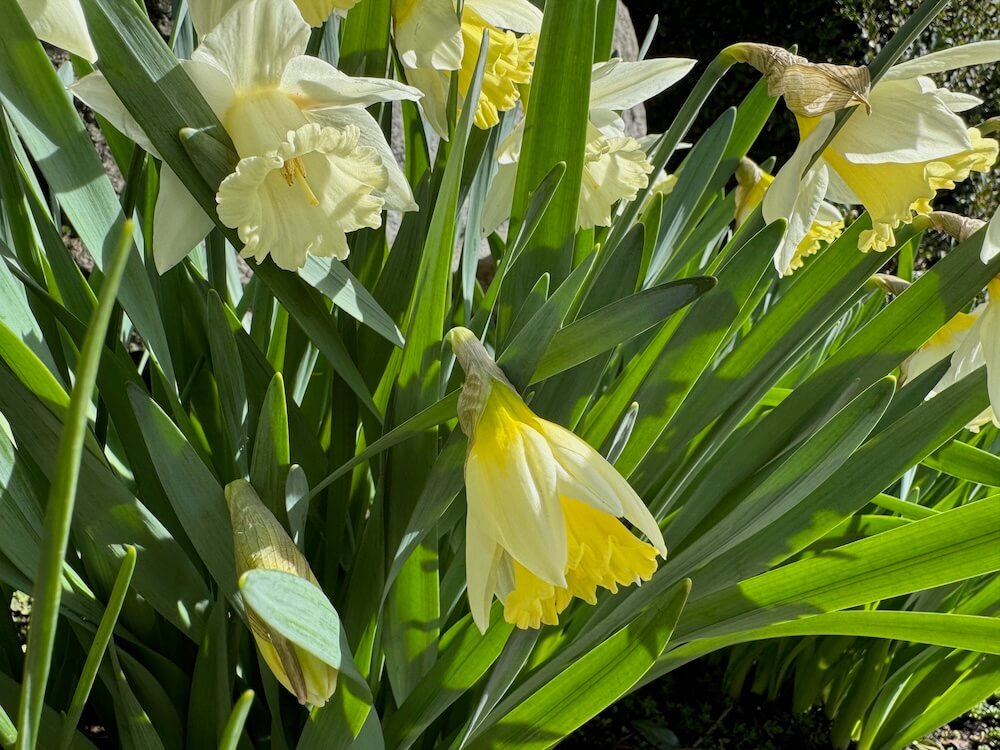
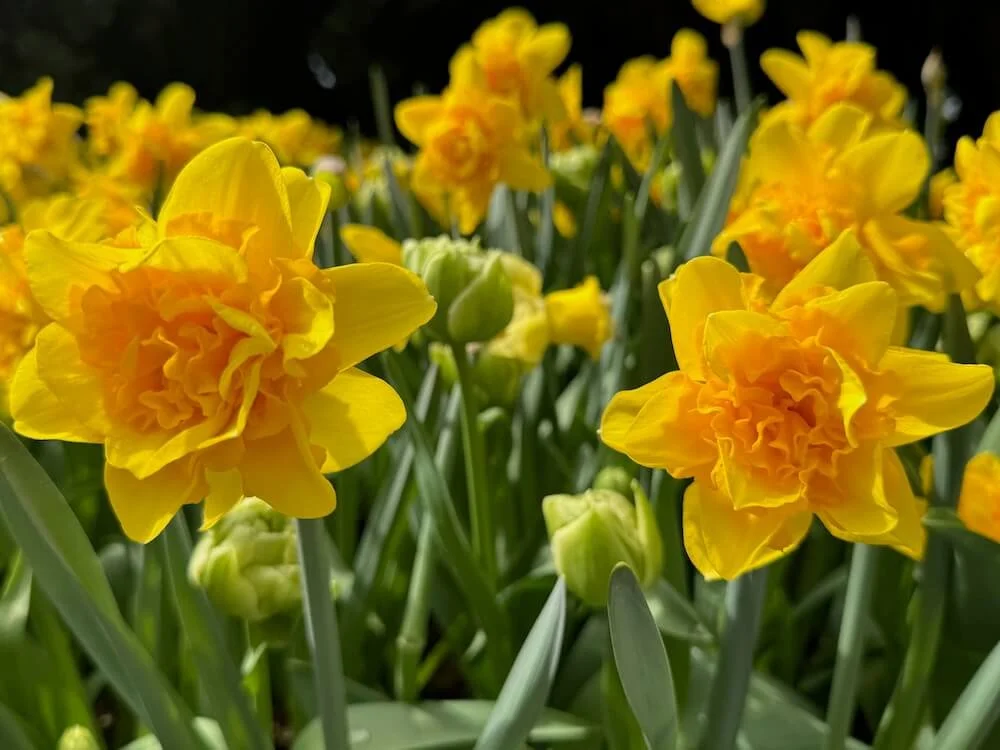
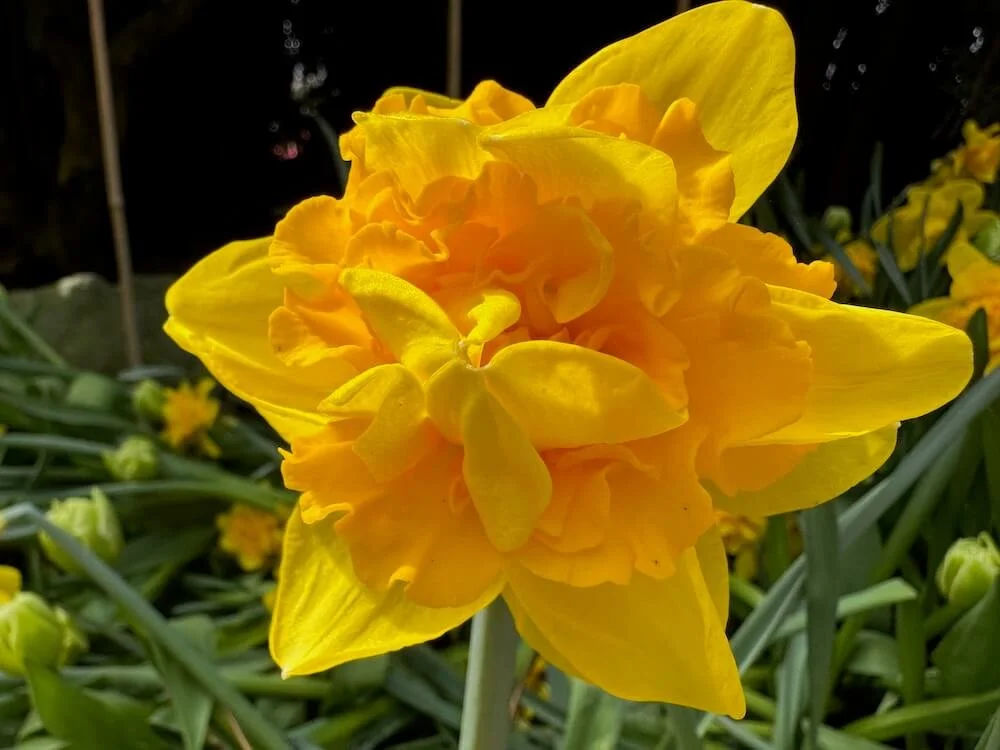
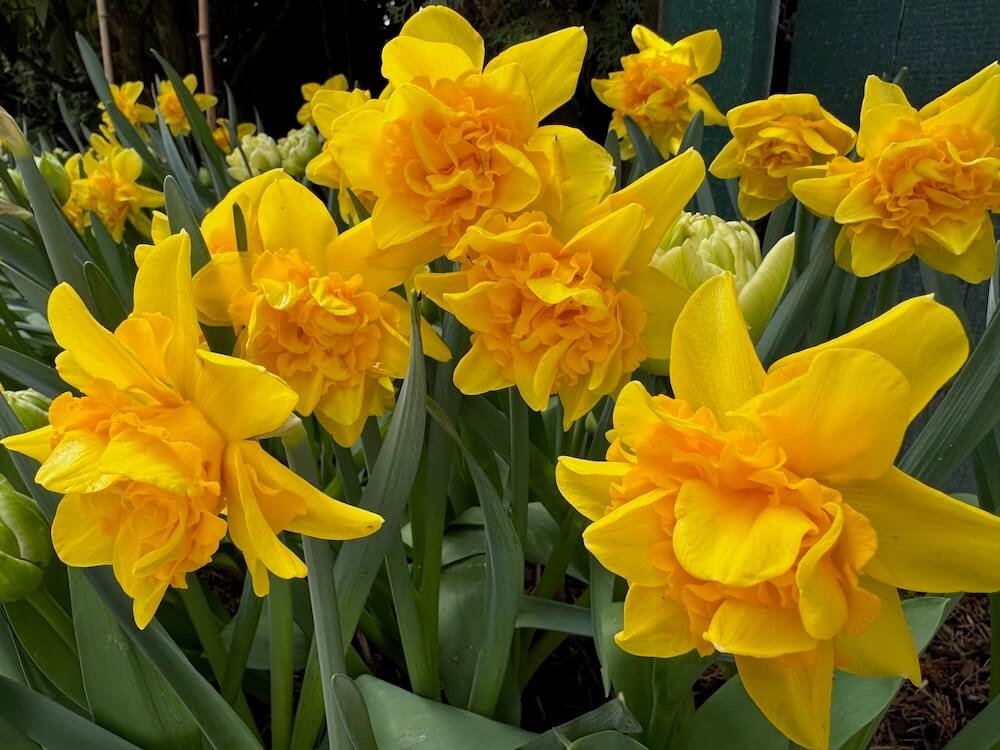
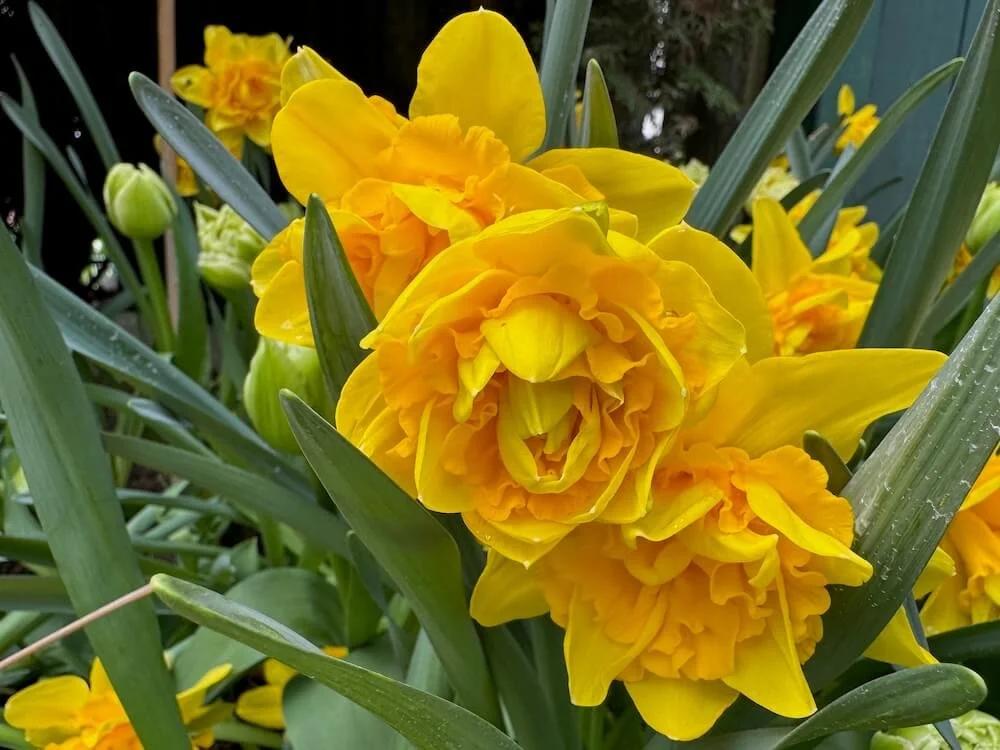
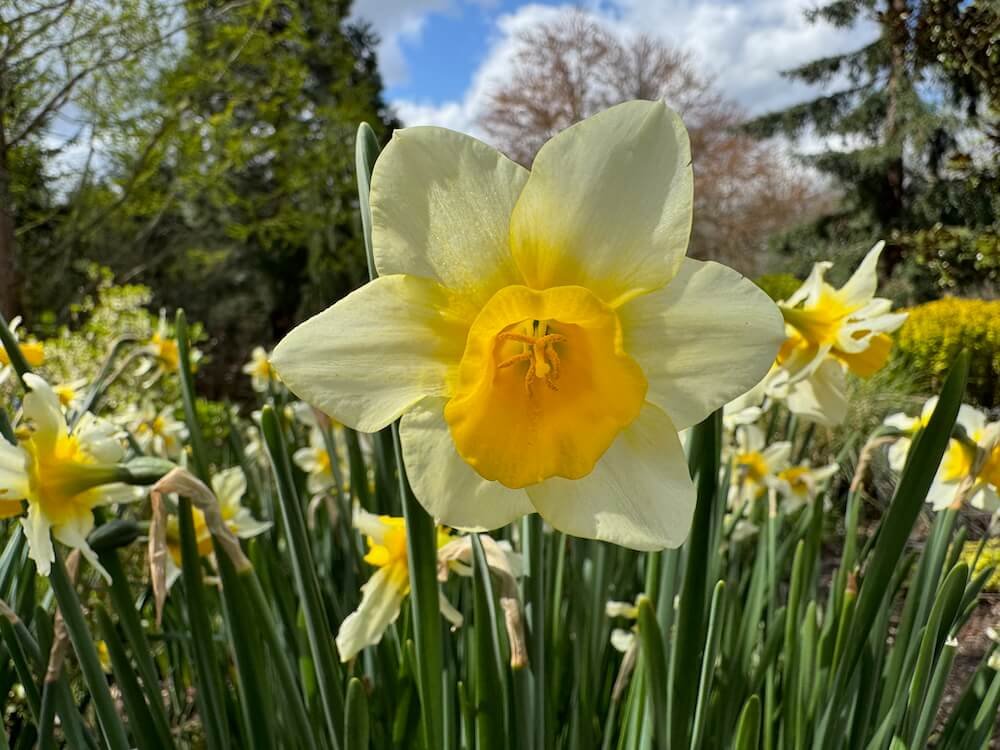
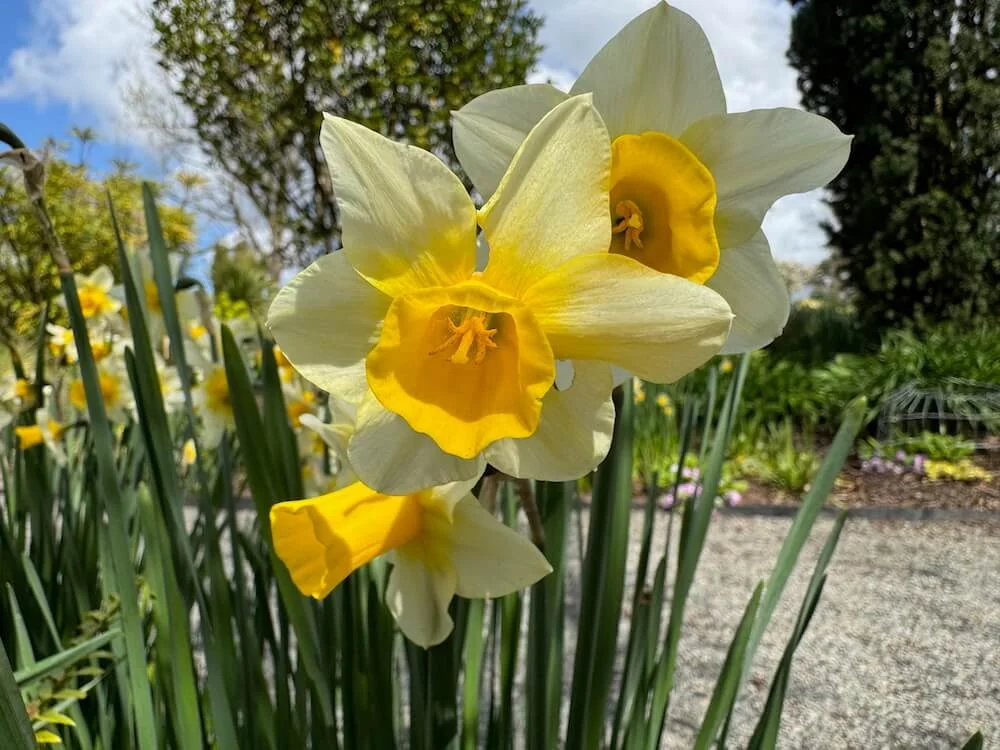
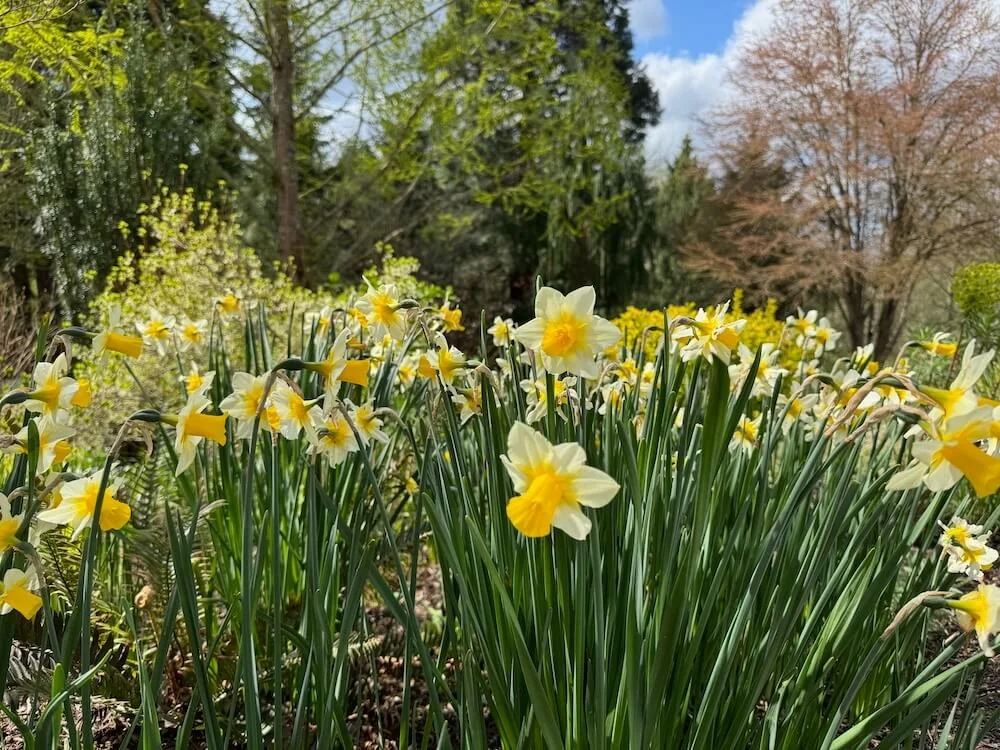
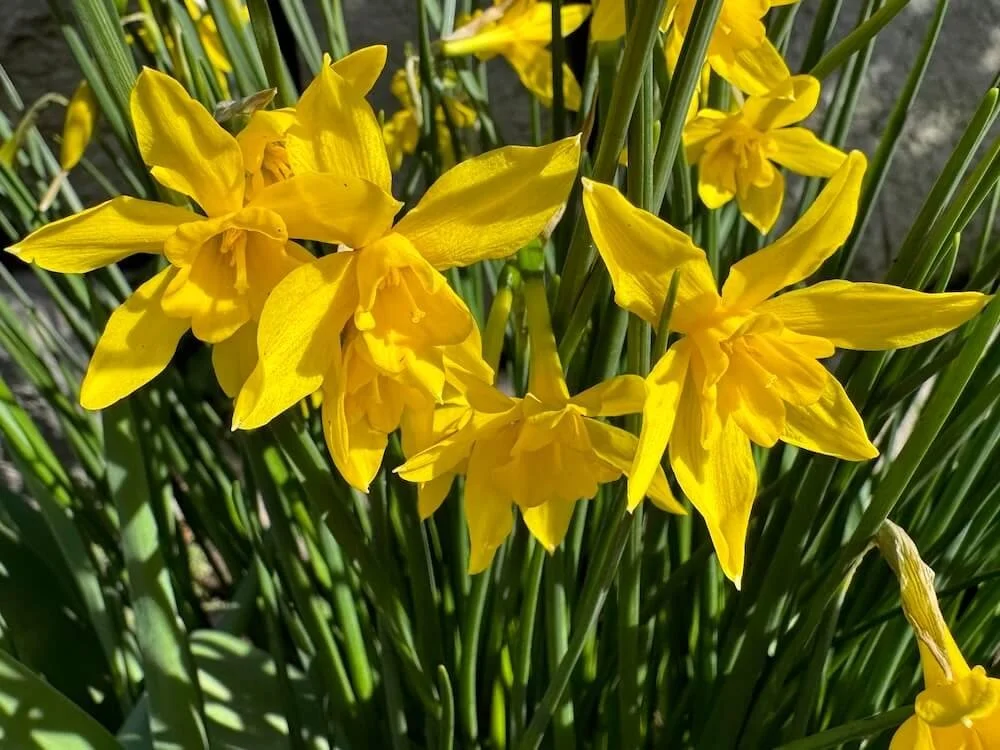
Narcissus x odorus ‘Campernelle’ bears rich golden-yellow flowers with rounded outer petals surrounding short, softly flared cups in matching warm tones that glow in spring light. Slim, blue-green foliage rises in narrow, upright clumps, giving the plant a fresh, lightly textured appearance as the blooms open. The overall habit is airy and graceful, with multiple flowers often appearing together on each stem to create a gently abundant display.

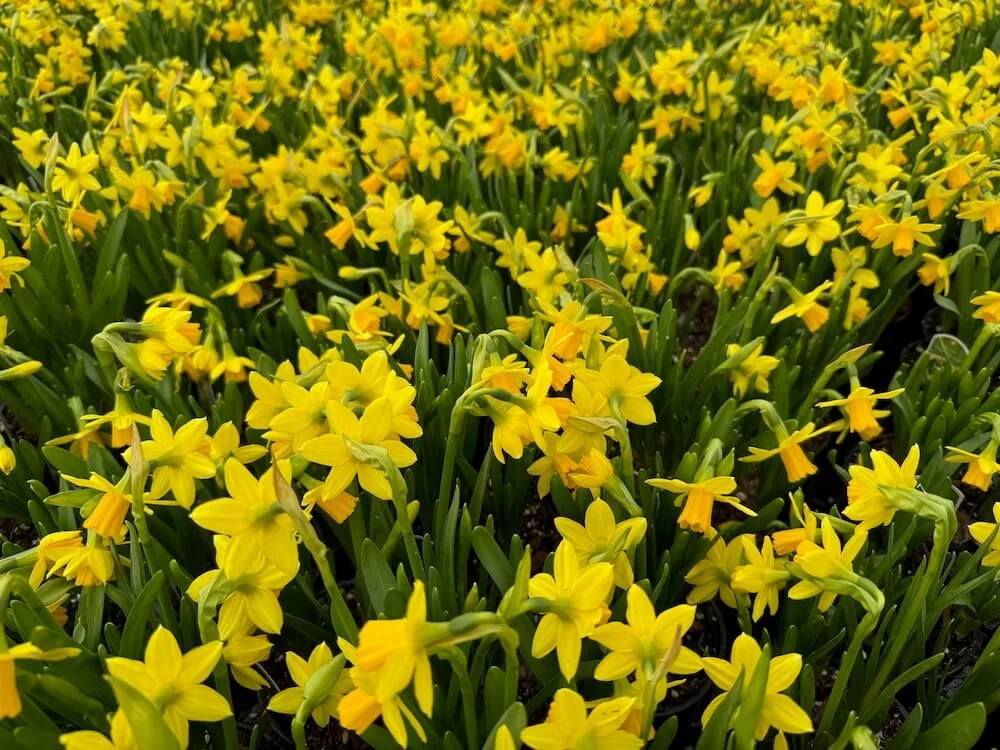
This jonquilla-form daffodil blooms in early to mid spring and is well suited for borders, containers, cutting gardens, and naturalized plantings where fragrant flowers enhance seasonal scenes. Introduced in the seventeenth century, it remains widely planted for dependable flowering and enduring garden appeal.

DESCRIPTION
Narcissus x odorus ‘Campernelle’ bears rich golden-yellow flowers with rounded outer petals surrounding short, softly flared cups in matching warm tones that glow in spring light. Slim, blue-green foliage rises in narrow, upright clumps, giving the plant a fresh, lightly textured appearance as the blooms open. The overall habit is airy and graceful, with multiple flowers often appearing together on each stem to create a gently abundant display.

This jonquilla-form daffodil blooms in early to mid spring and is well suited for borders, containers, cutting gardens, and naturalized plantings where fragrant flowers enhance seasonal scenes. Introduced in the seventeenth century, it remains widely planted for dependable flowering and enduring garden appeal.

 
  • Family: Amaryllidaceae
    Height: 10 to 16 in
    Foliage color: Blue-green to gray-green, narrow rush-like leaves, often appearing semi-cylindrical
    Flower color: Golden yellow petals with a deeper yellow, distinctly lobed cup; fragrant
    Flower form: Jonquil-type daffodil
    Bloom time: Early to mid spring
    Light requirements: Full sun to partial shade
    Water requirements: Moderate
    Maintenance: Low, remove spent flowers to prevent seed formation, allow foliage die back naturally before removal
    Growing zone: USDA zones 4 to 9
    Wildlife attractors: Occasional visits from bees and other spring pollinators

    Read more about planting and growing bulbs.
    Print Information

    Buy Plants